PHASE I
TELLING OF STORIES
In the summers of 2014 and 2015, the 100Stone Project traveled across Alaska—by road and by air—to reach some of the state’s most vulnerable community members, along with their loved ones, caretakers, and service providers. Our aim was to locate the intersection of public health and art. It was placemaking that gave physical form to the shame and isolation experienced by people living with acute vulnerabilities—the very taproot of suicide.
100Stone sought to activate those who understood acute vulnerability all too well, whether through physical or emotional isolation. It invited them to tell their stories of illness, trauma, grief, disability, difficult transitions, and struggle without the daunting burden of verbal expression. As the project unfolded, it grew into a movement that also reached the wider community—those whose attitudes or approaches toward suffering may unintentionally reinforce the isolation that can lead to the devastating activation of suicide.
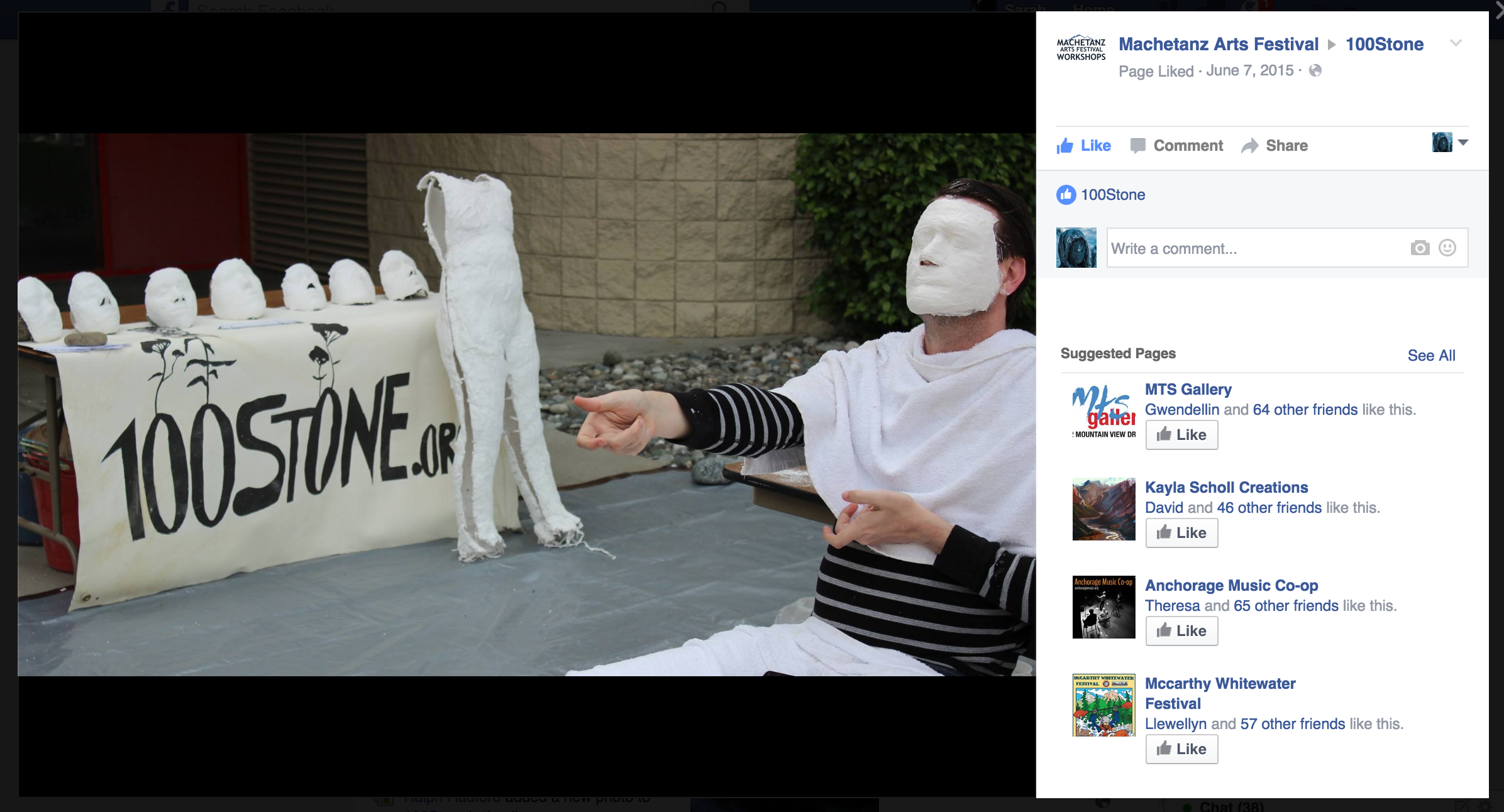
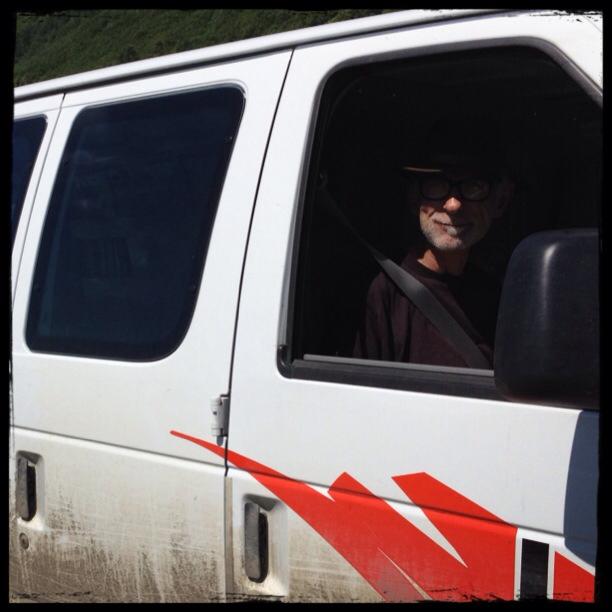
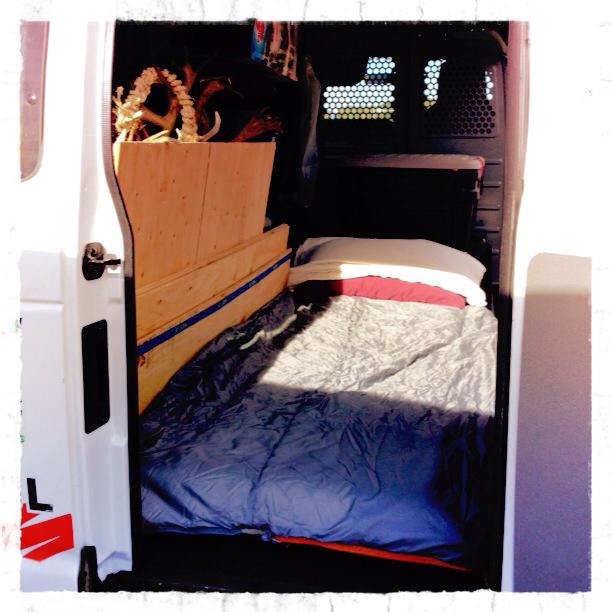
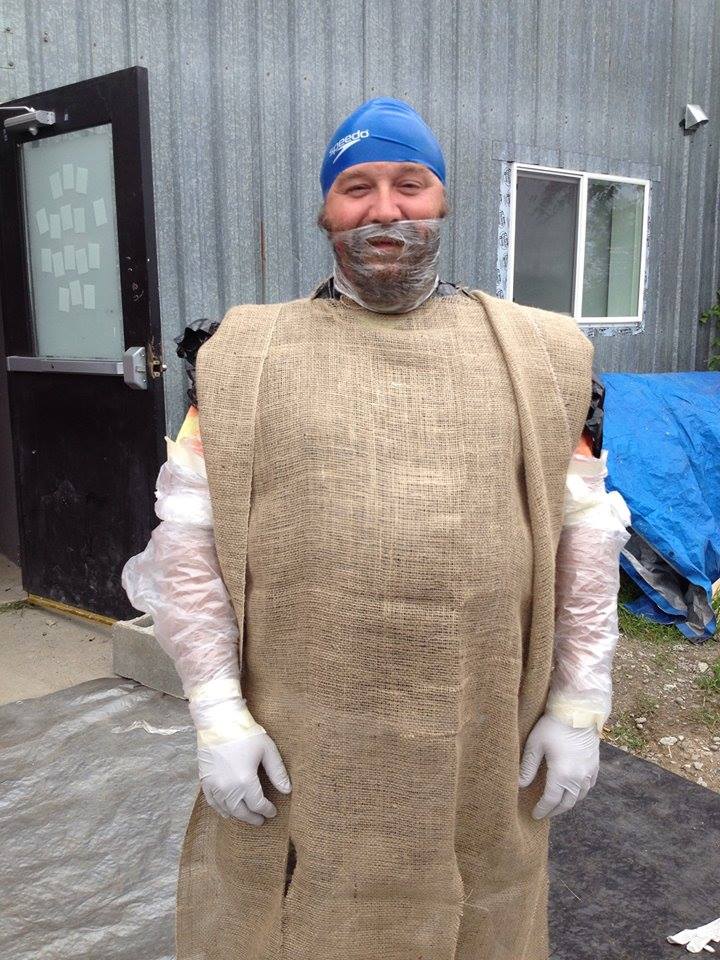
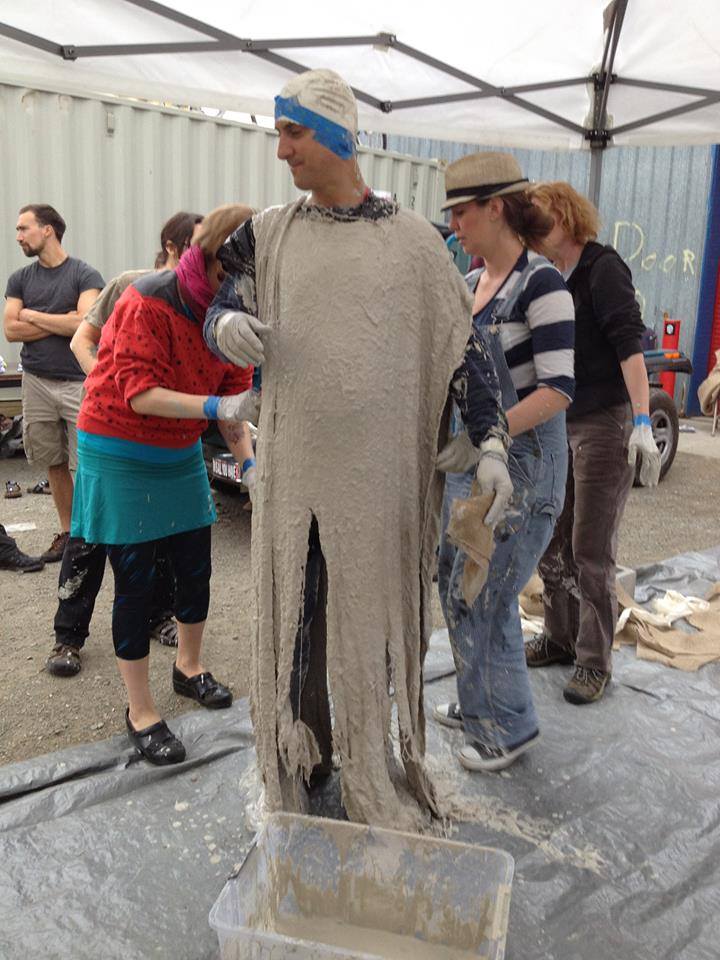
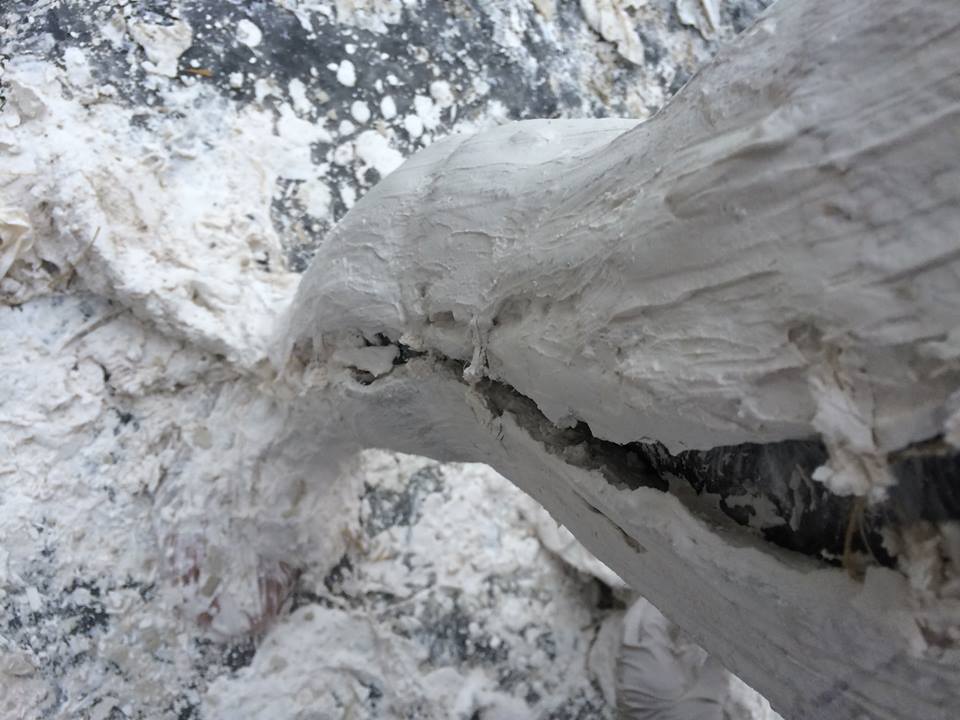
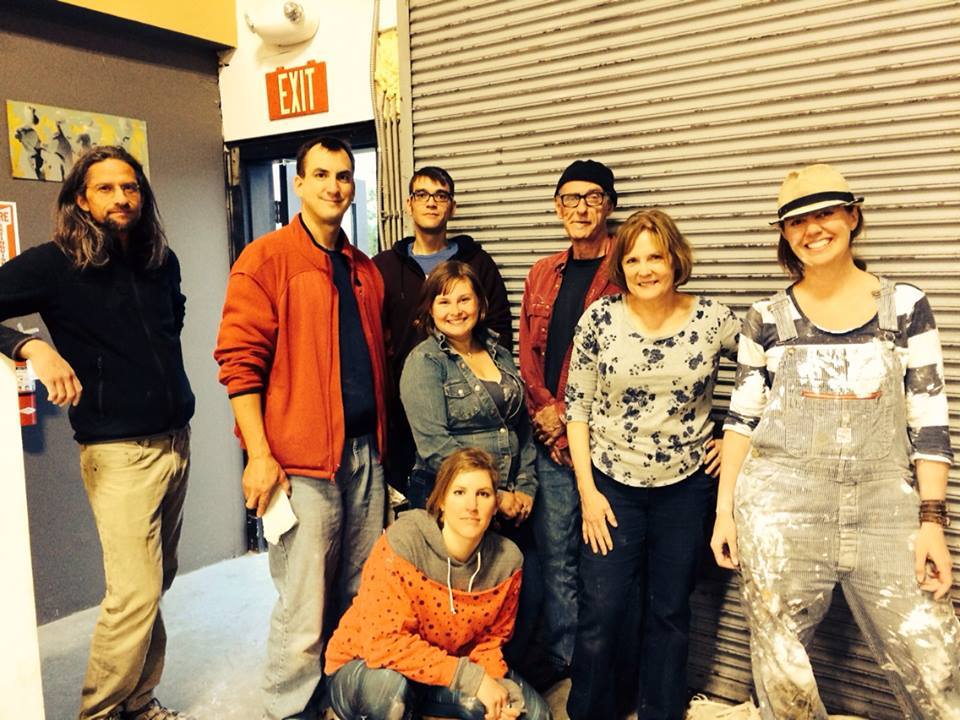
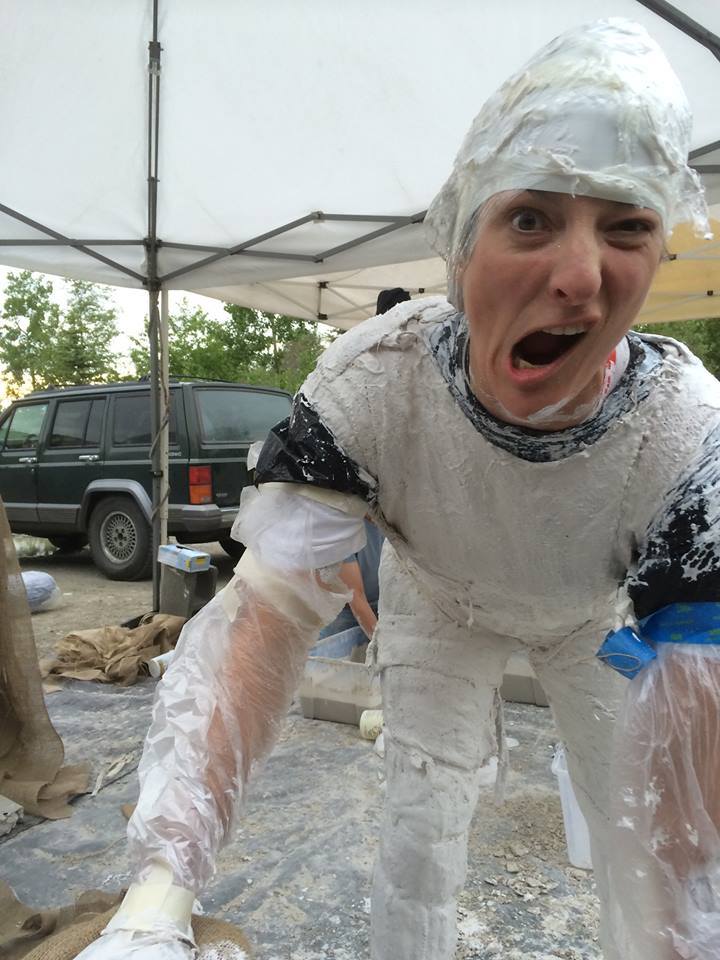
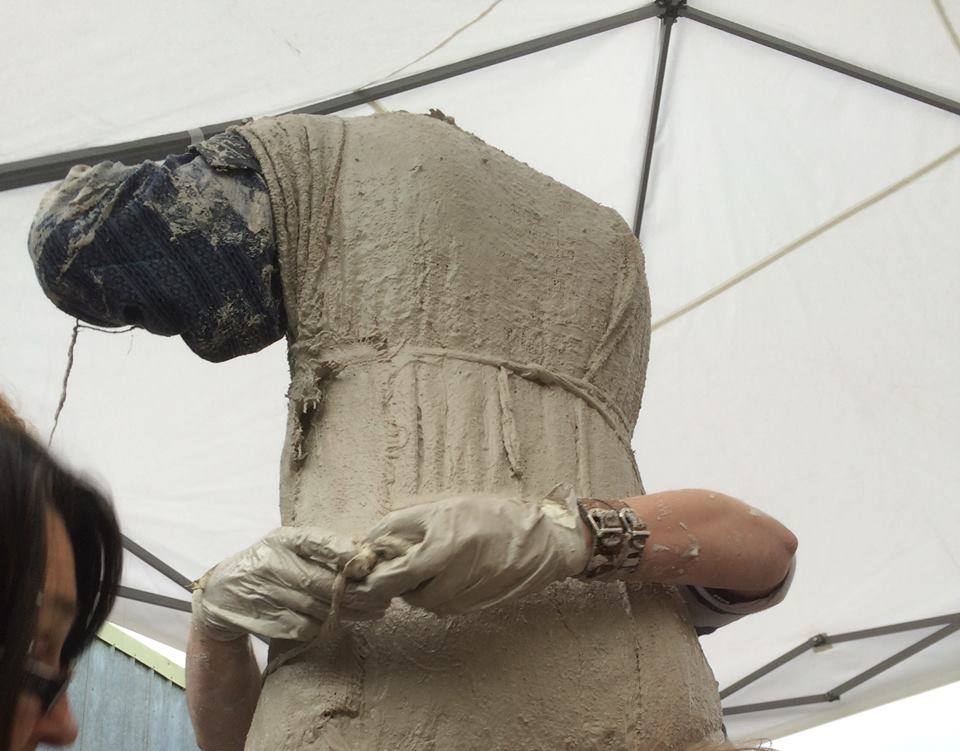
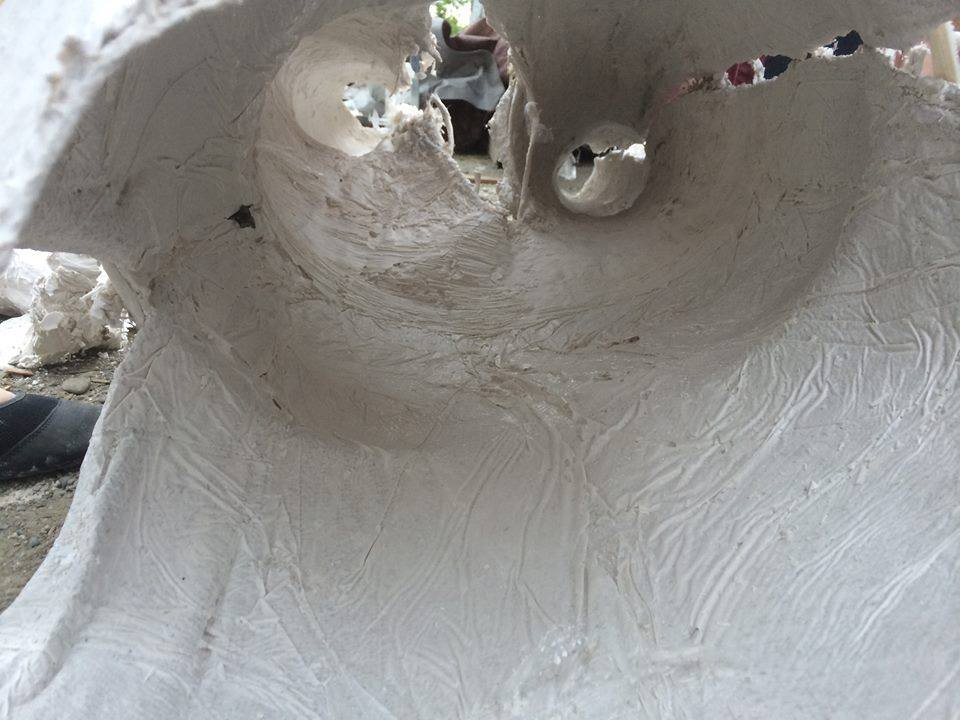
Facilitated by the 100Stone team and a diverse network of partners in the health and arts communities, nearly 600 creative and non-creative “allies” gathered in 30 spaces across the state to manifest an ephemeral moment of sanctuary. In those spaces, ecosystems of fellowship, connection, and creative engagement supported the “telling” of 200 of our most difficult stories through physical and artistic means. Artists and non-artists alike captured the forms and features of participants’ faces and bodies in messy, awkward, and playful plaster-casting sessions designed to offer both sharp focus on—and brief respite from—the burdens of mental illness. Through the laying of hands, the building of forms, and the activation of purposeful creative action, physical and emotional barriers were breached, sometimes for the first time, and the roots of connectivity began to grow.
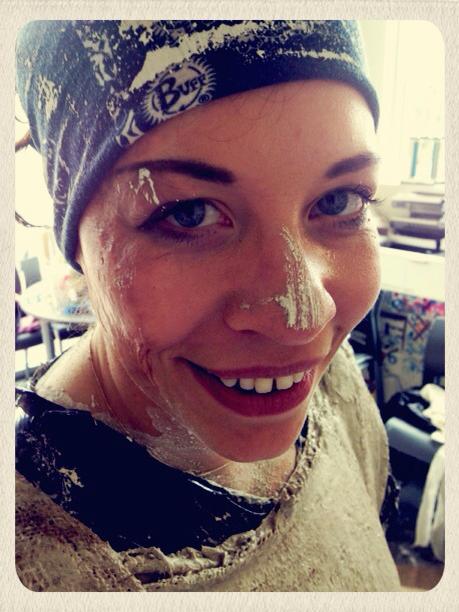
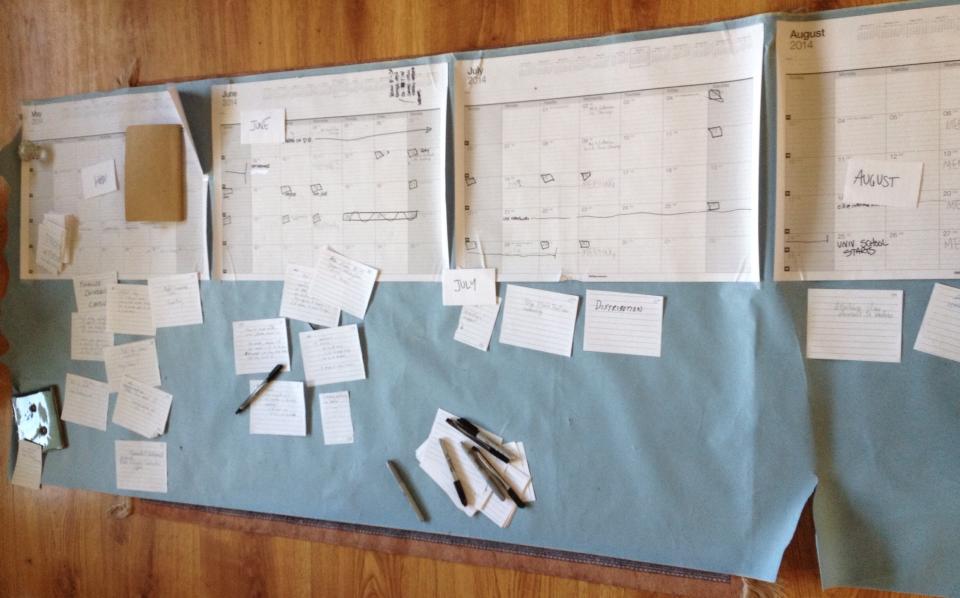
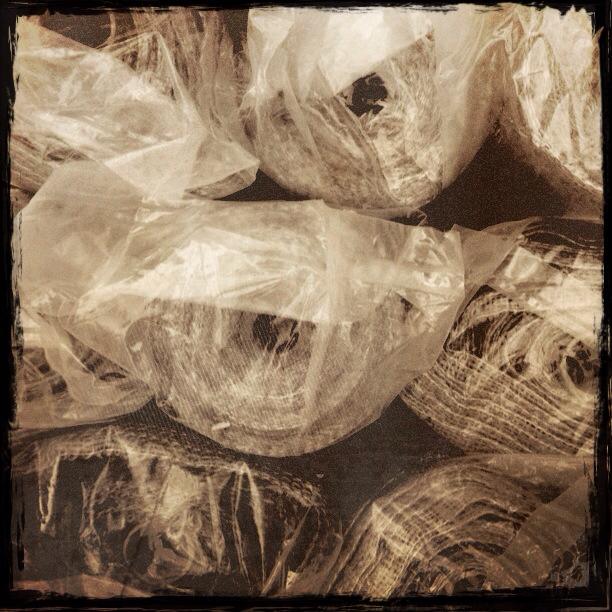
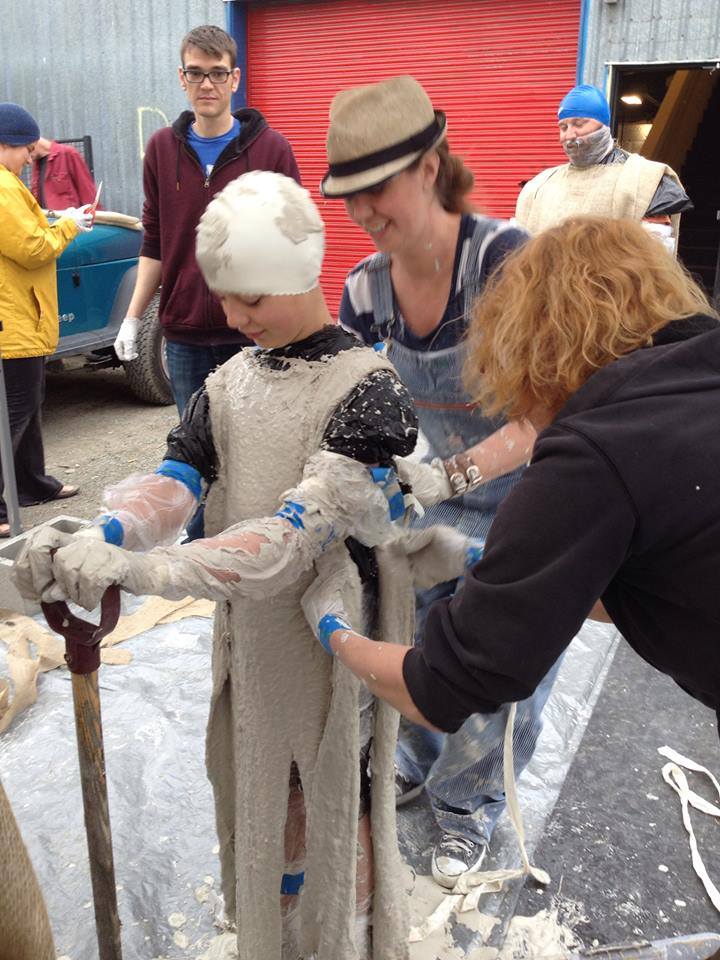
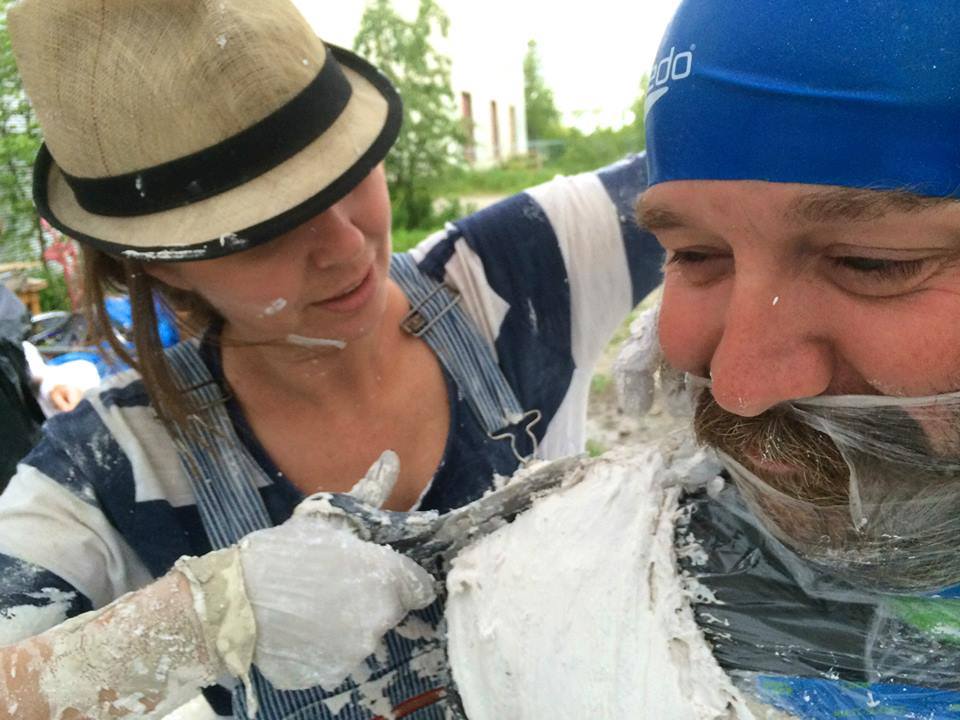
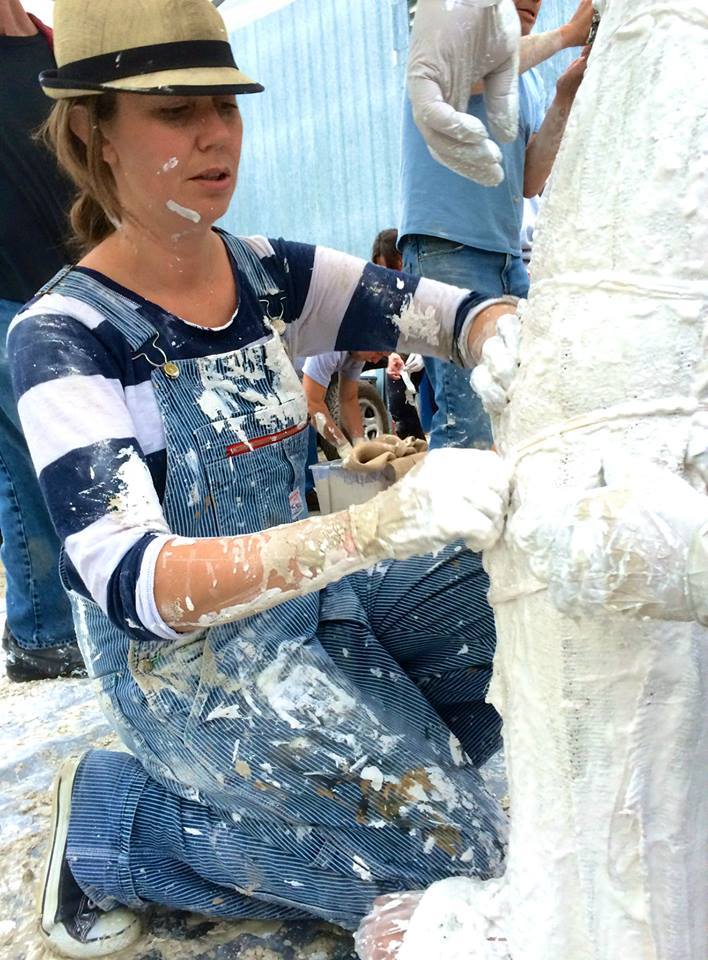
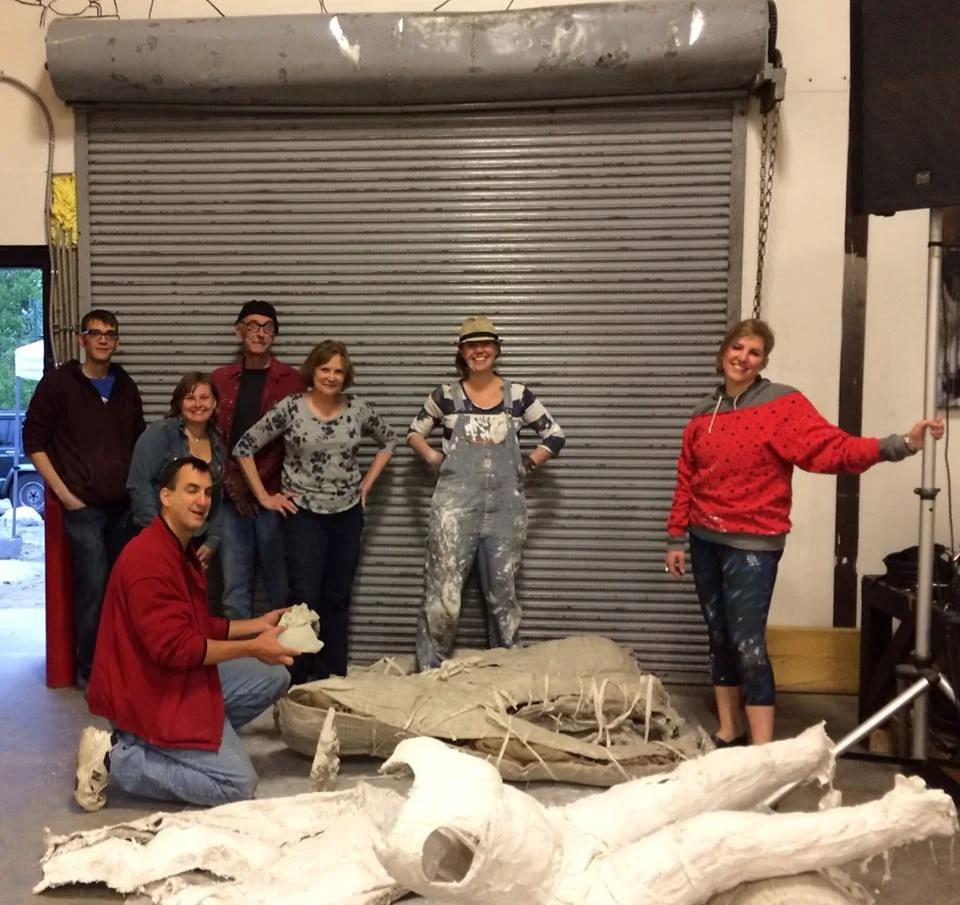
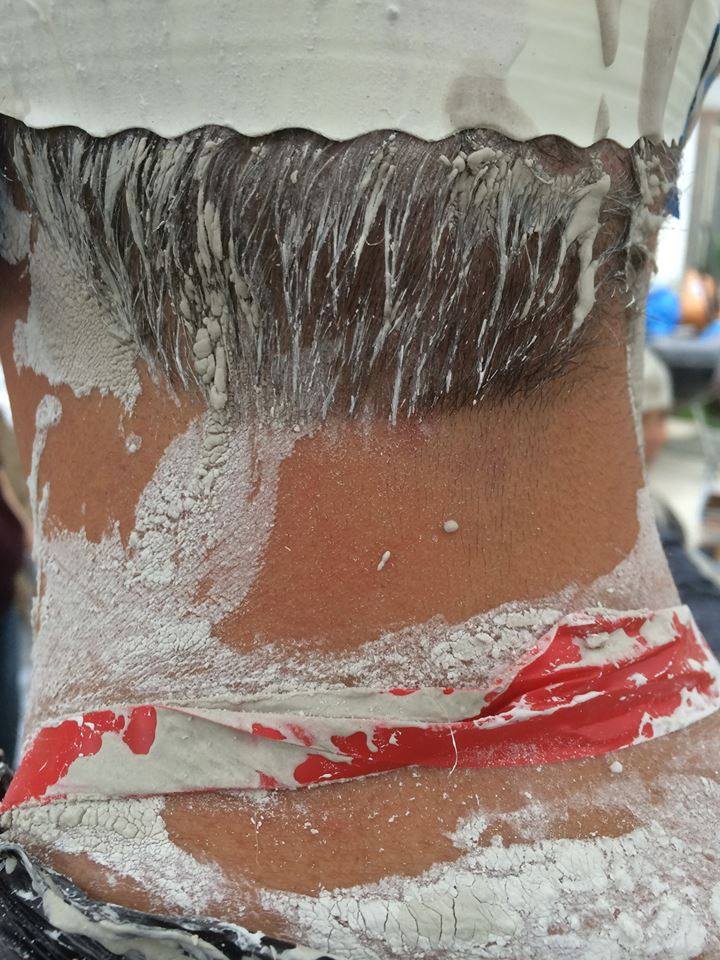
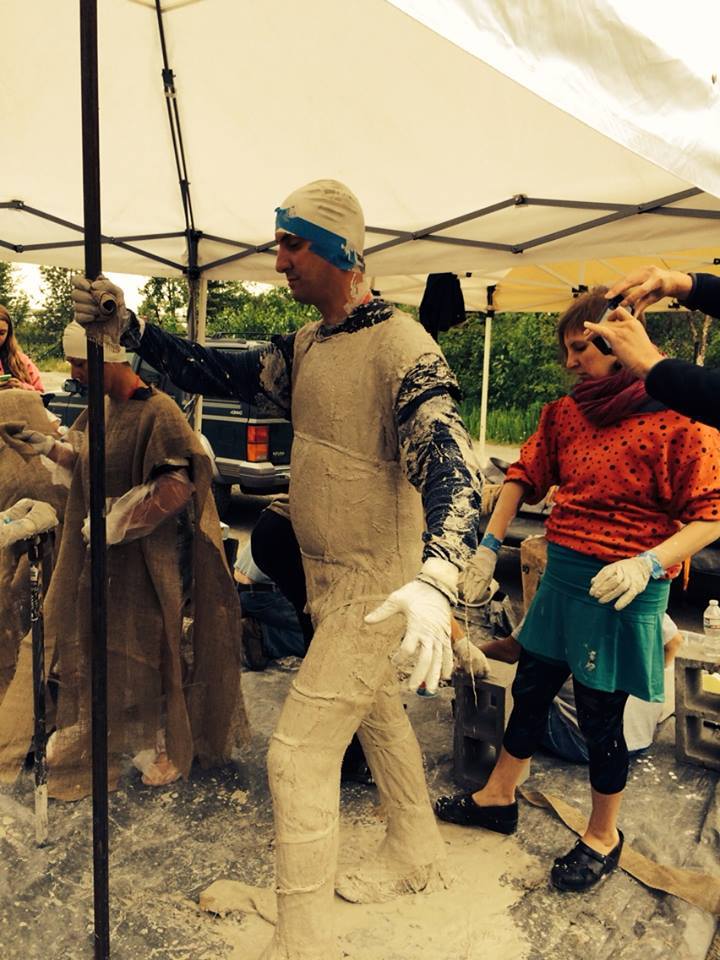
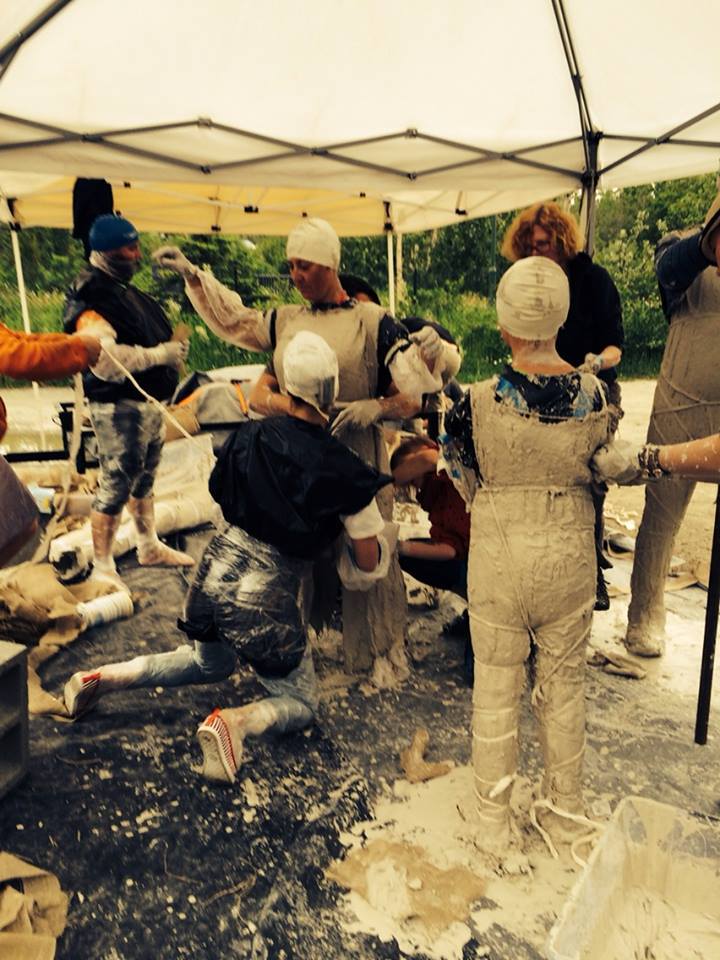
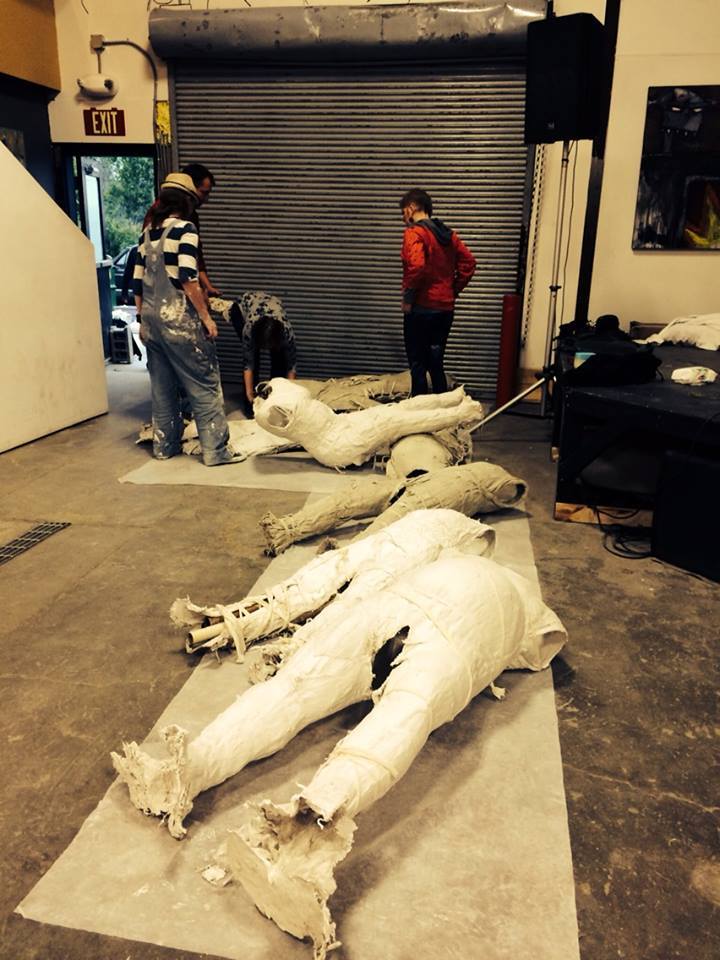
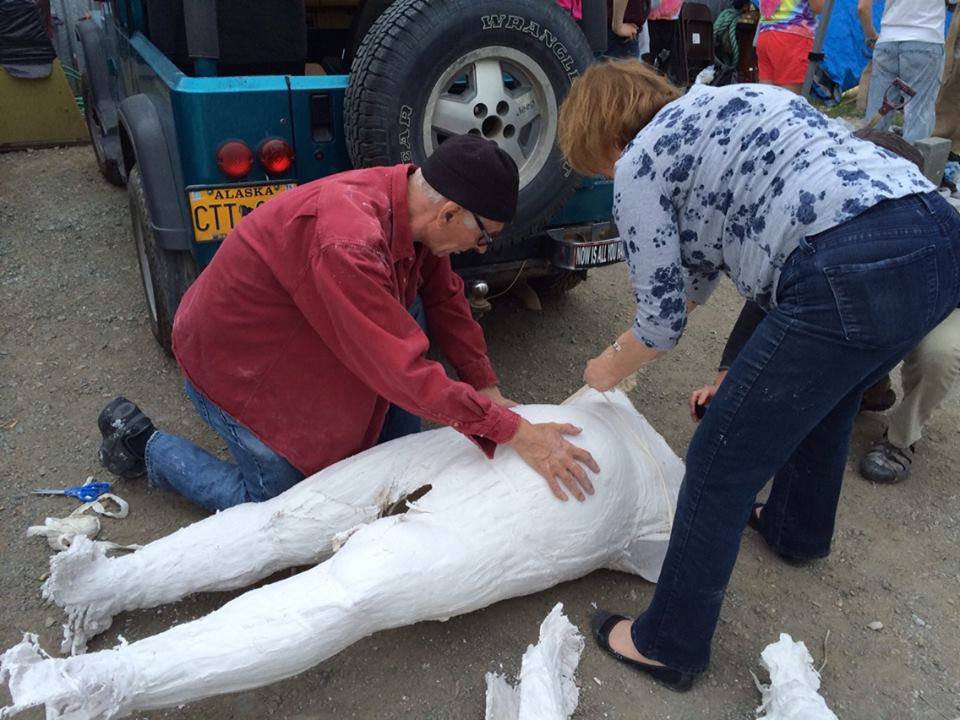
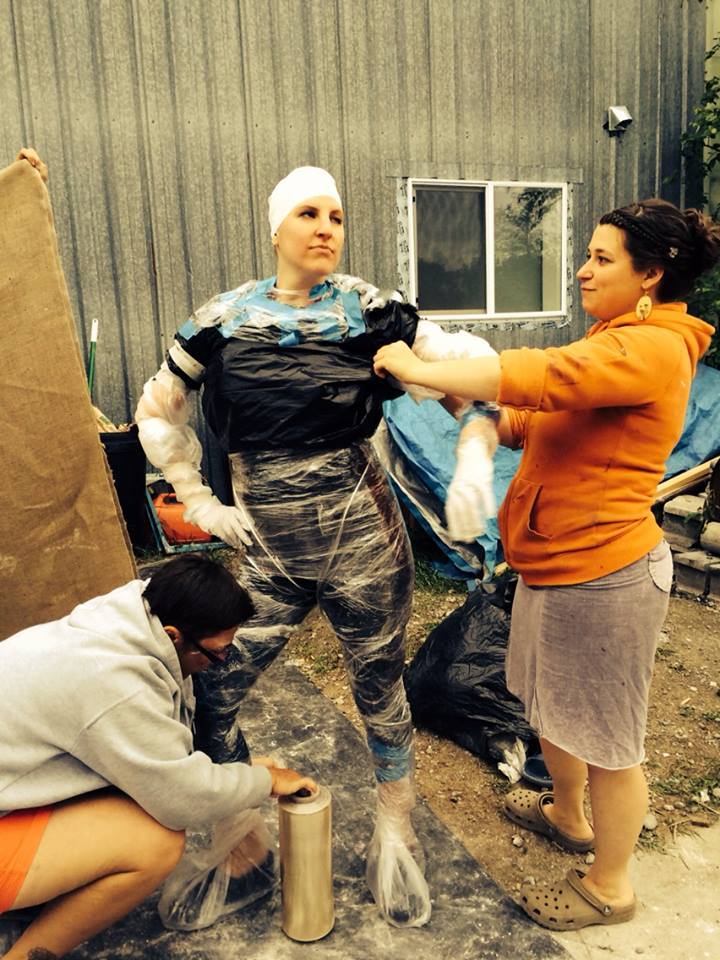
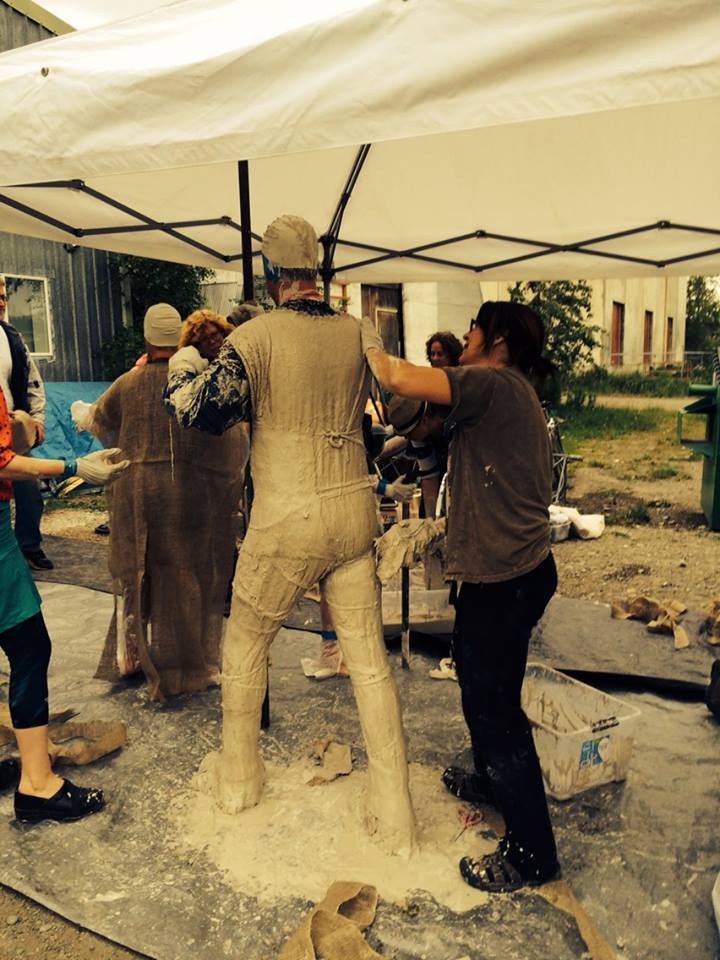
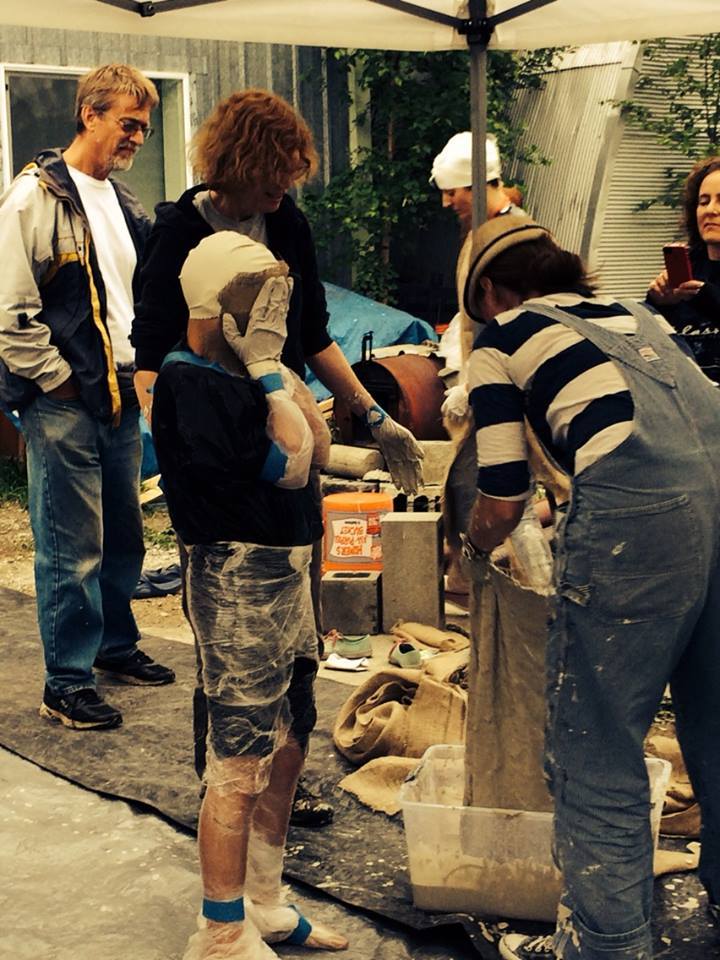
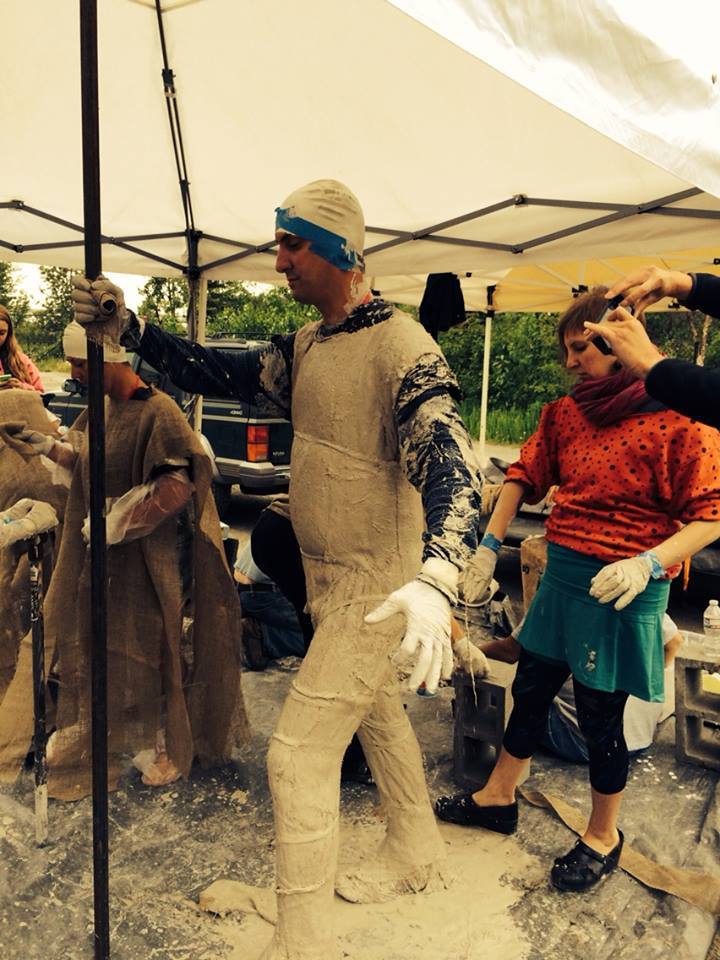

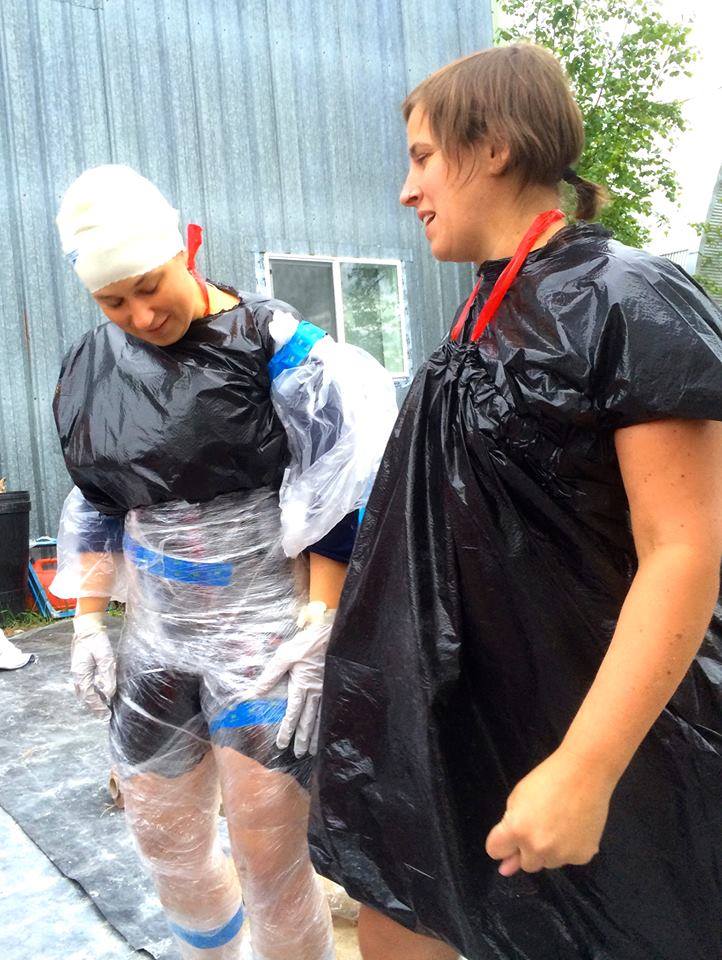
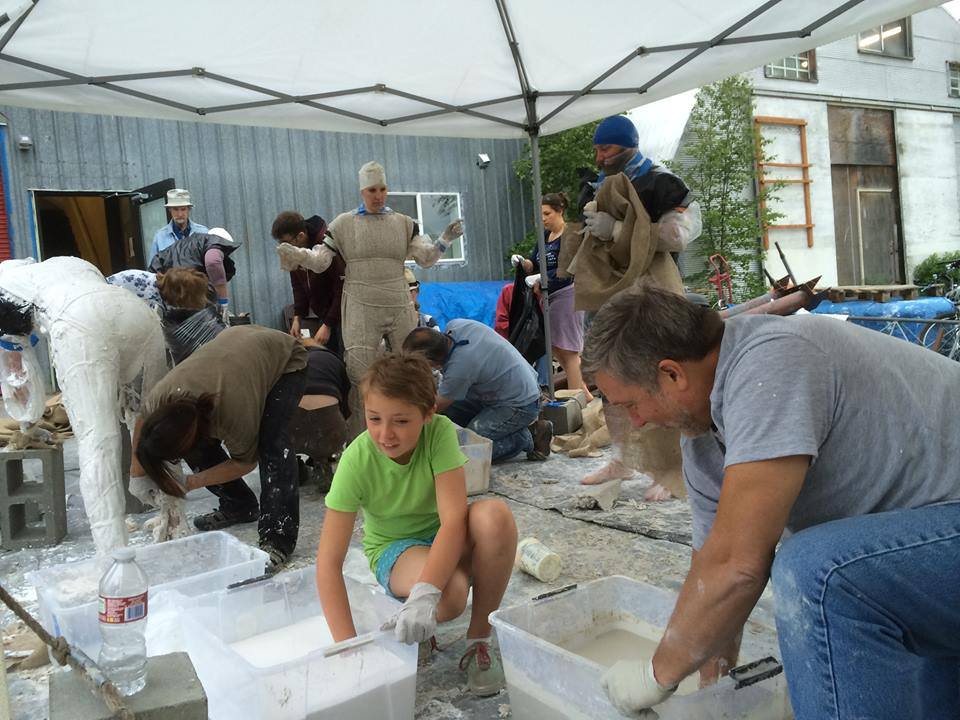
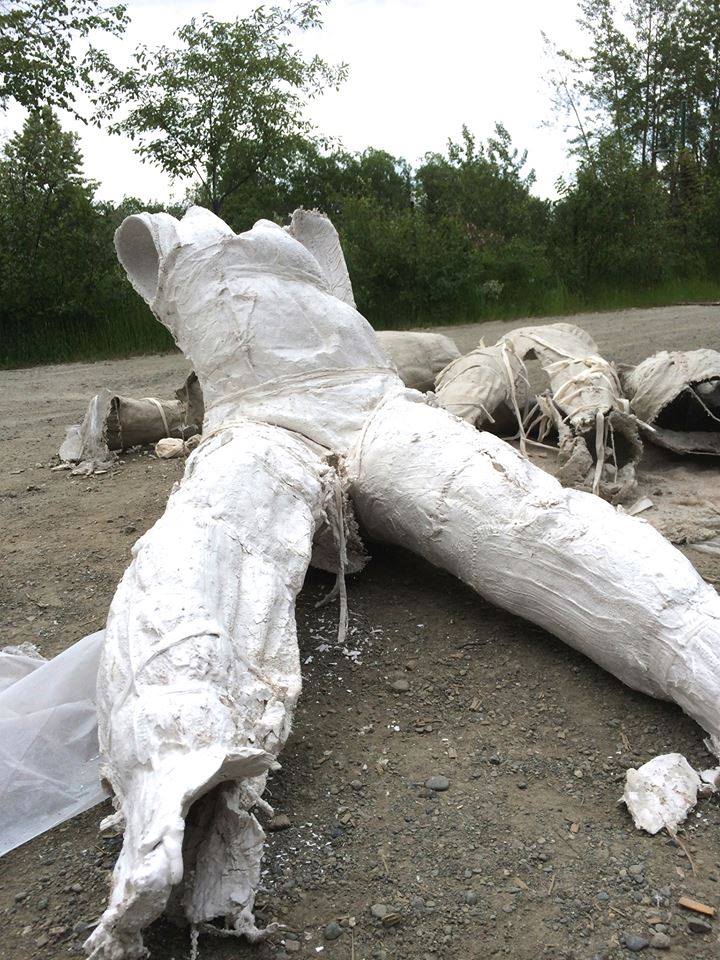
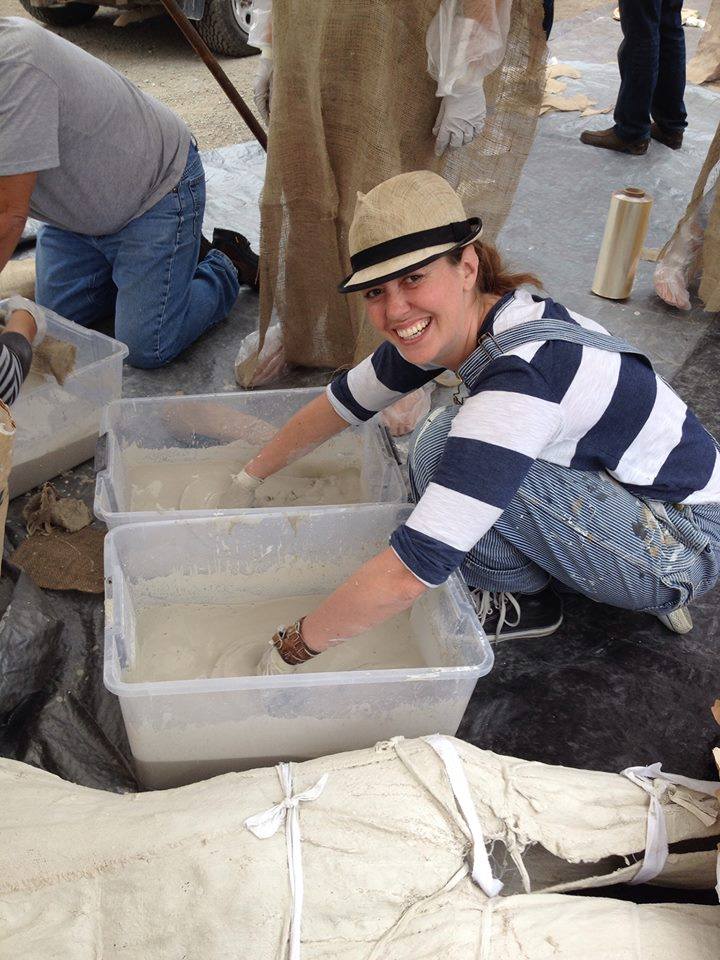
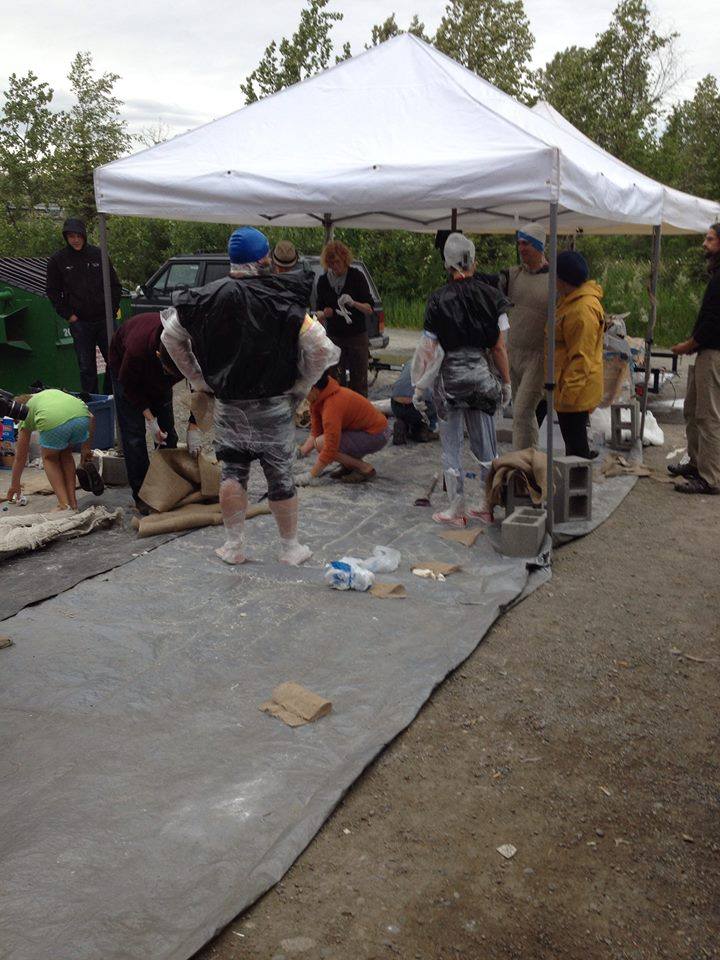
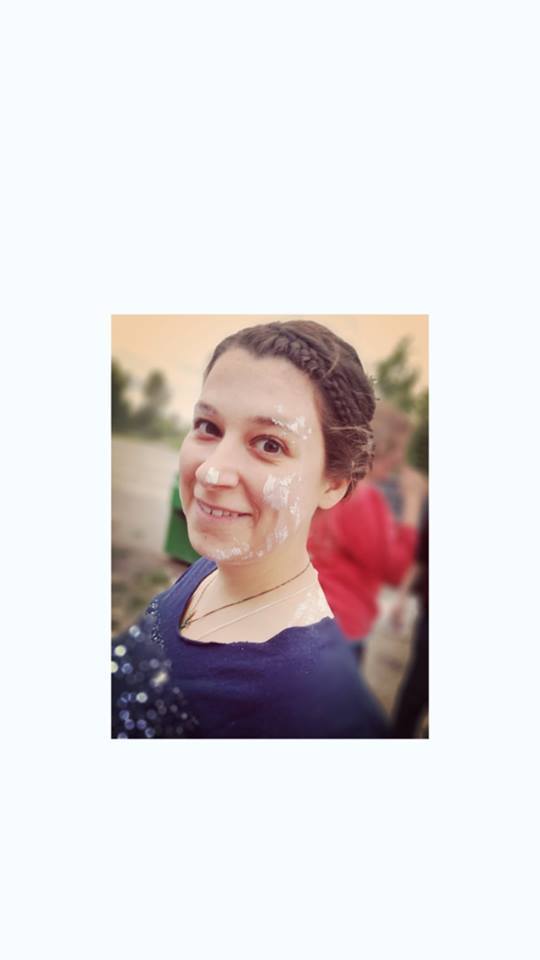
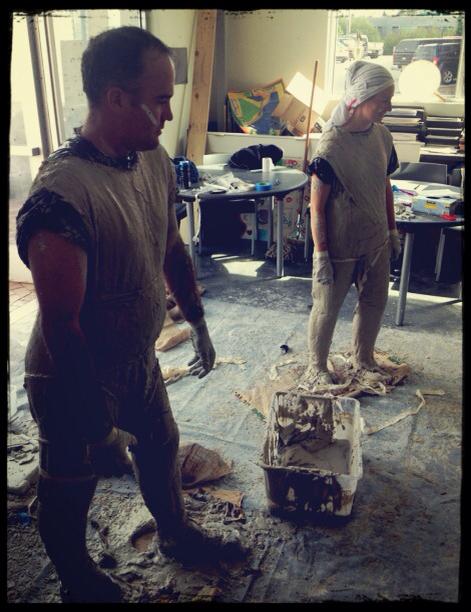
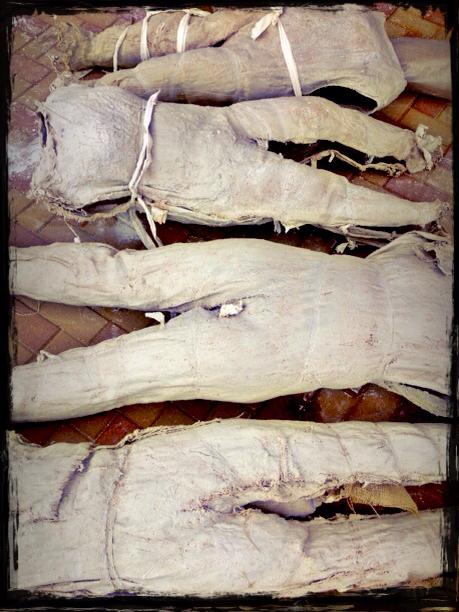
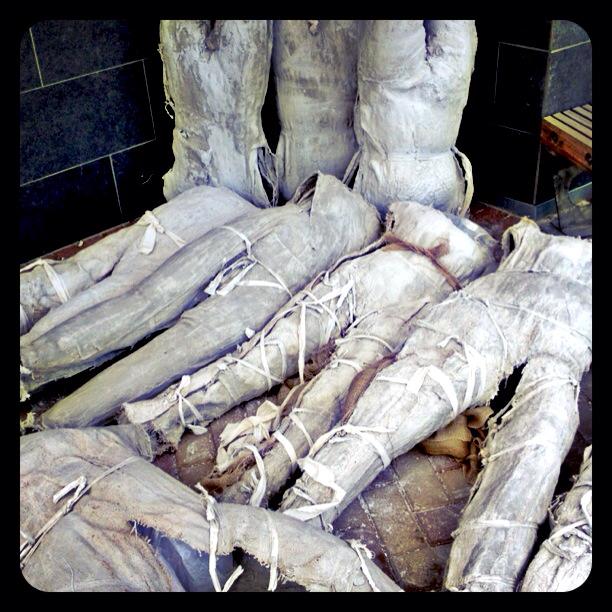
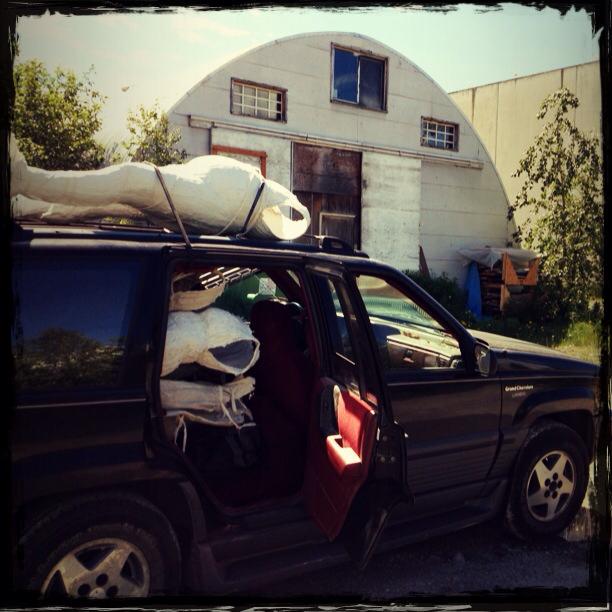
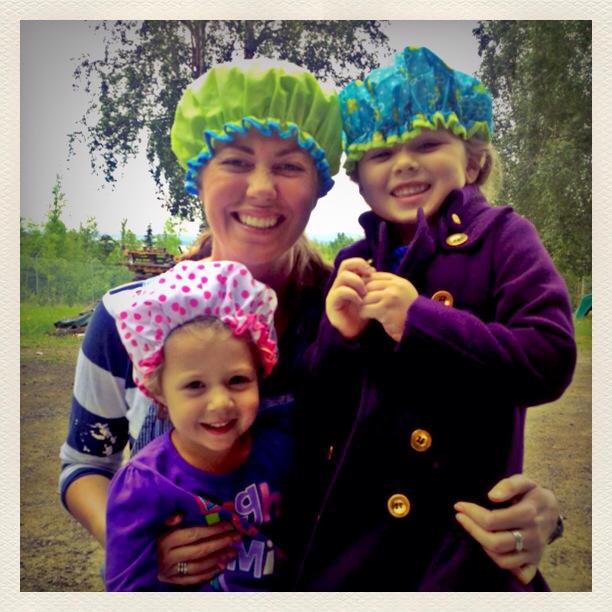
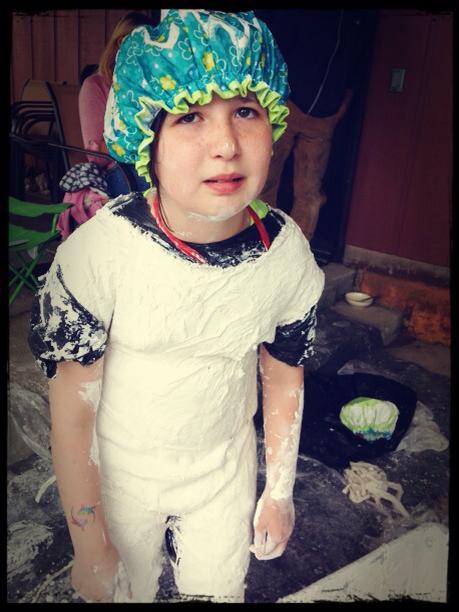
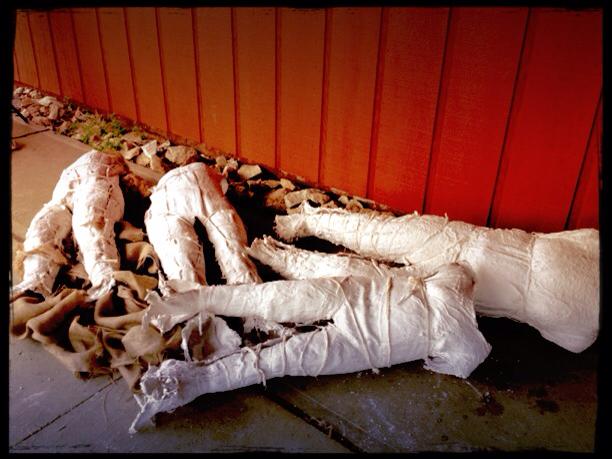
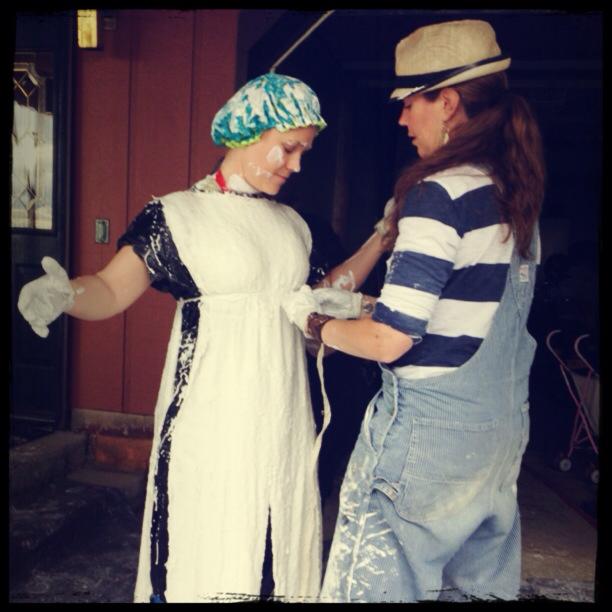
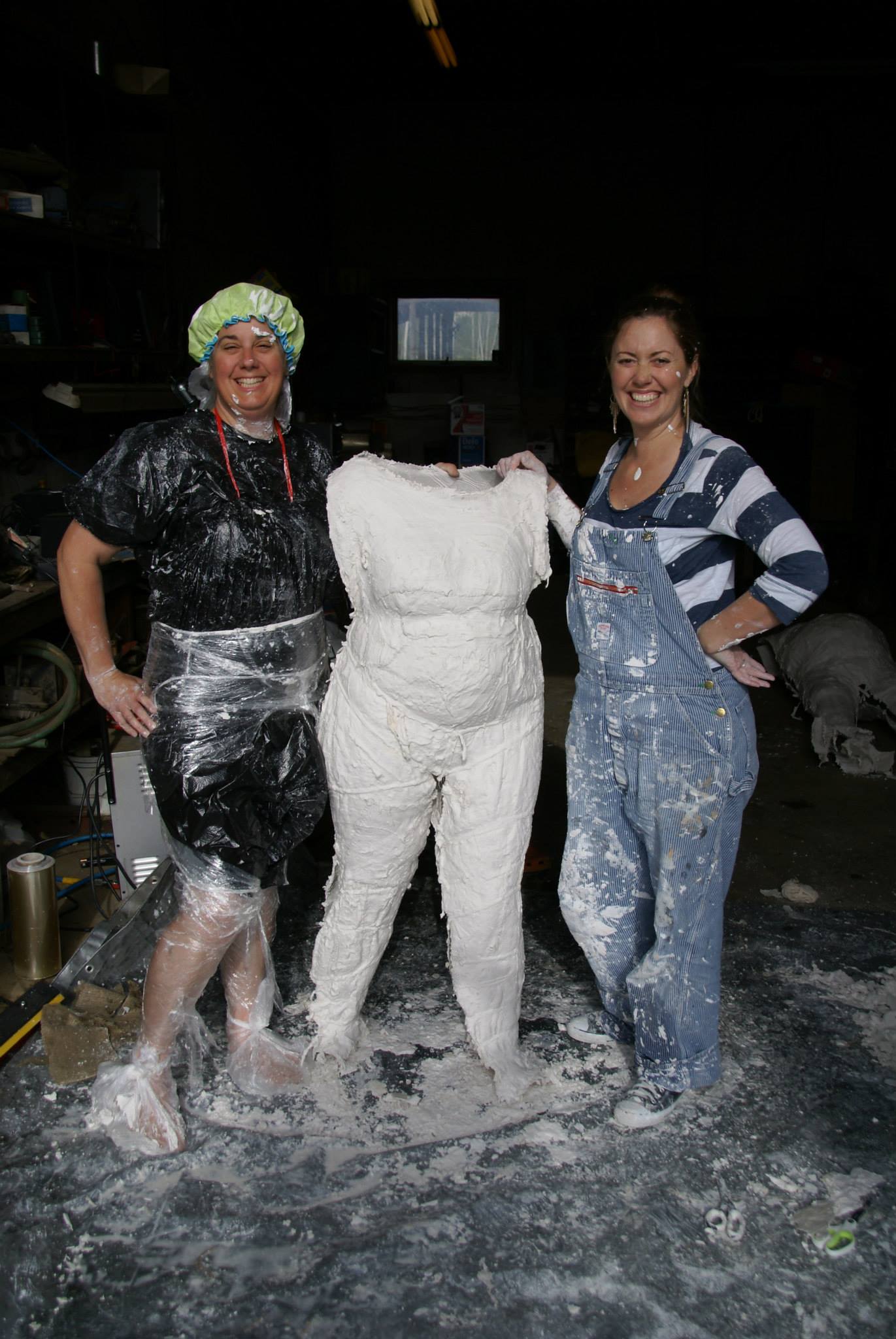
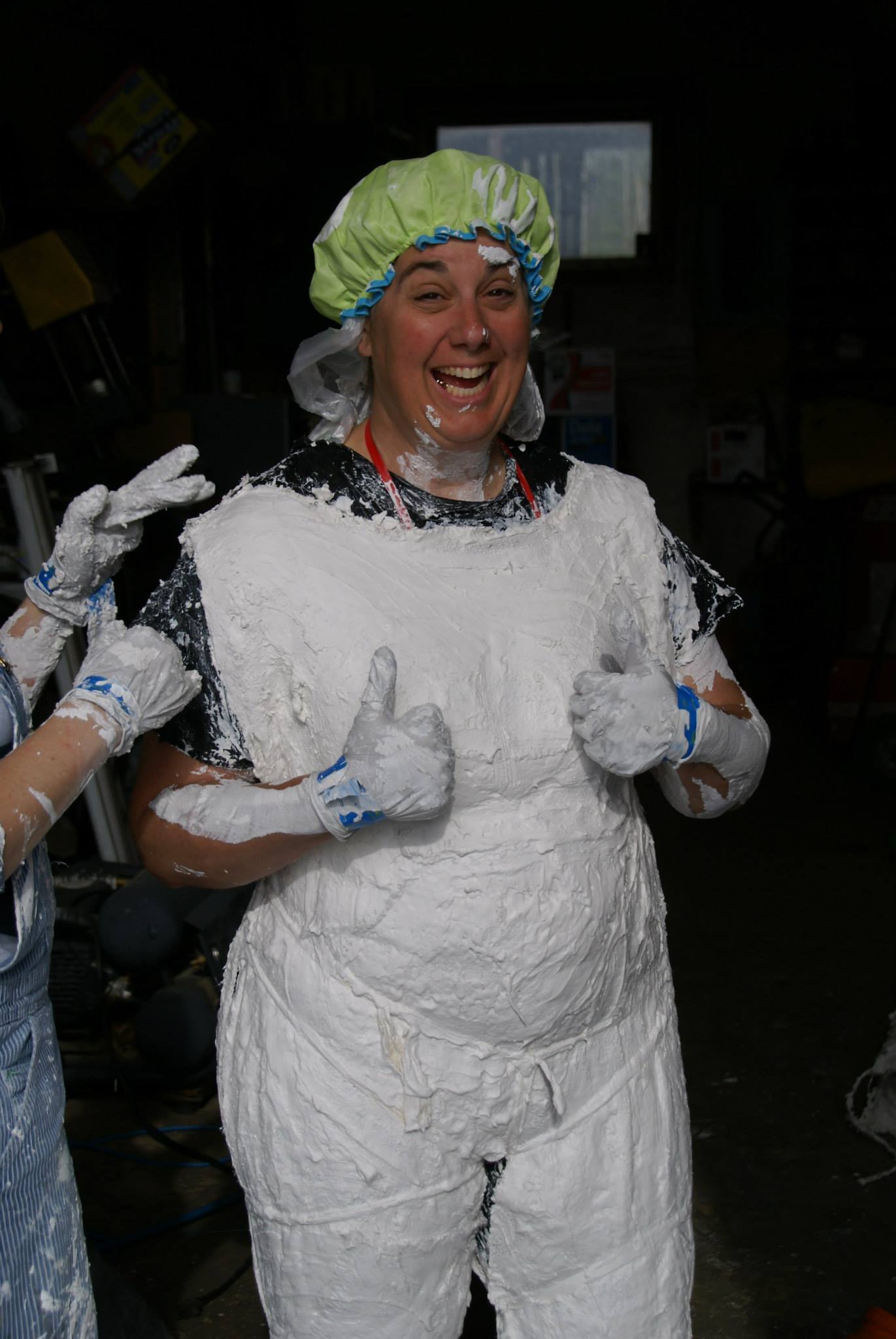
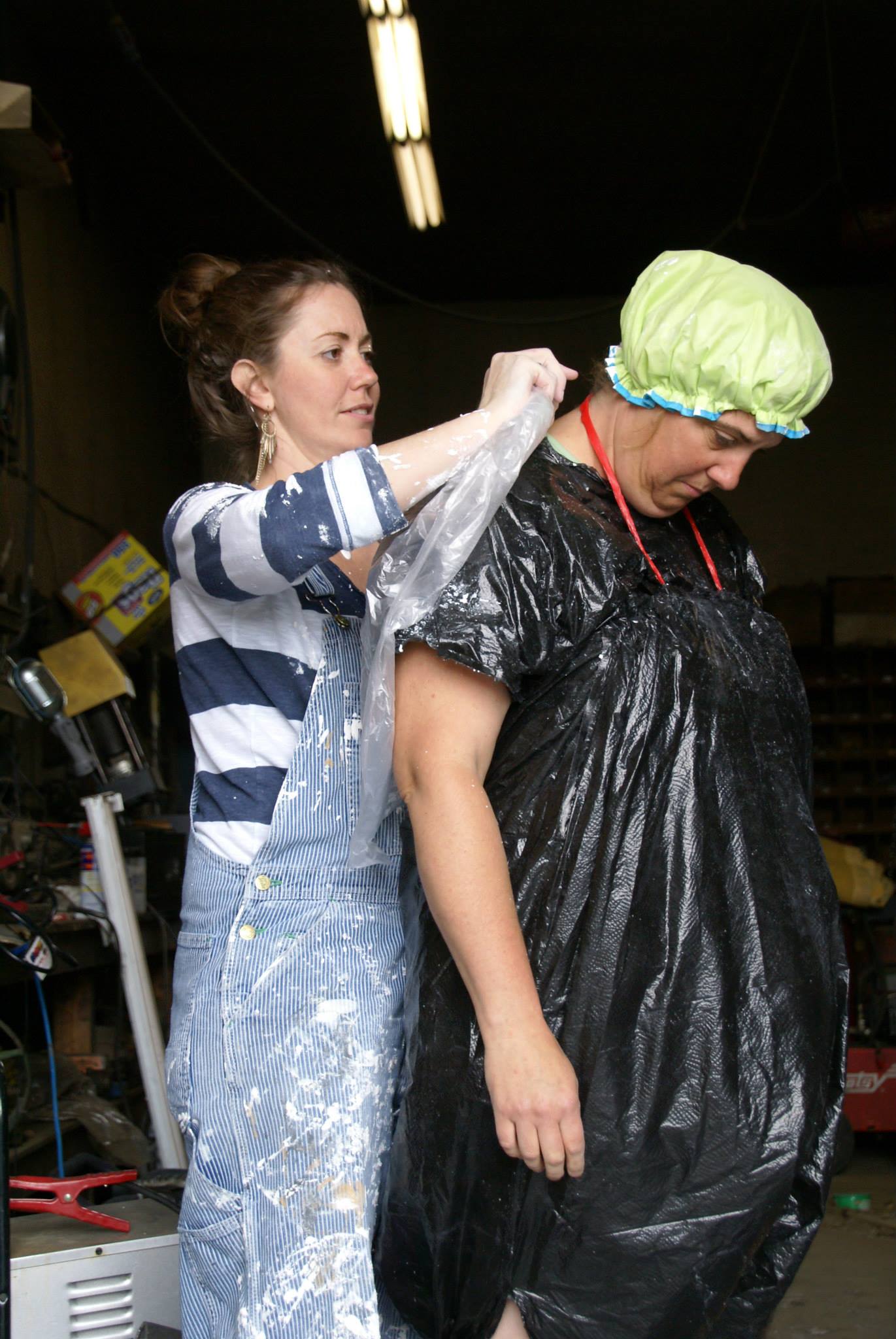
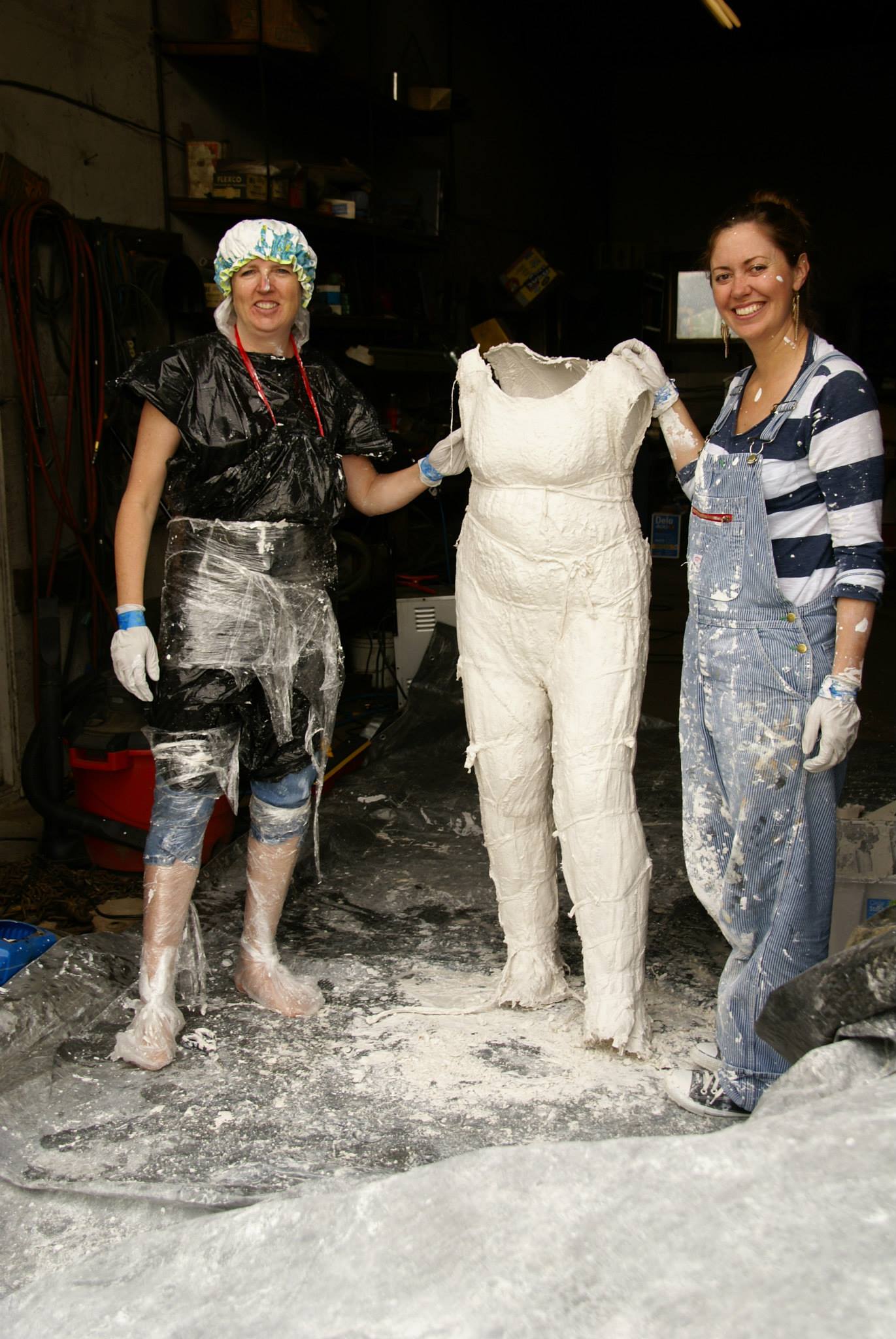
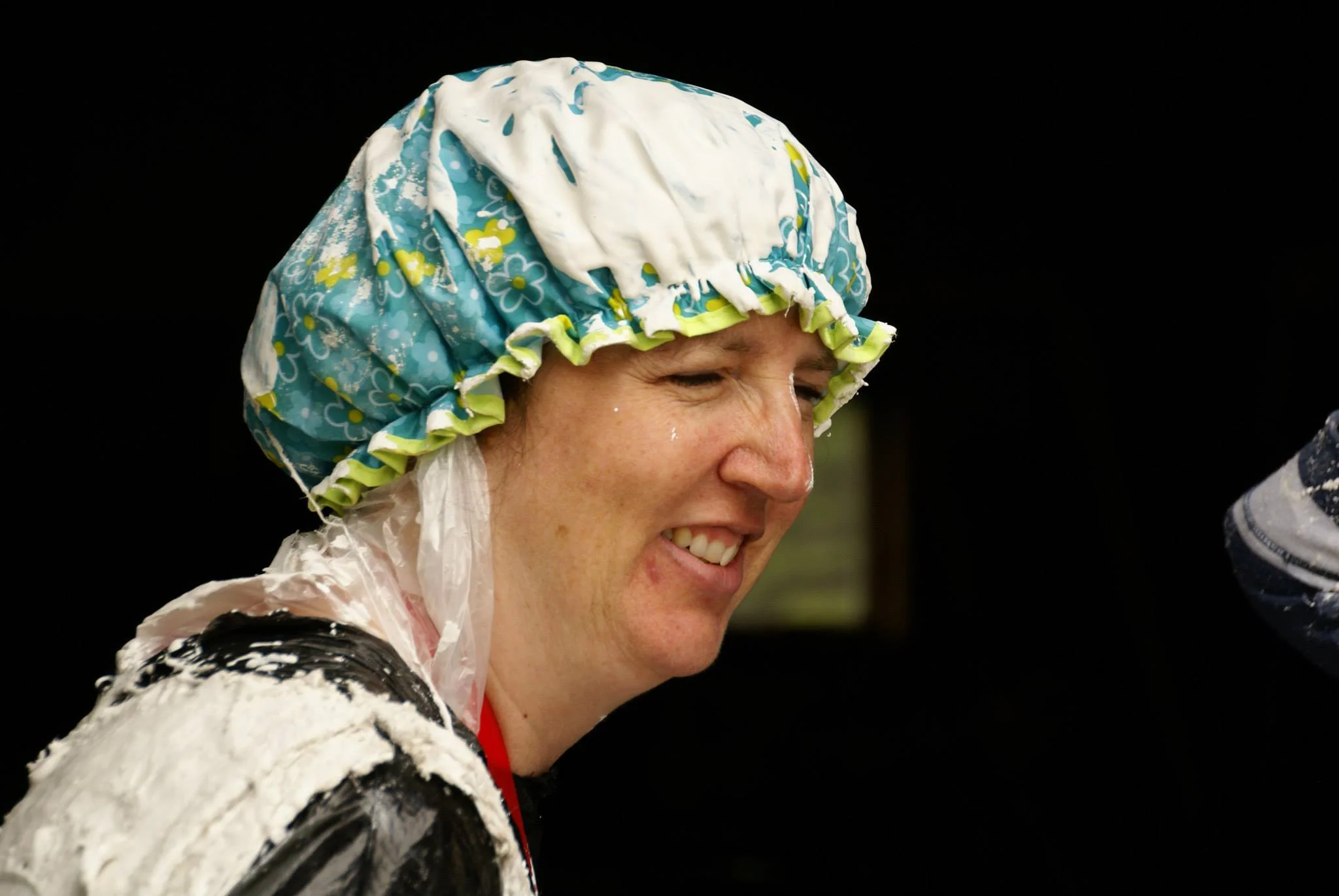
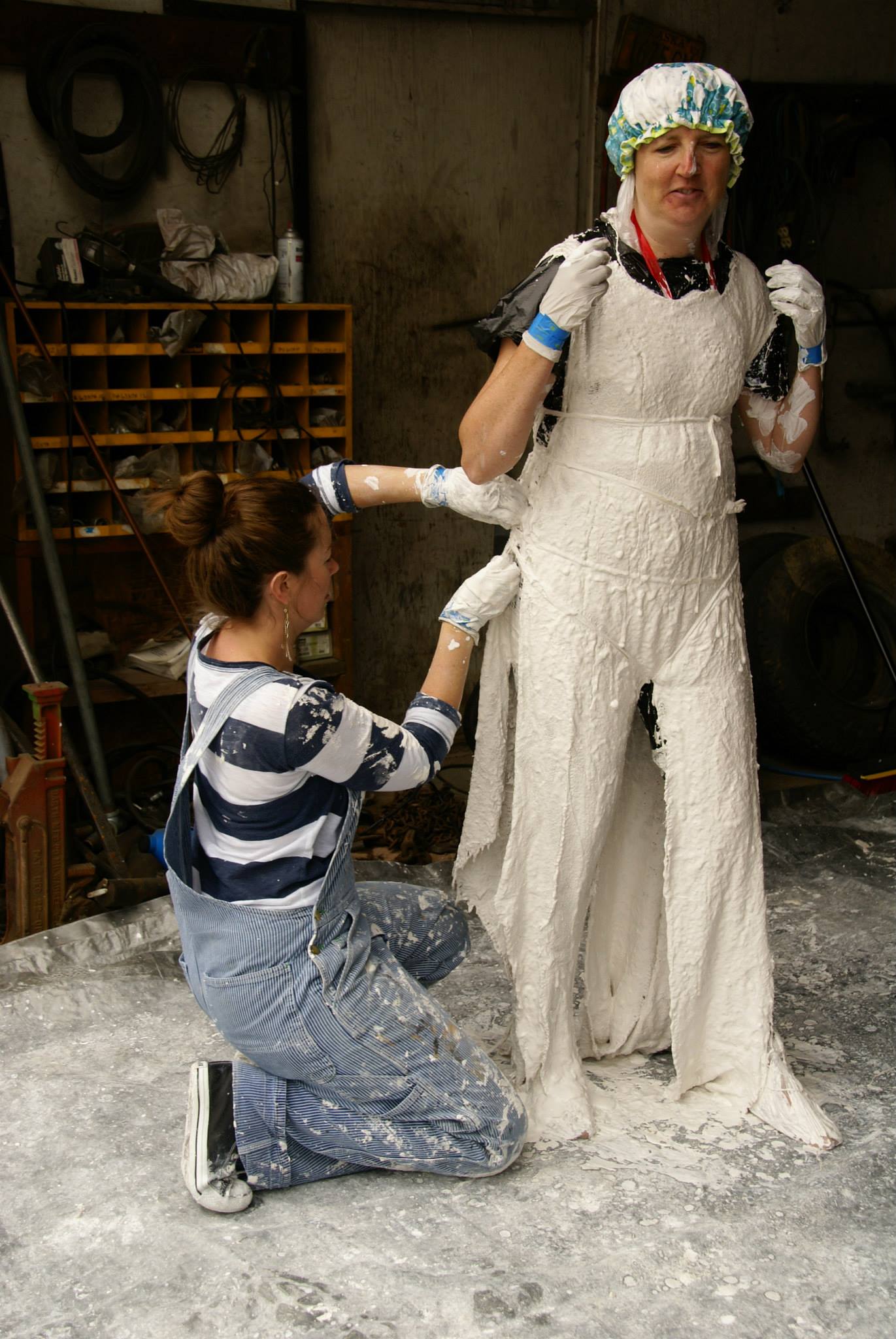
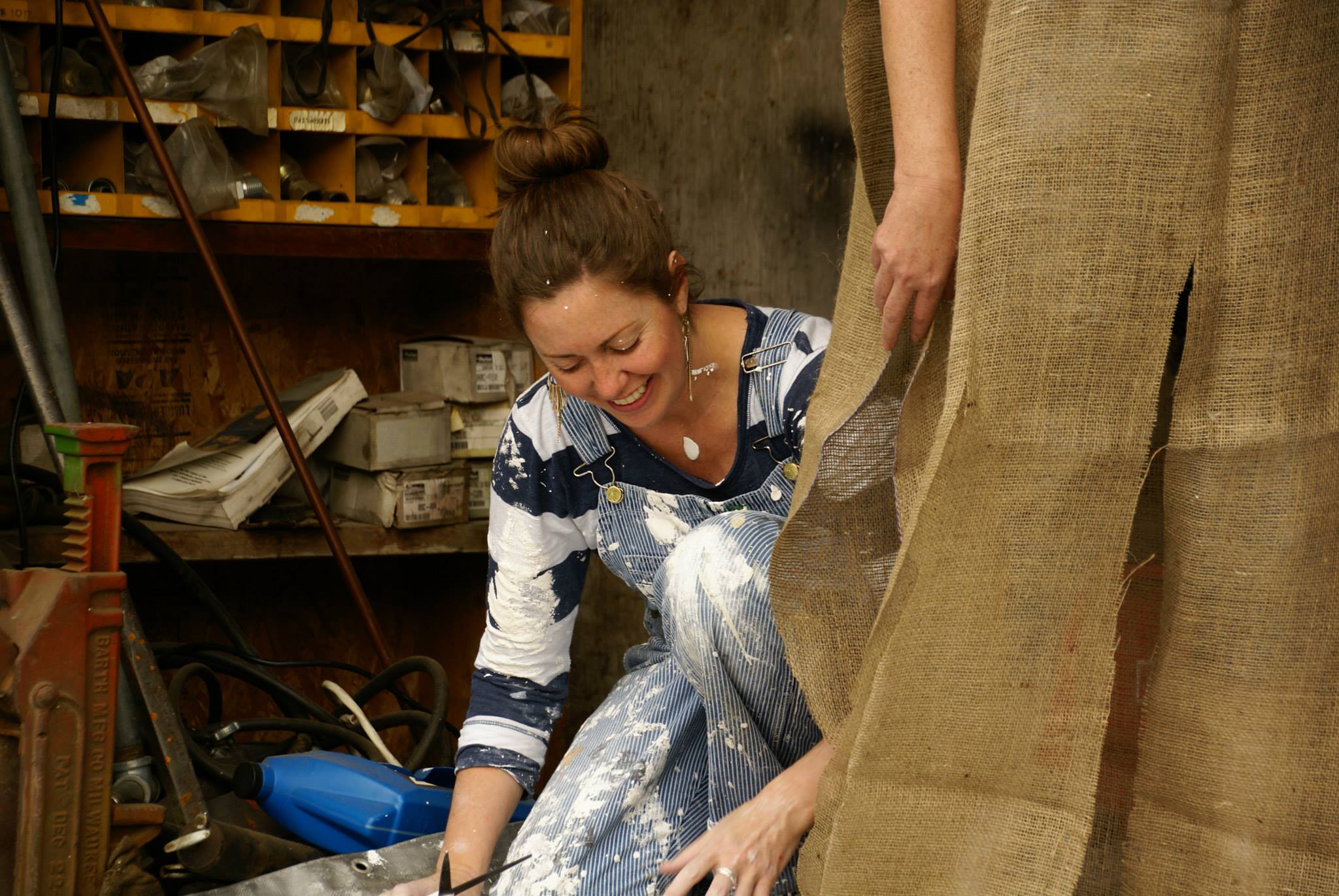
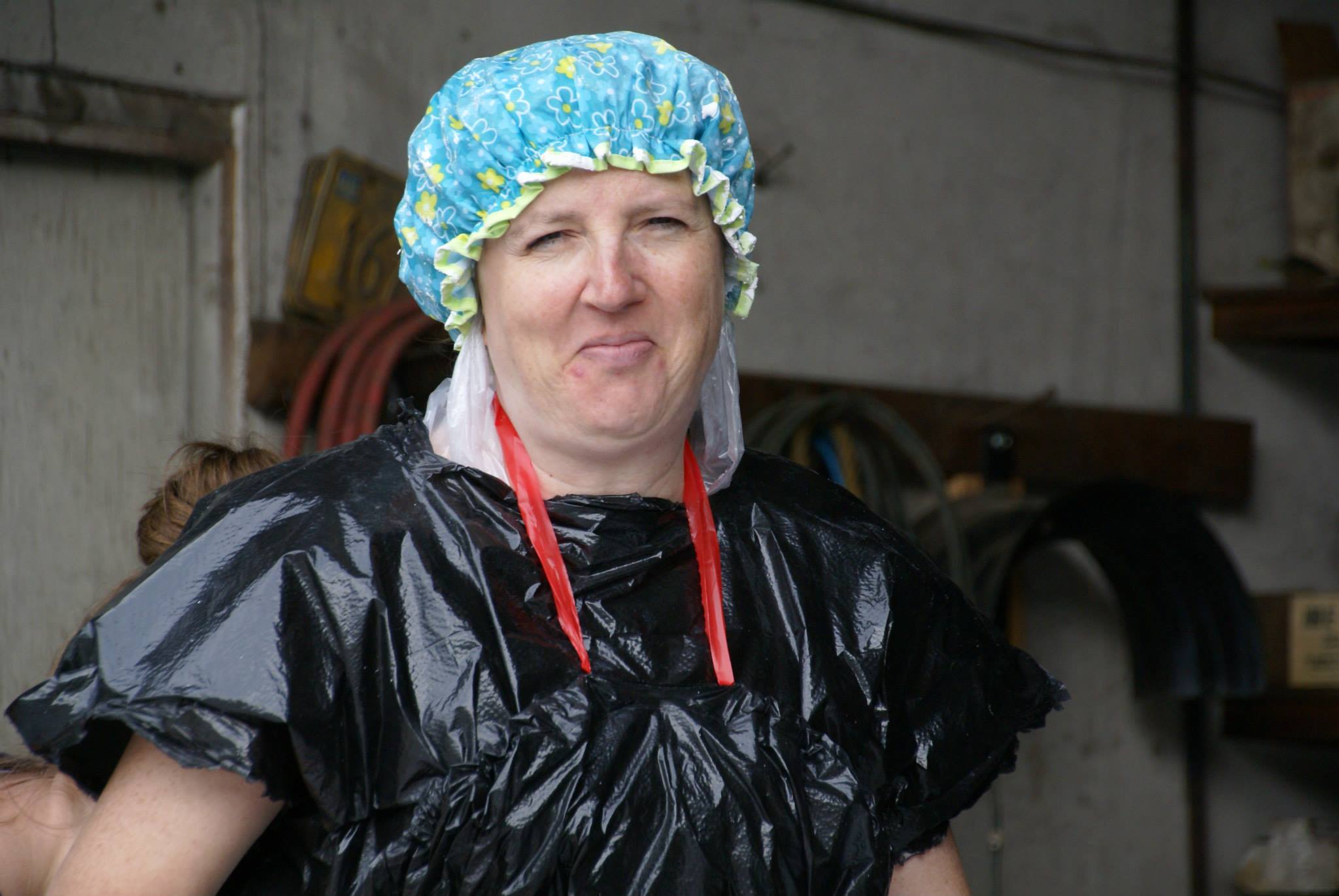
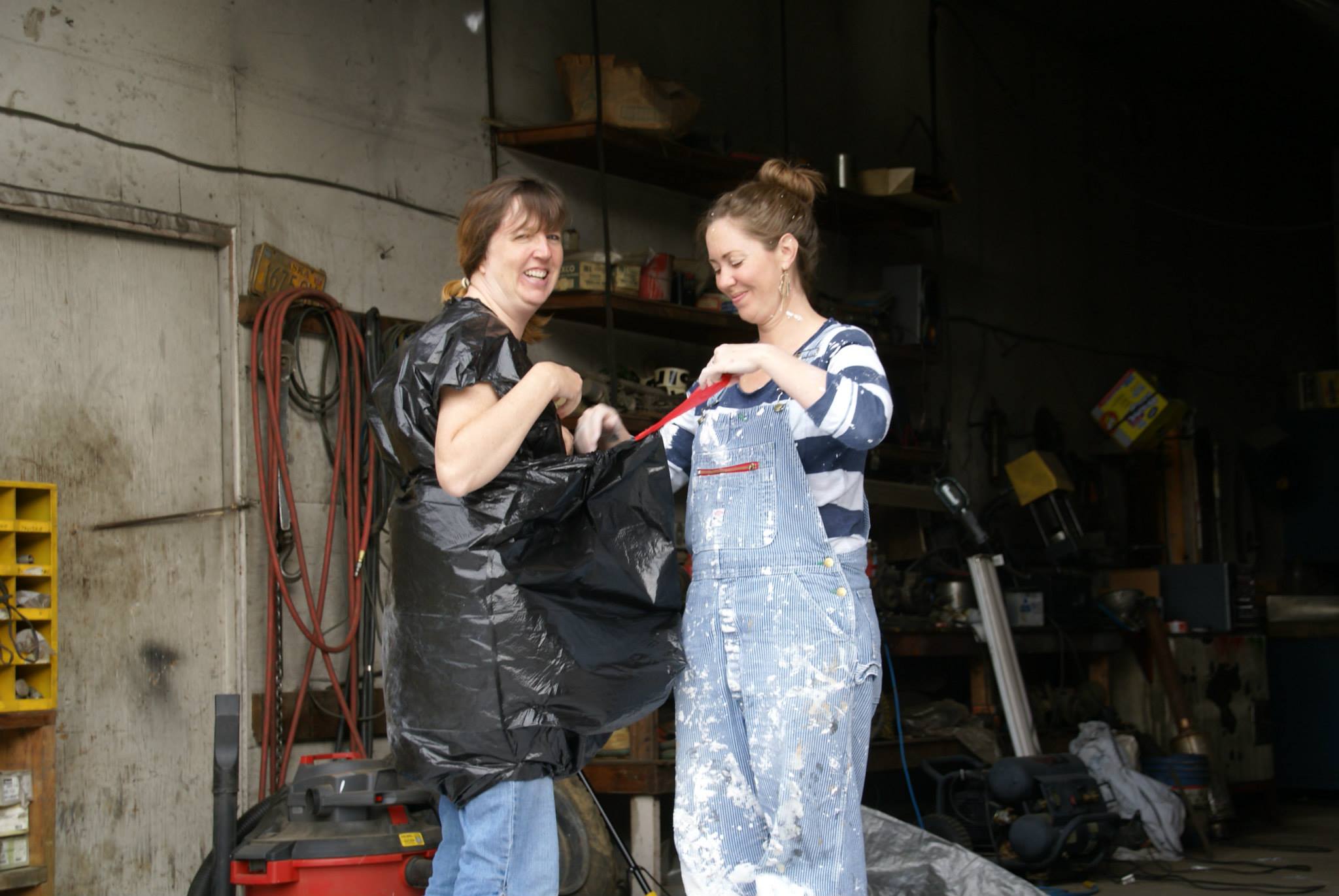
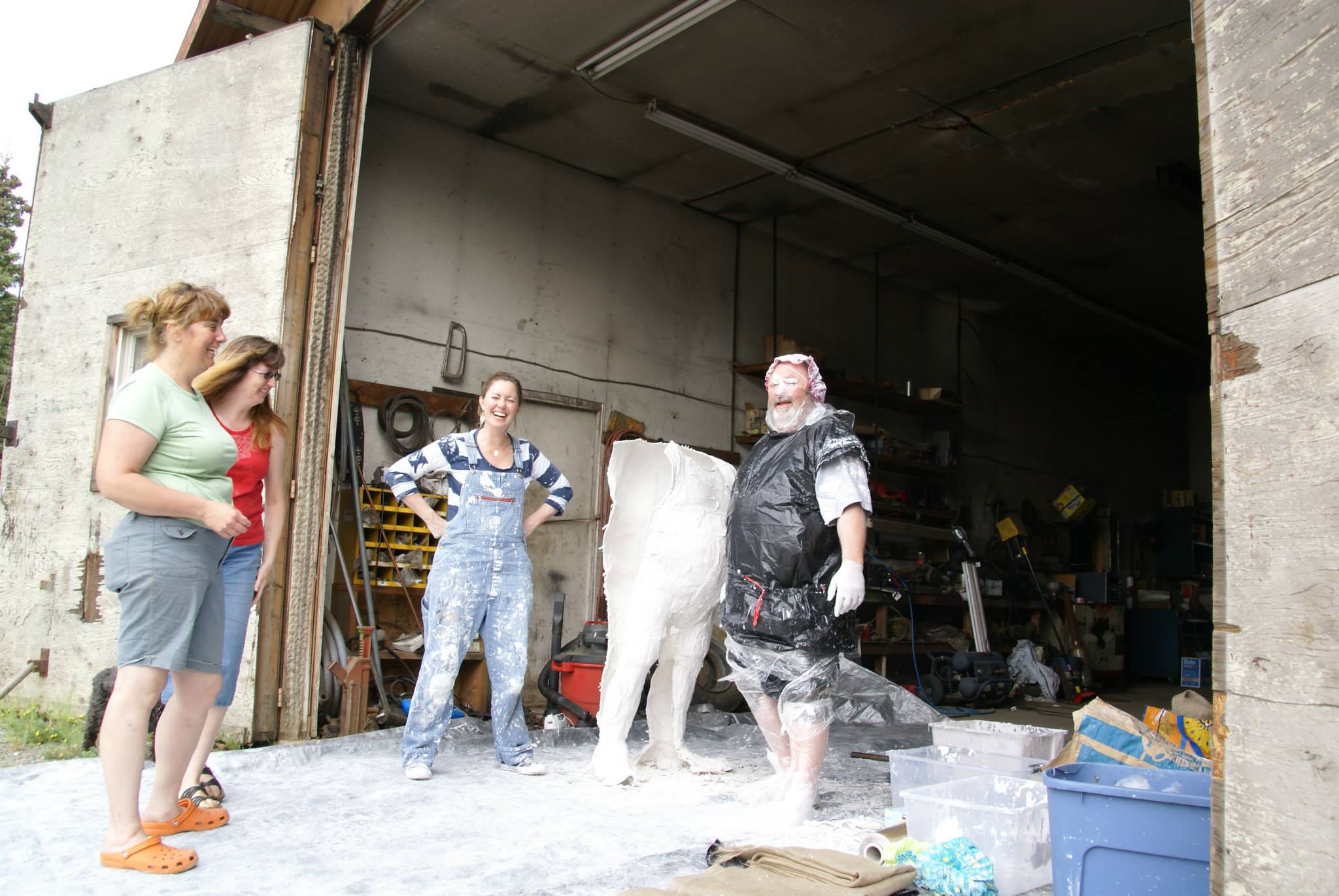
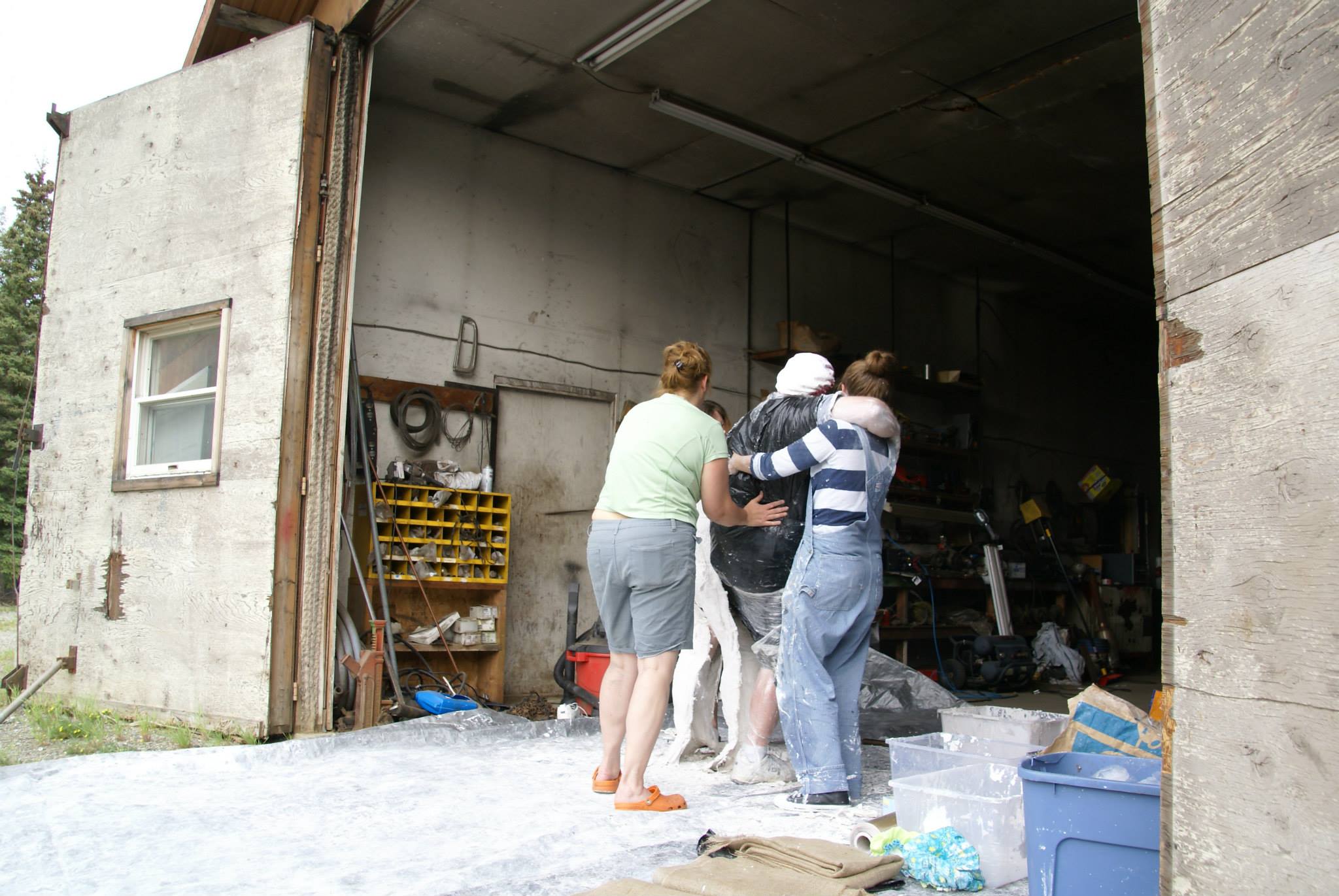
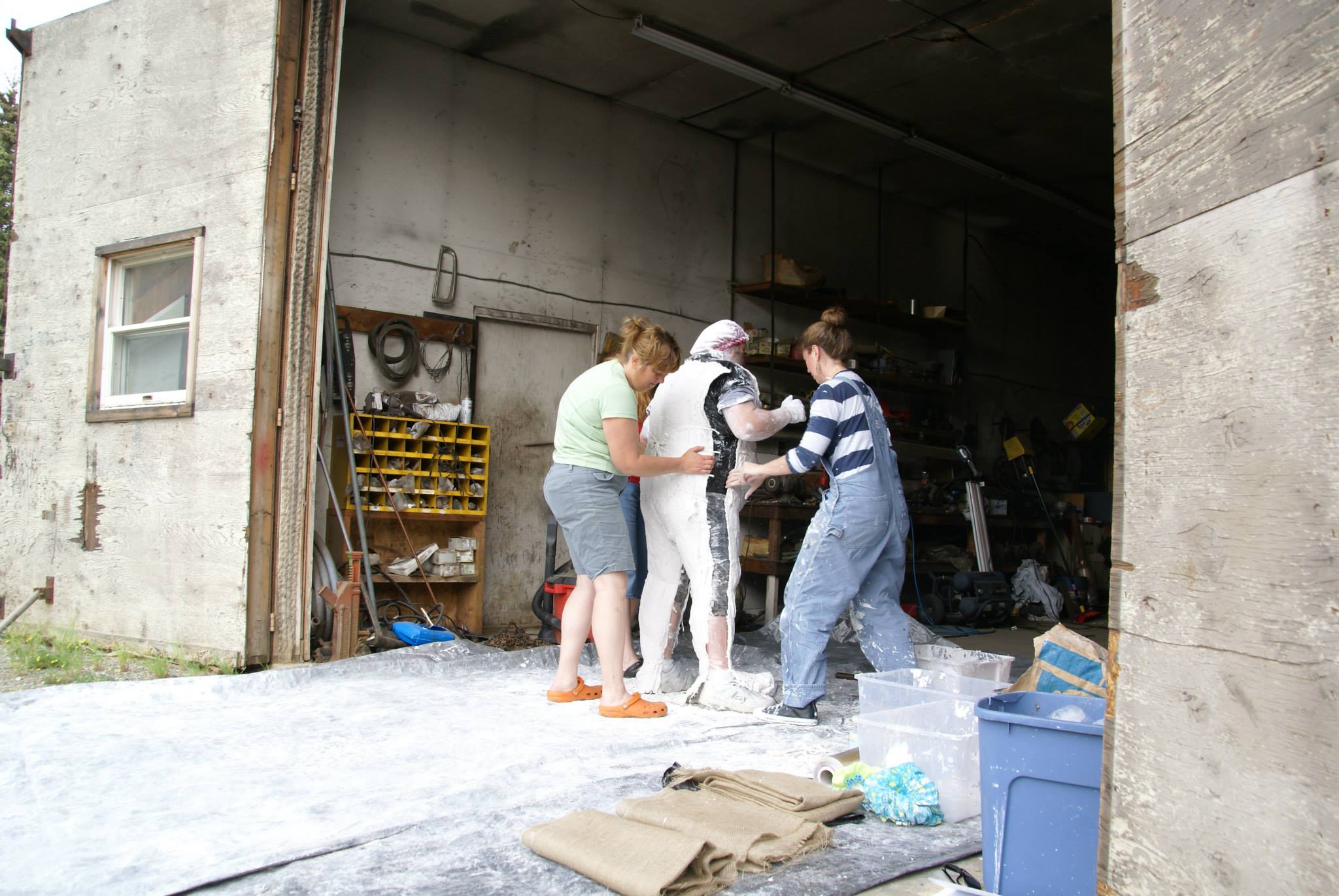
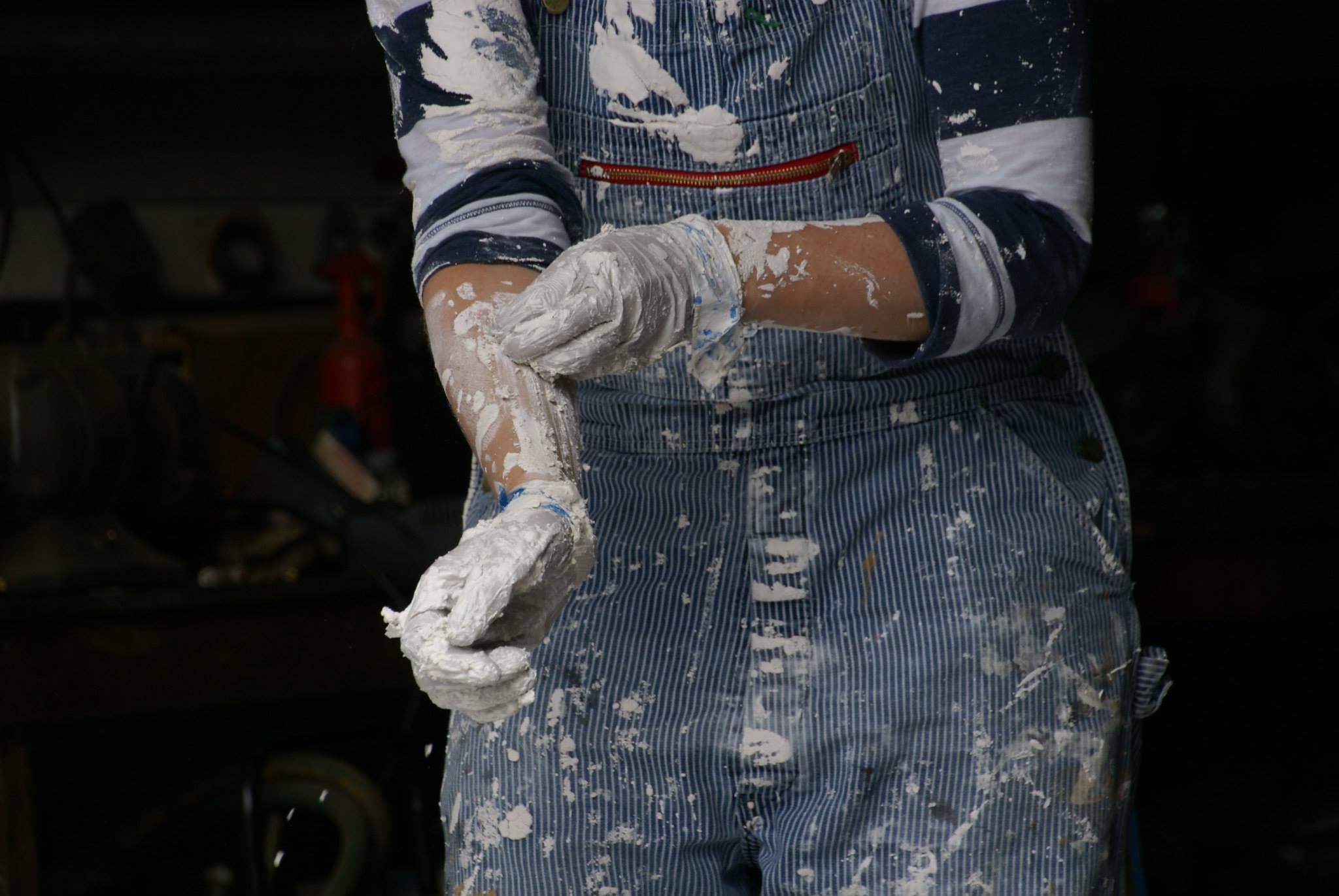
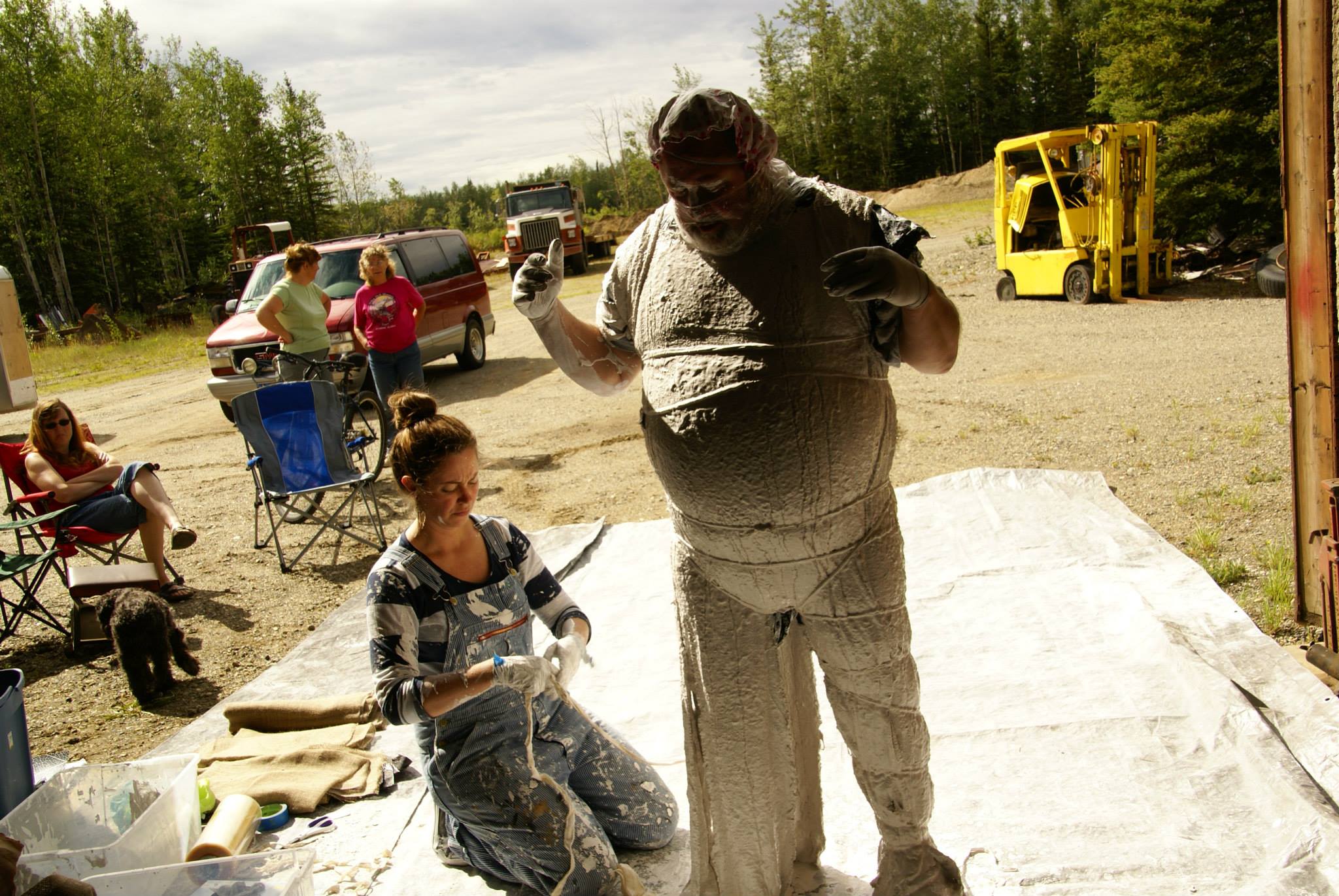
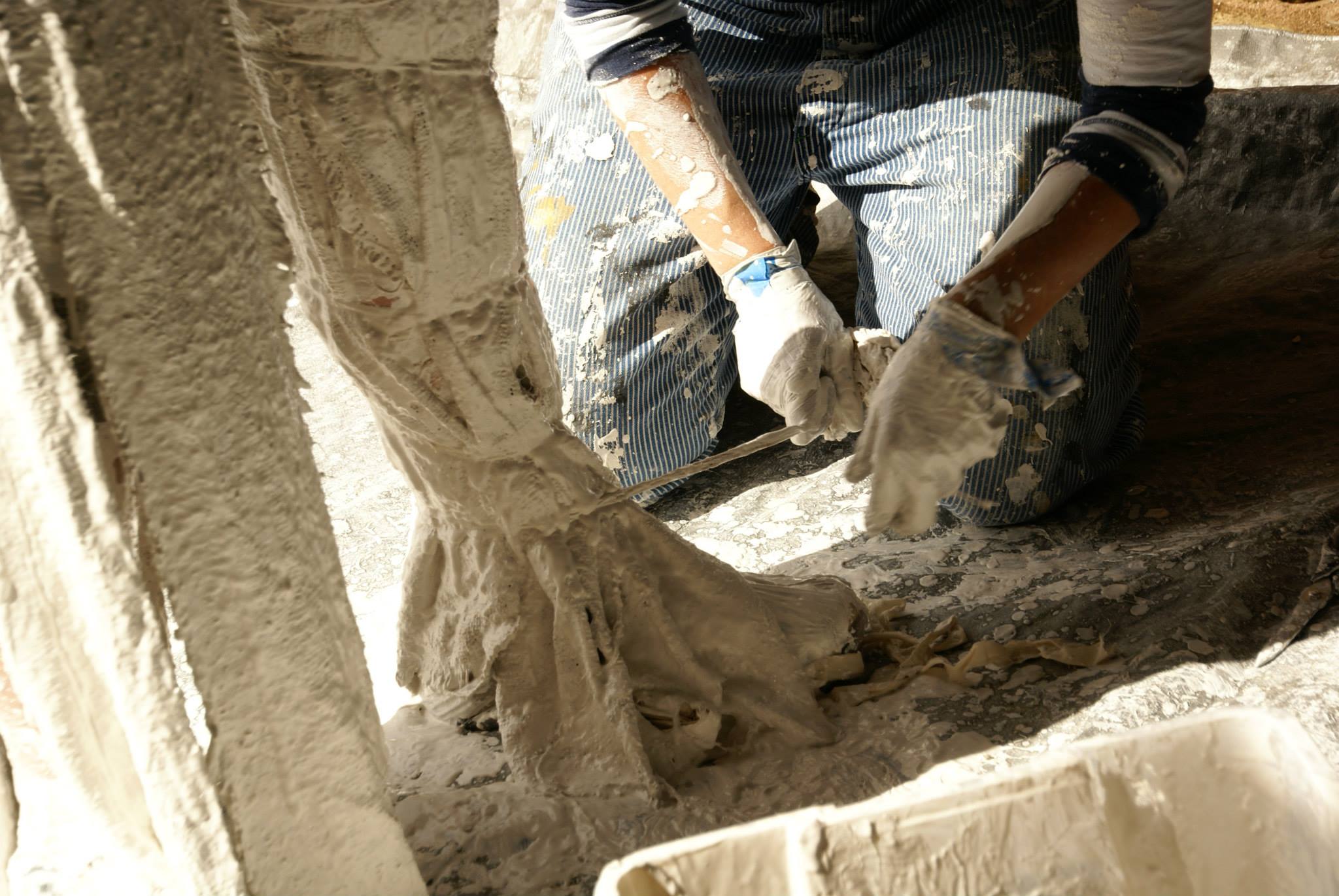
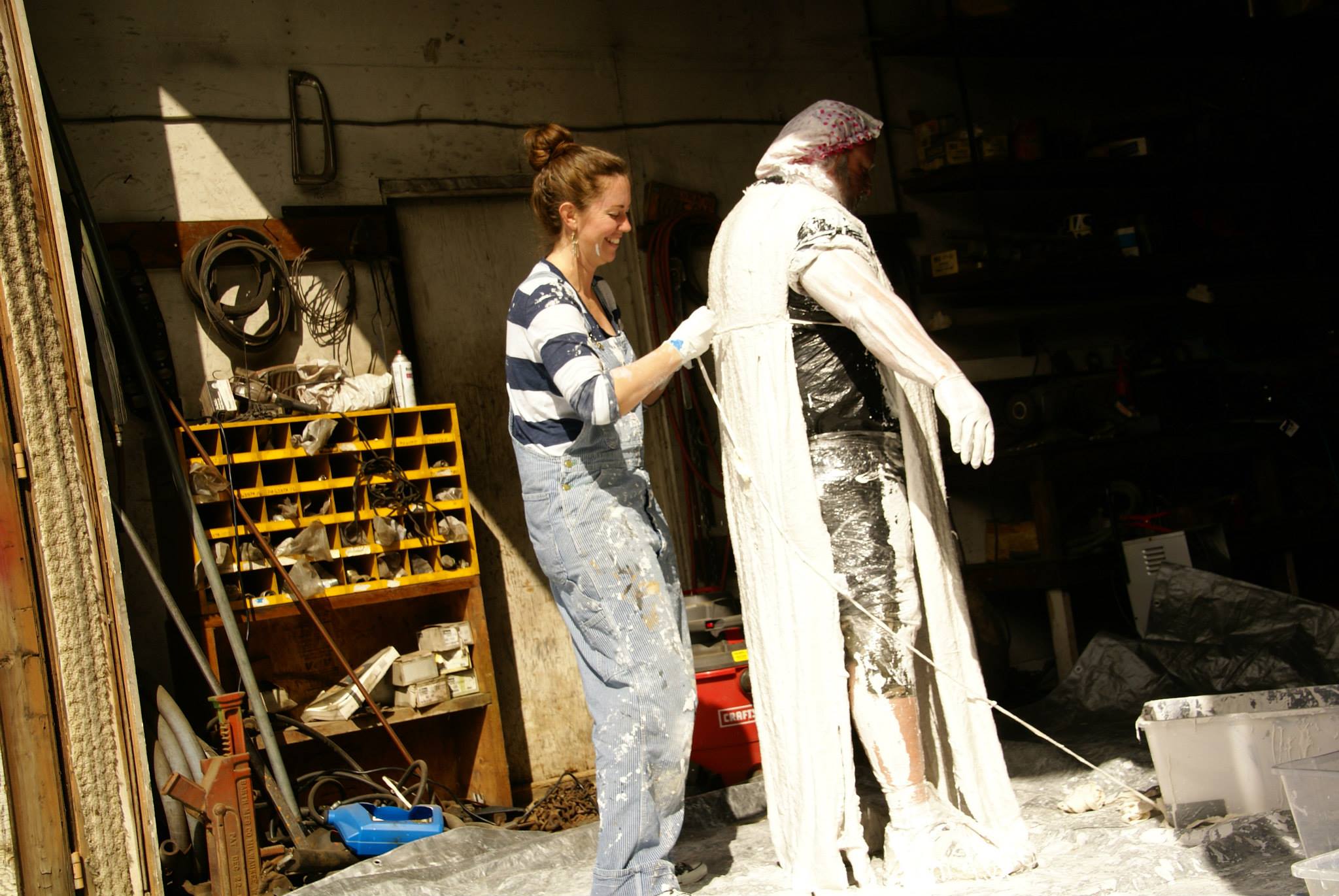
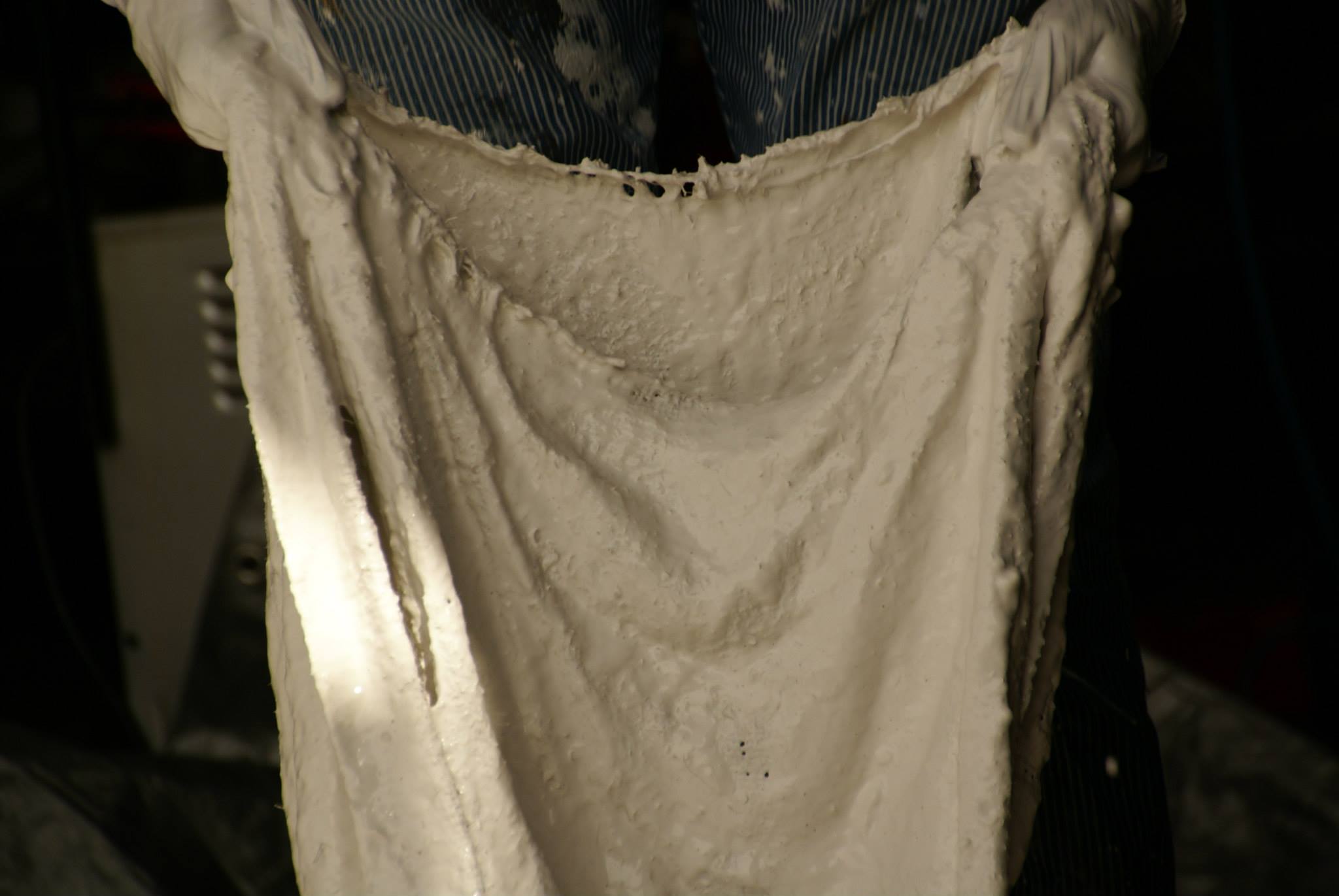
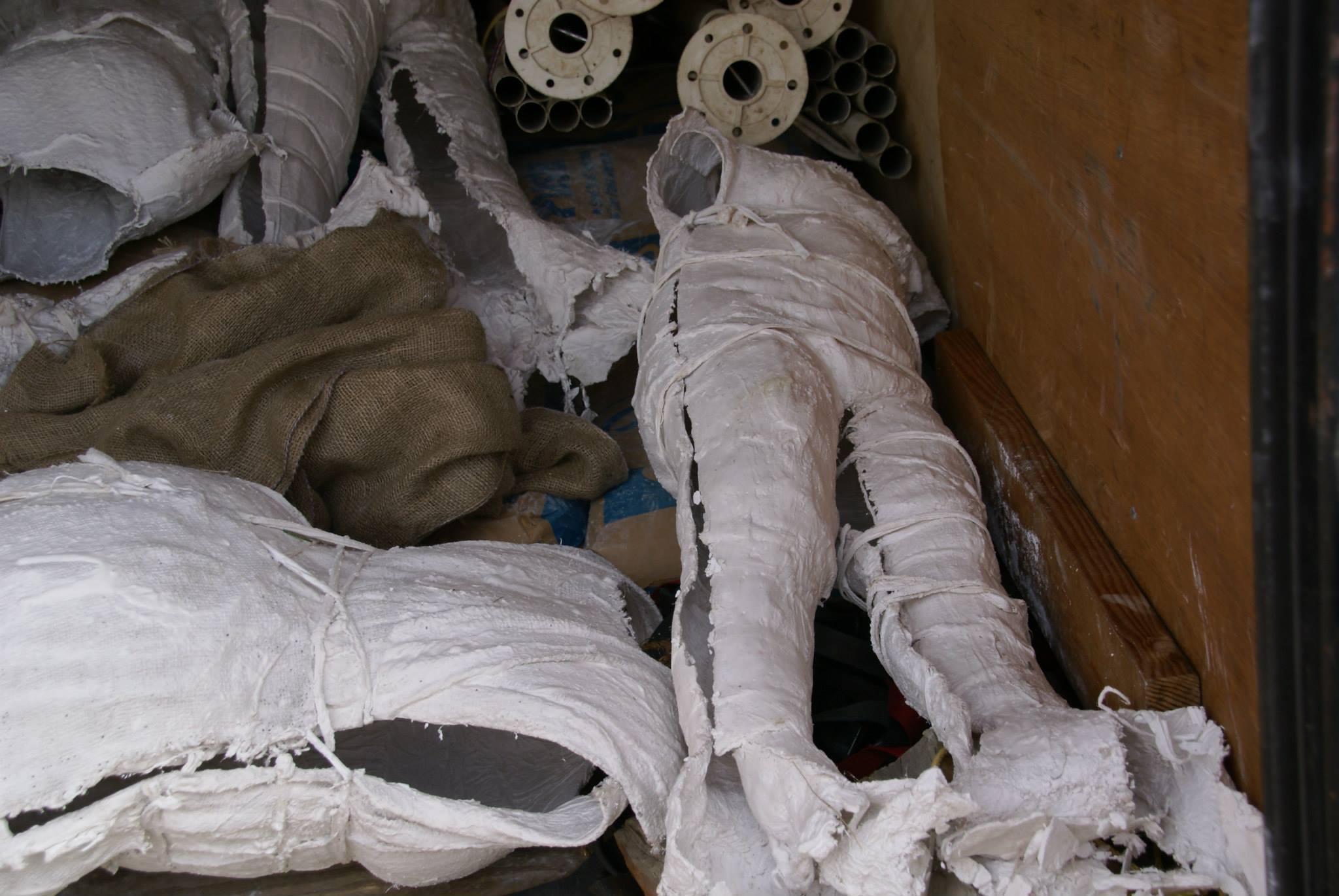
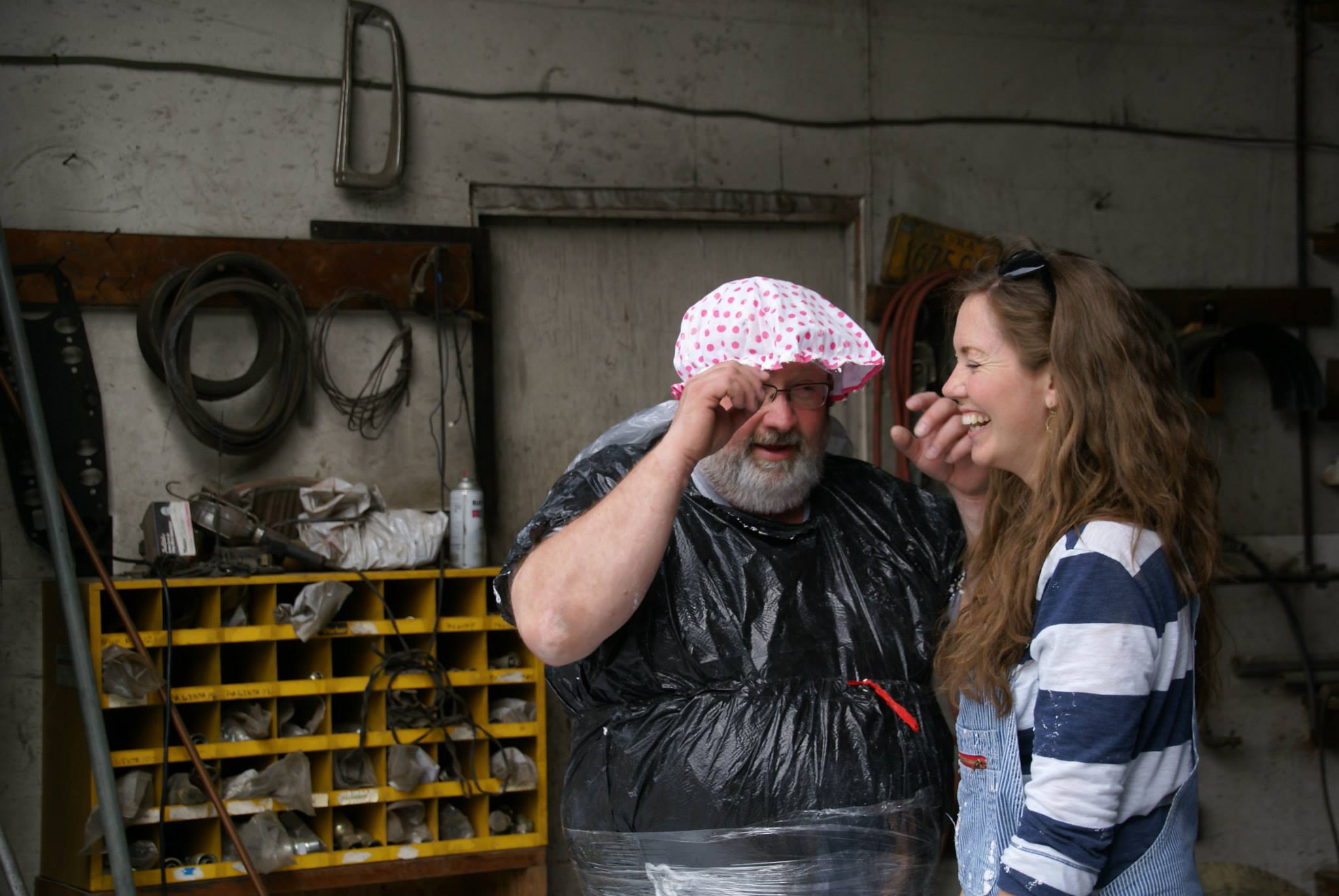
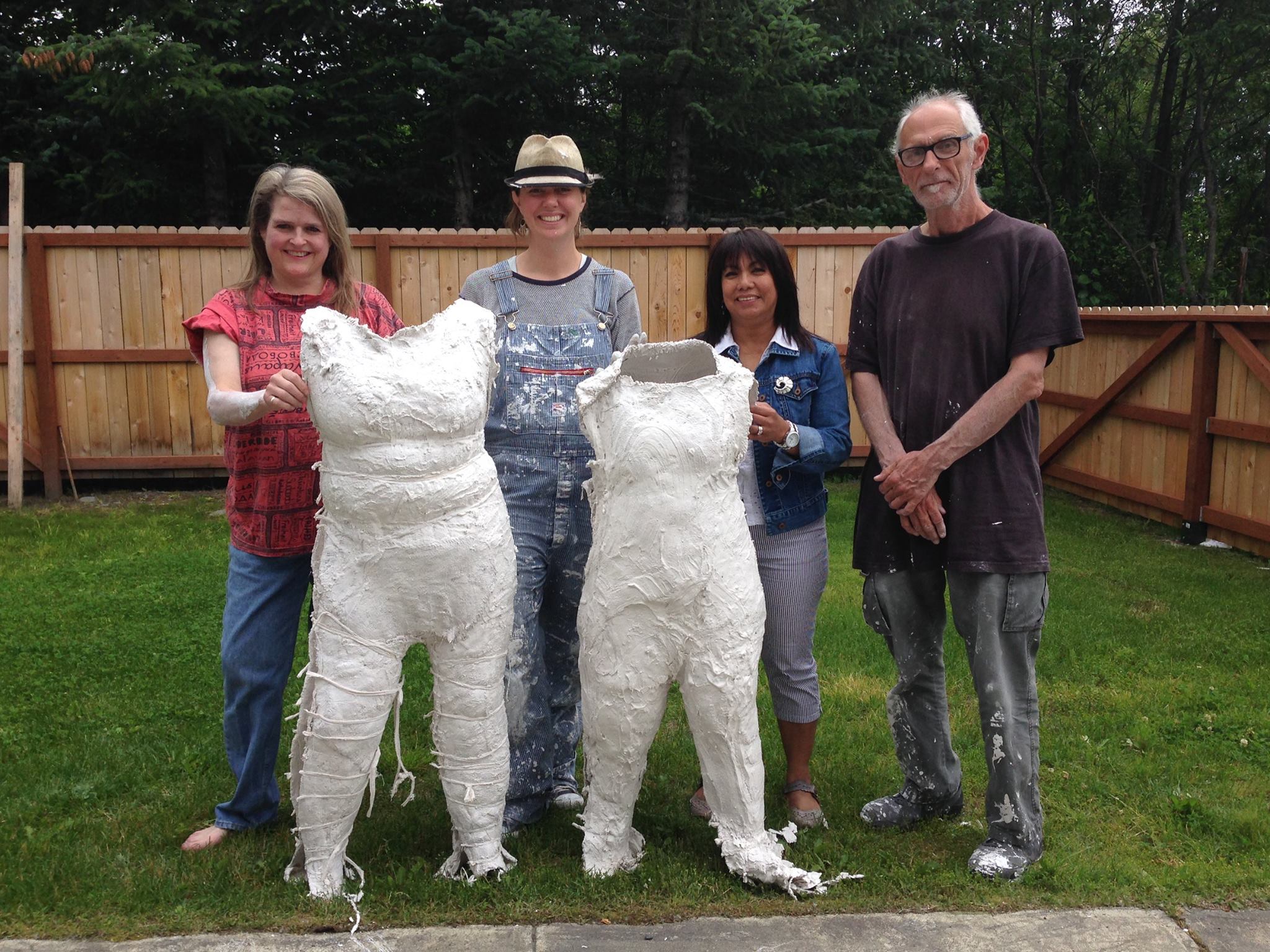
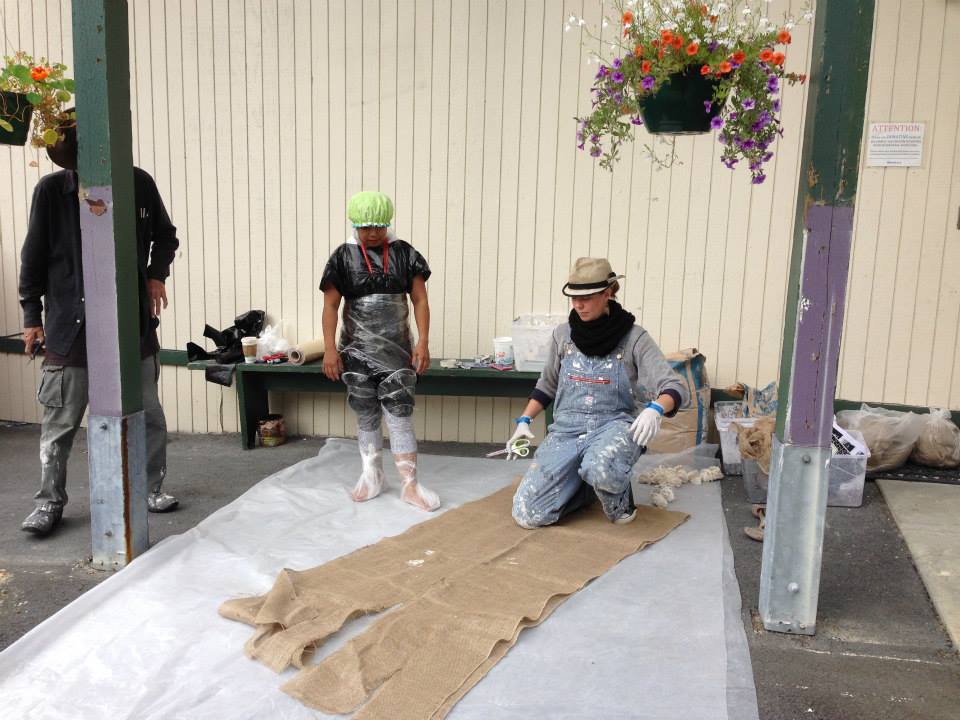
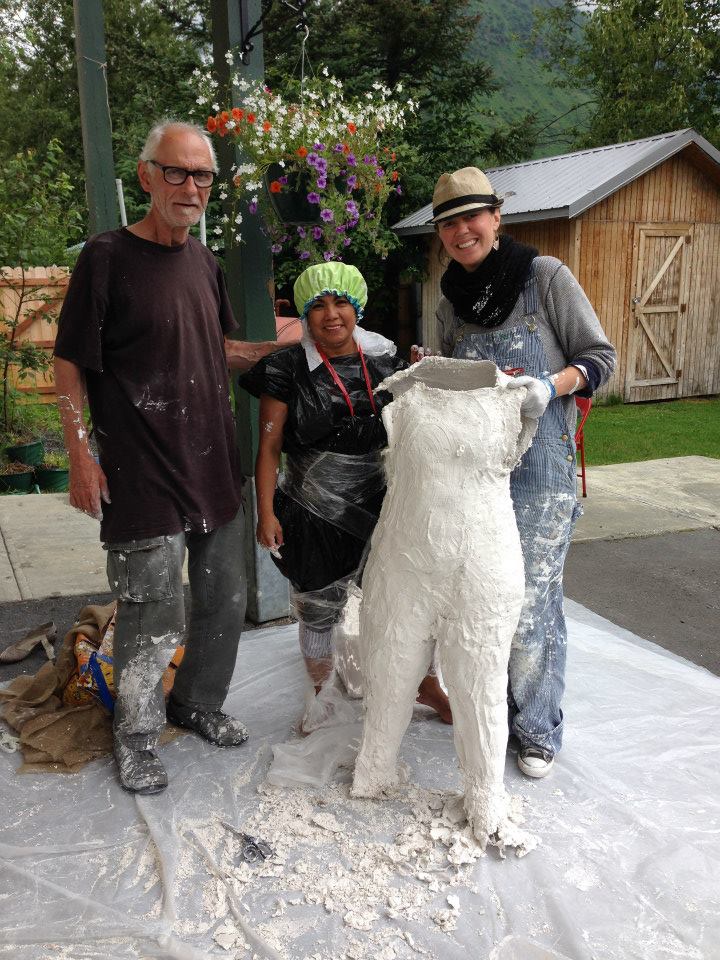
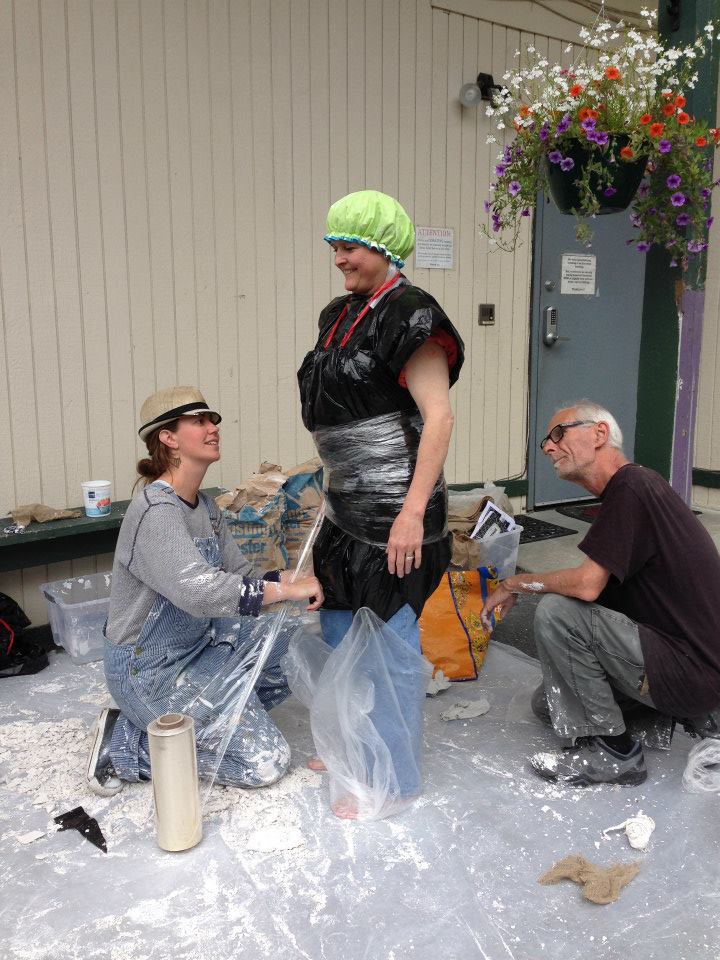
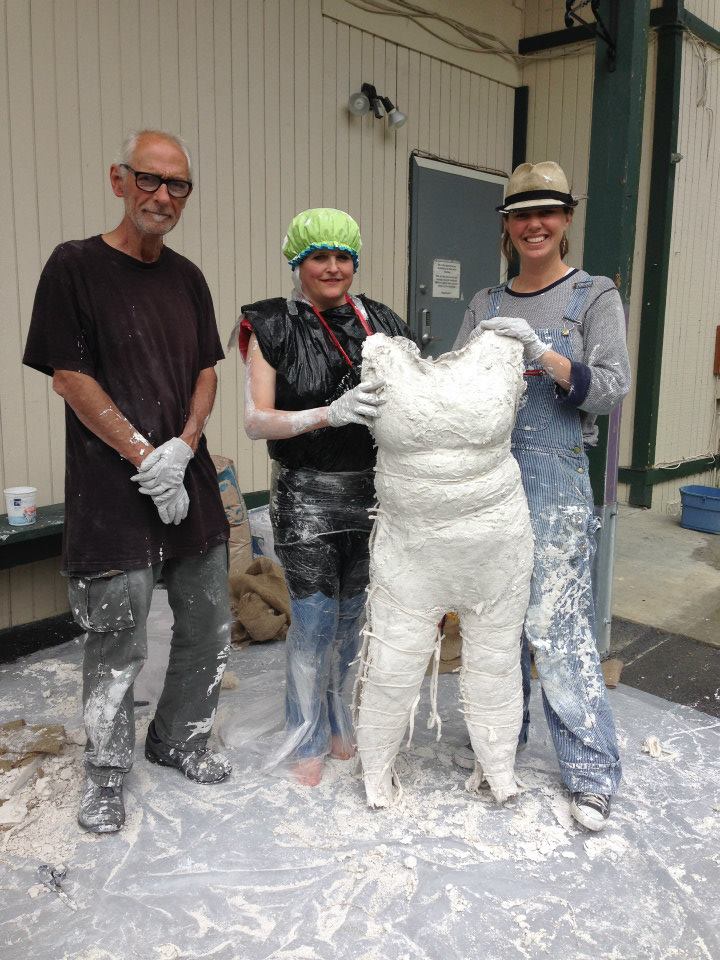
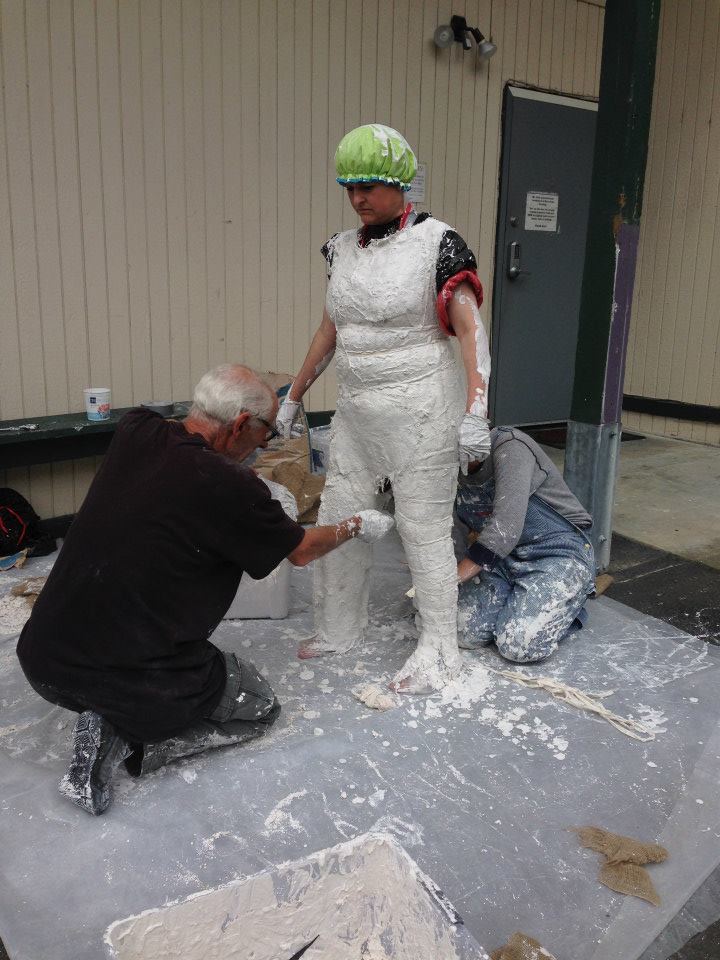
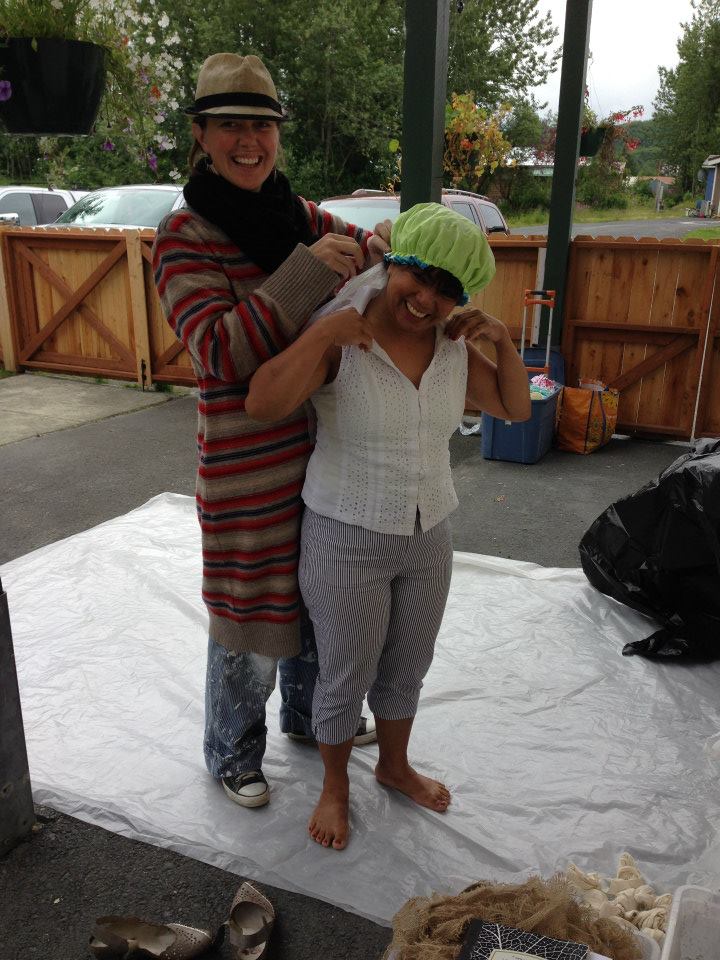
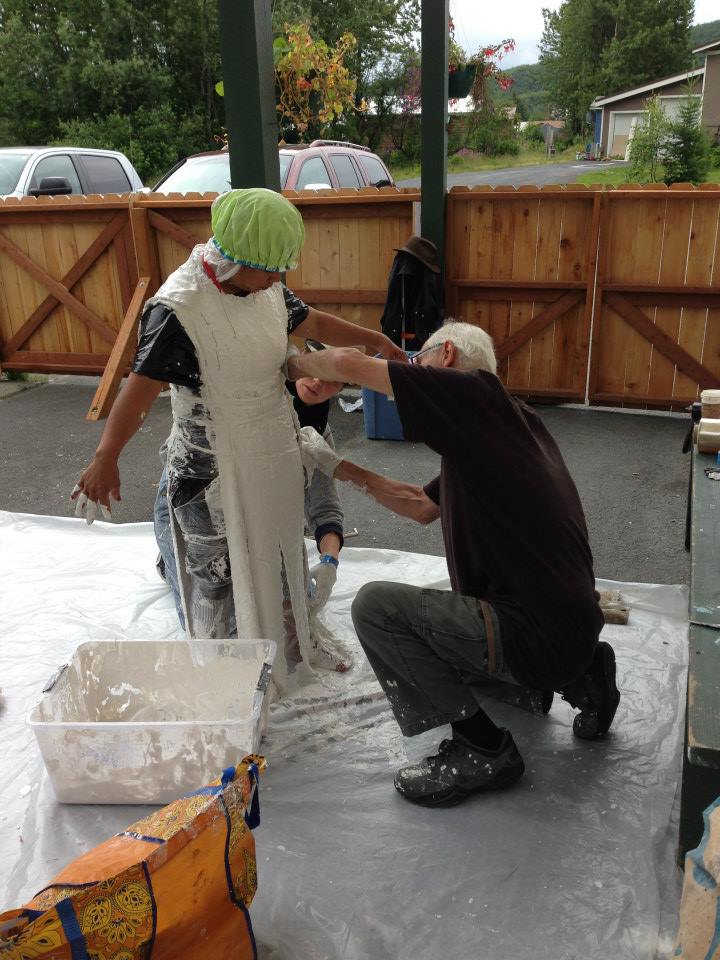
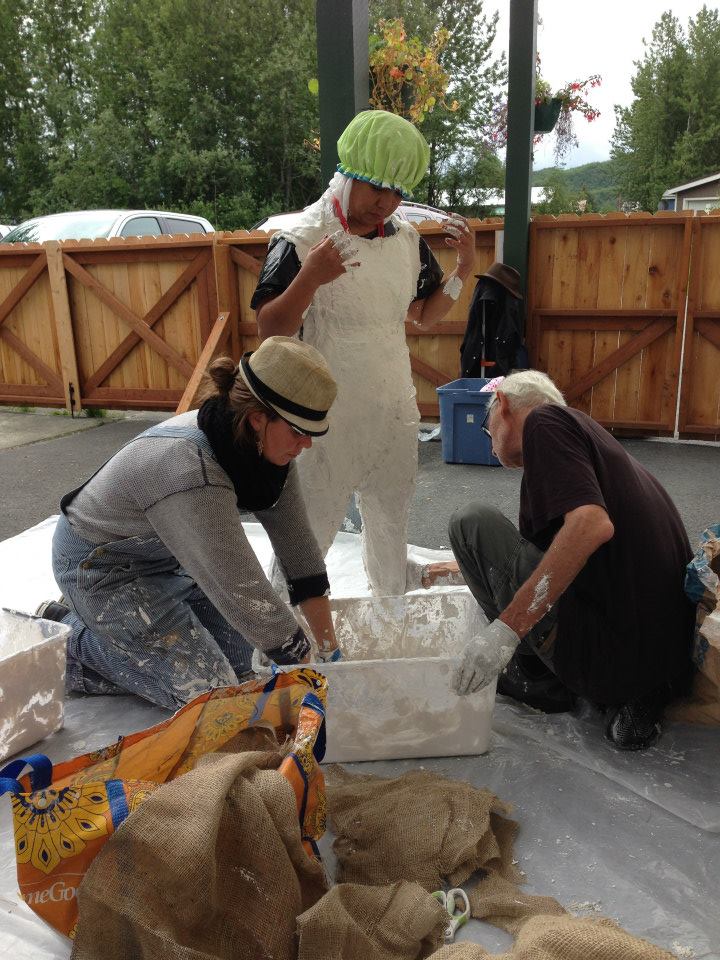
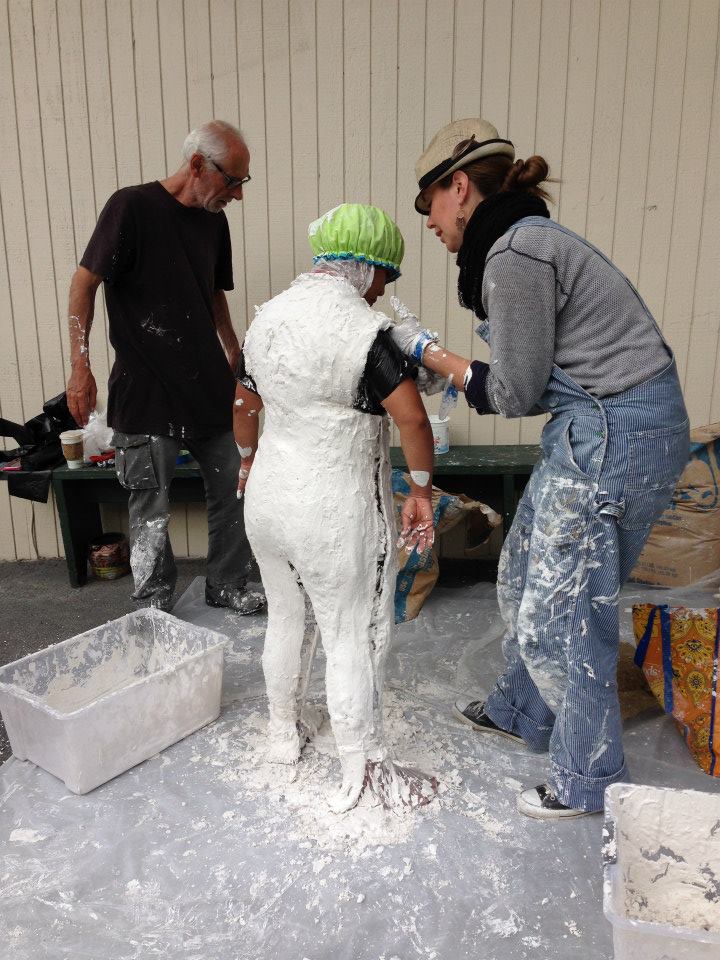
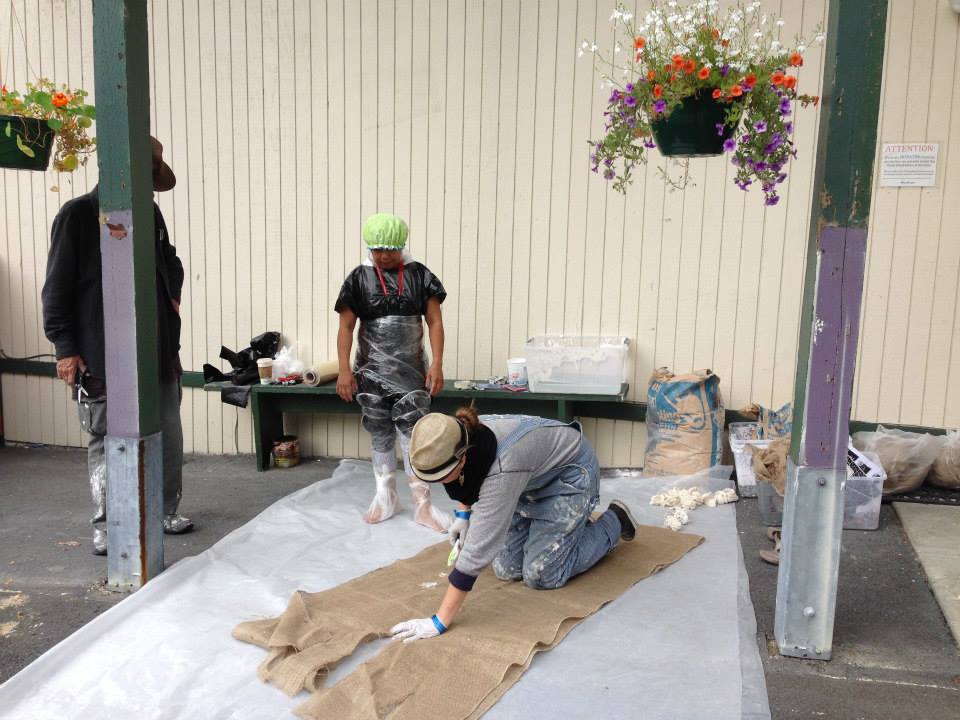
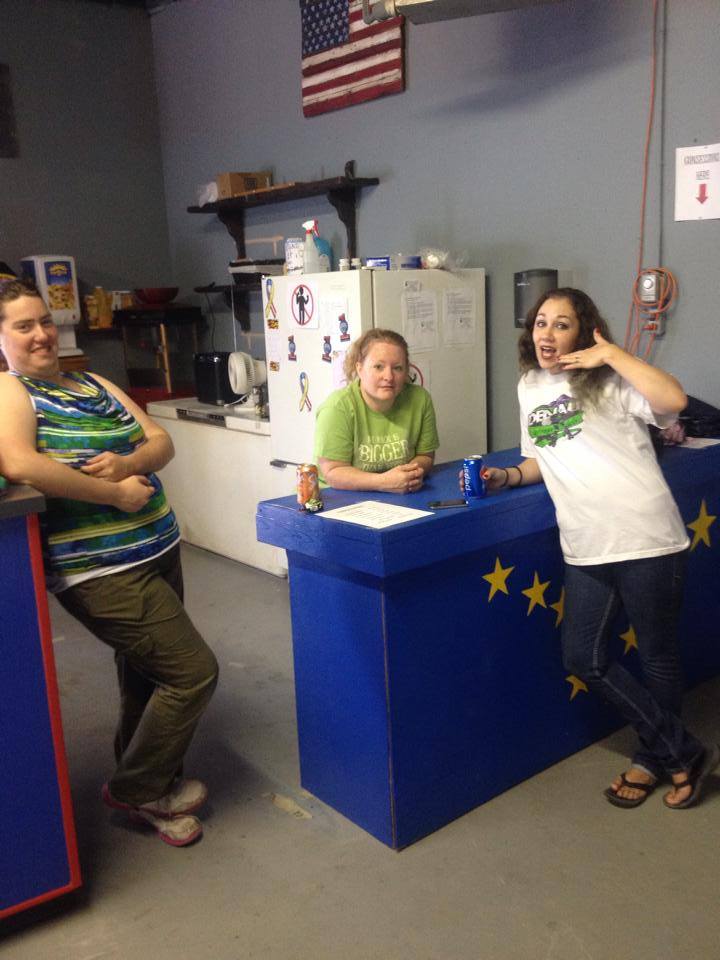
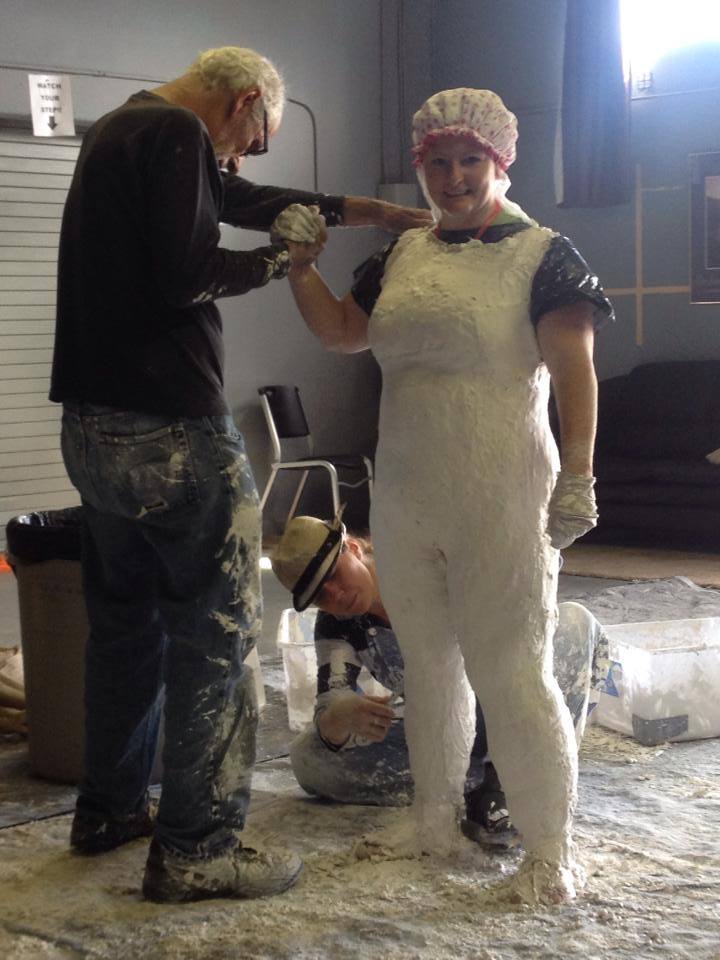
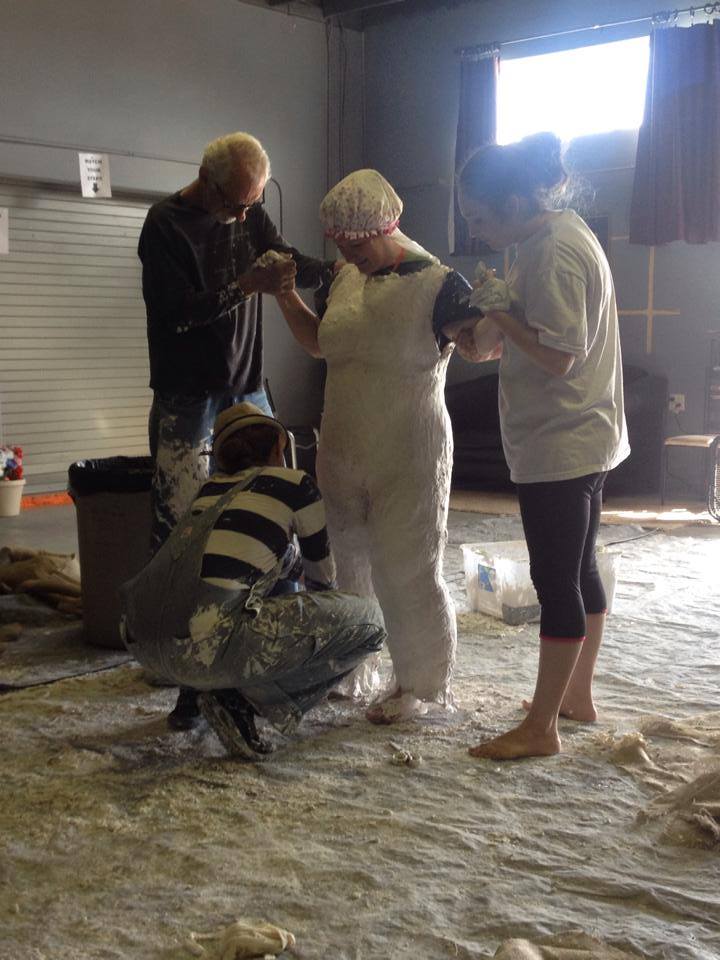
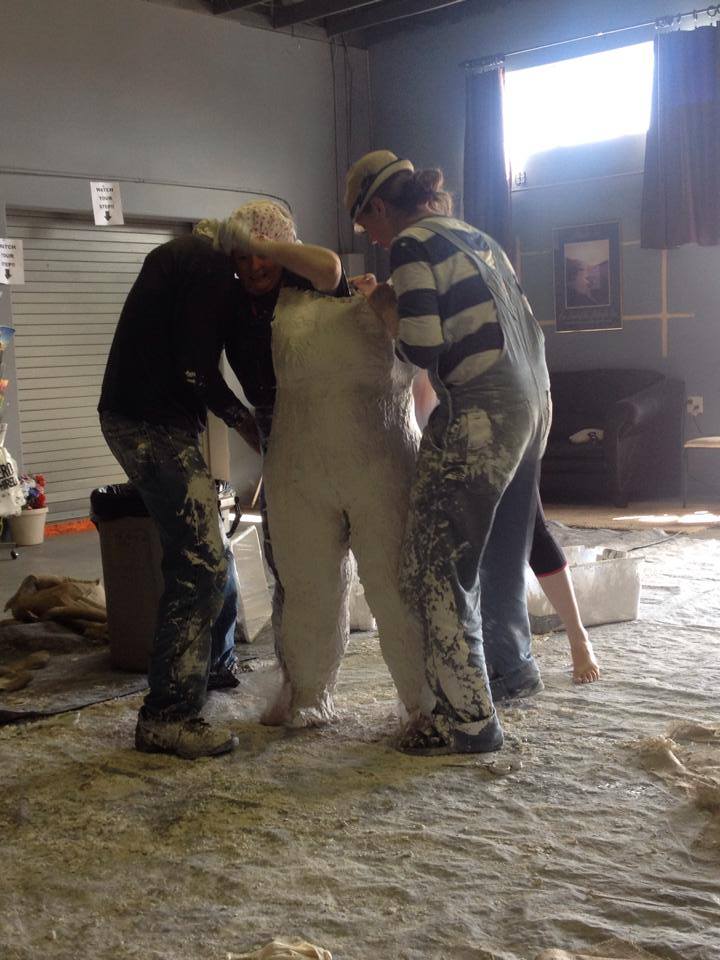
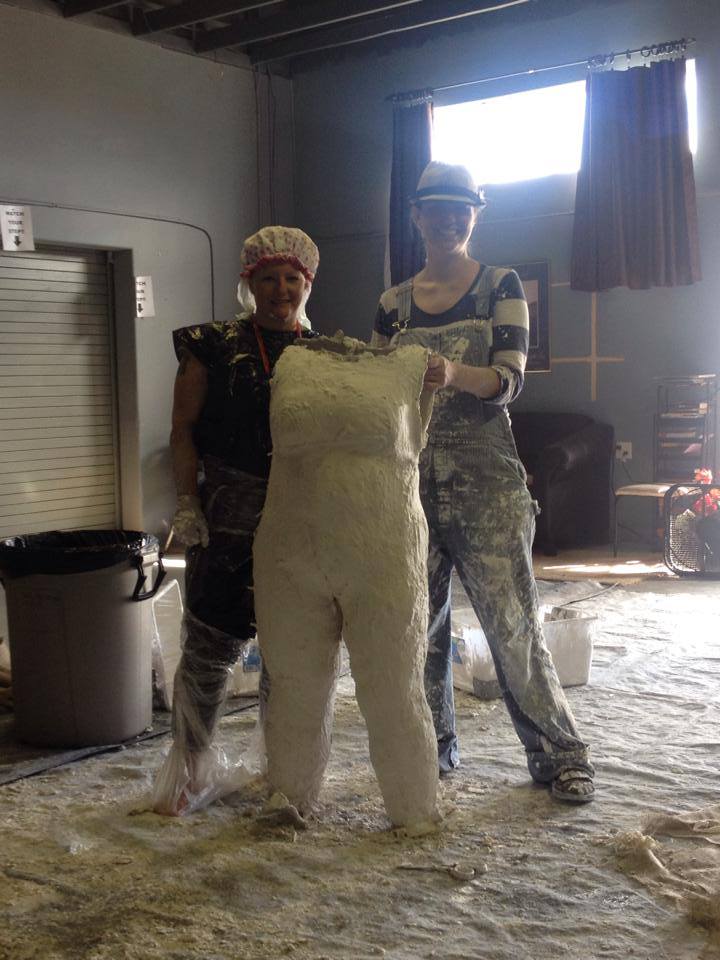
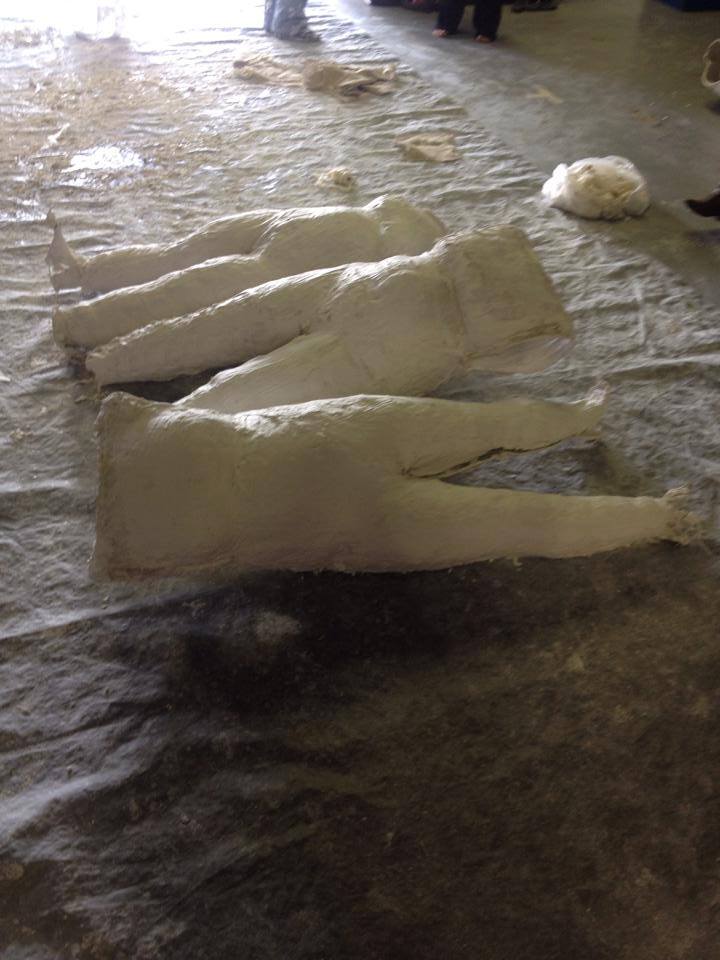
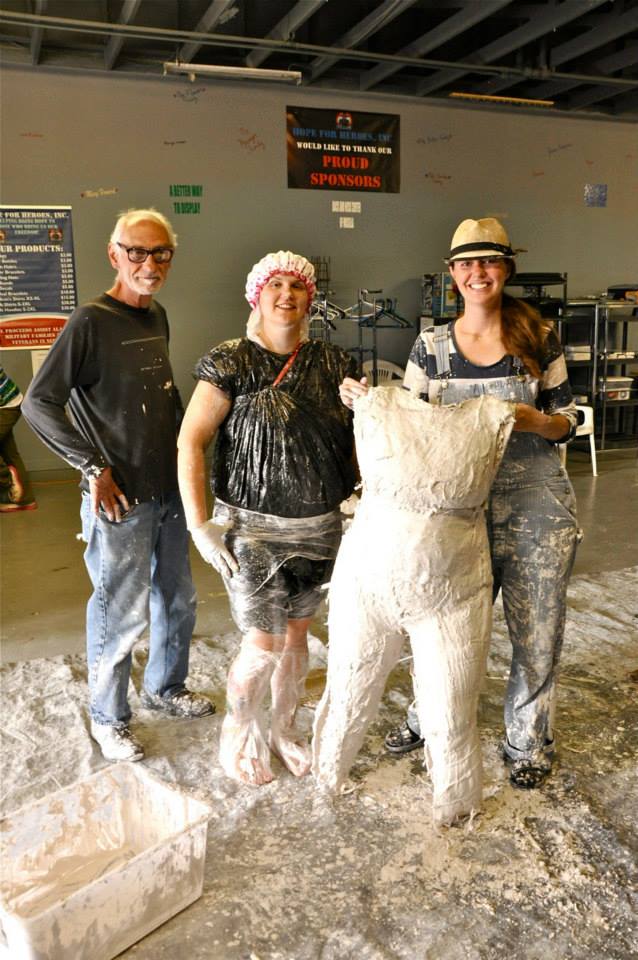
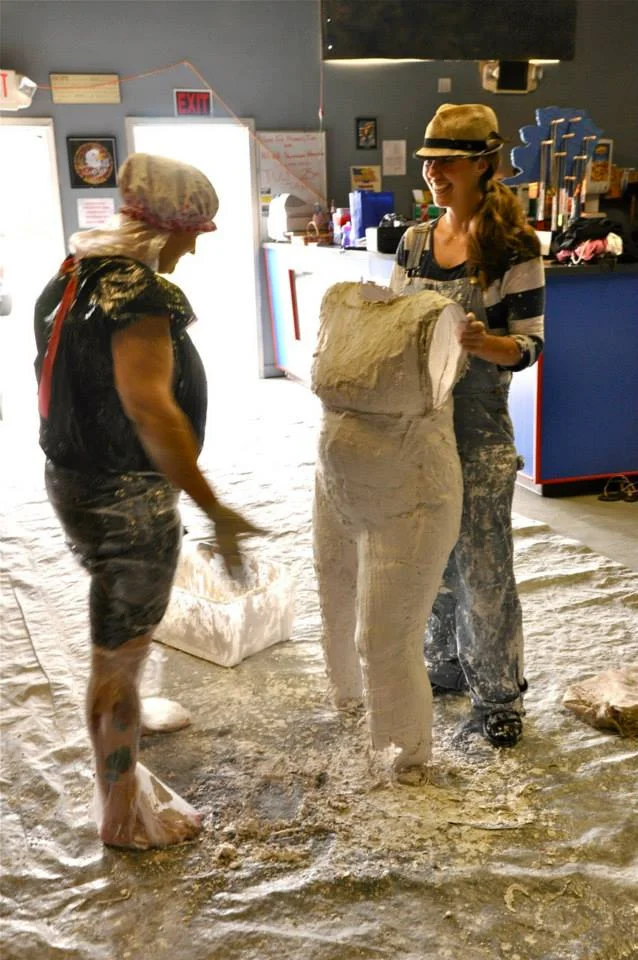
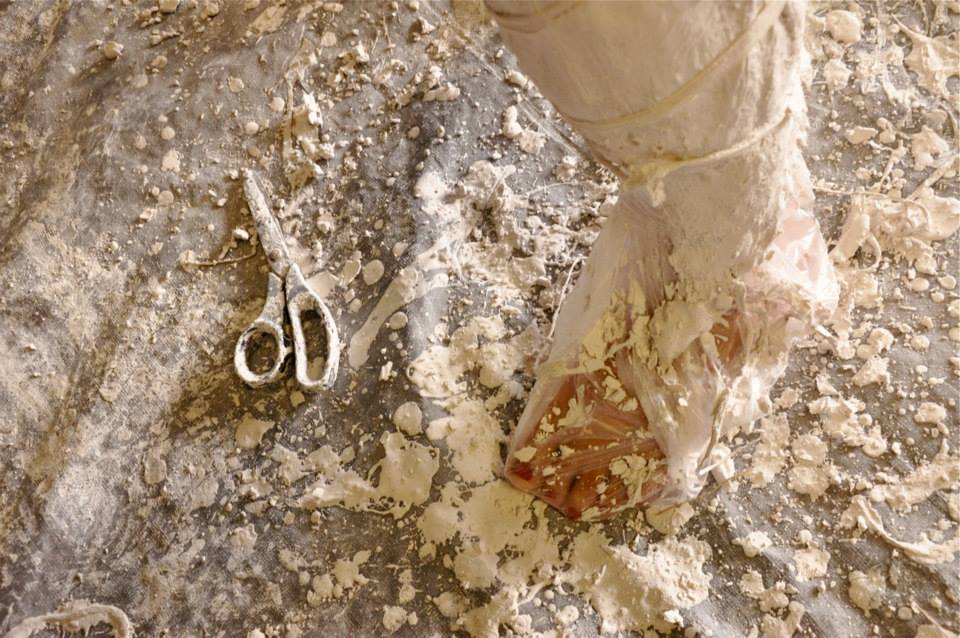
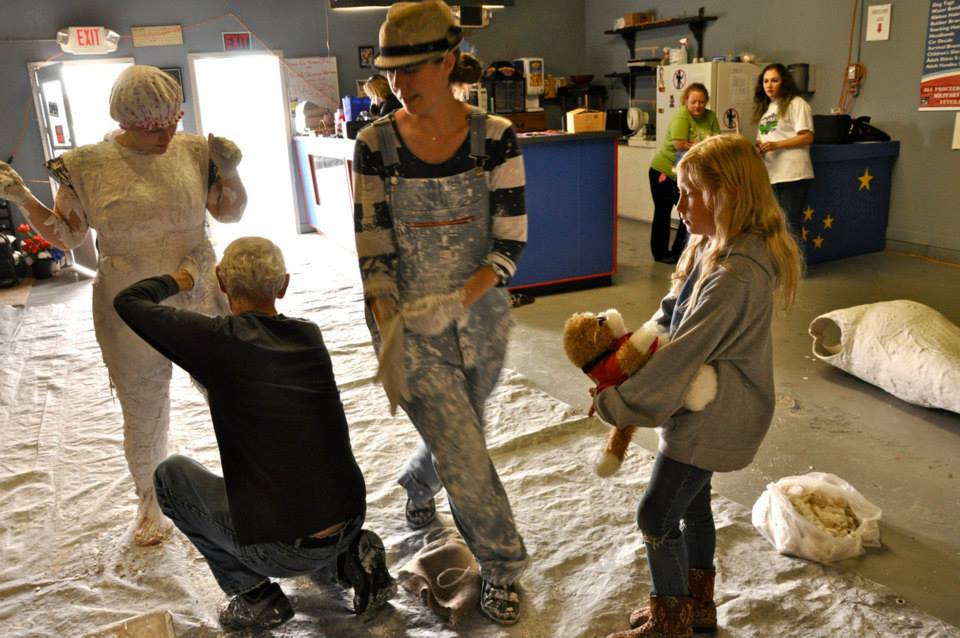
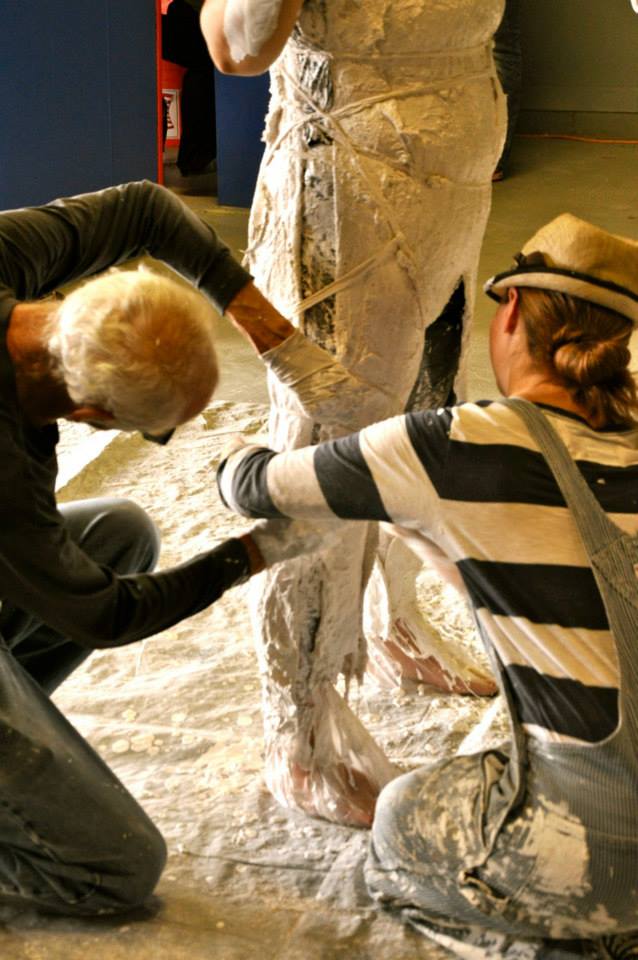
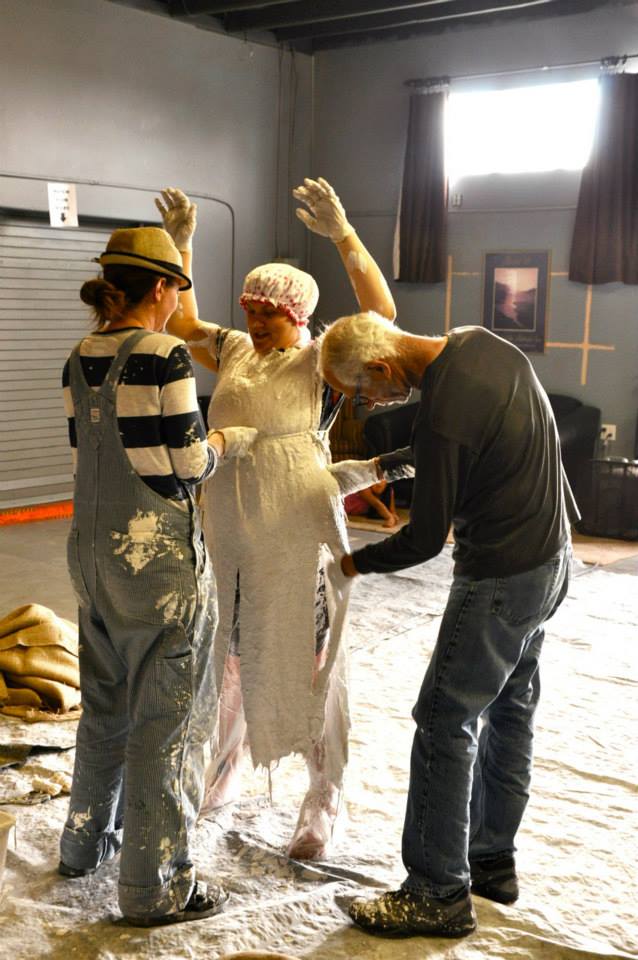
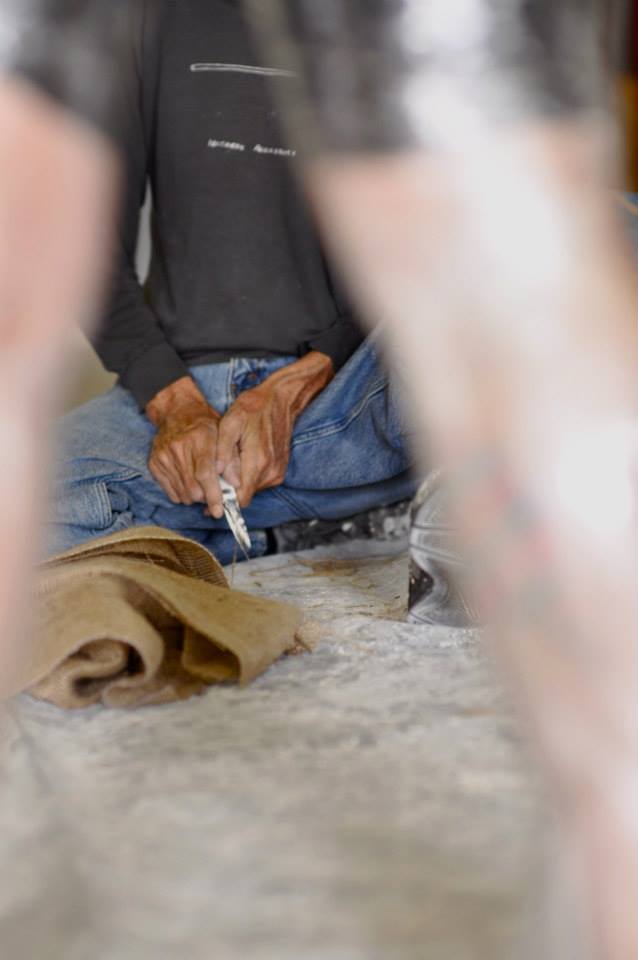
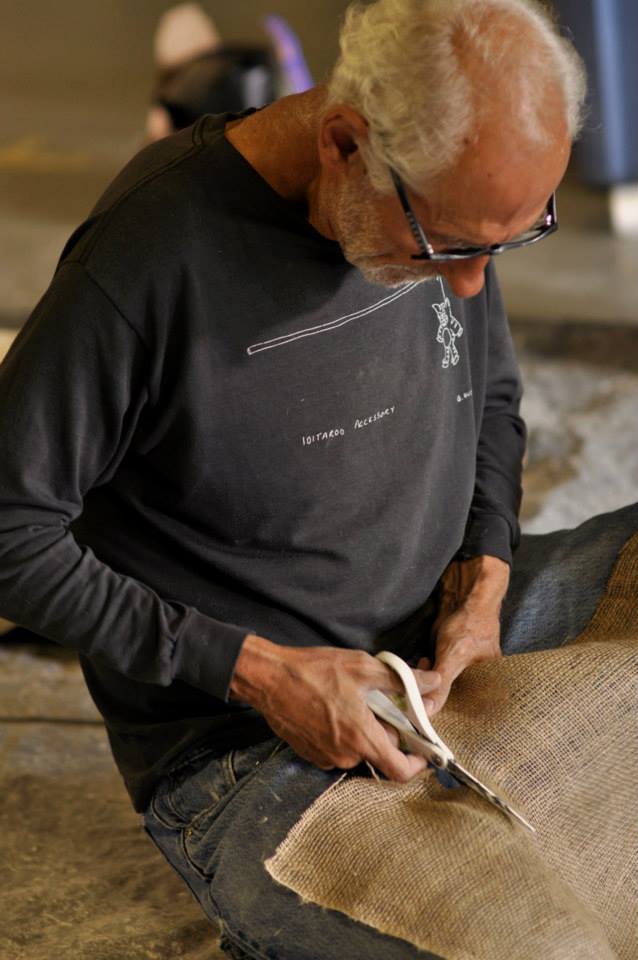
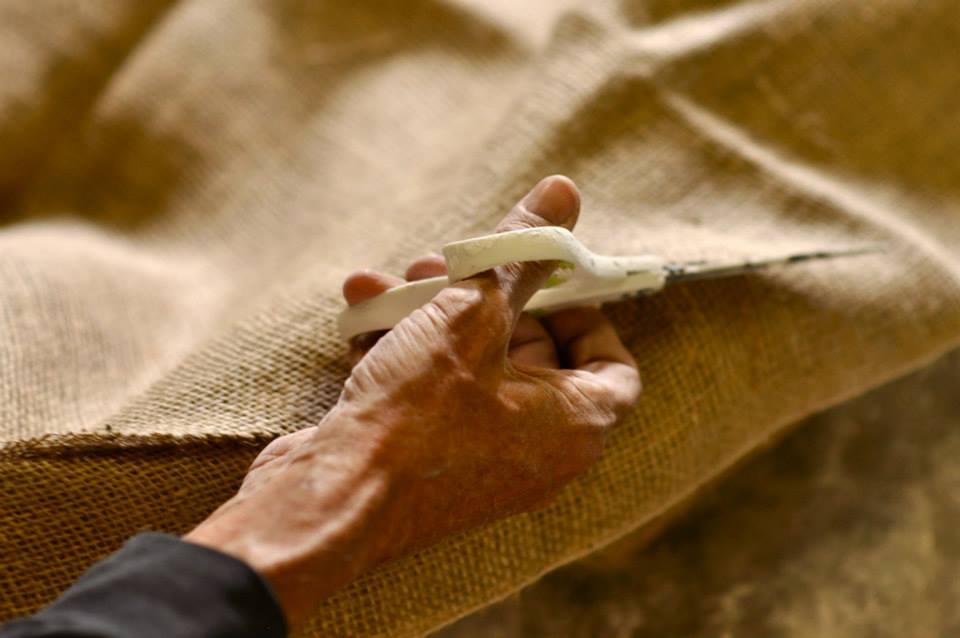
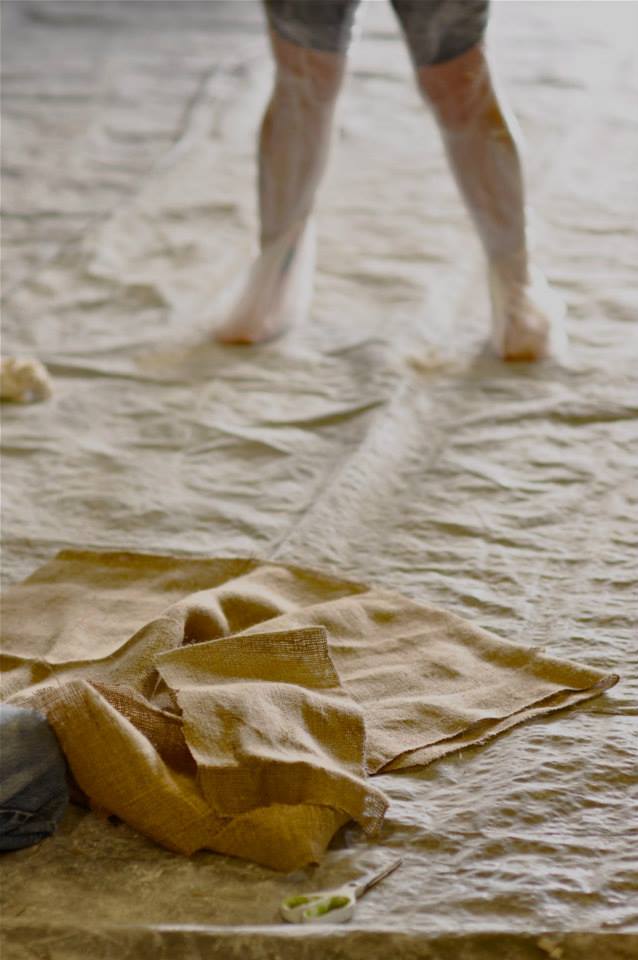
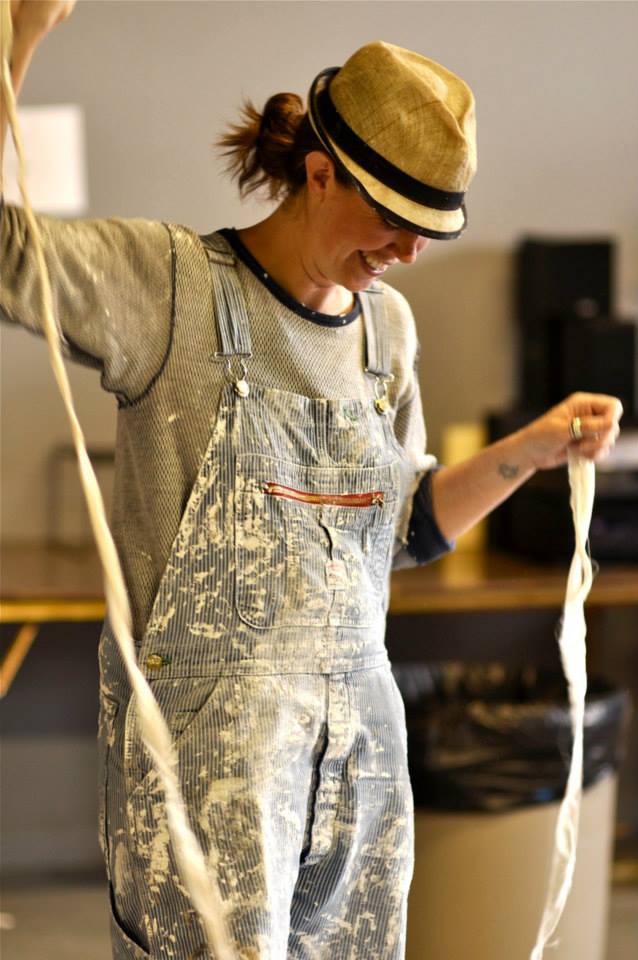

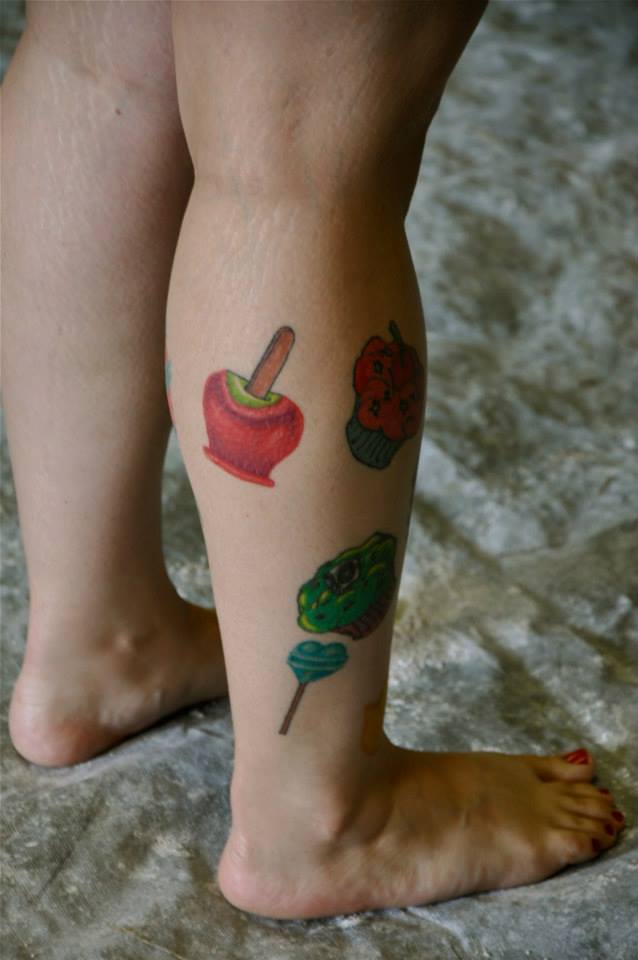
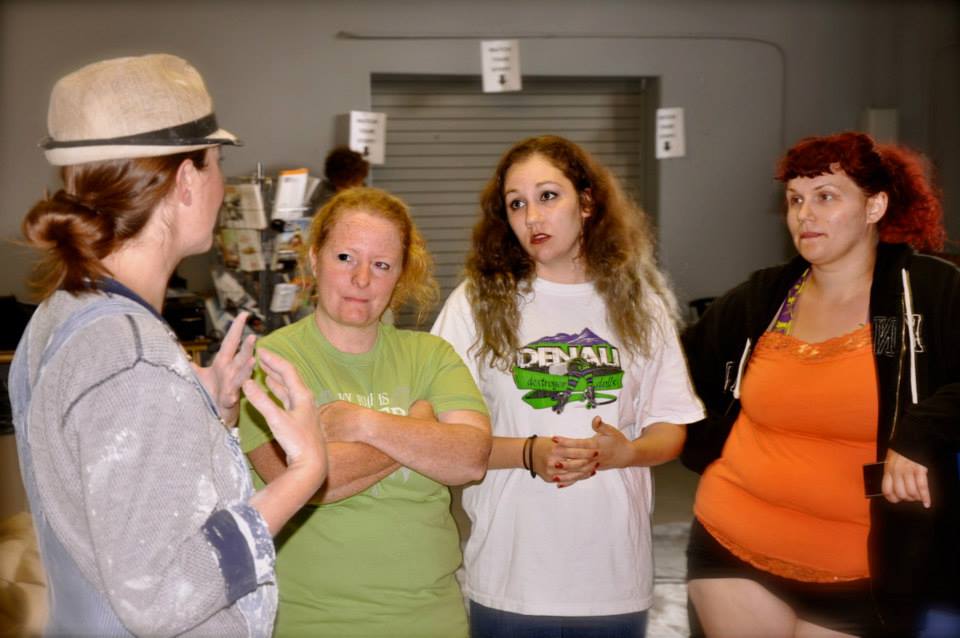
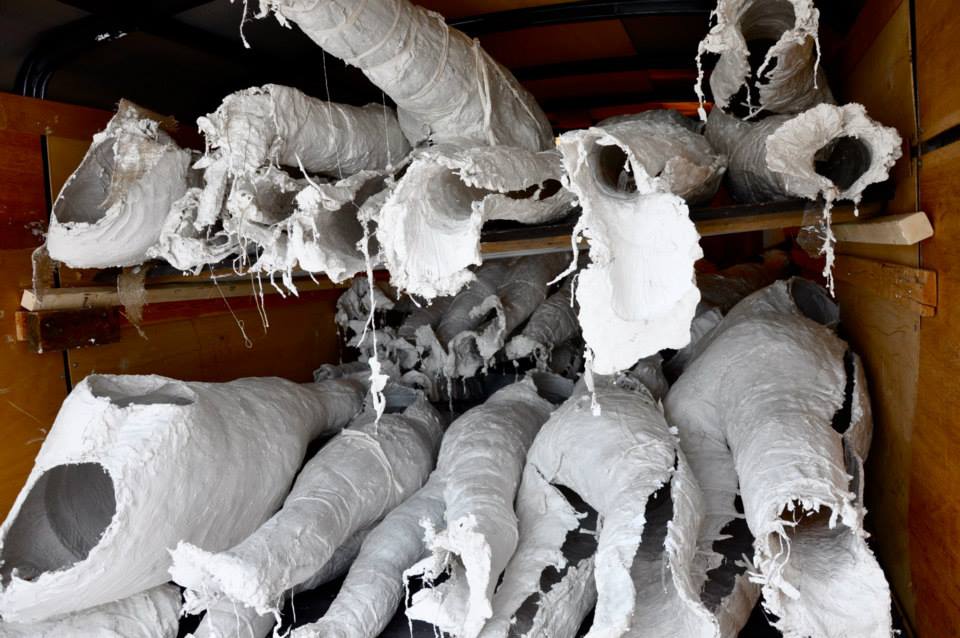
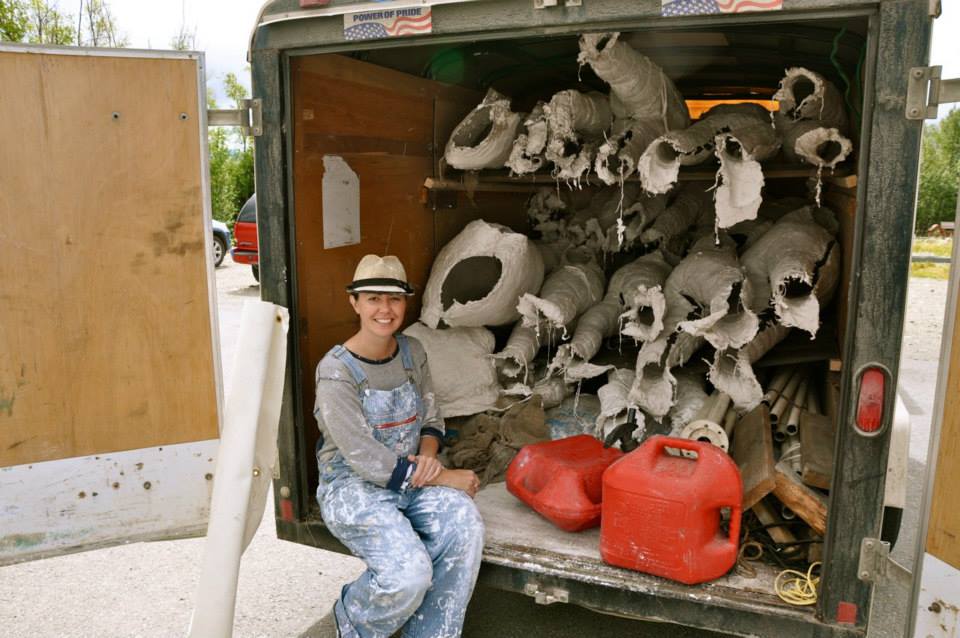
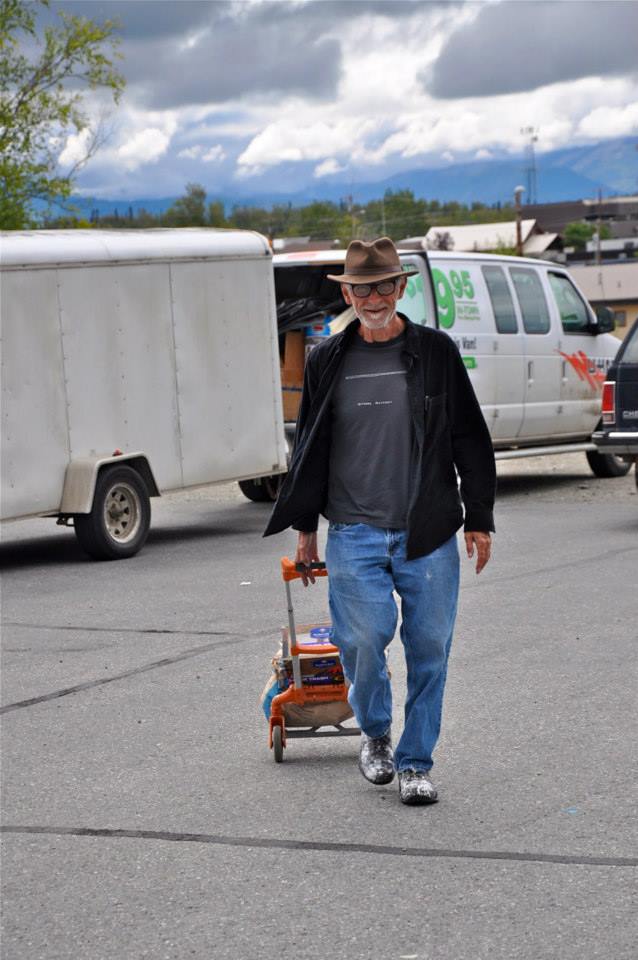
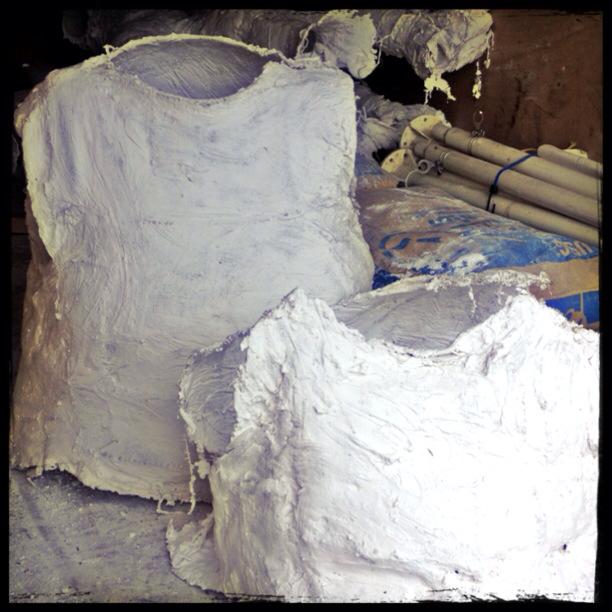
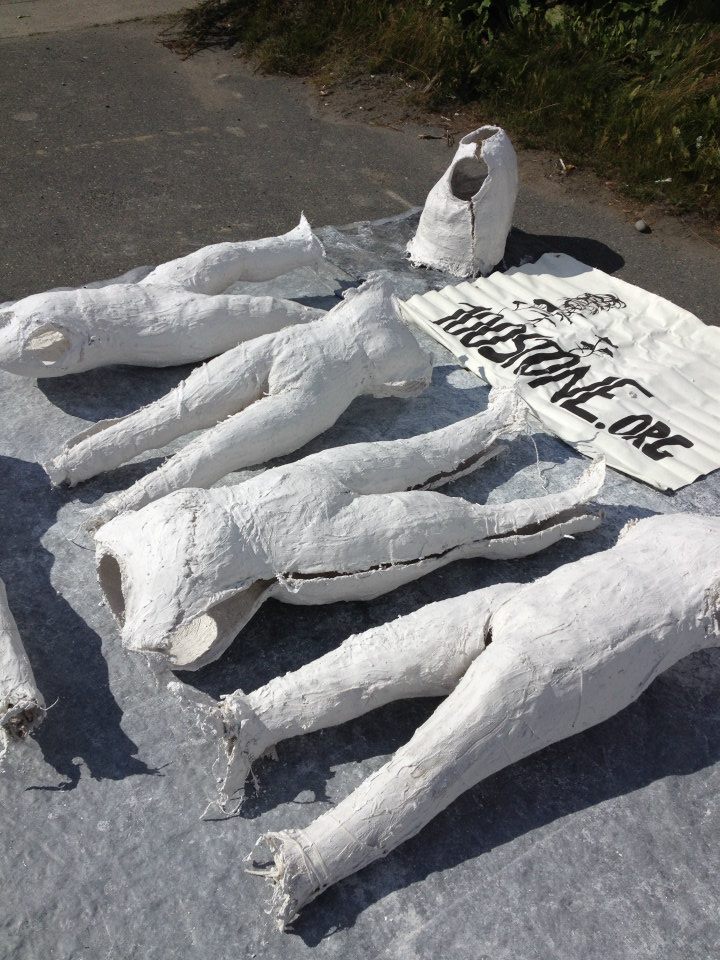

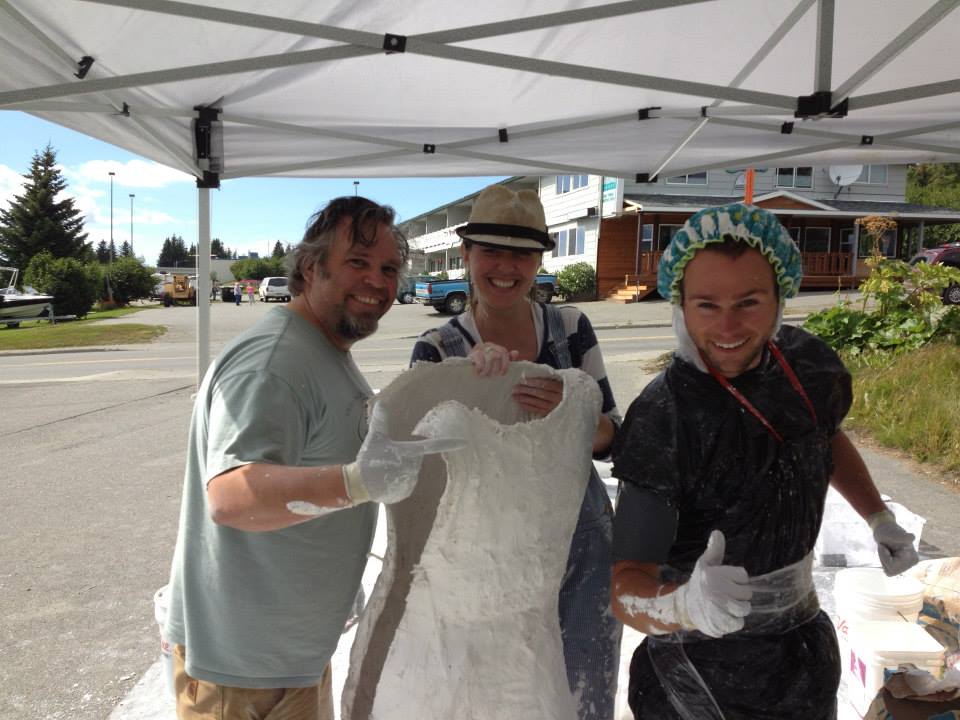
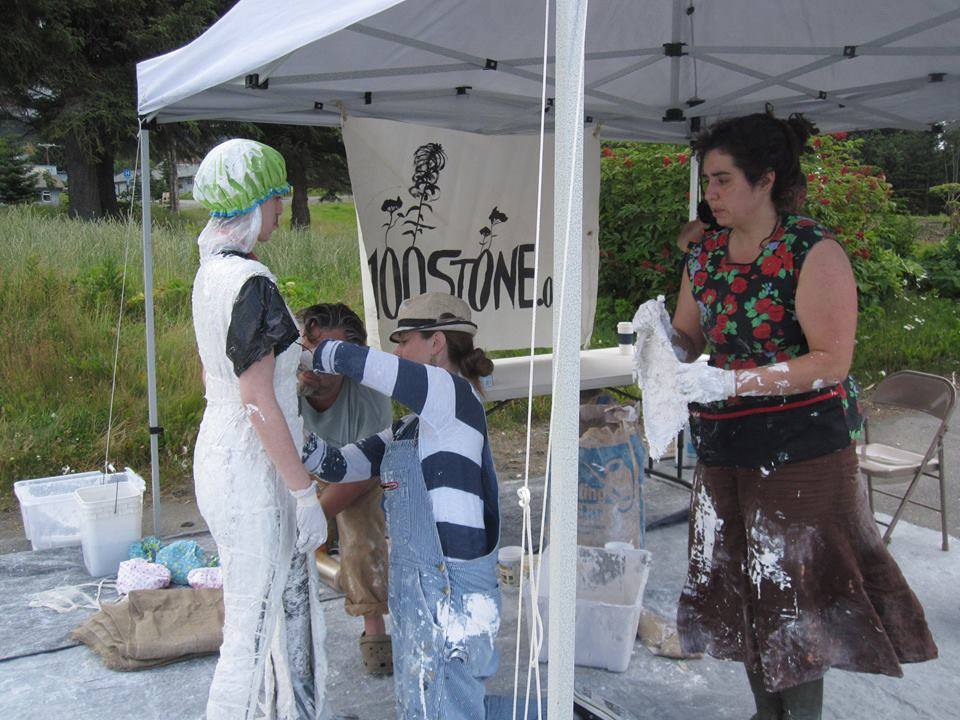
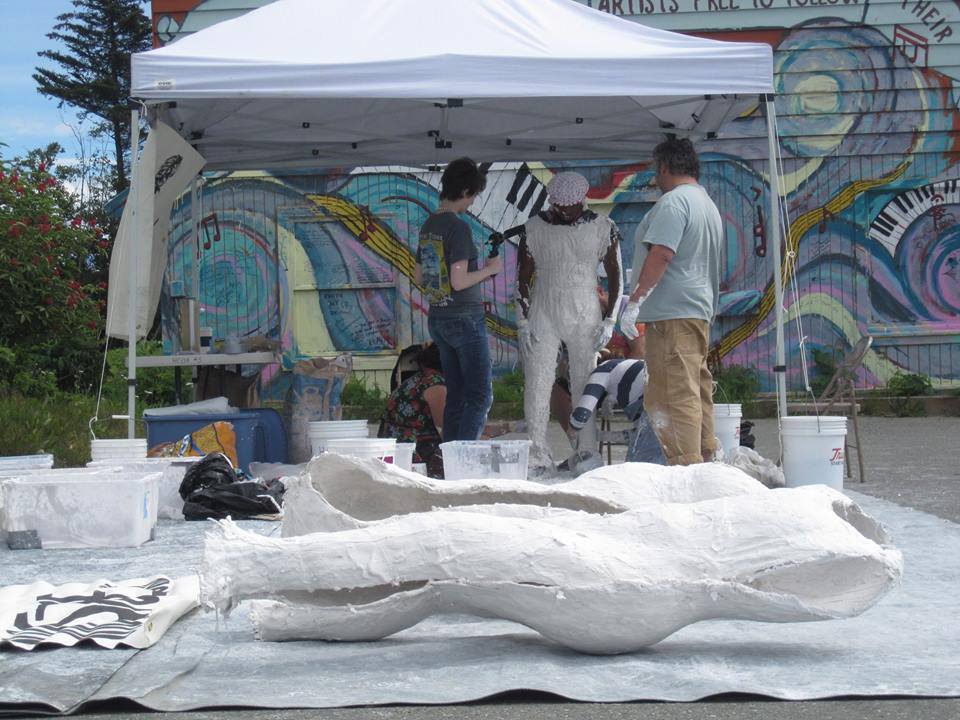
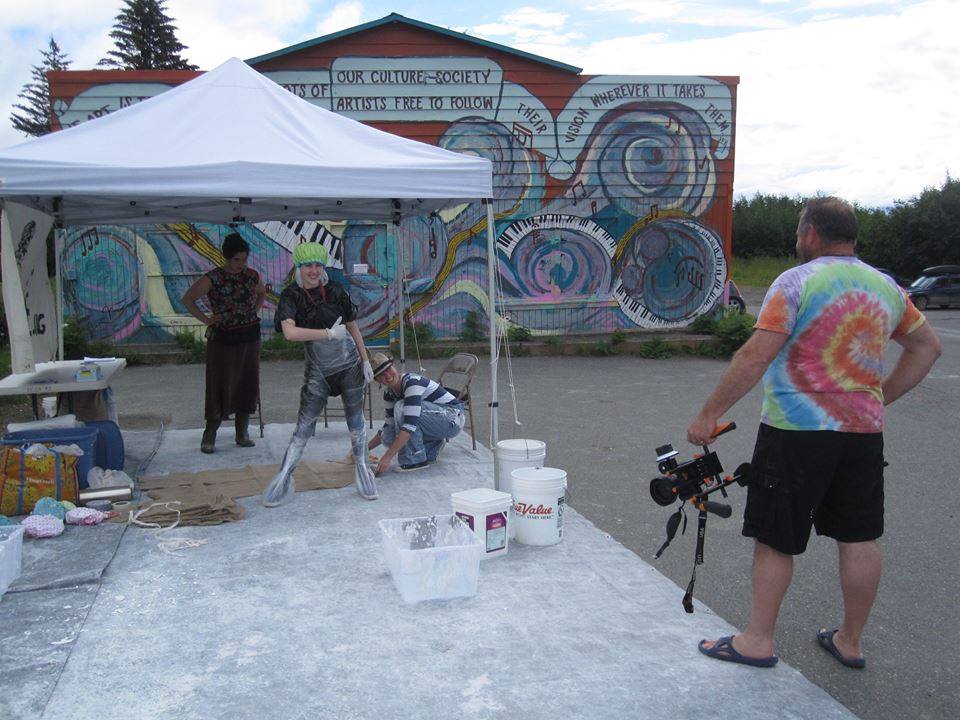
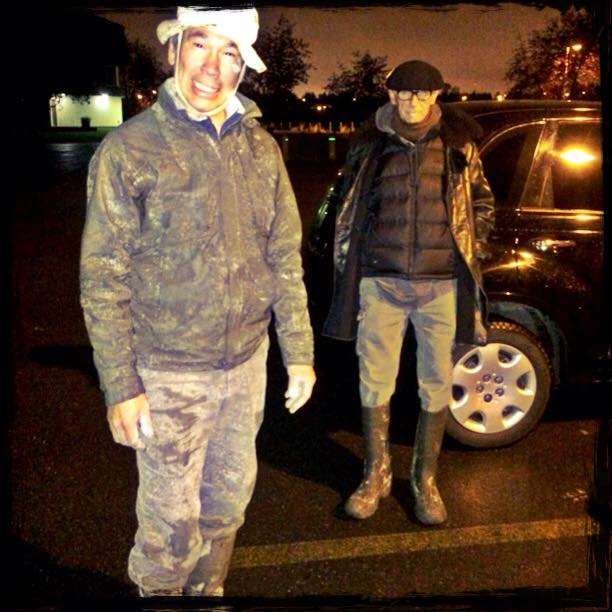
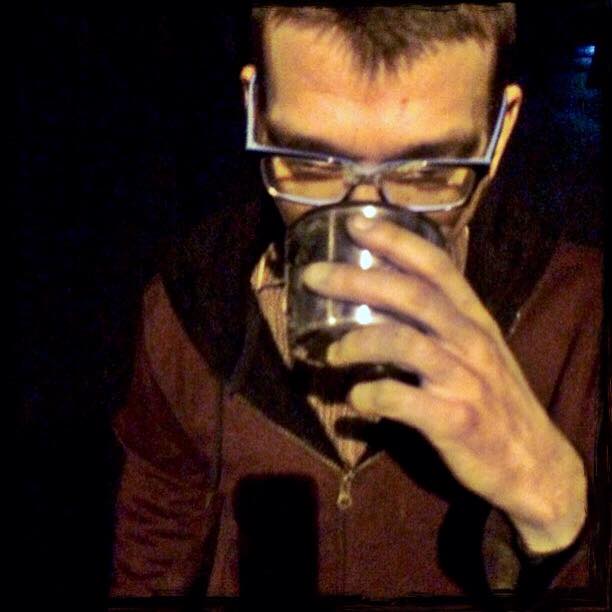
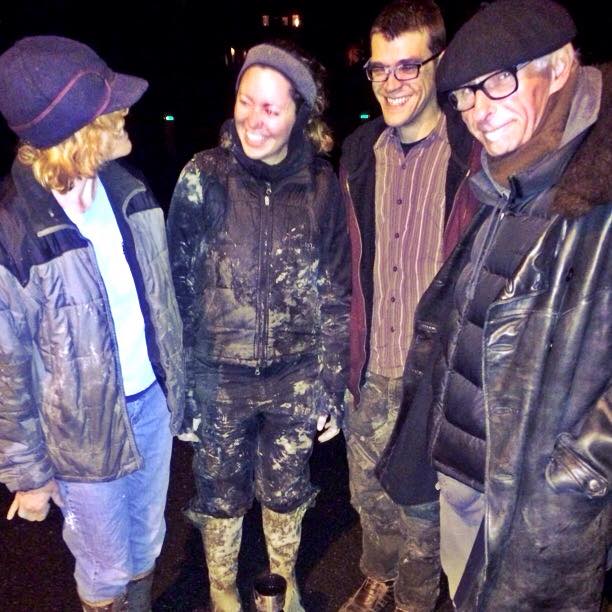
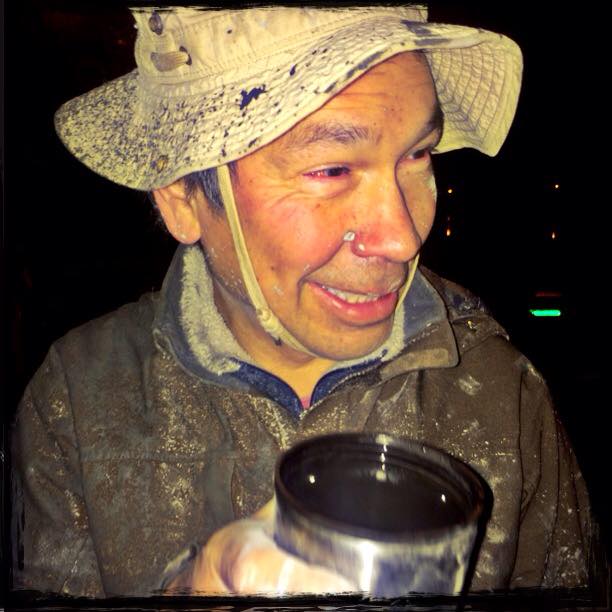
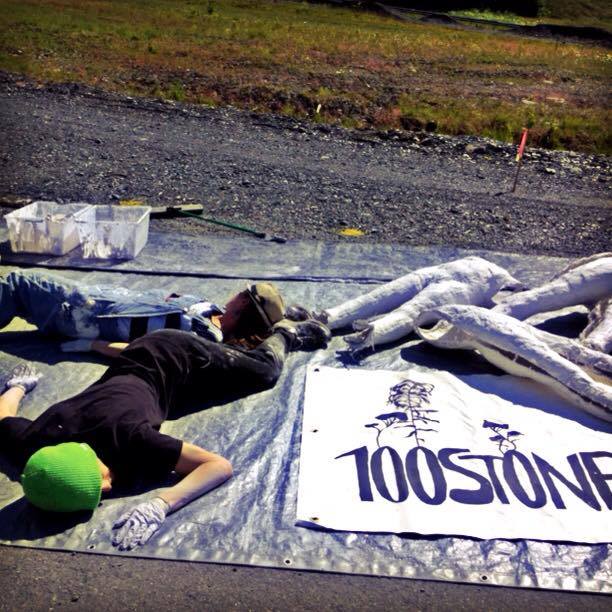
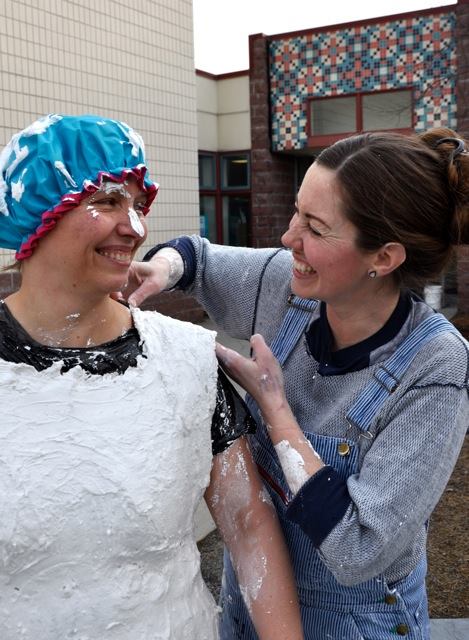
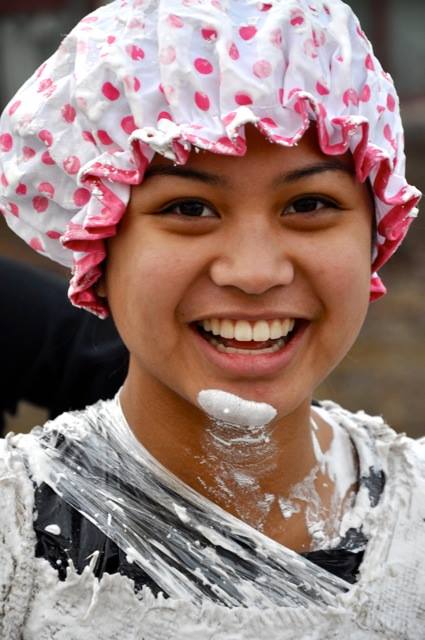
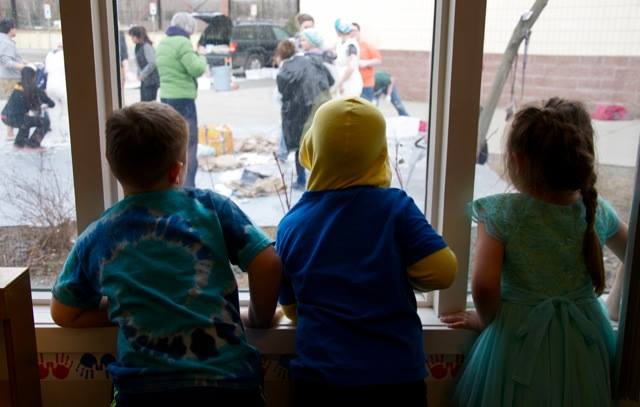
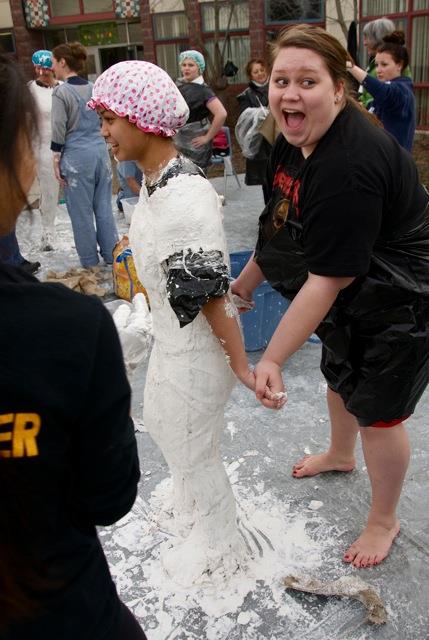
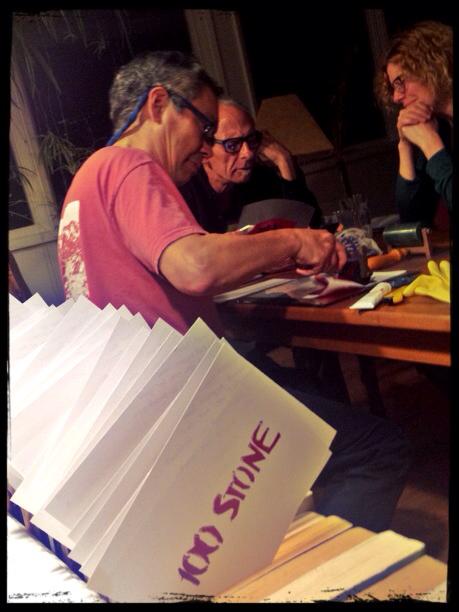
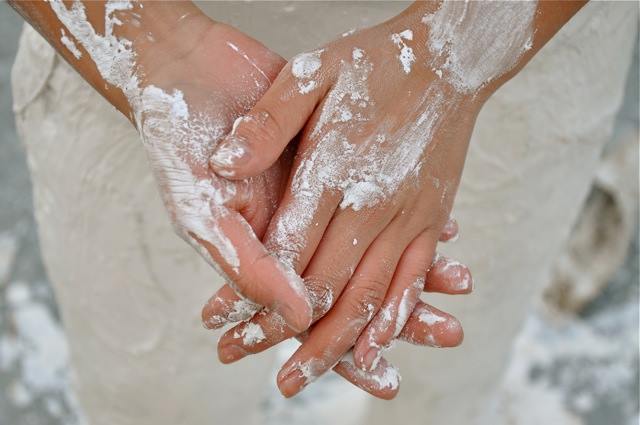
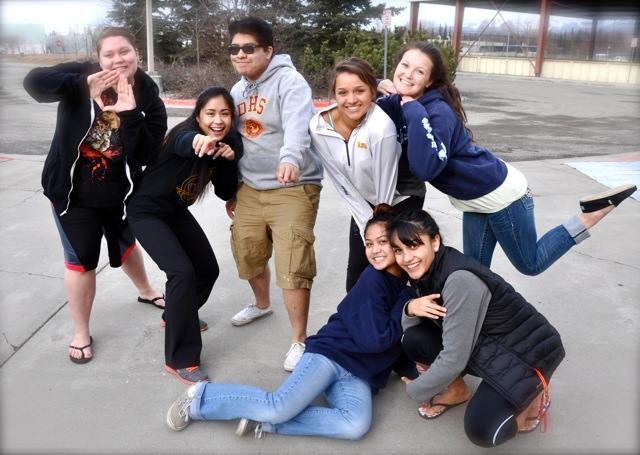
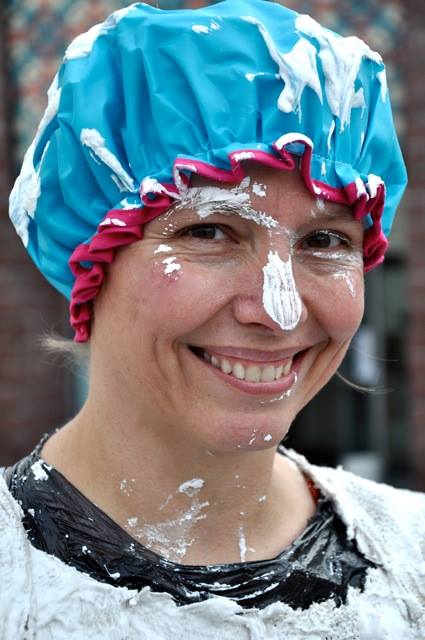
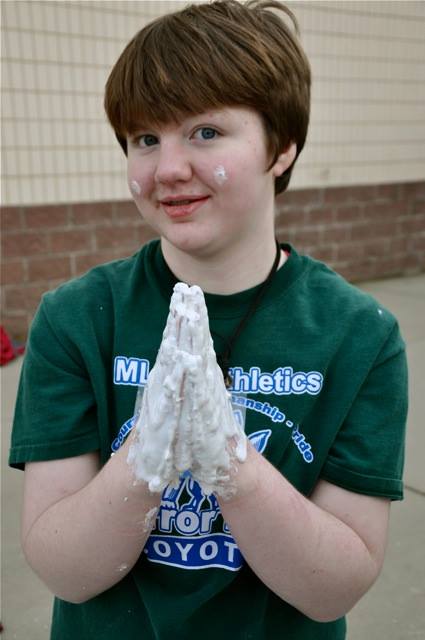
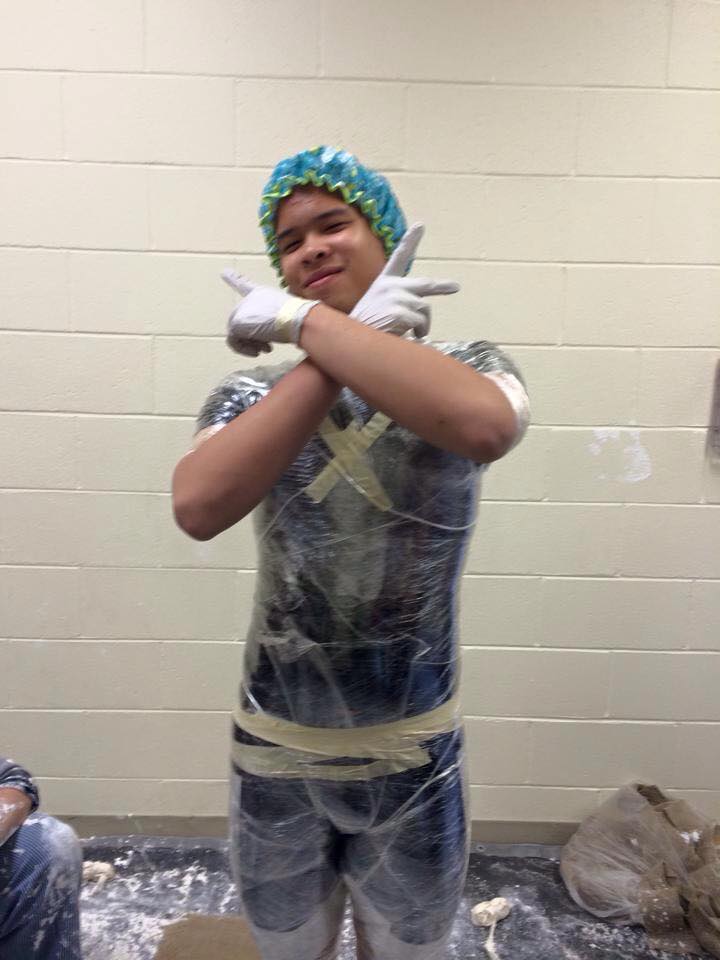
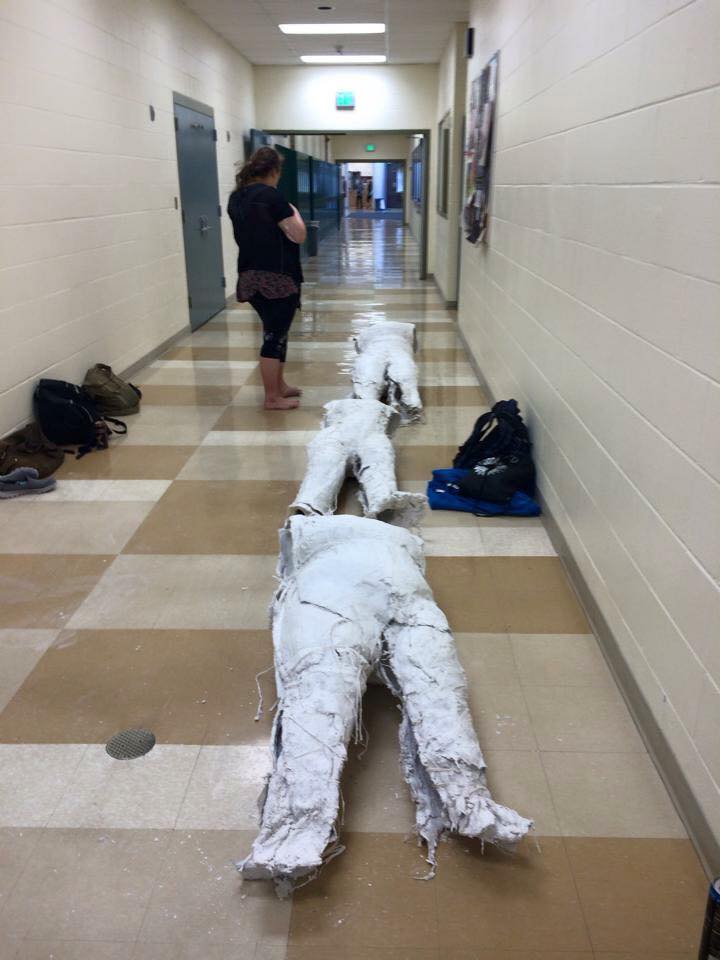
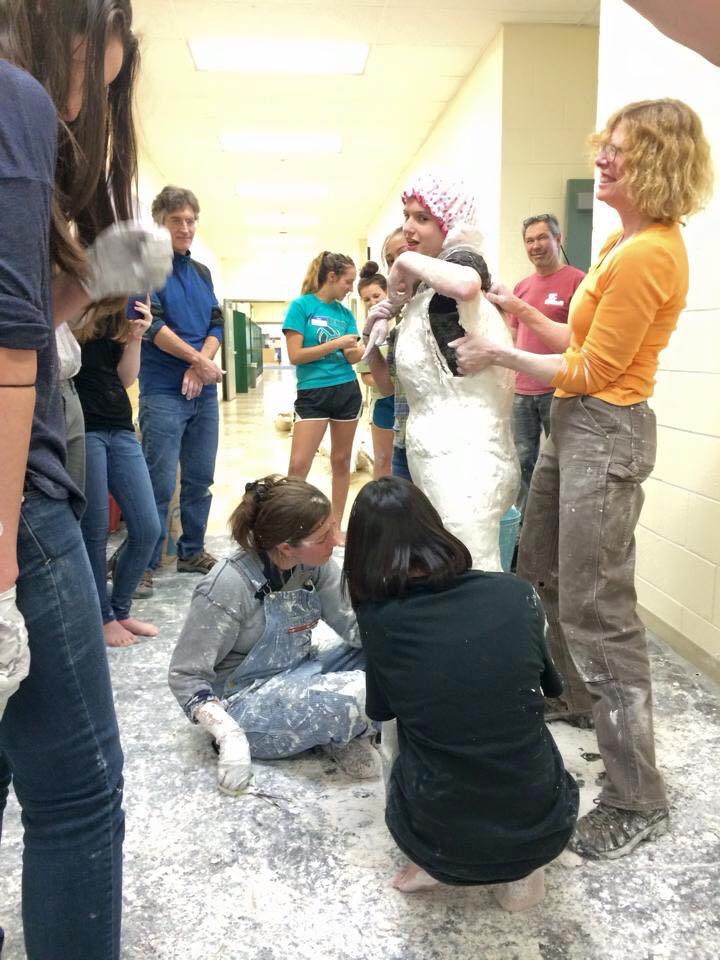
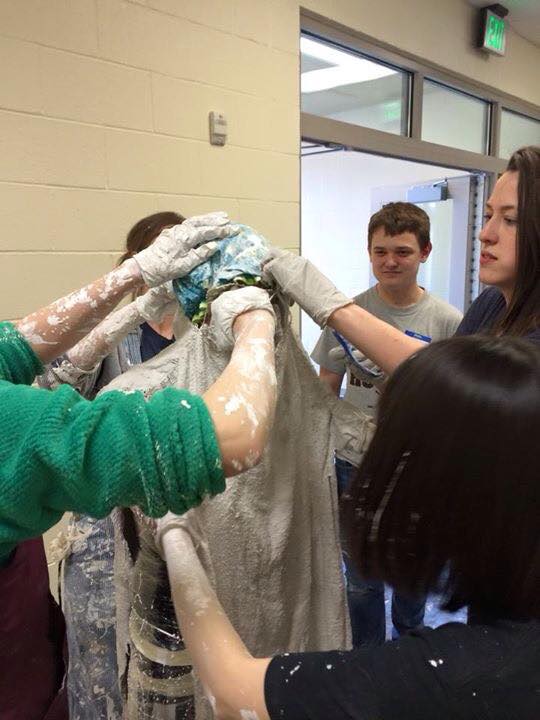
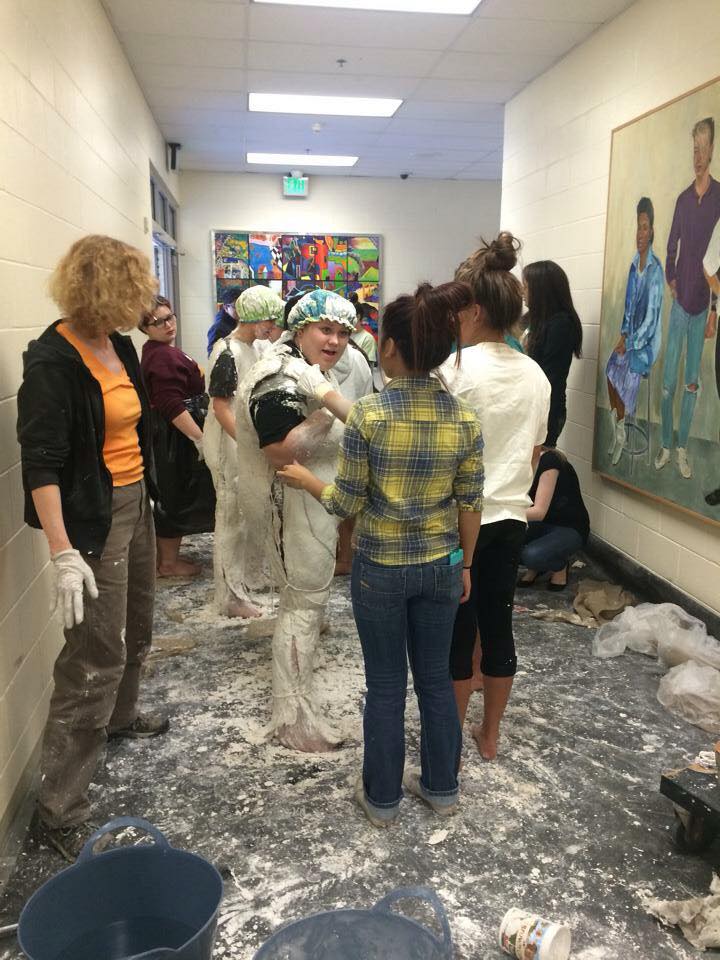
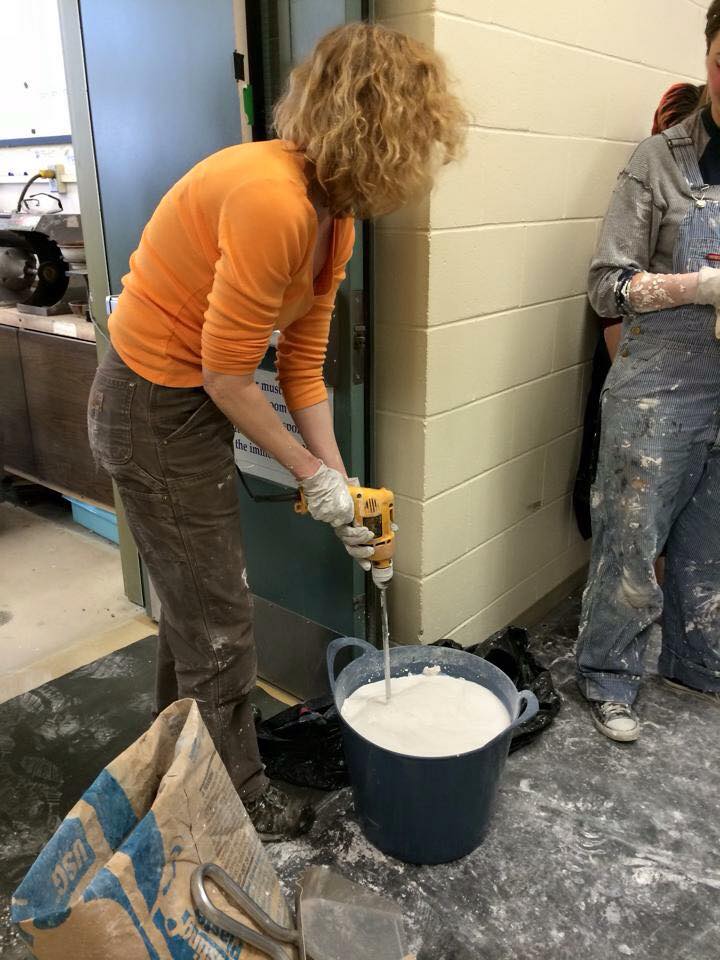

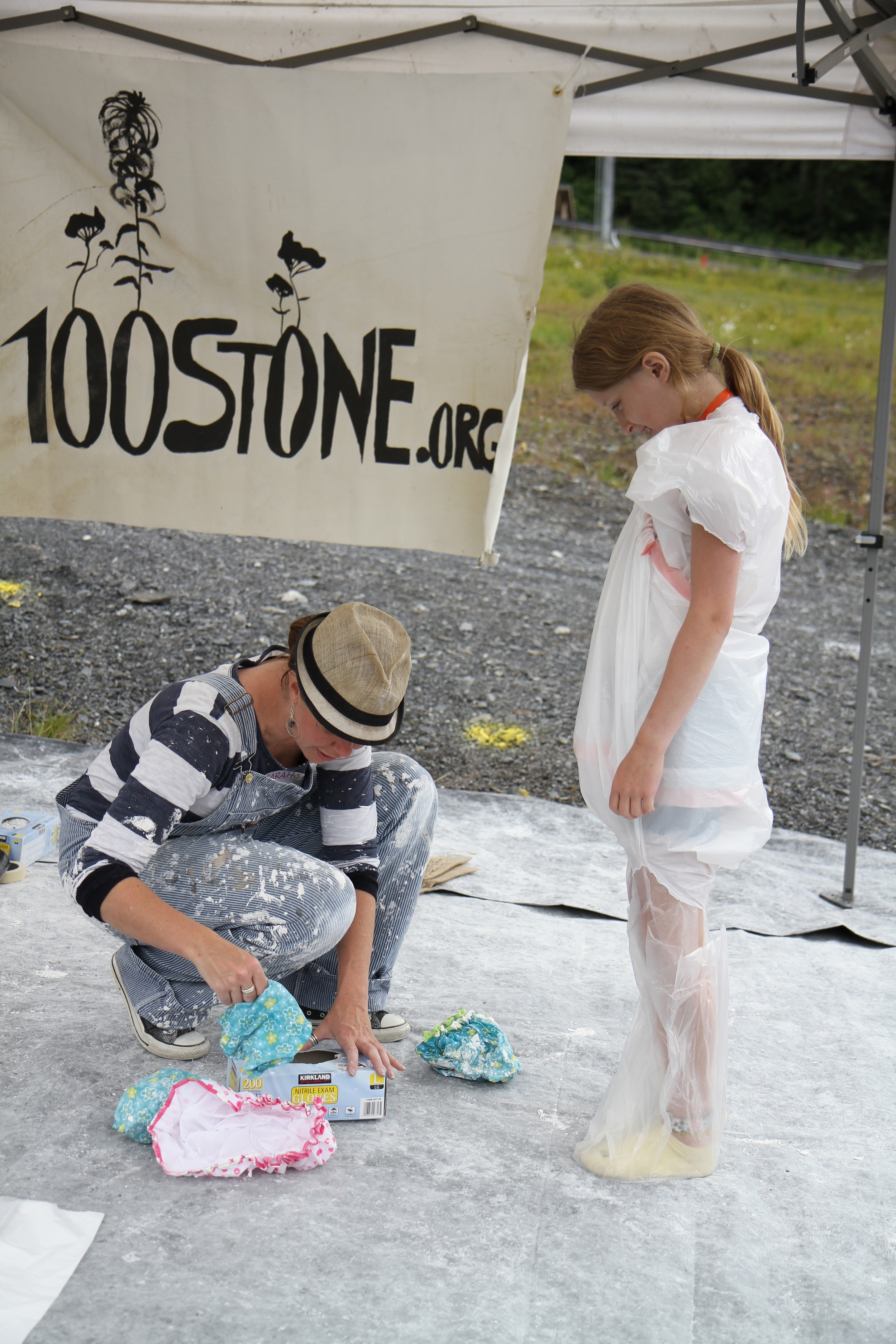

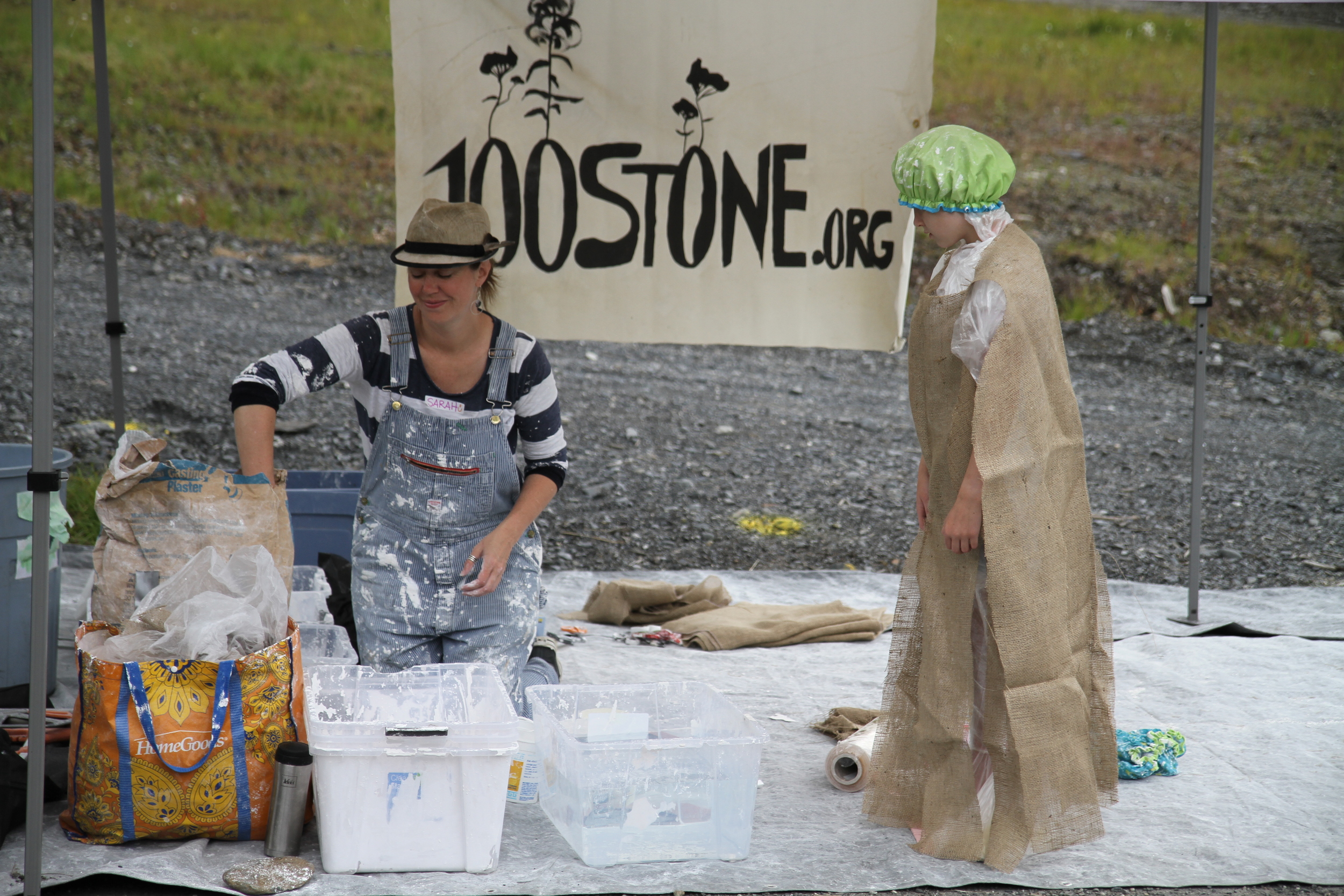
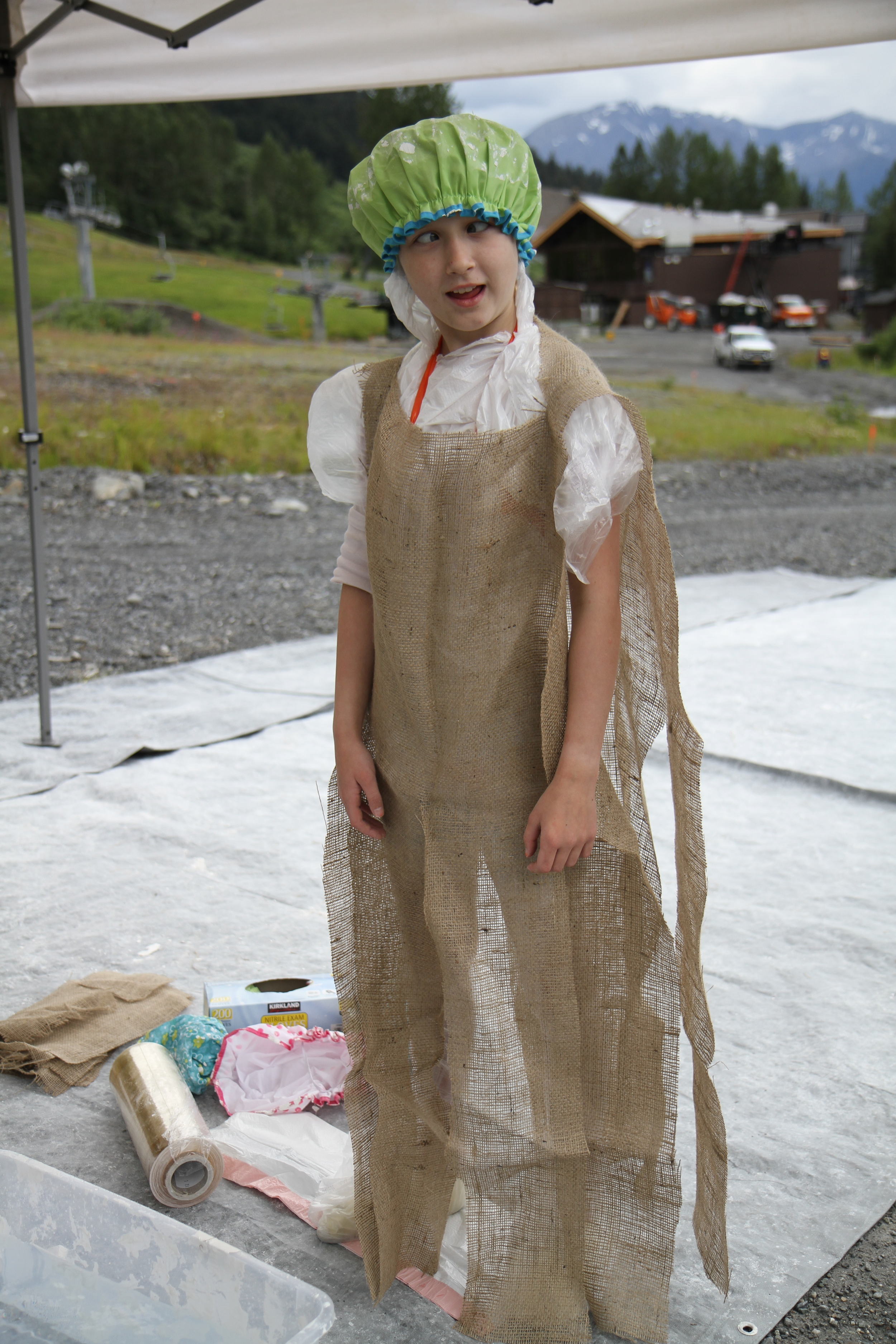

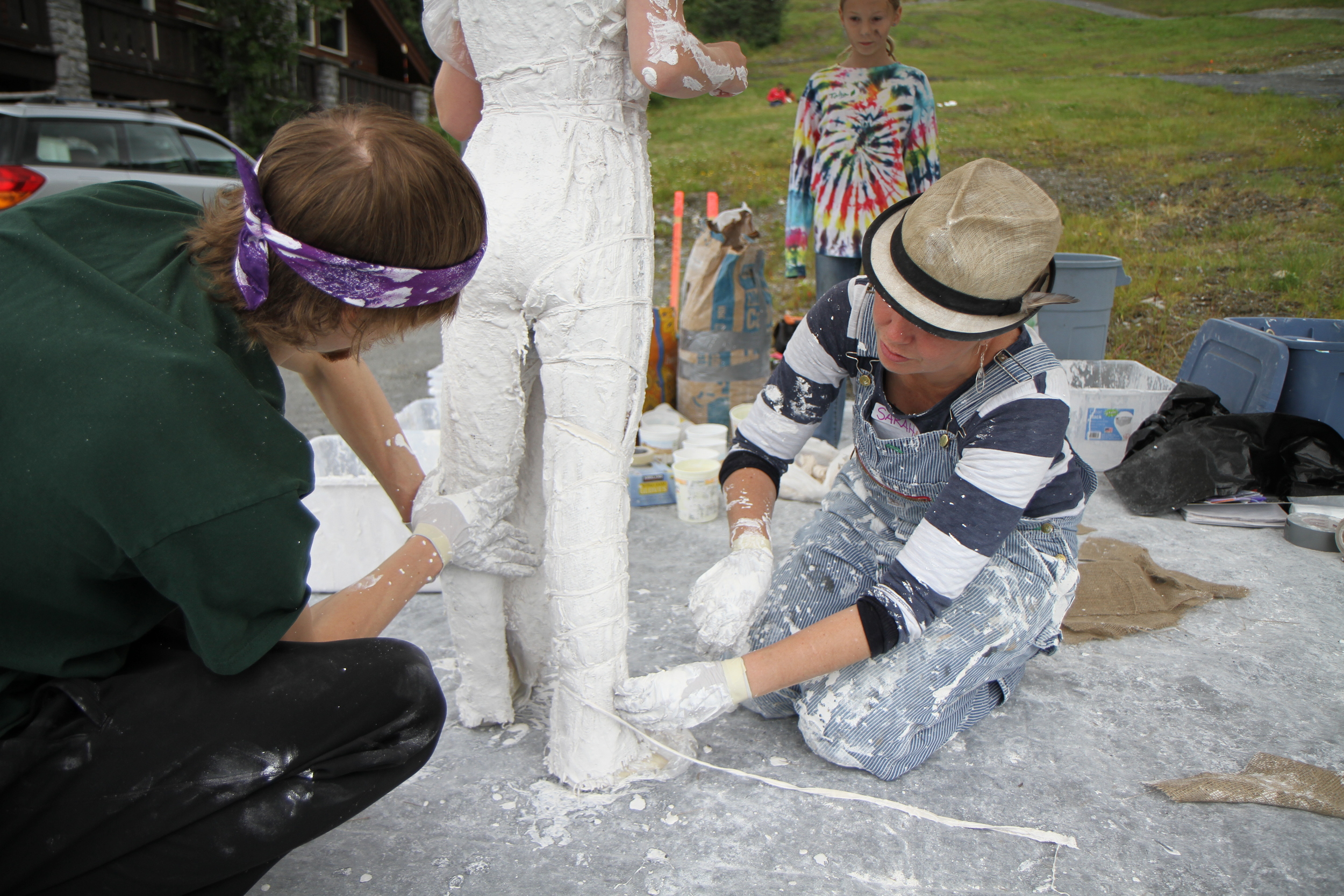
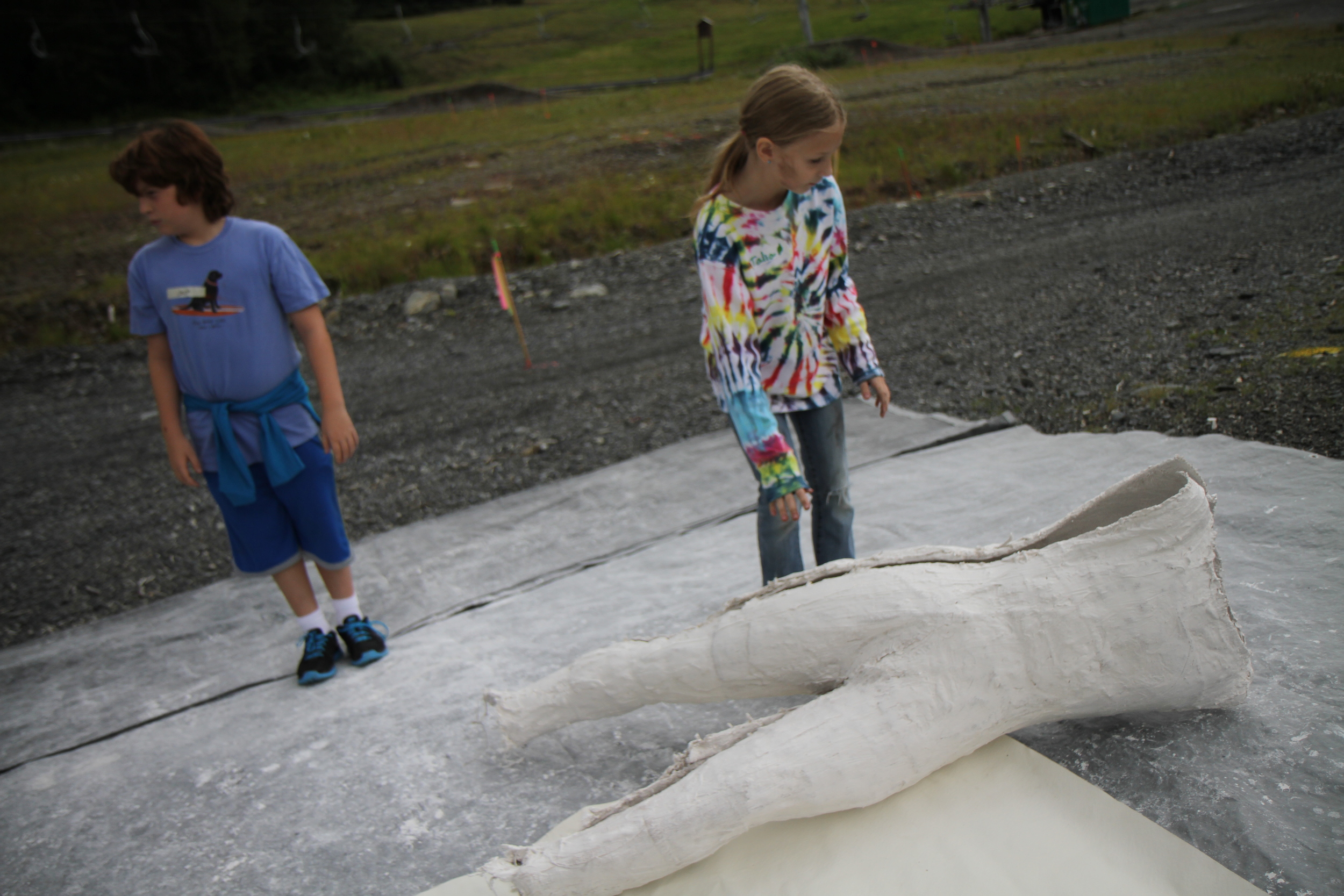
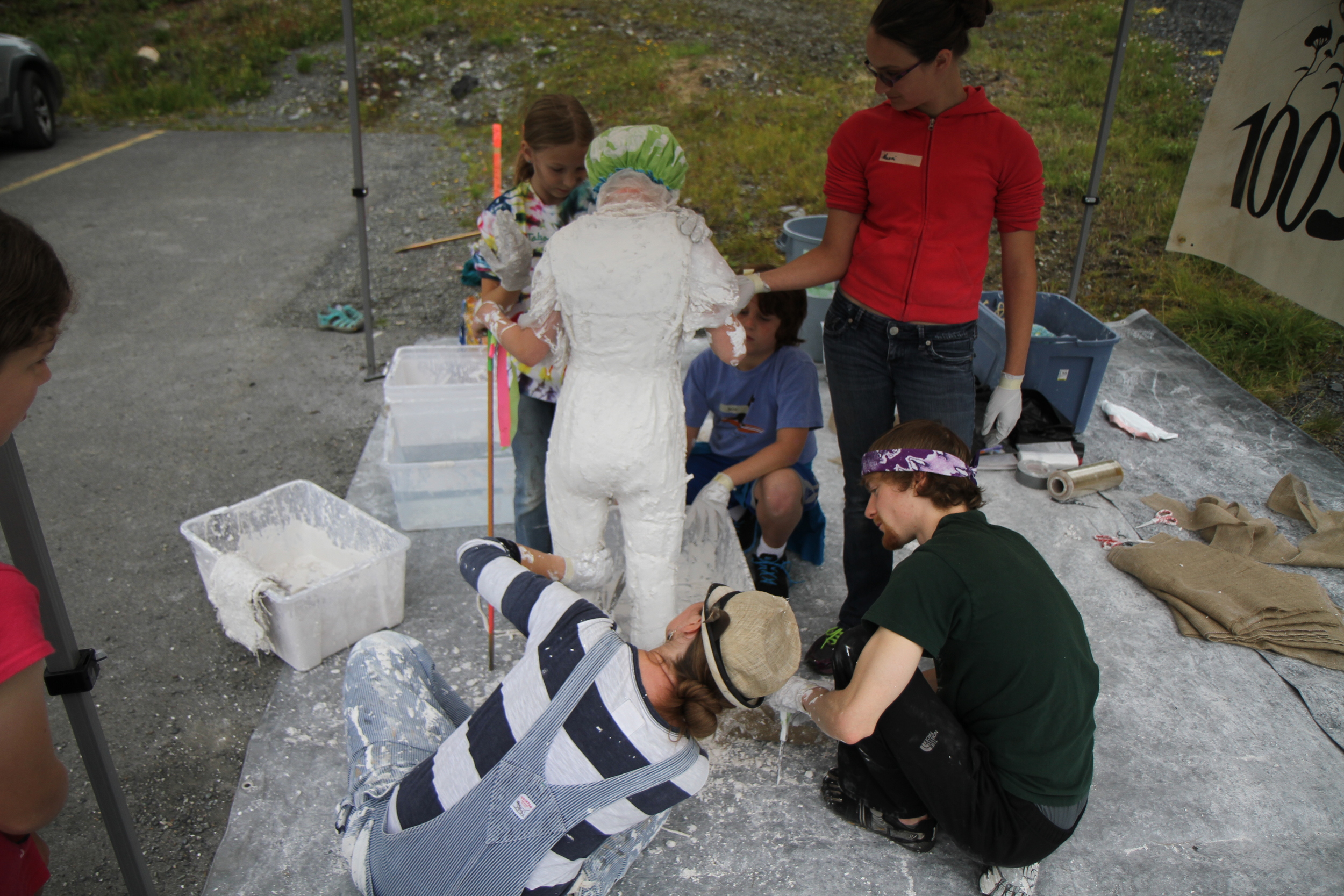
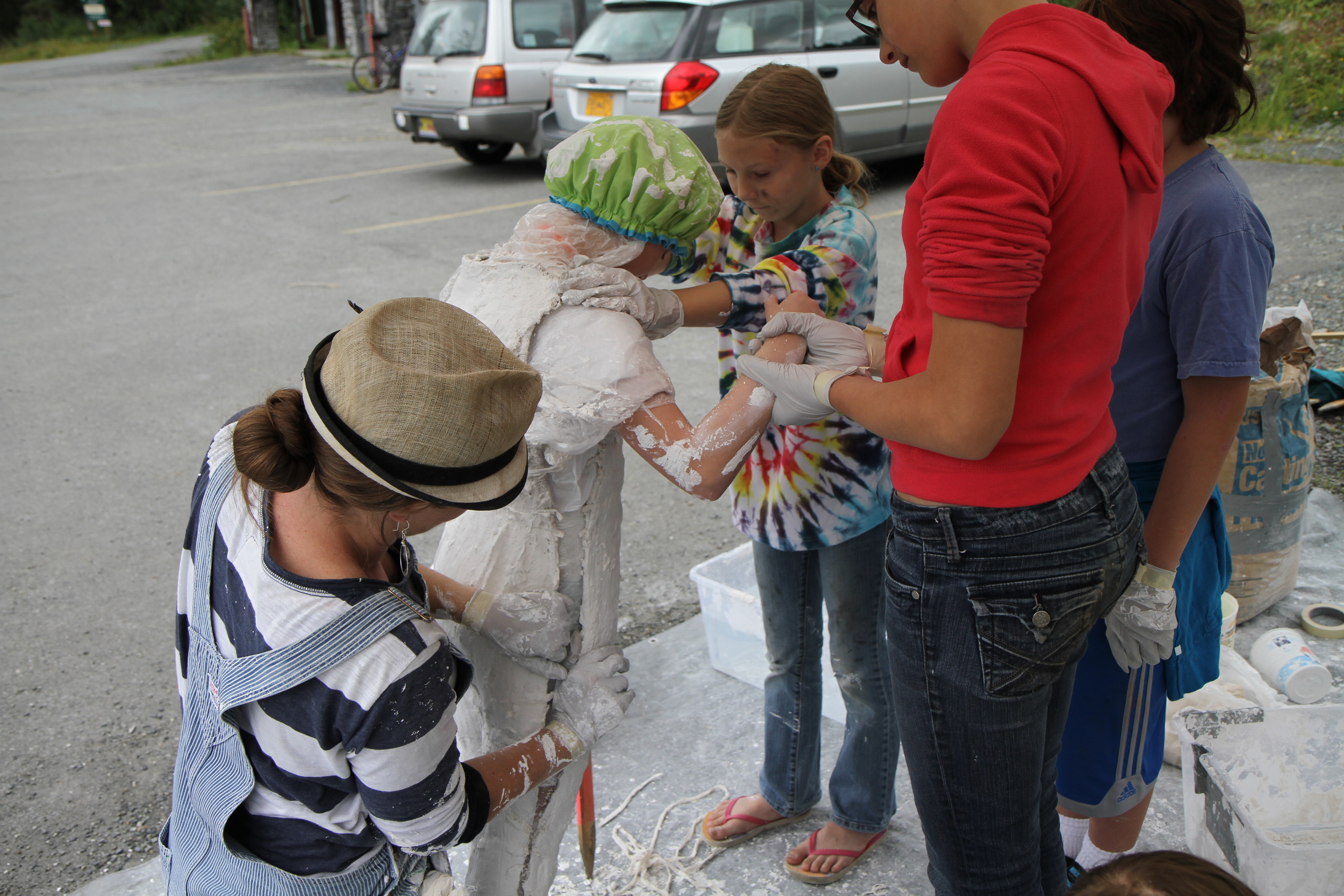
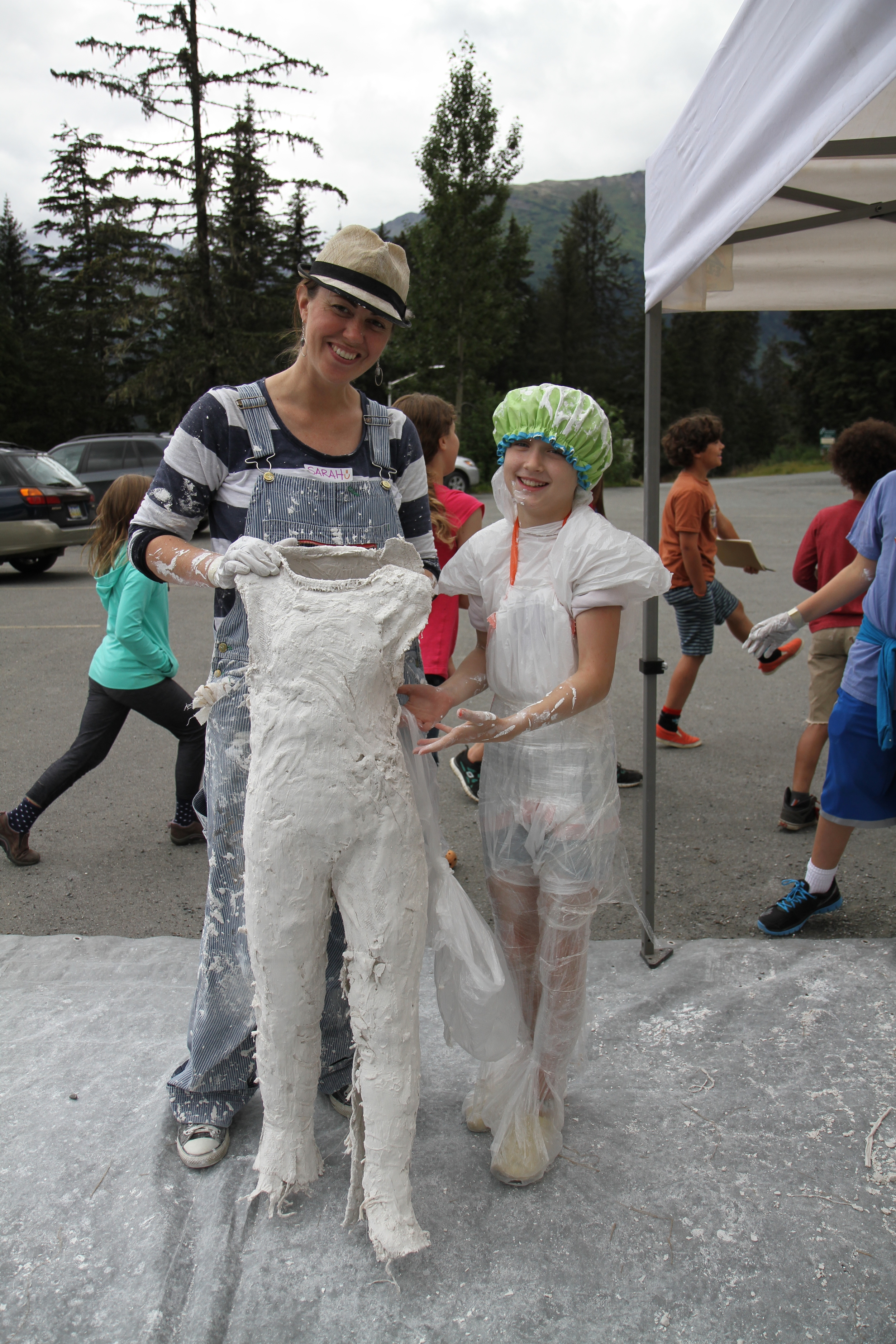
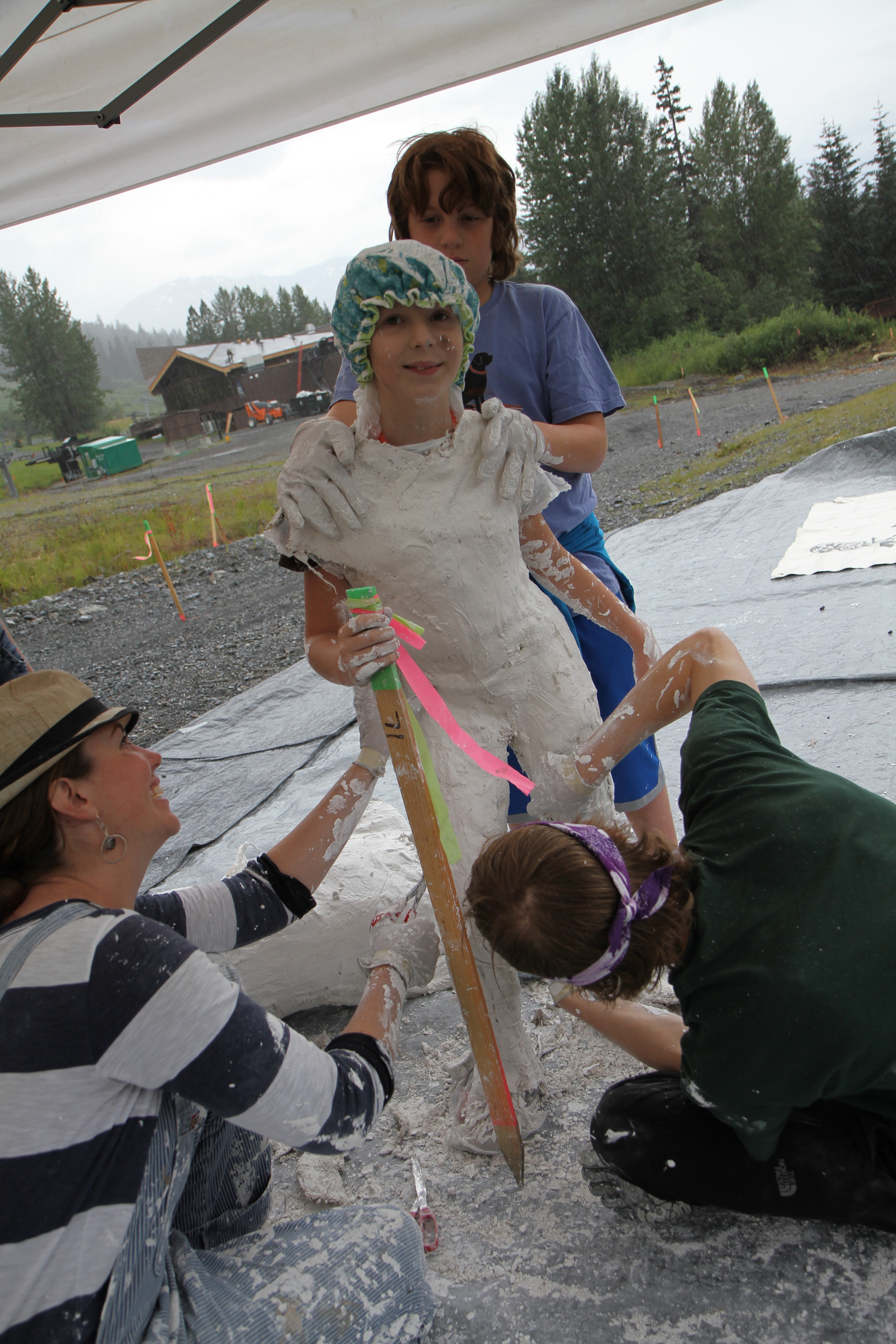
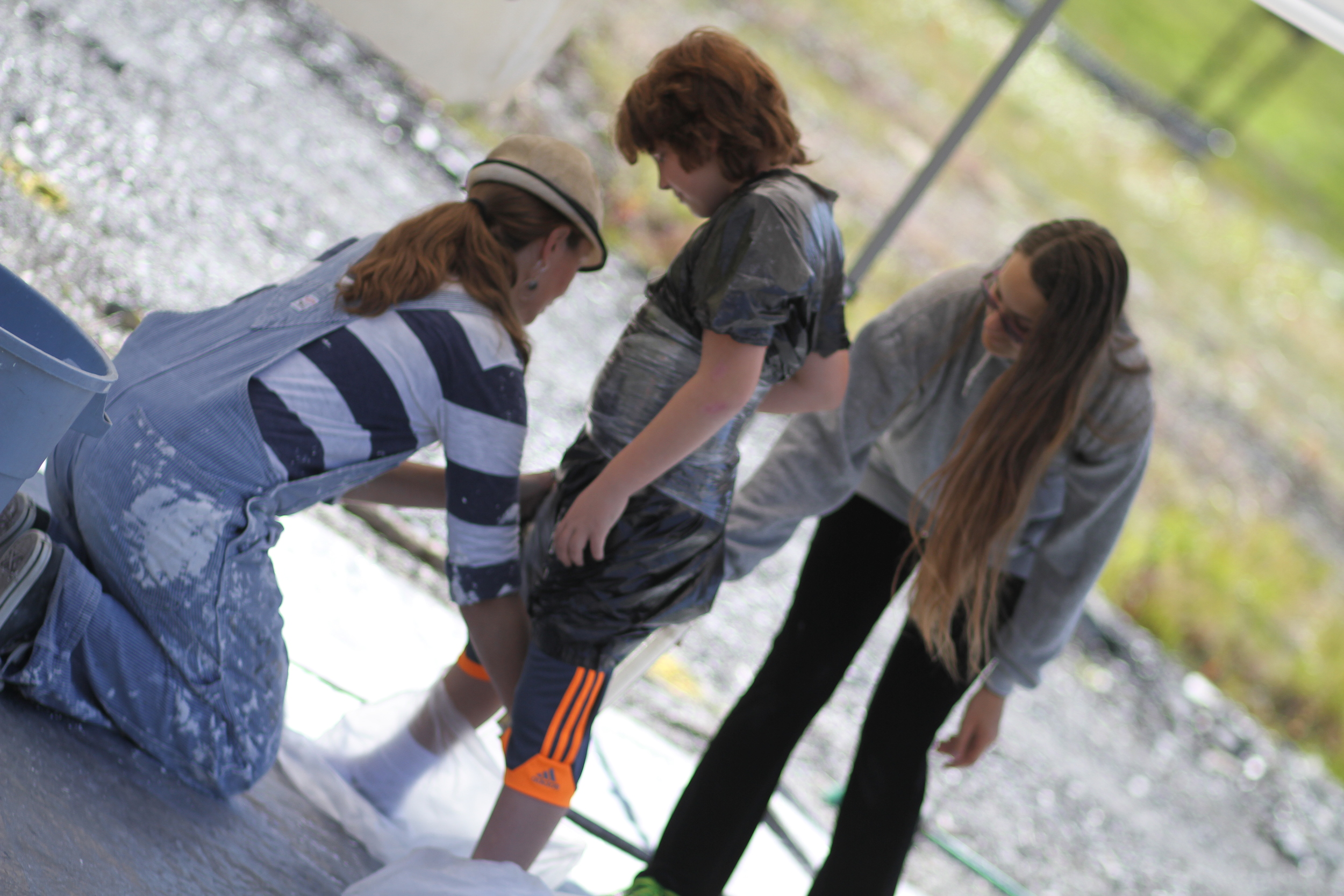
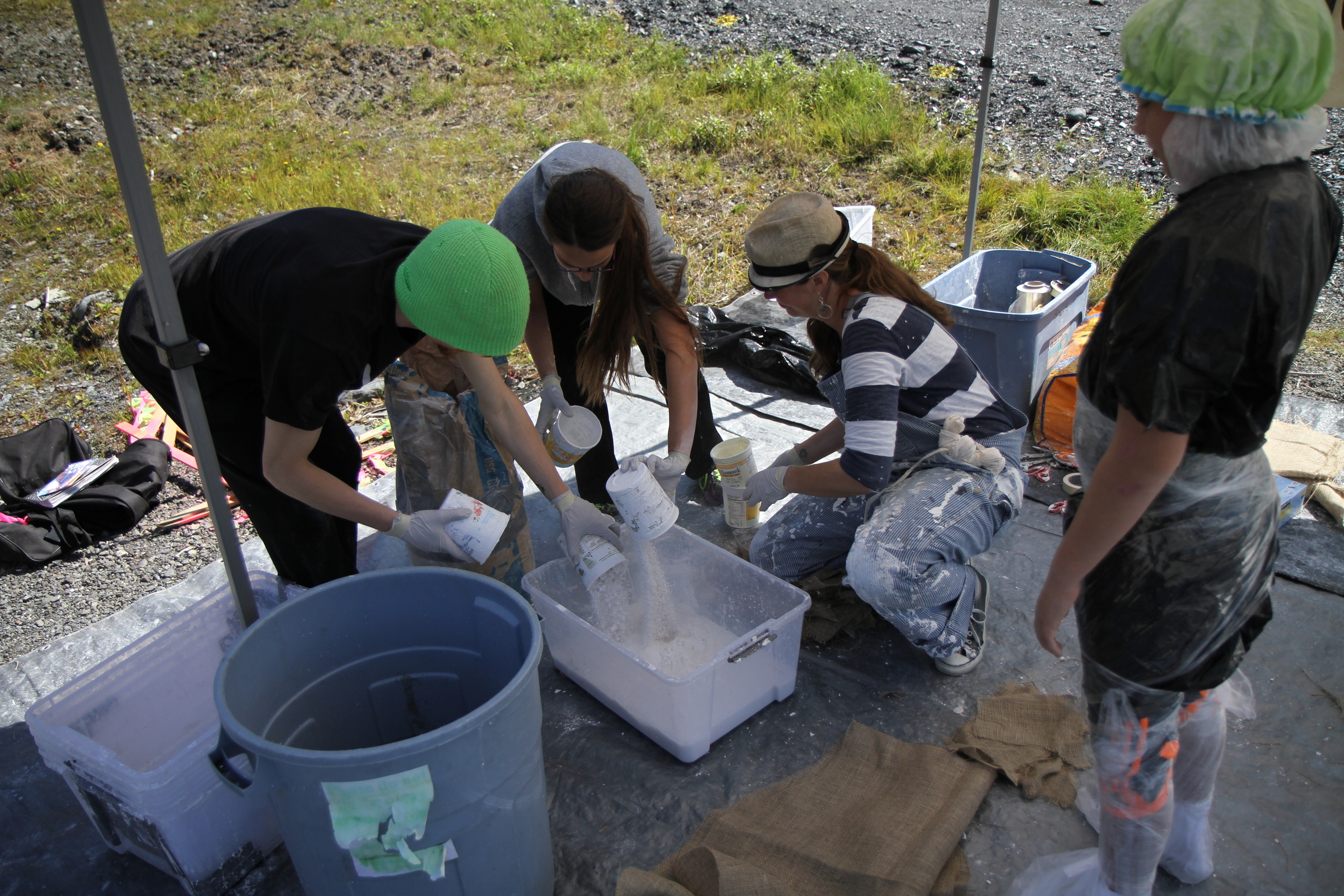
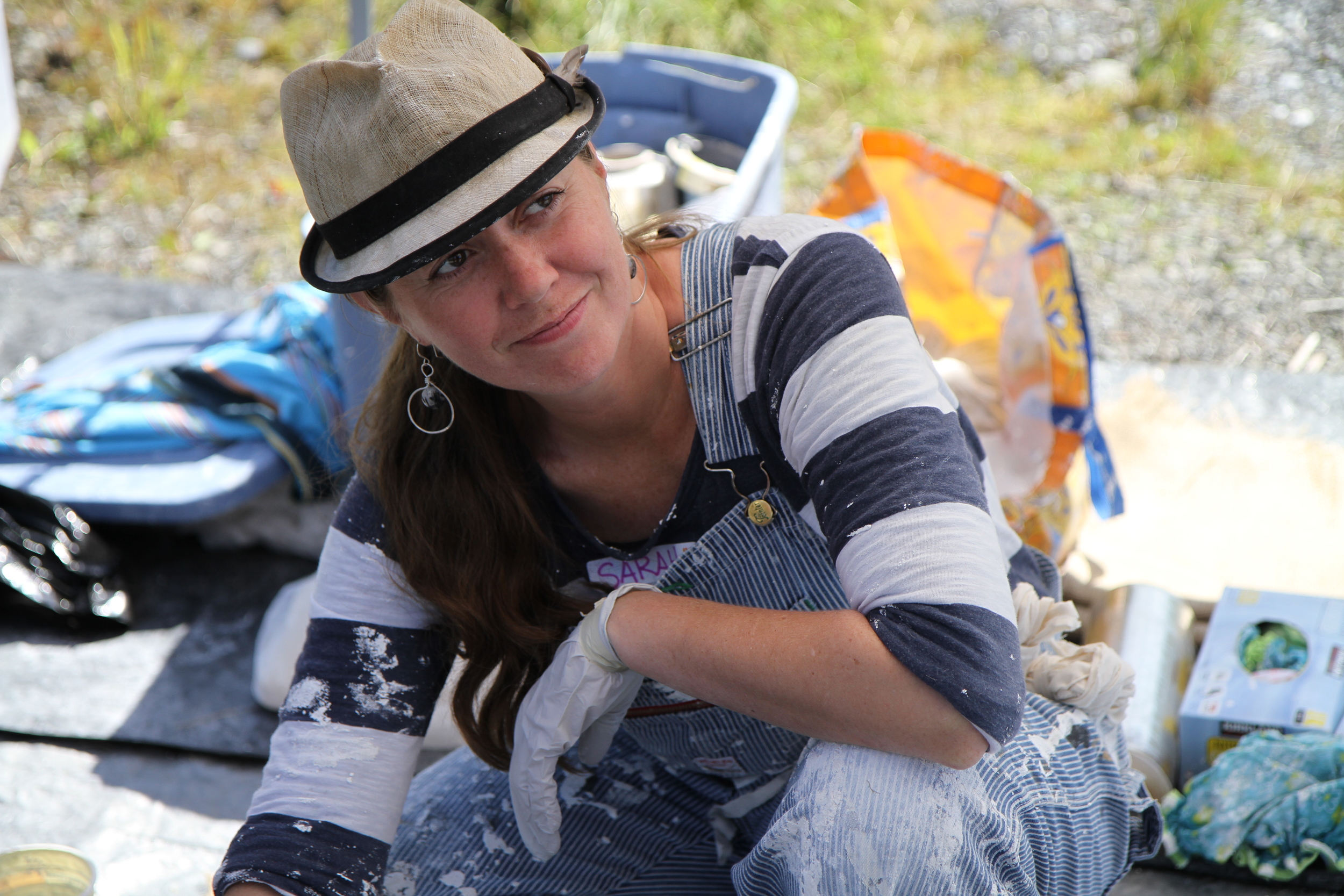
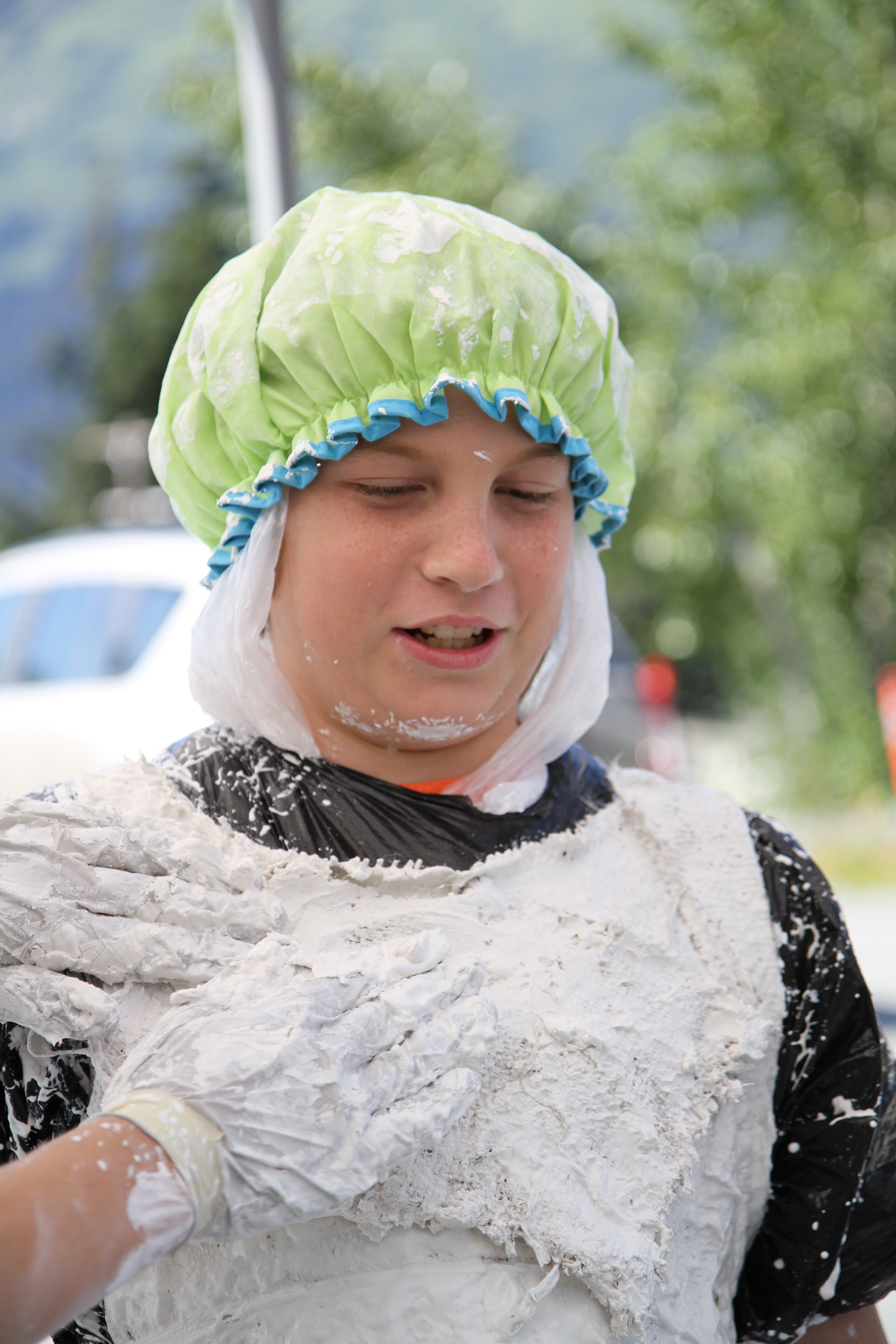
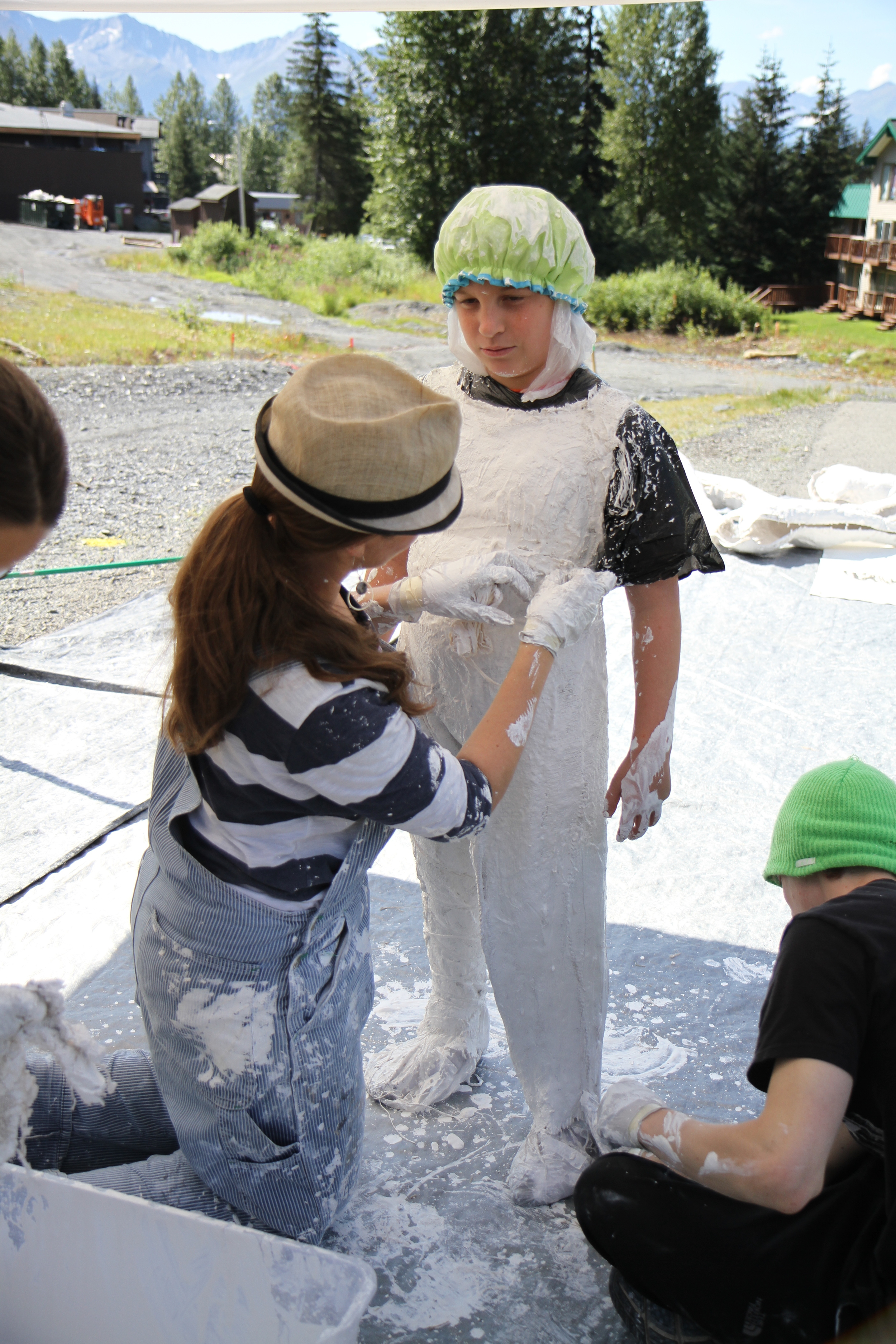
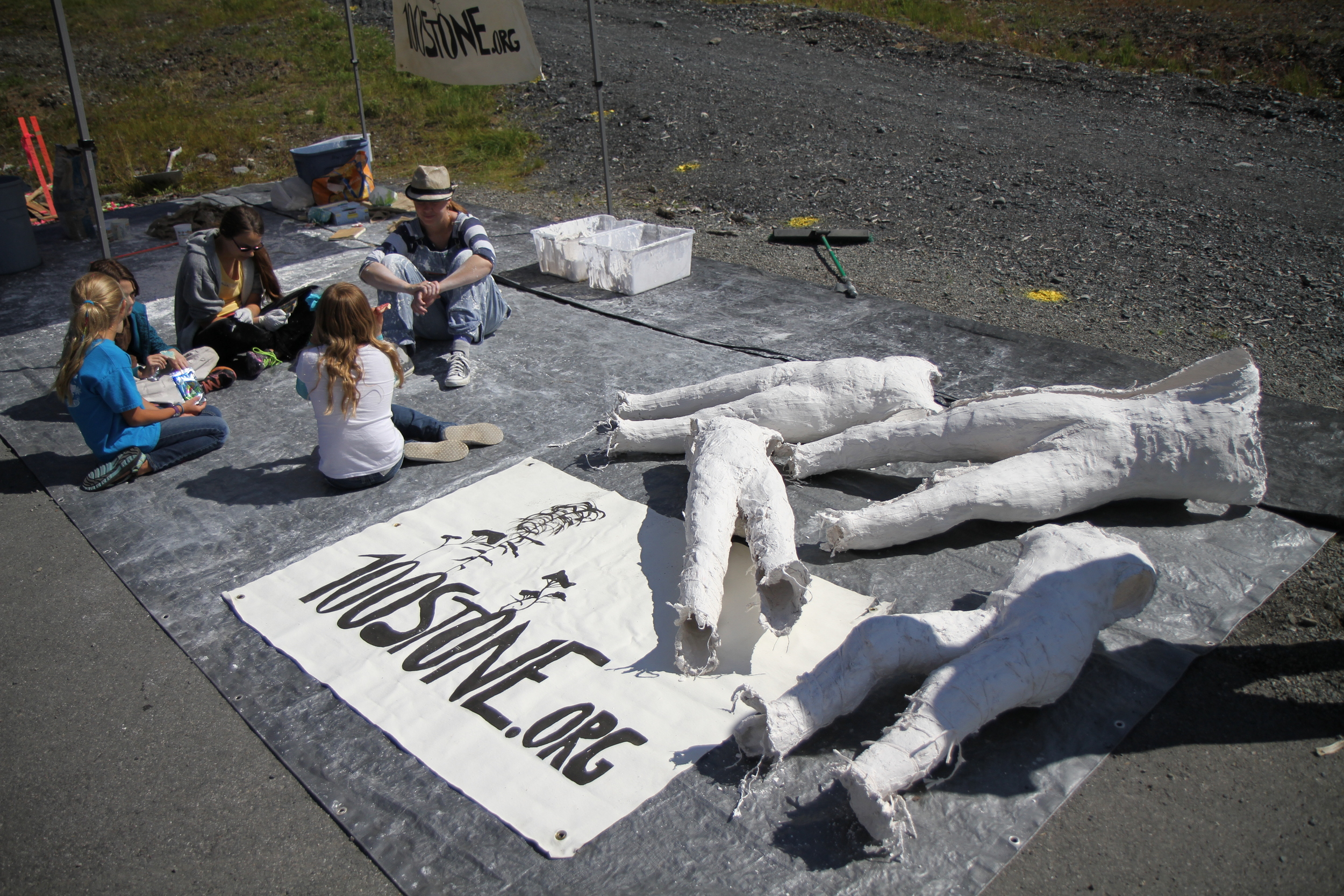
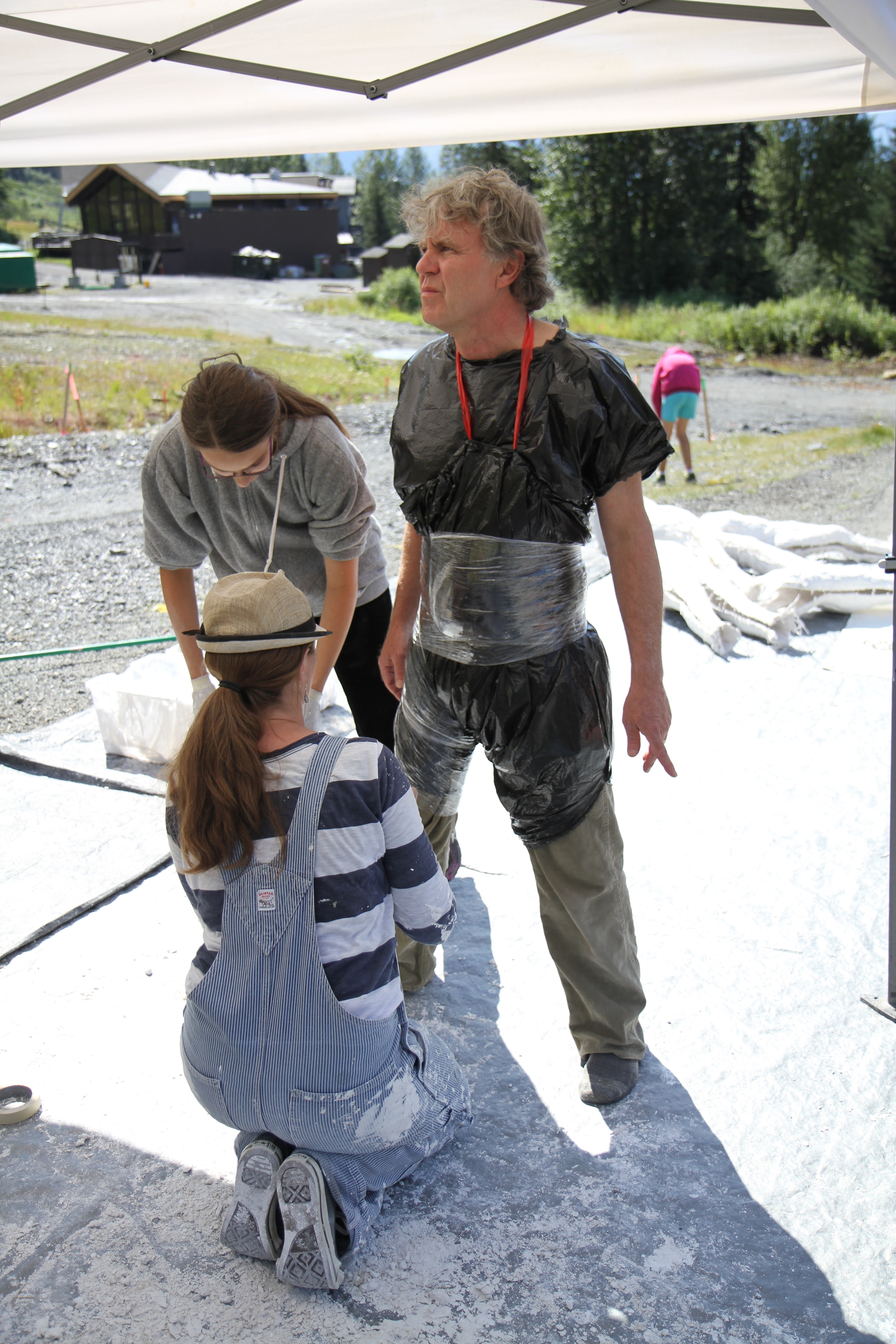
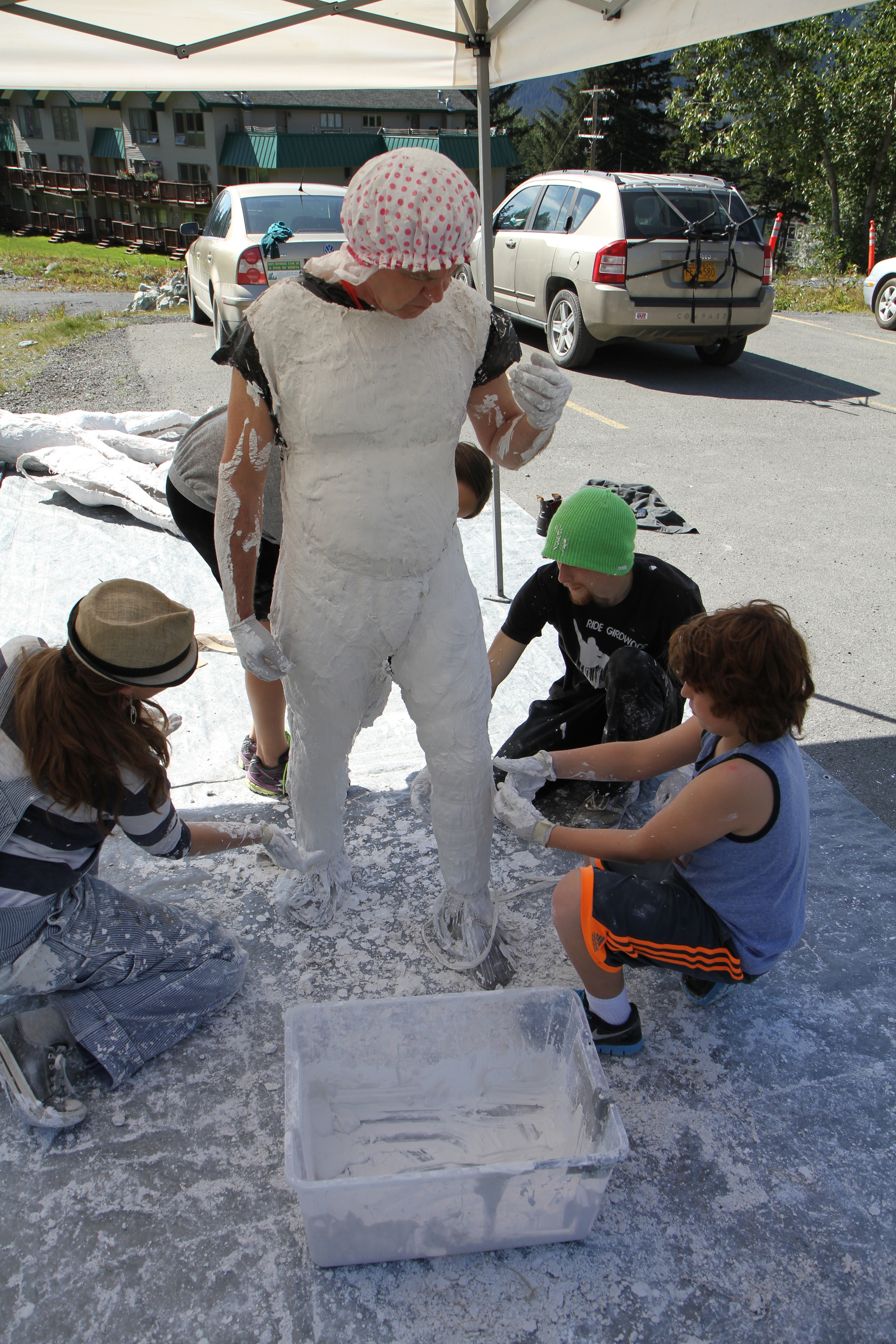

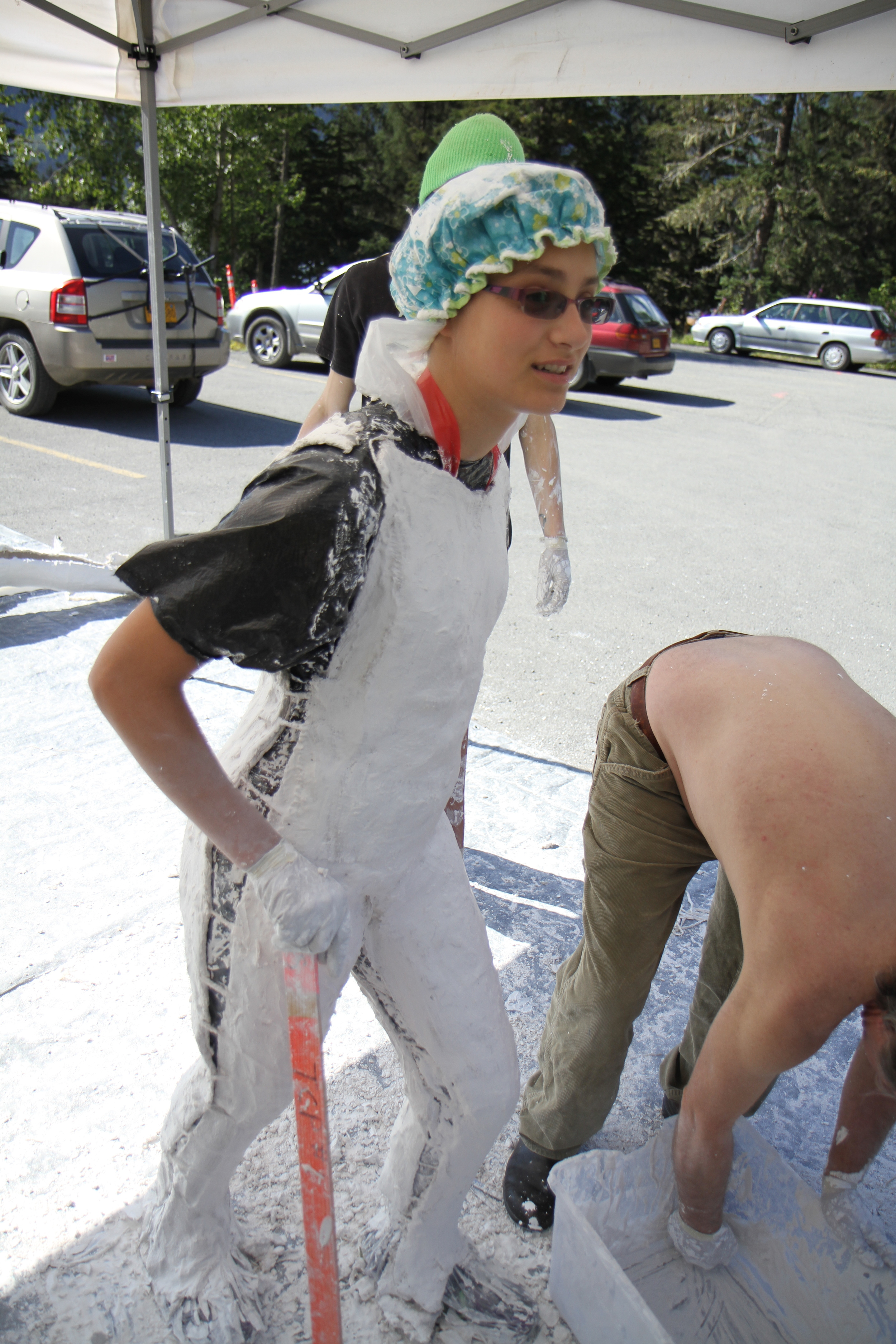
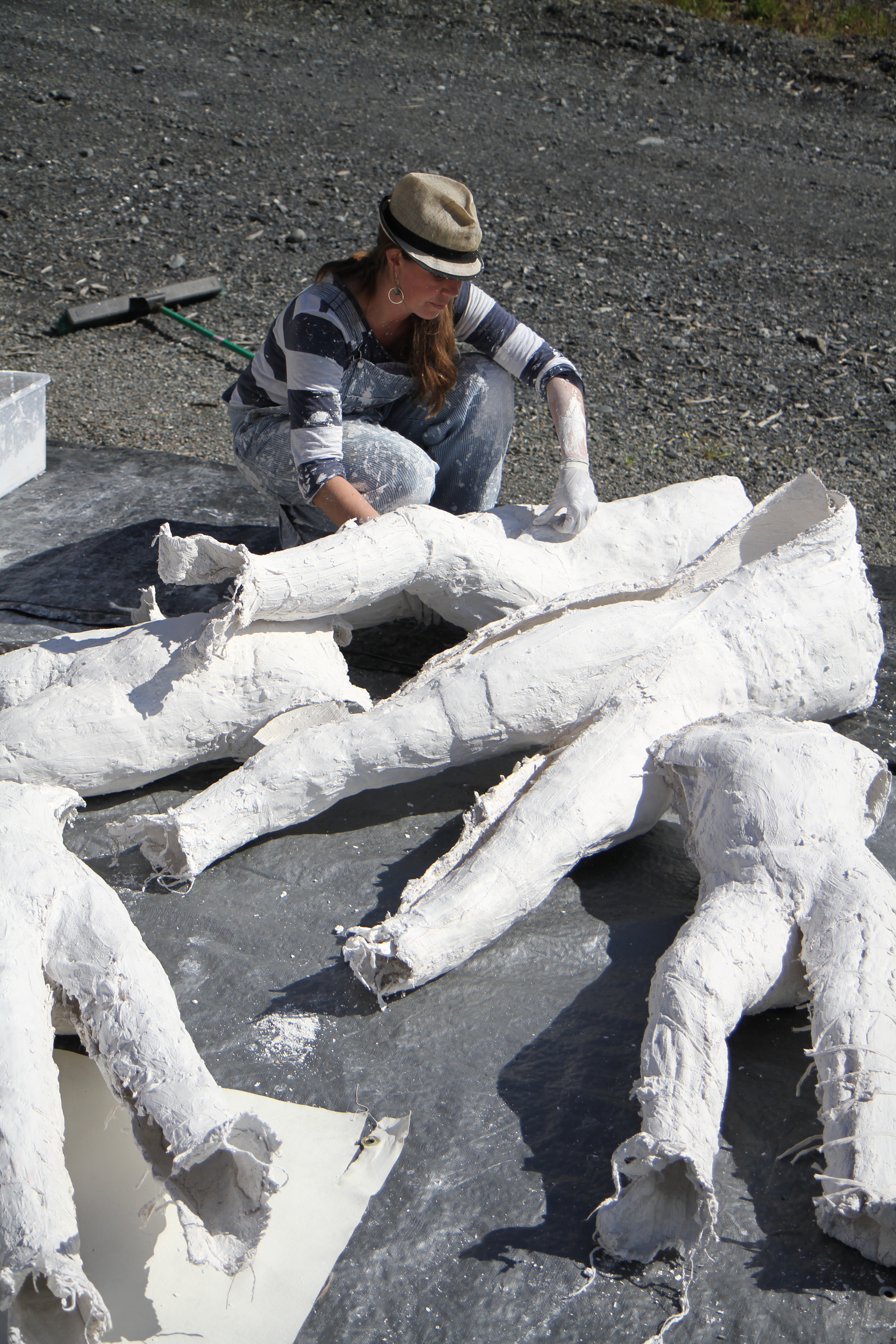
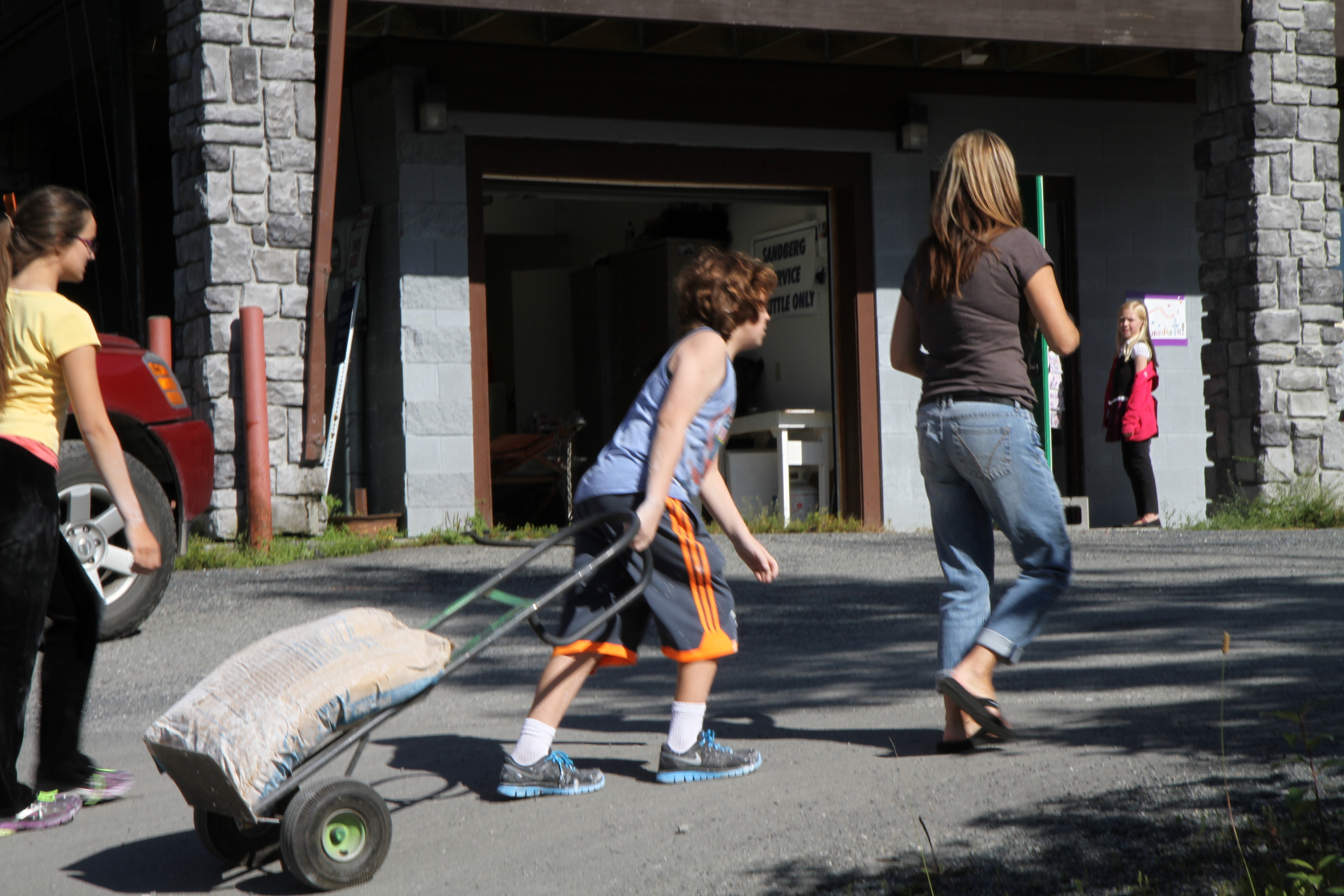
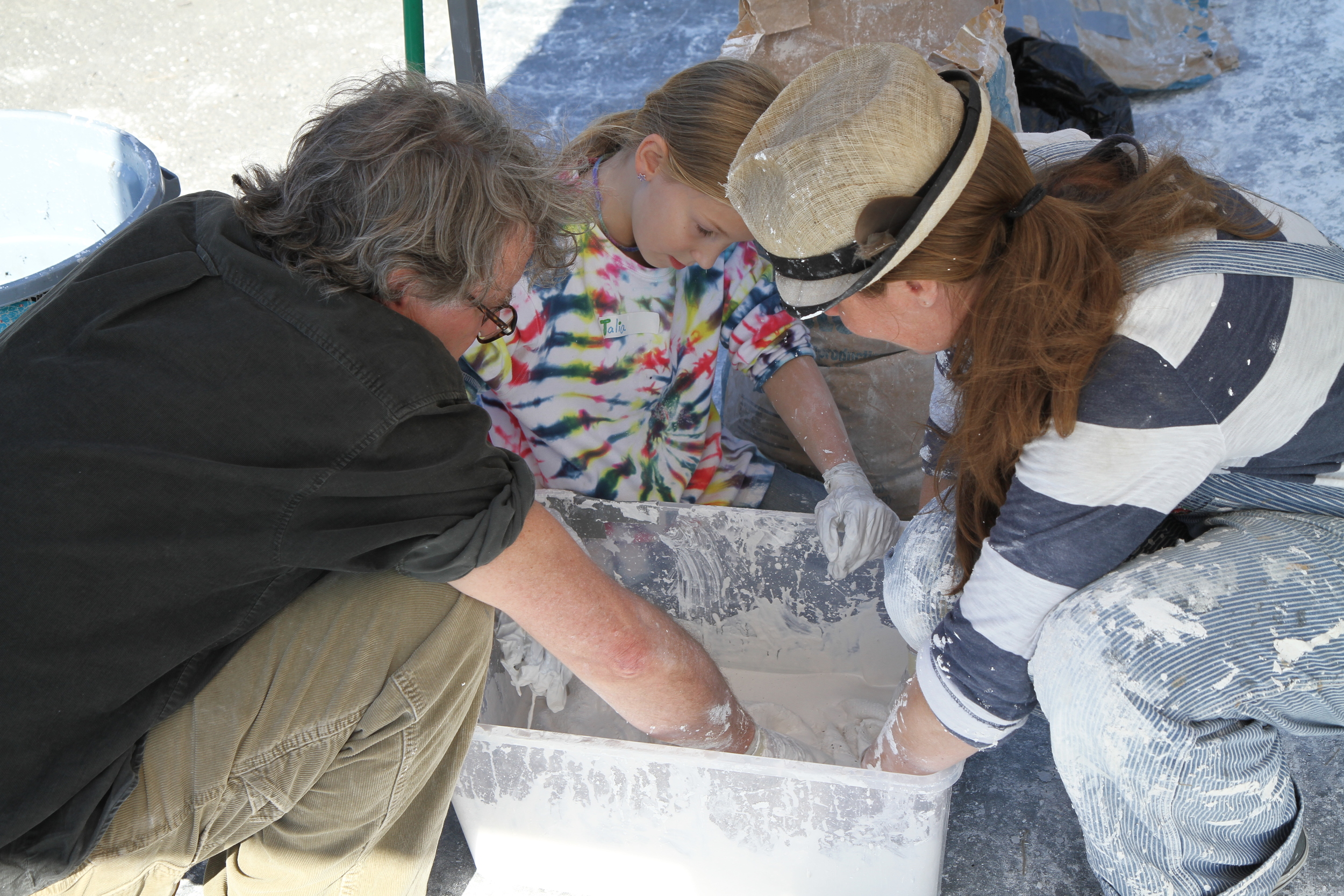
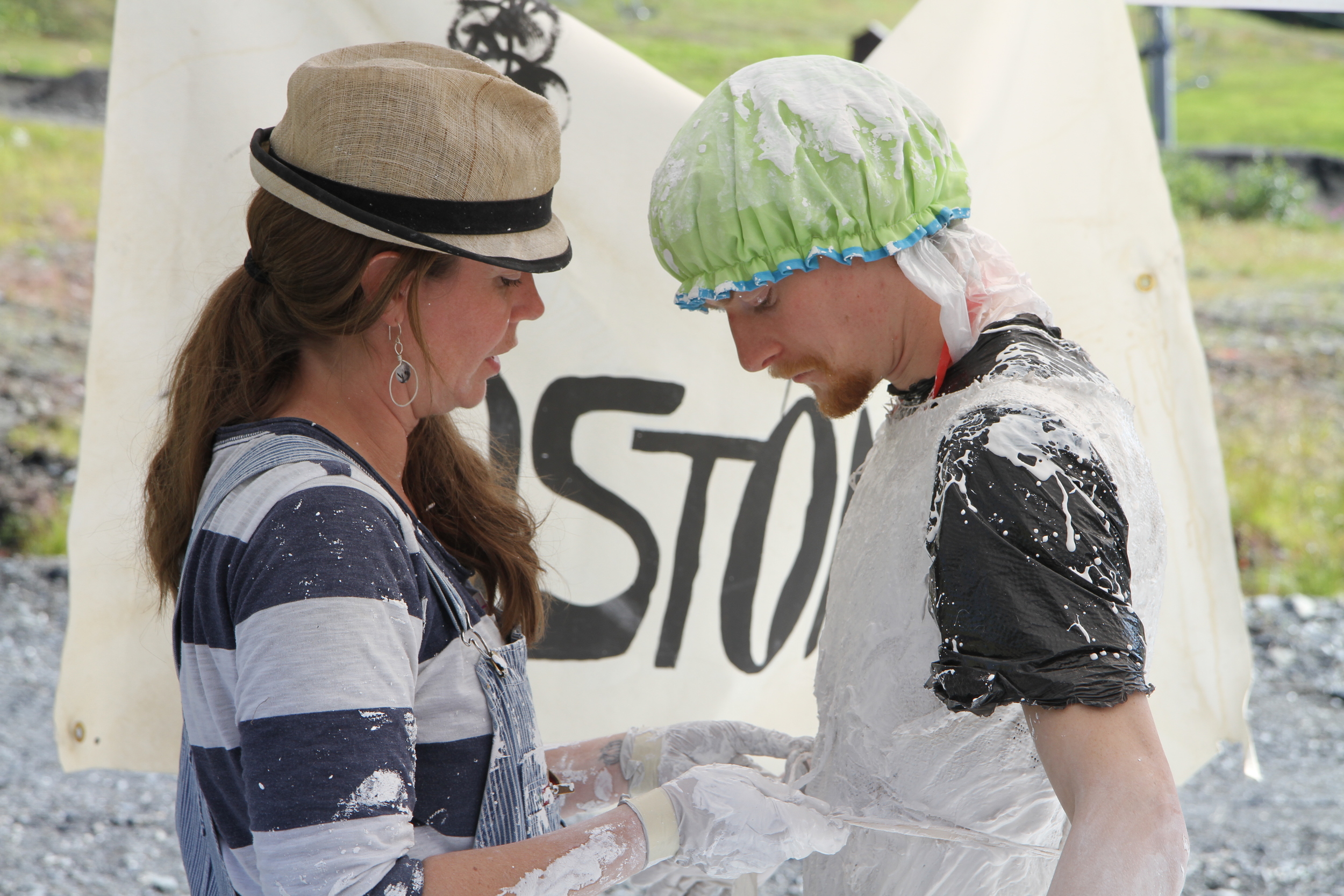
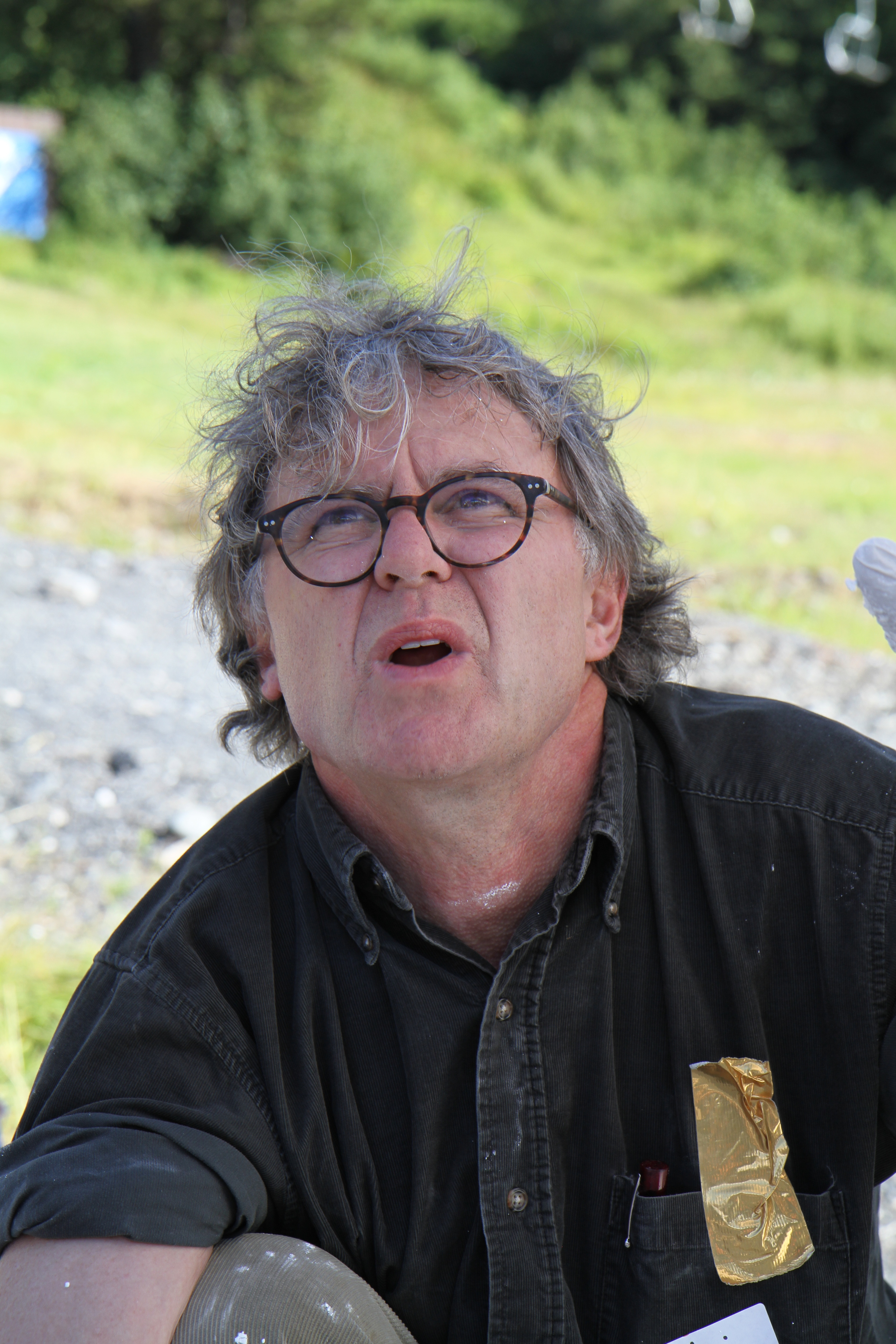
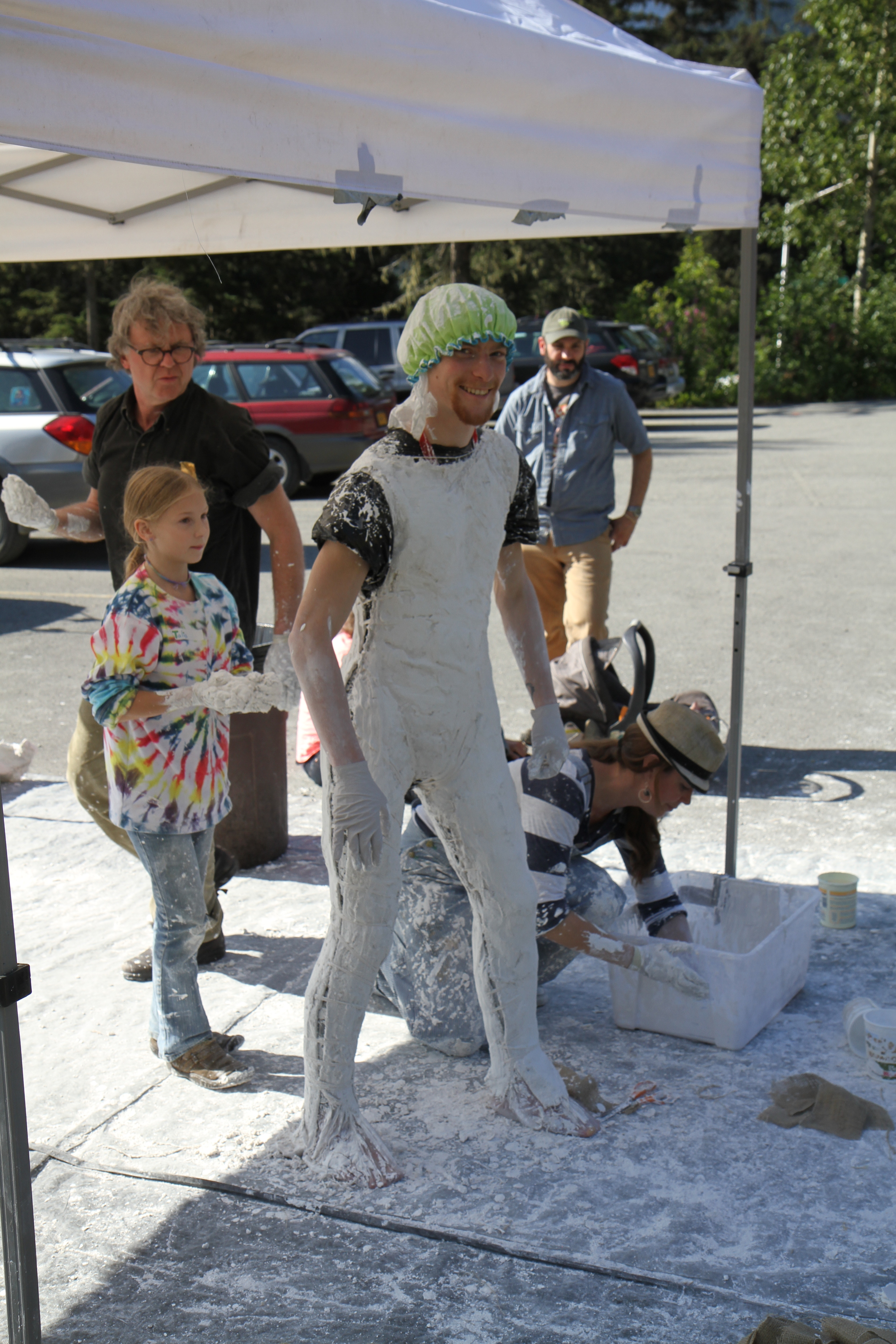
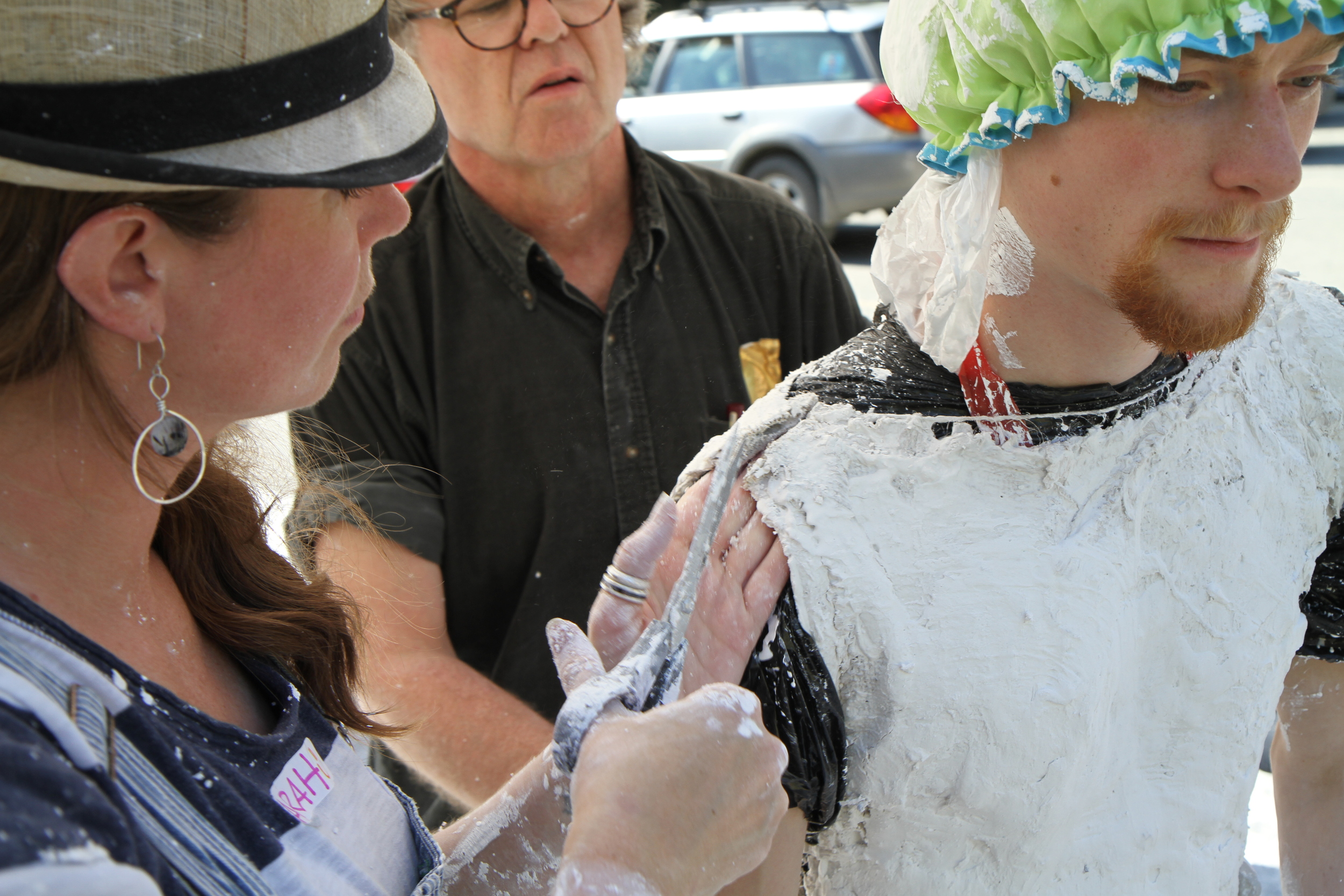
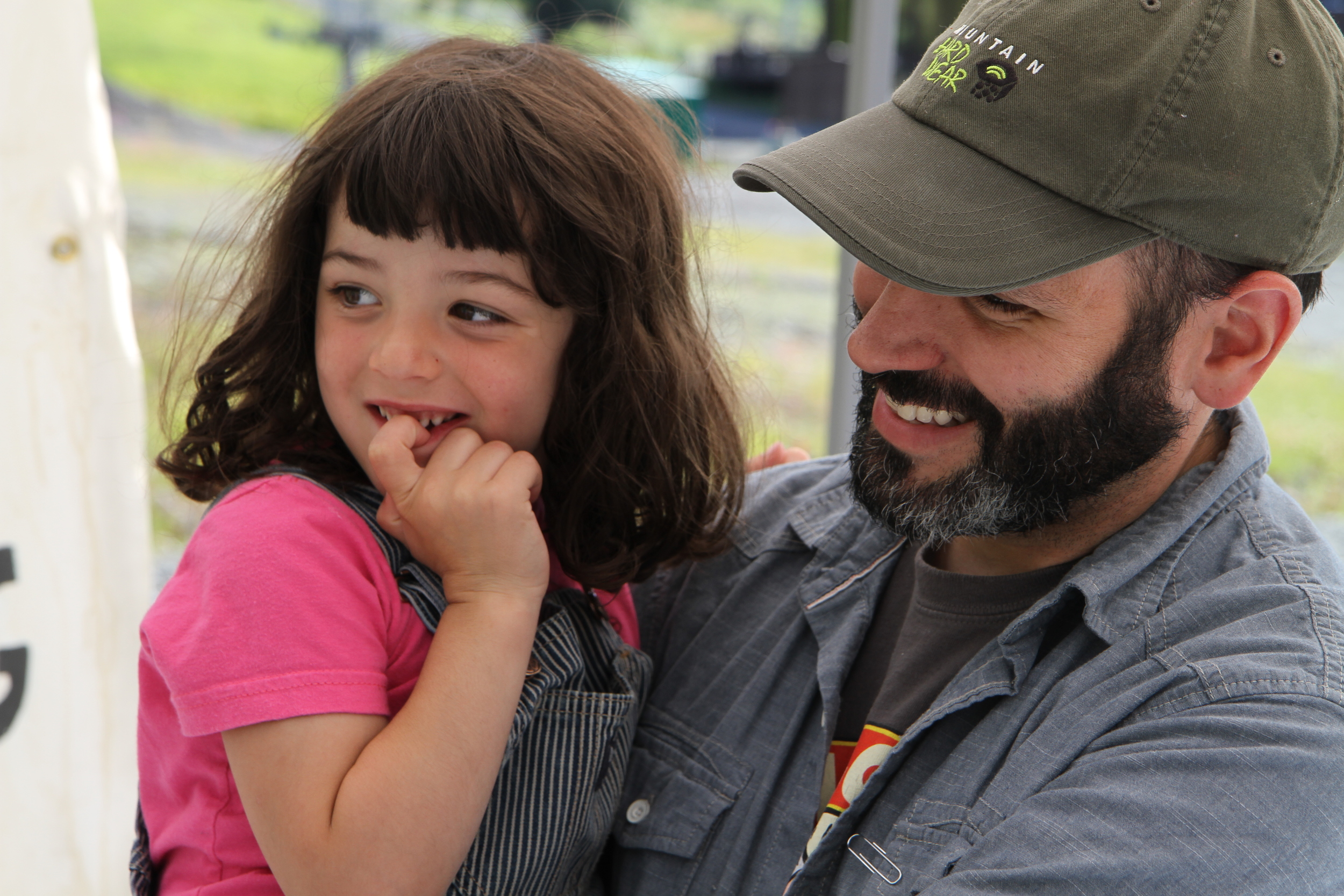
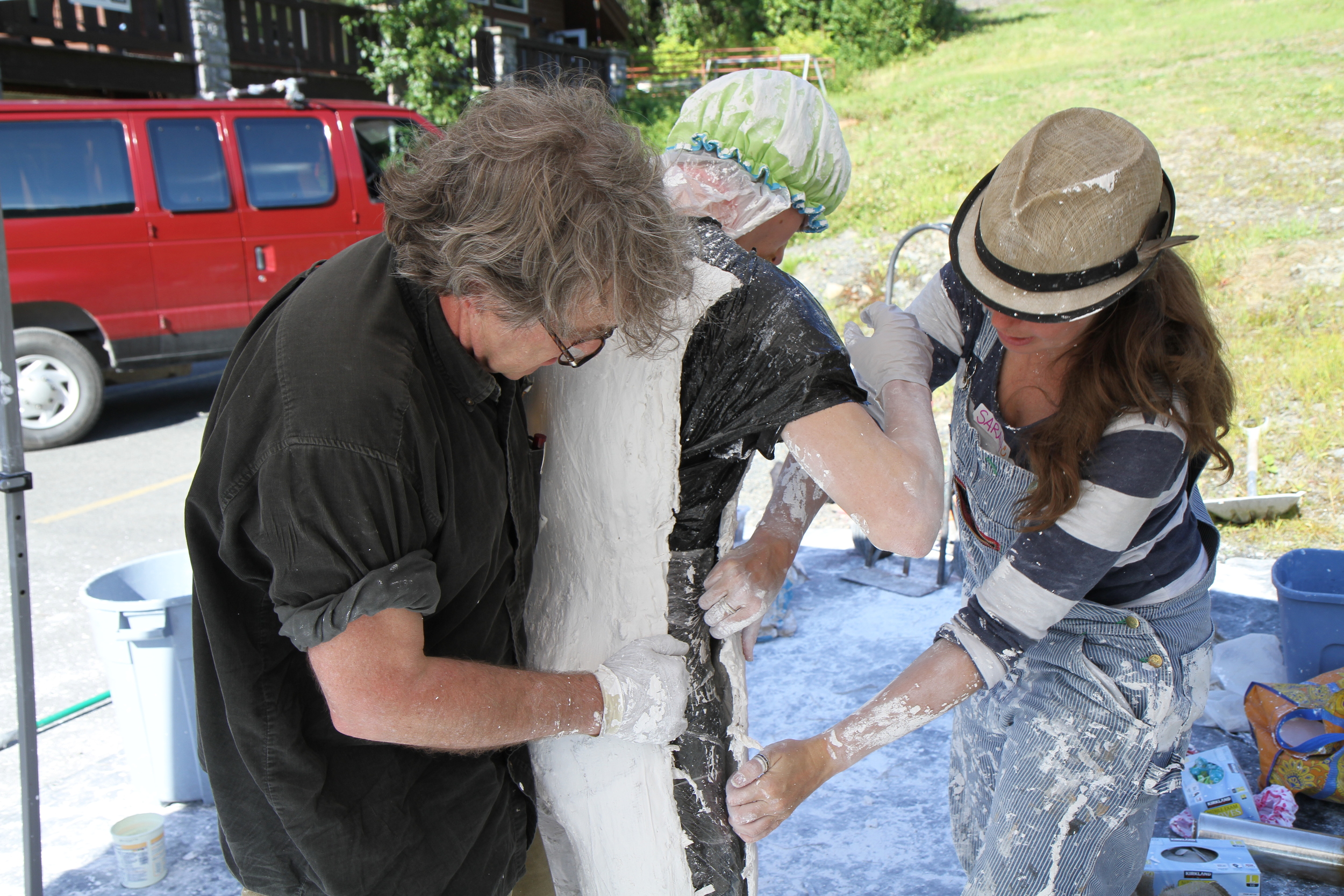
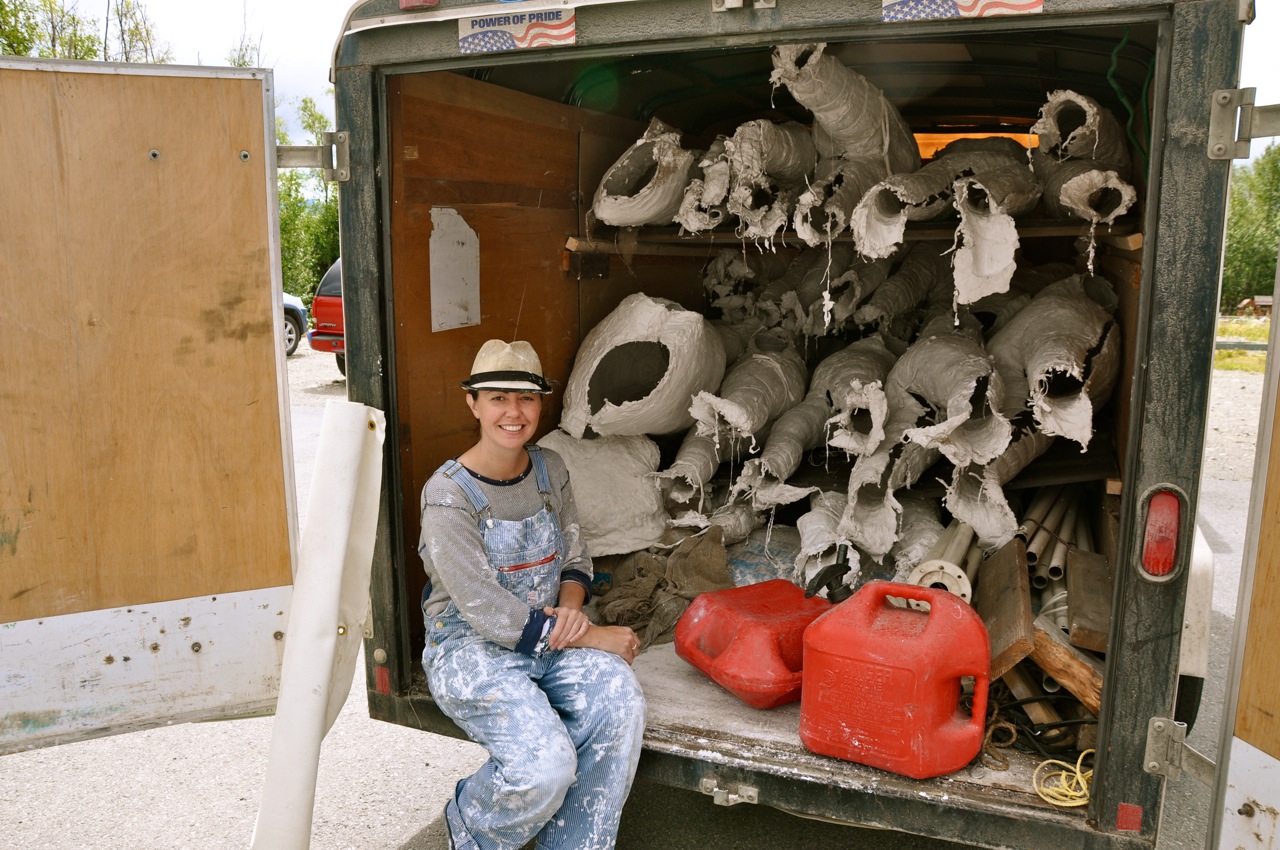
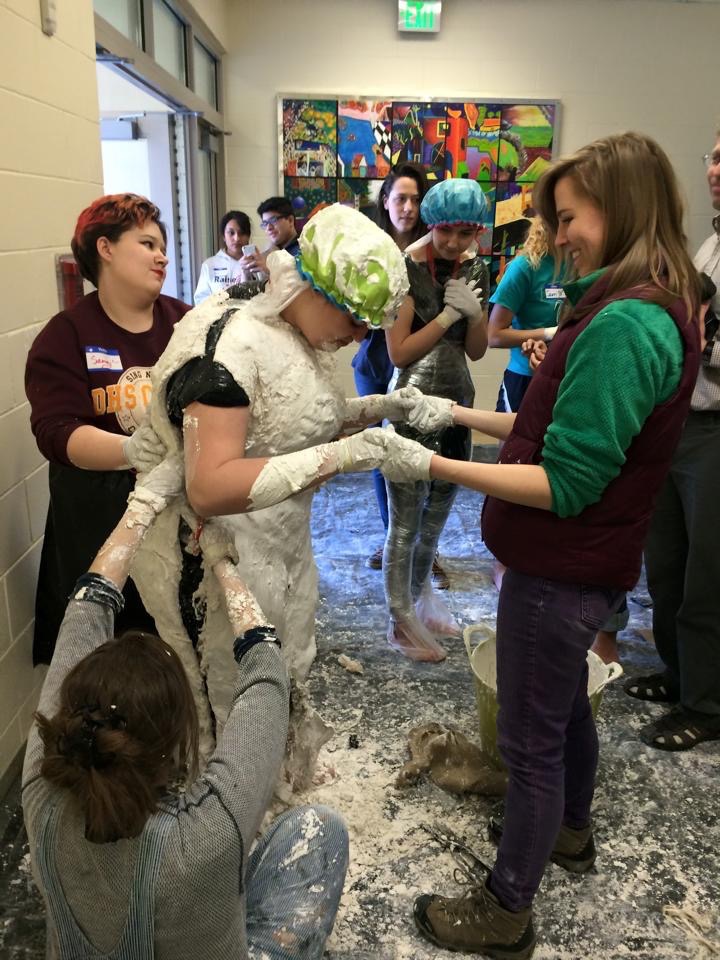
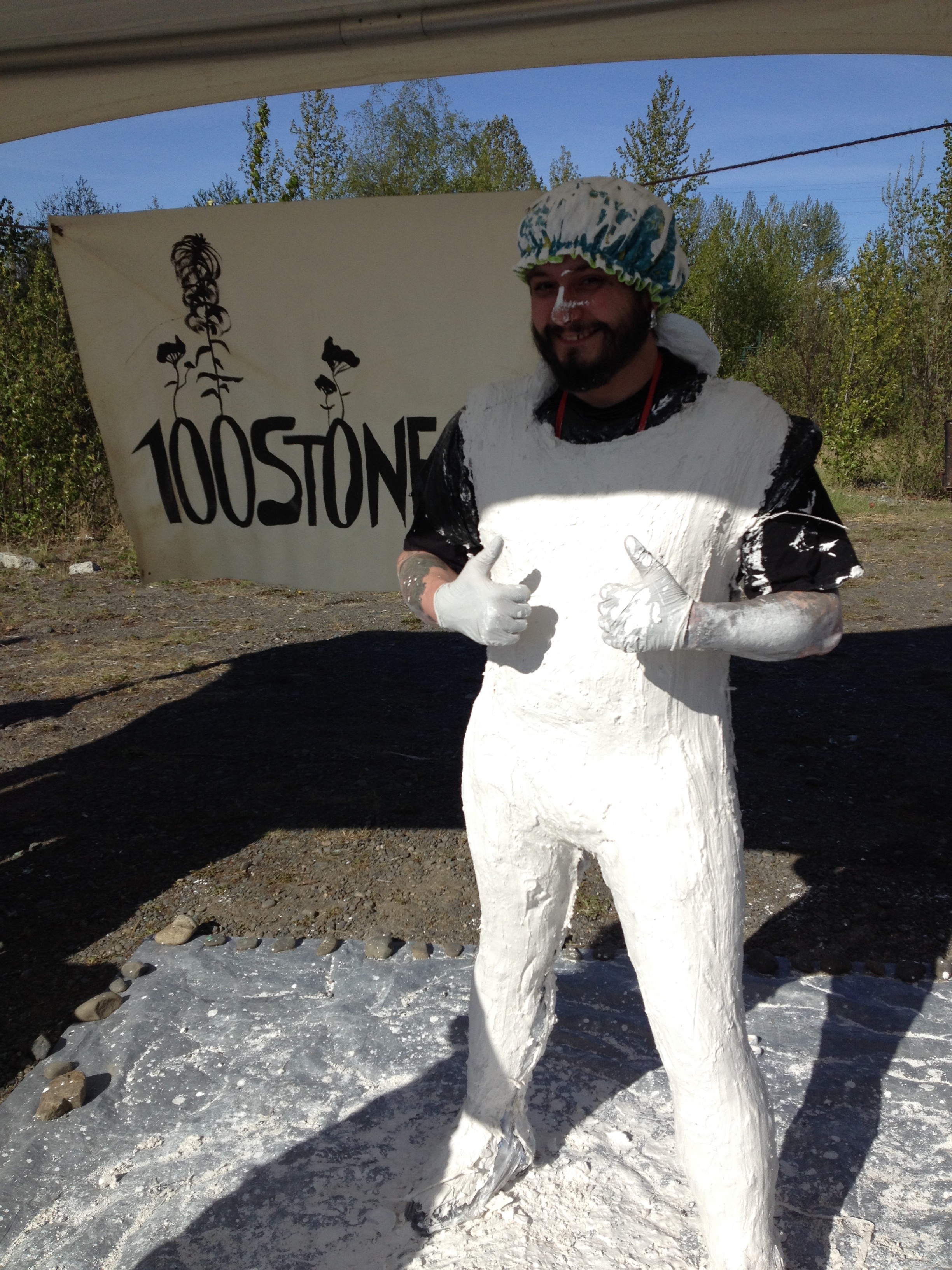
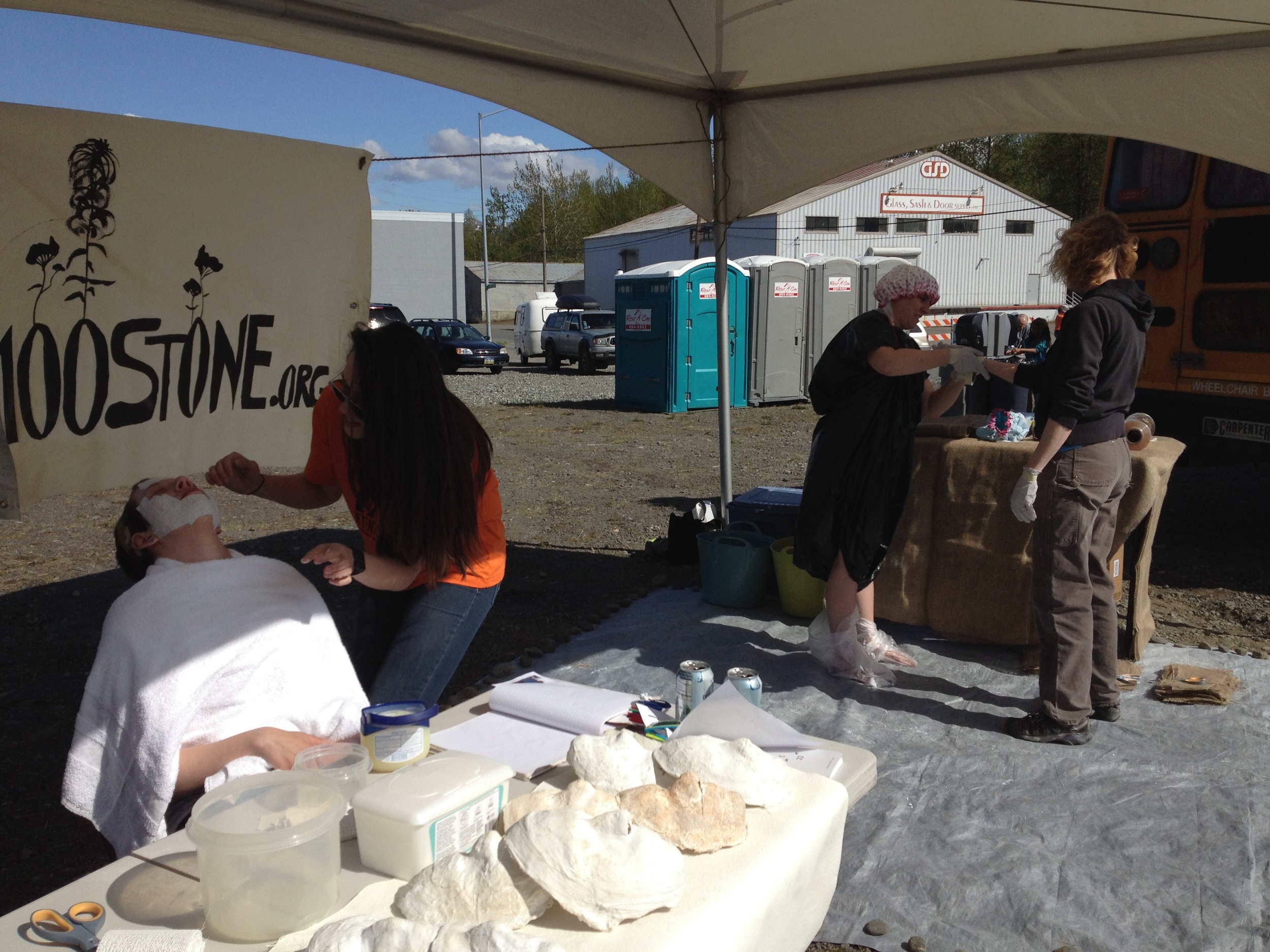
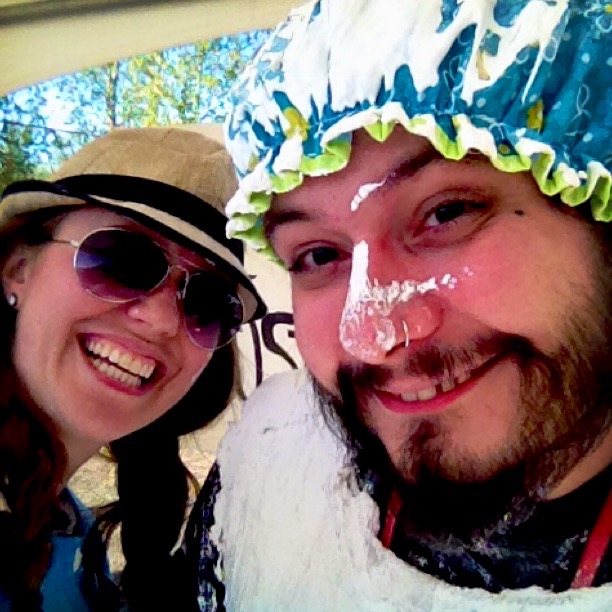
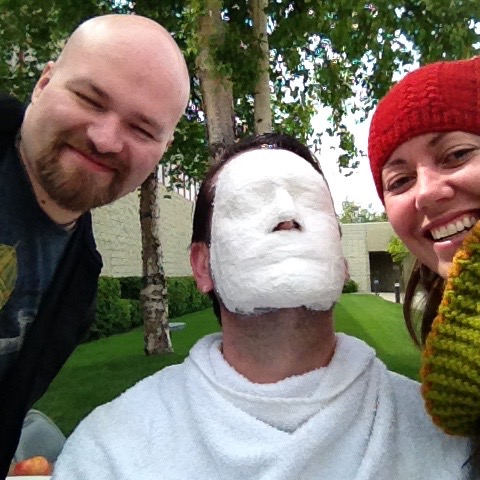
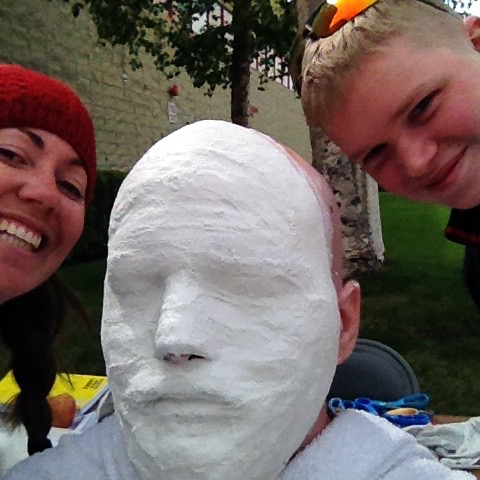
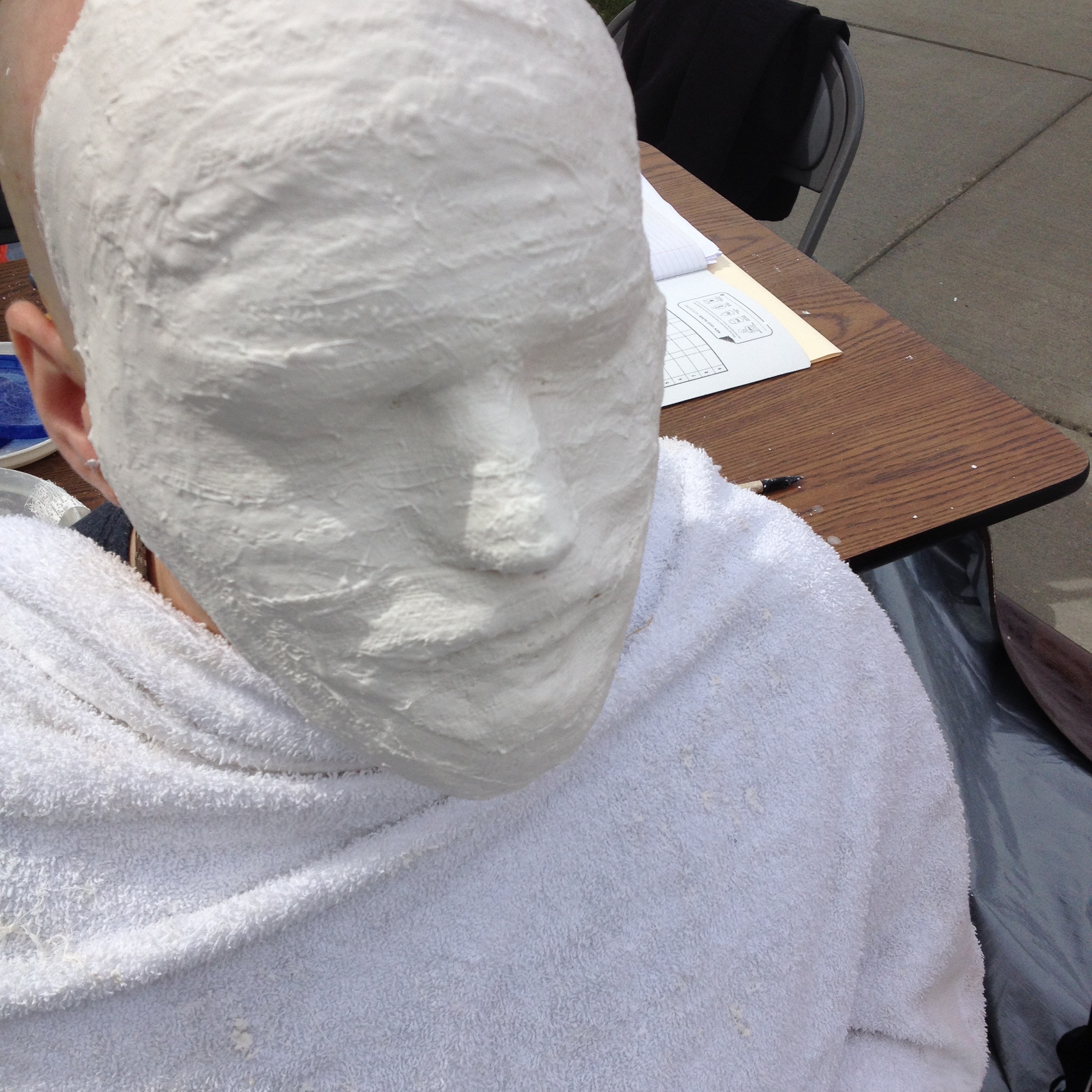
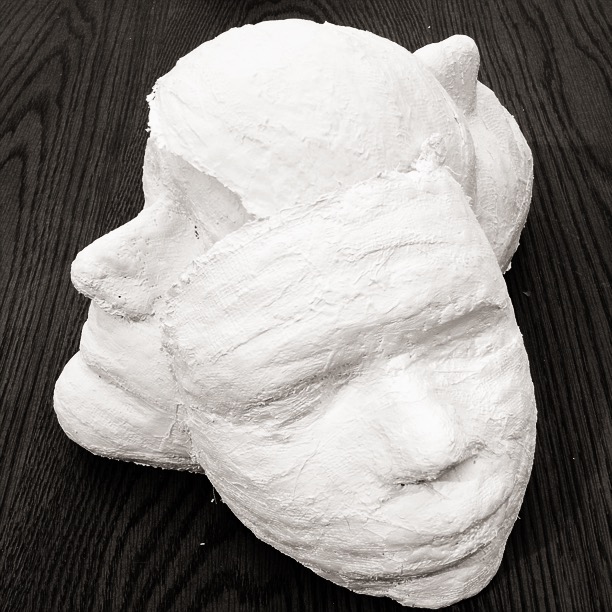
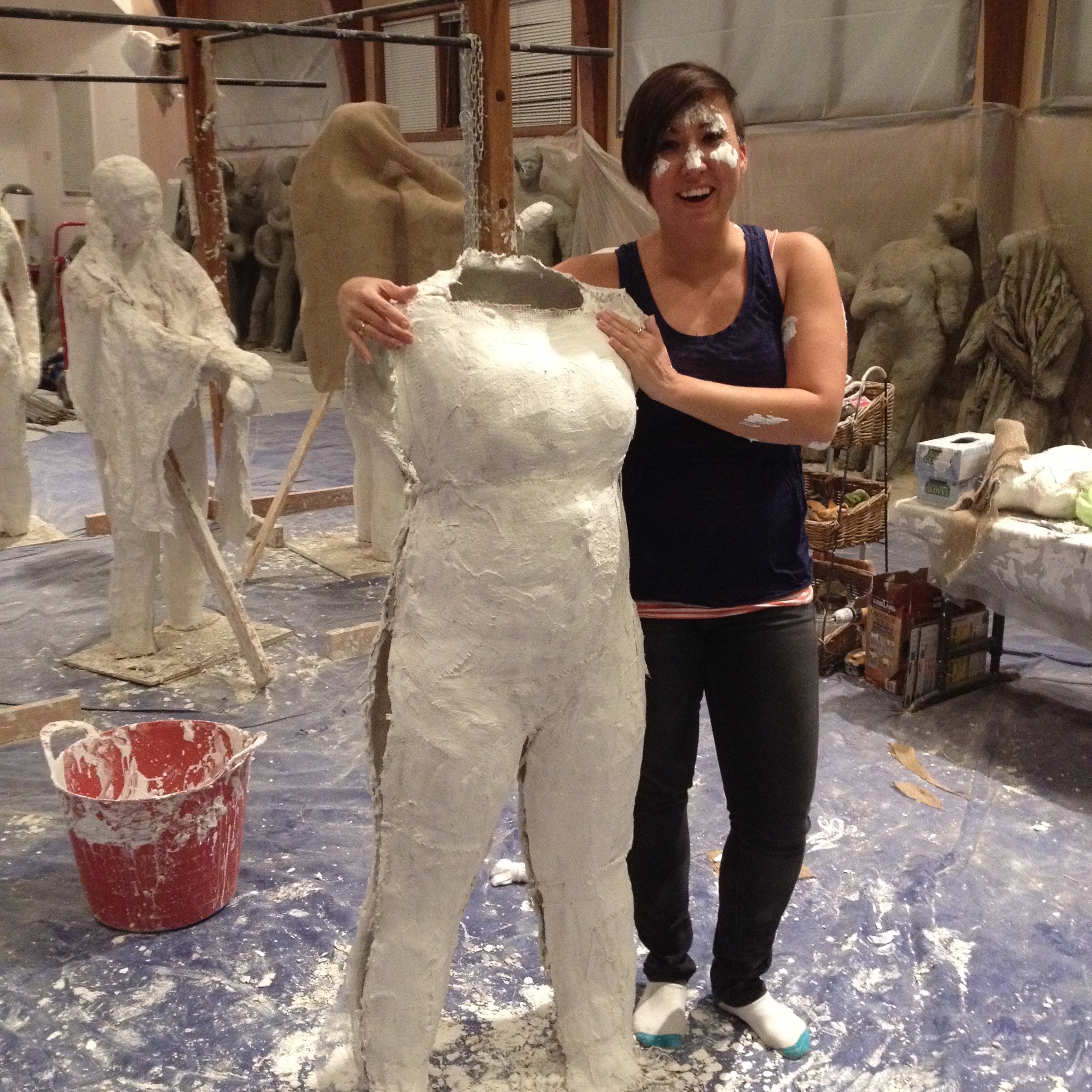
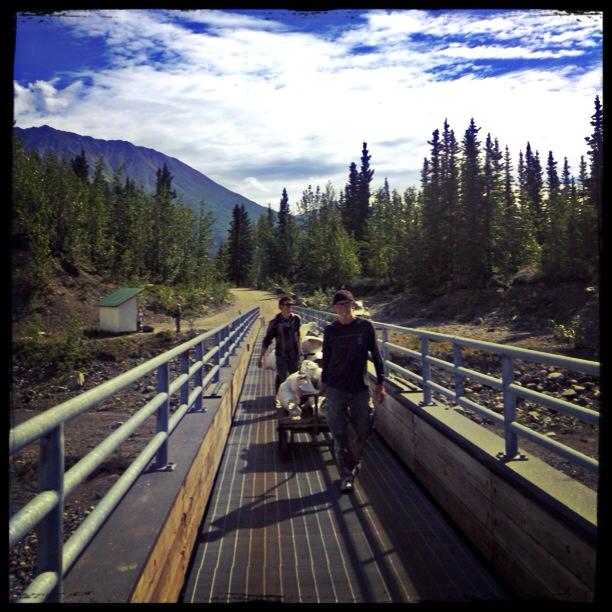
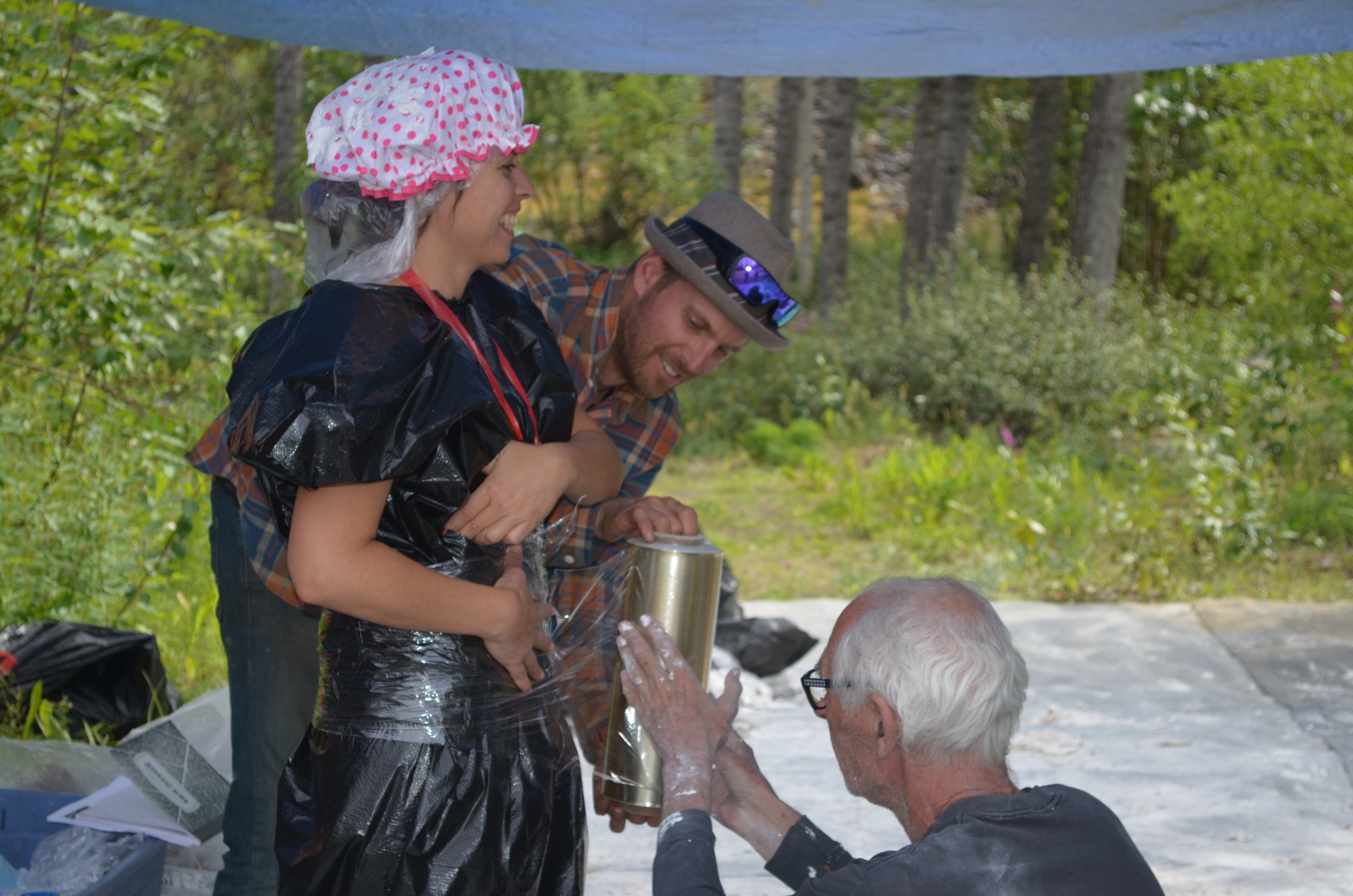
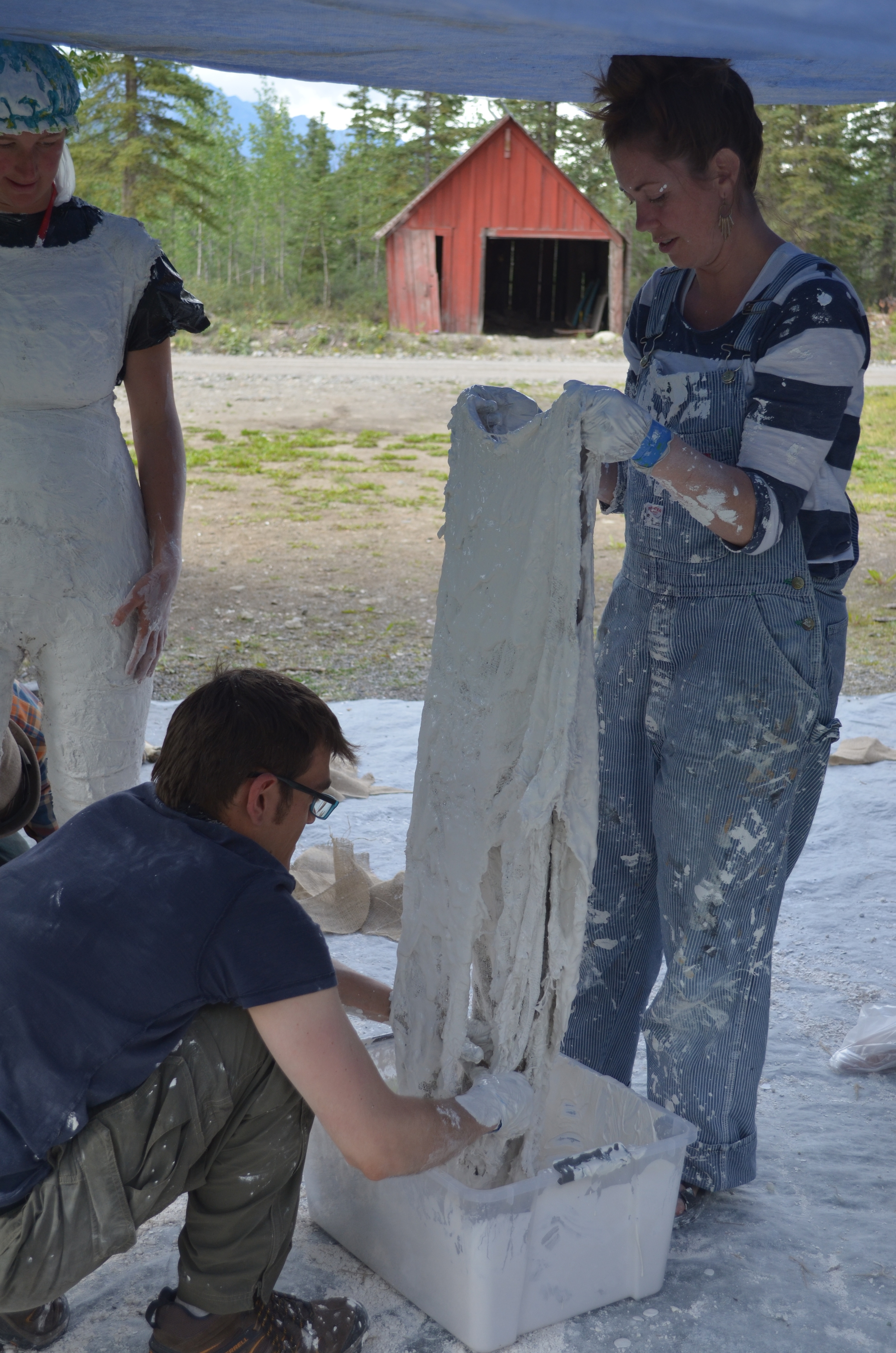
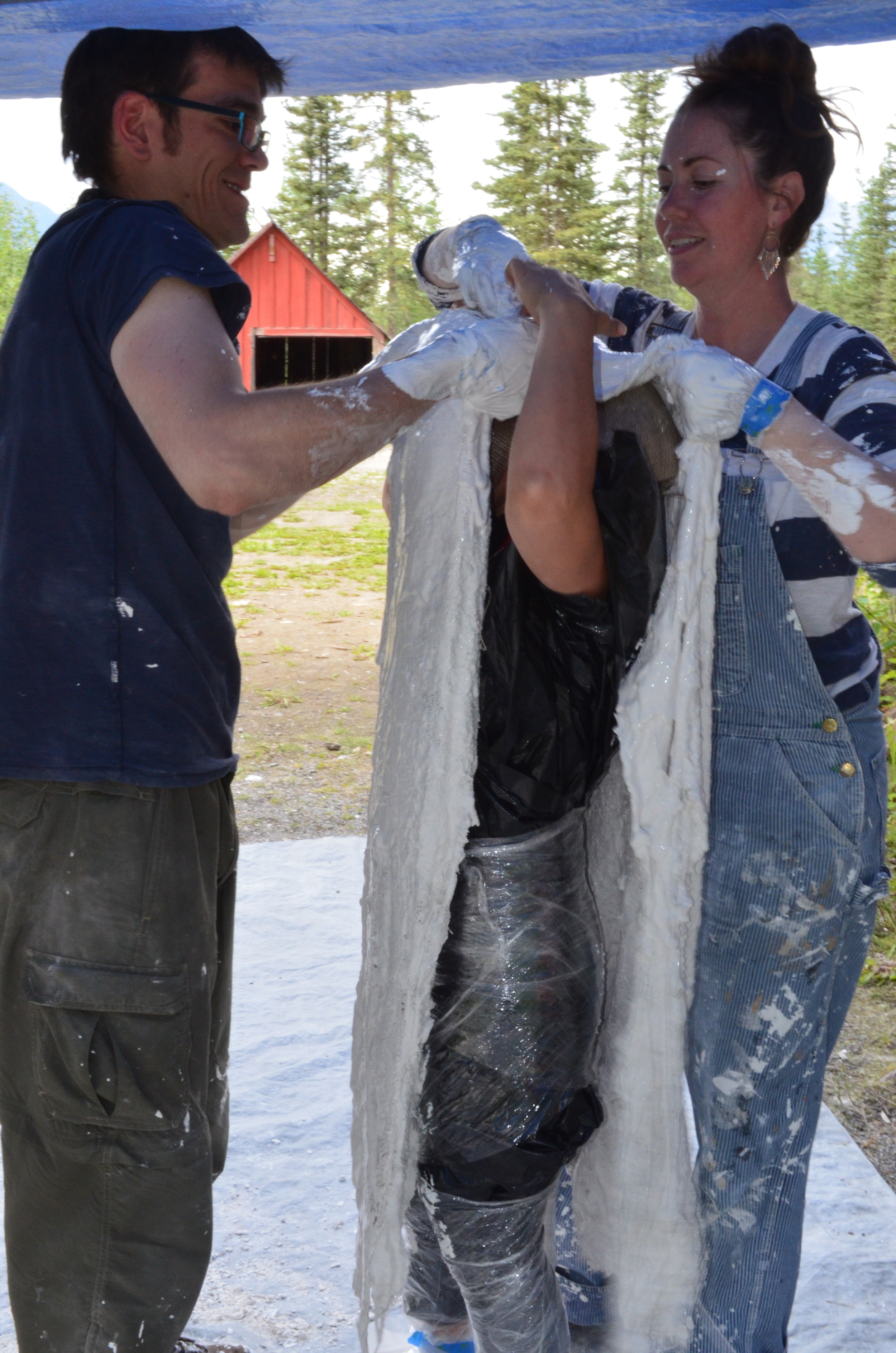
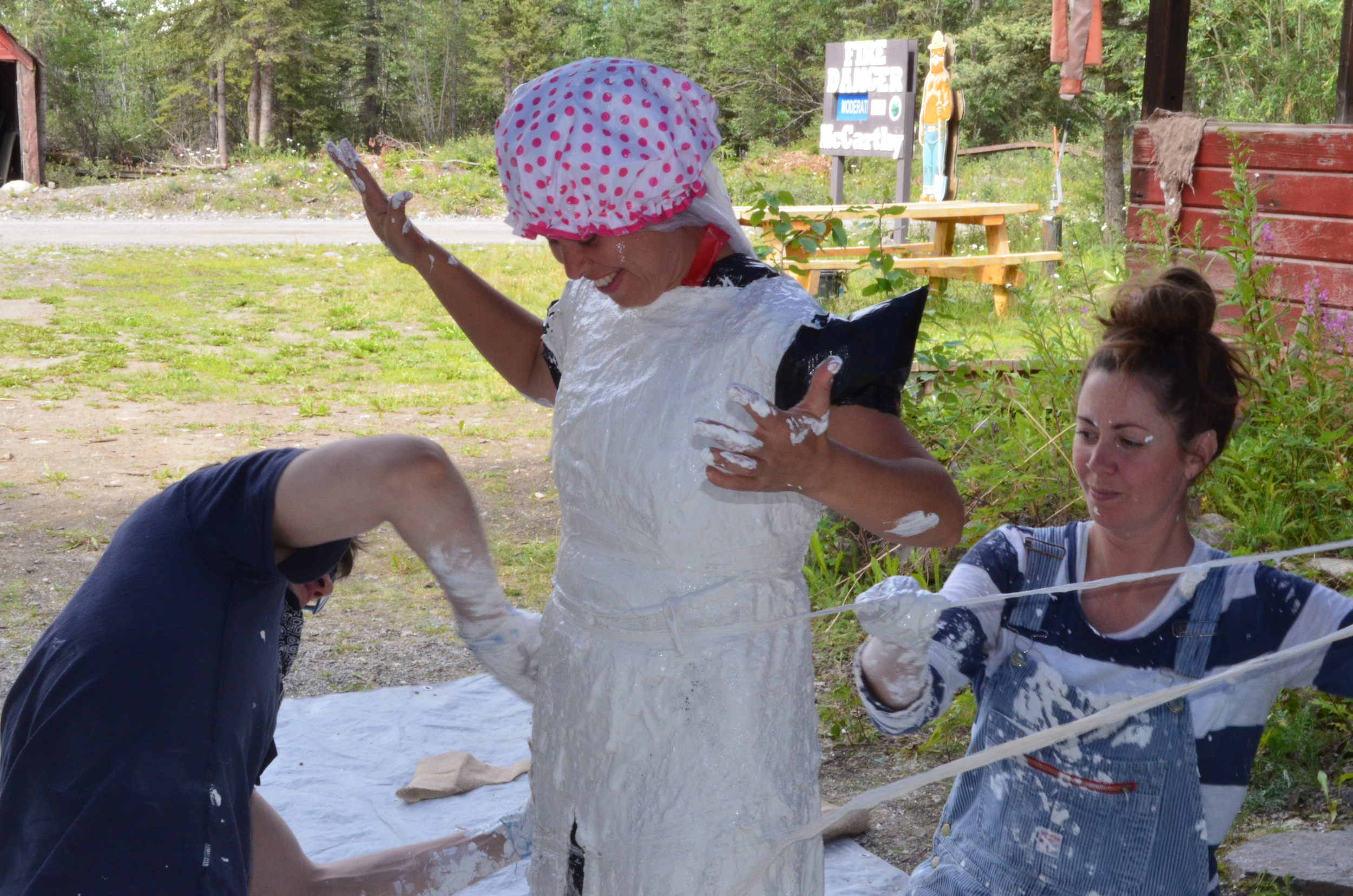
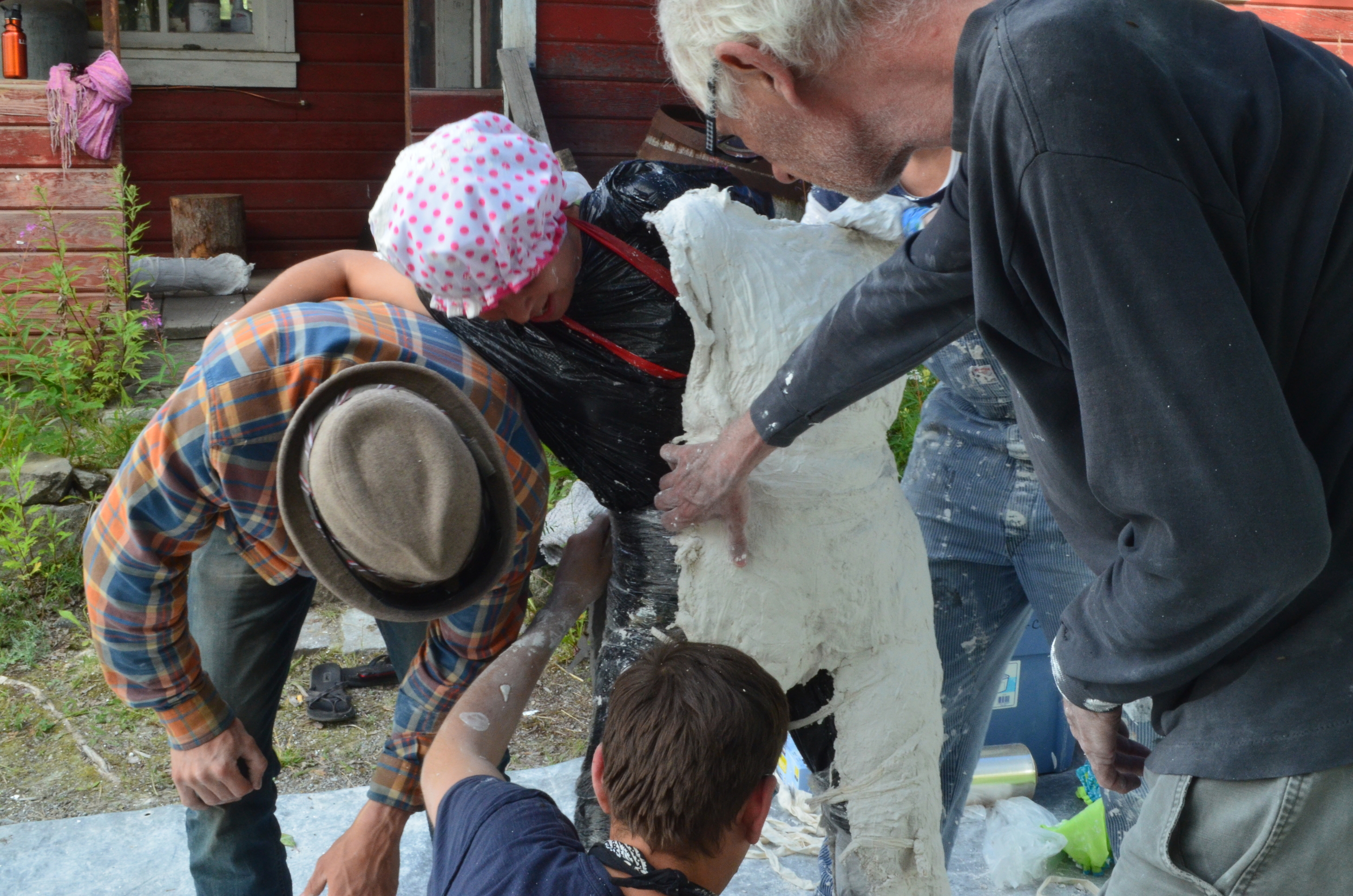
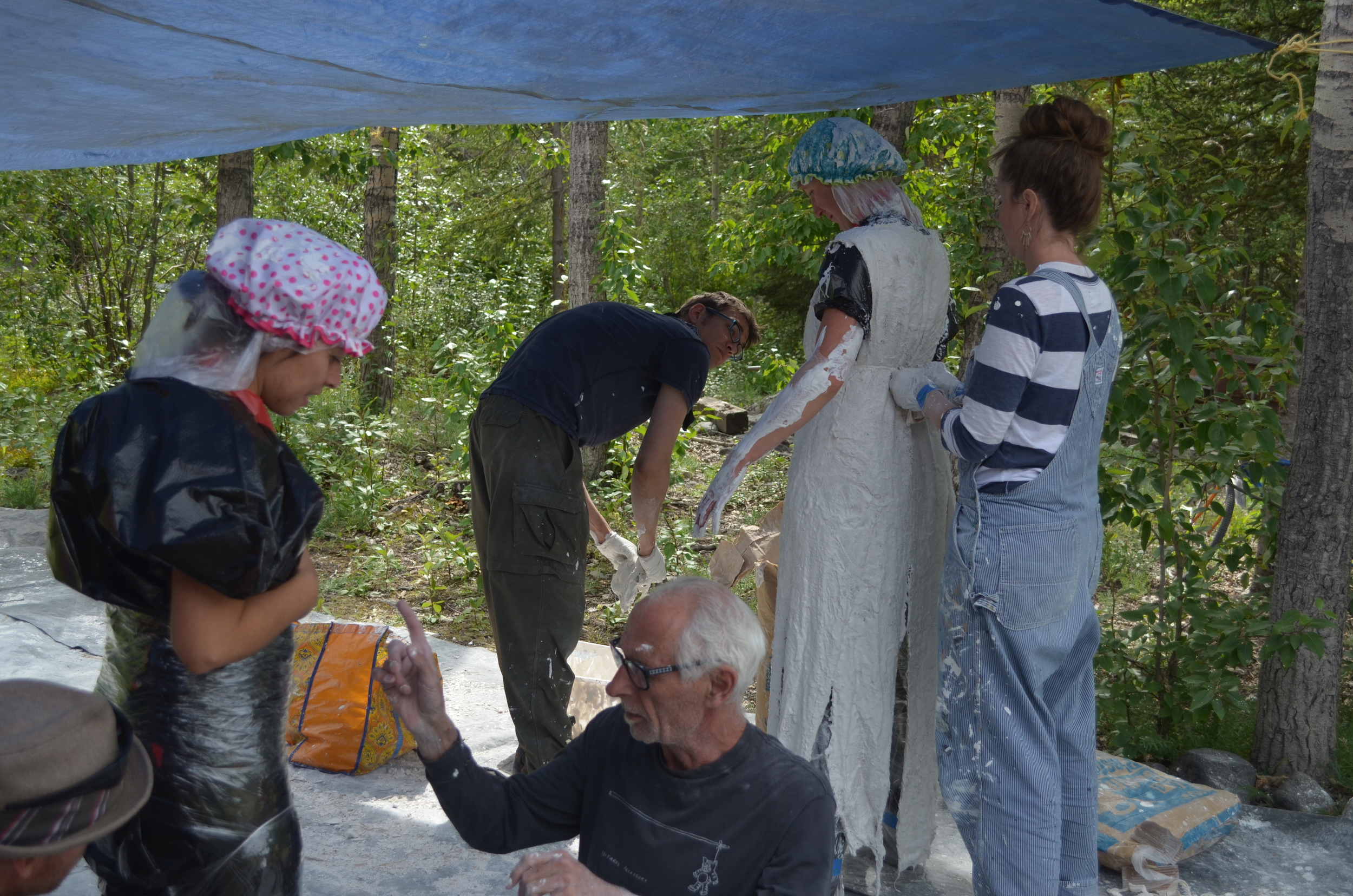
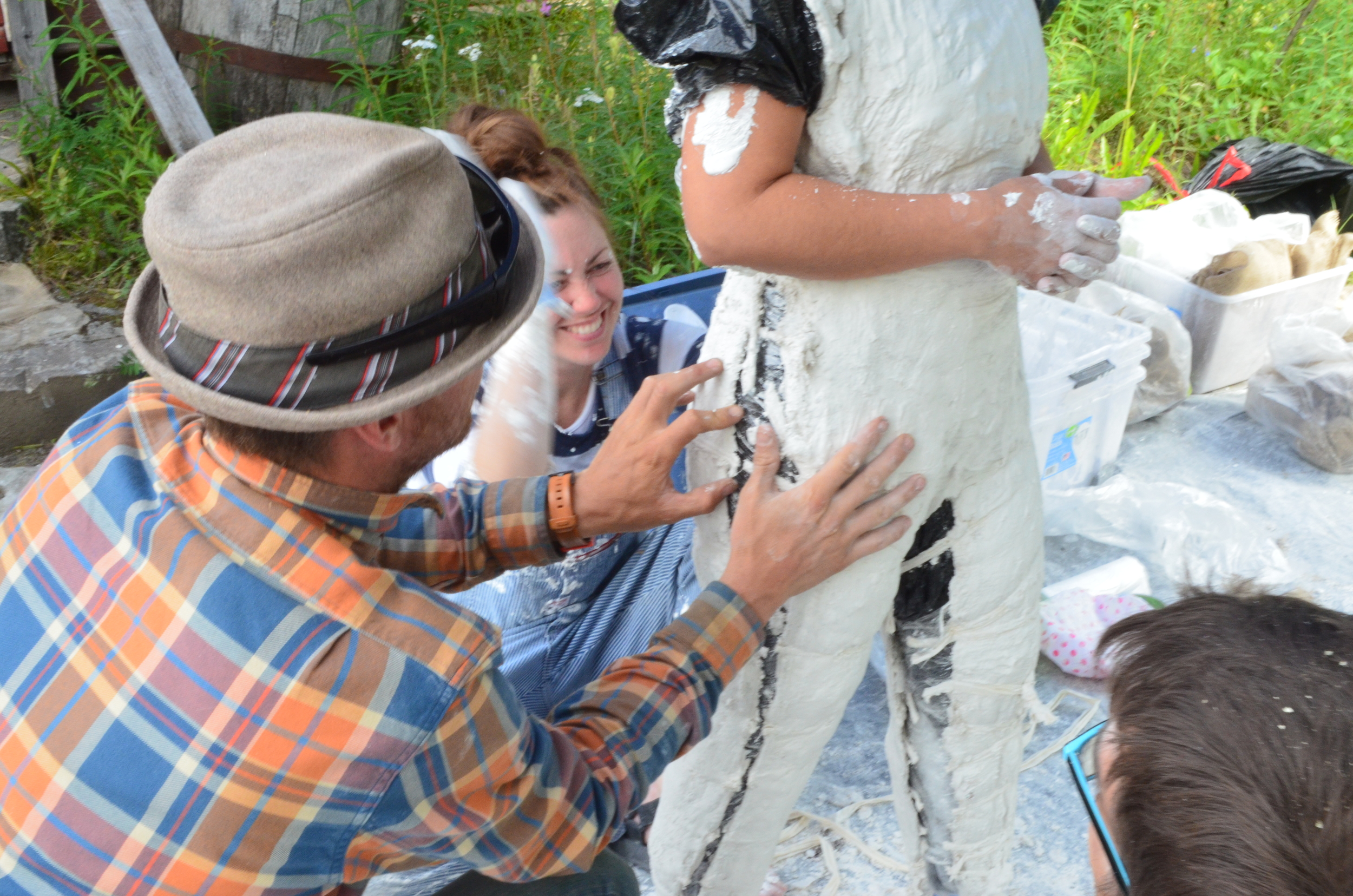
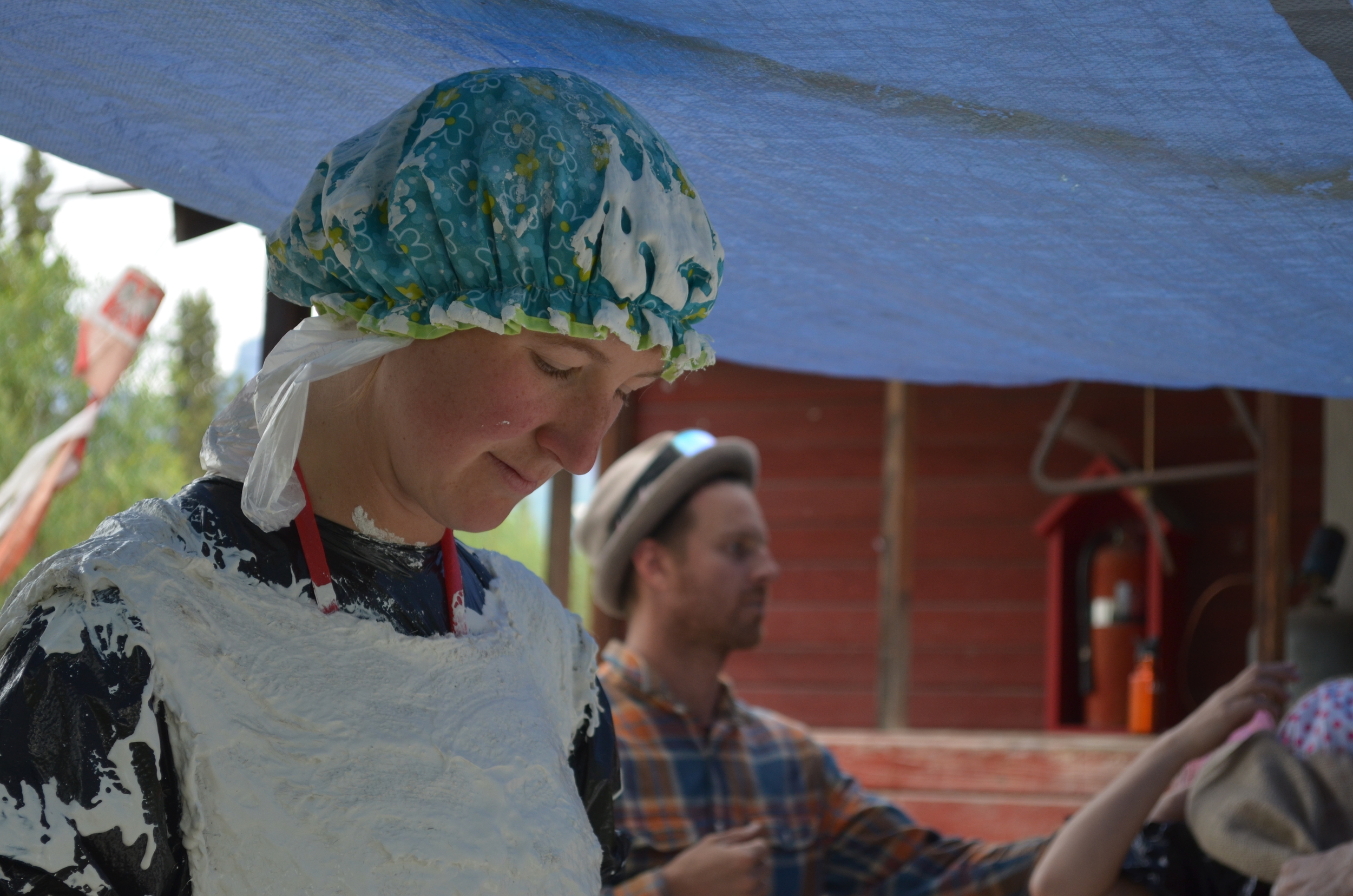
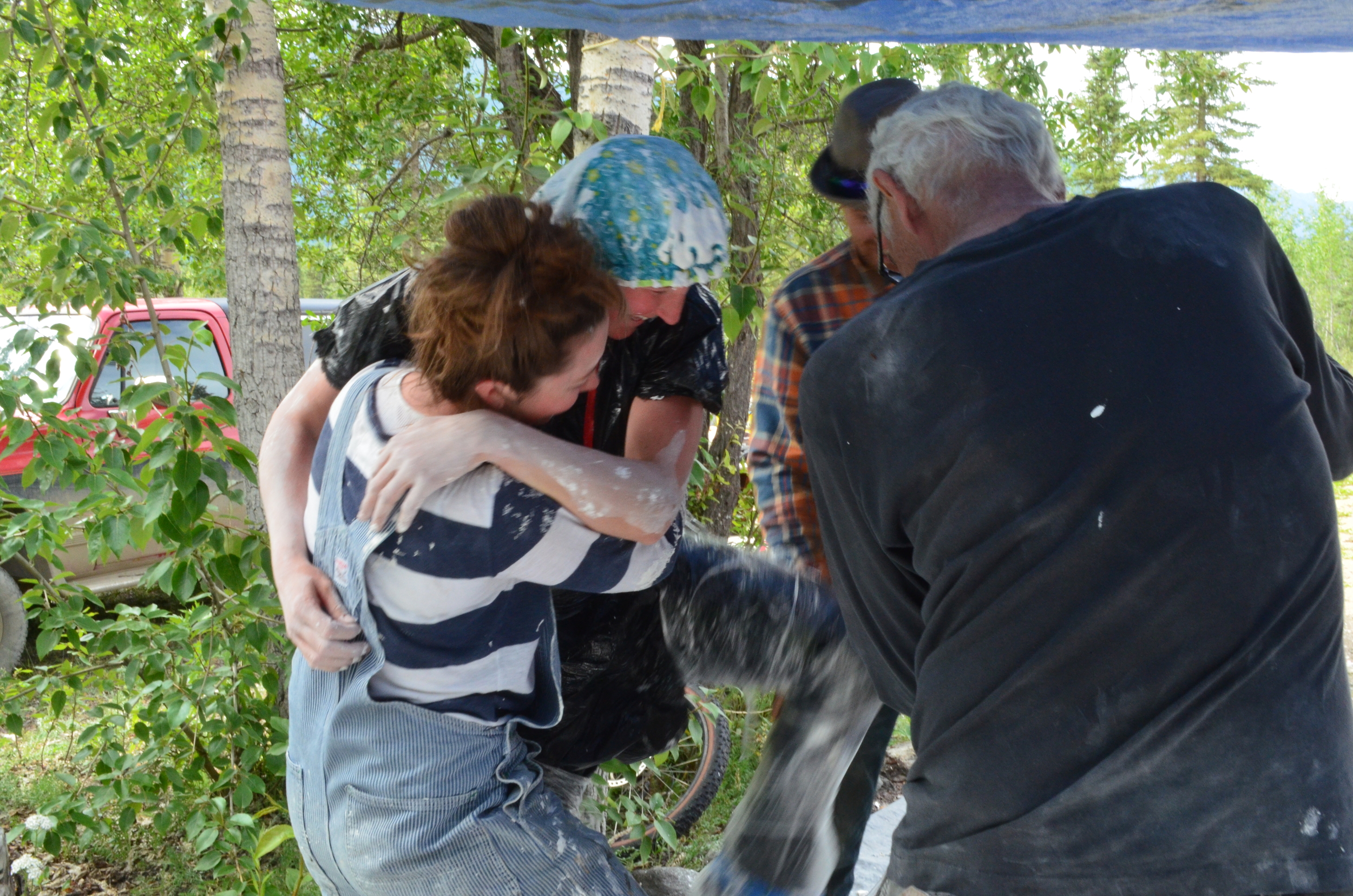
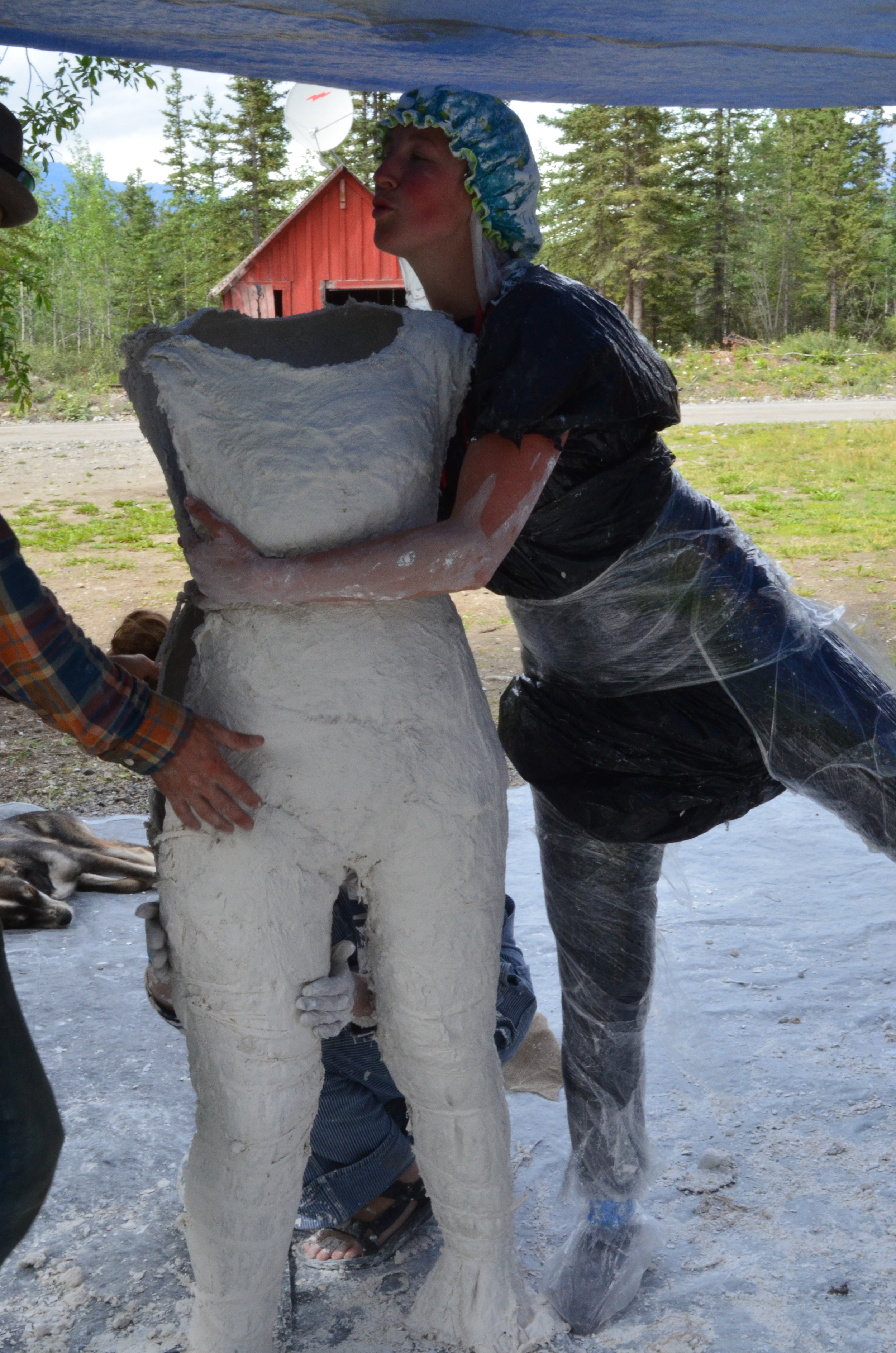
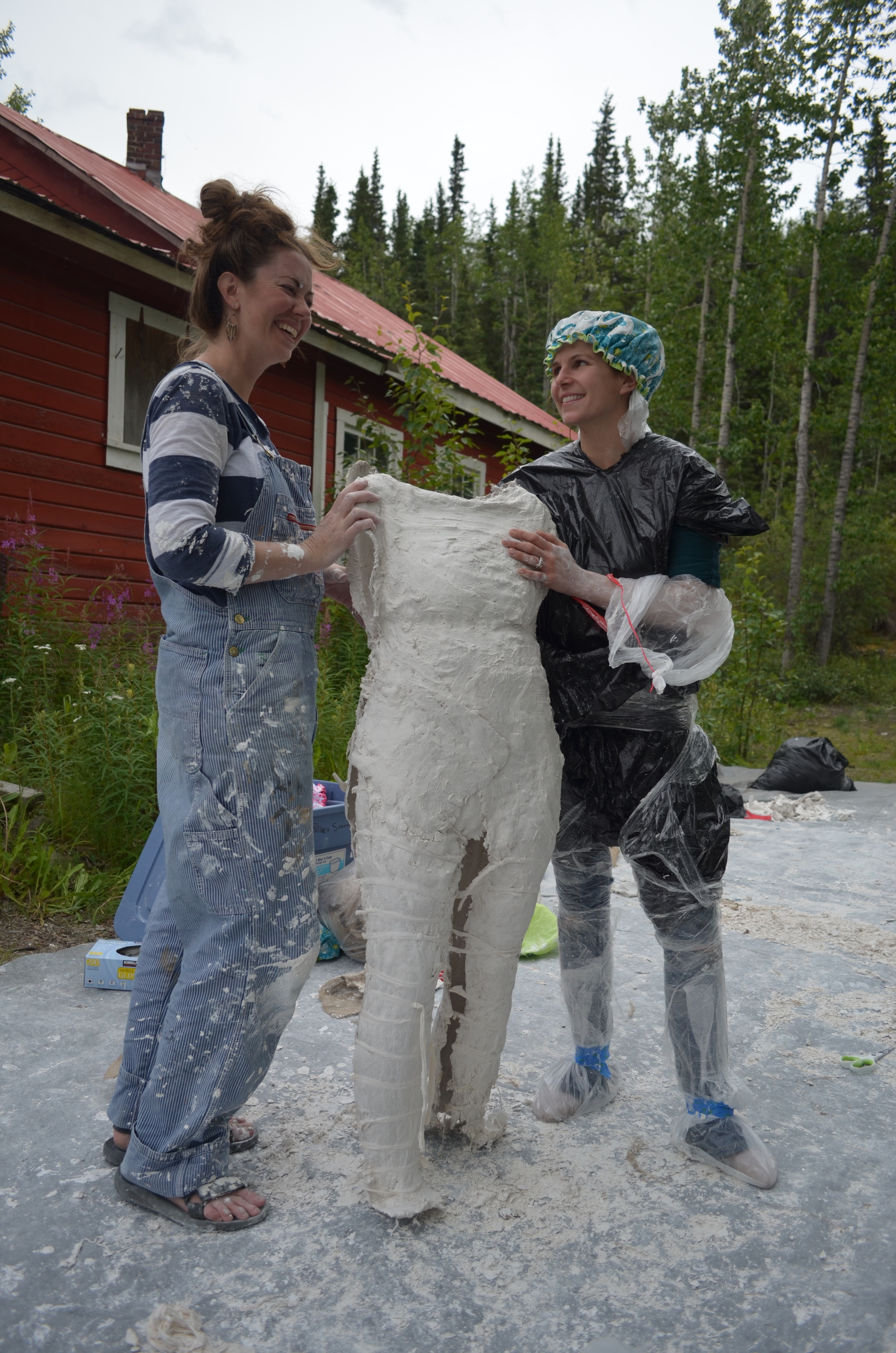
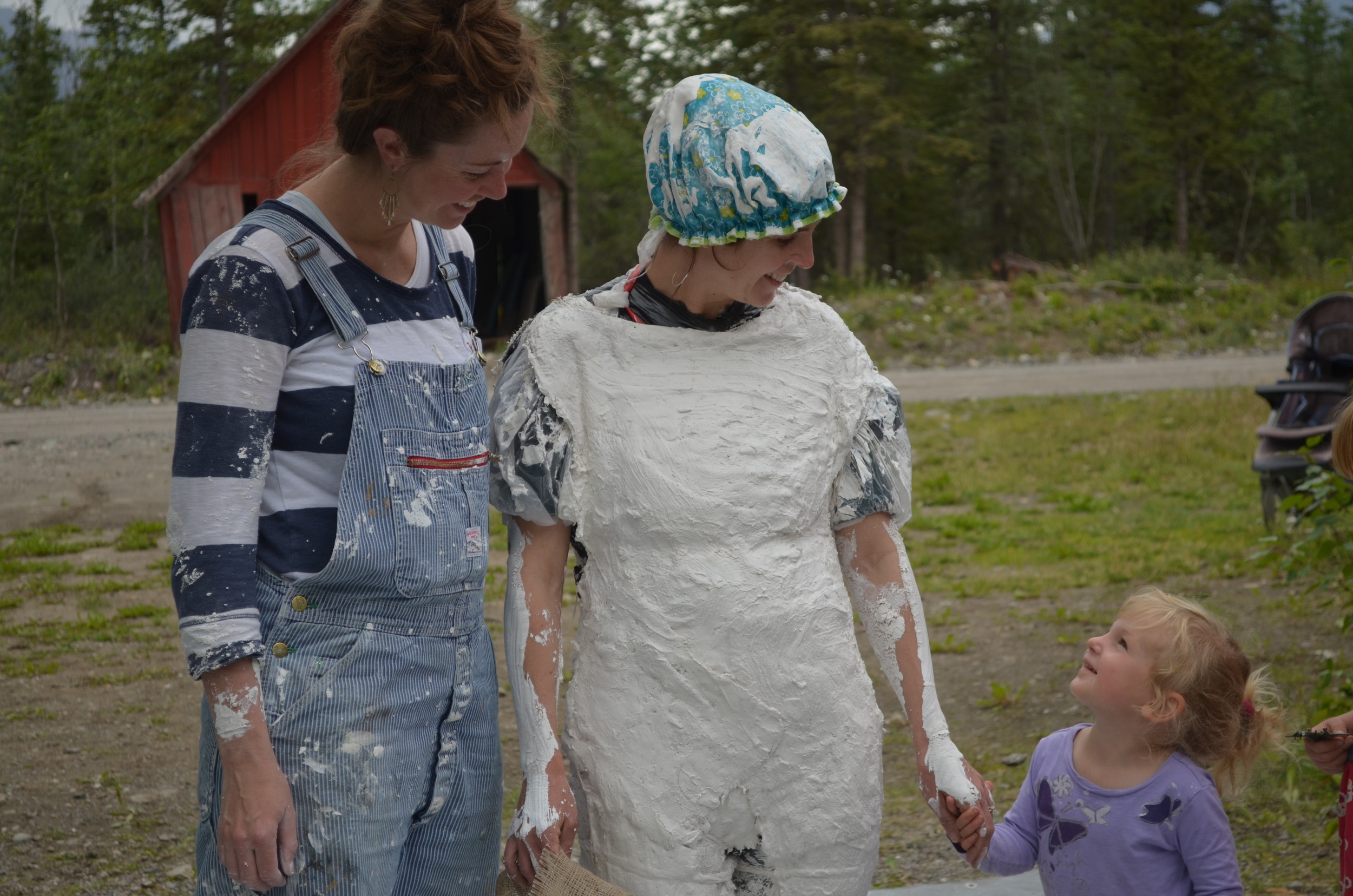
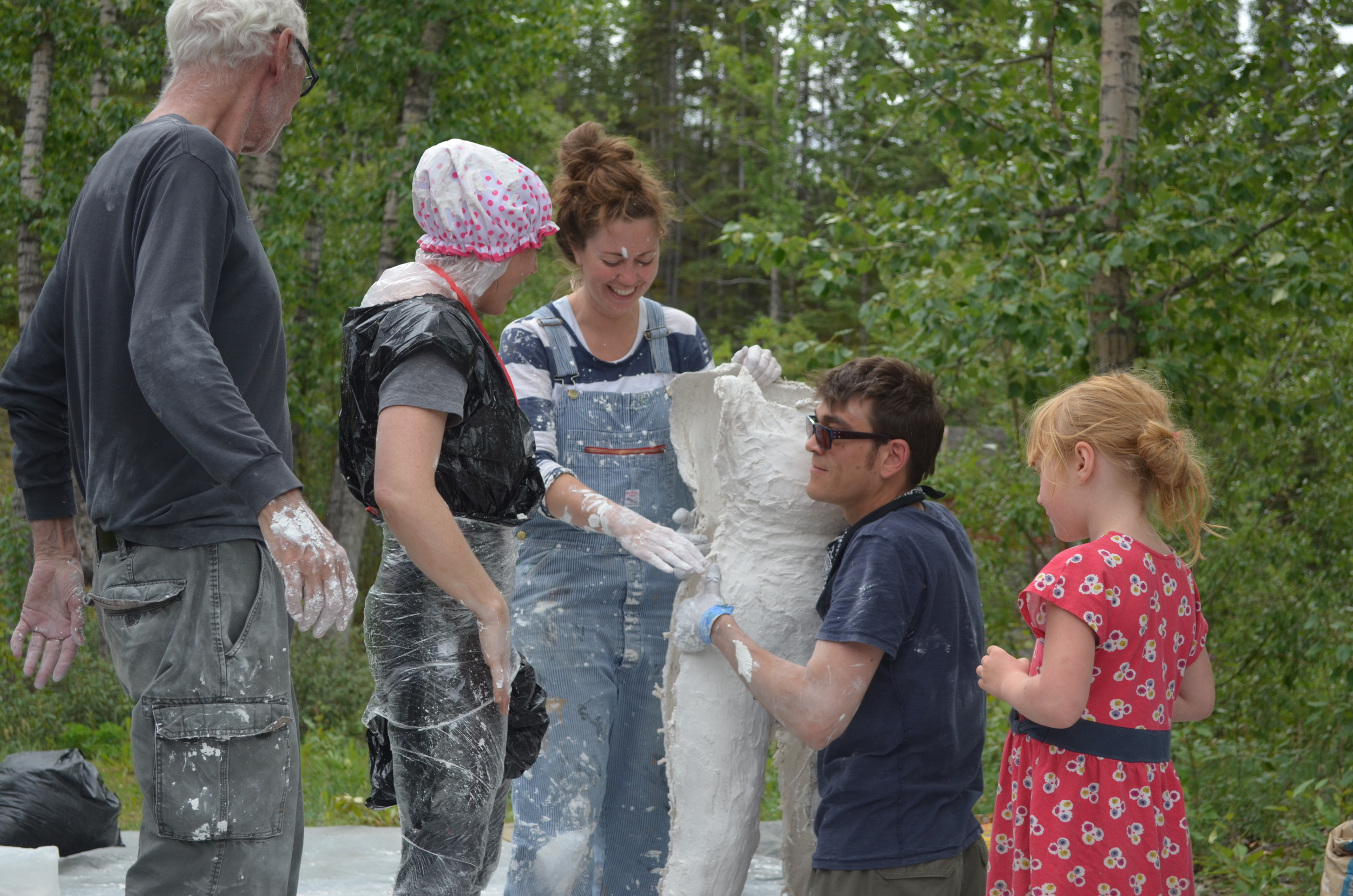
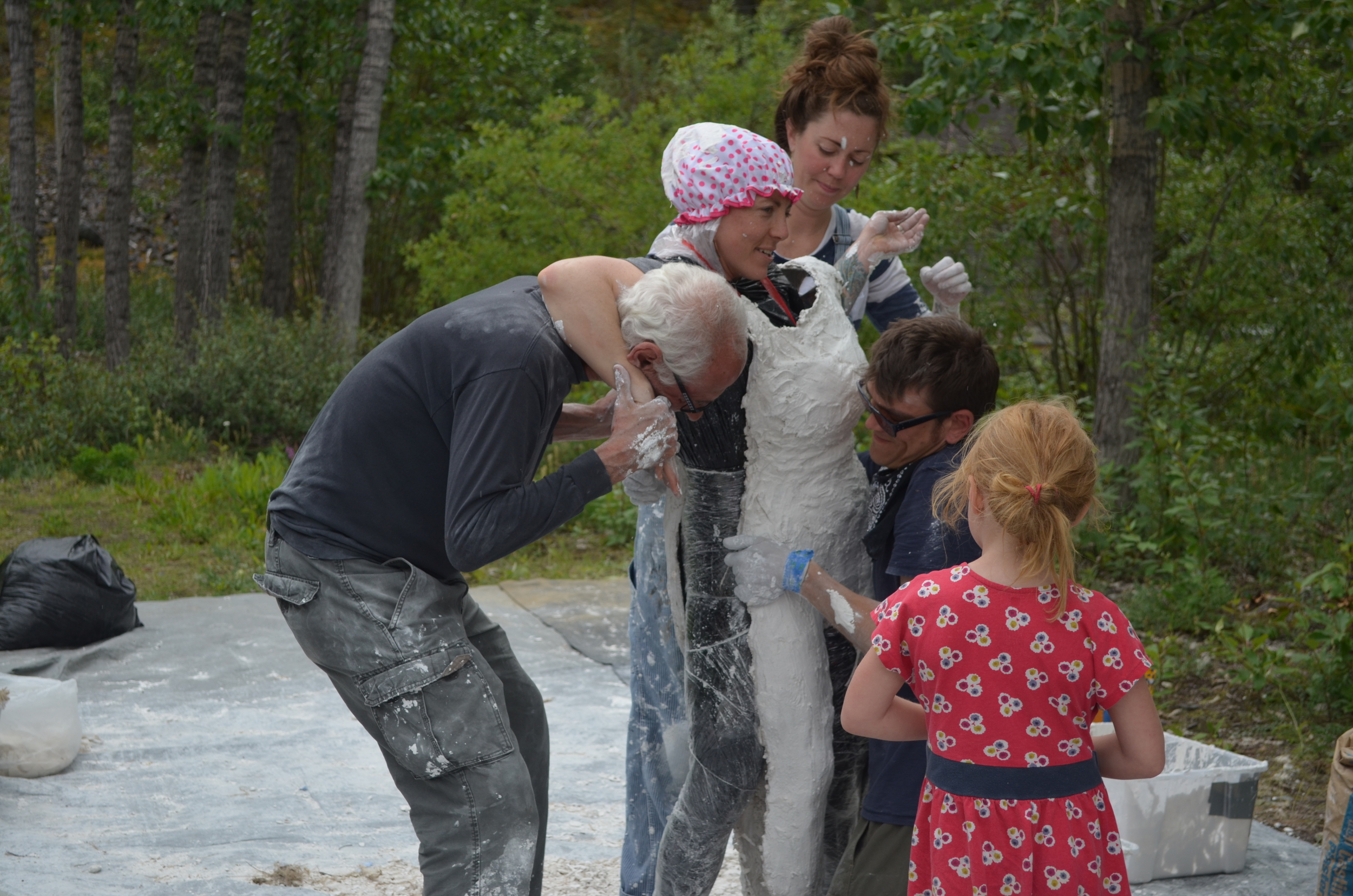
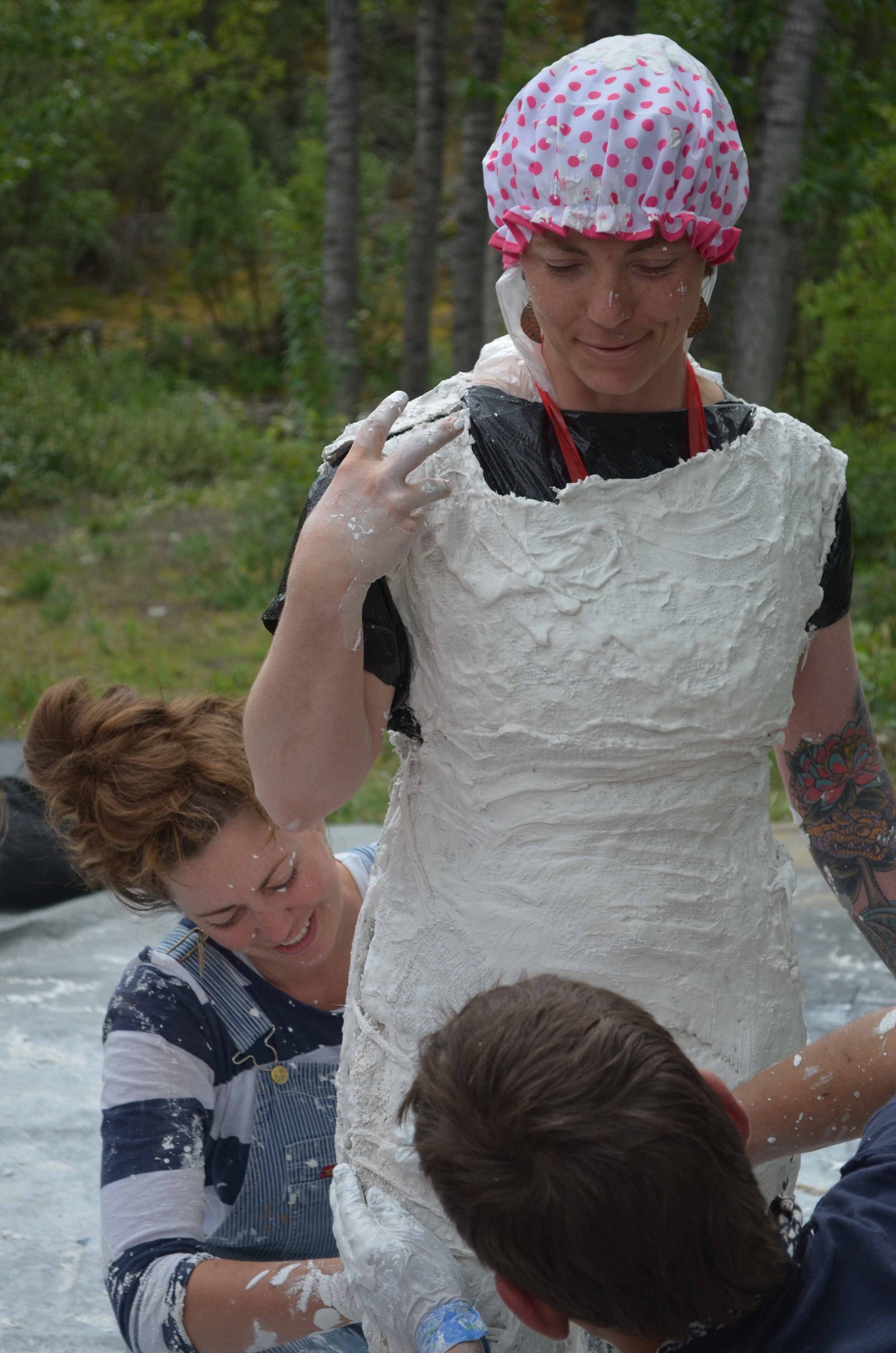
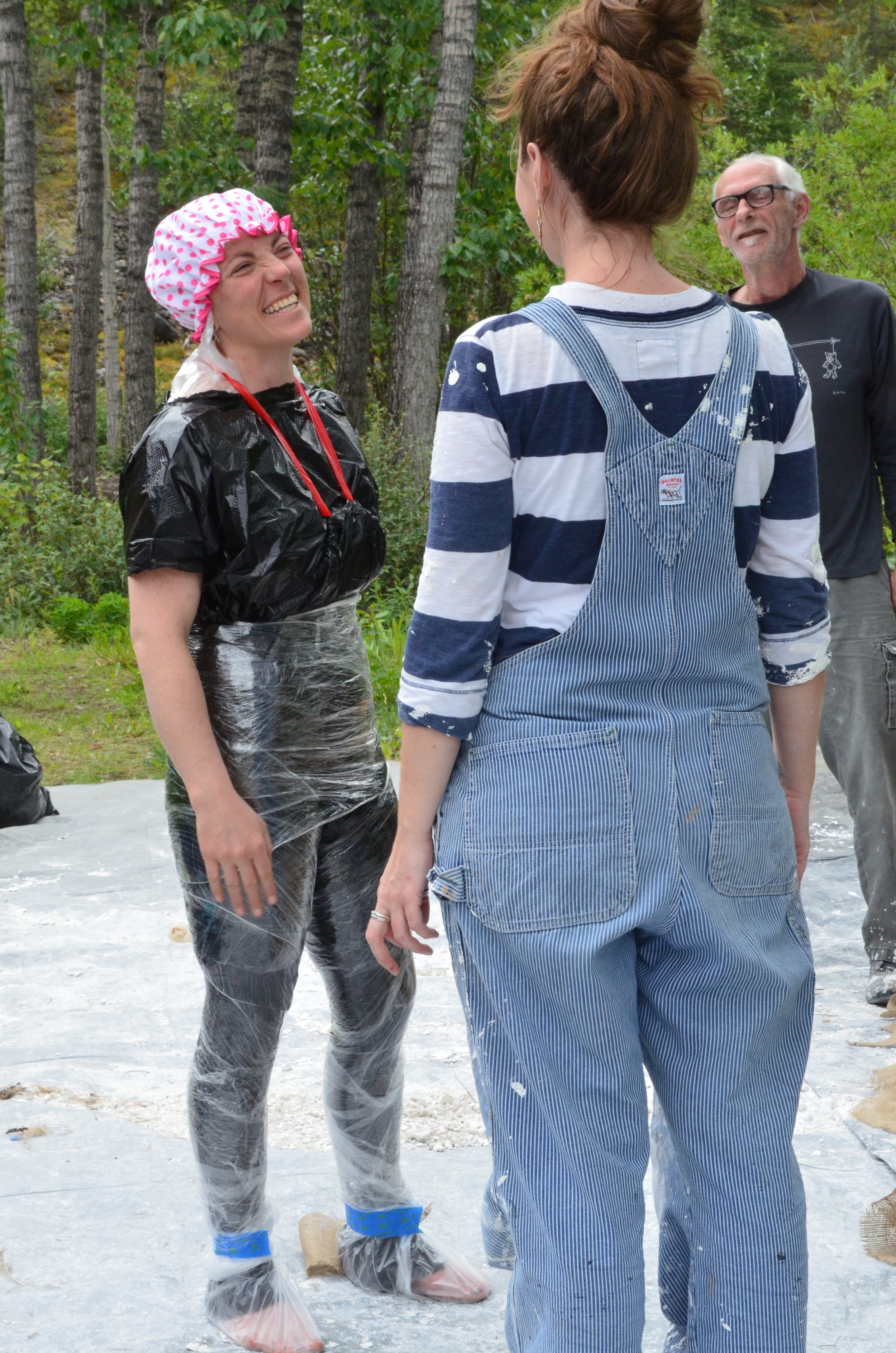
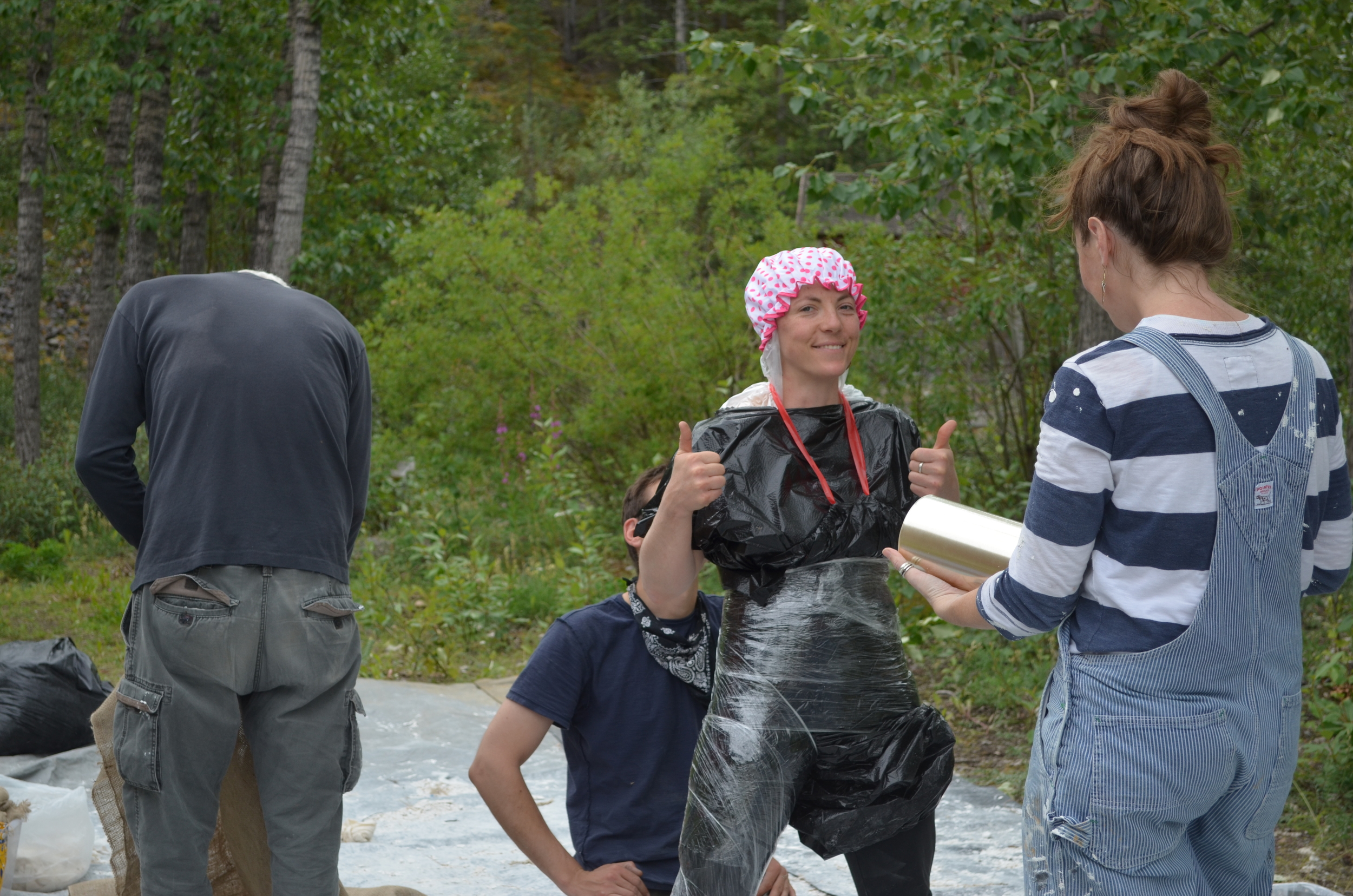
One of 30 very special casting sessions, captured by local filmmaker, Joshua Bransetter:
PHASE II
fleshing OUR stories
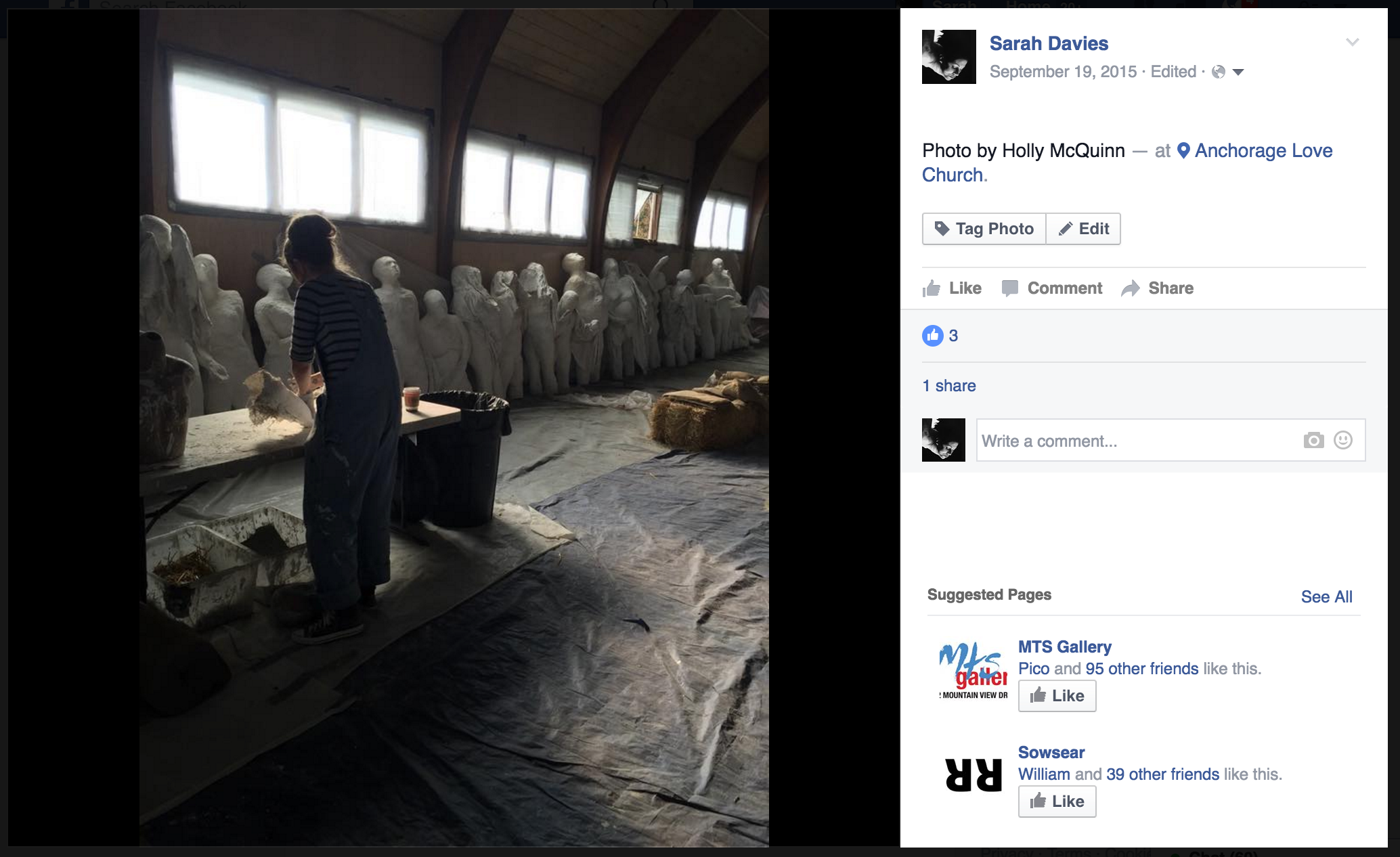
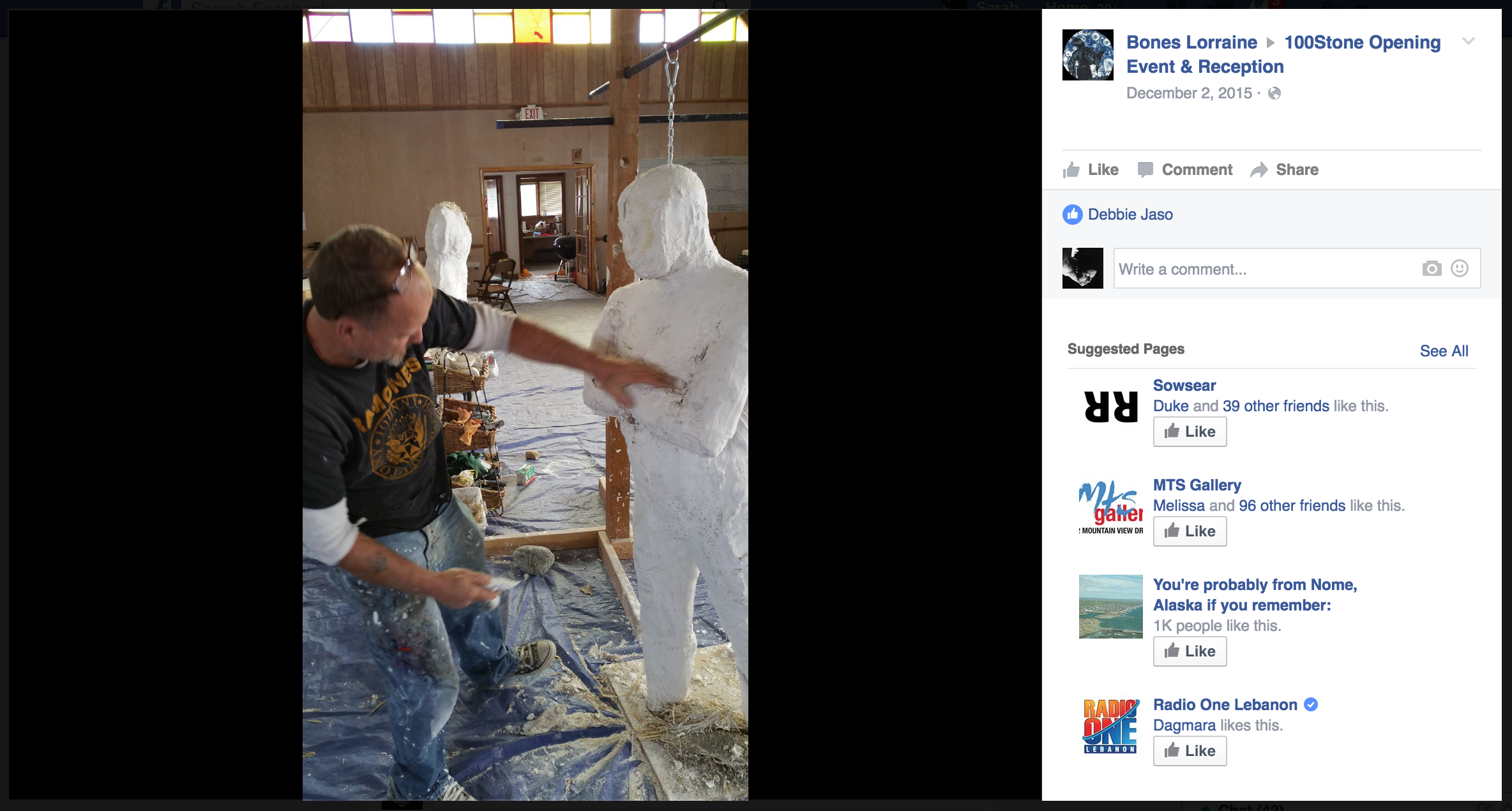
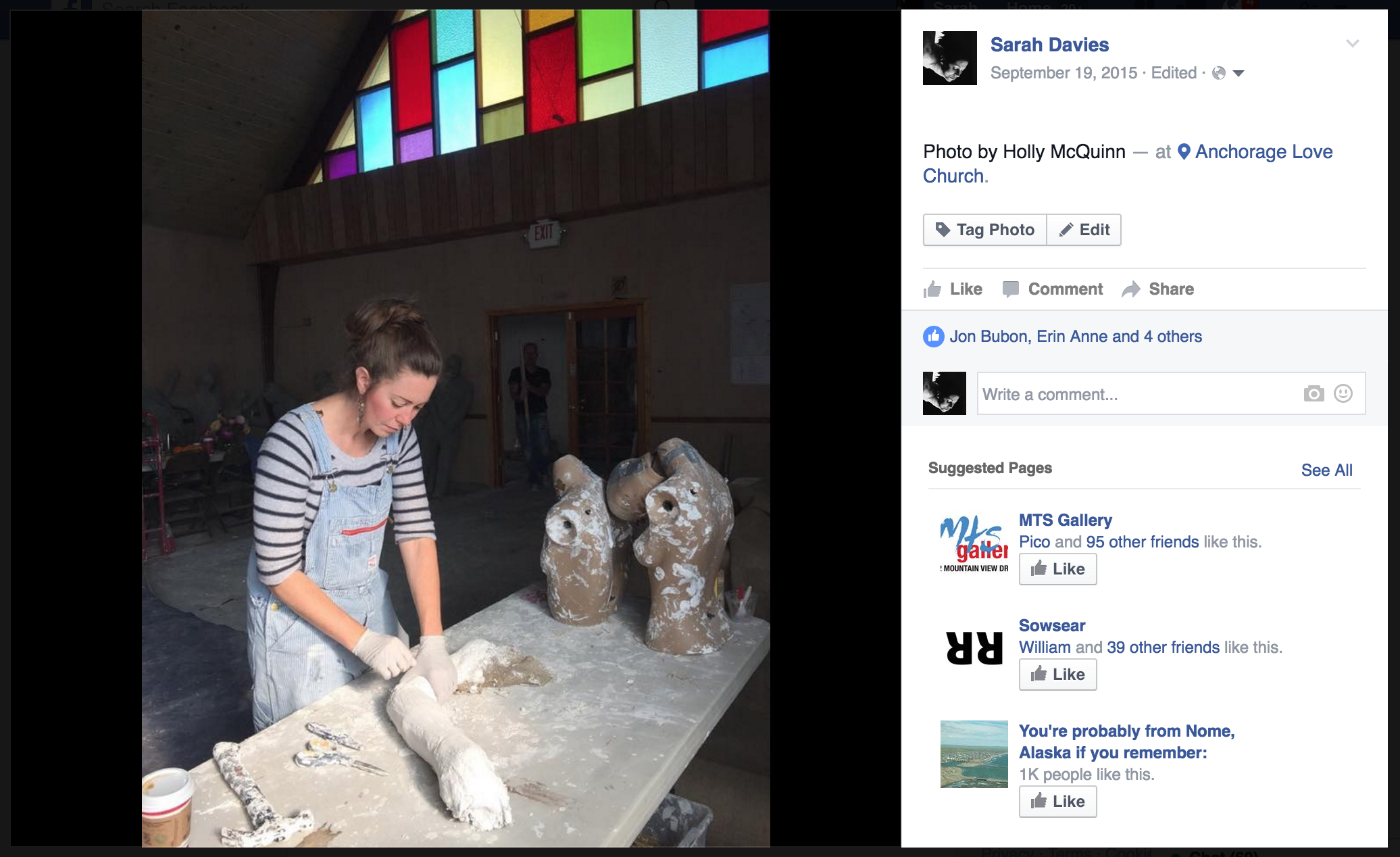
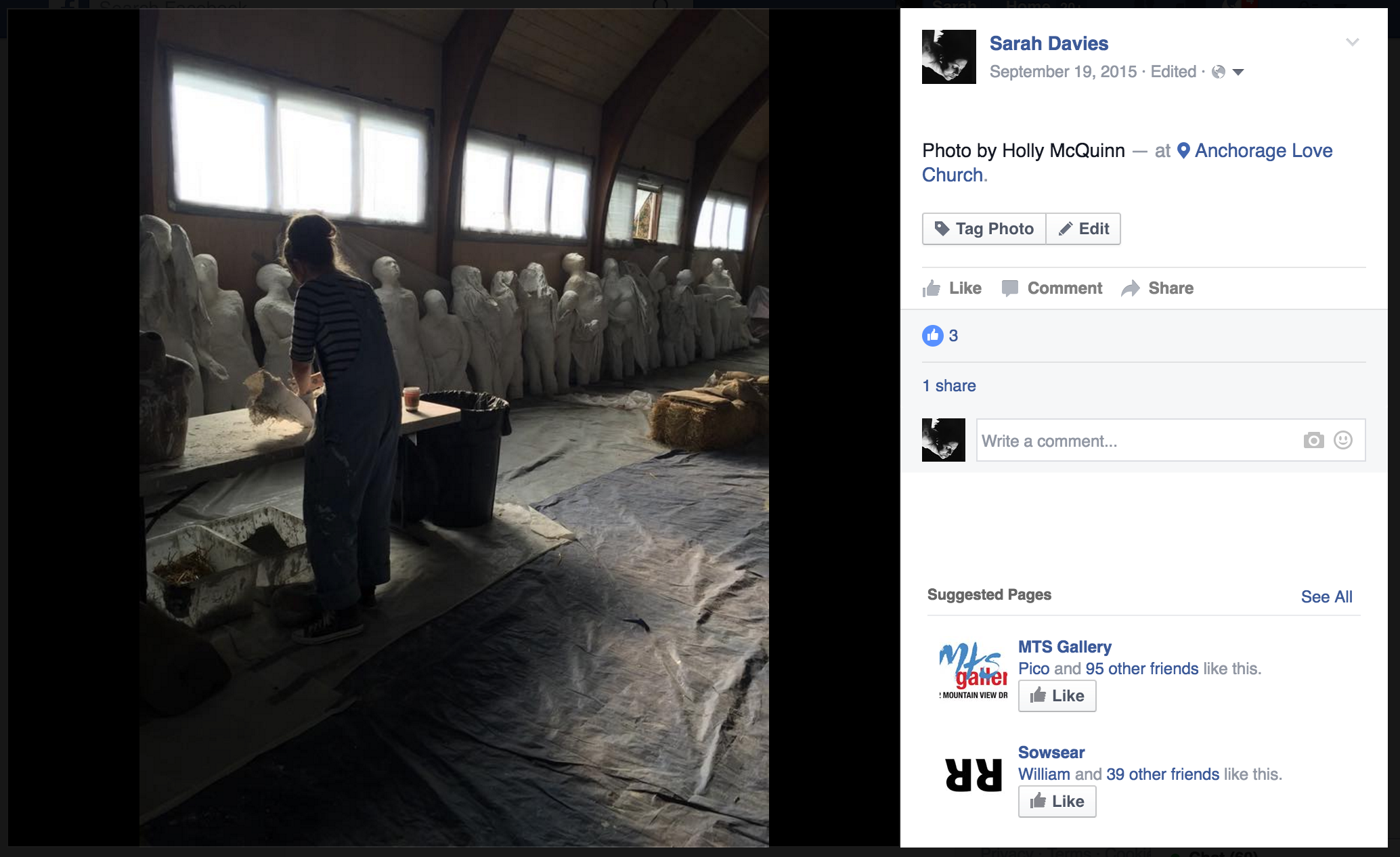
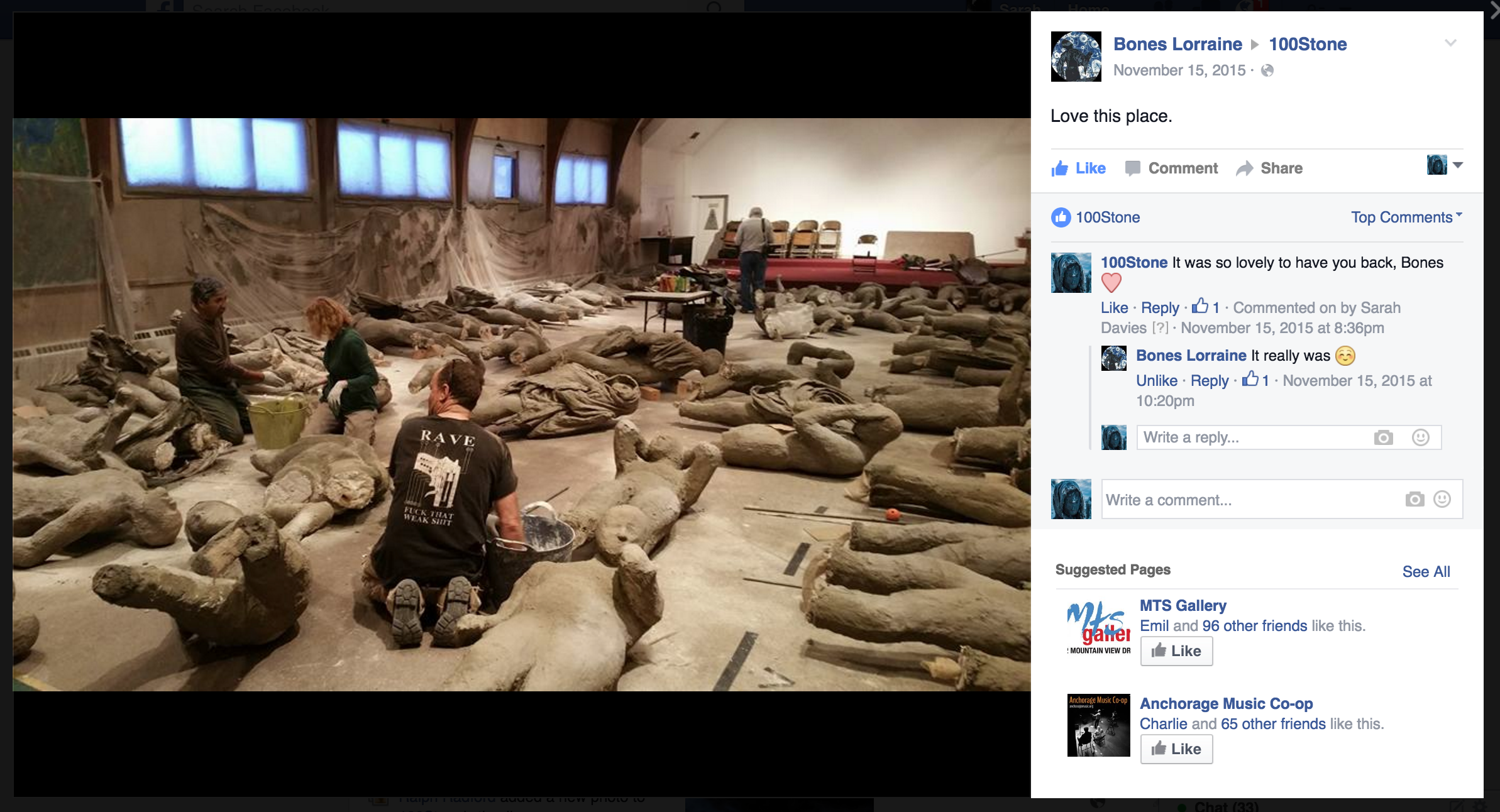
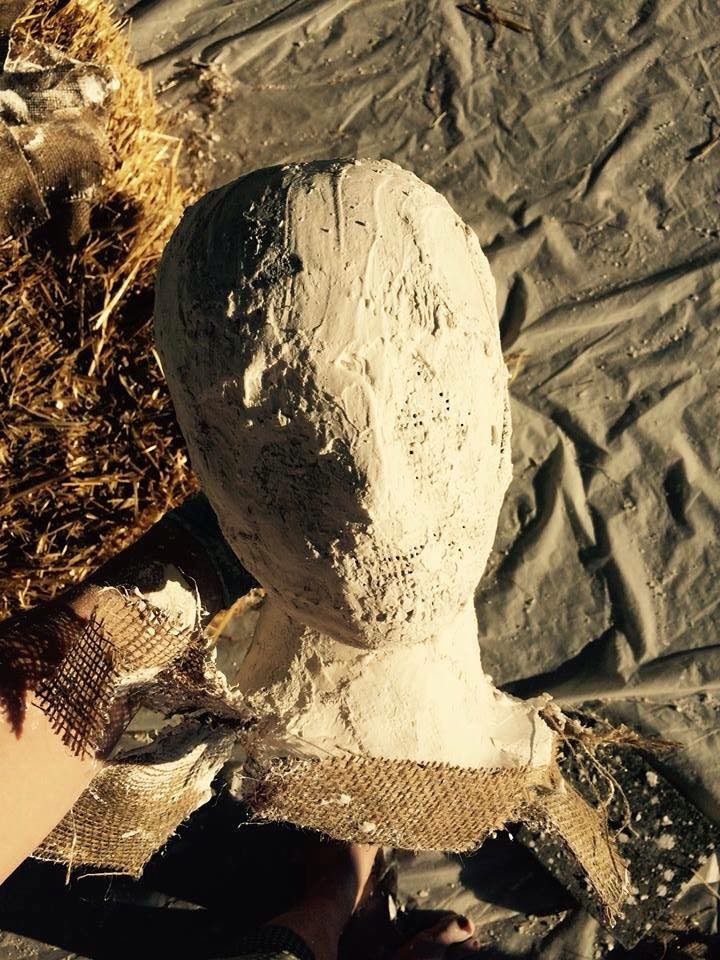
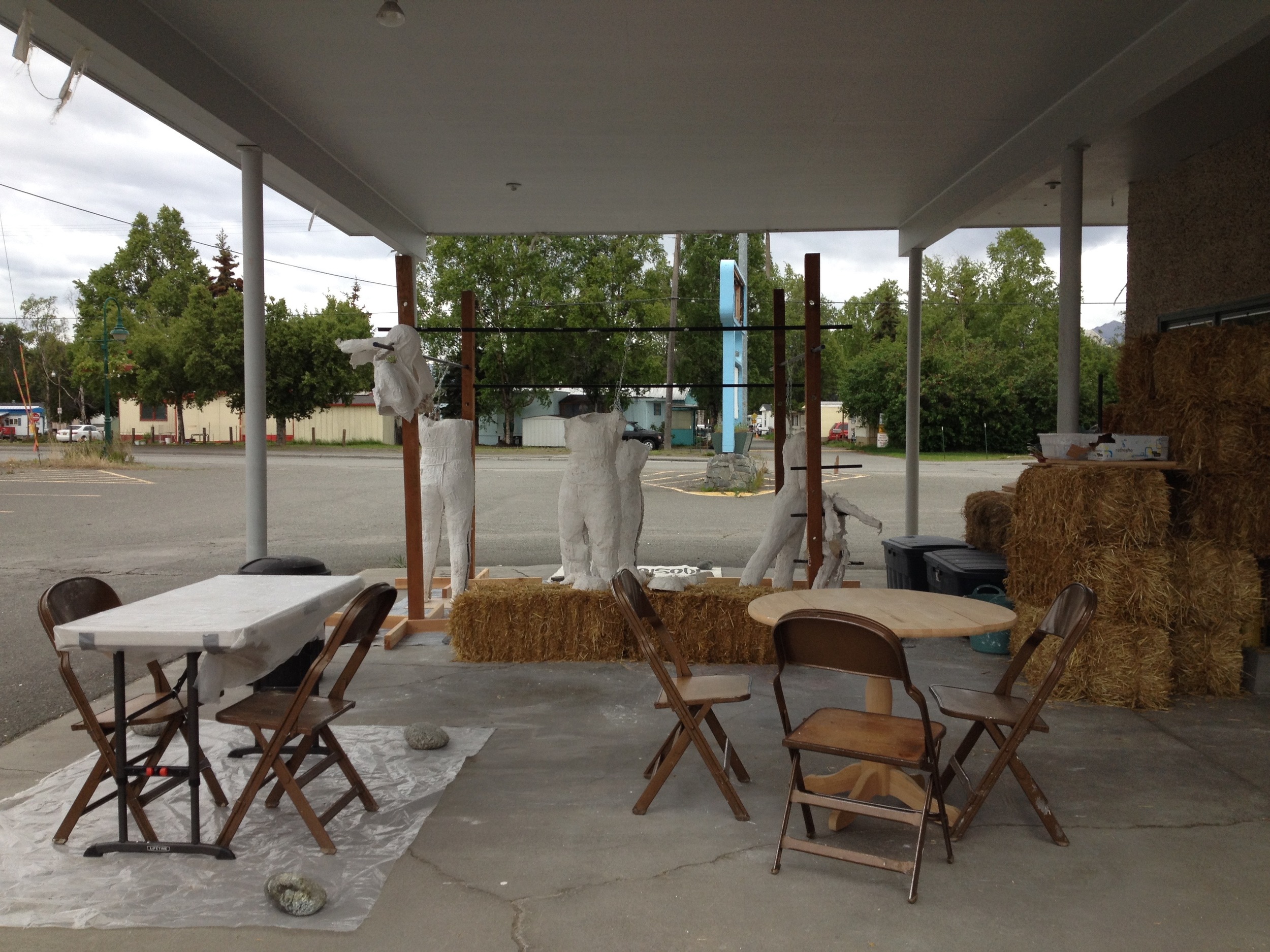
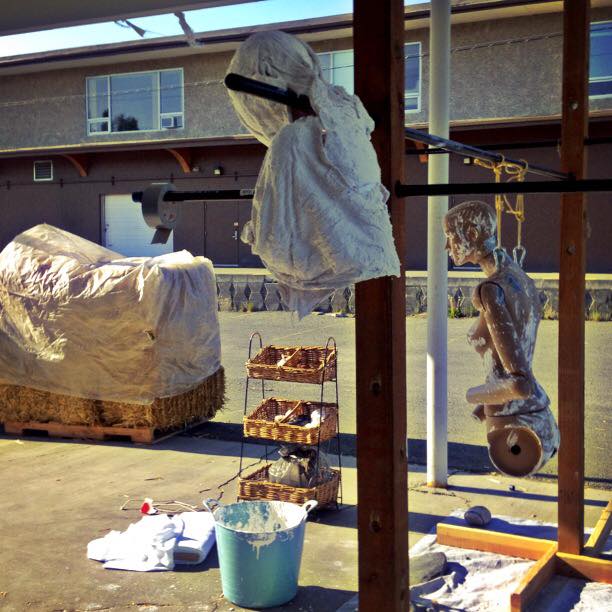
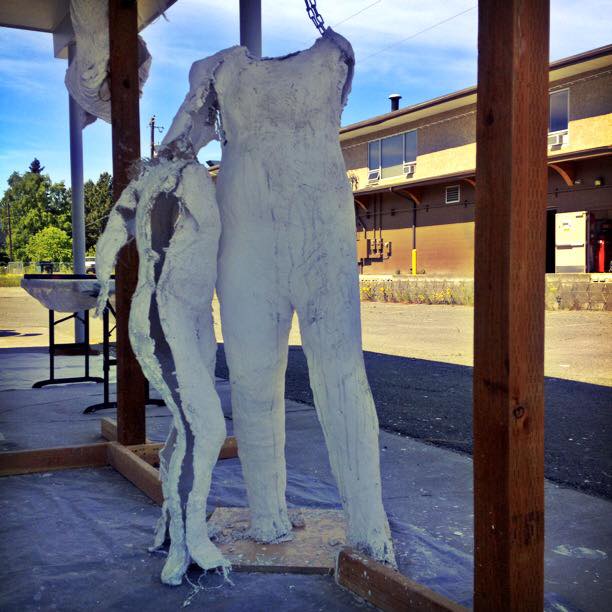
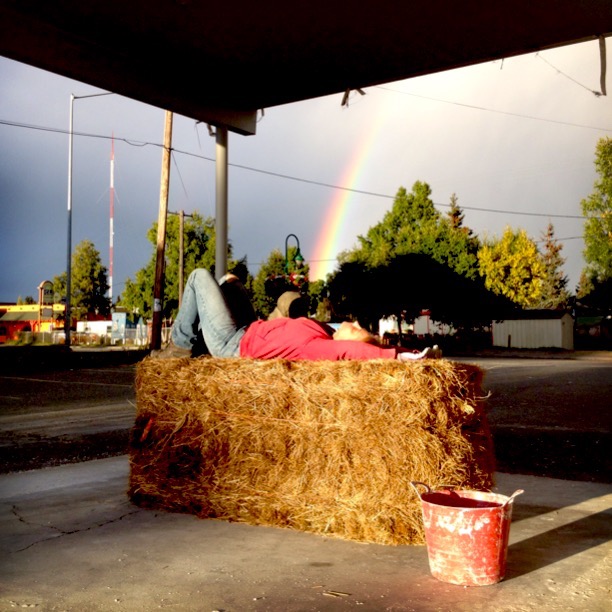
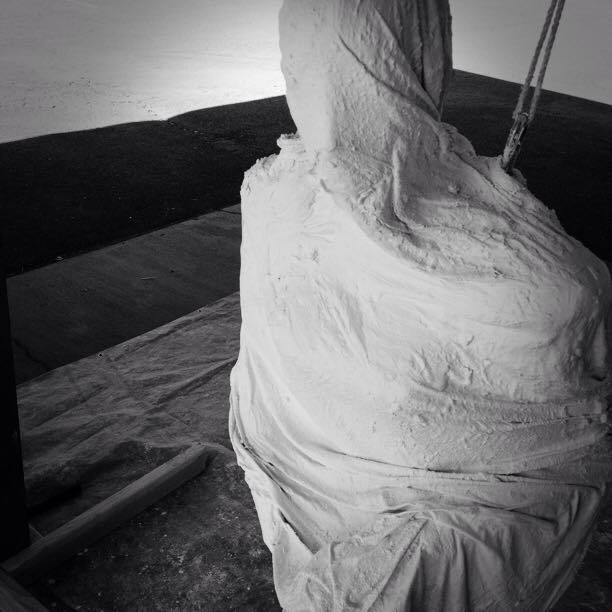
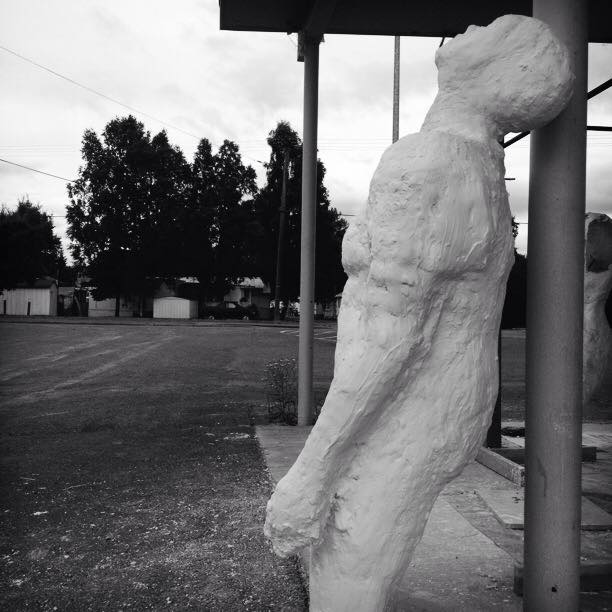
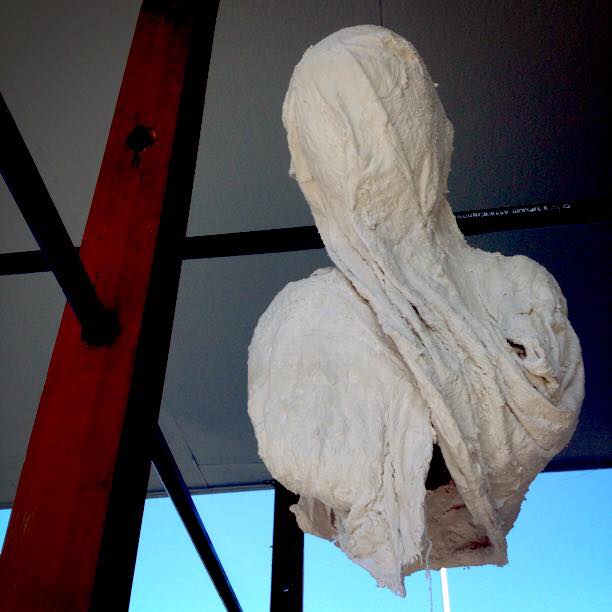
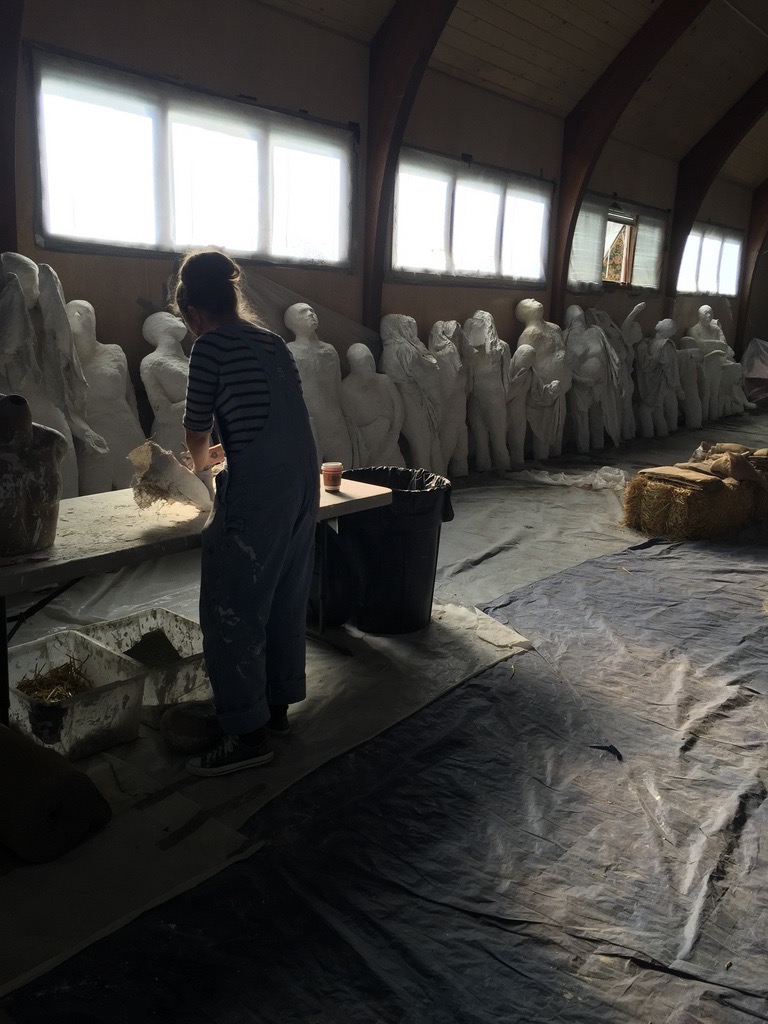
While part of the 100Stone team continued casting our statewide community on and off the road system, another group moved into a derelict church on Spenard Road in Anchorage, where they worked to bring each figural vessel—each story—to life. With the support of countless volunteer sculptors, production assistants, and the extraordinary hospitality of the Anchorage community at large, our team buzzed around that new hive for hundreds of hours, coaxing these stories into form.
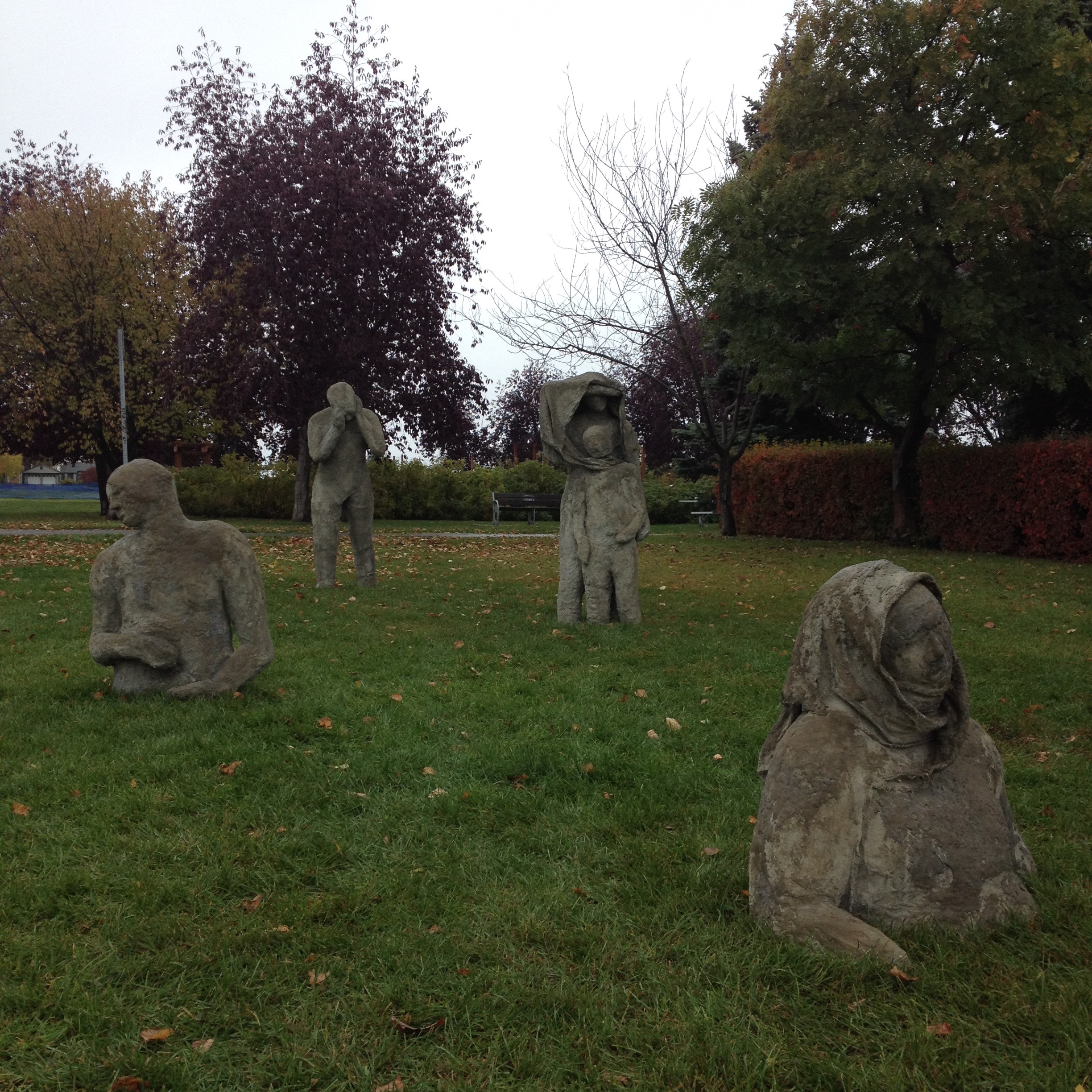
Some volunteers worked in the basement, sealing the vessels, mixing lightweight concrete, and filling the molds. Outside, the team produced hundreds of arms and heads from mannequins, while guest sculptors merged those elements with the cast bodies and positioned them in their chosen gestures. Once we found our most efficient systems, we were able to complete roughly two figures per day. The first two figures had taken two weeks.
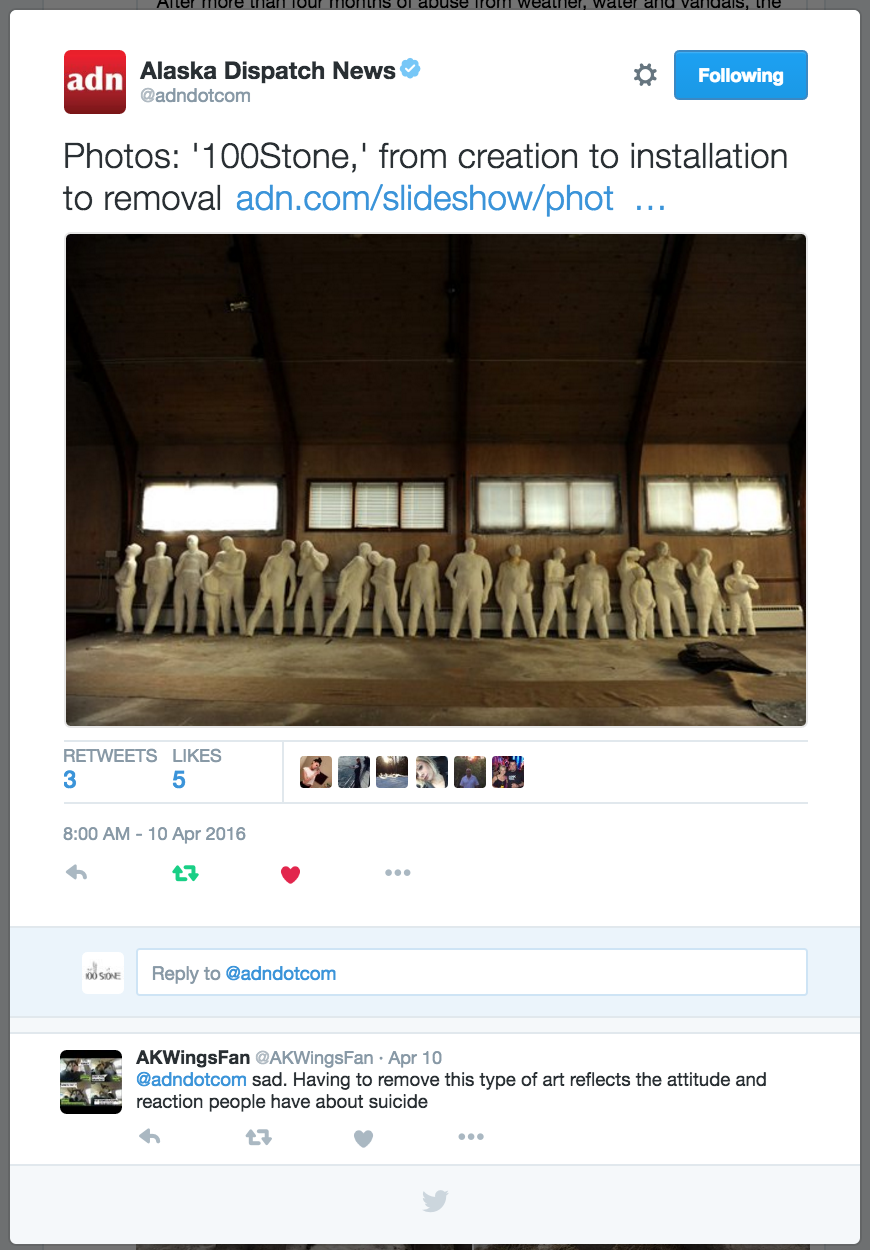
By September of 2015, the inner walls of the church’s sanctuary were lined, shoulder to shoulder, with the magnificent, unguarded beauty of our state’s most vulnerable stories of mental illness. It was then that the statues became Stones, and the Stones became real. They became family.
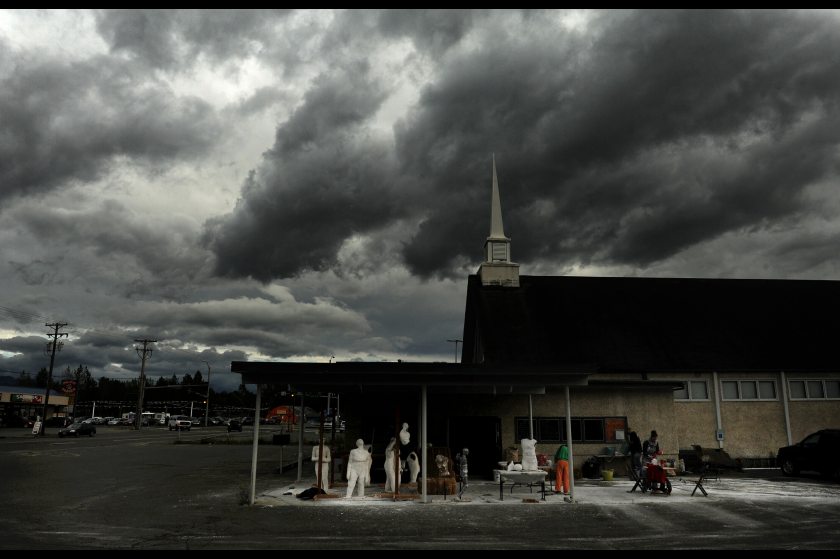
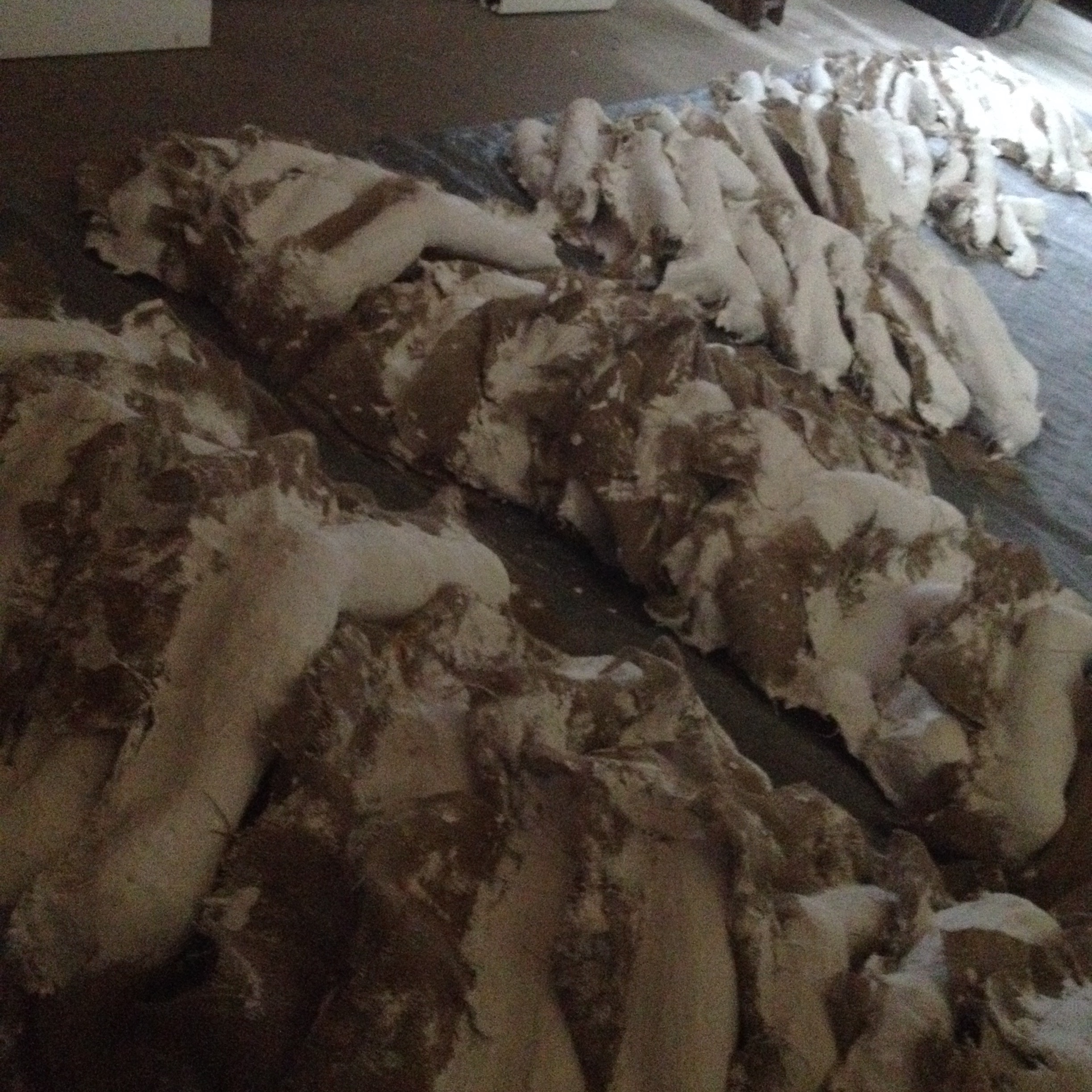
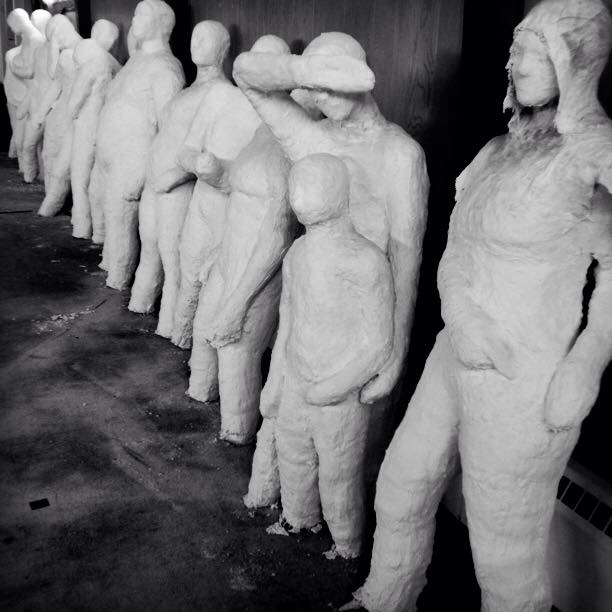
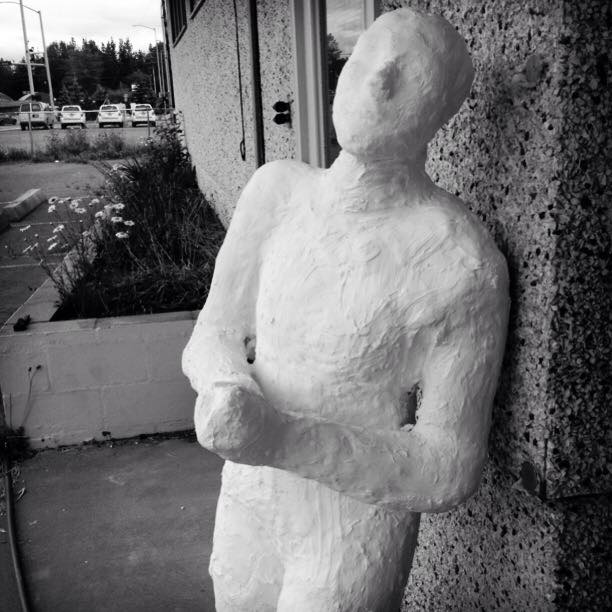
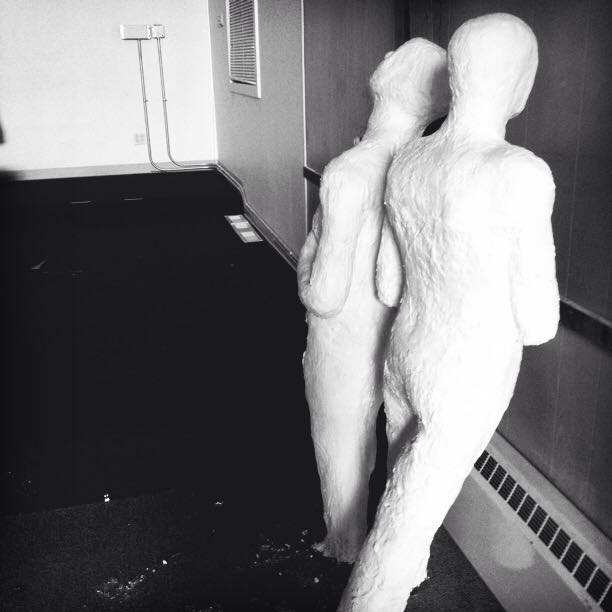
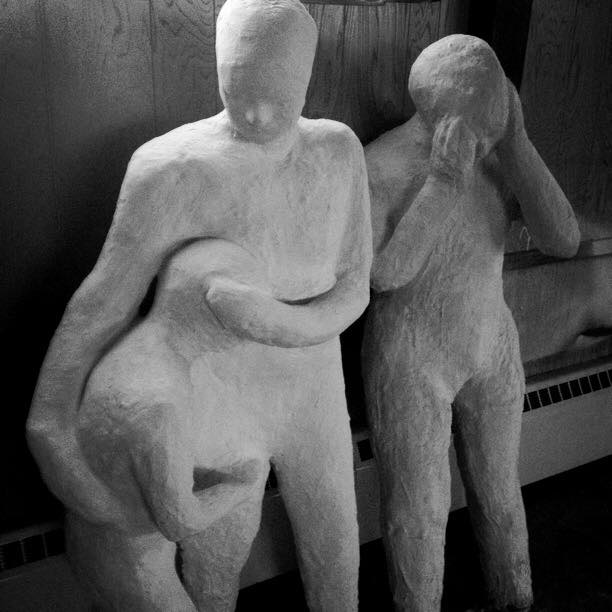
See also Bob Halinen's award winning photo story. Alaska Dispatch News, 7/09/15
PHASE III
A chorus of truth echoes through the inlet
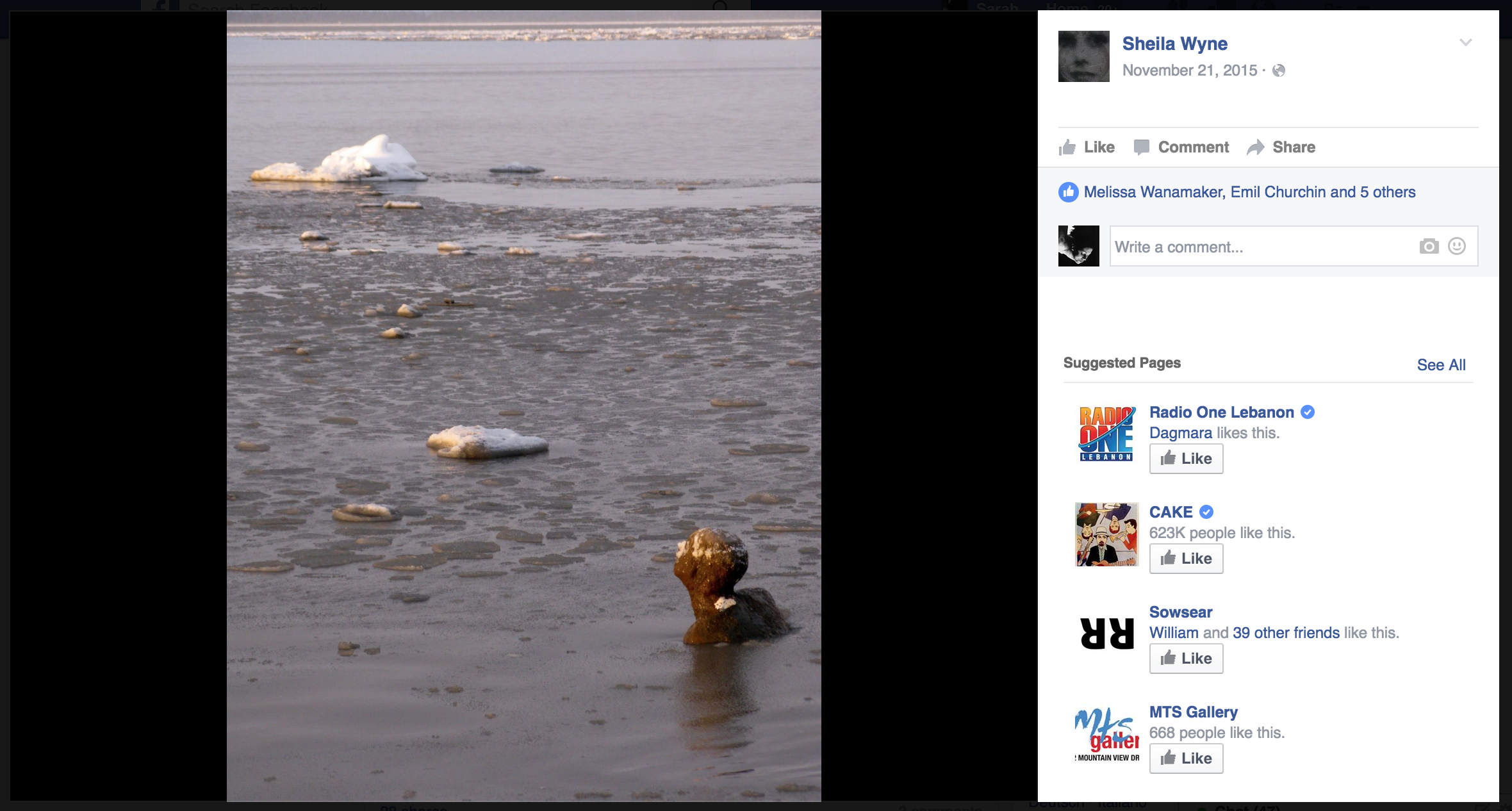
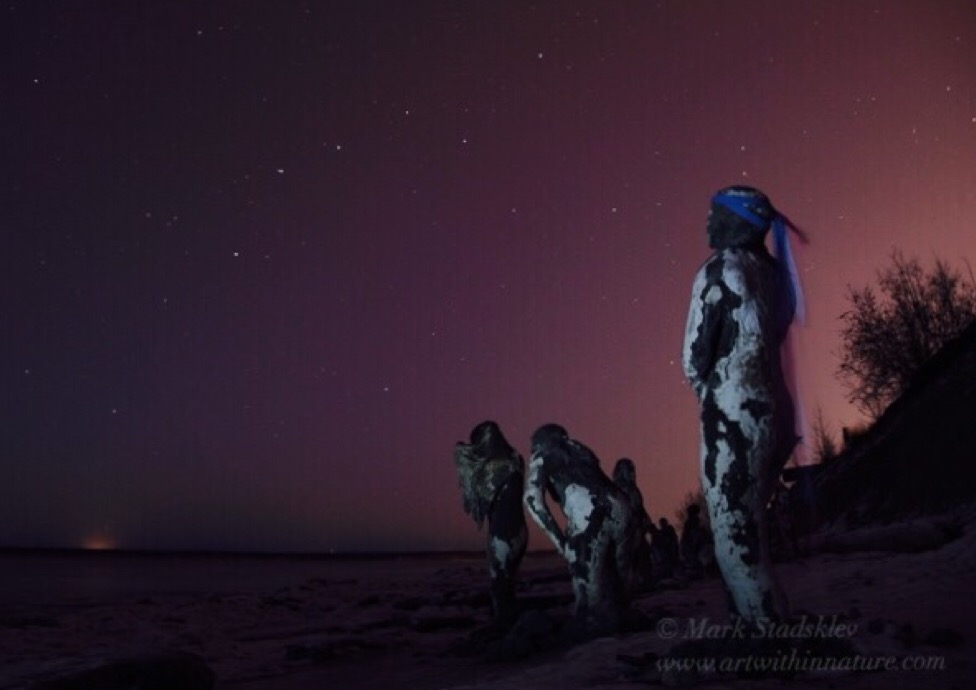
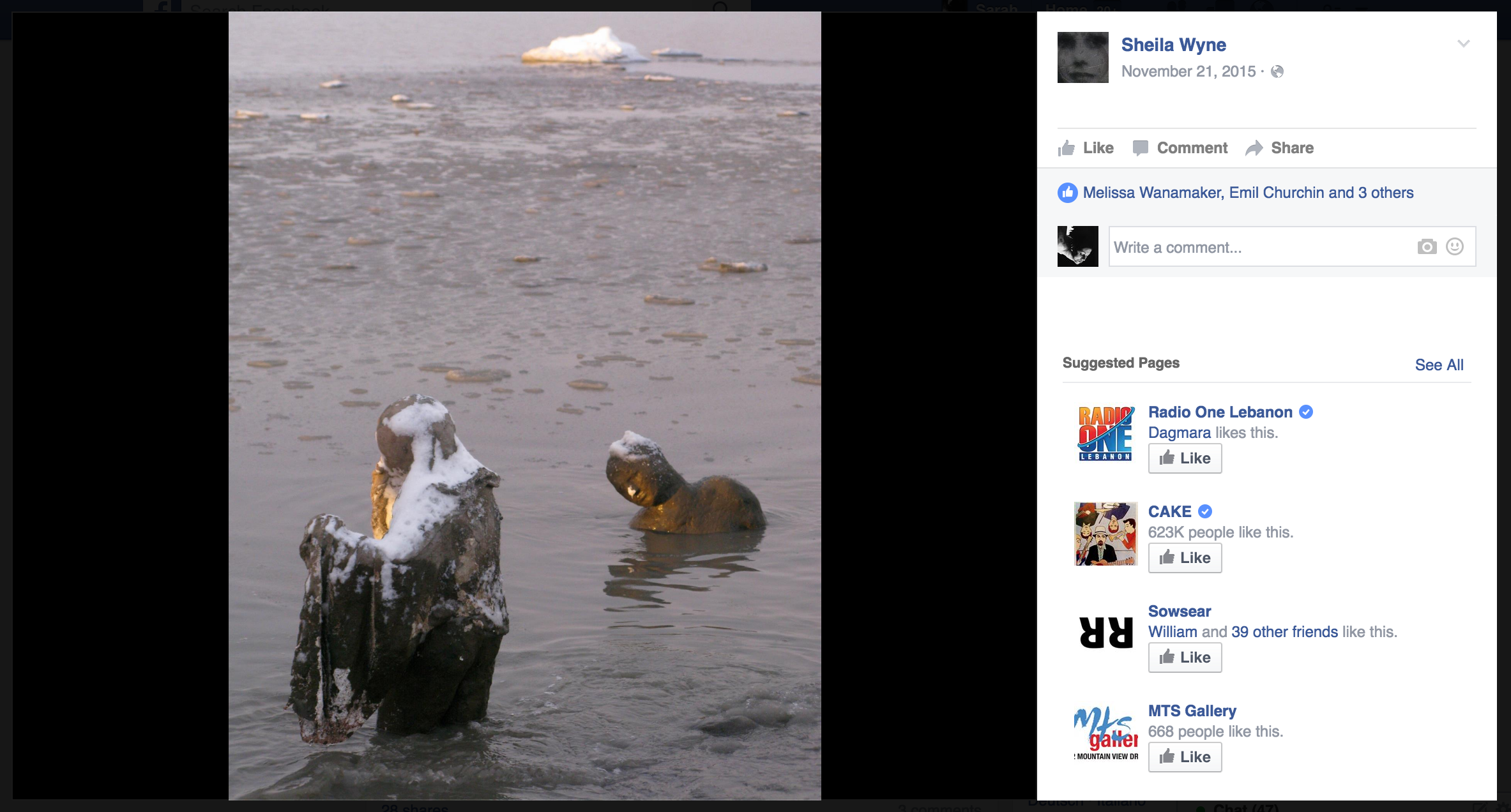
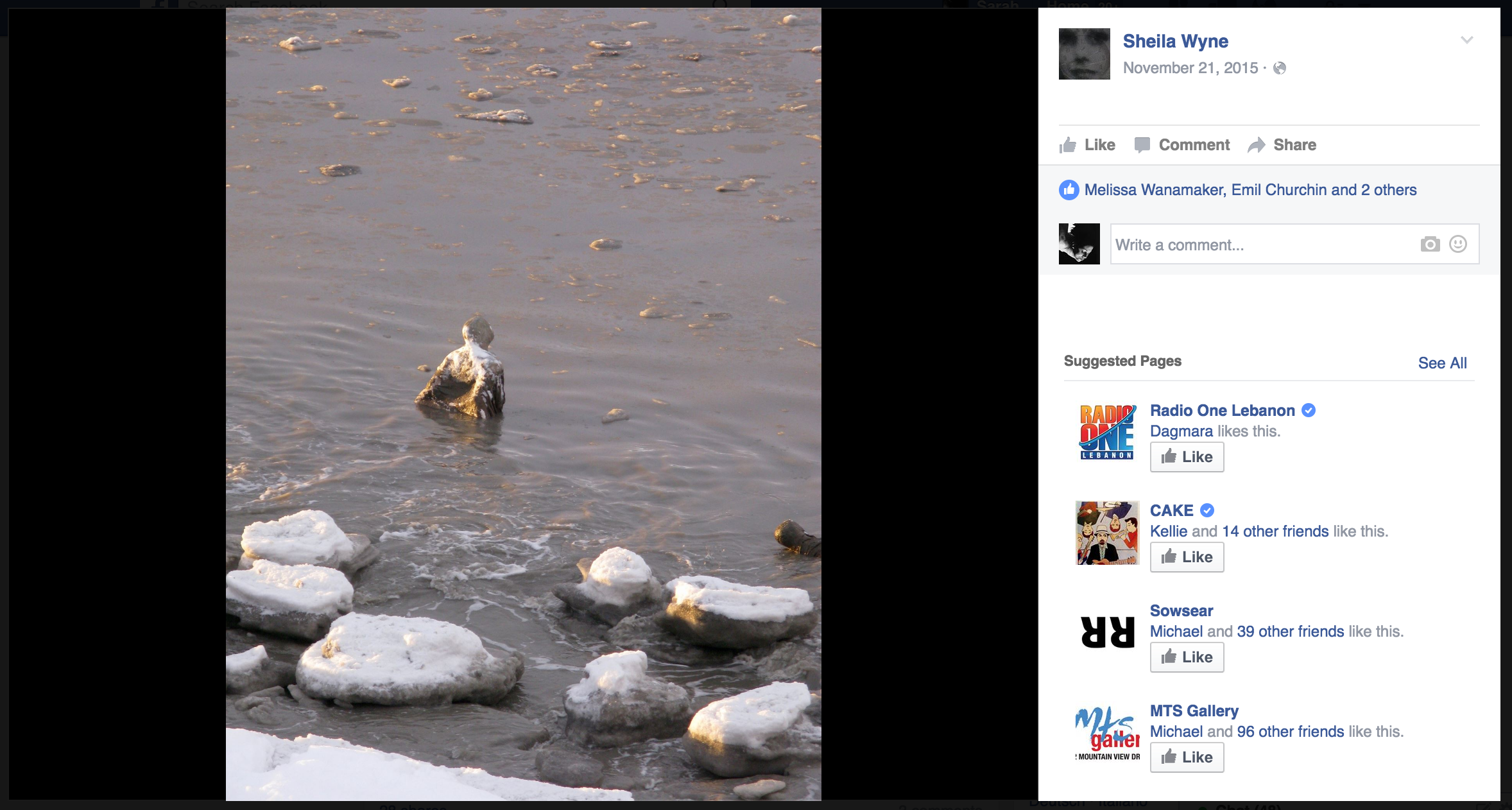
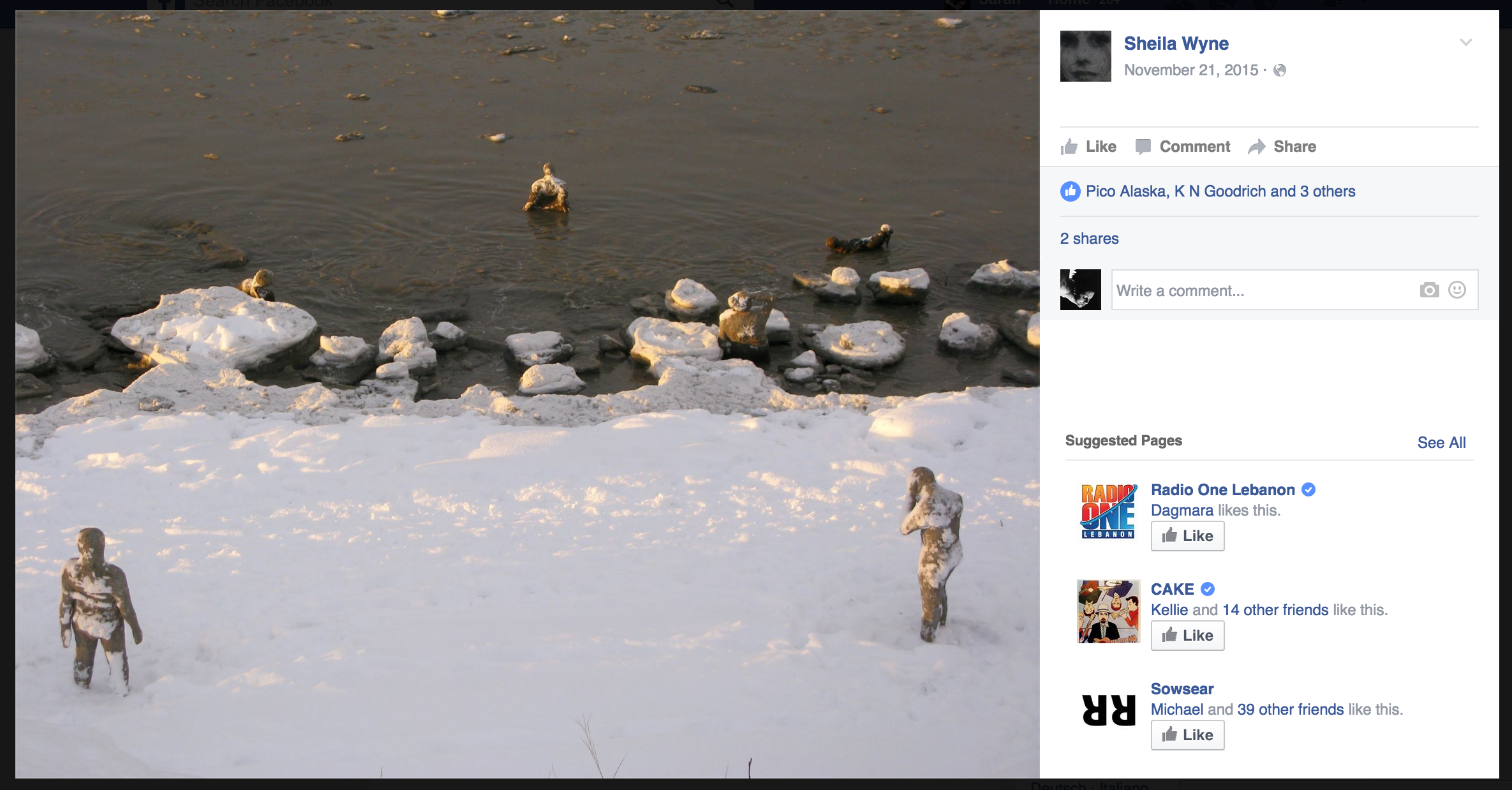
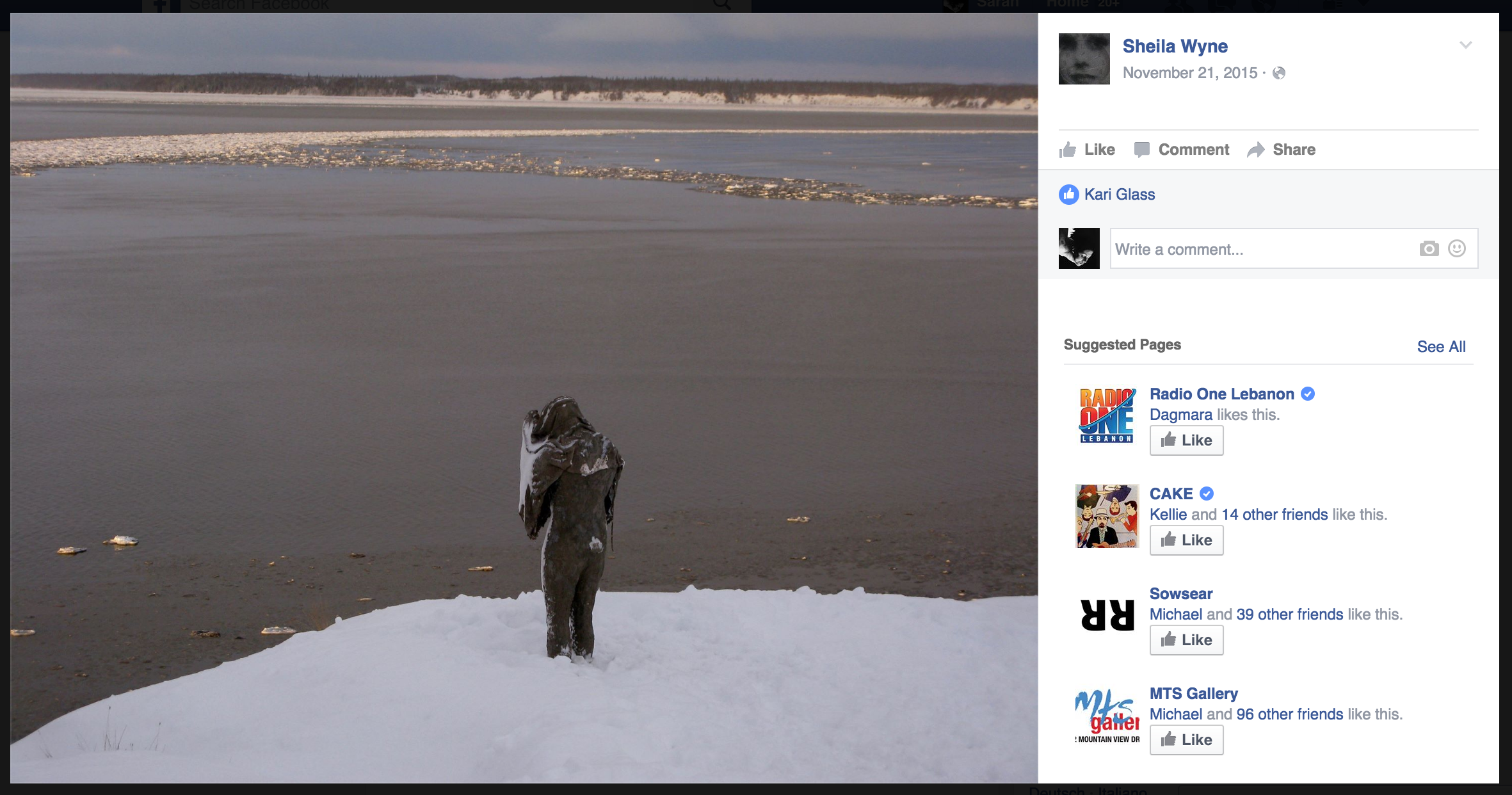
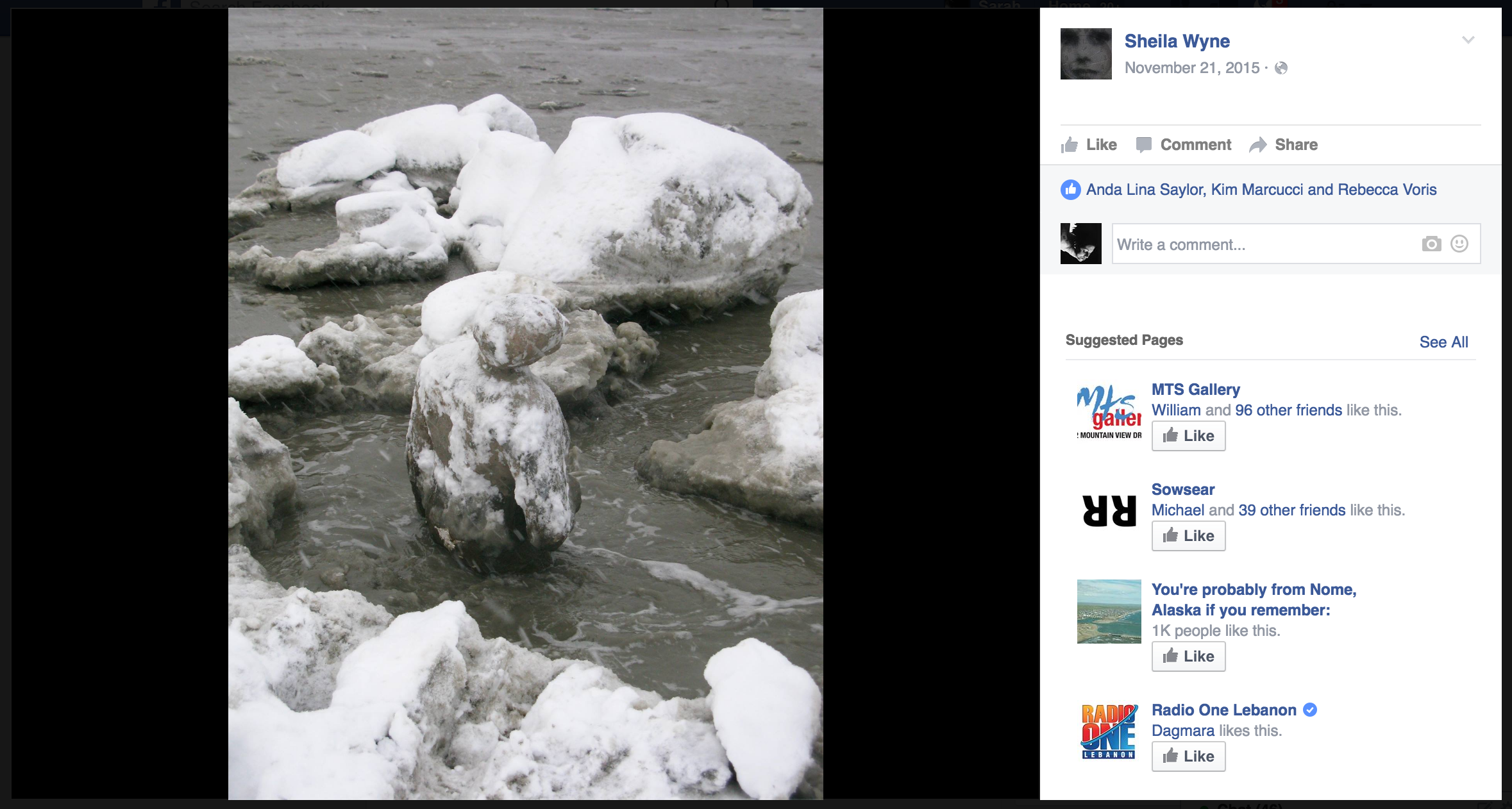
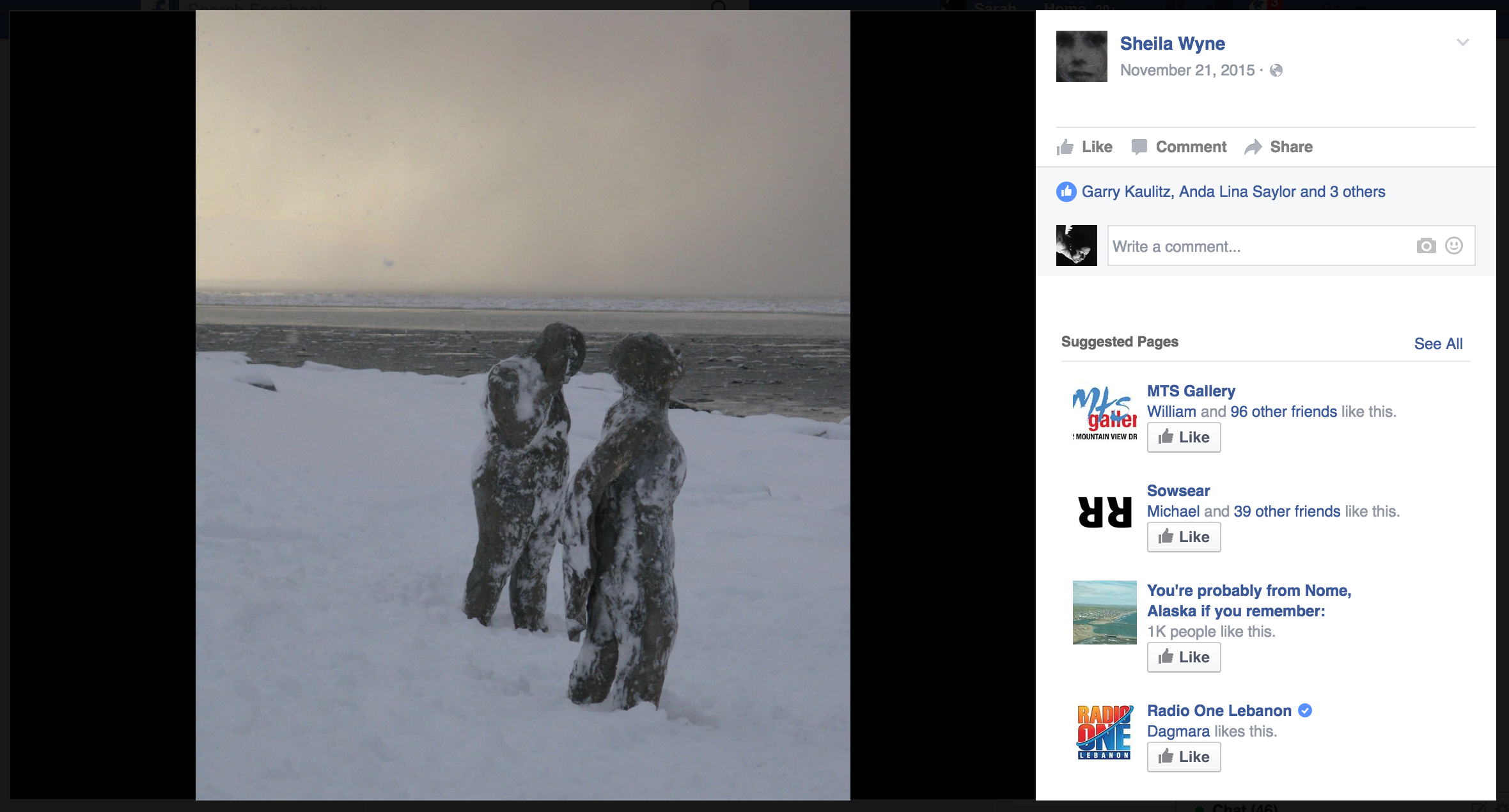
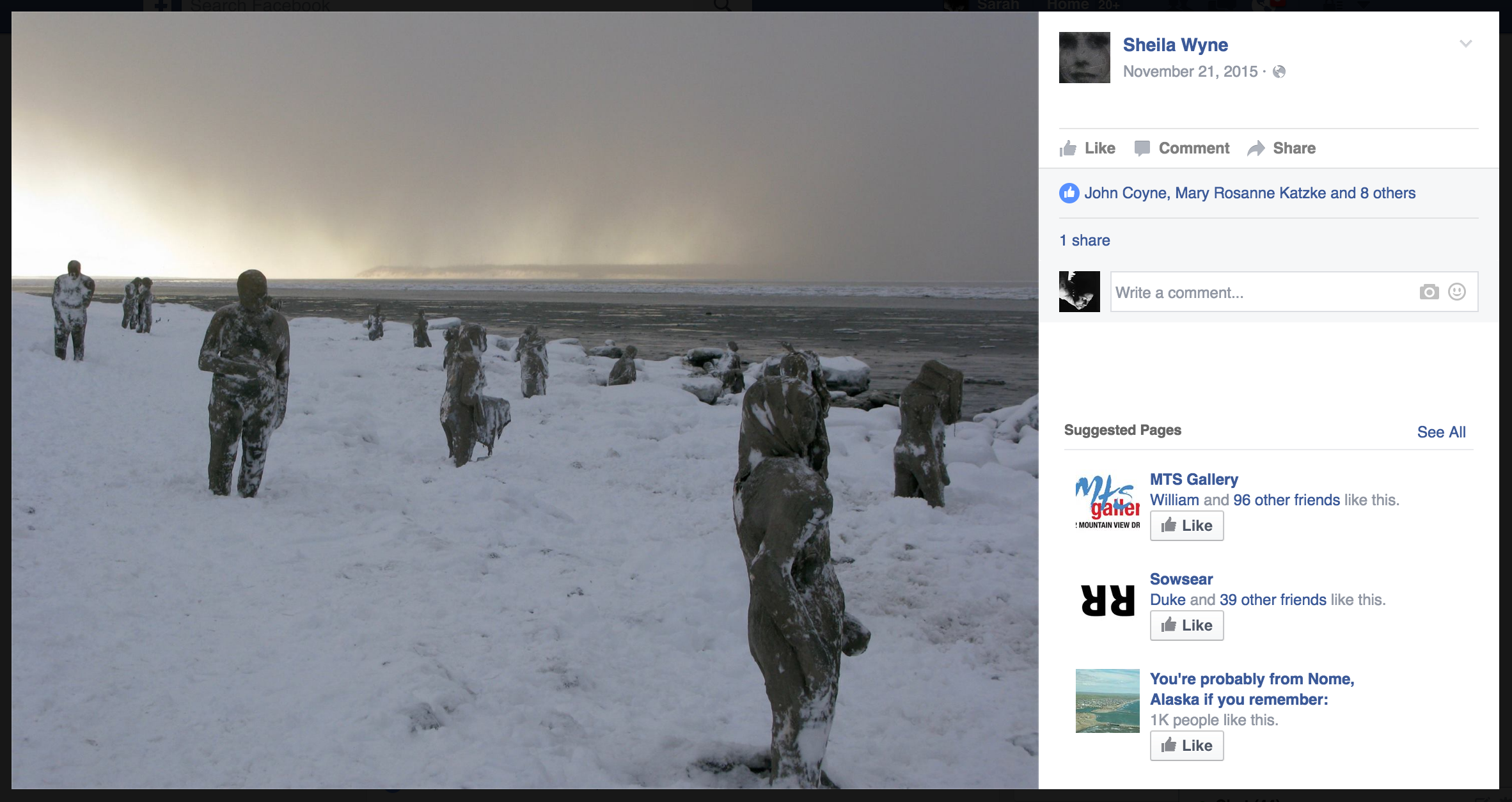
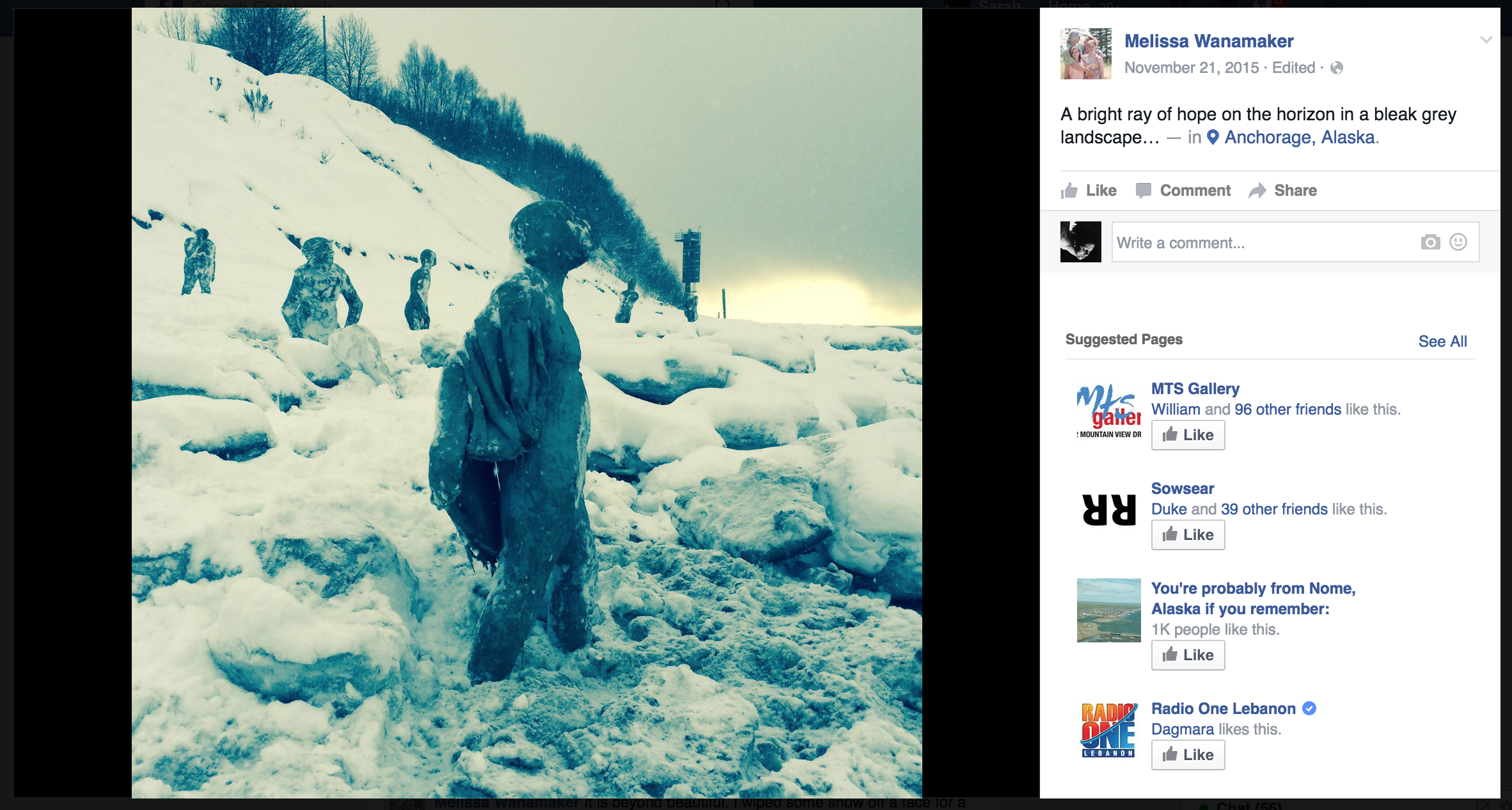
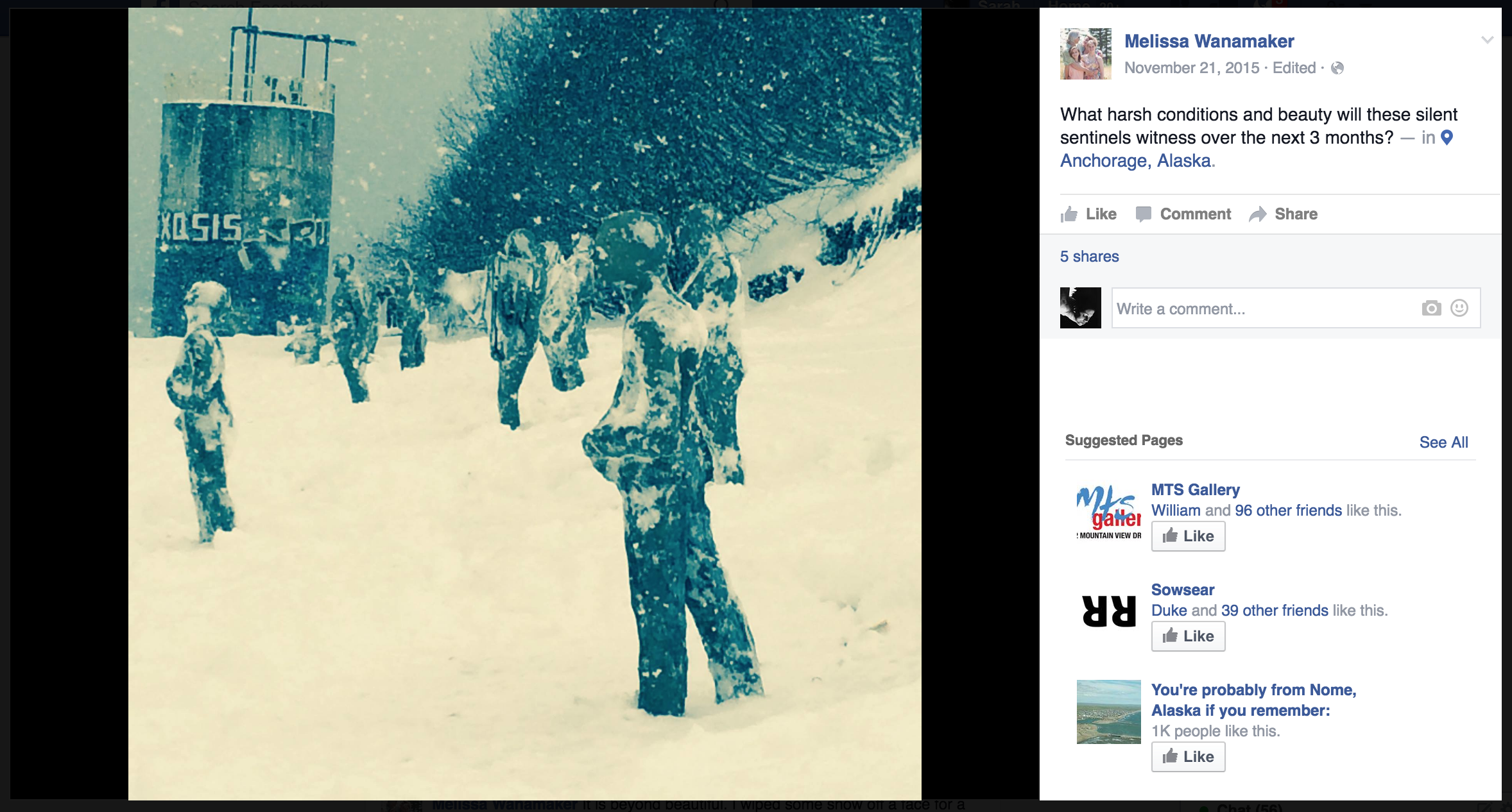
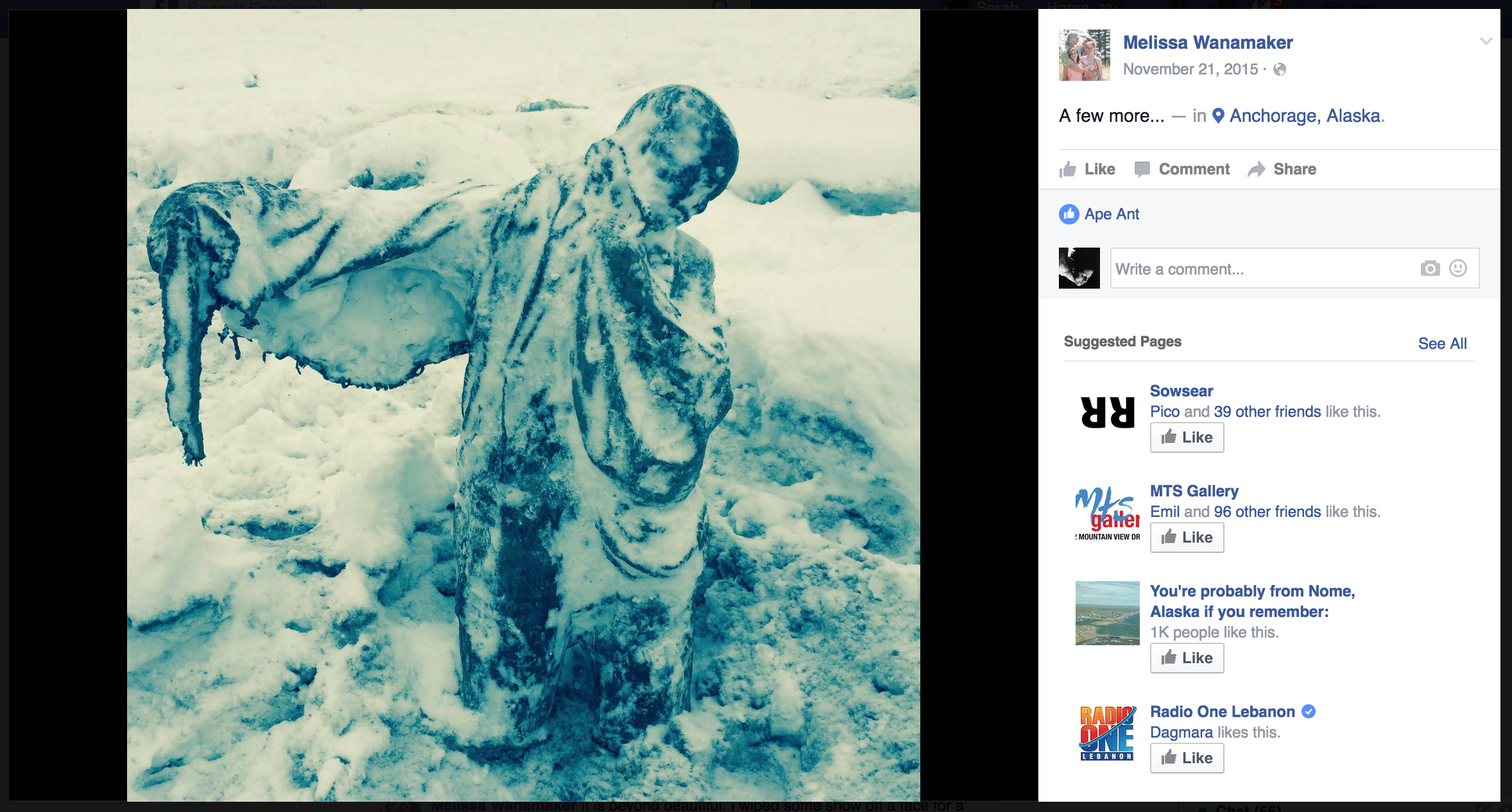
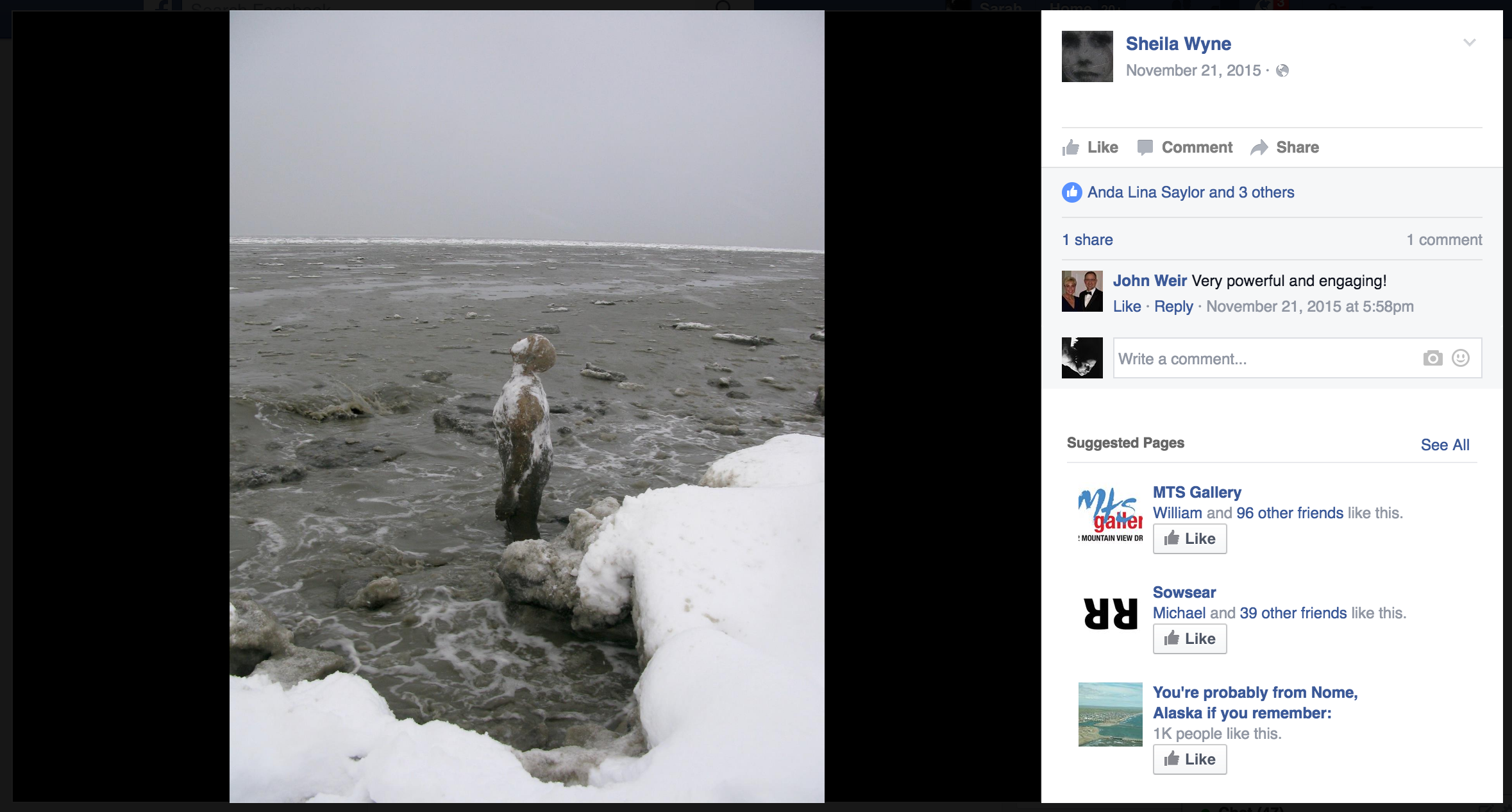
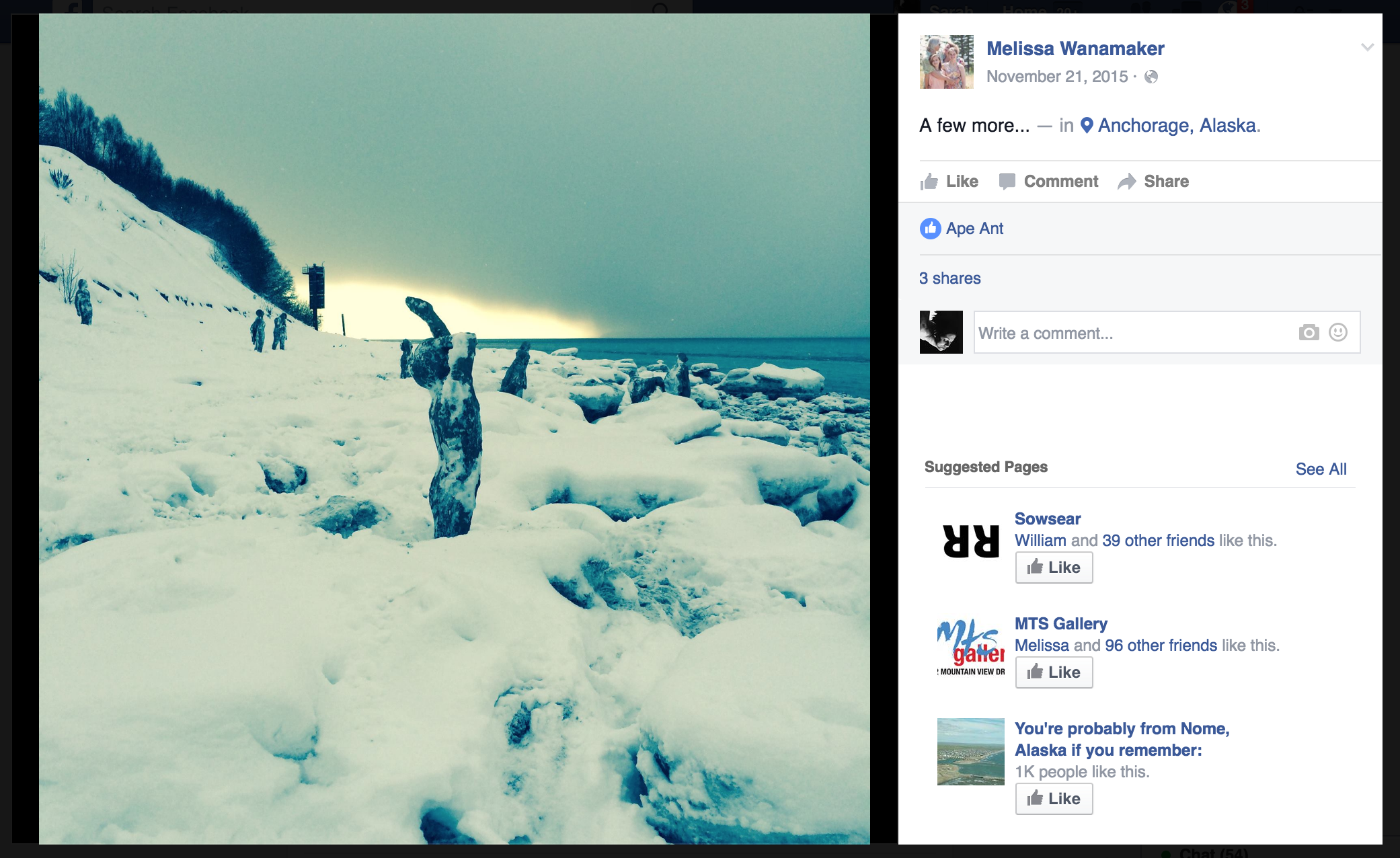
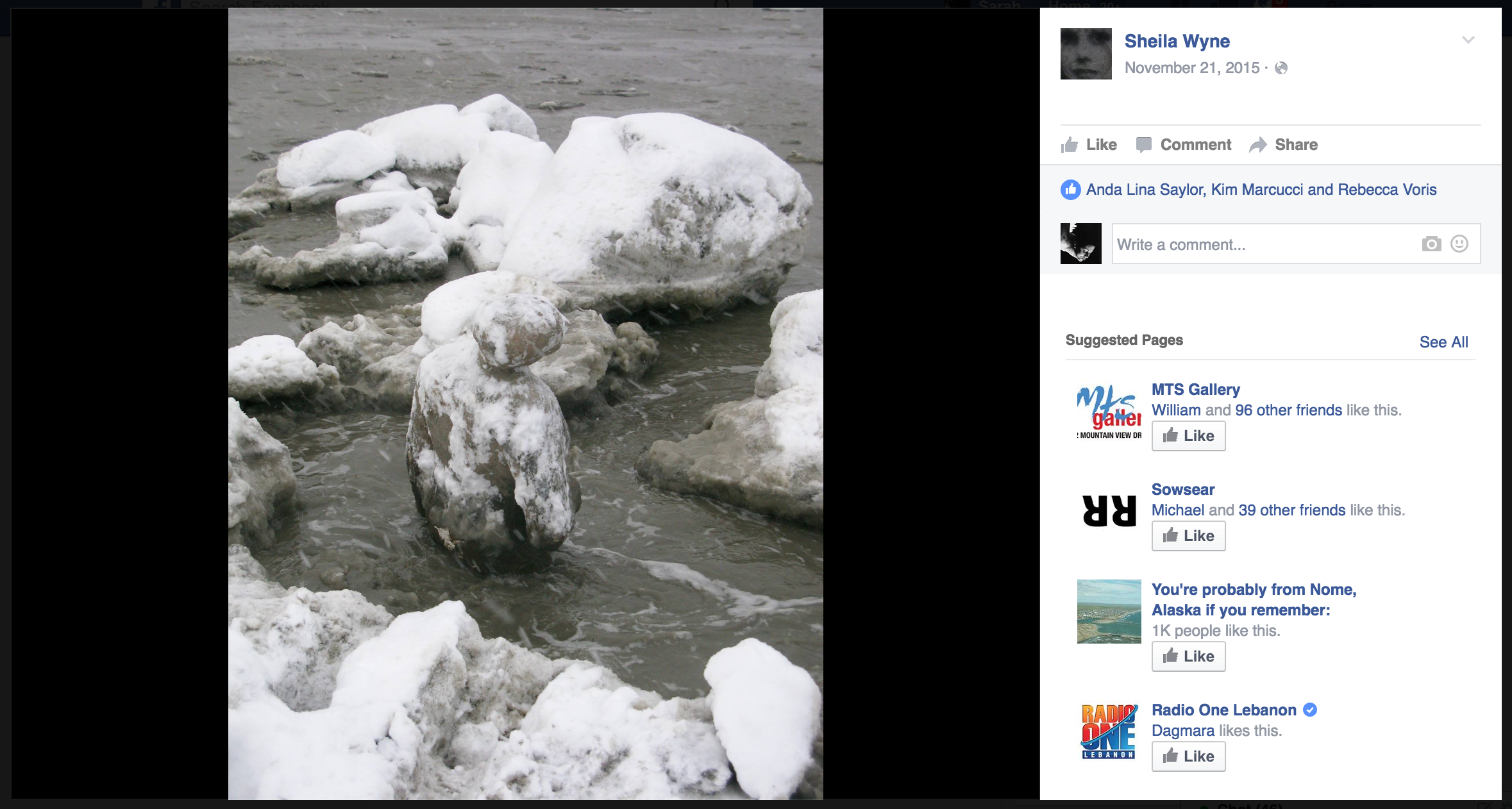
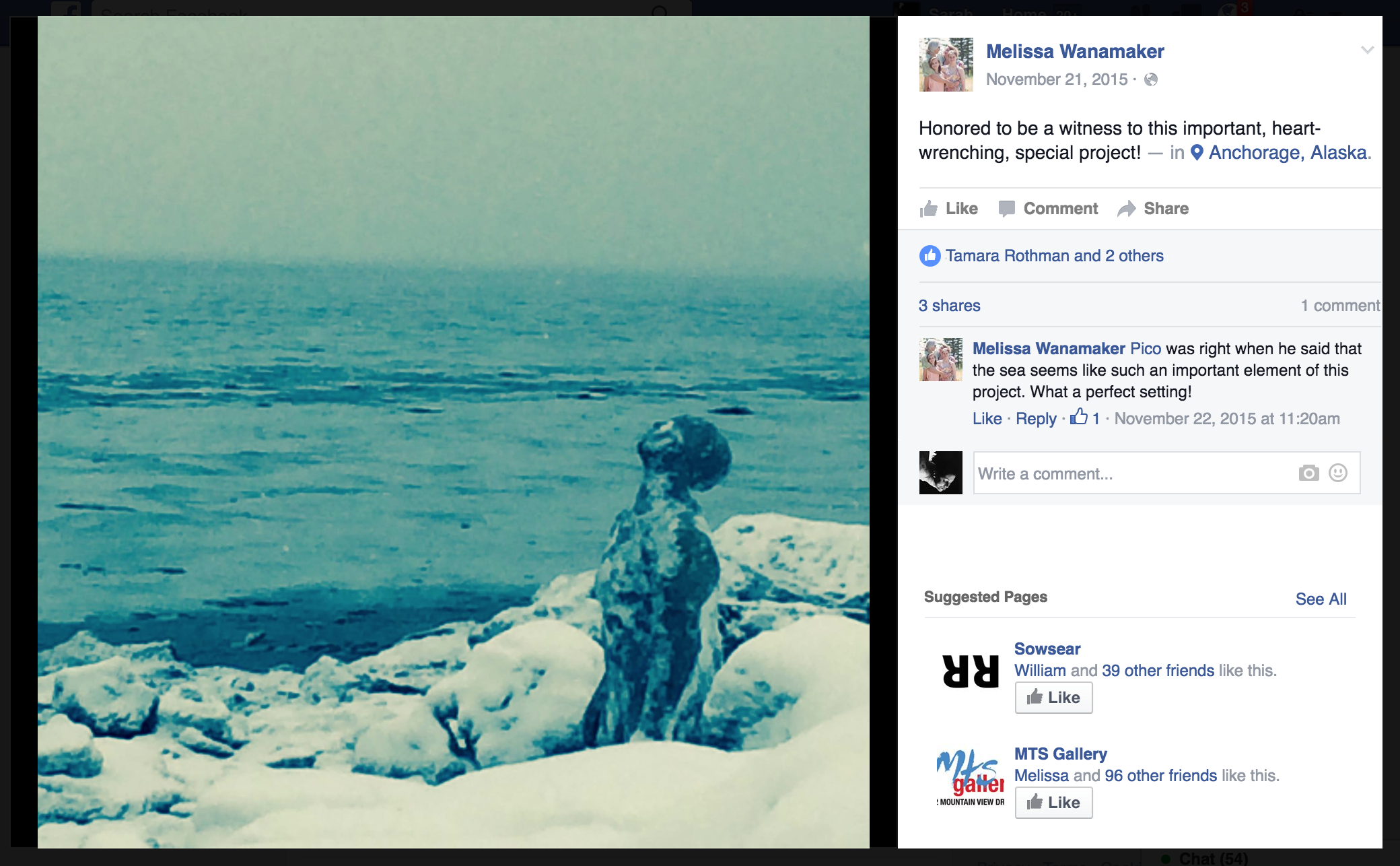
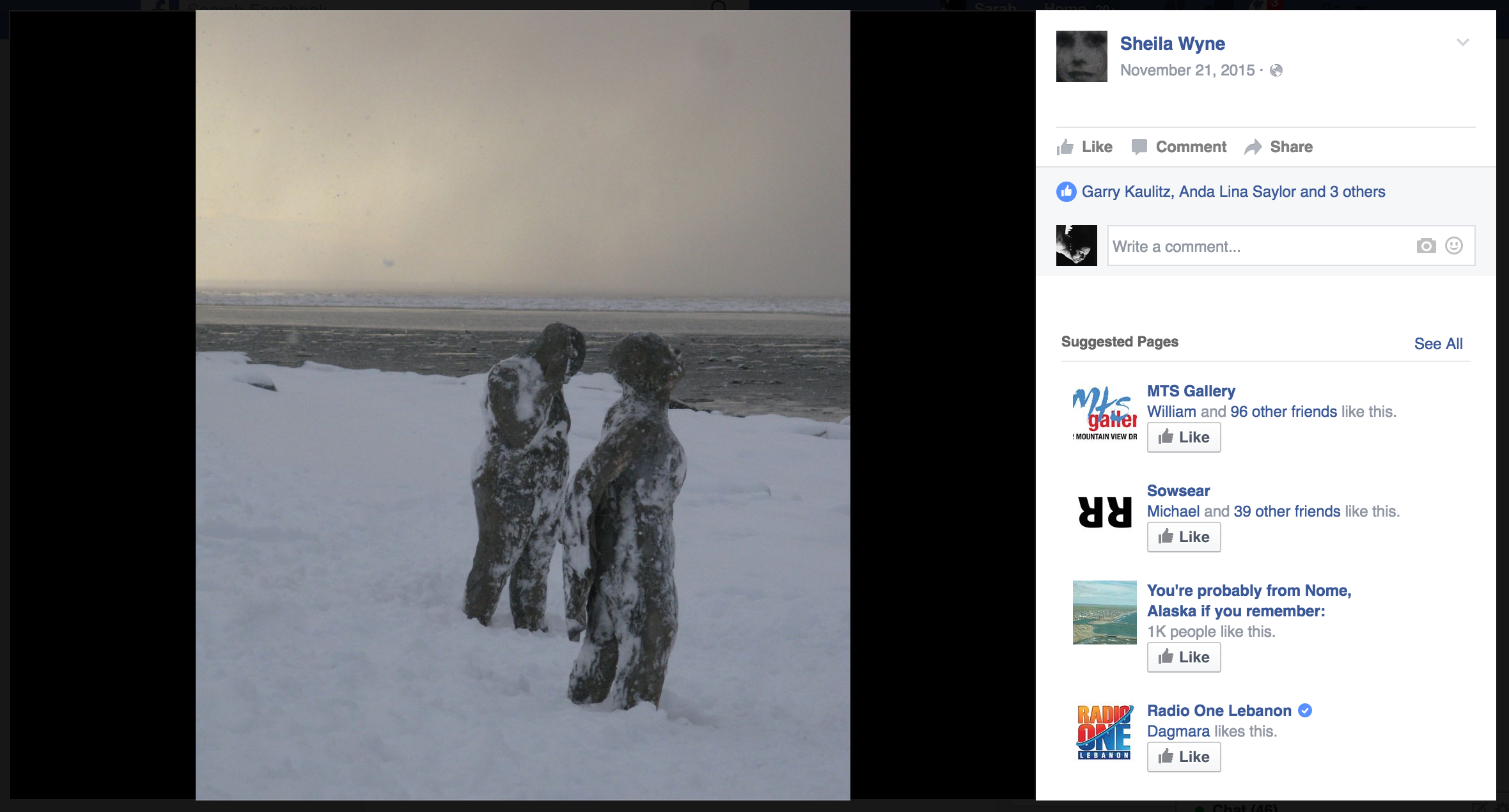
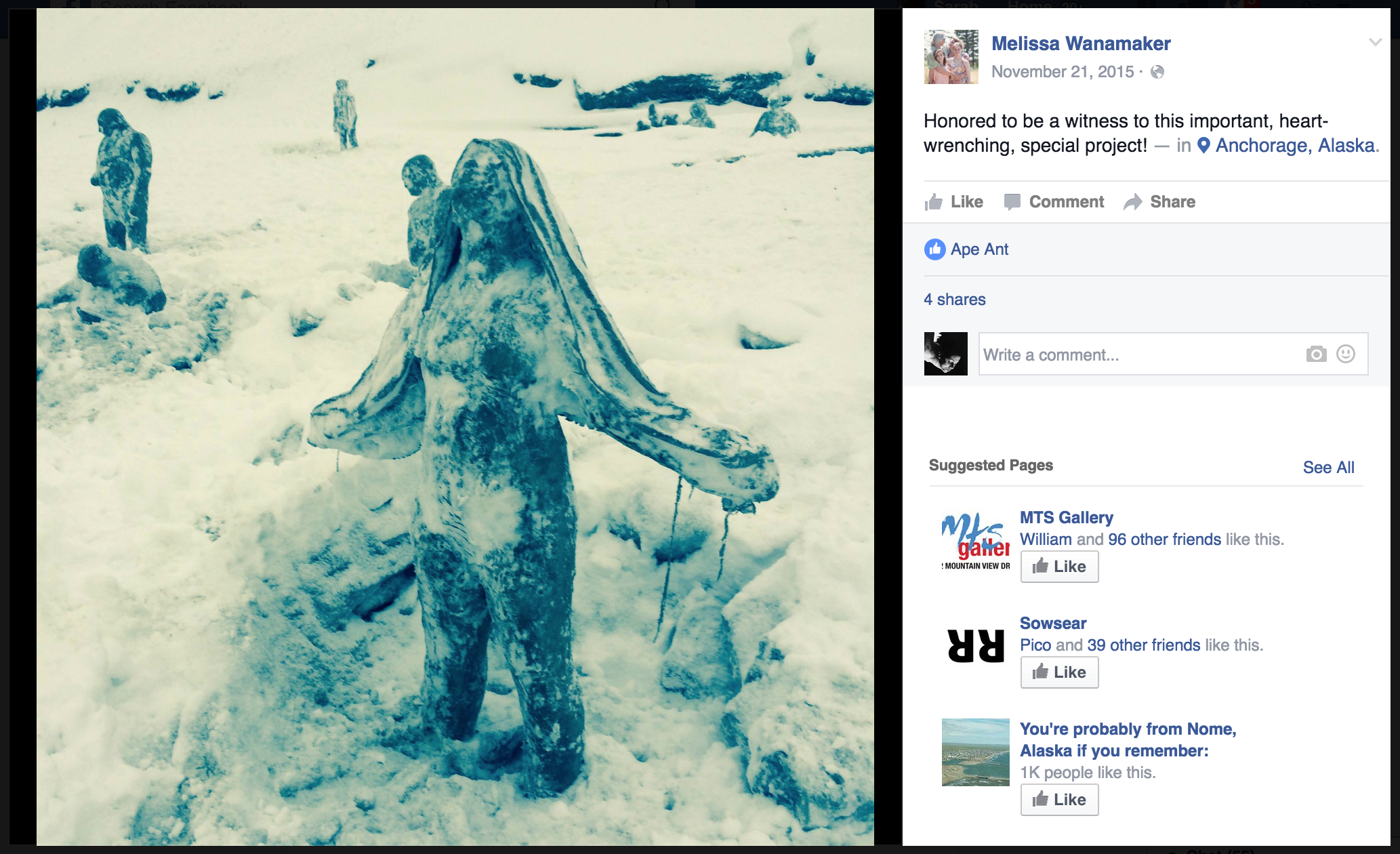
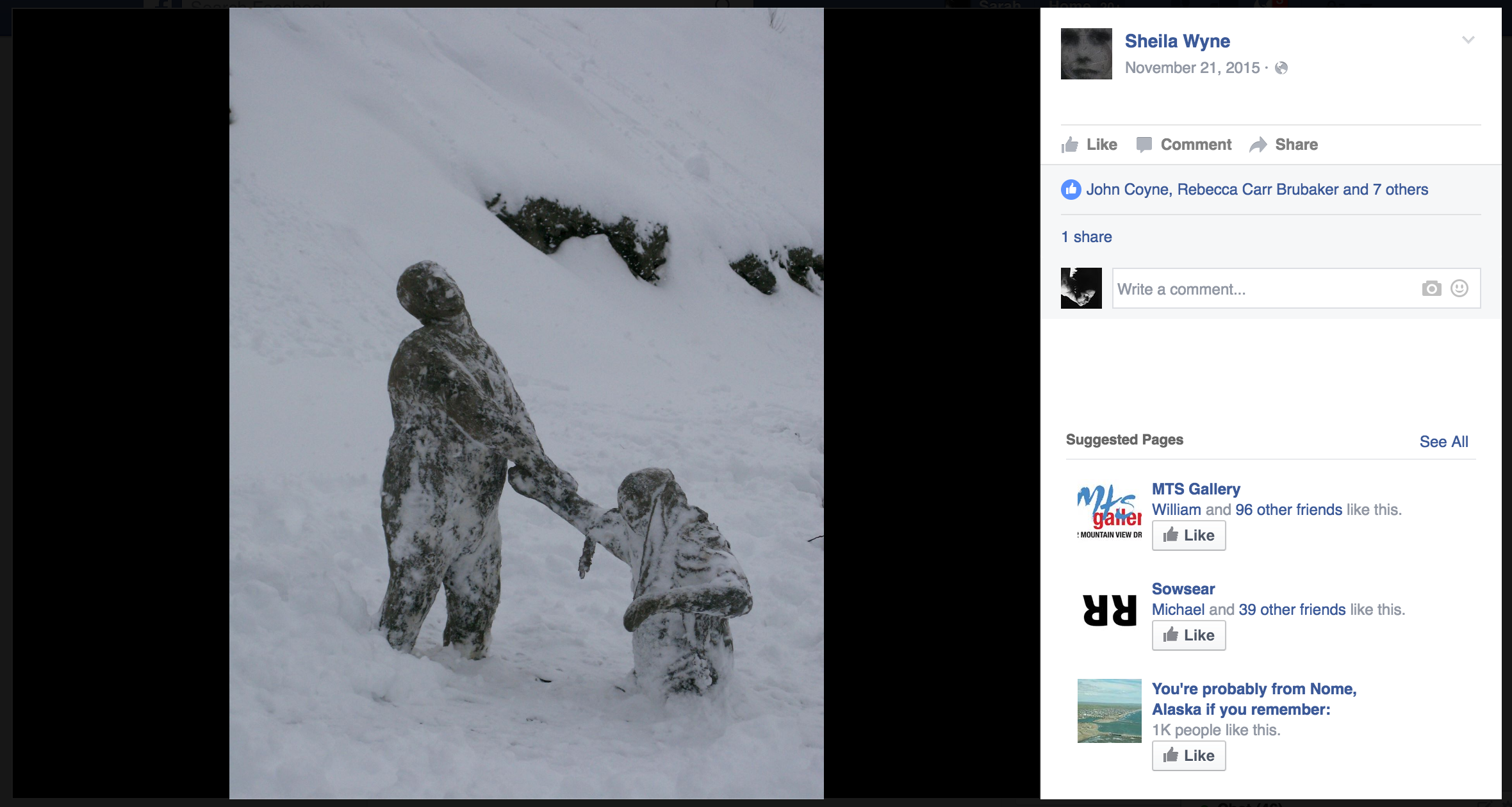
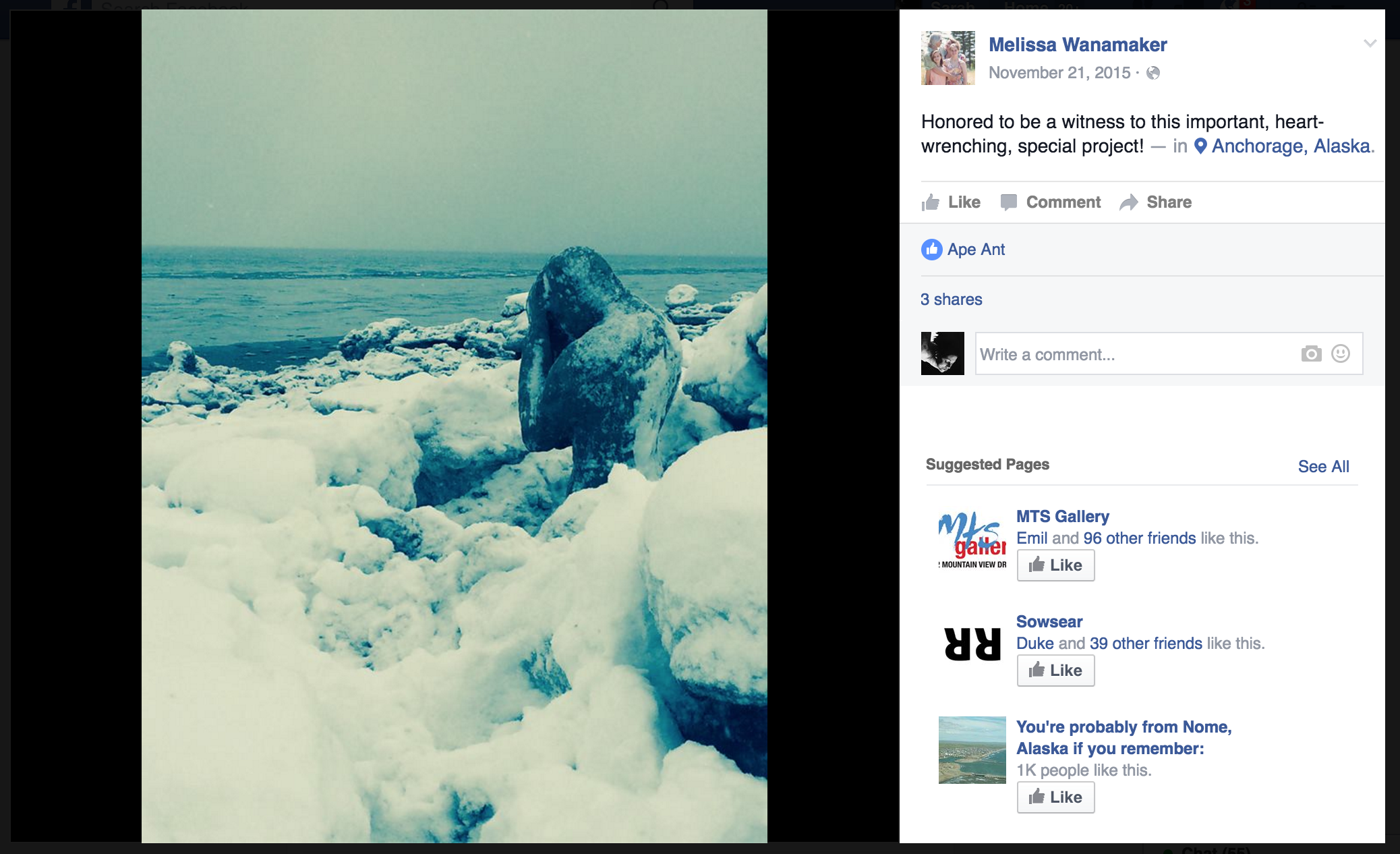
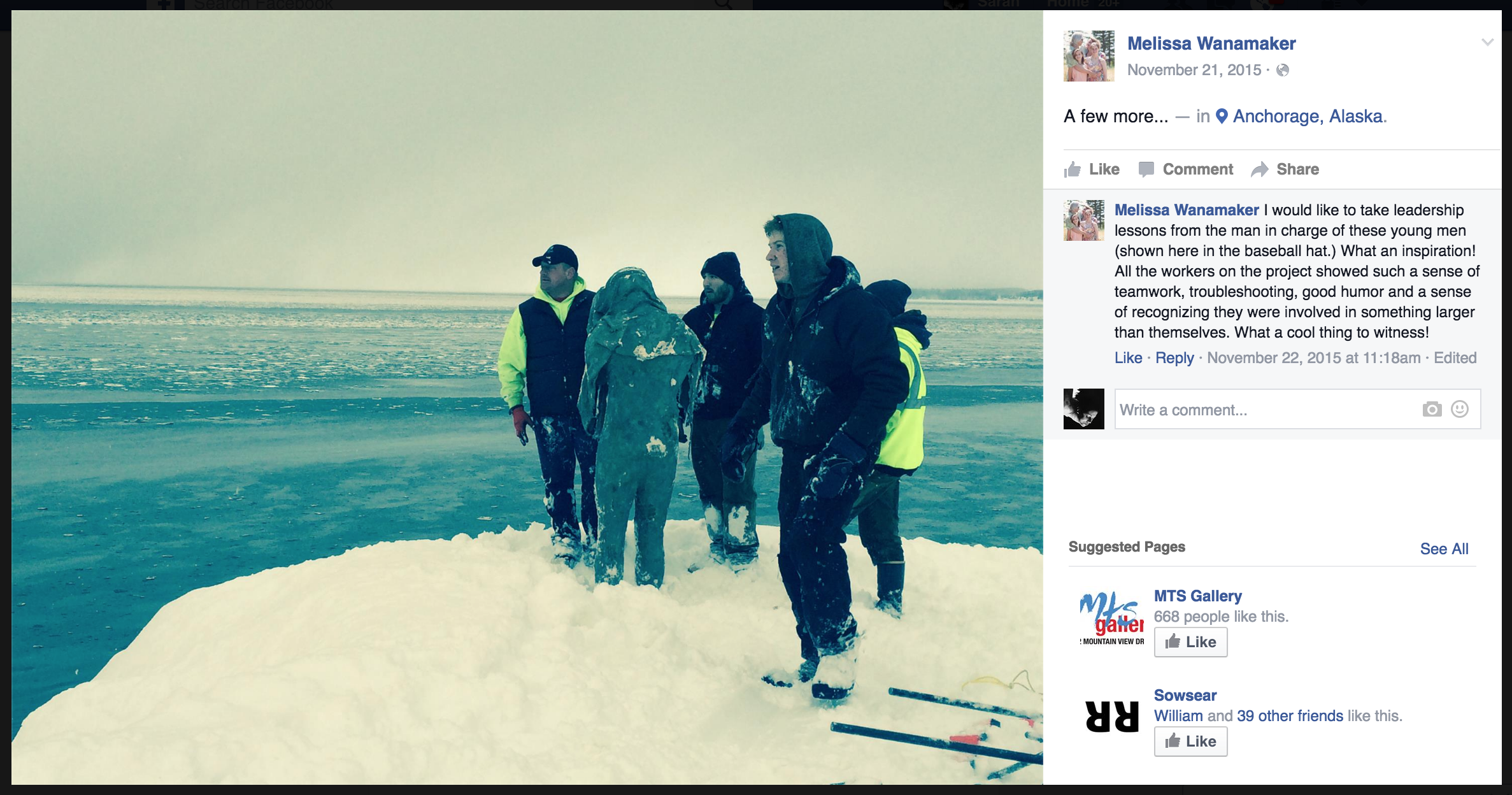
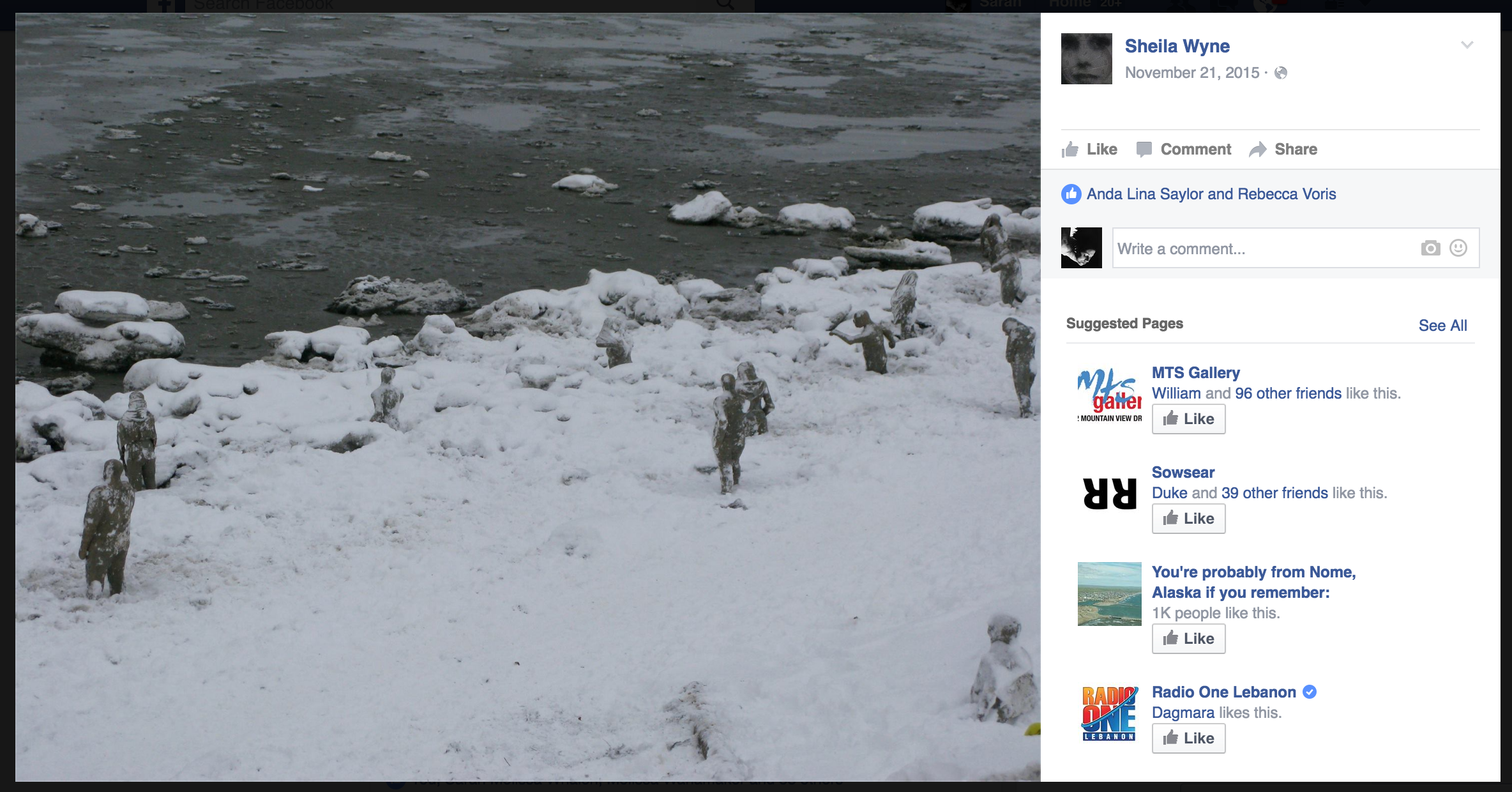
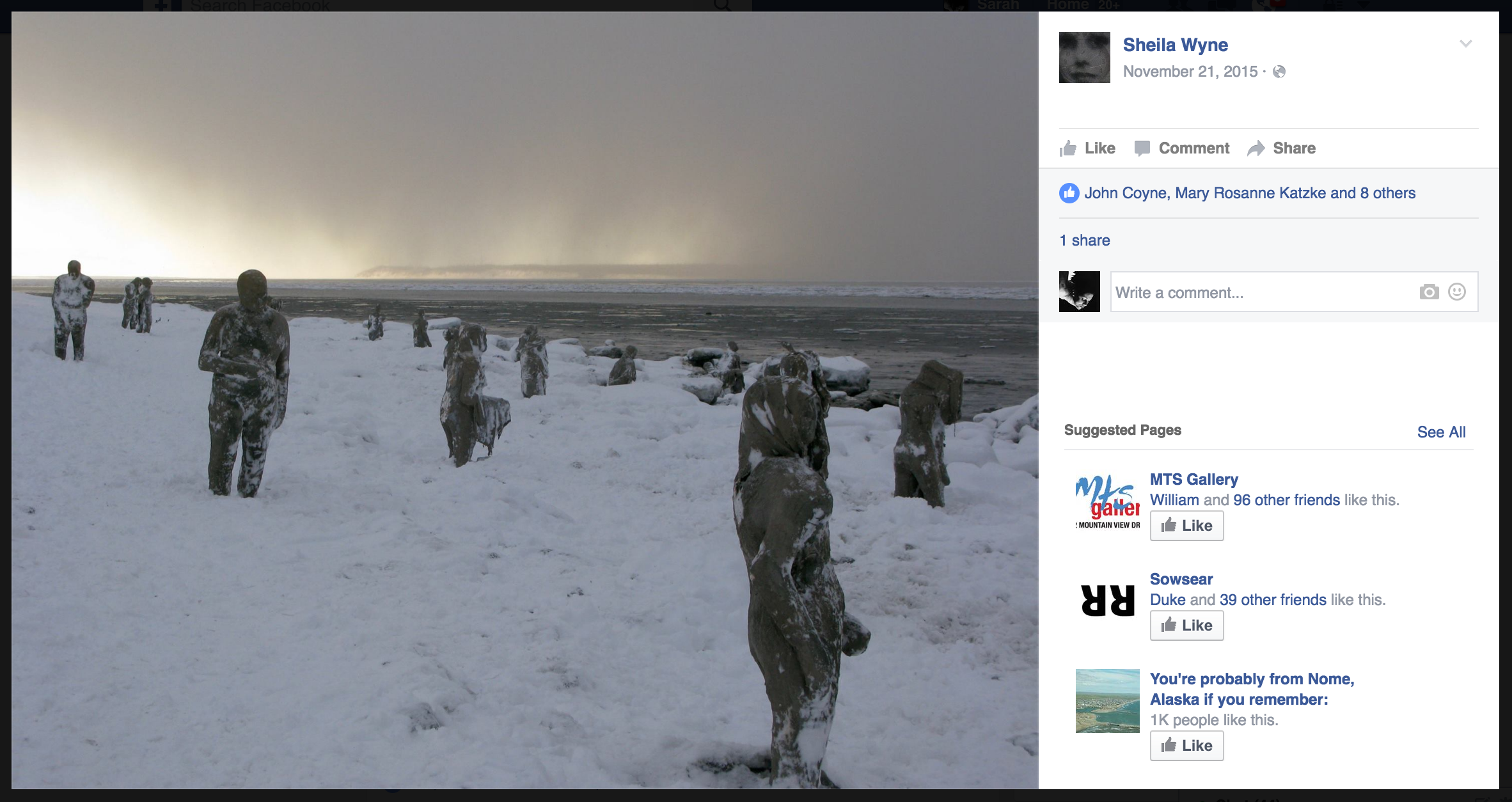
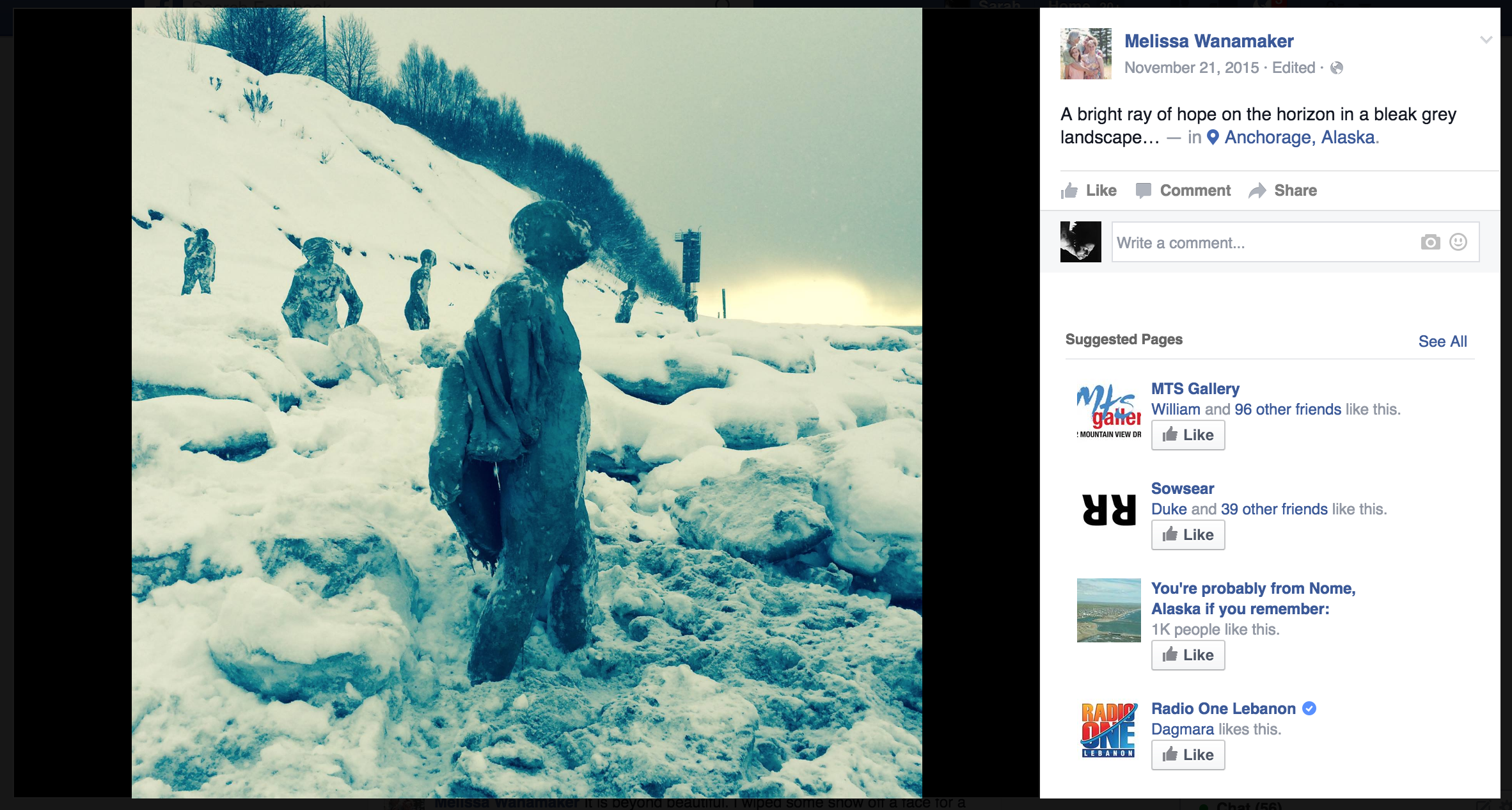
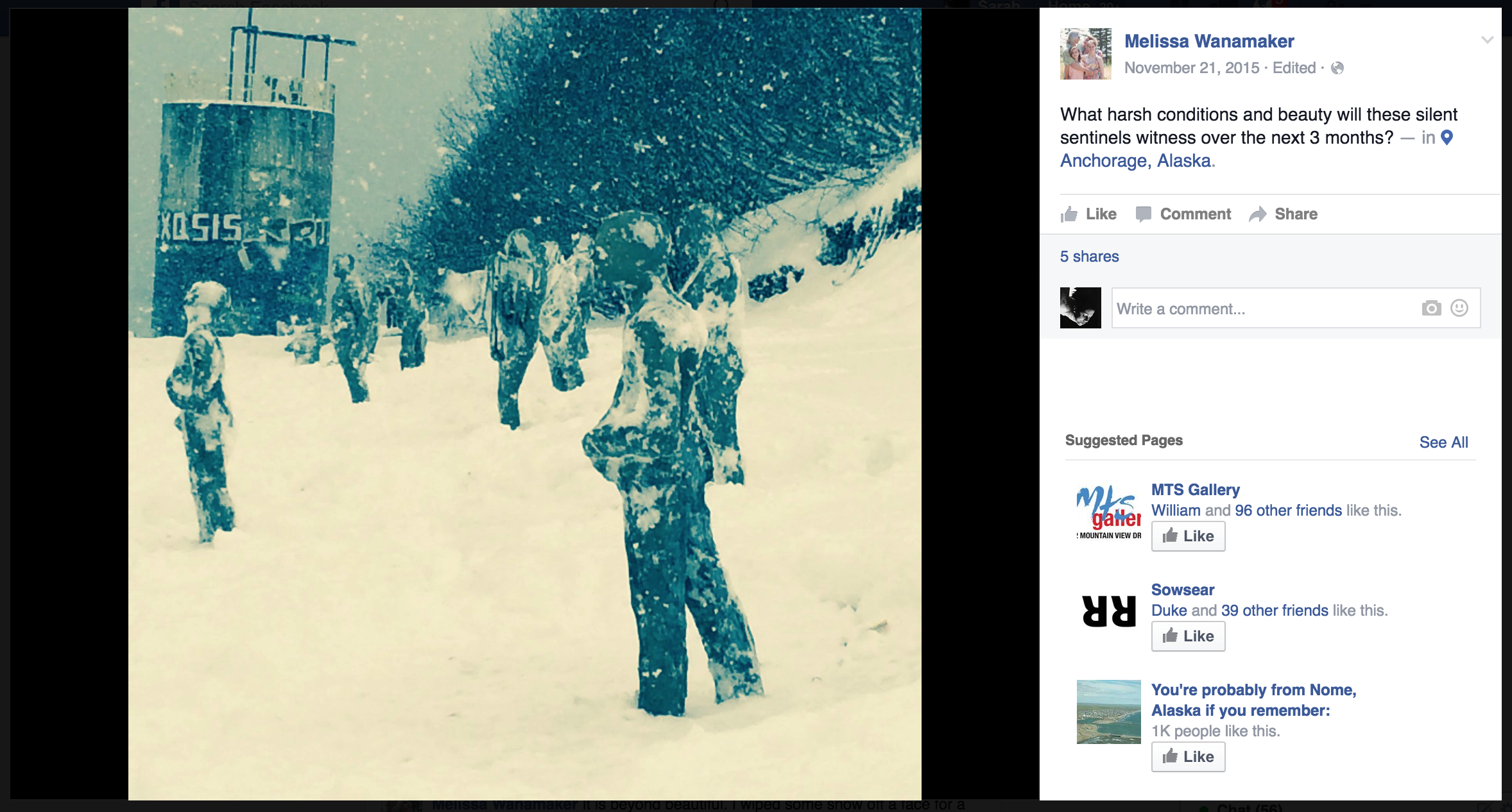
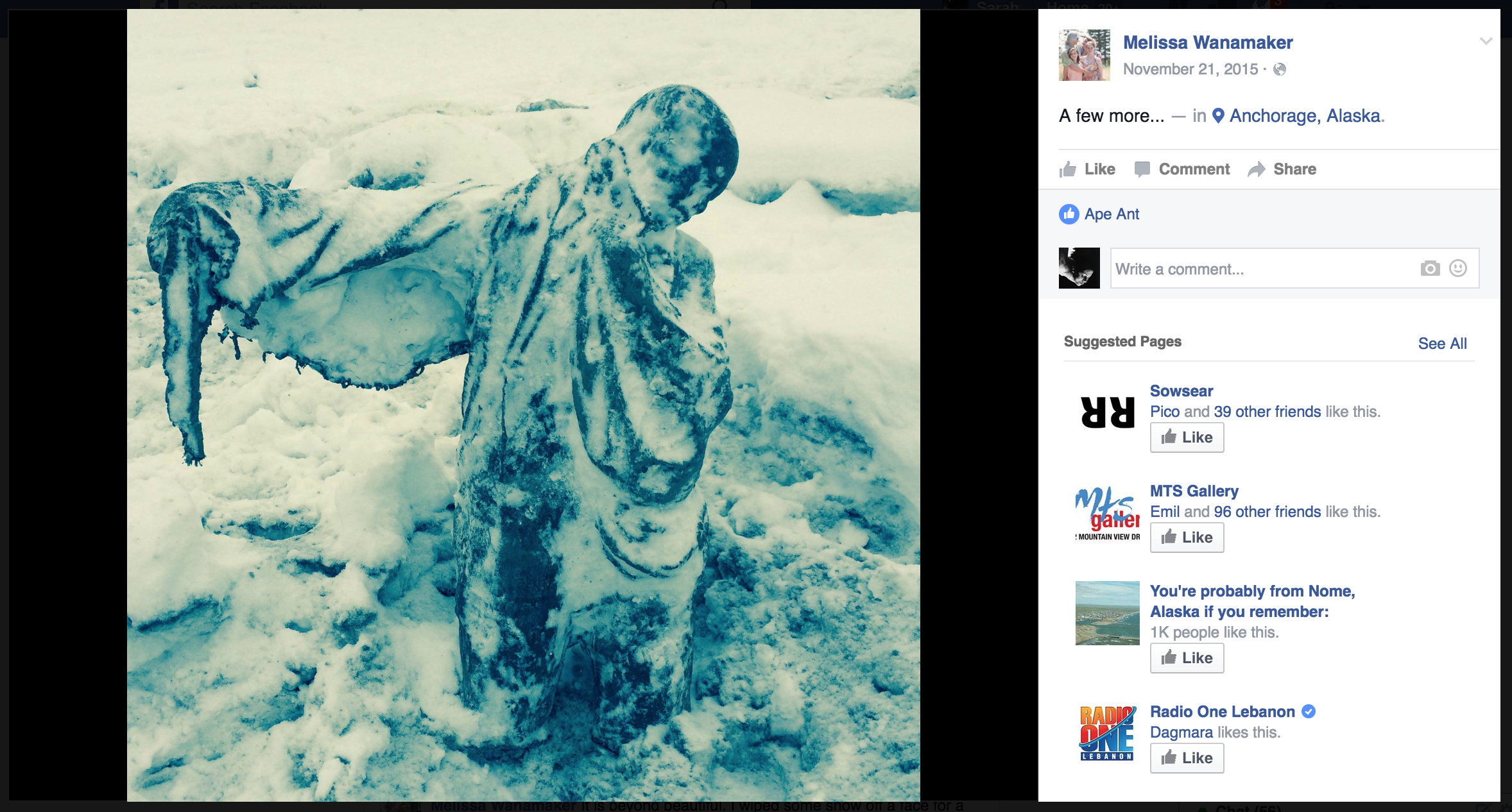
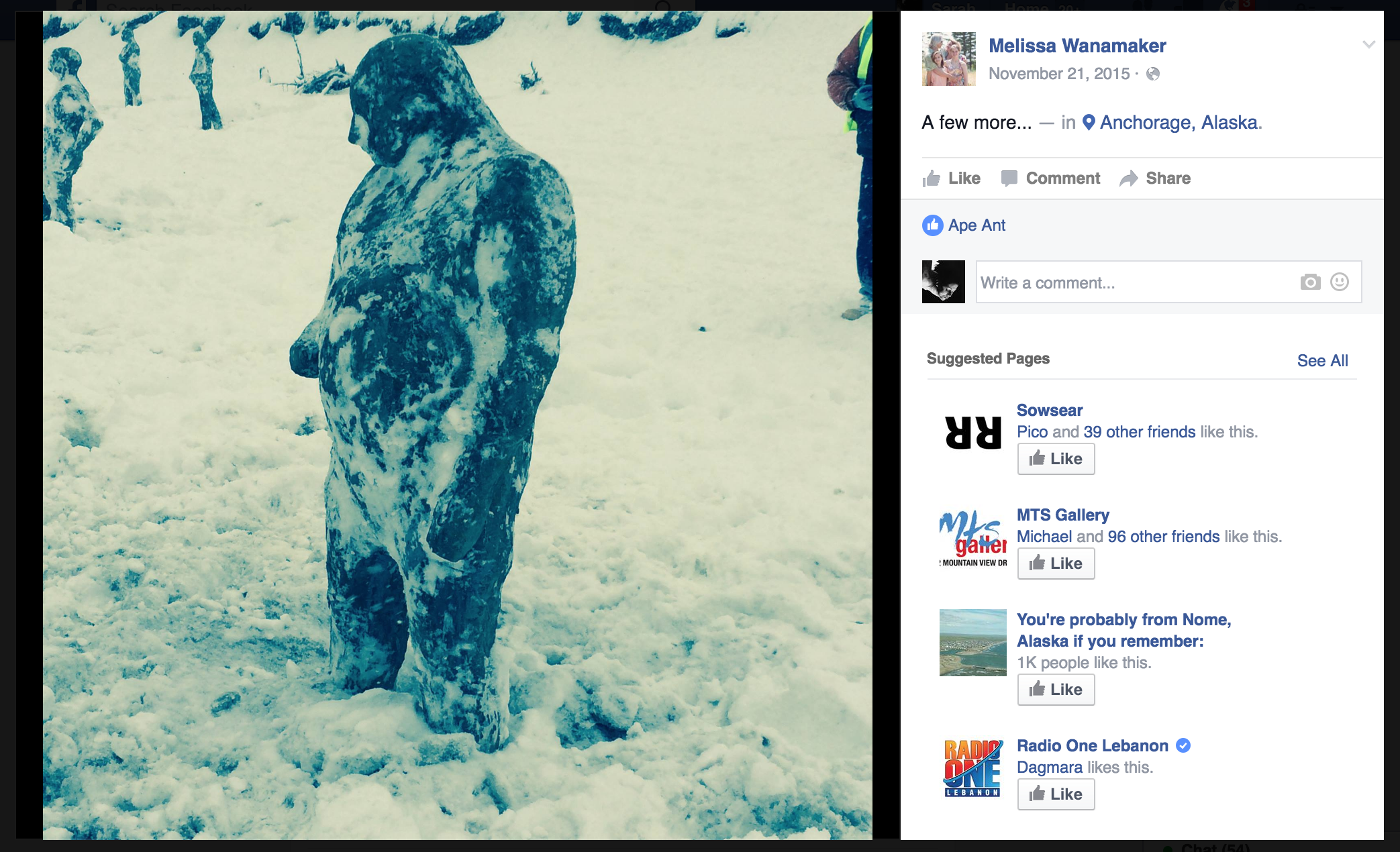
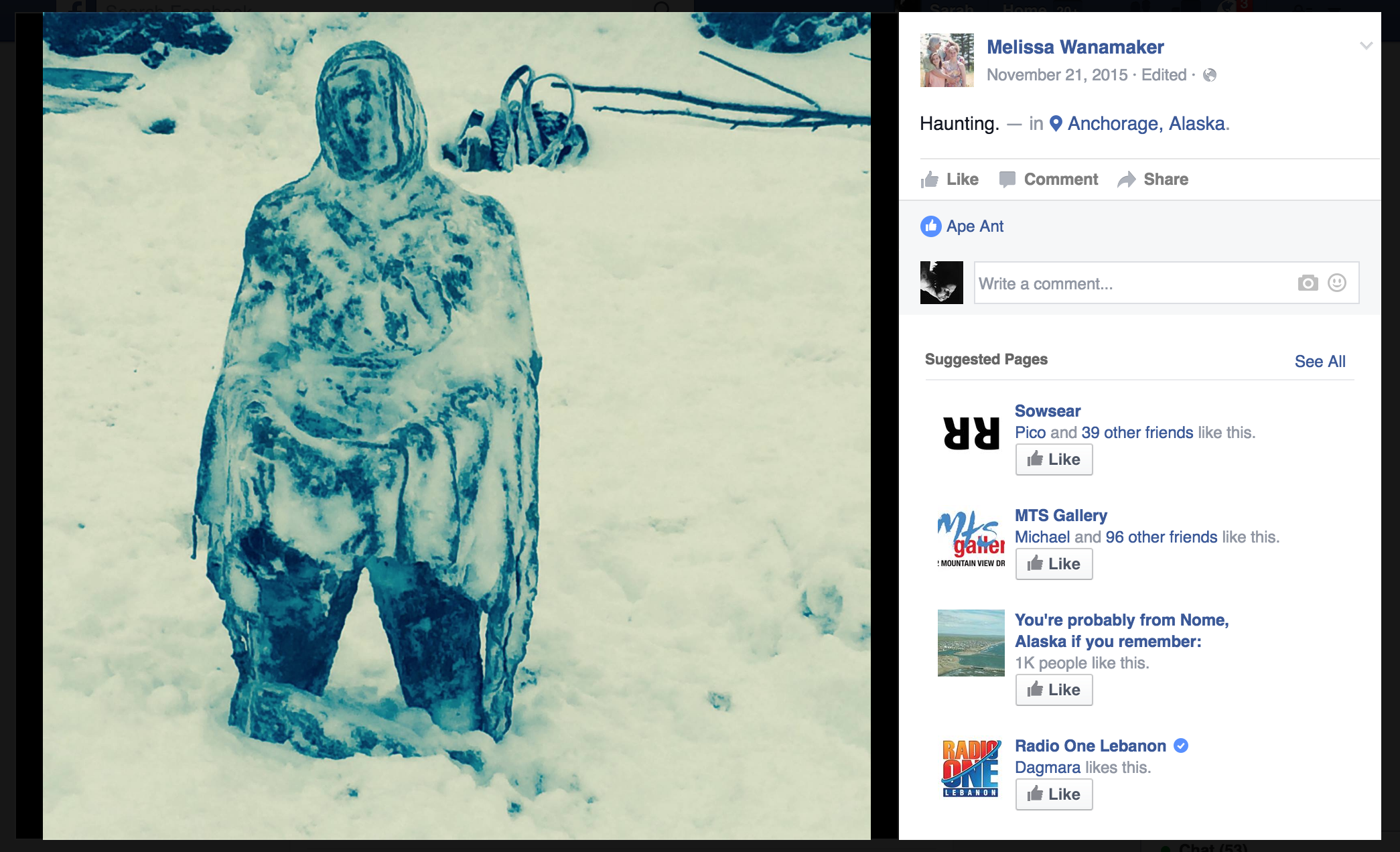
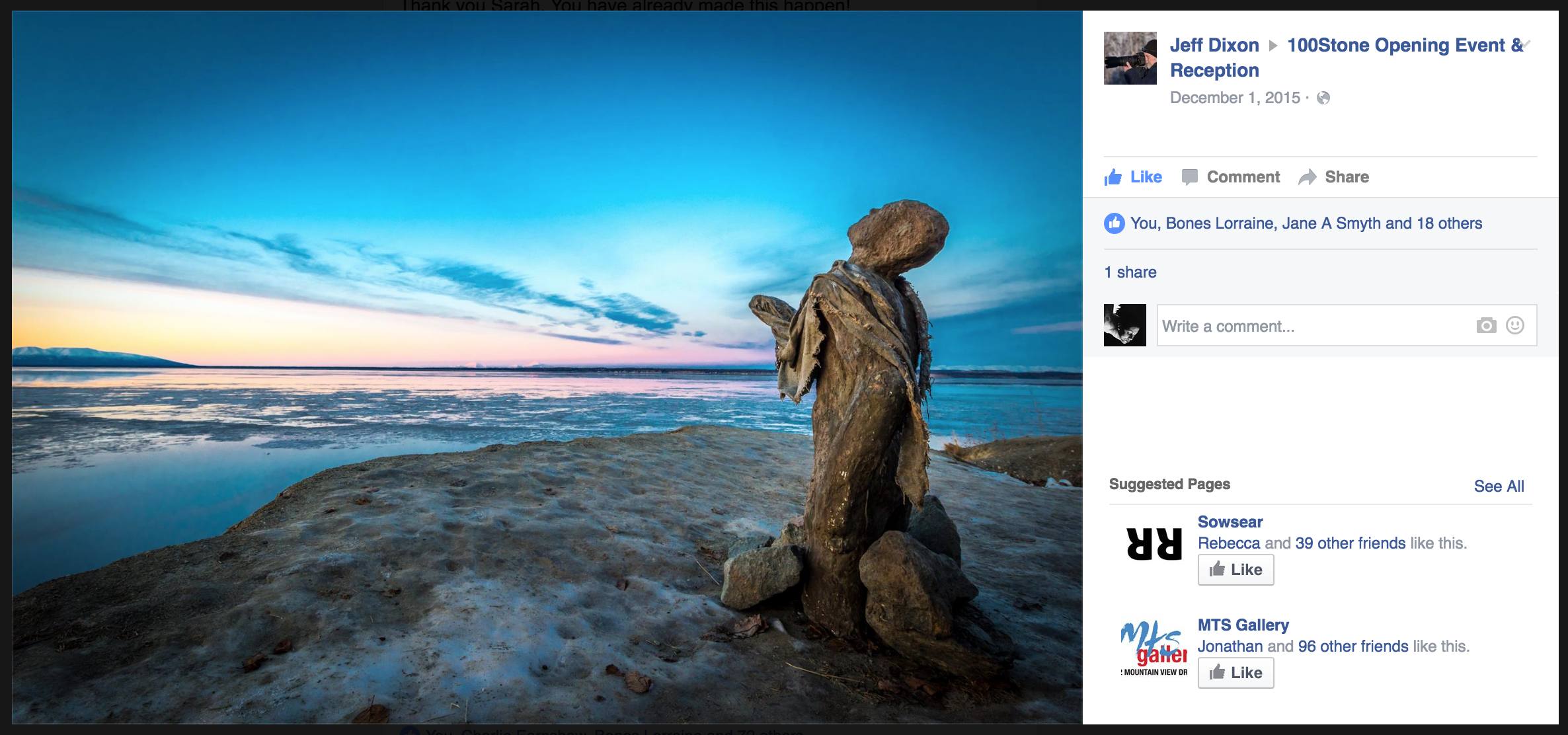
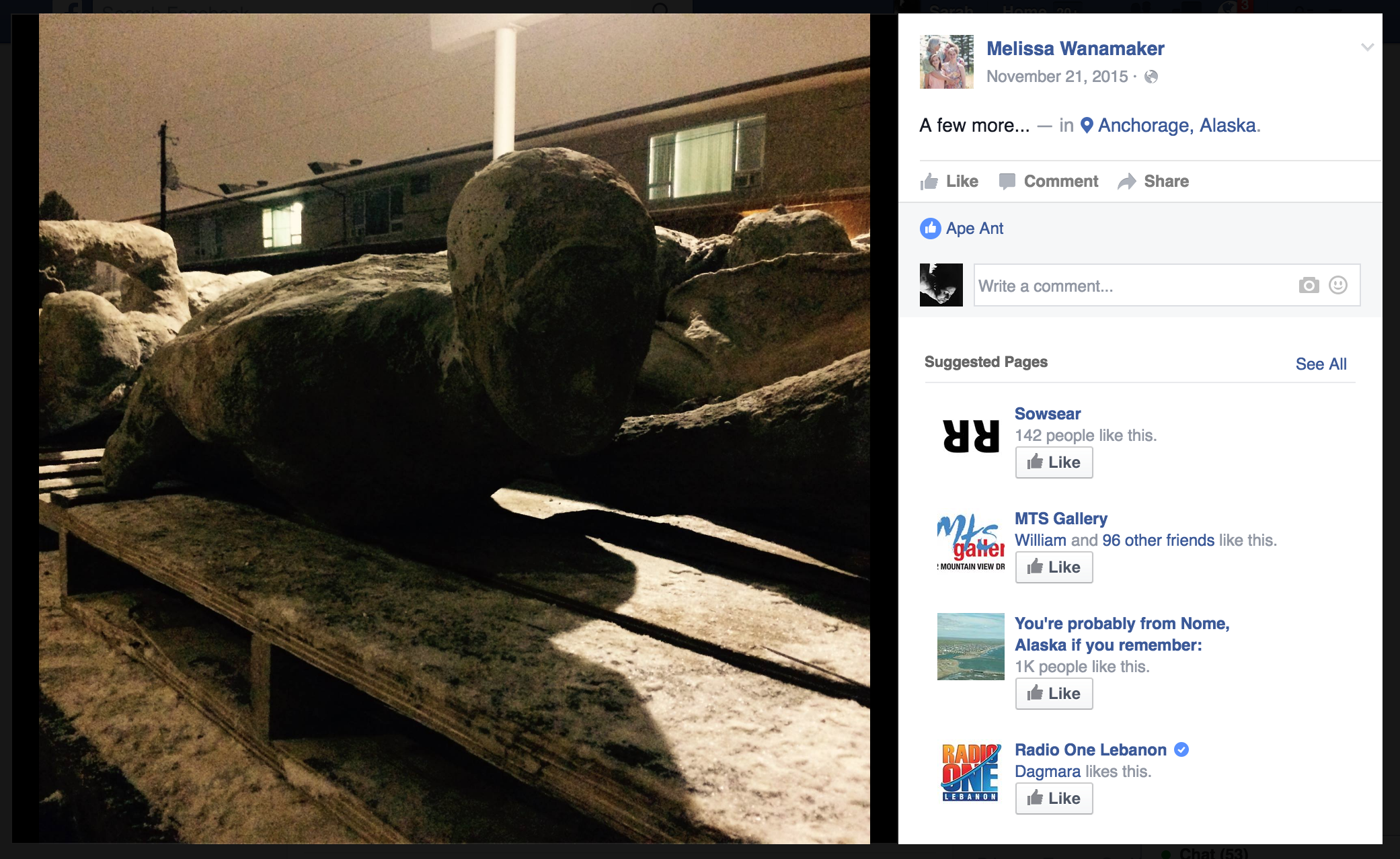
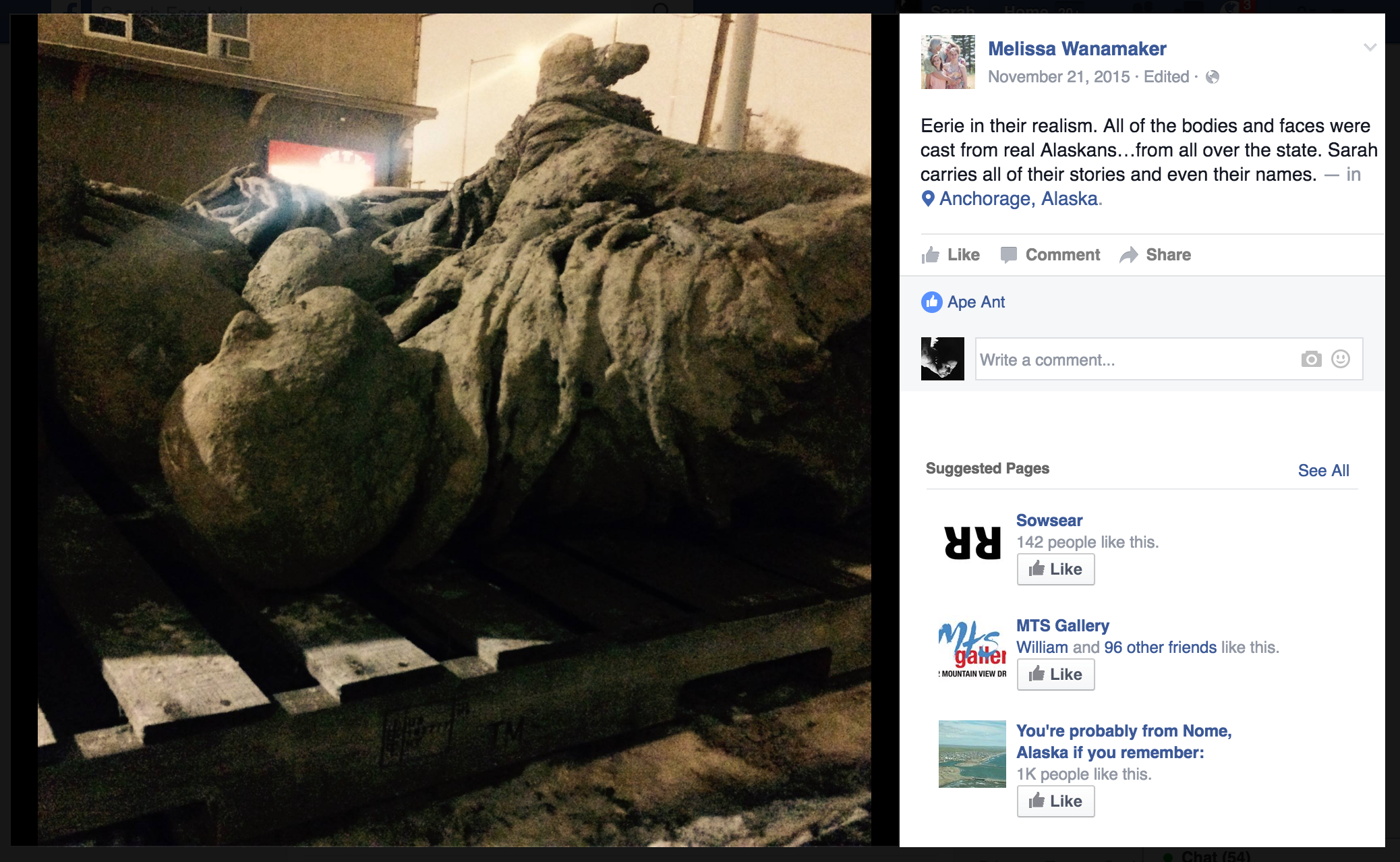
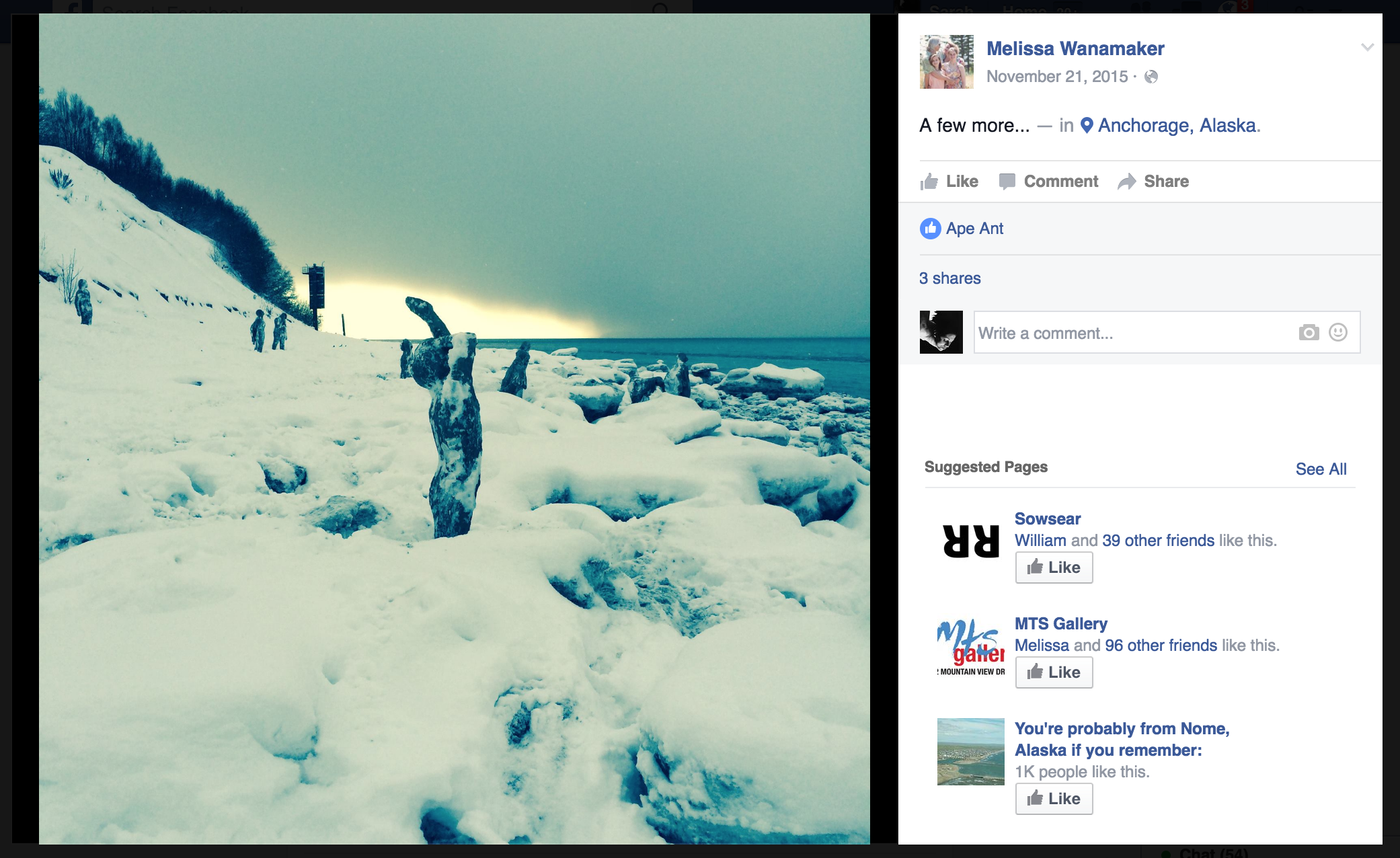
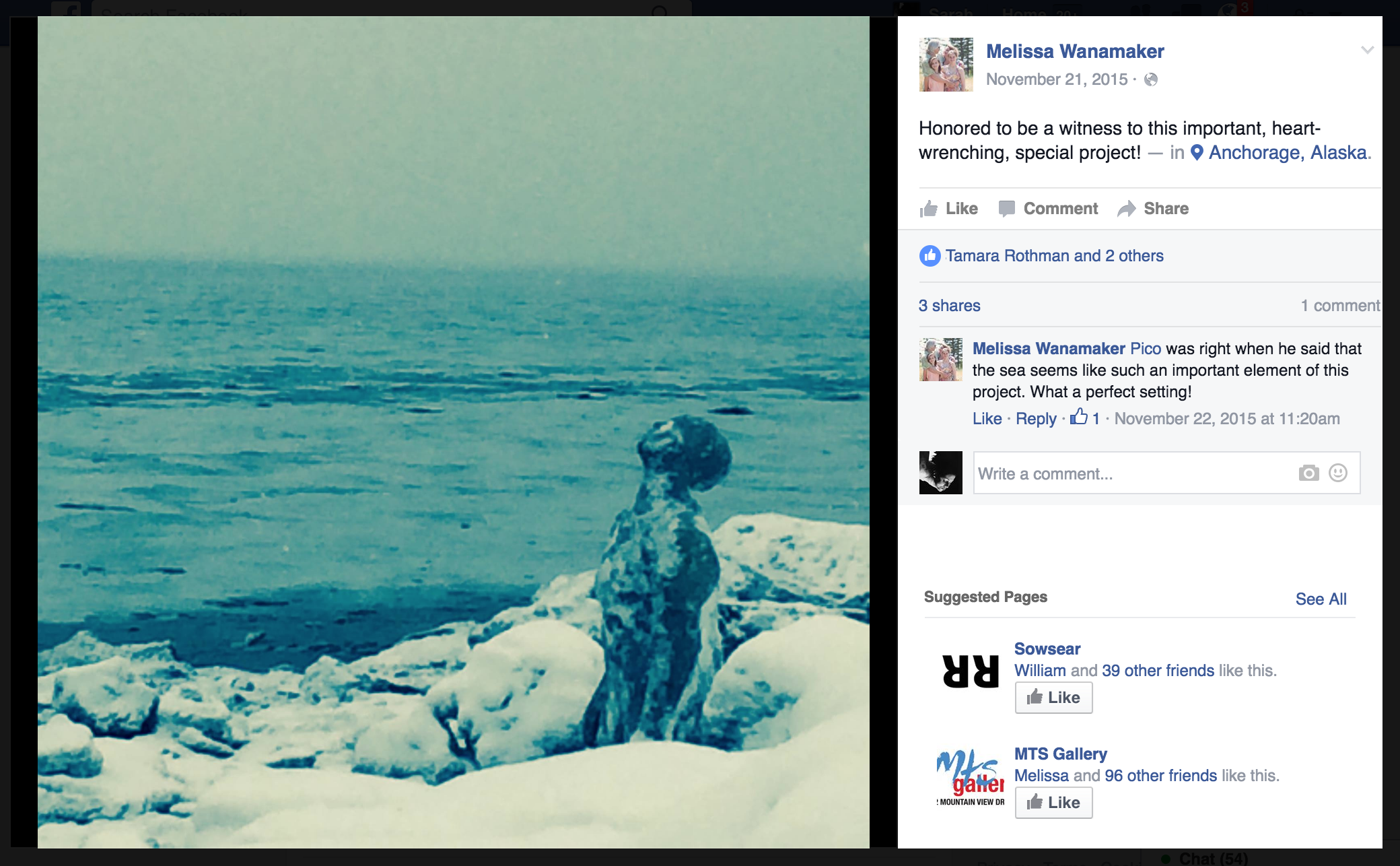
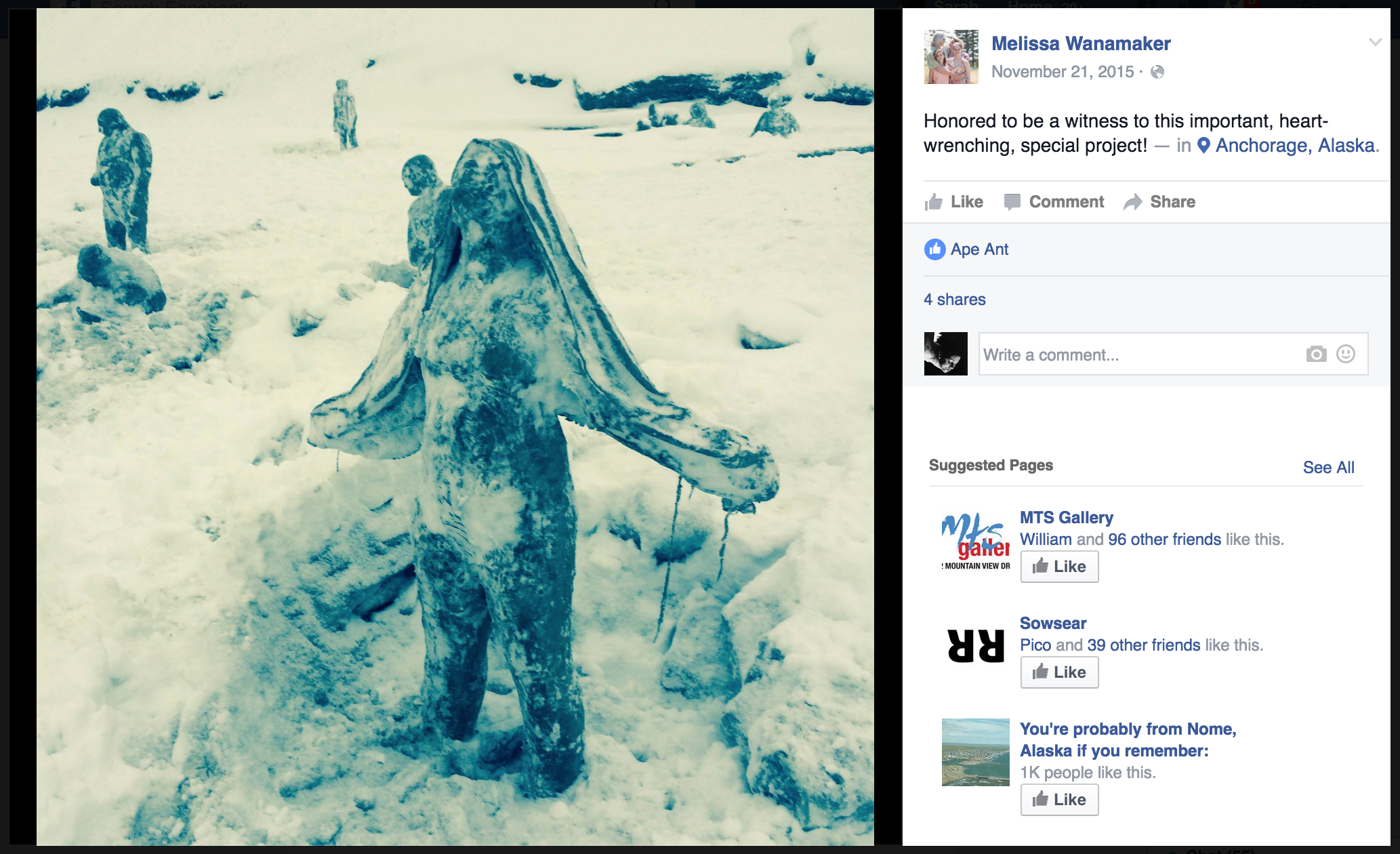
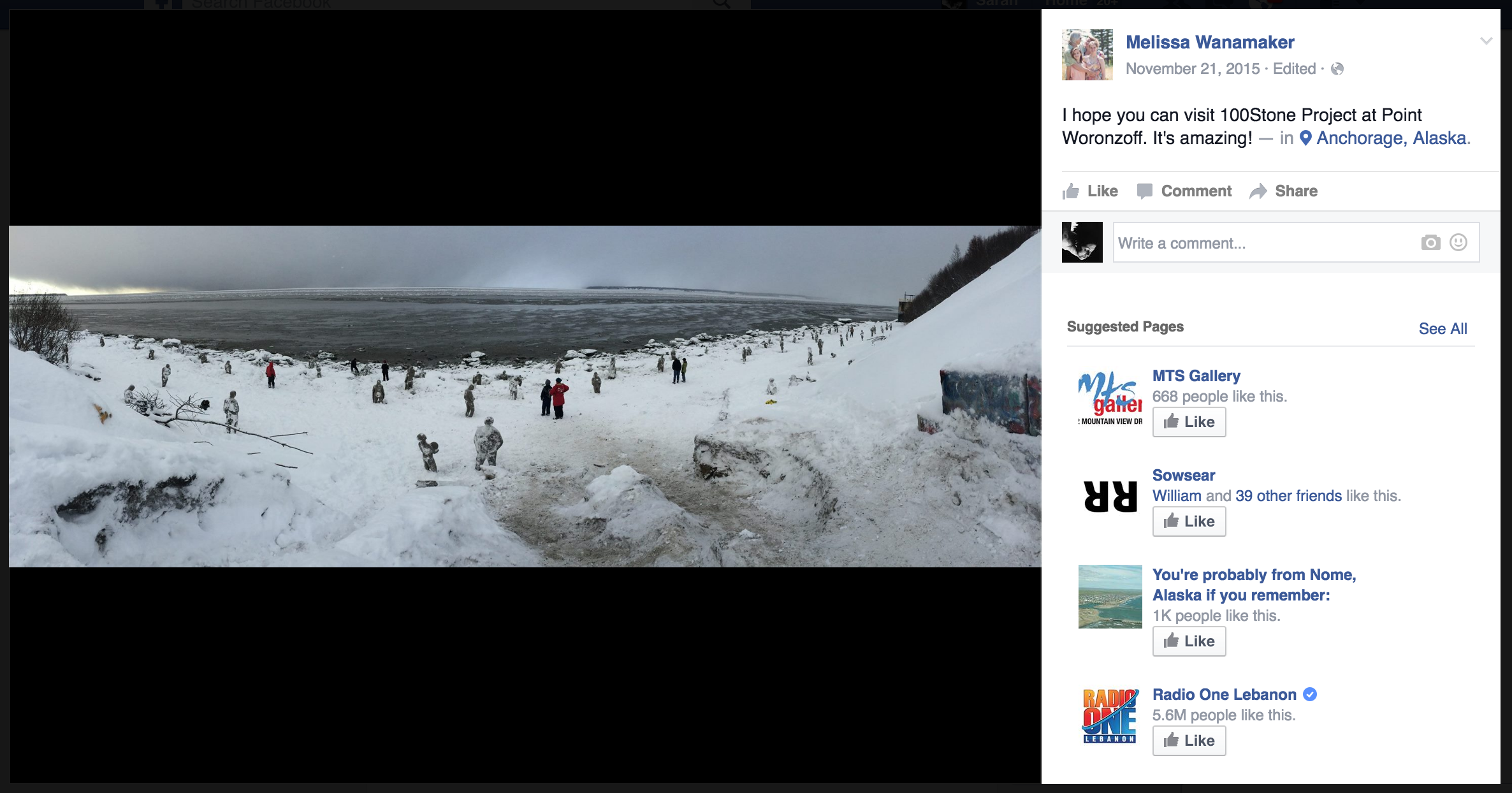
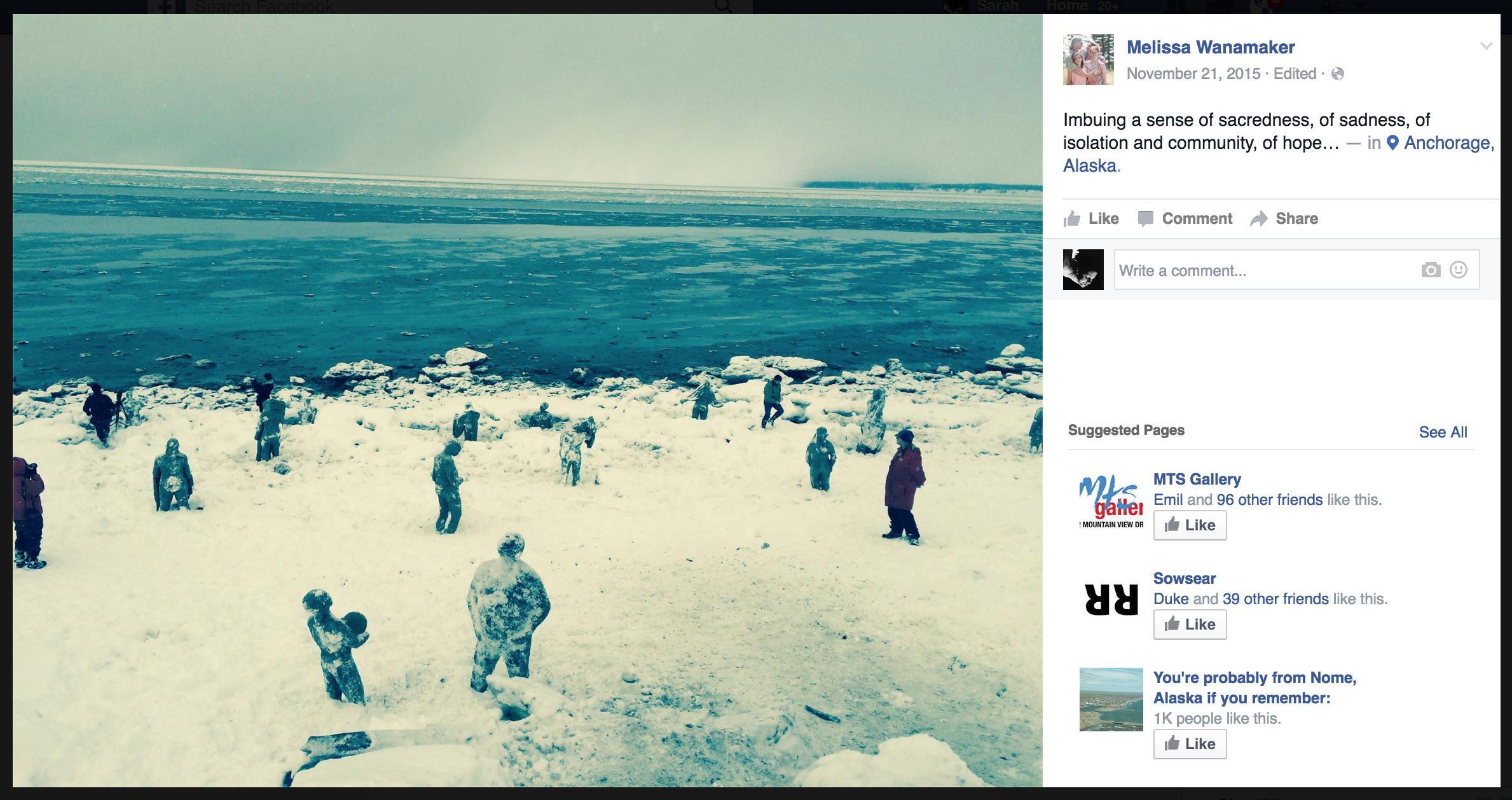
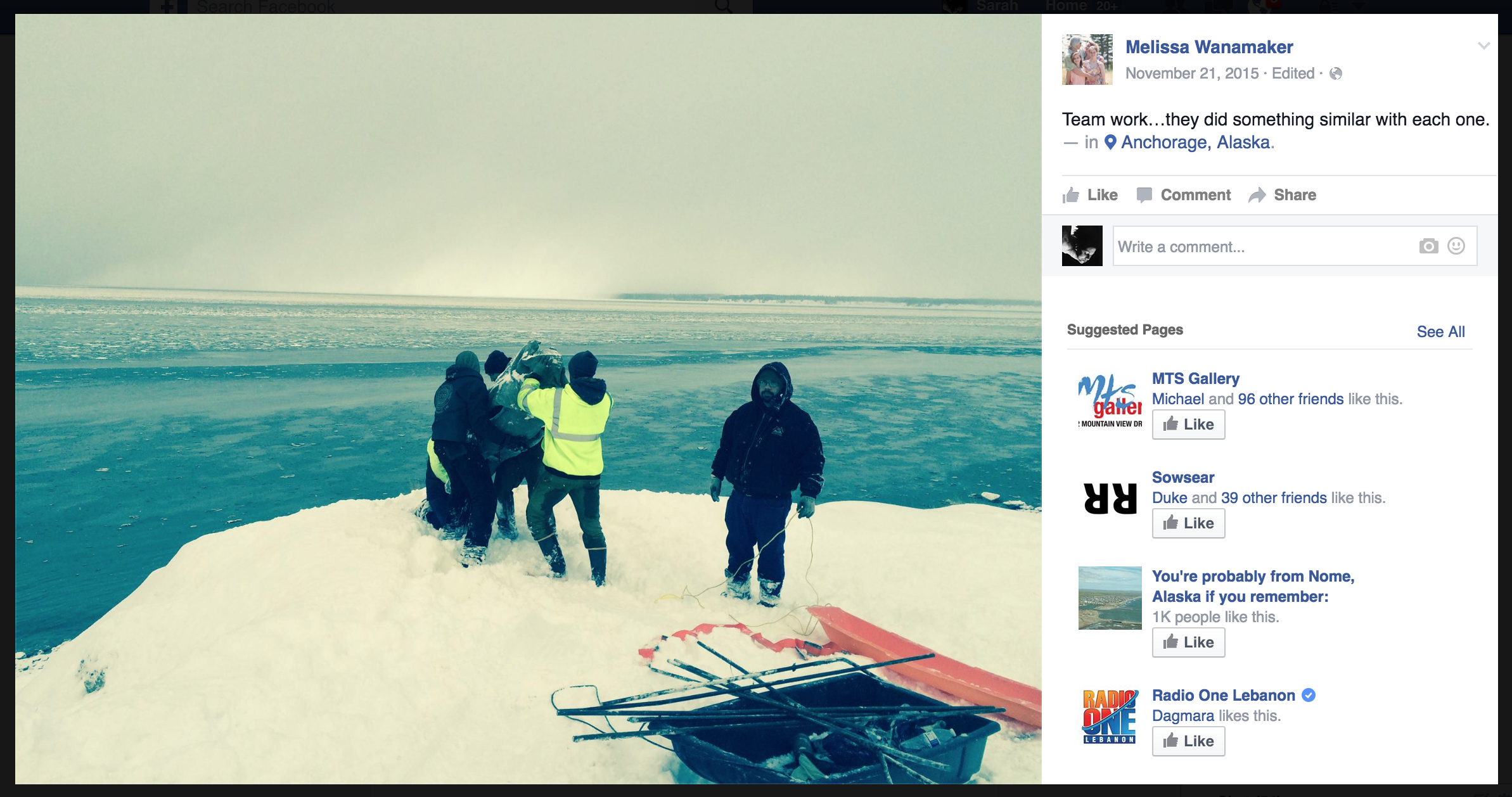
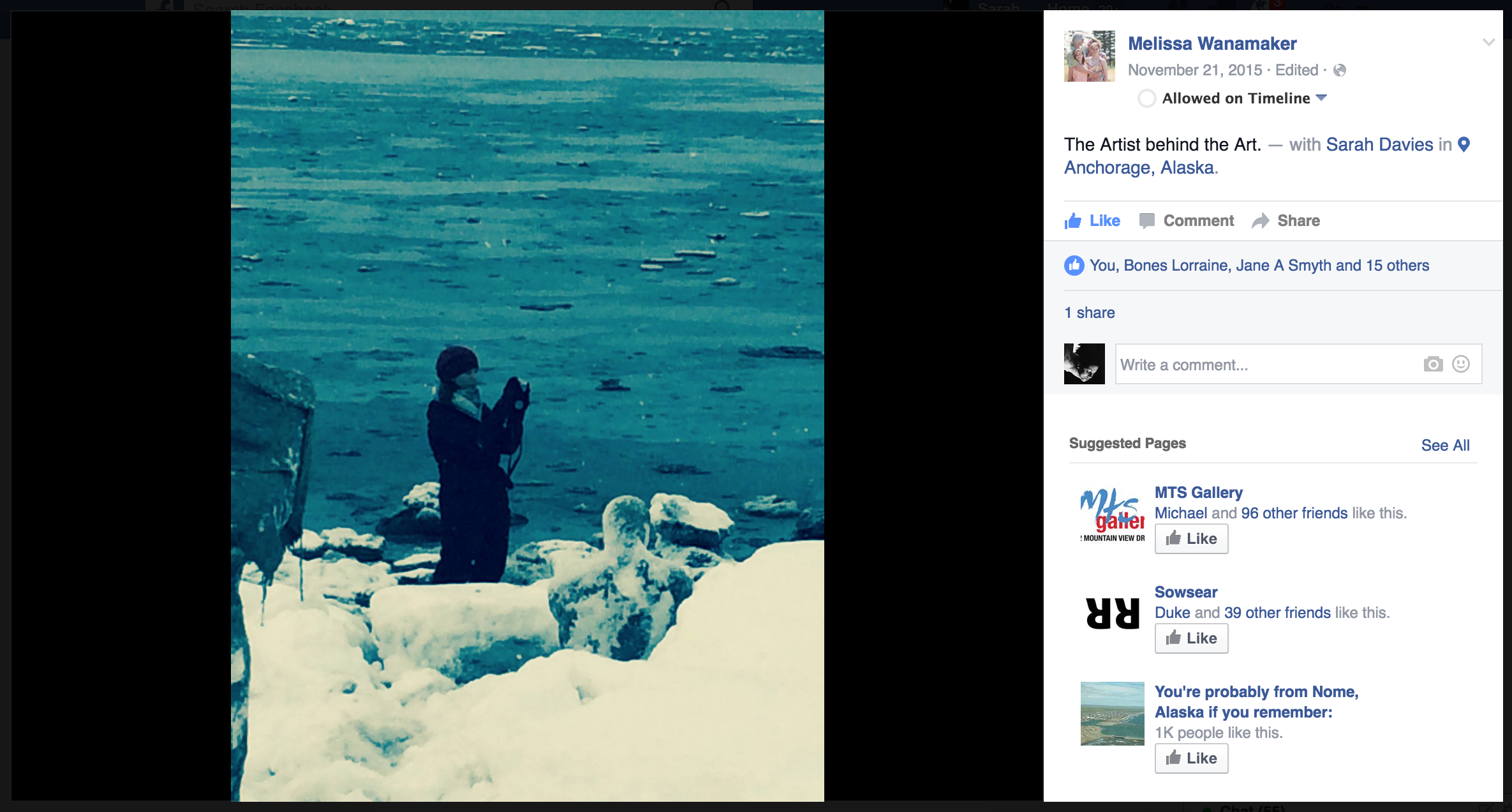
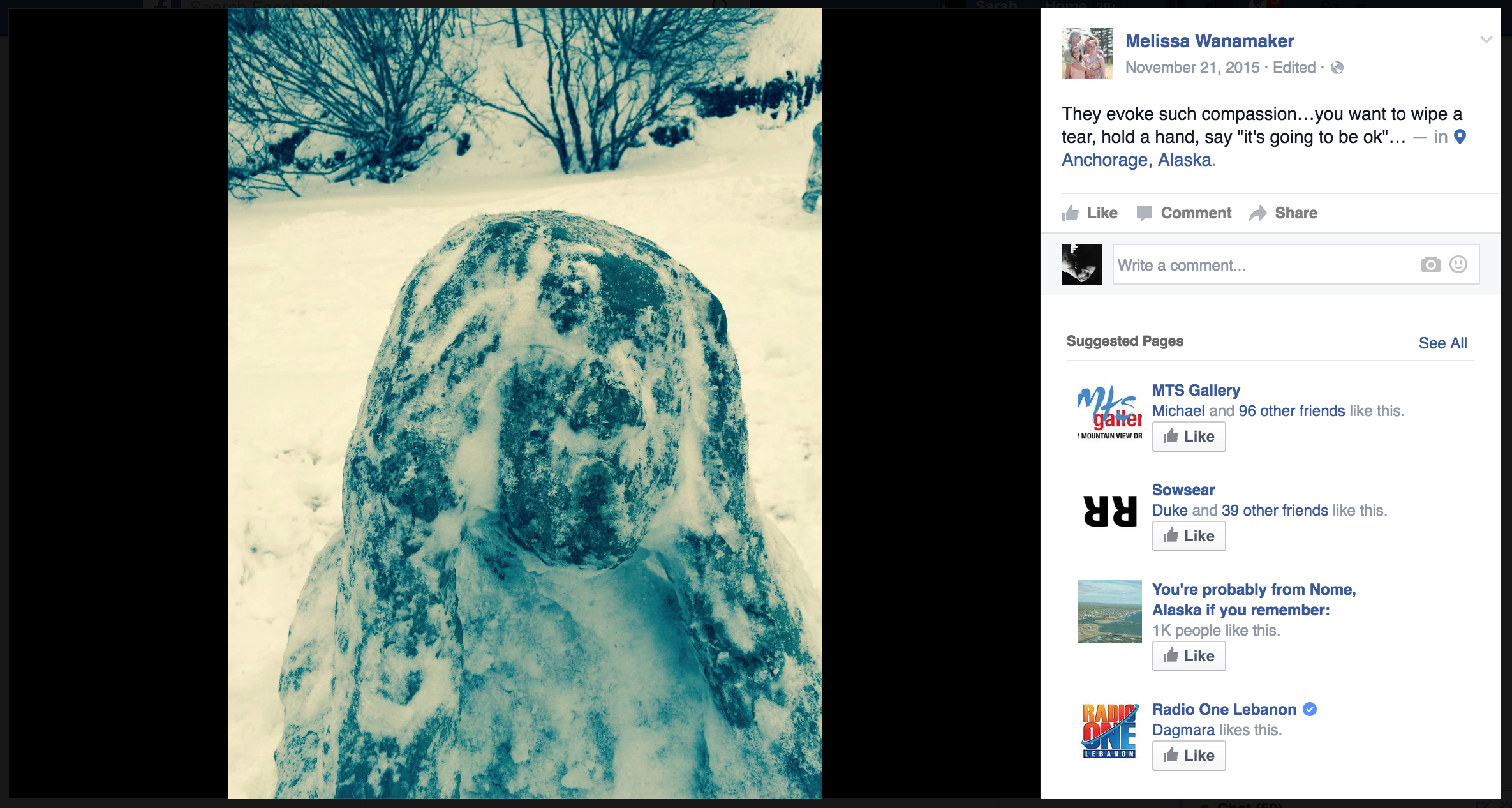
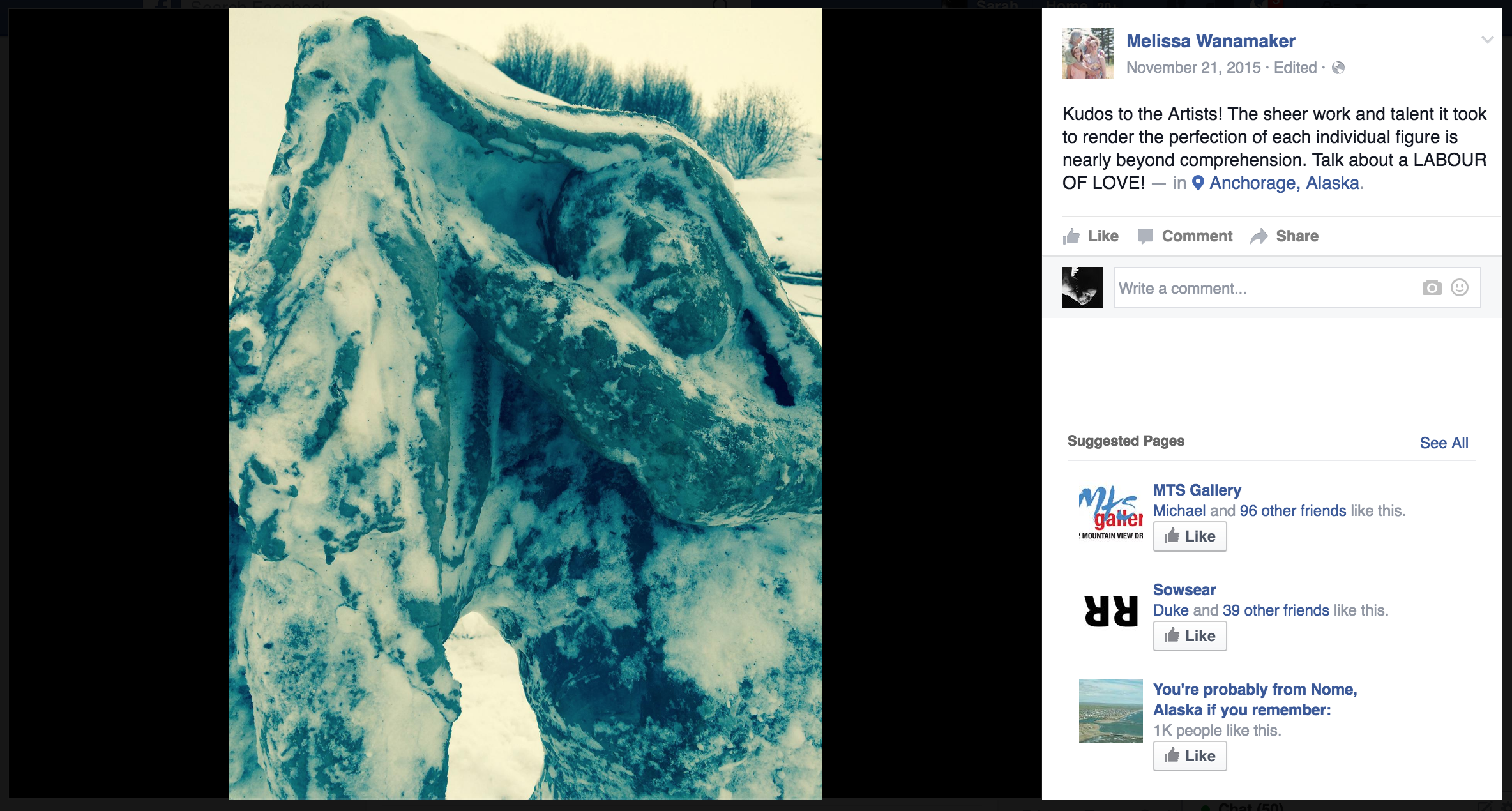
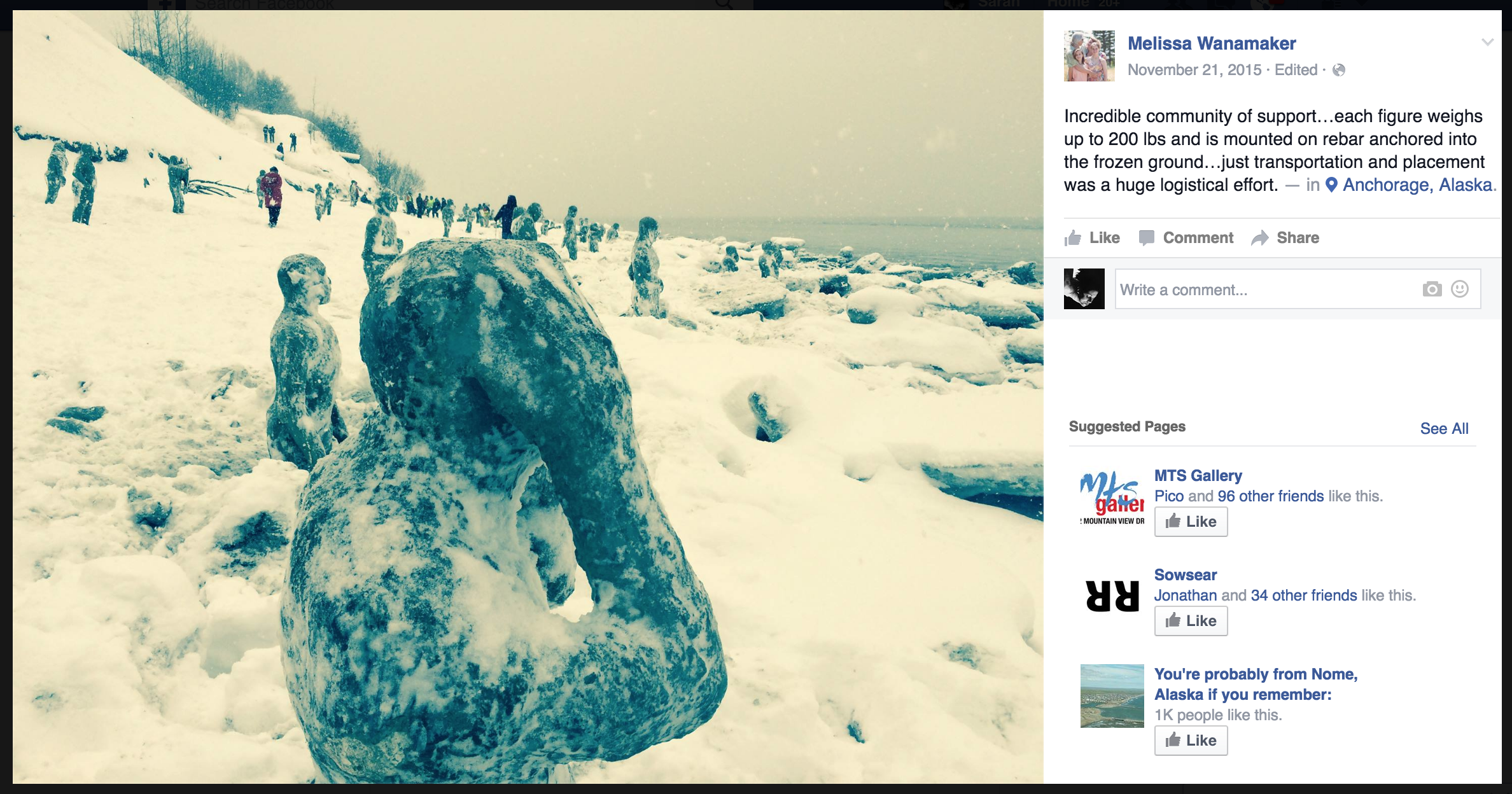
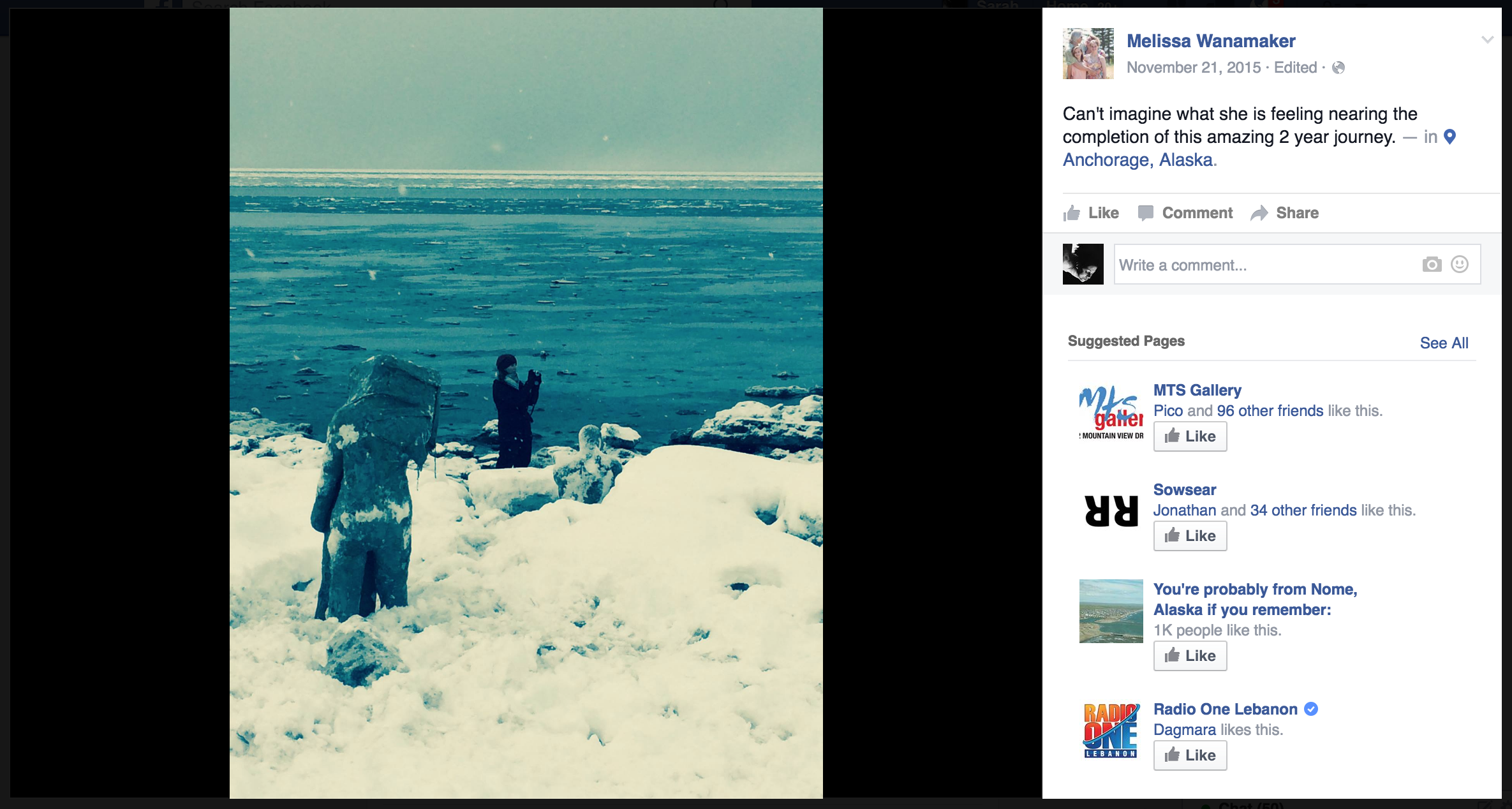
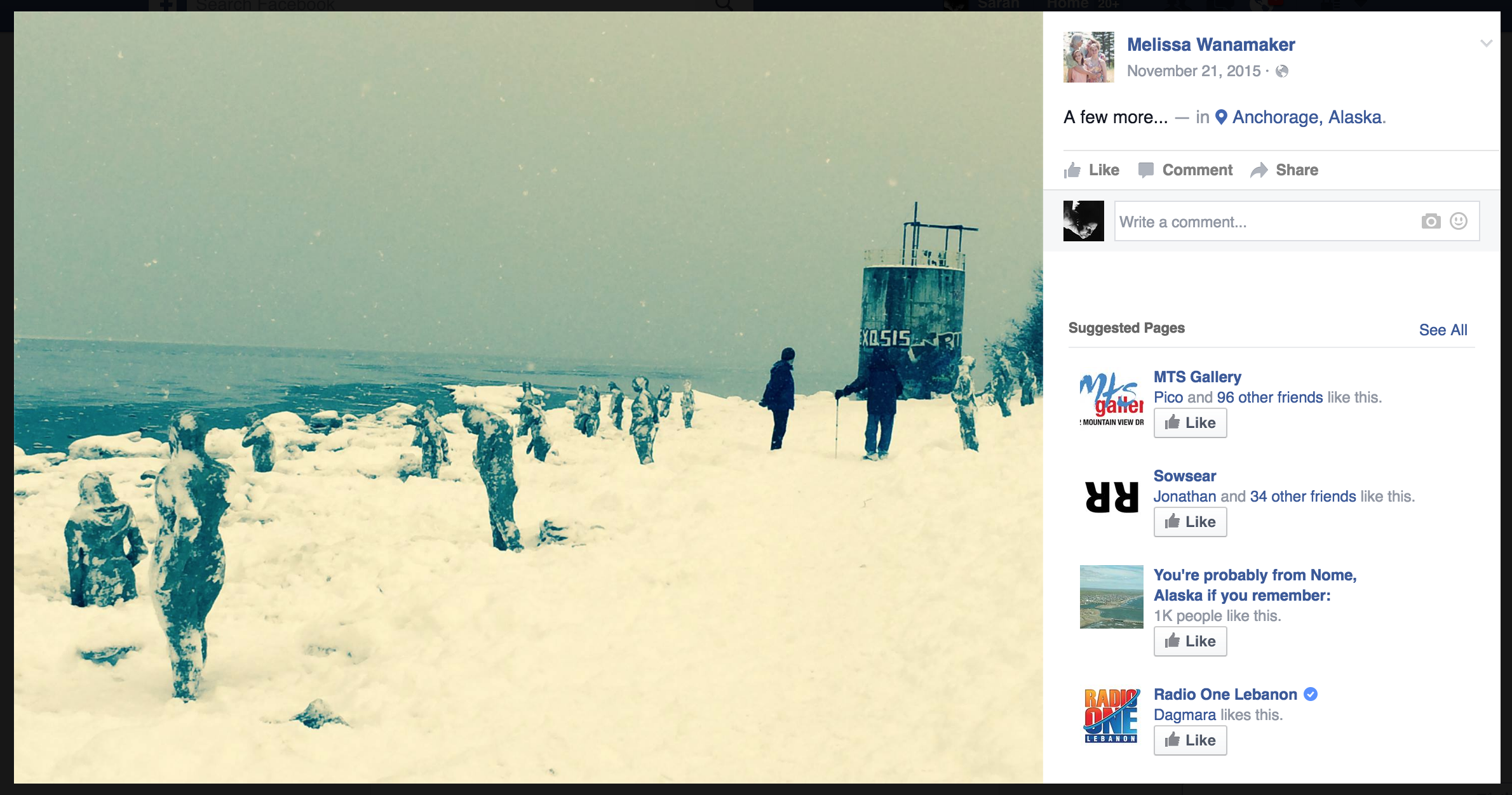
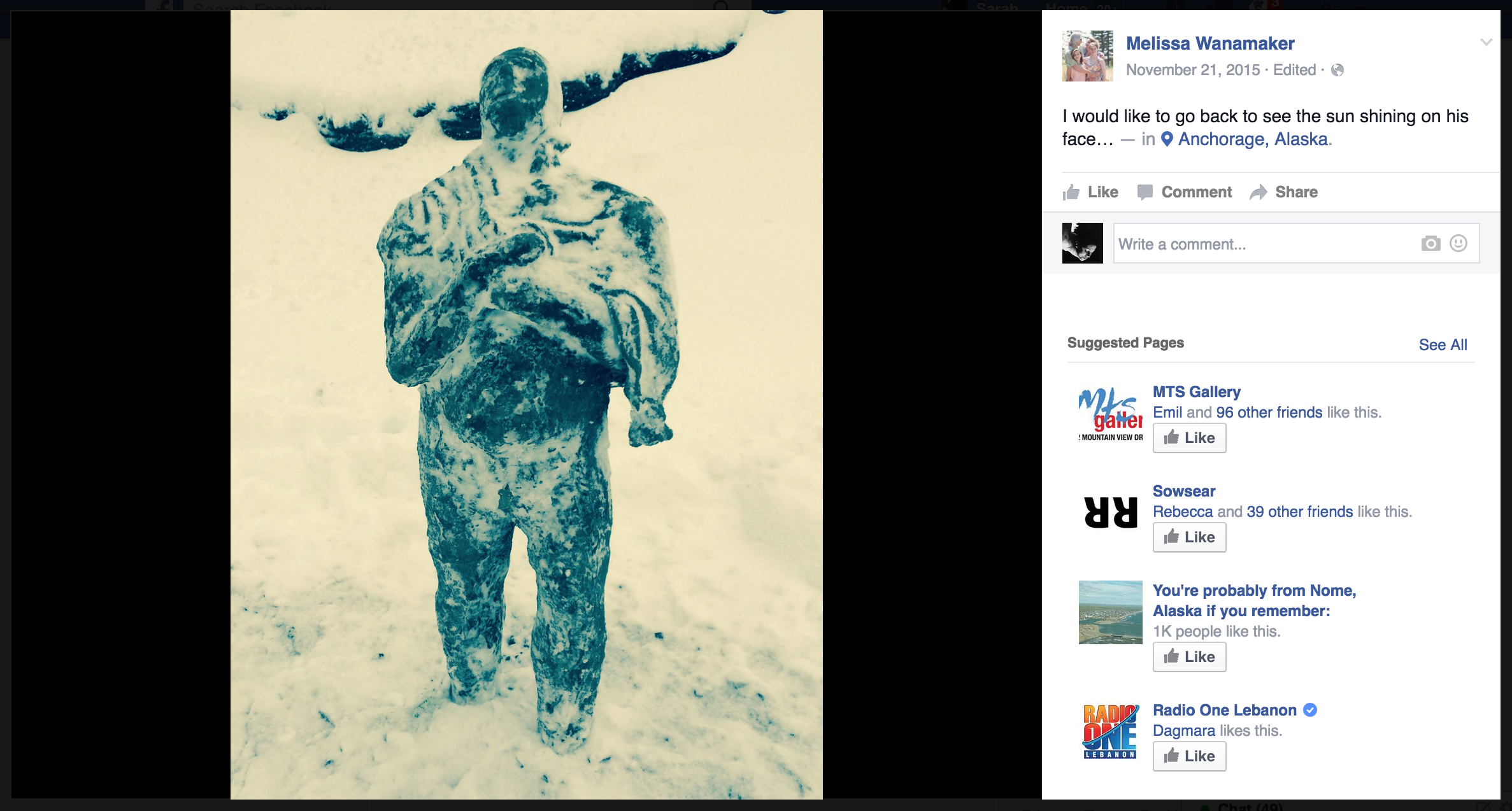
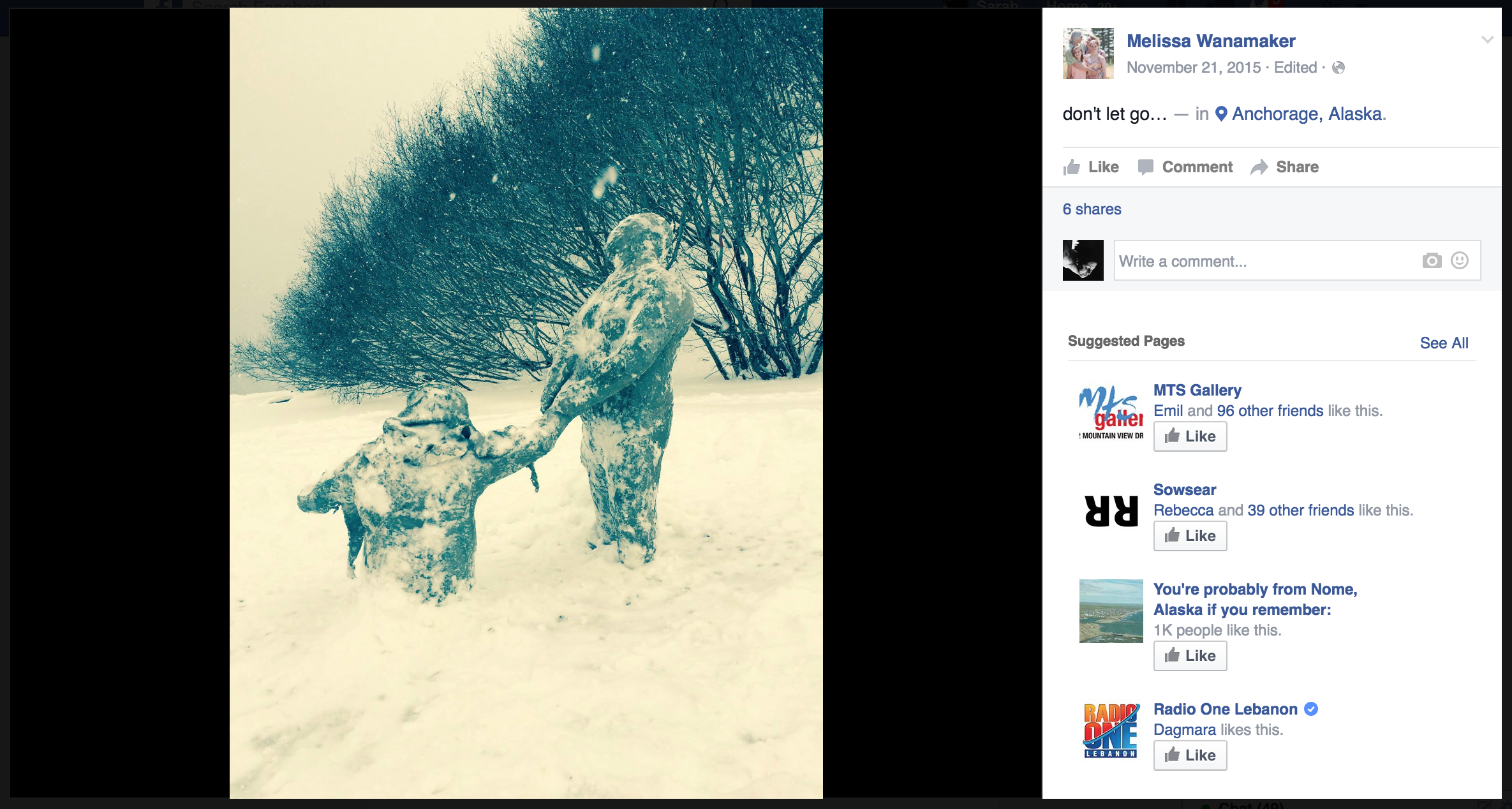
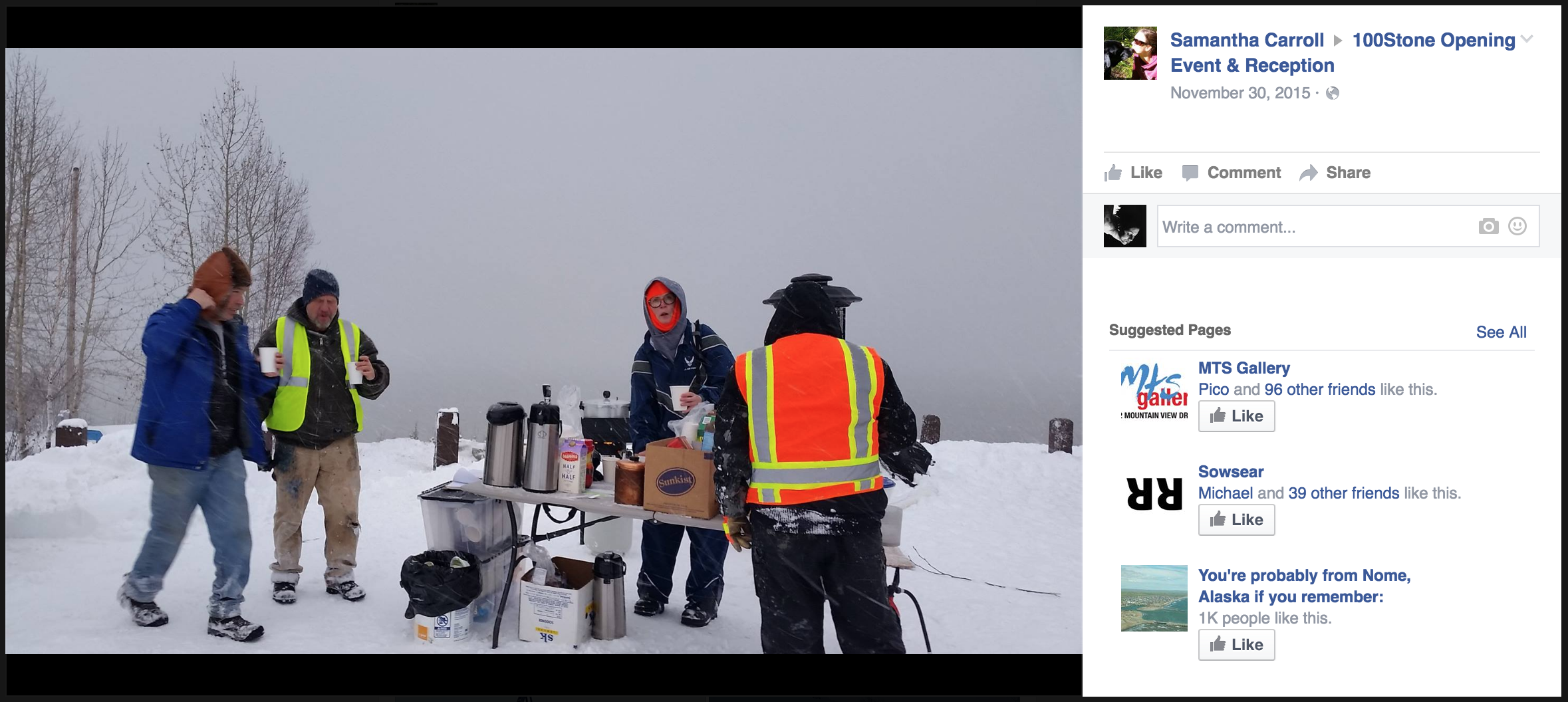
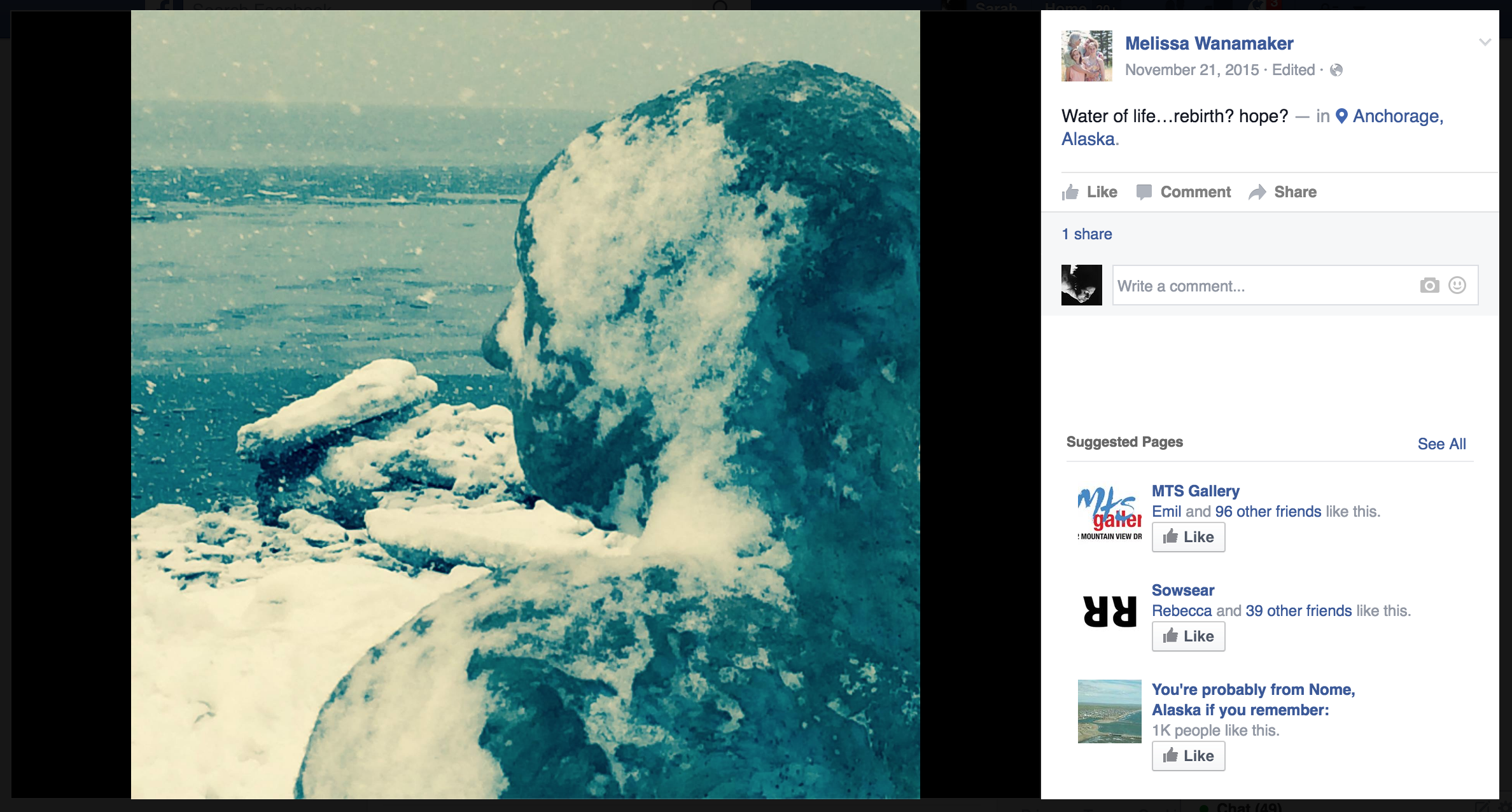
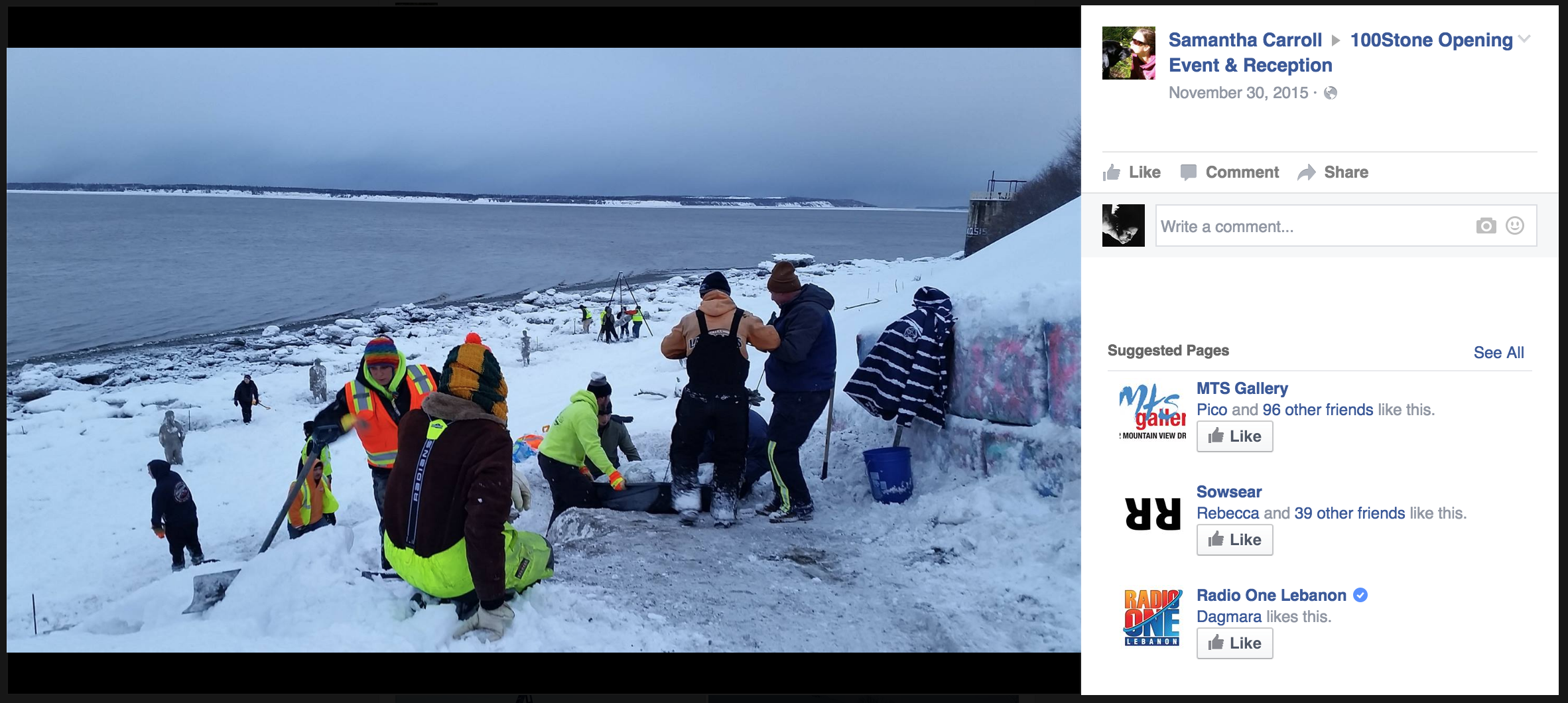
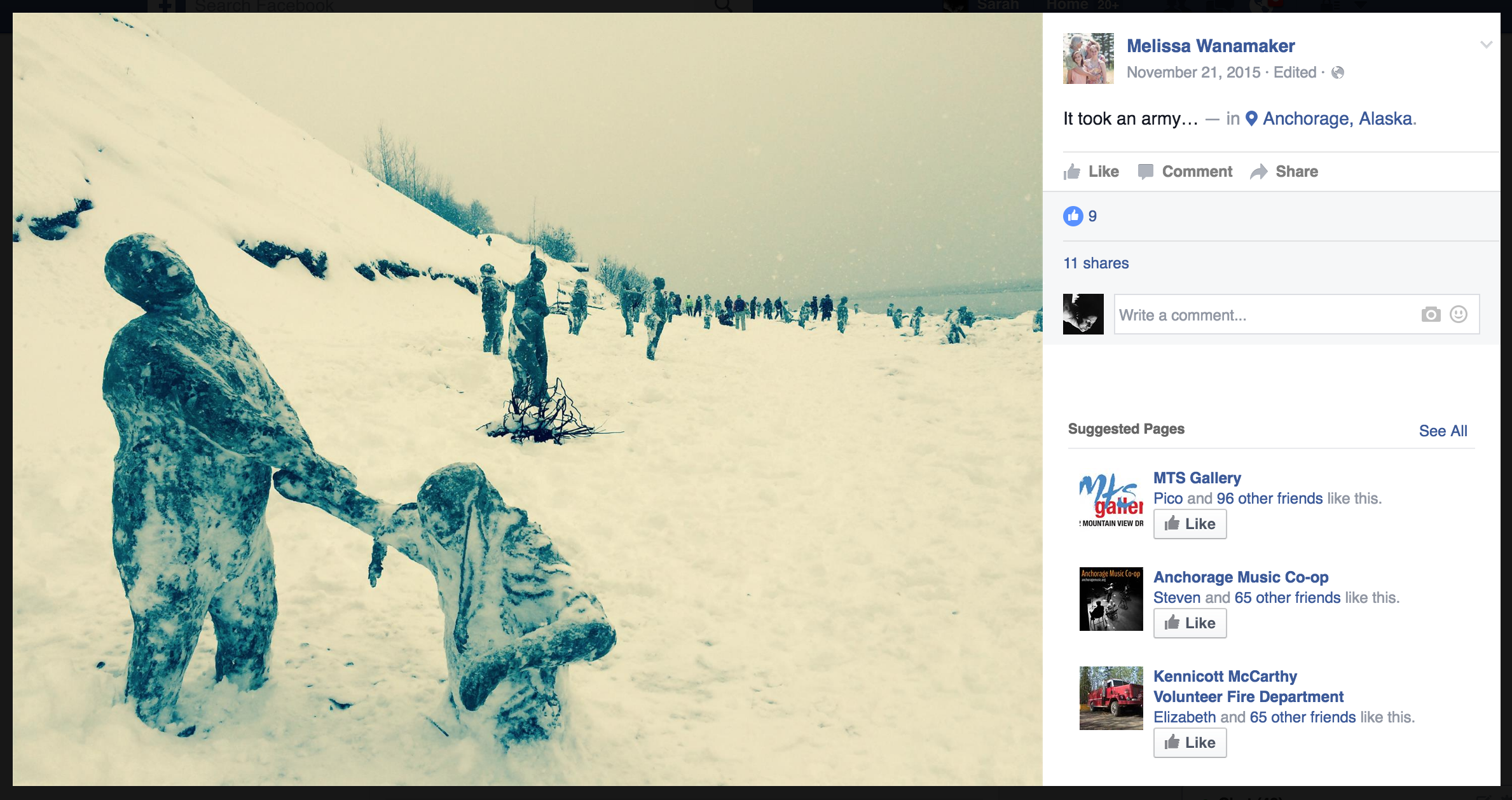
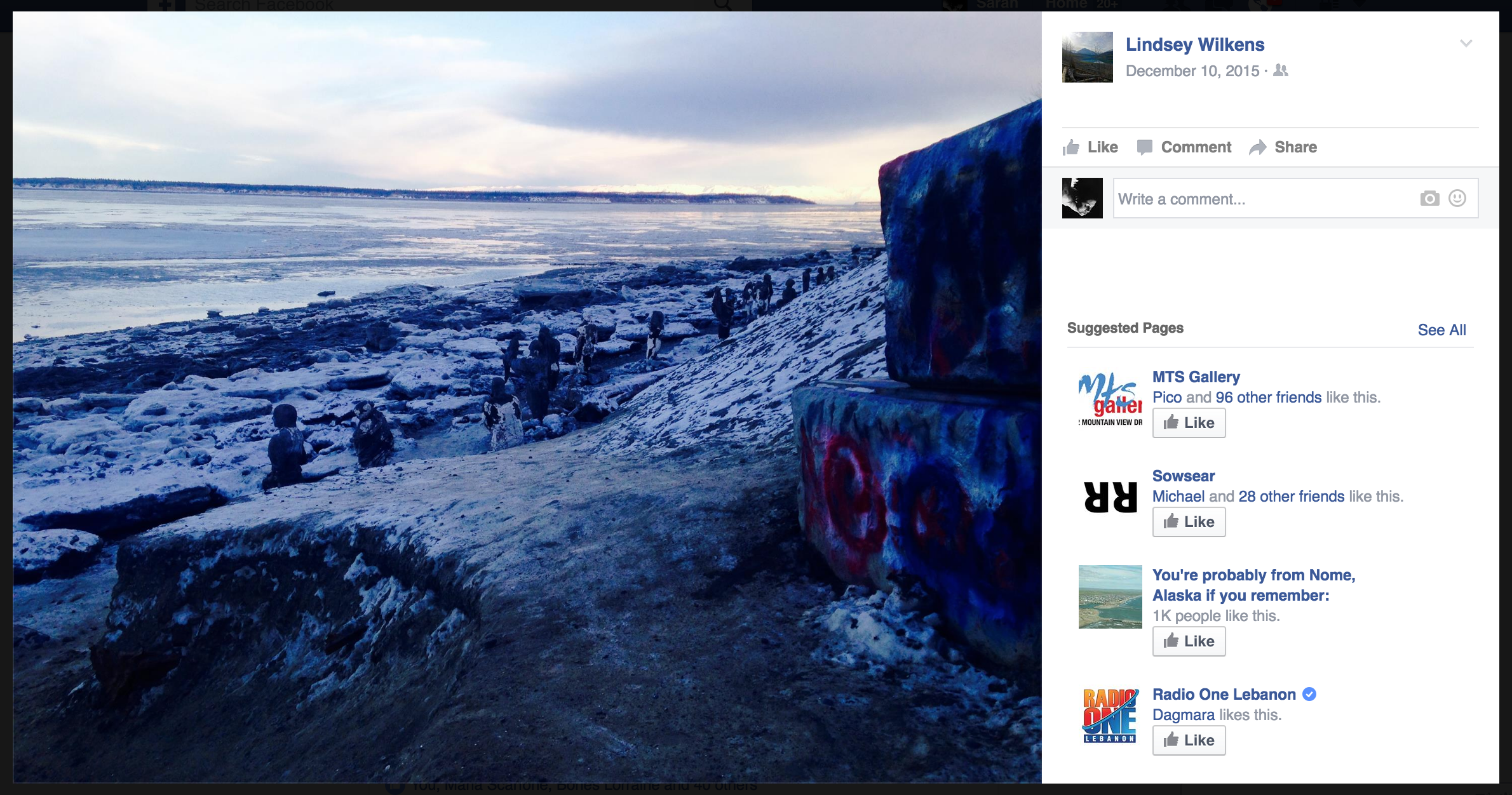
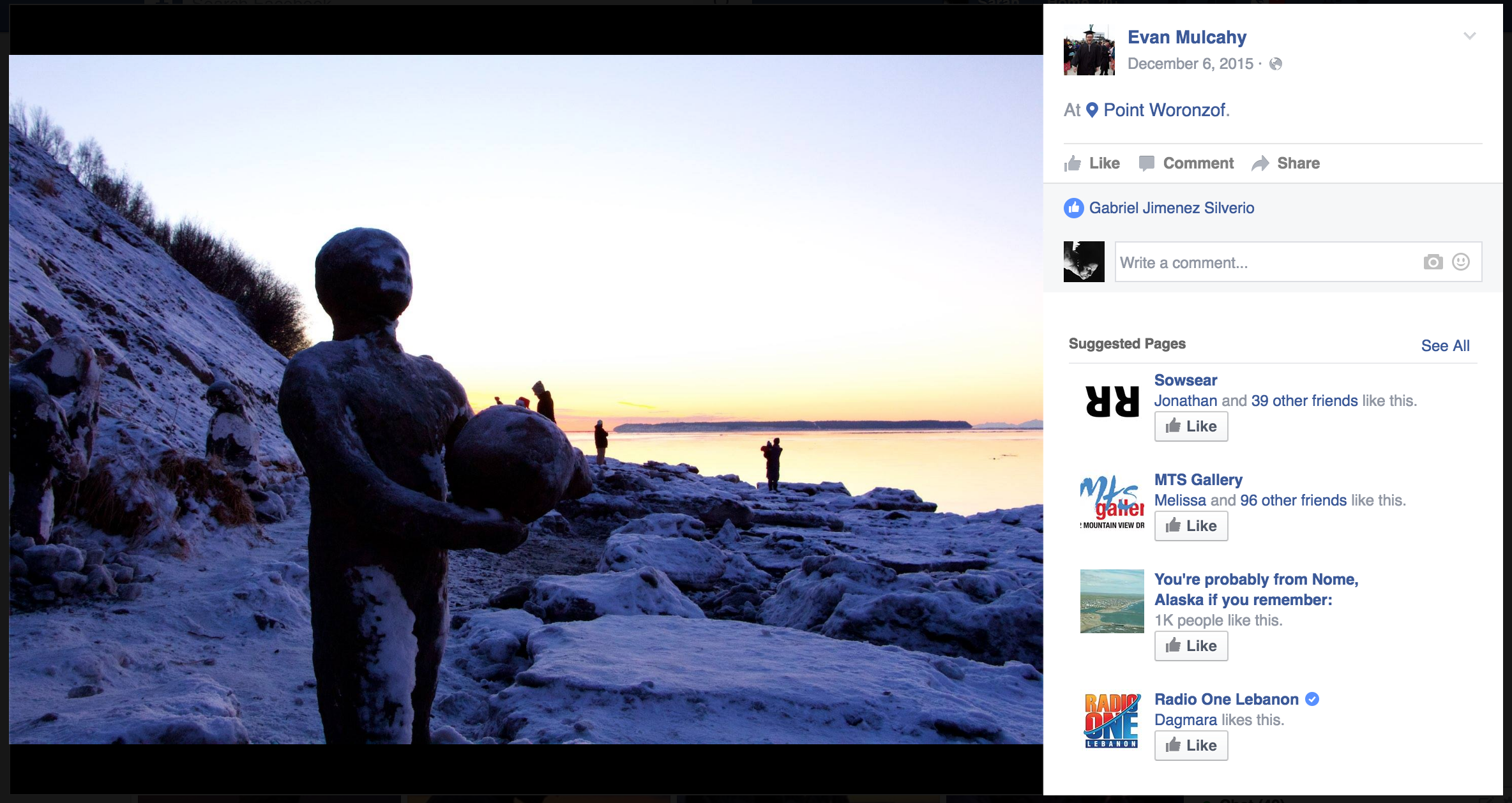
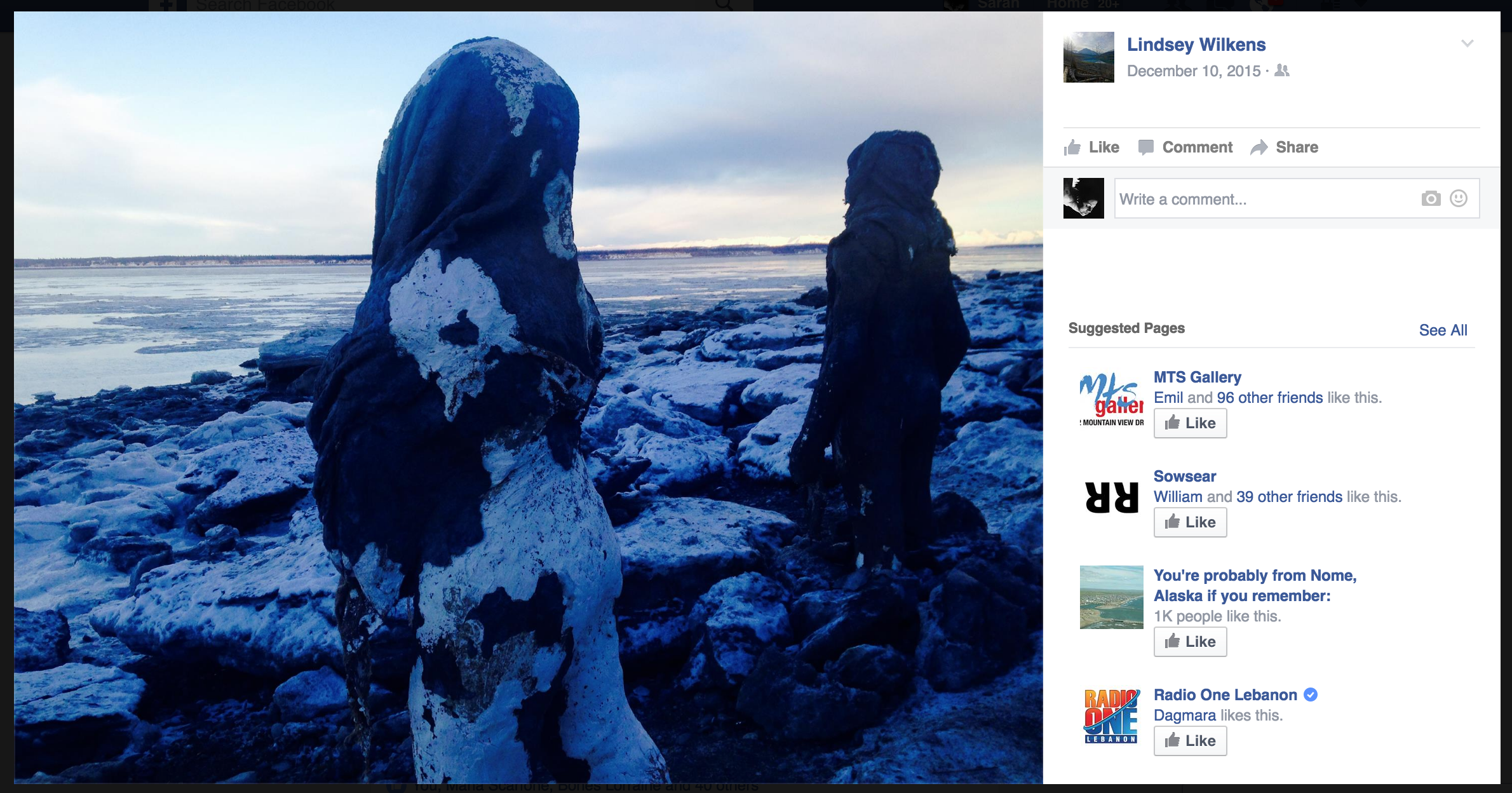
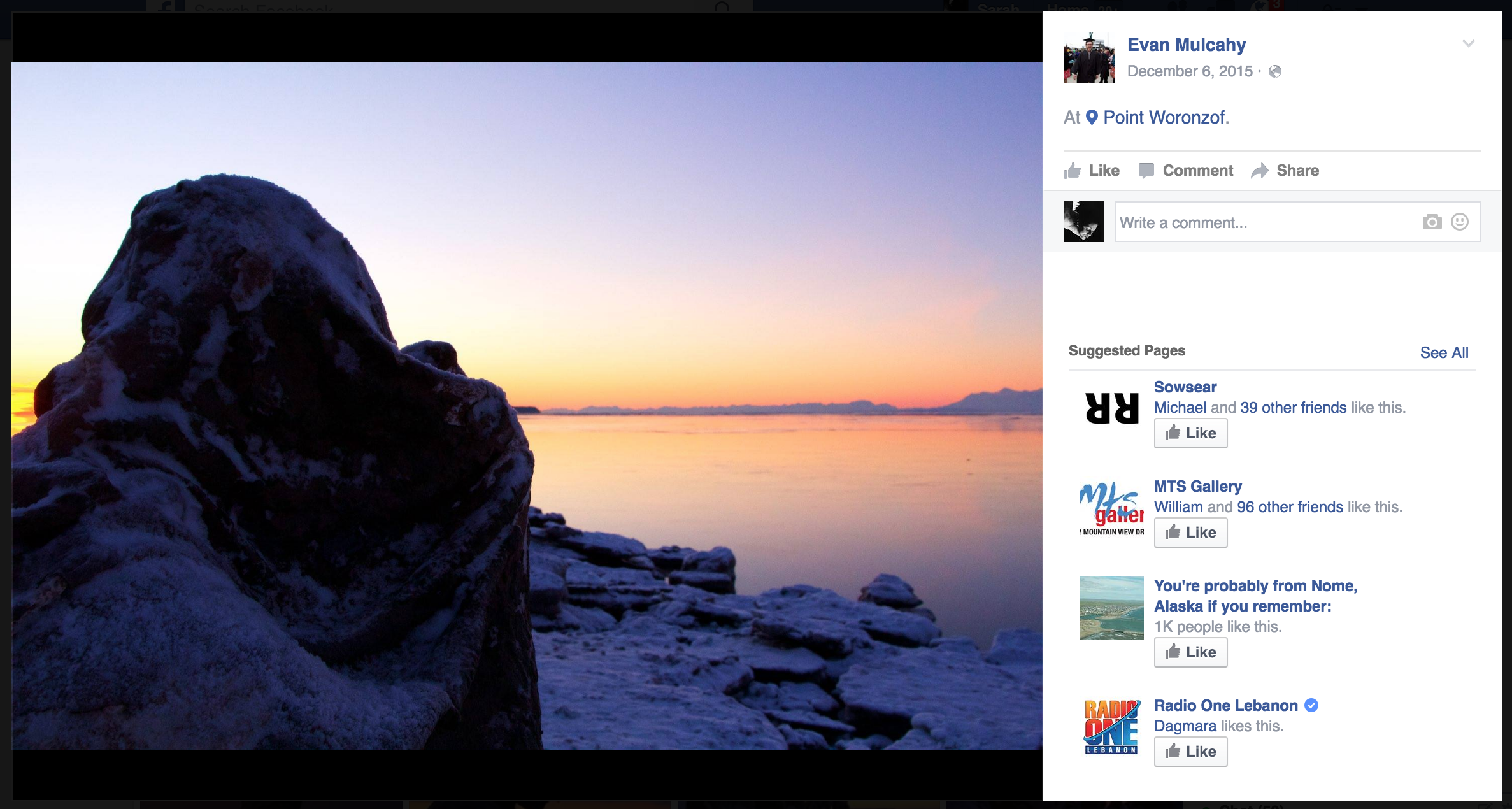
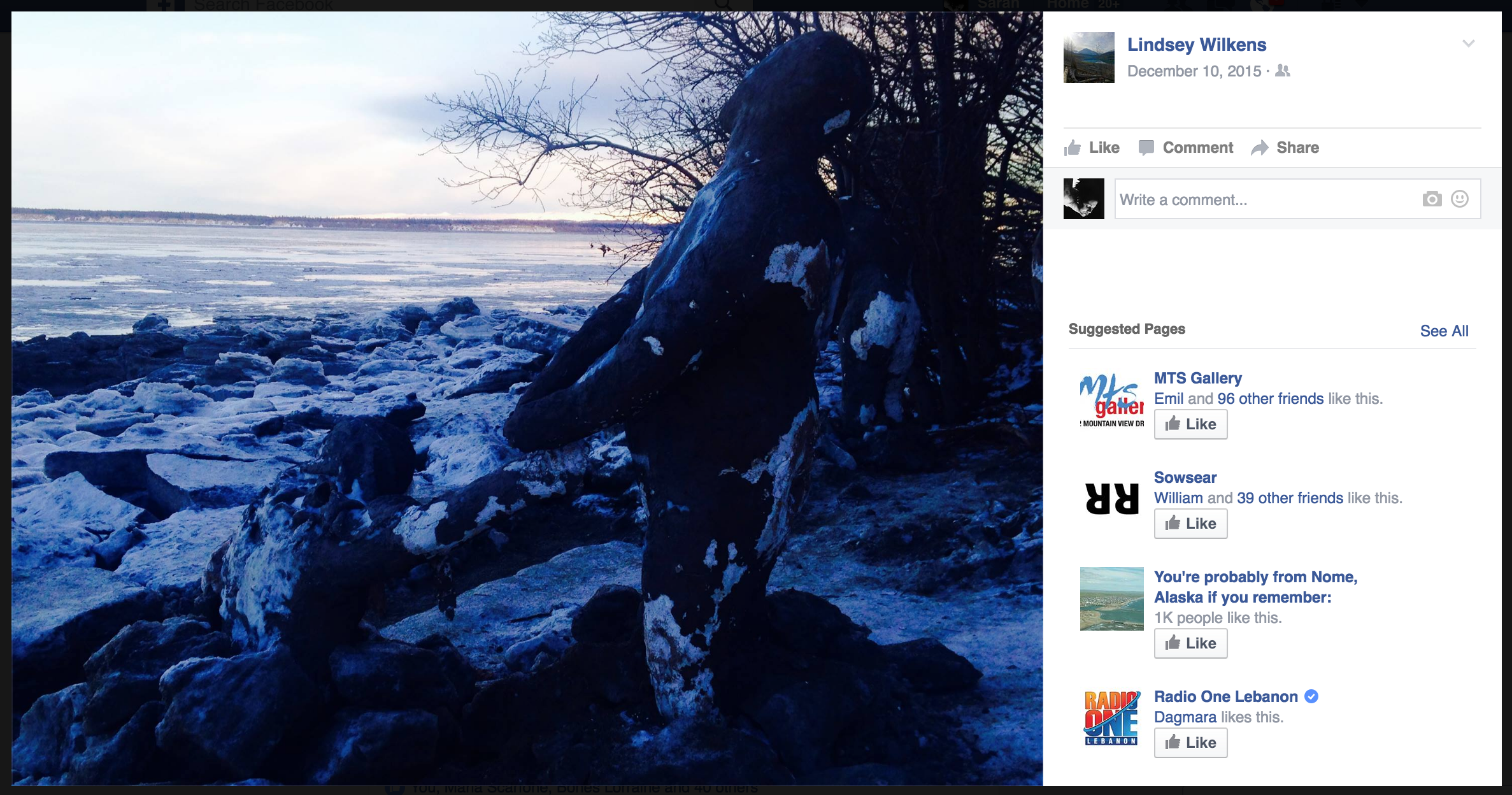
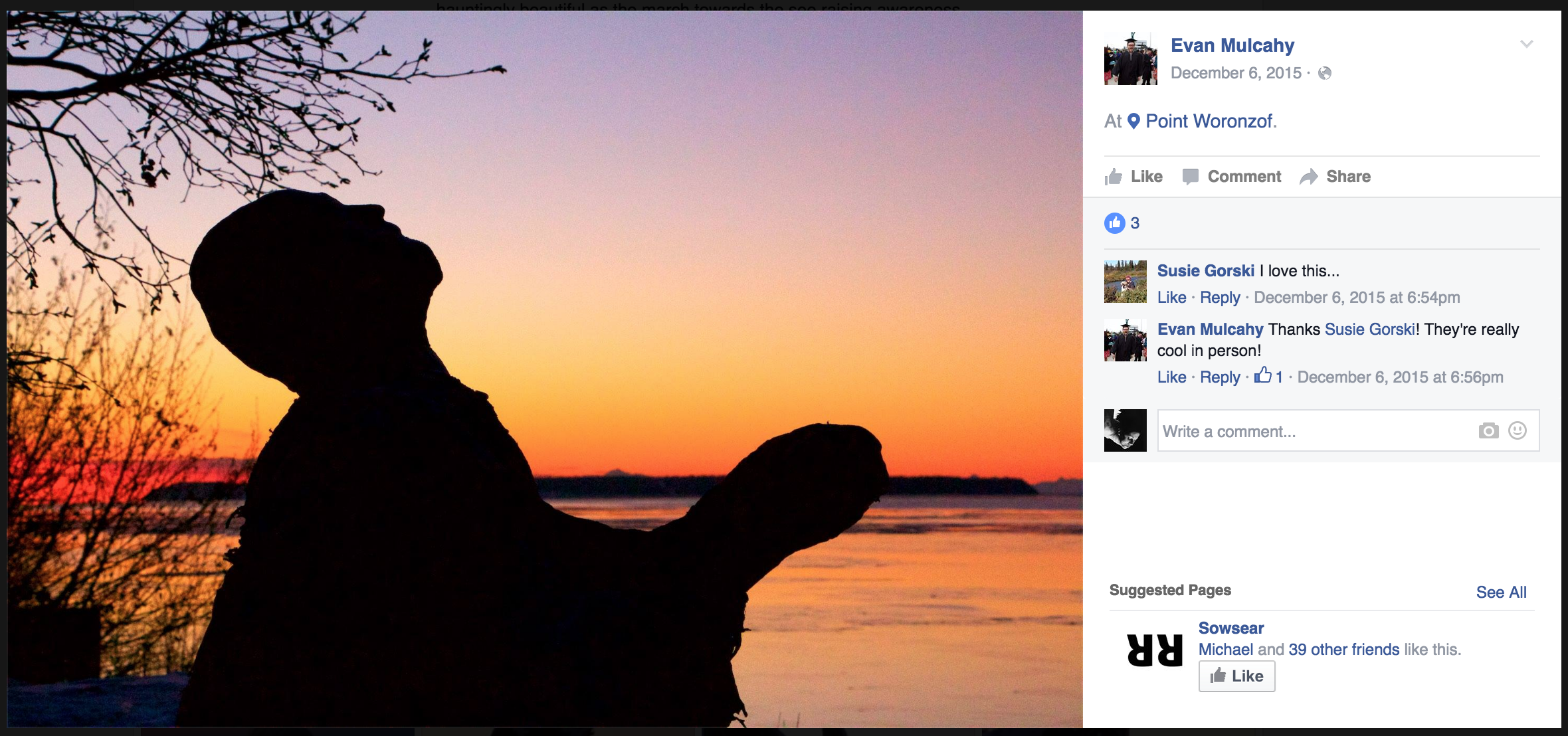
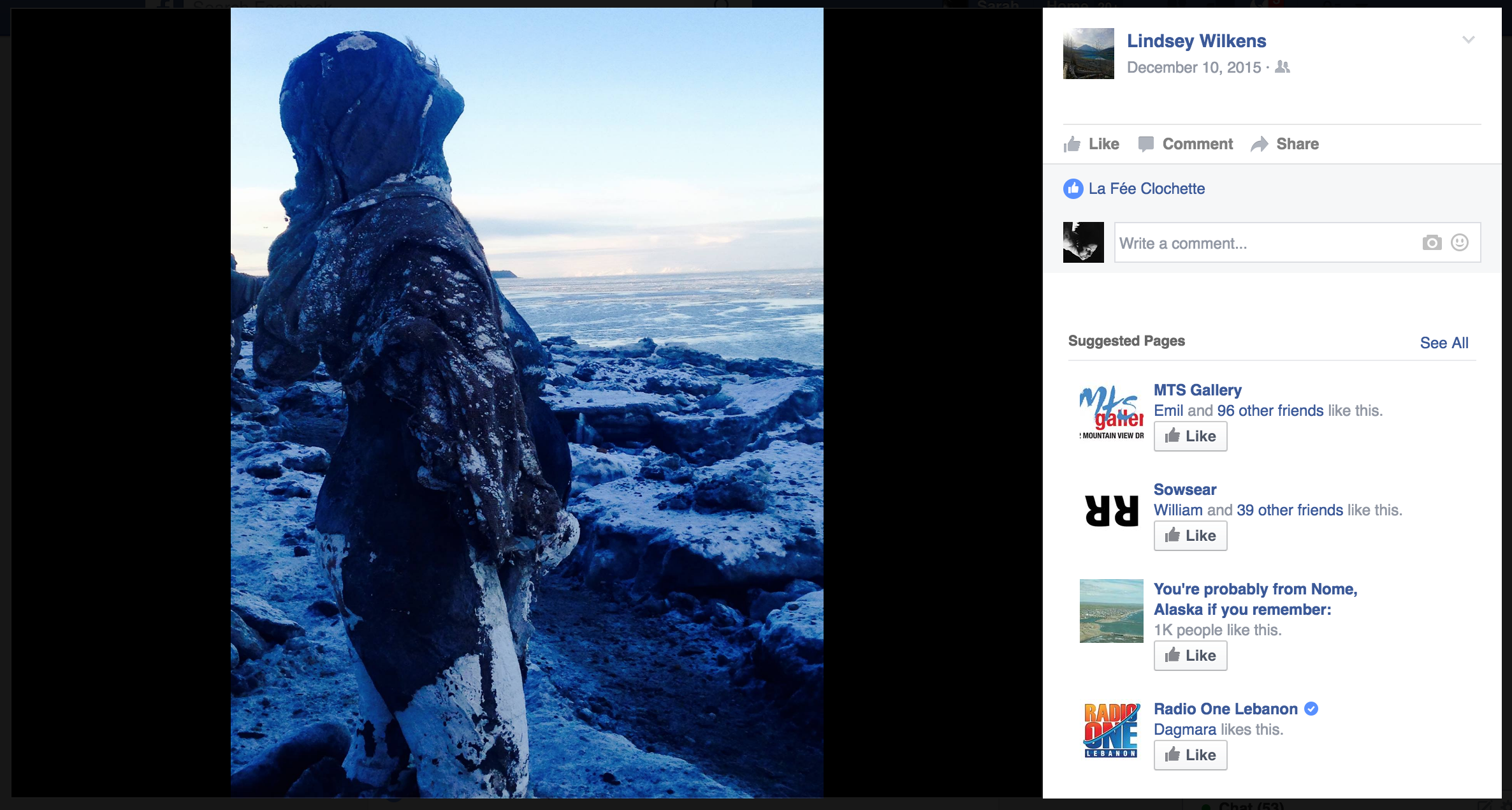
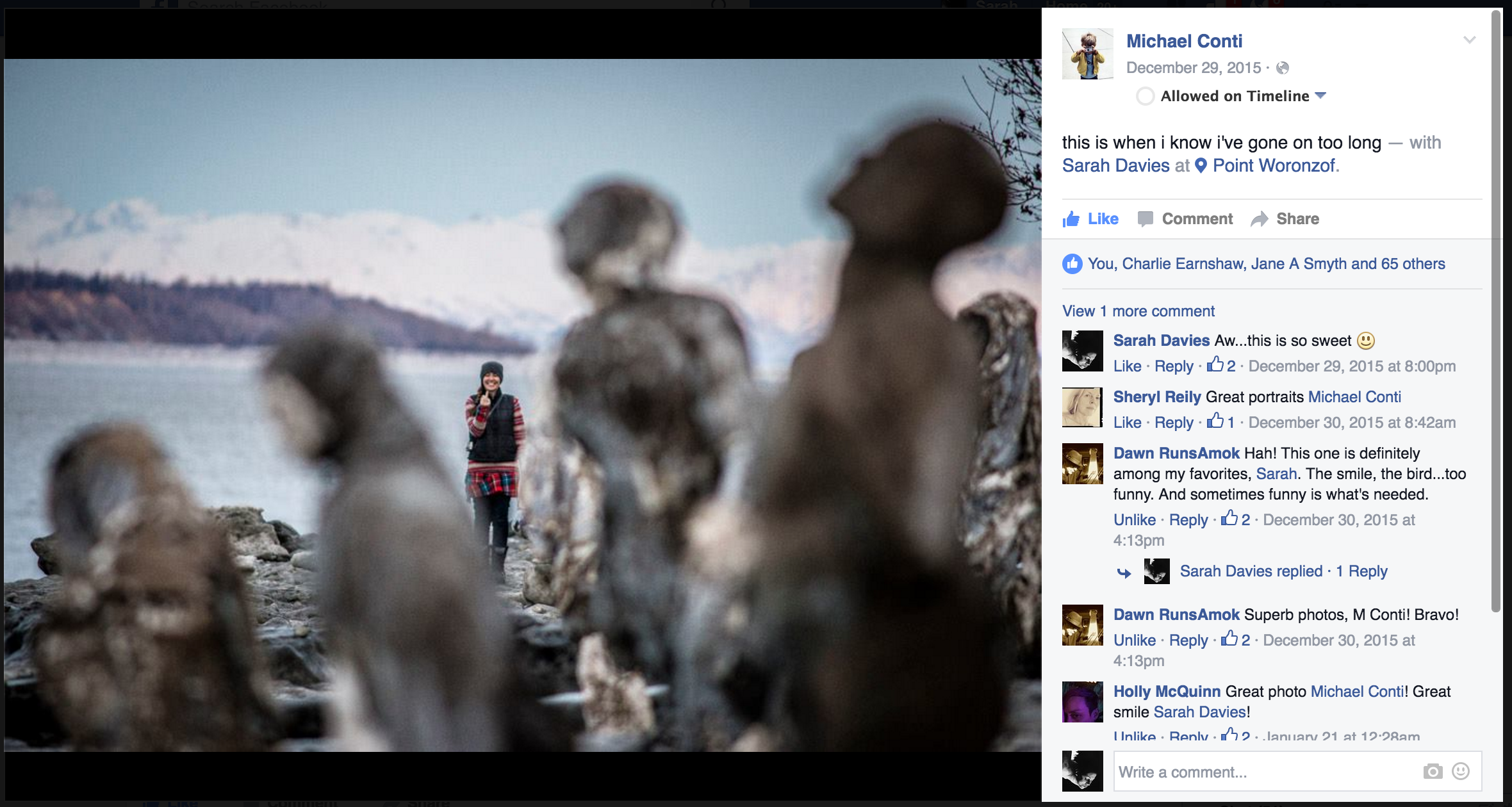
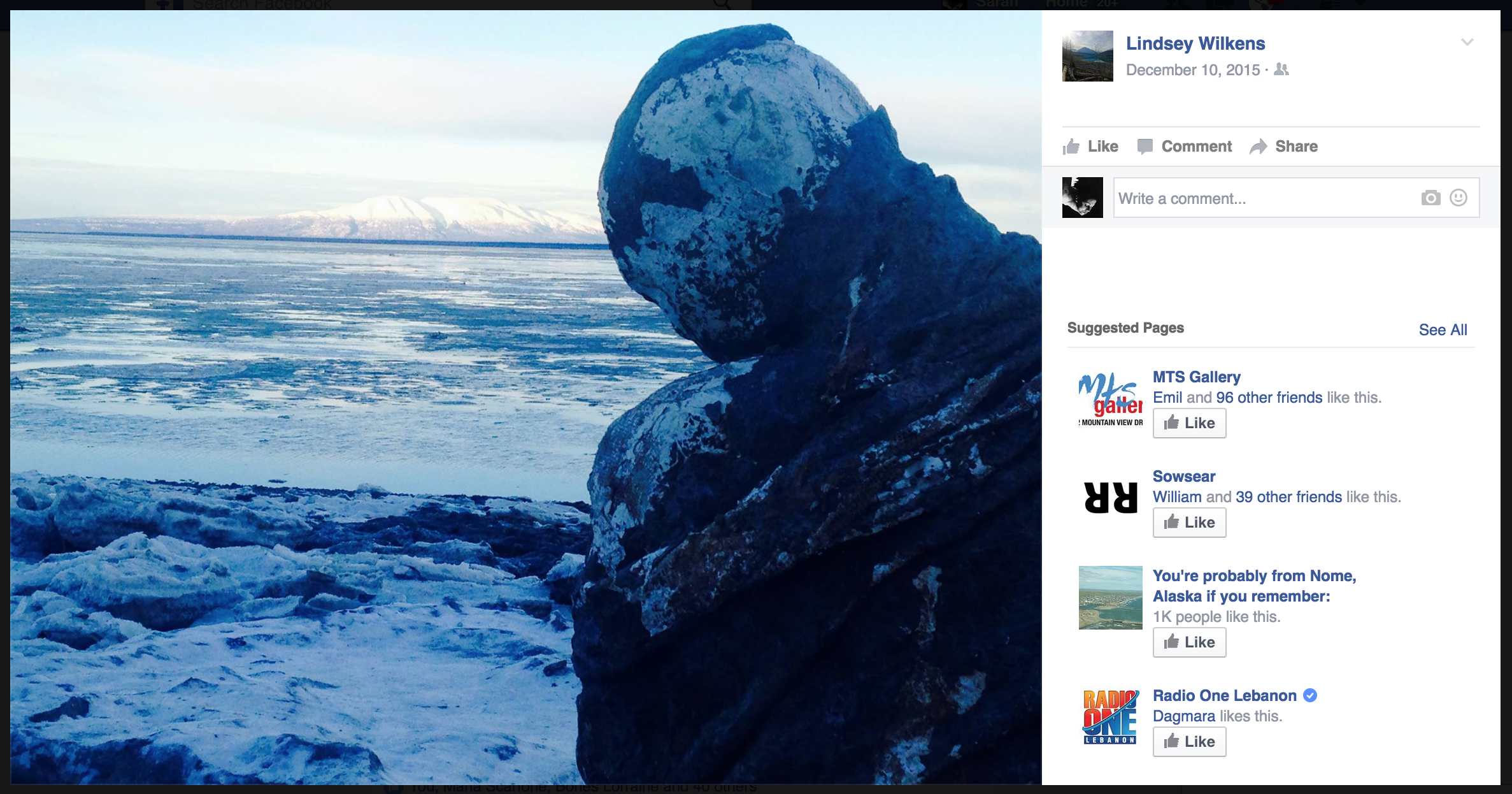
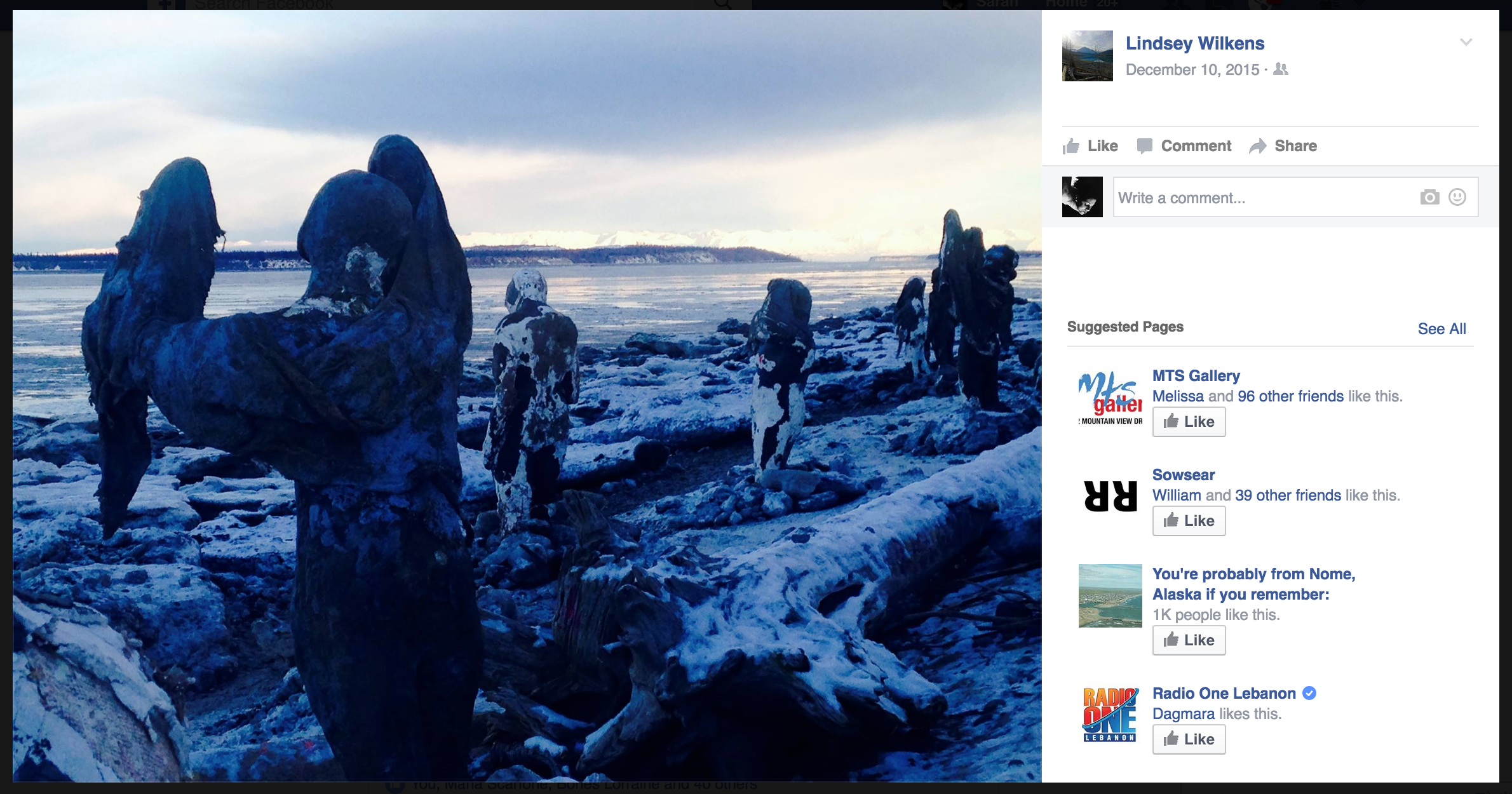
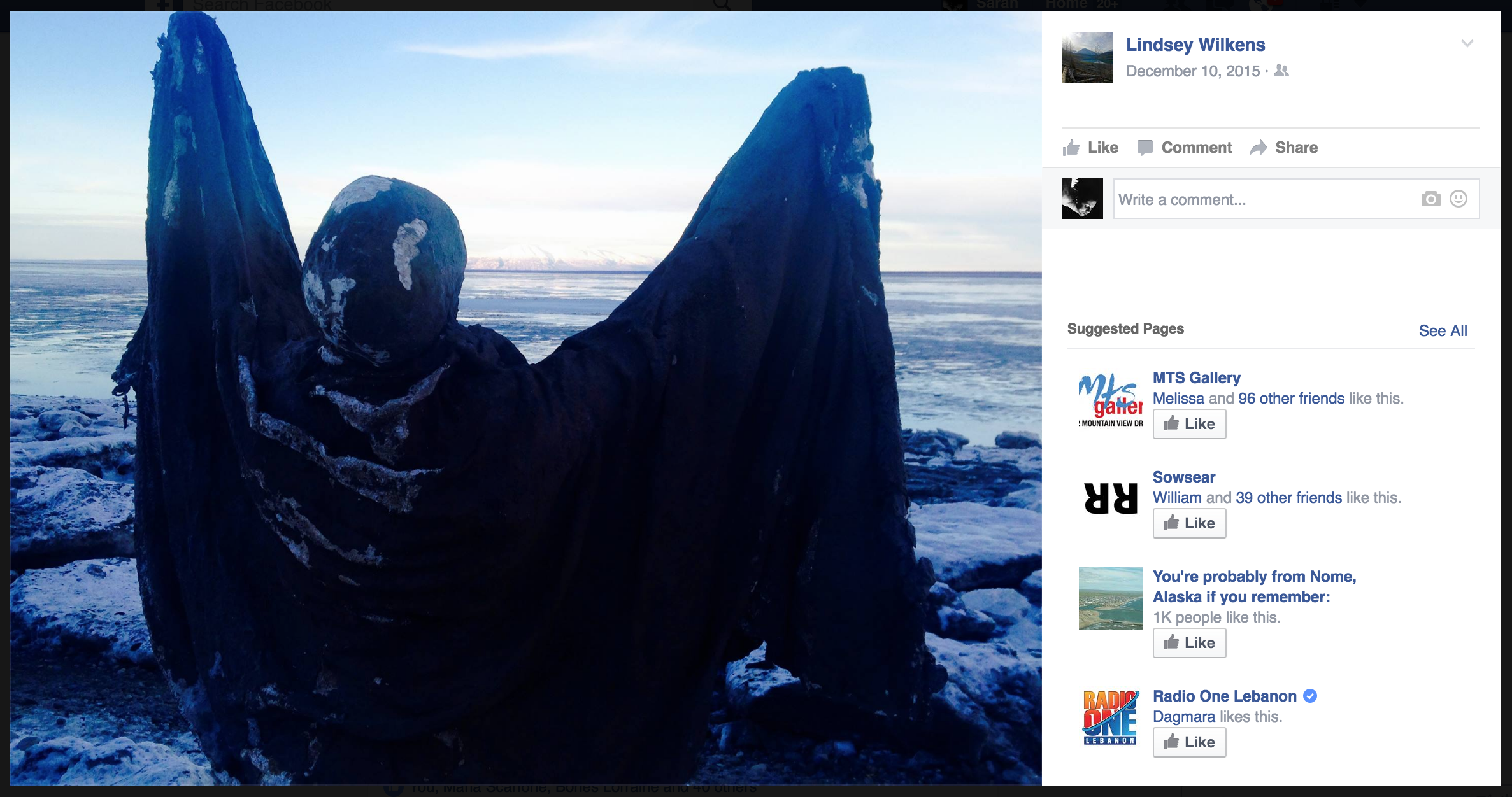
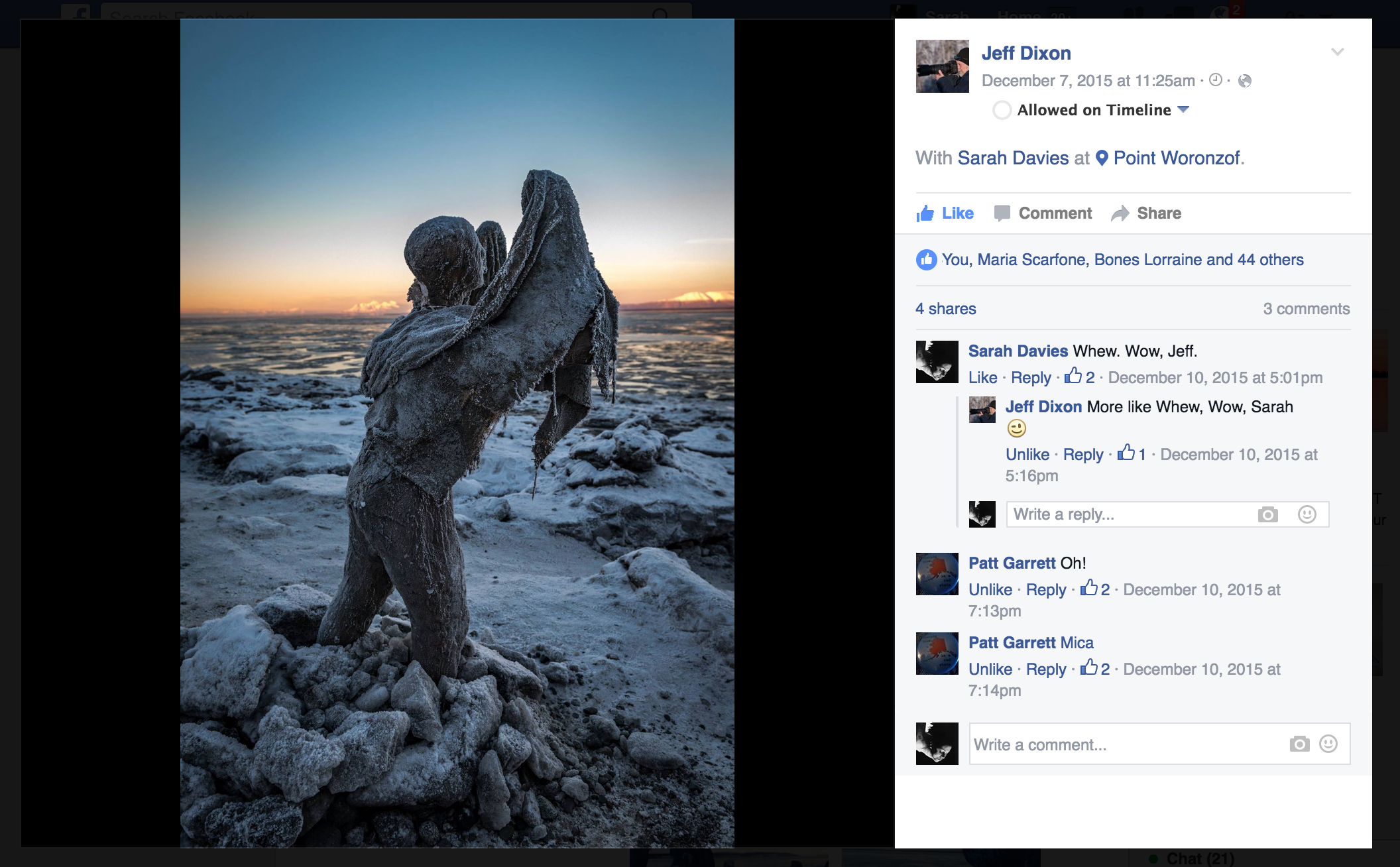
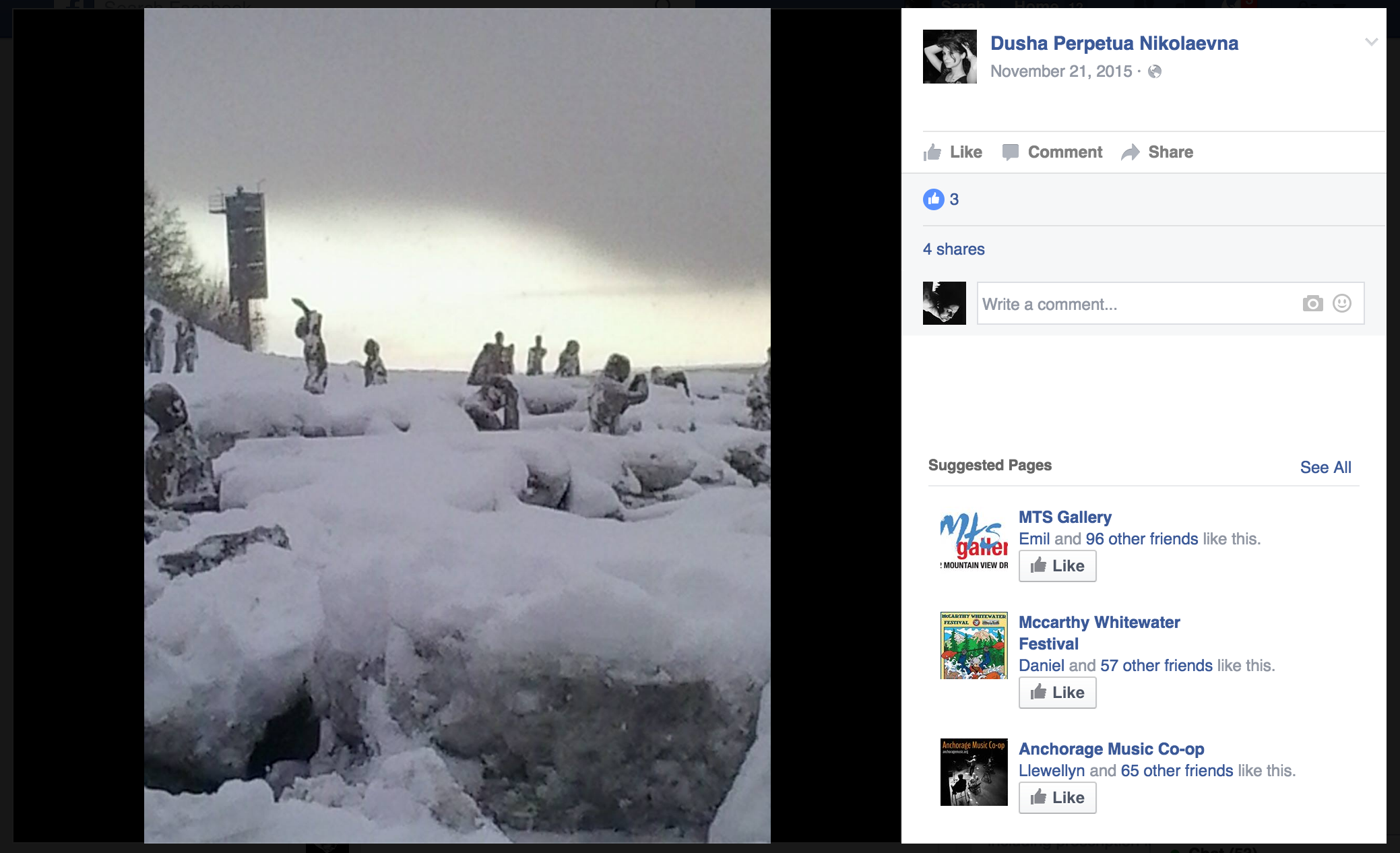
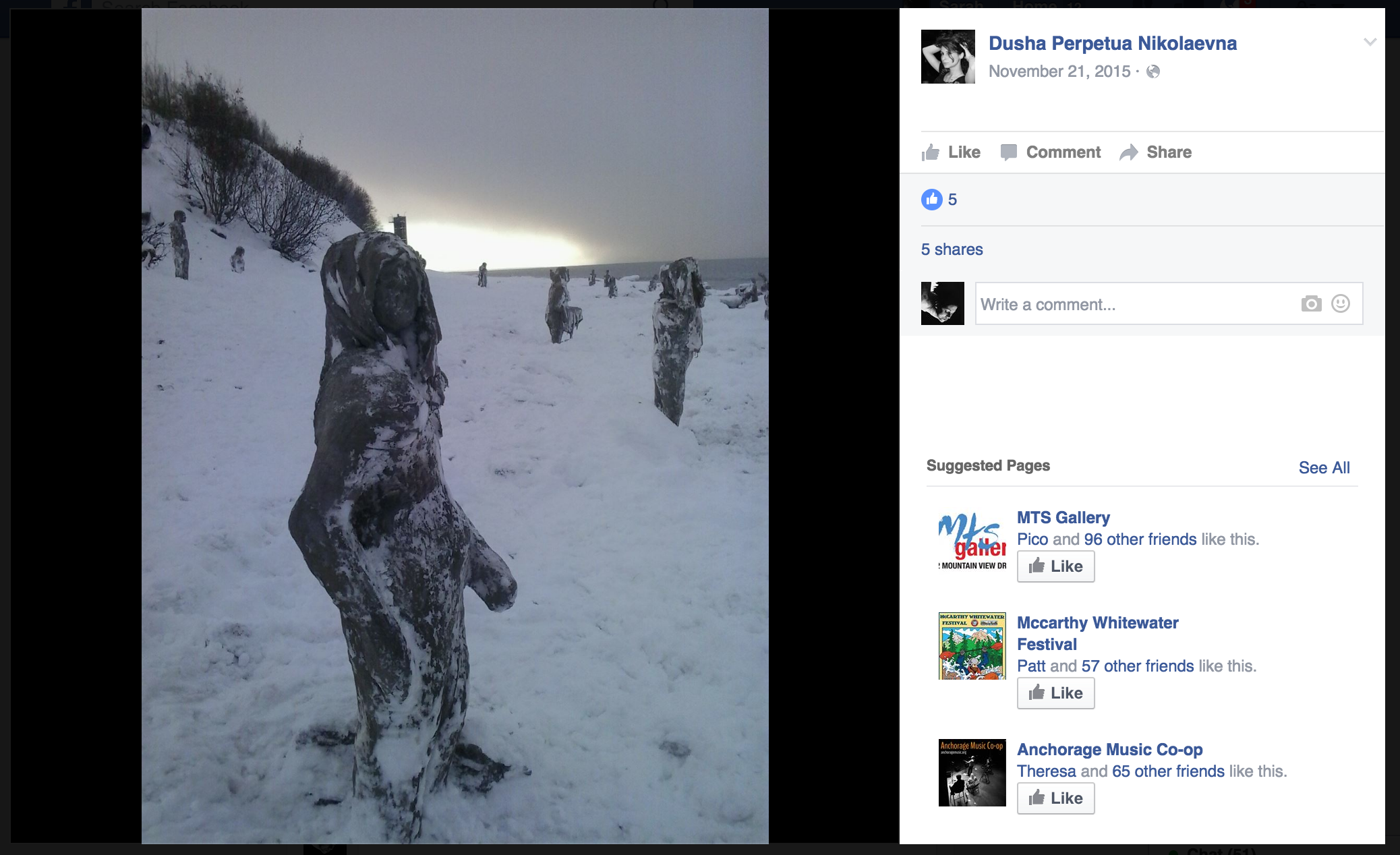
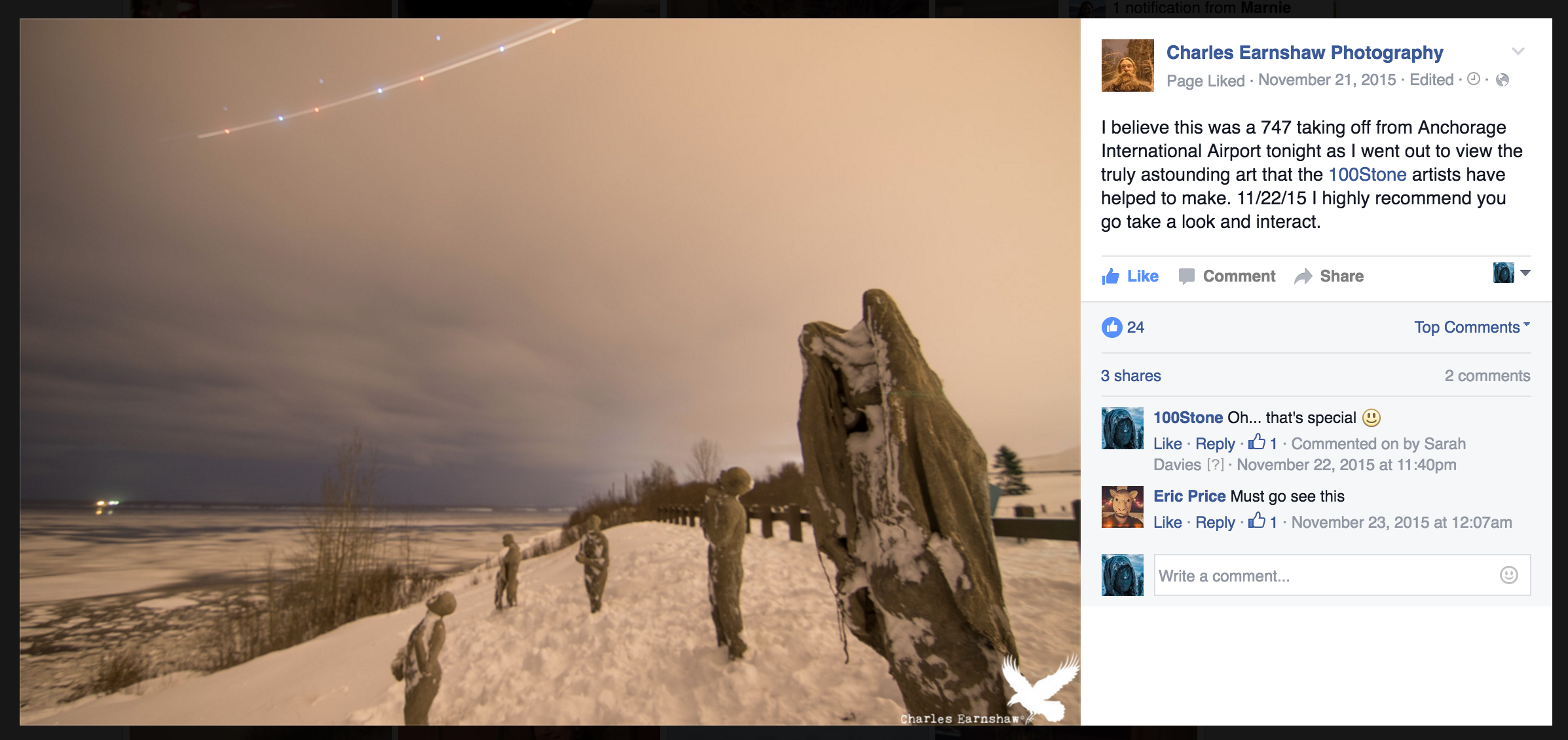
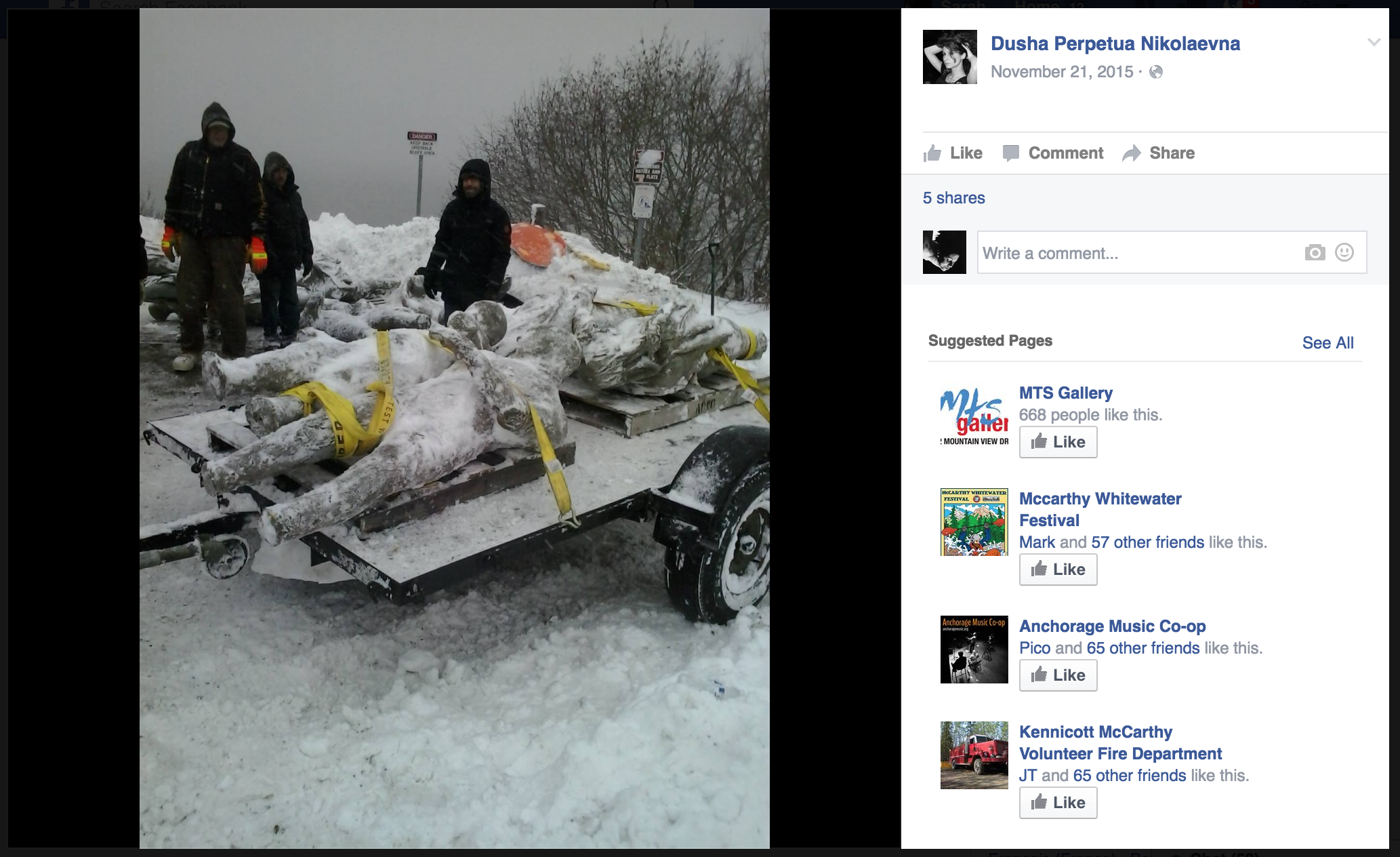
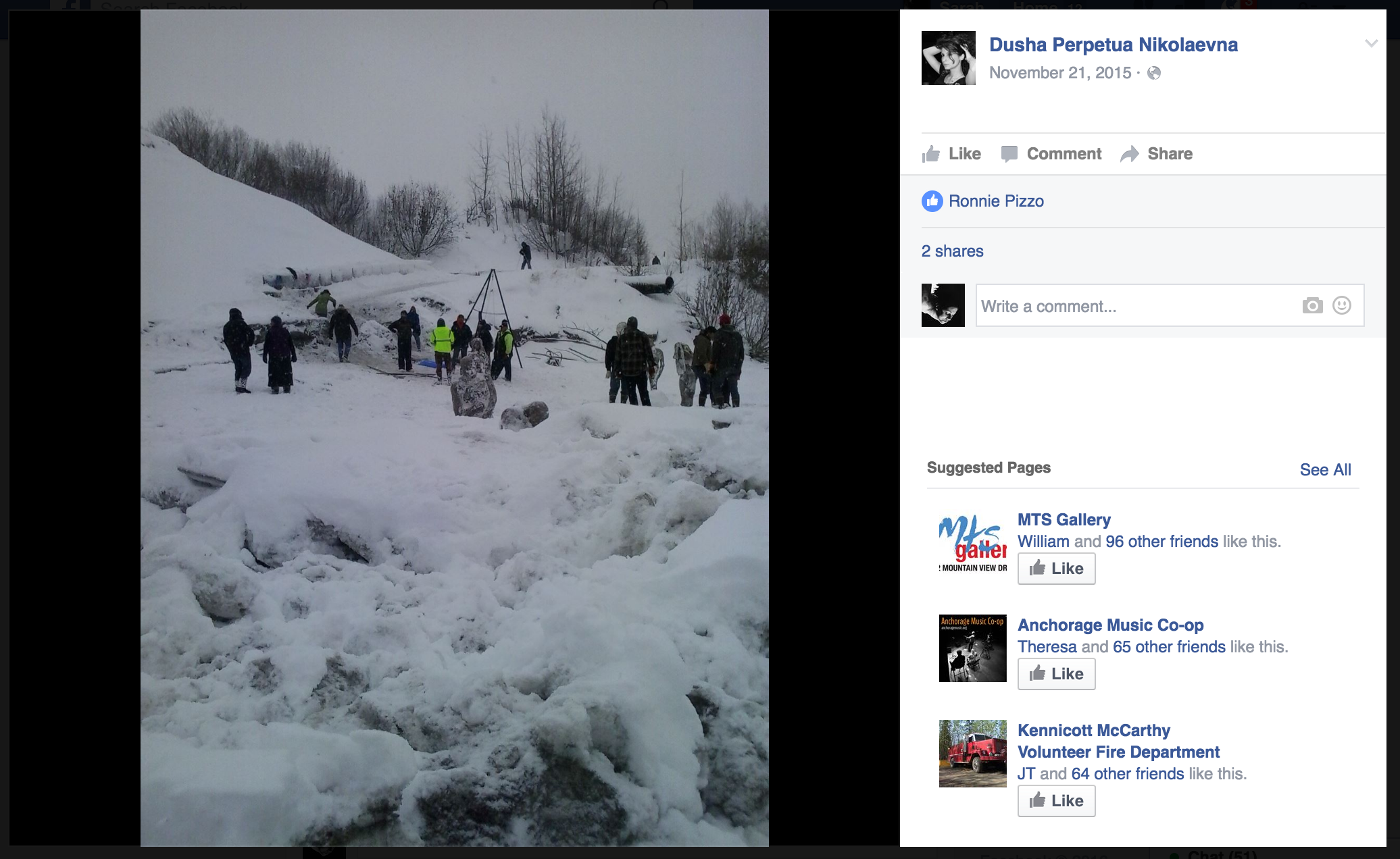
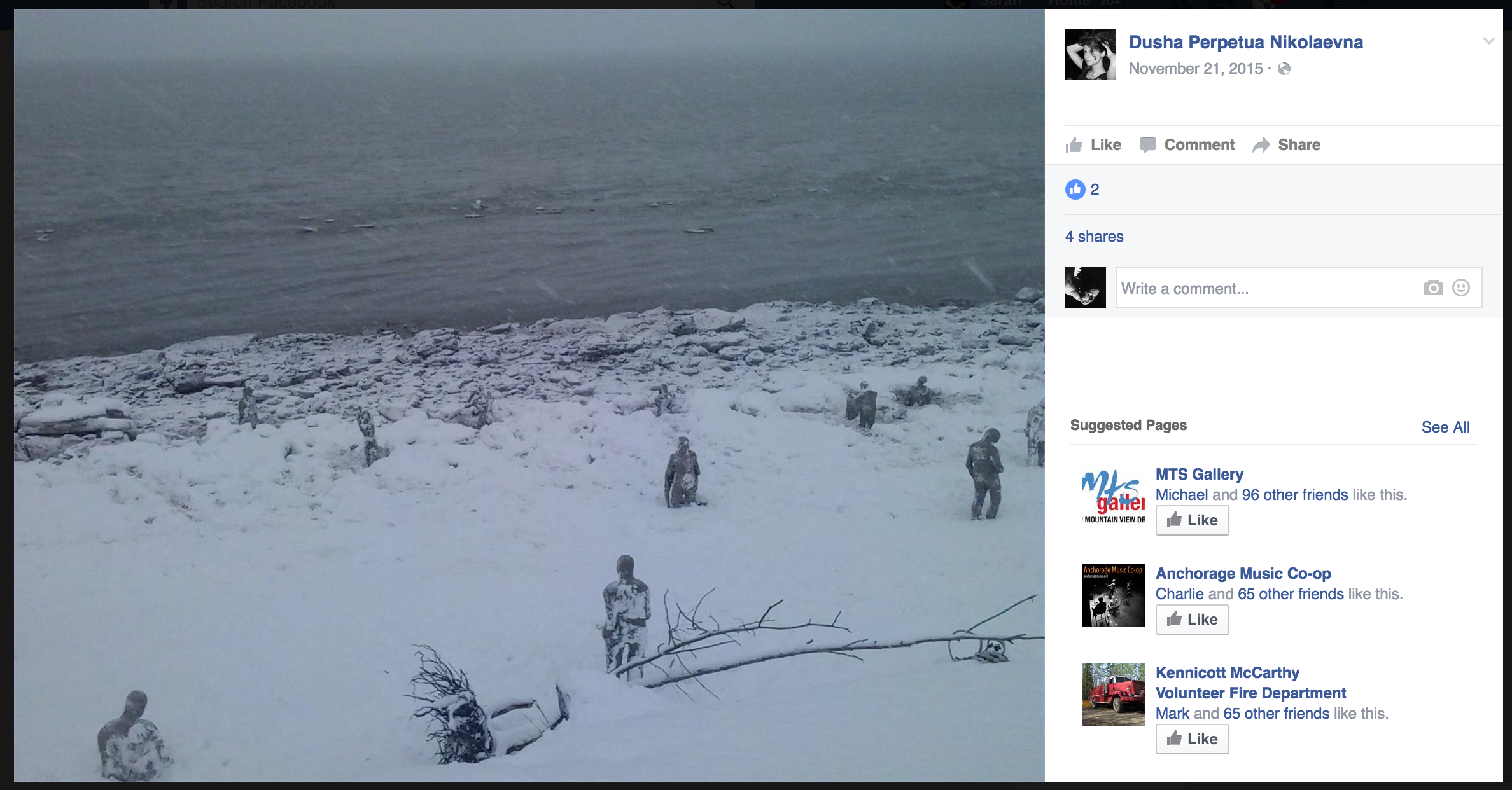
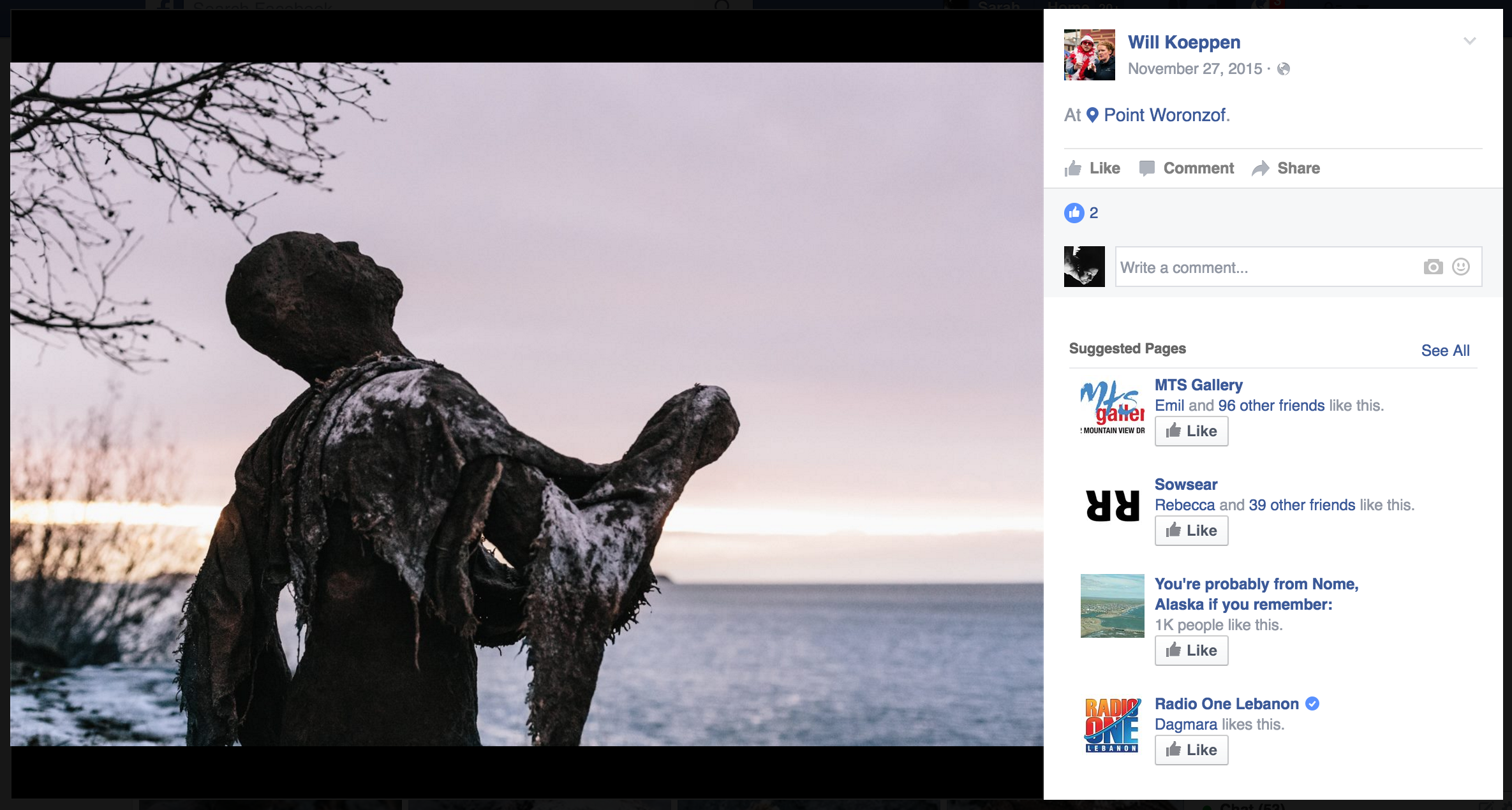
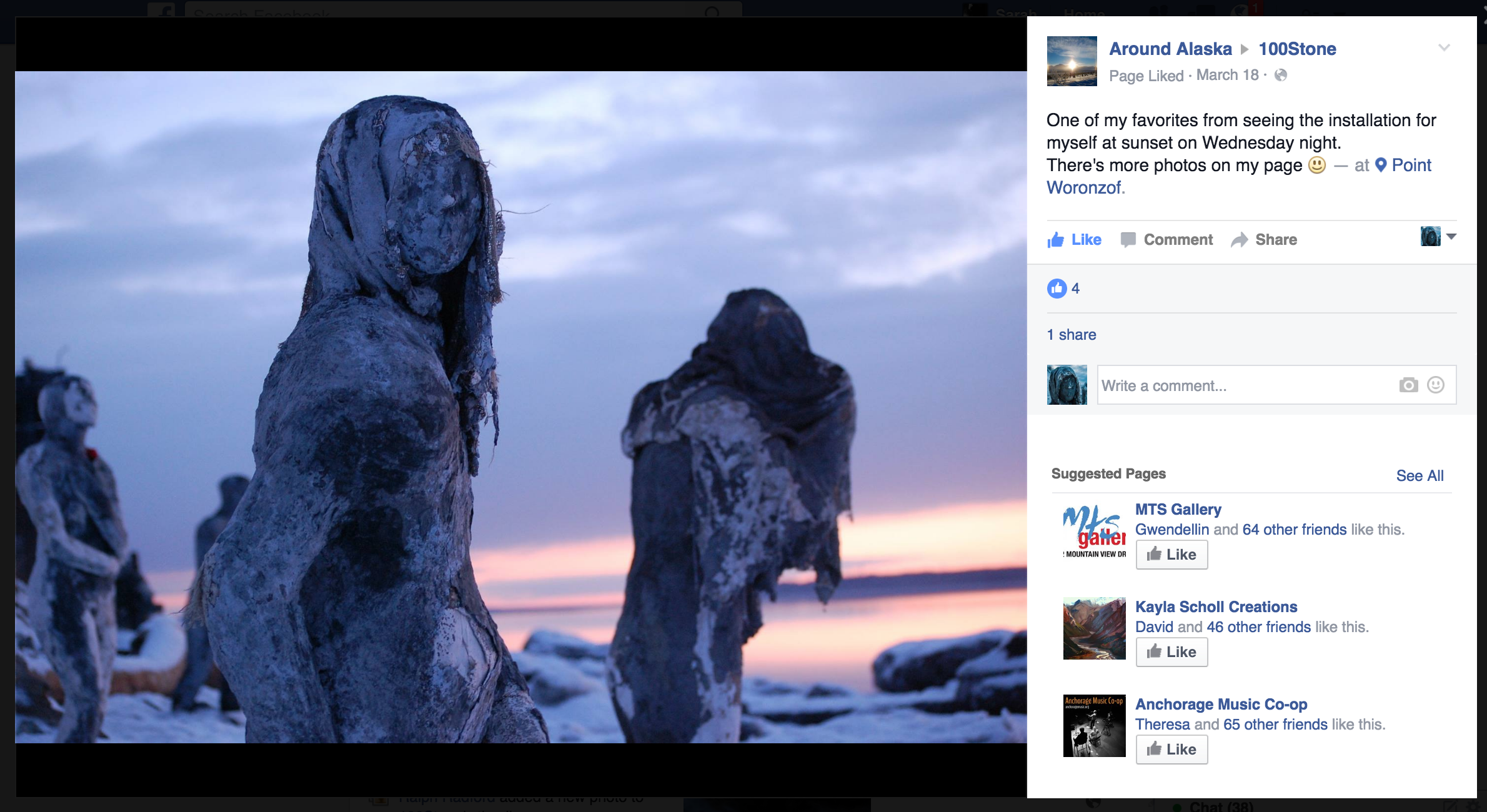
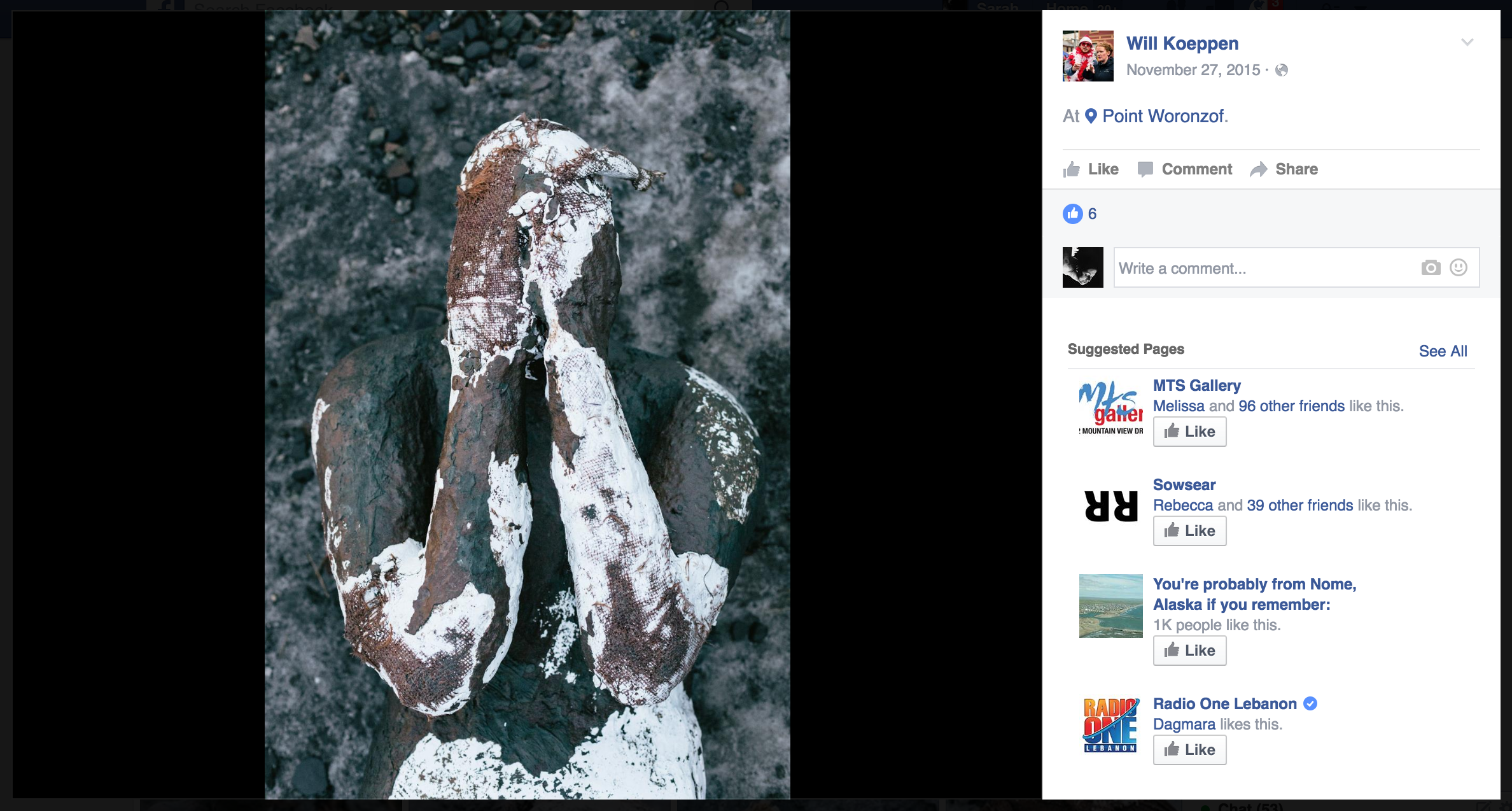
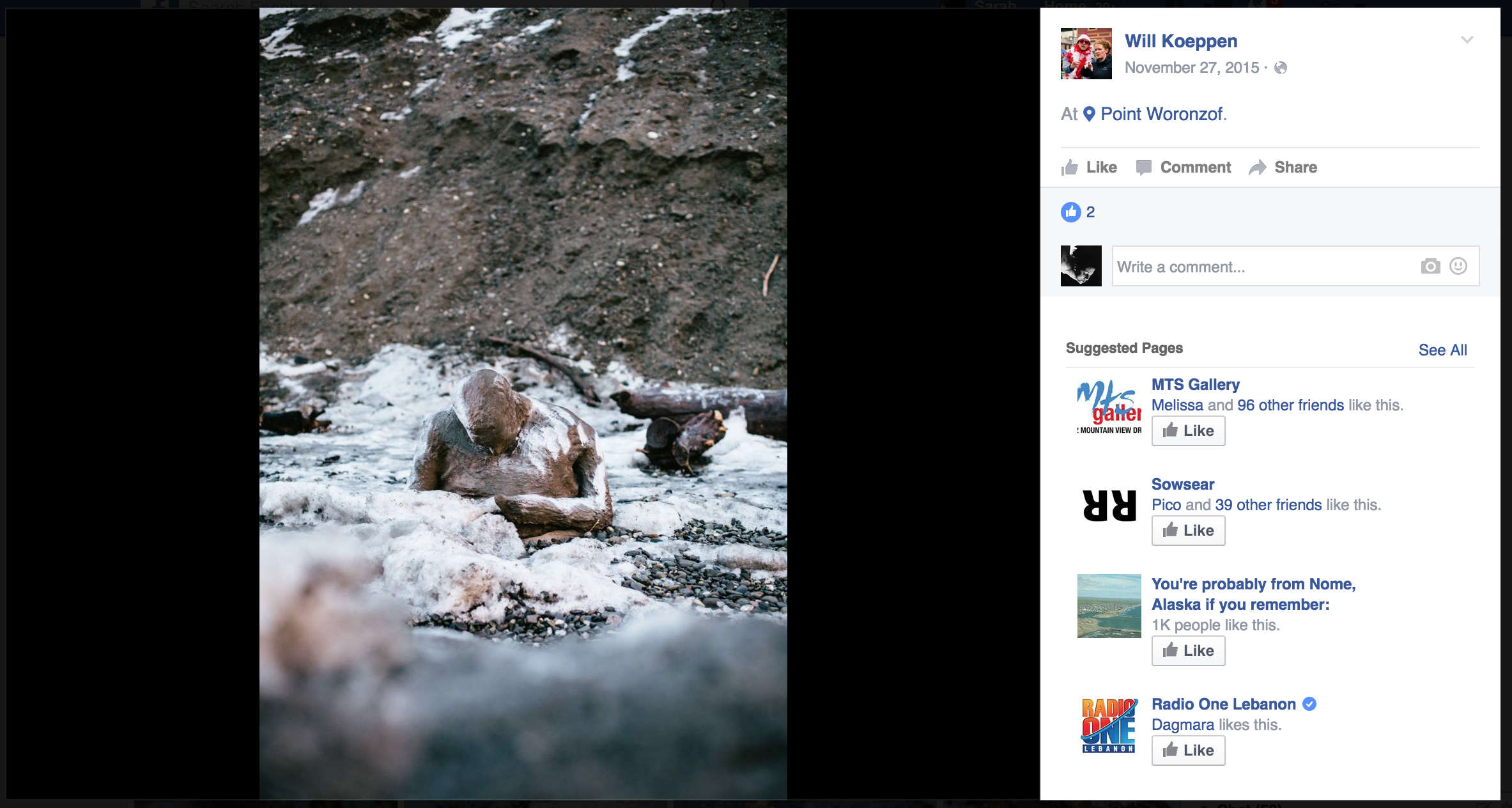
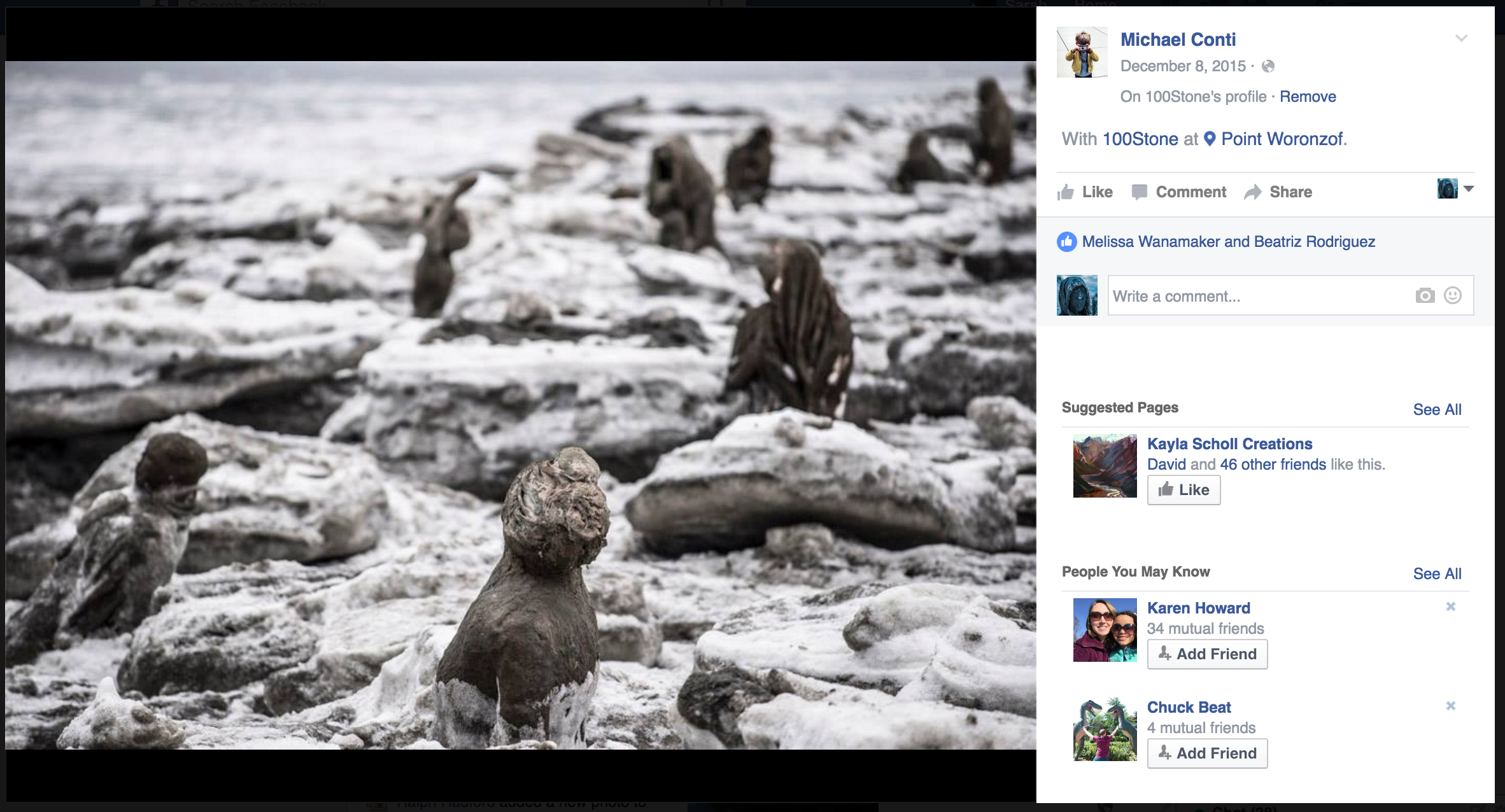
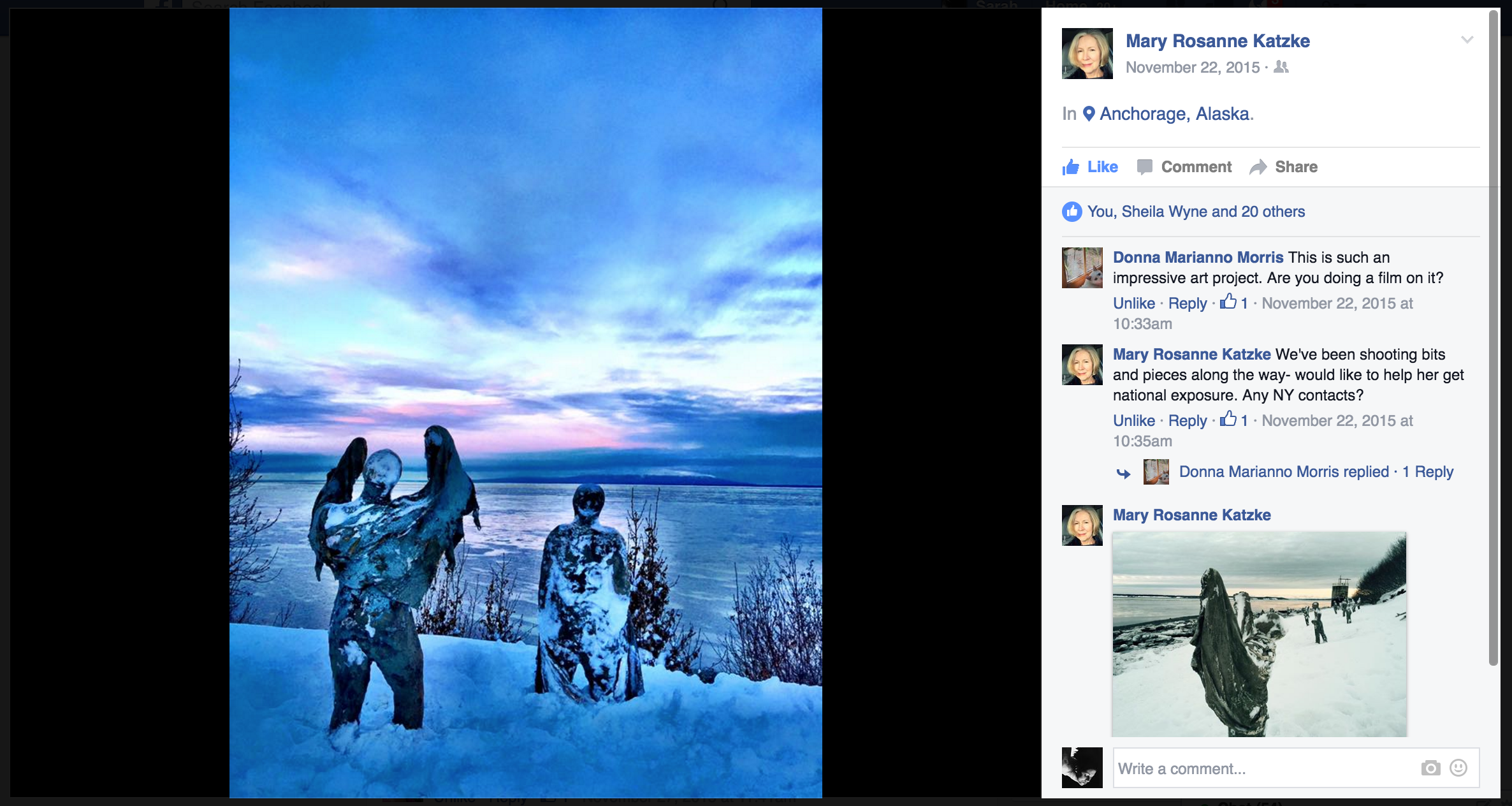
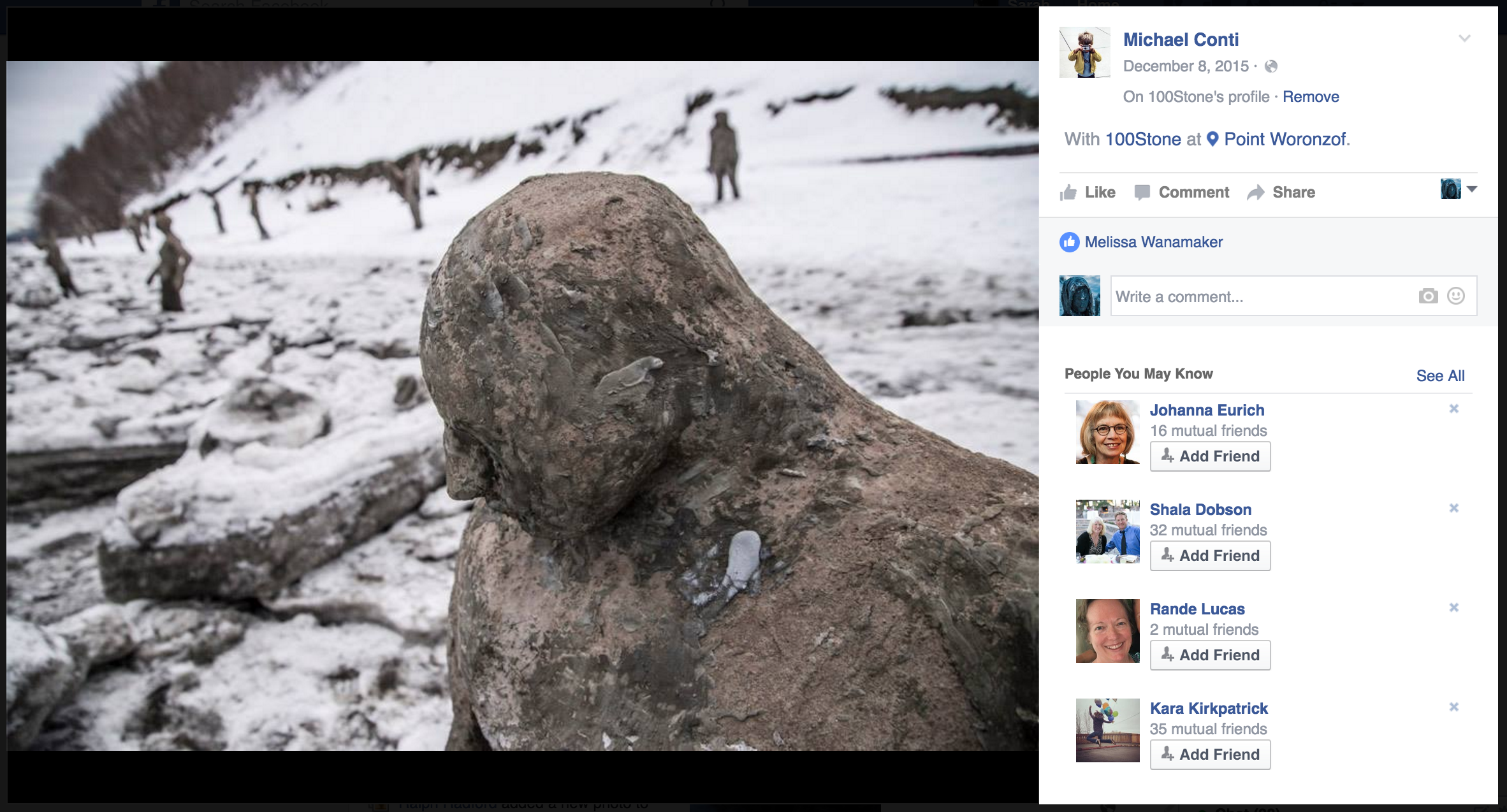
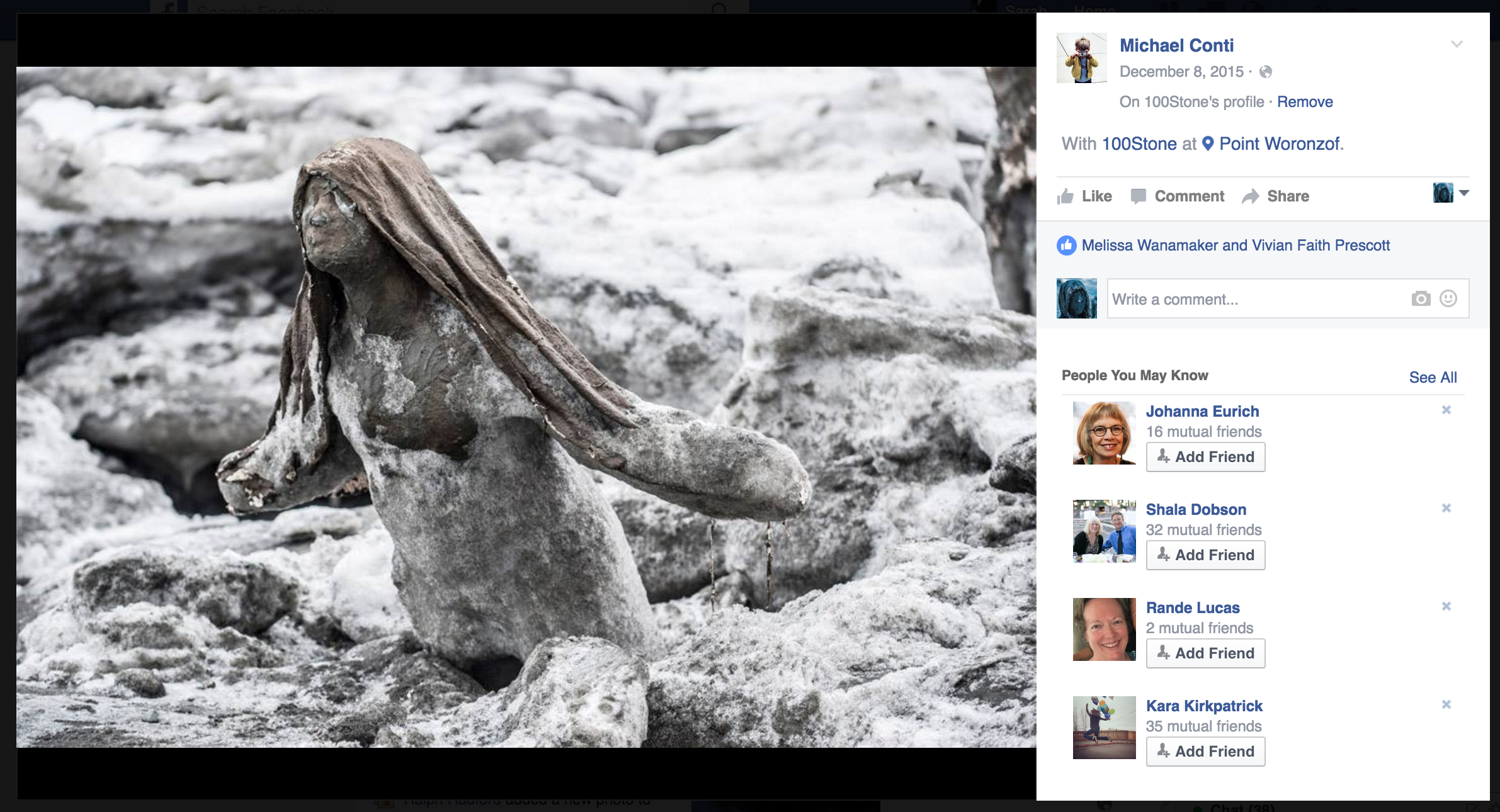
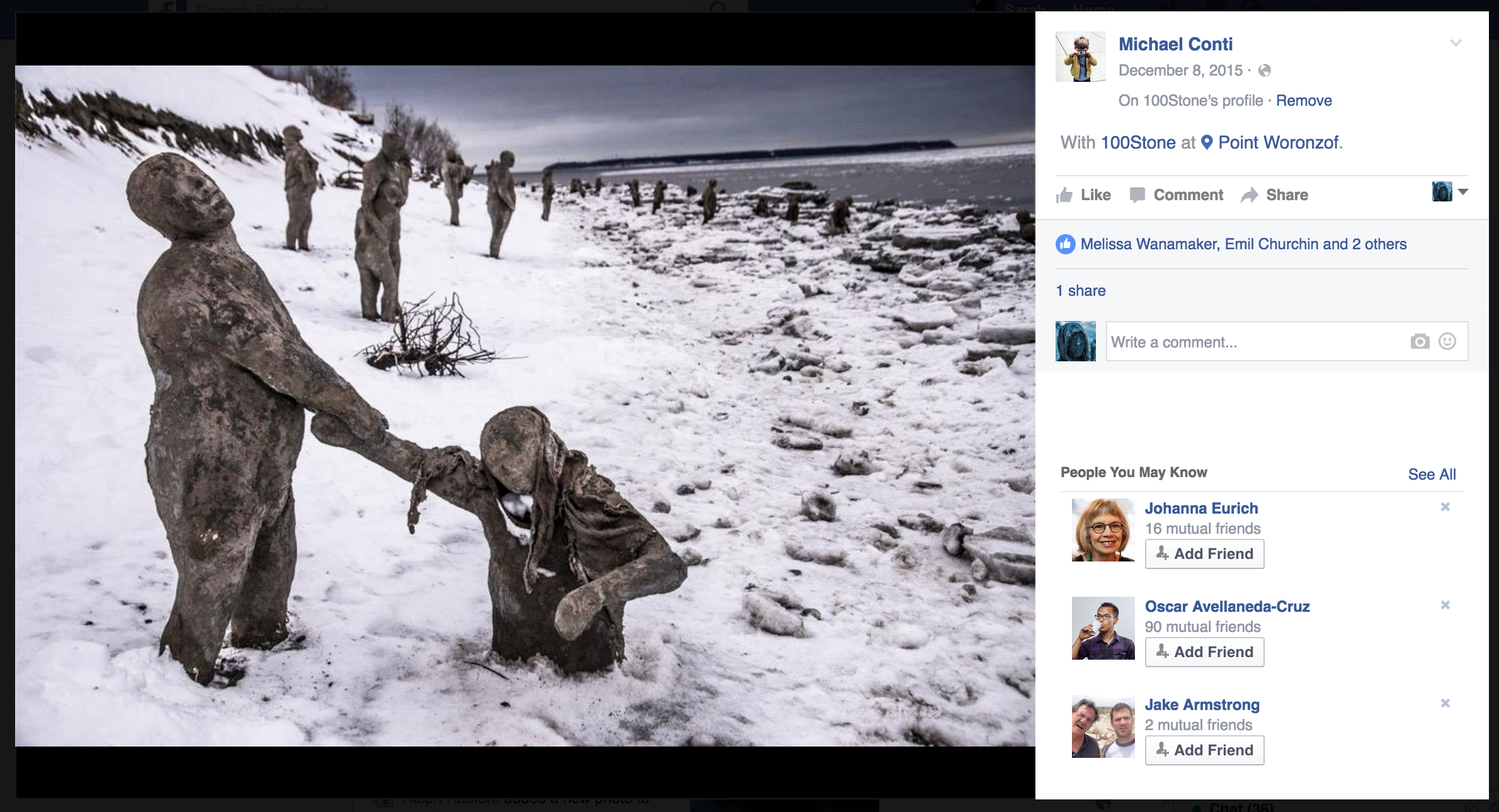
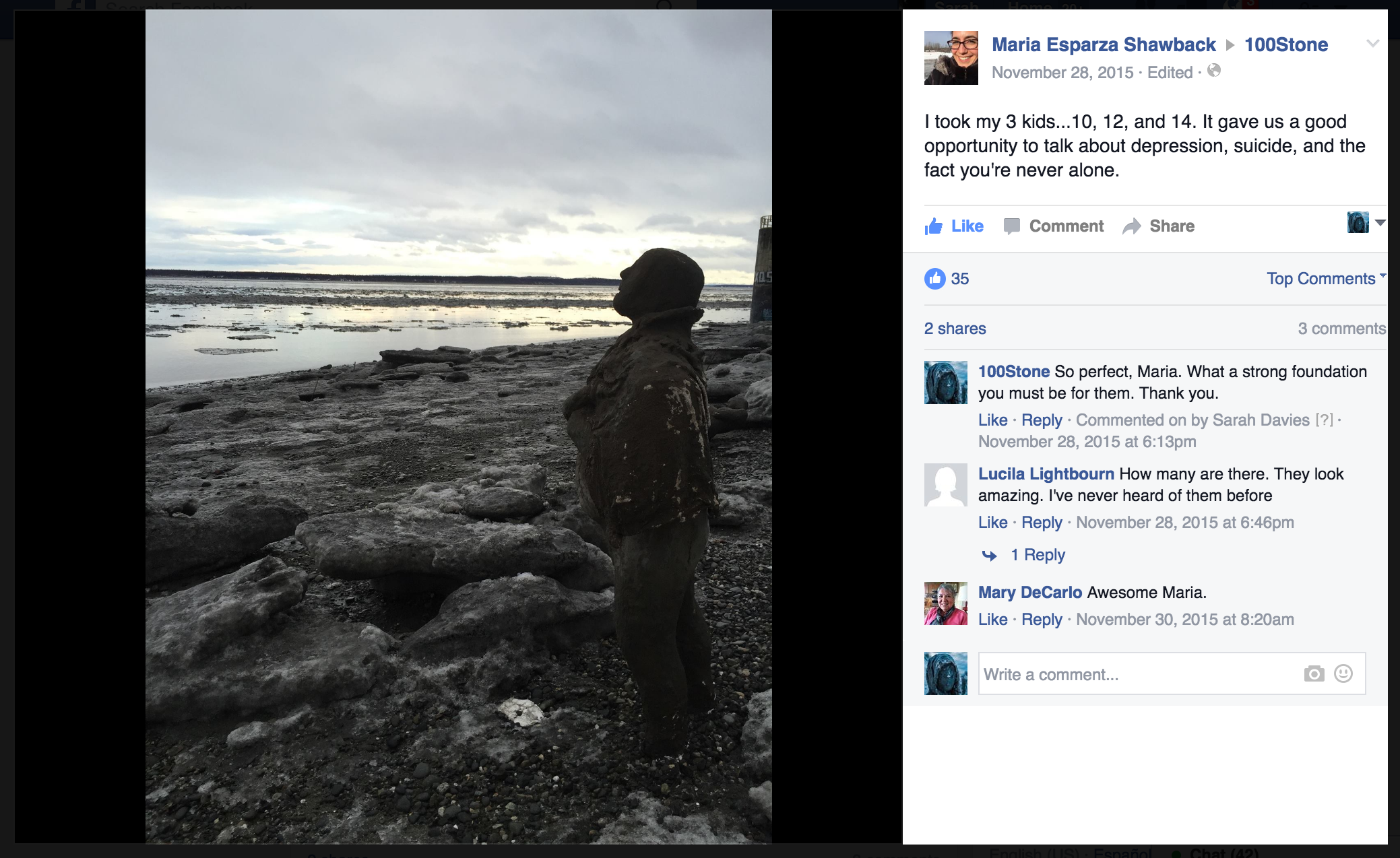
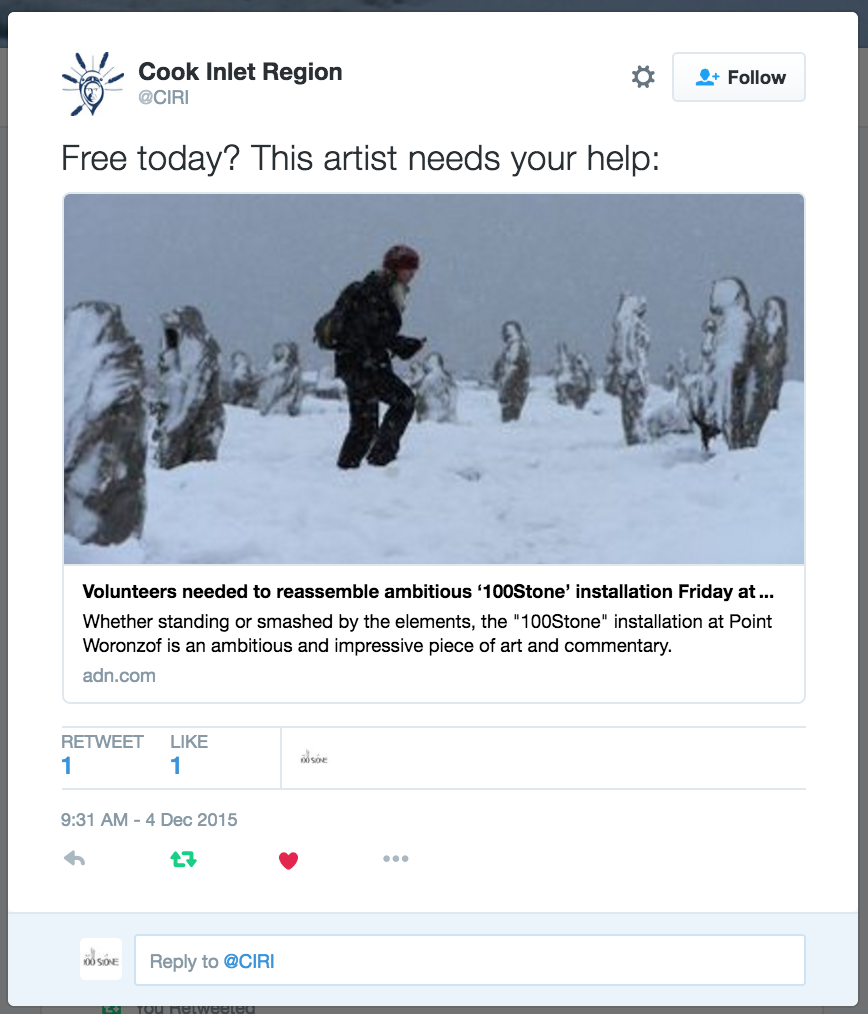
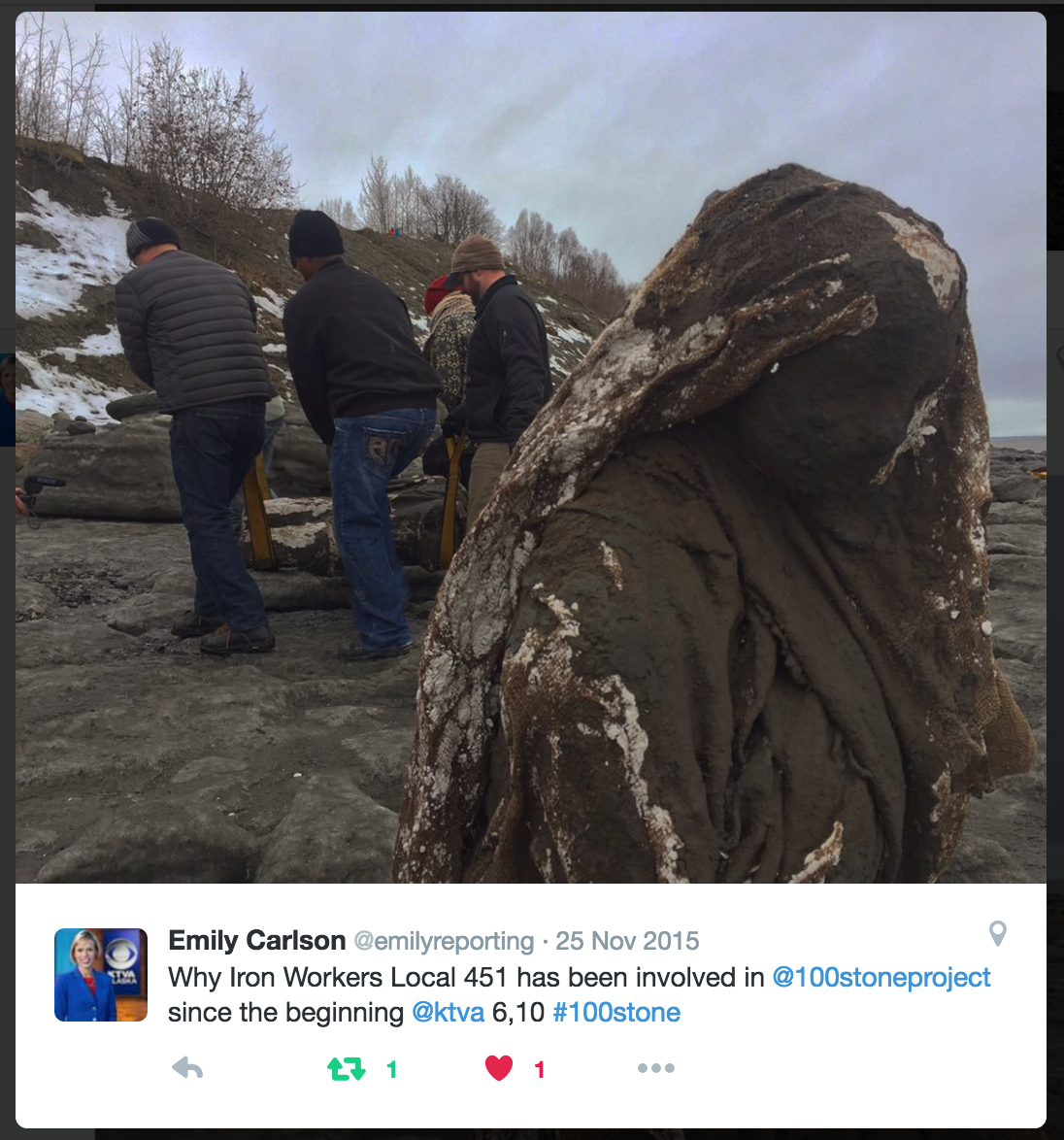
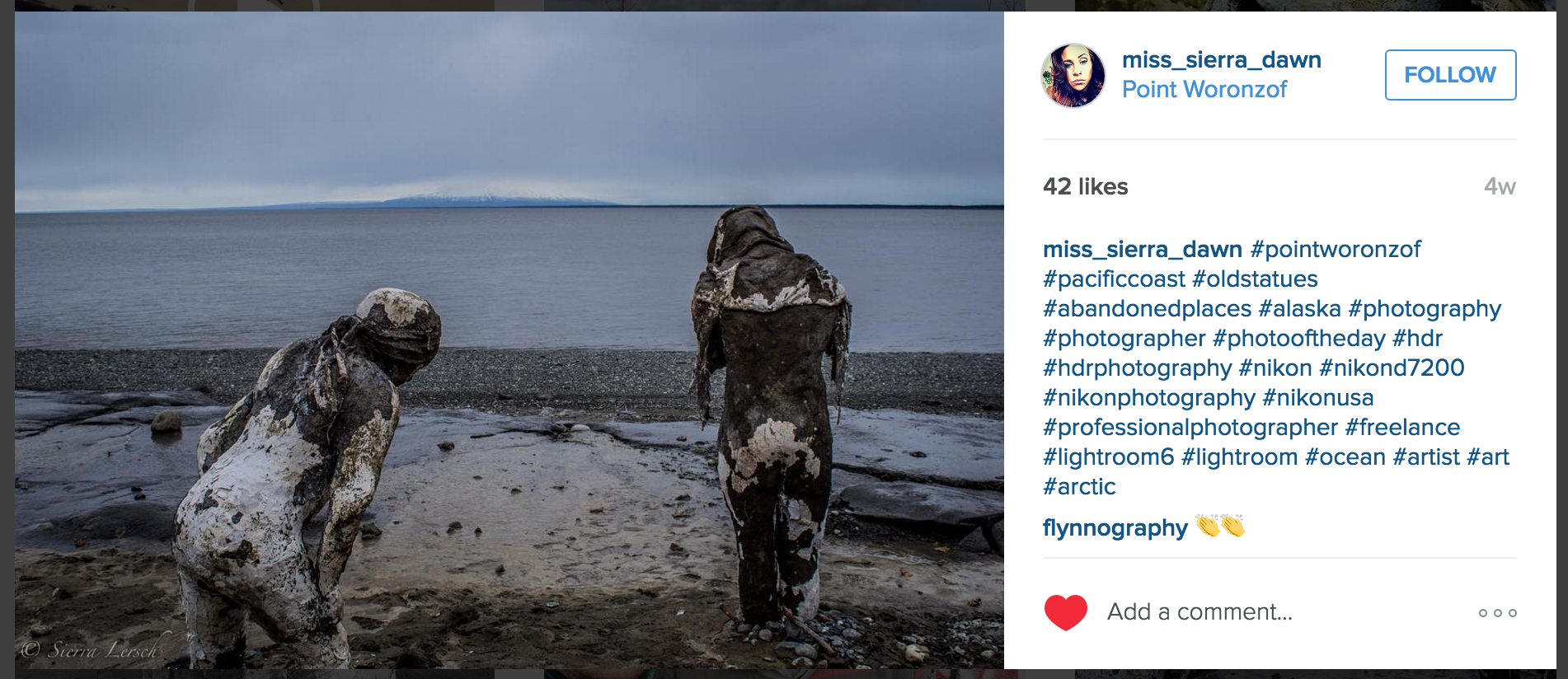
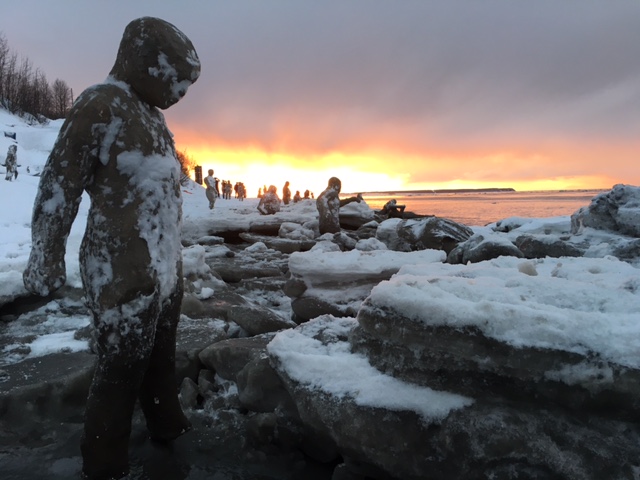
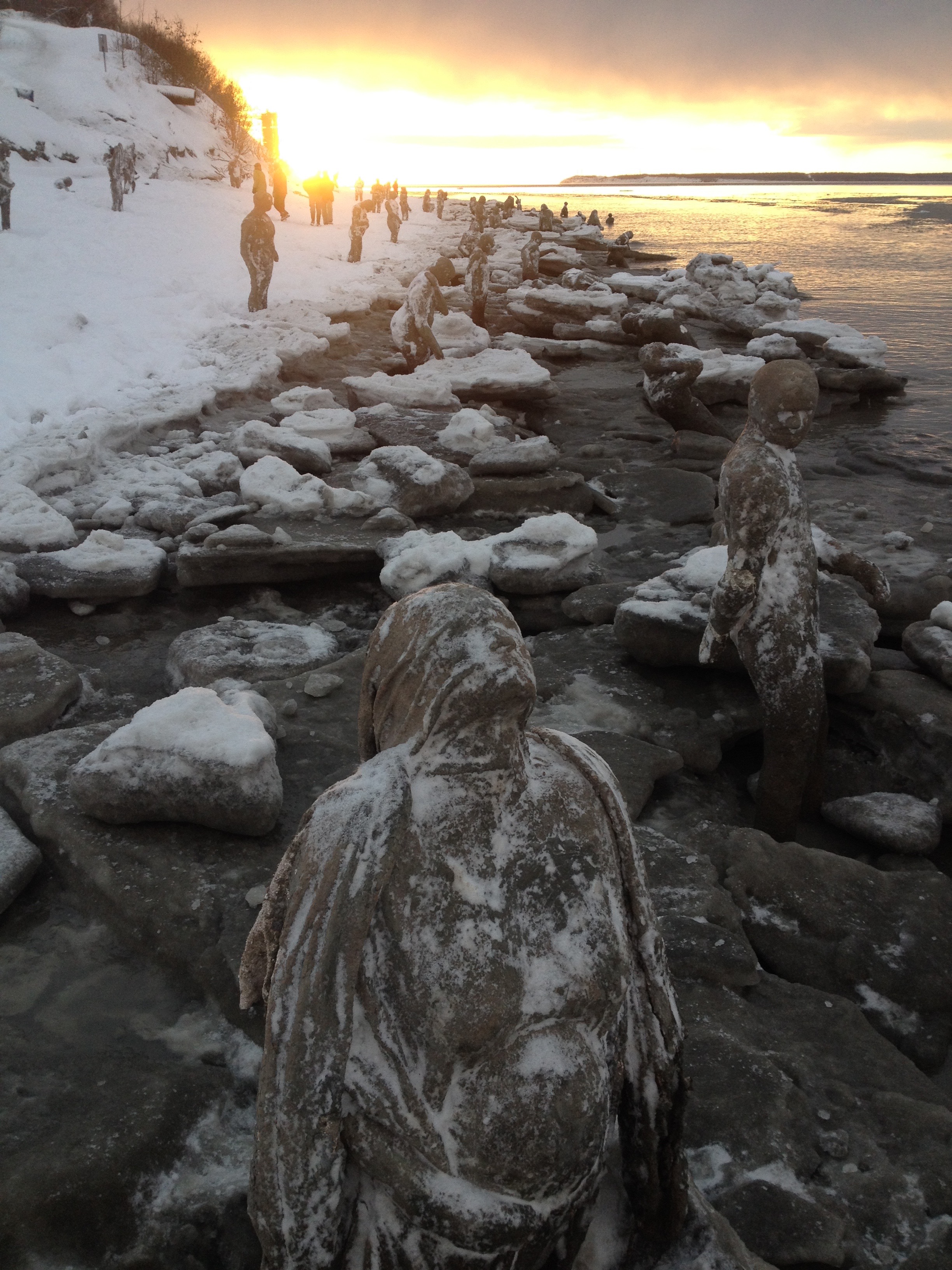
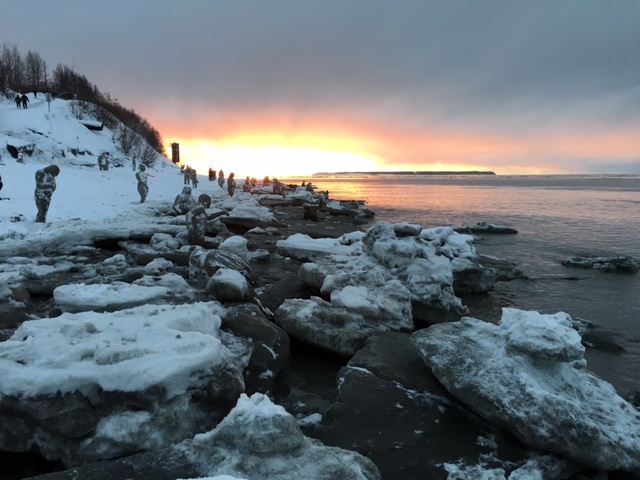
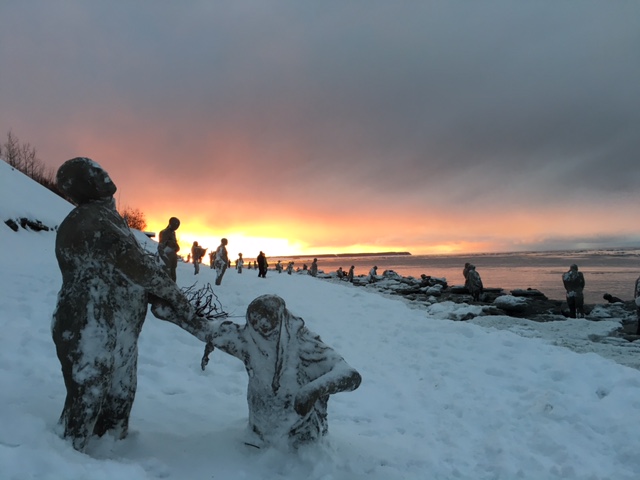
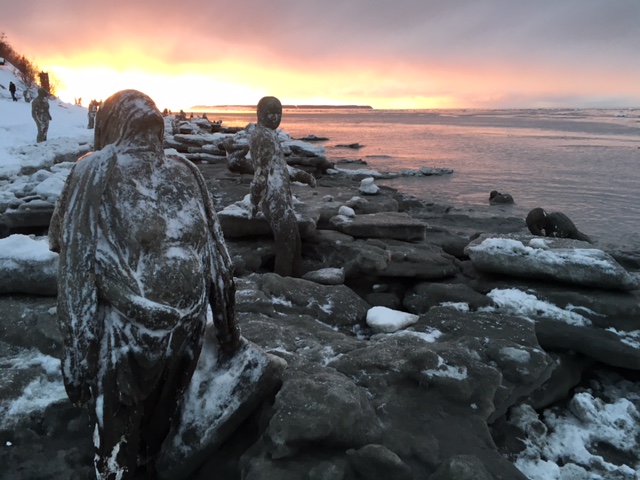
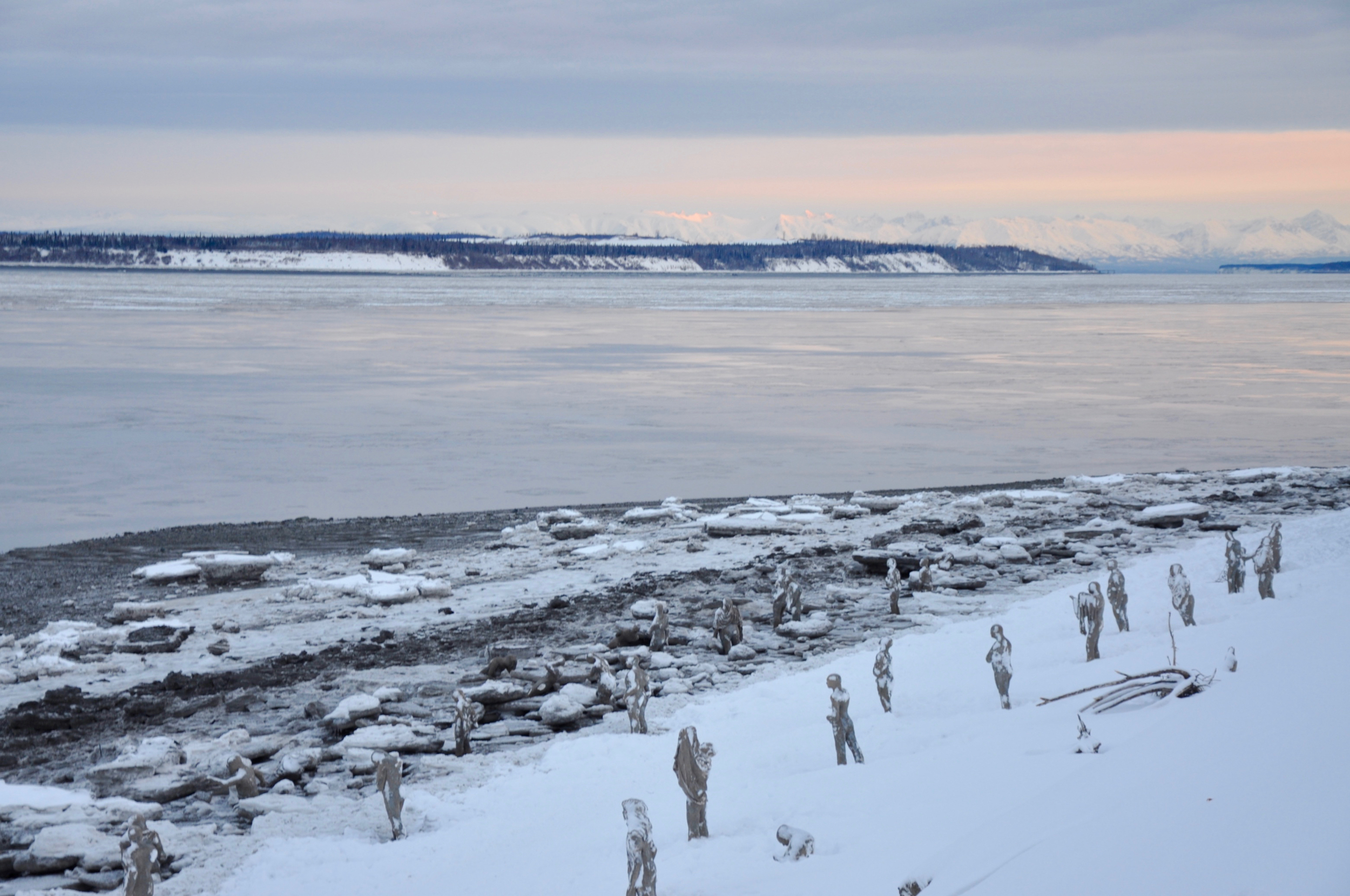
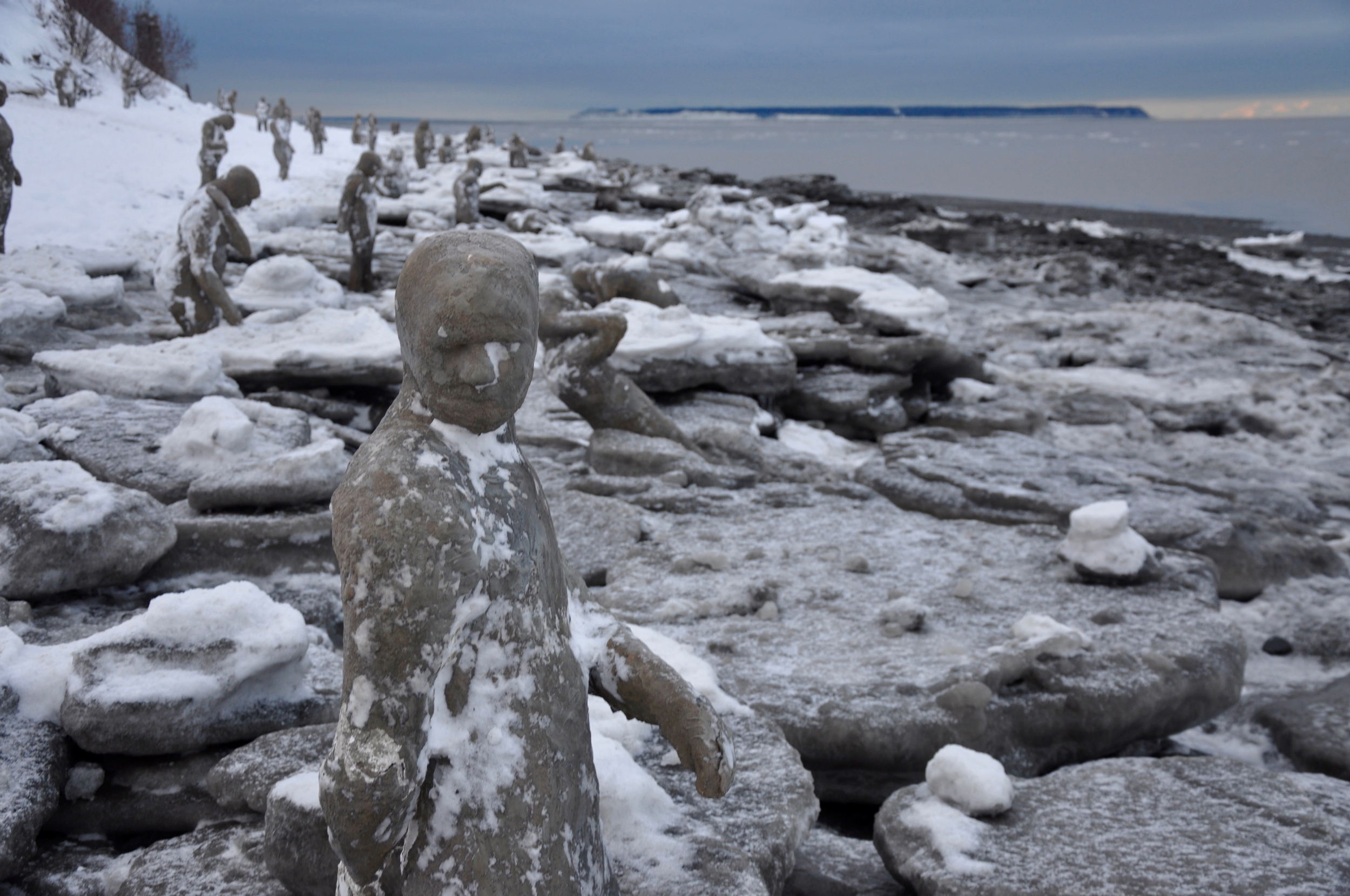
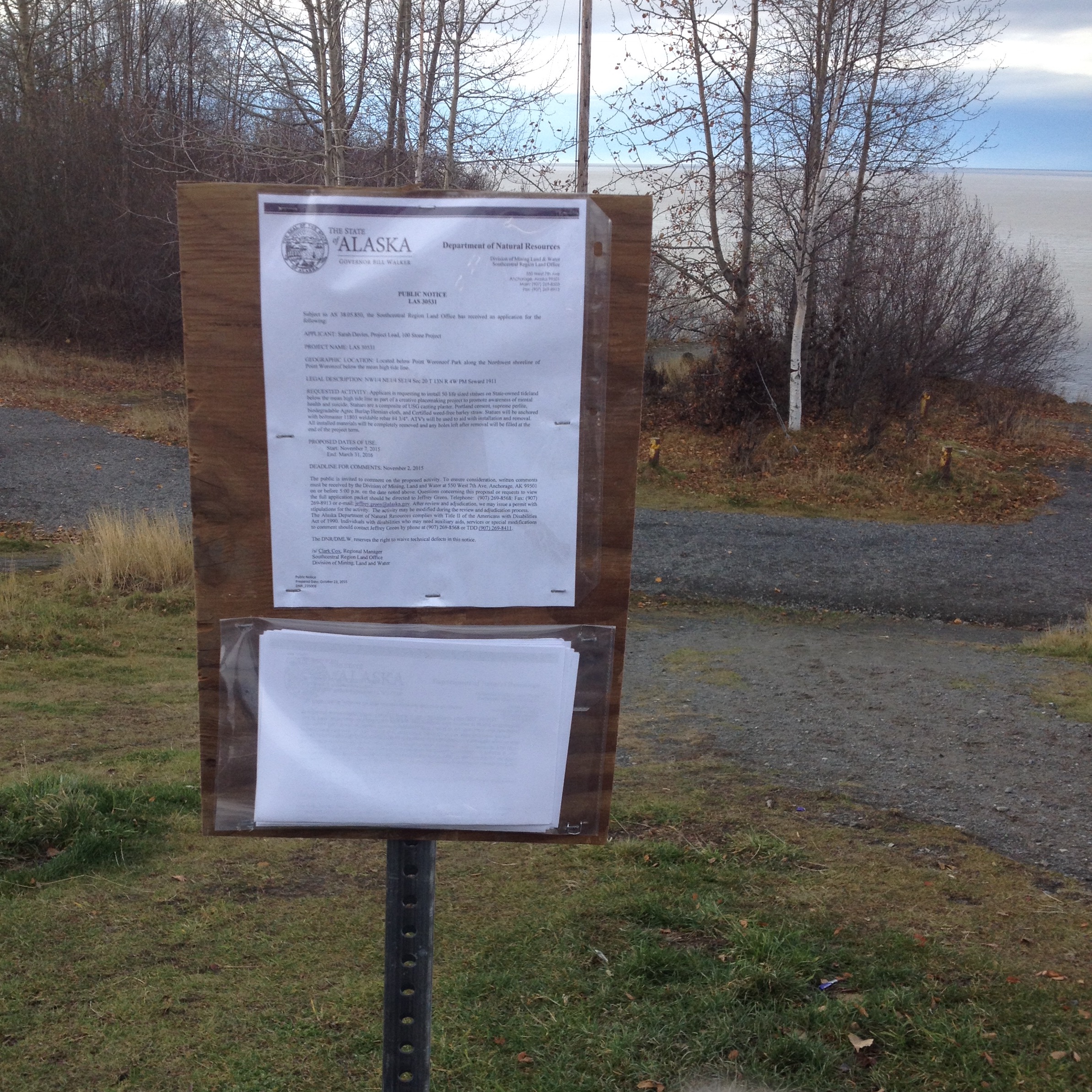
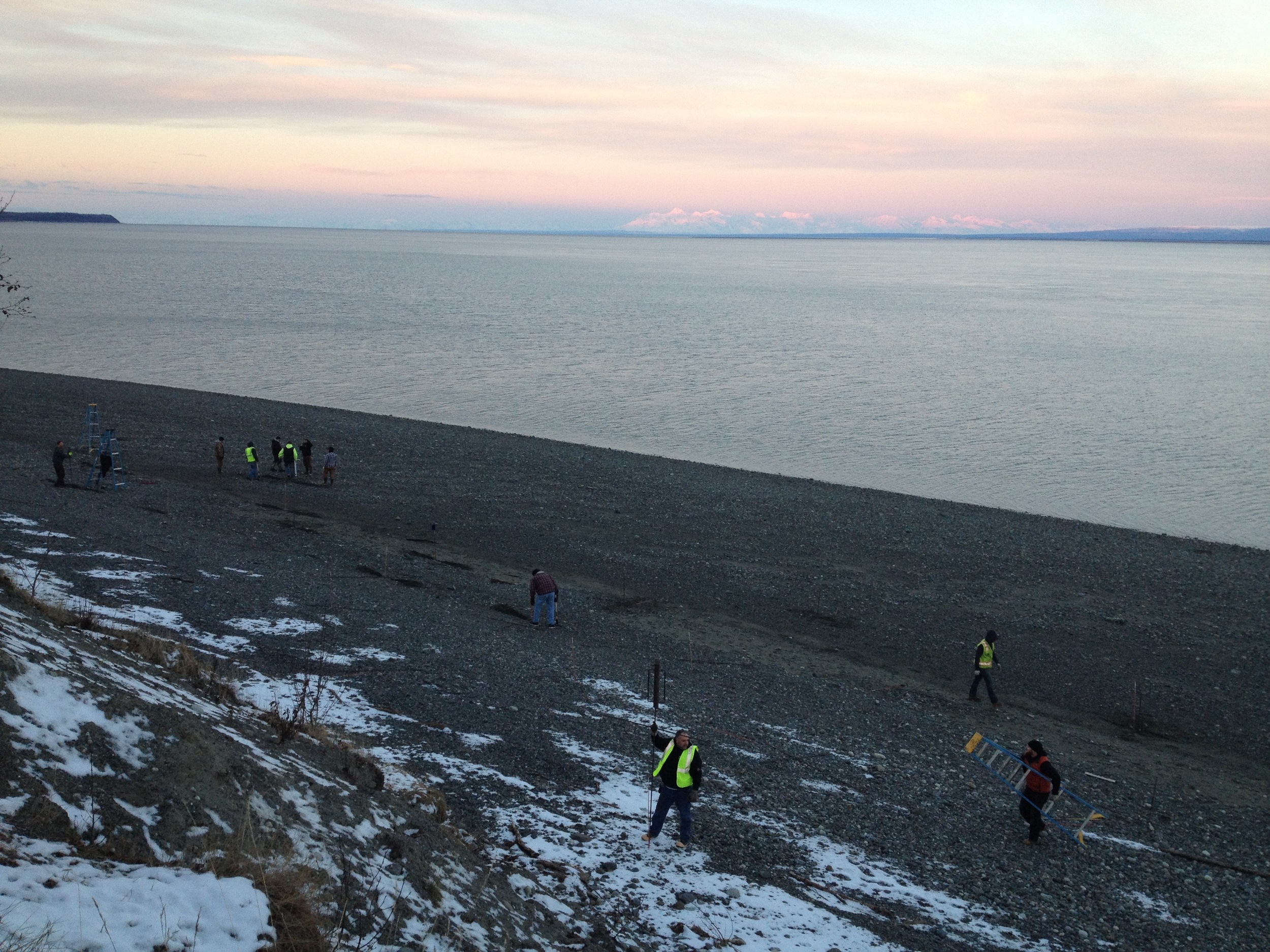
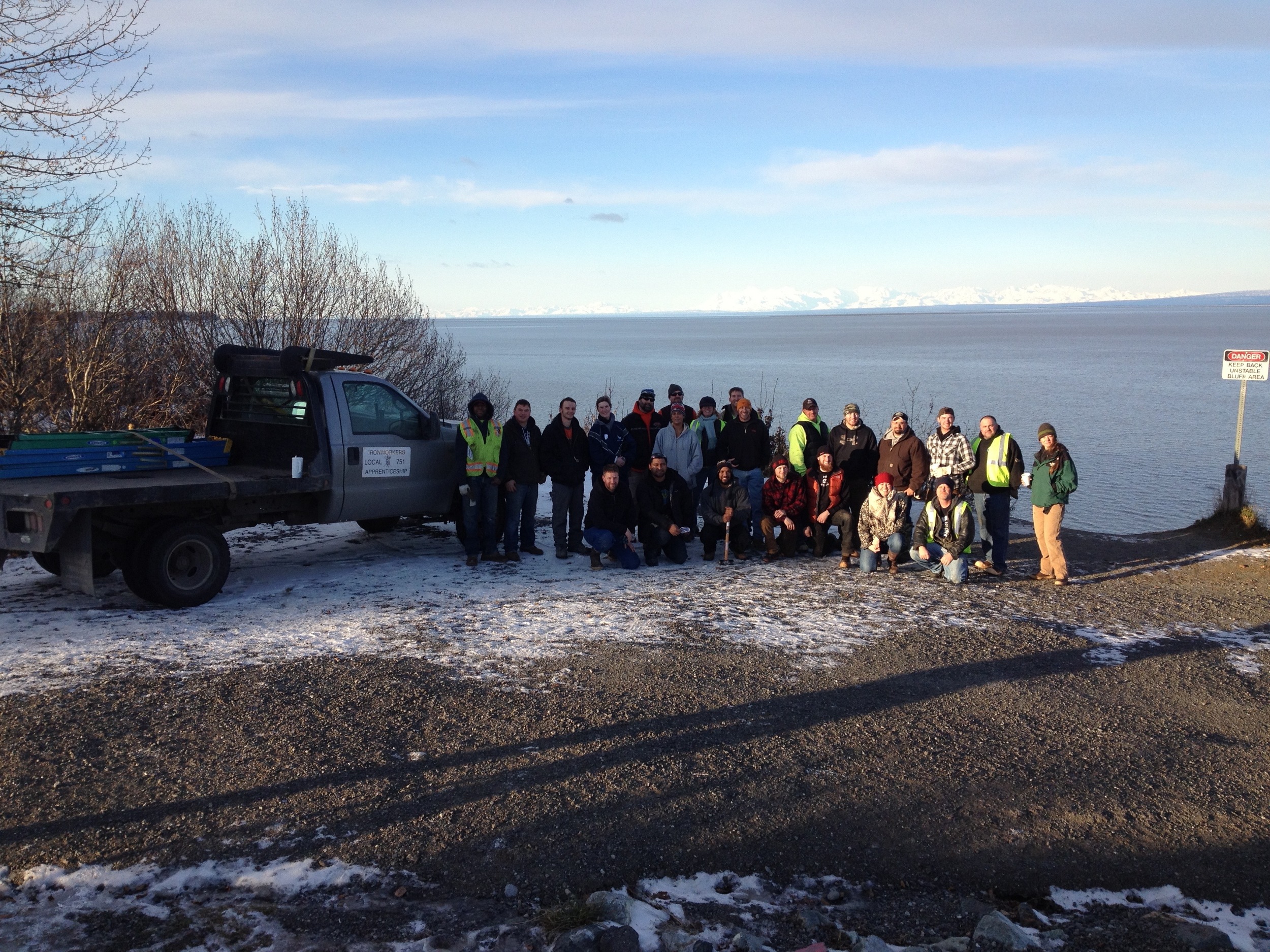
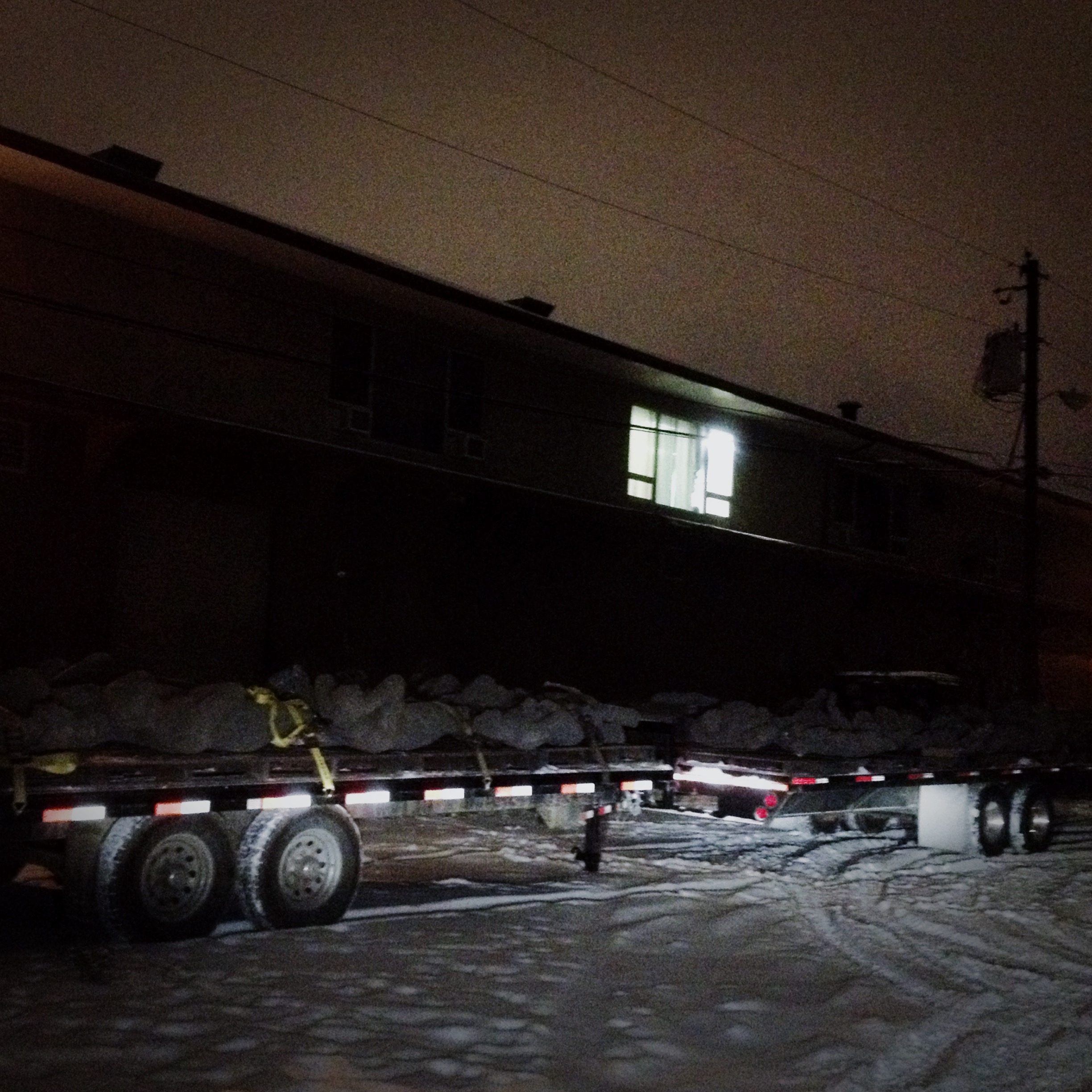
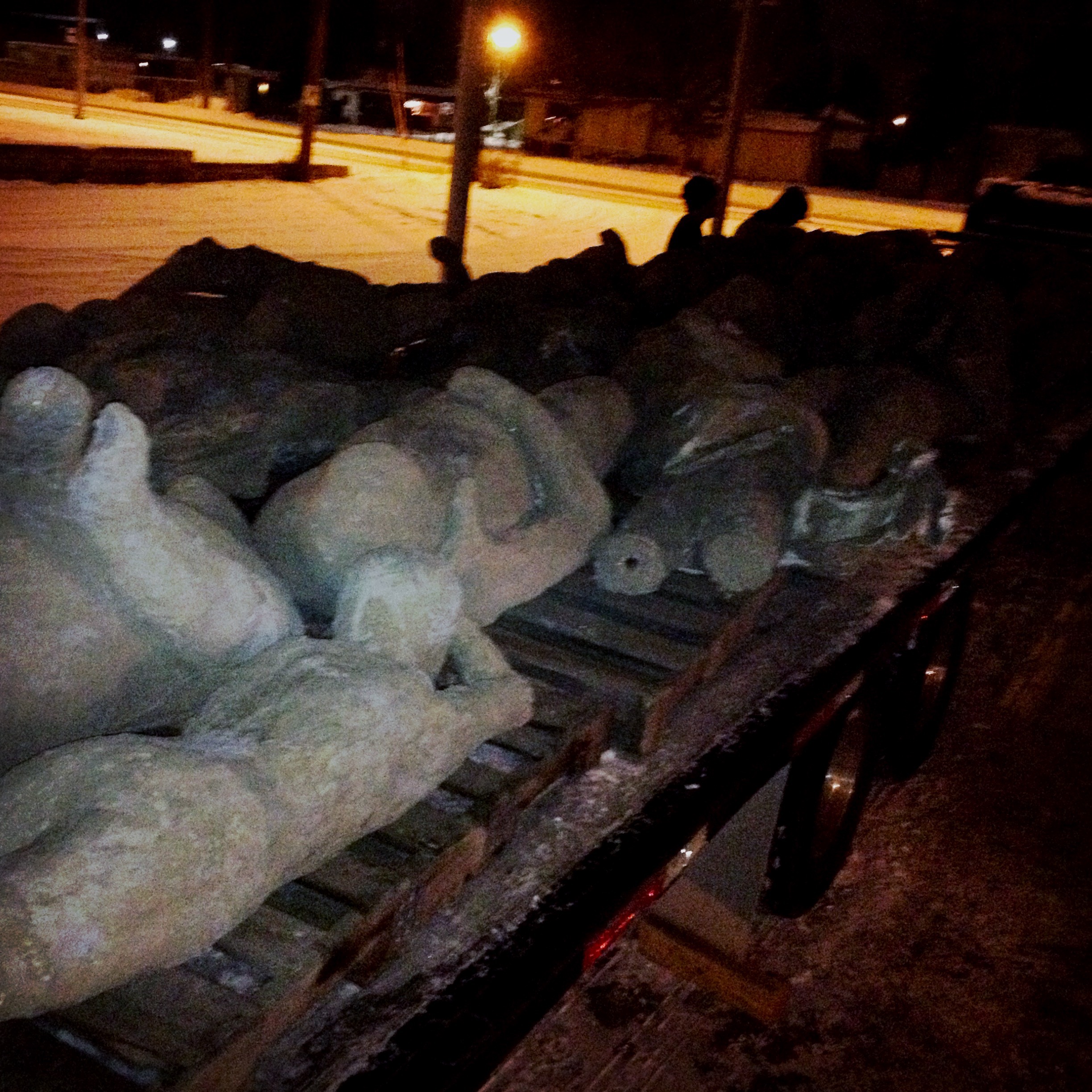
On November 21st, after a sustained deep freeze that created perfect conditions for a winter installation—and the incredible luck of eight fresh inches of snow that very morning—the 100Stone team, joined by Ironworkers 751, Laborers 341, JD Steel, Whalen Construction, and a host of non-labor volunteers, set all 85 figural stories onto the icy beach of Point Woronzof.
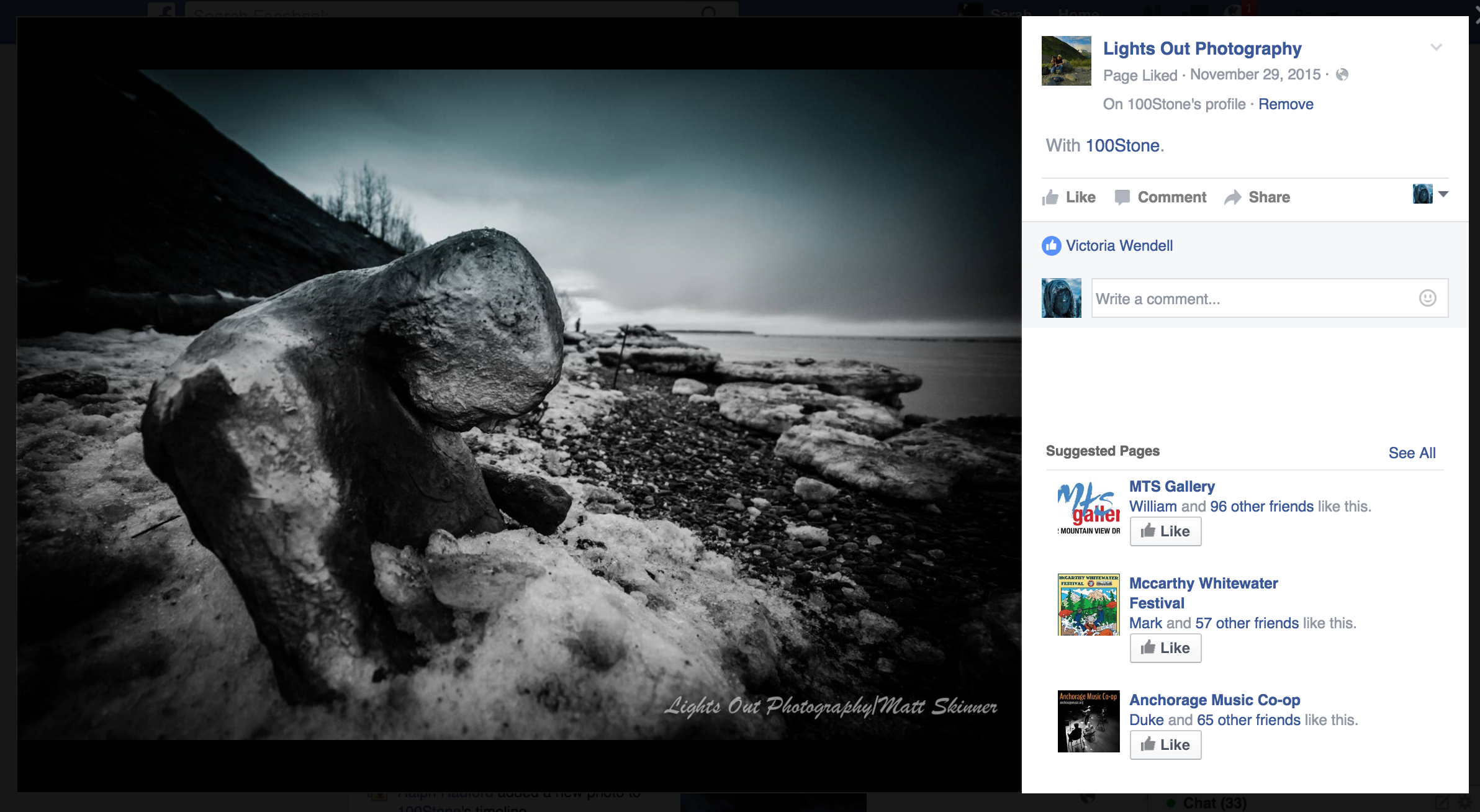
Cushioned by a warm blanket of snow, the sounds of clanging steel, crushing ice, and the shouting and laughing of men and women echoed across the Inlet. The substrate was perfect: the ice hearty and thick, yet compliant. The figures slid across the snow, weightless, nearly leaping onto their footings with just a few inches of lift. Within four hours, all 85 Stones were nested into their wintering grounds.
It was the full realization of a creative vision yet unparalleled in Alaska. News of its completion moved through international channels almost immediately.
Regional Emmy Award winning documentary by Scott Jensen of Alaska Dispatch News.
See also Bob Halinen's award winning follow up photo story. Alaska Dispatch News, 11/21/15
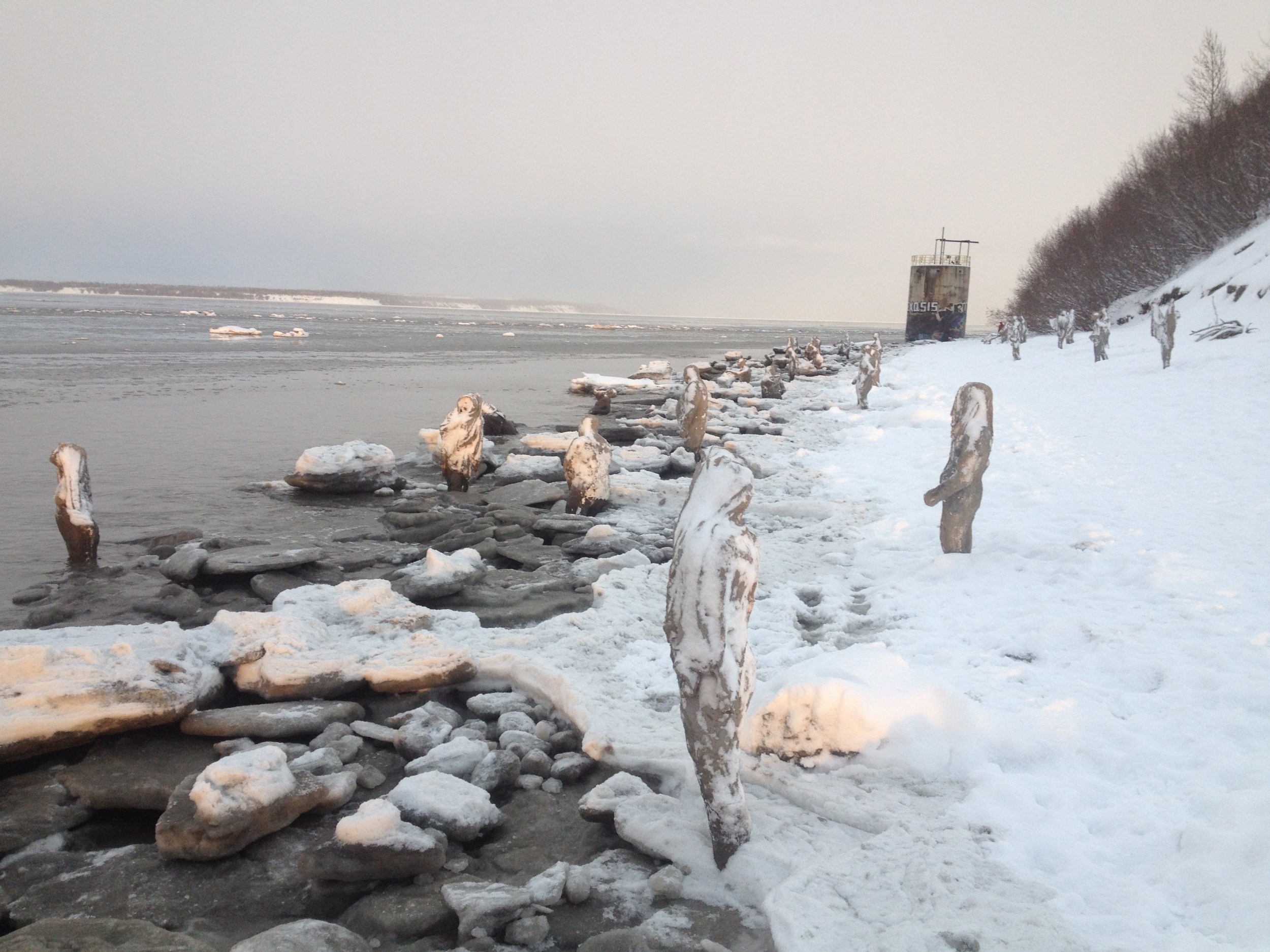
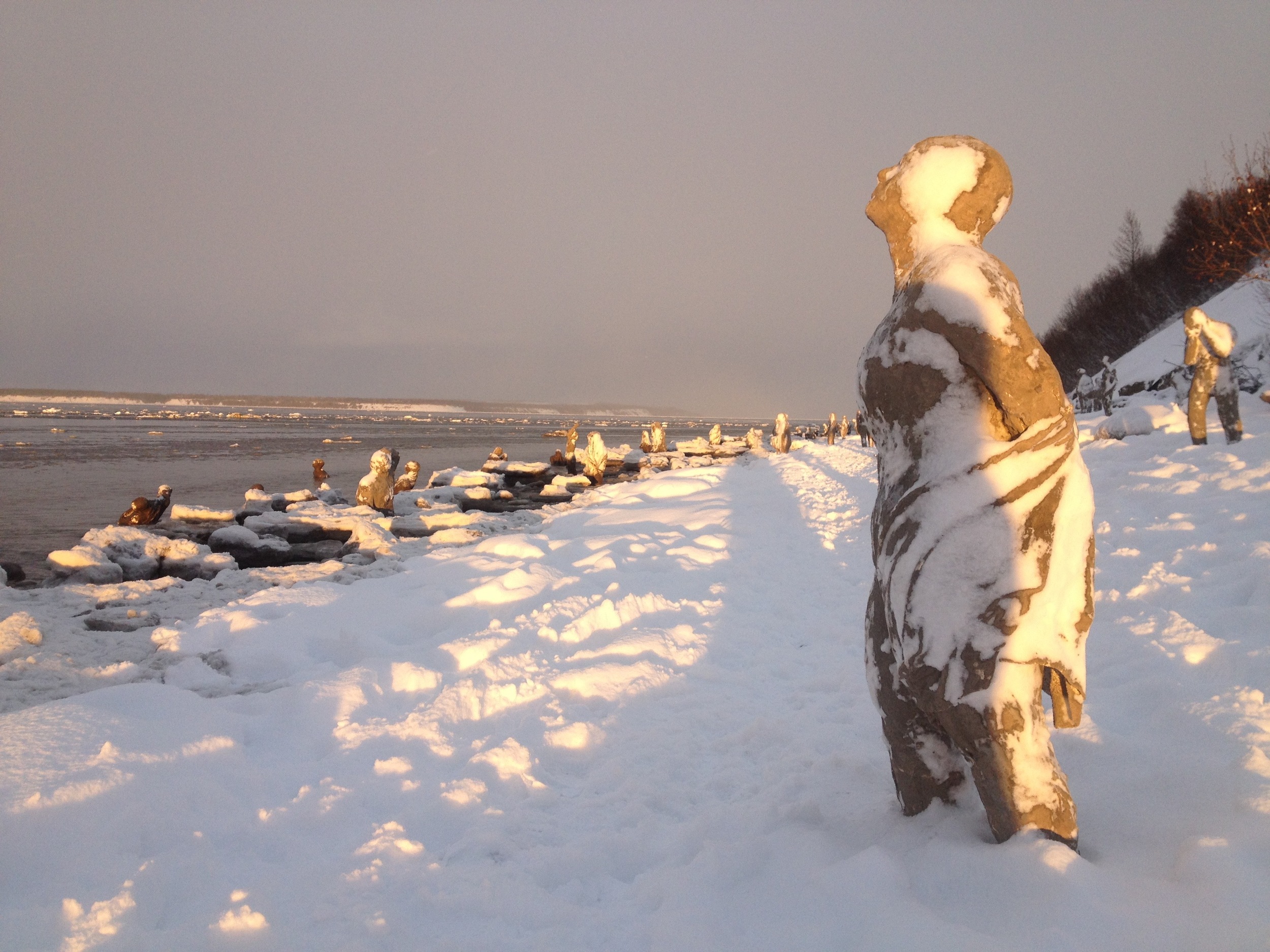
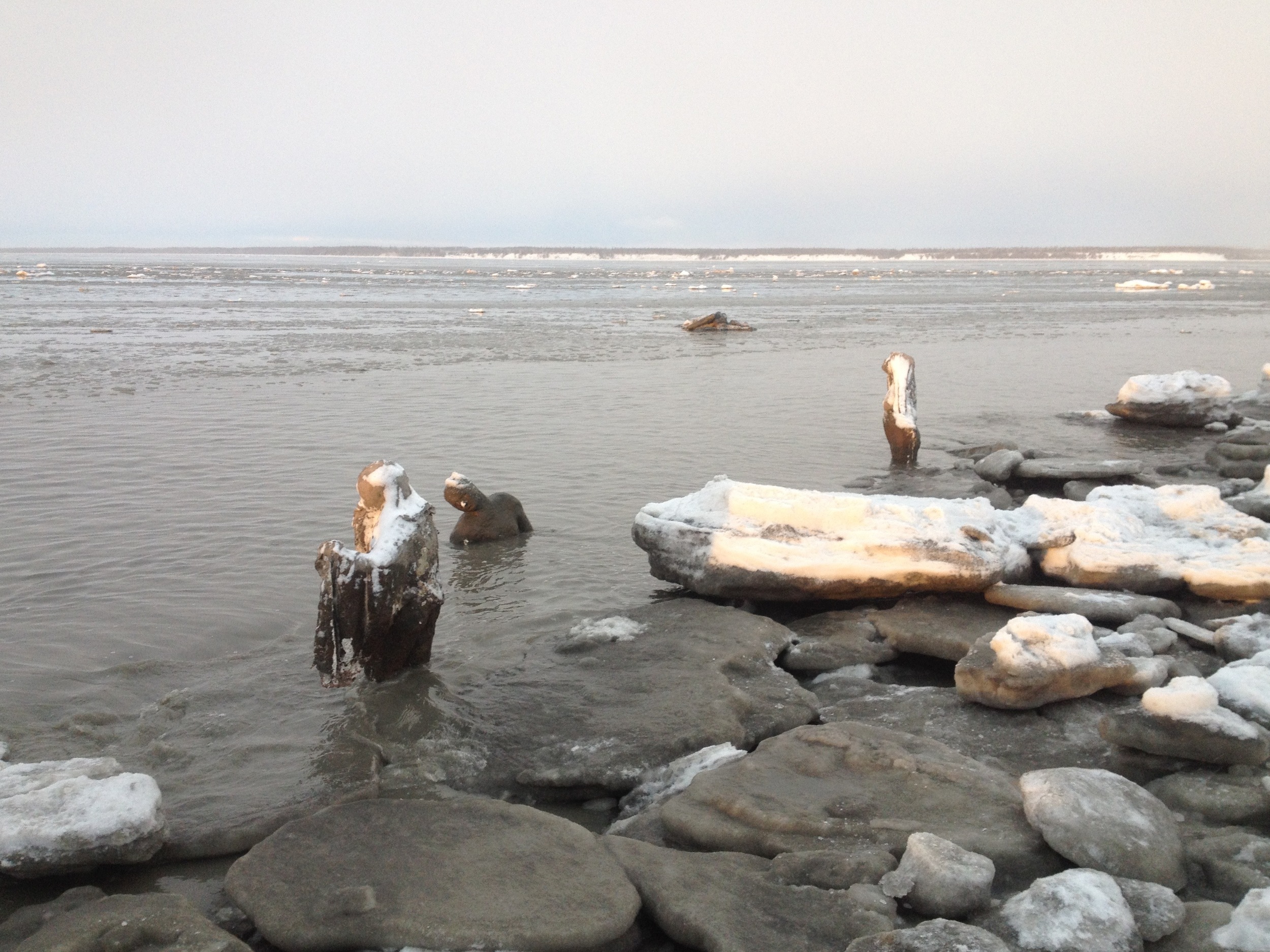
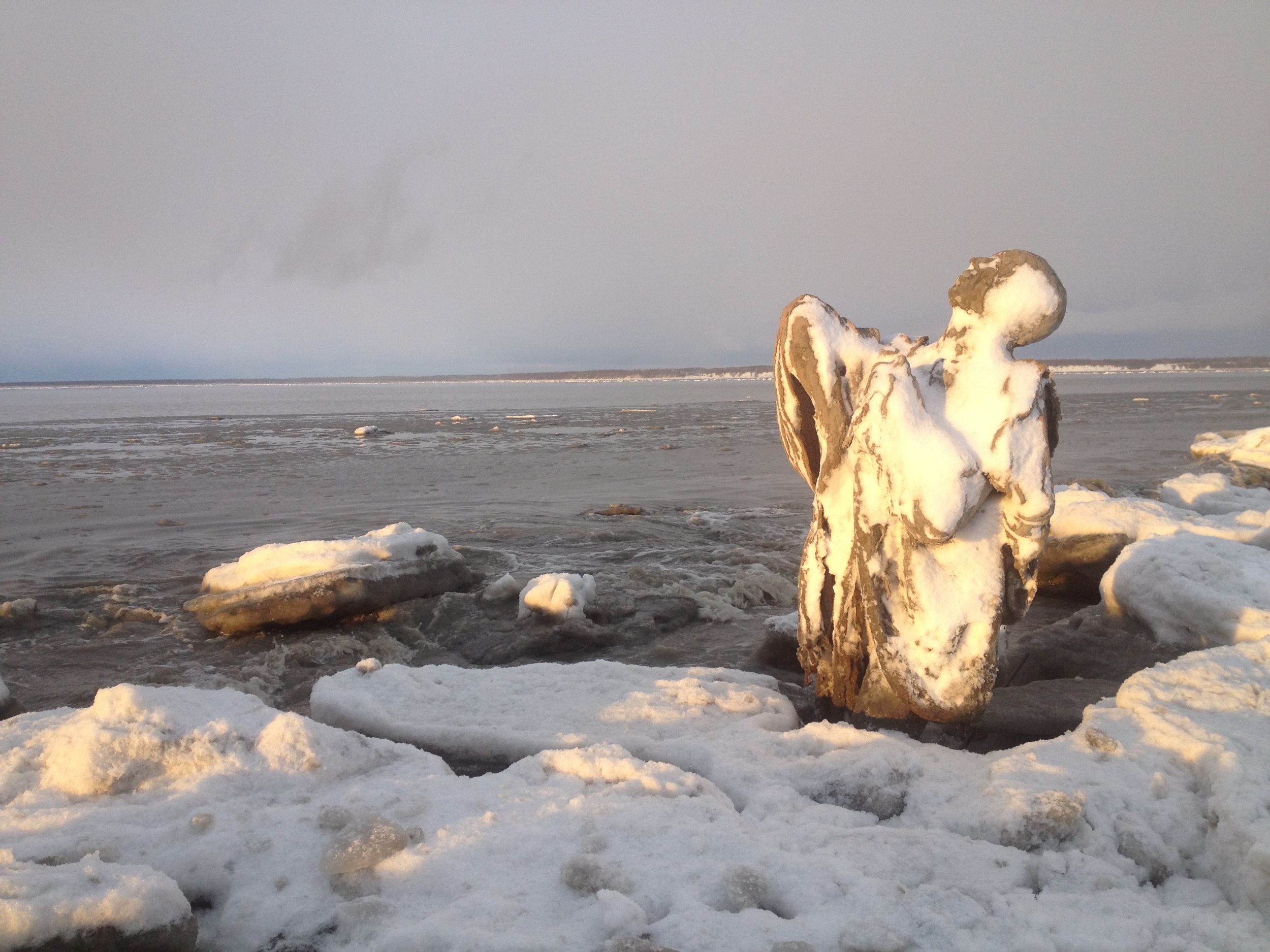
THE STORM
MOTHER NATURE'S POETIC TRUTH
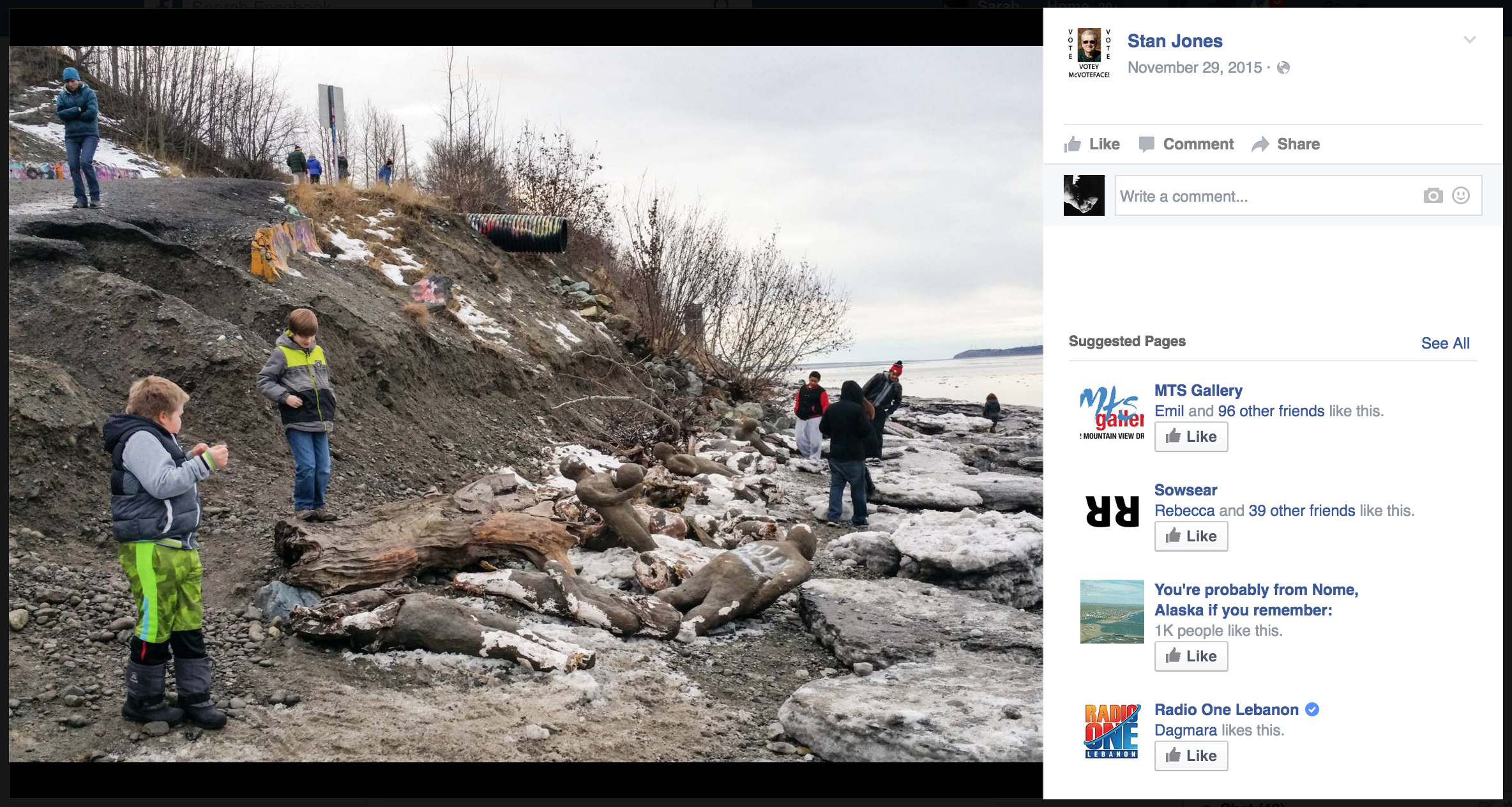
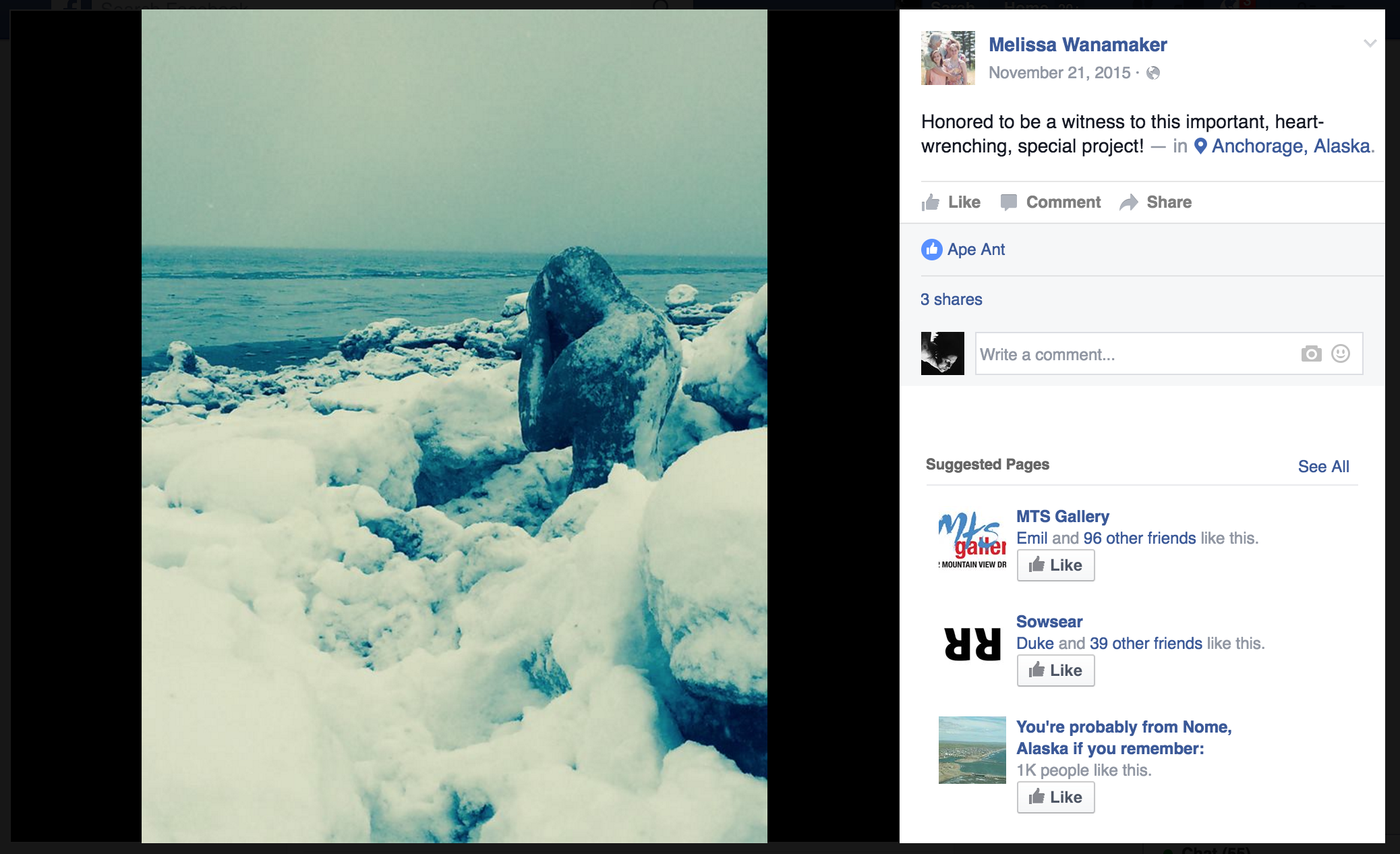
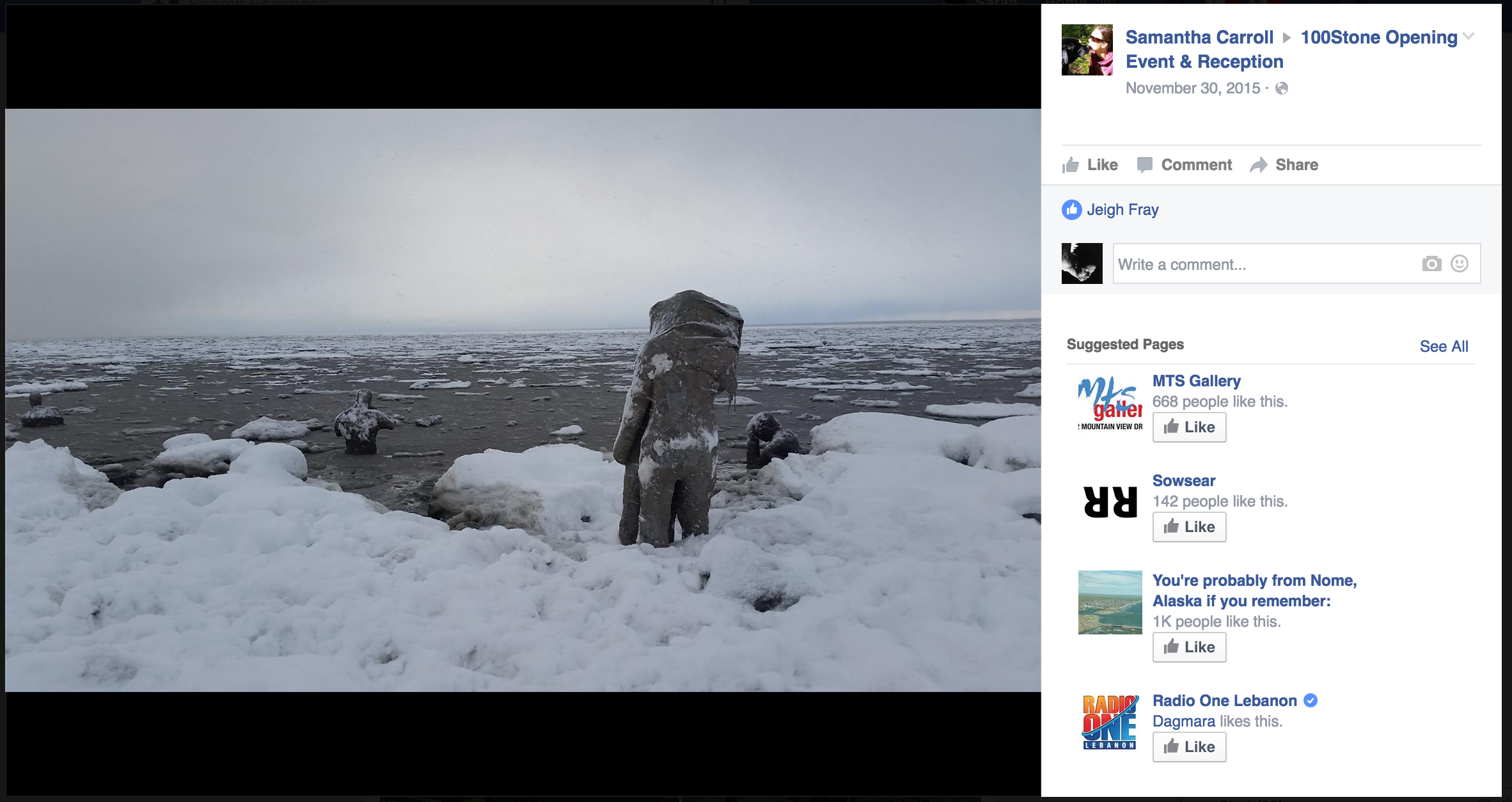
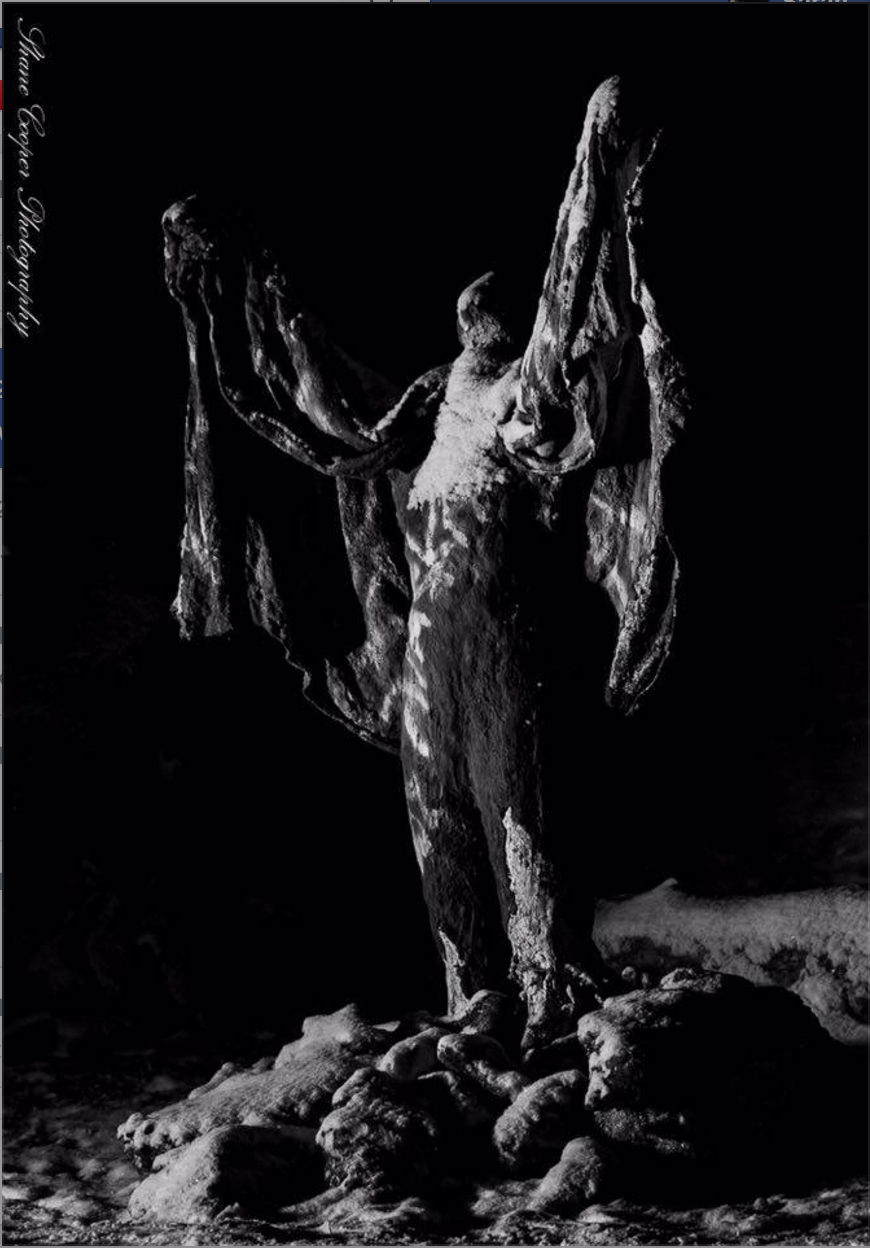
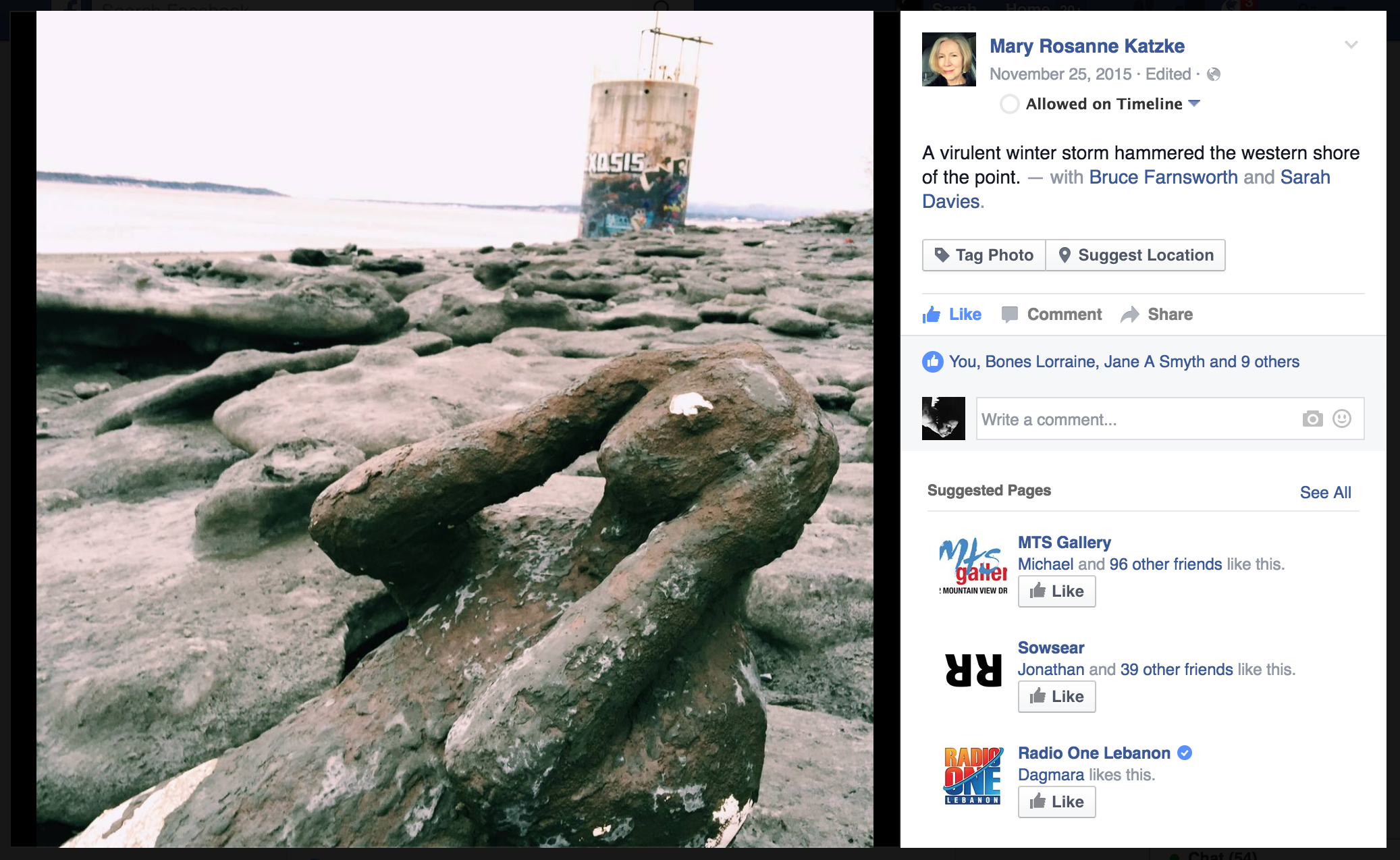
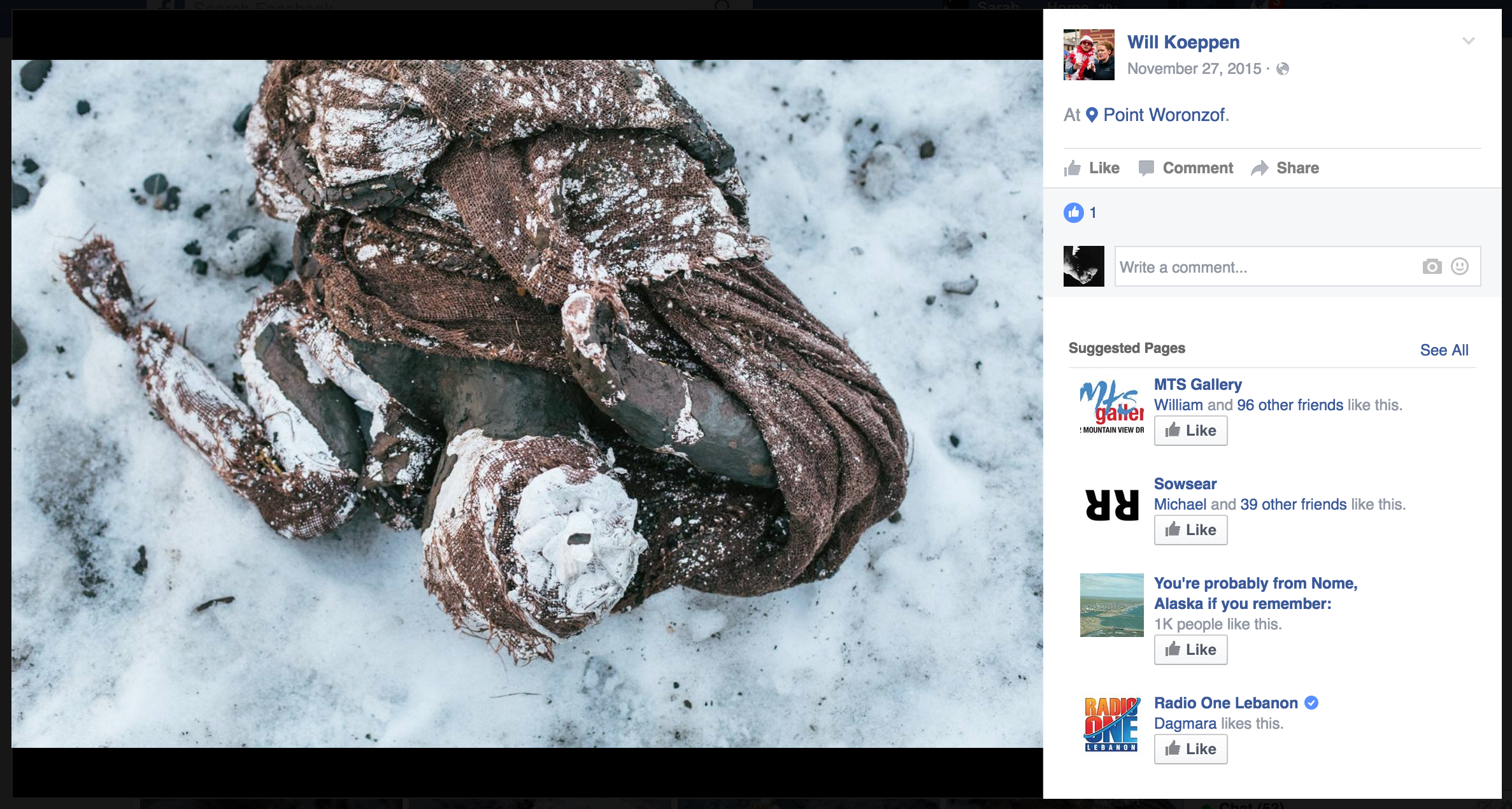
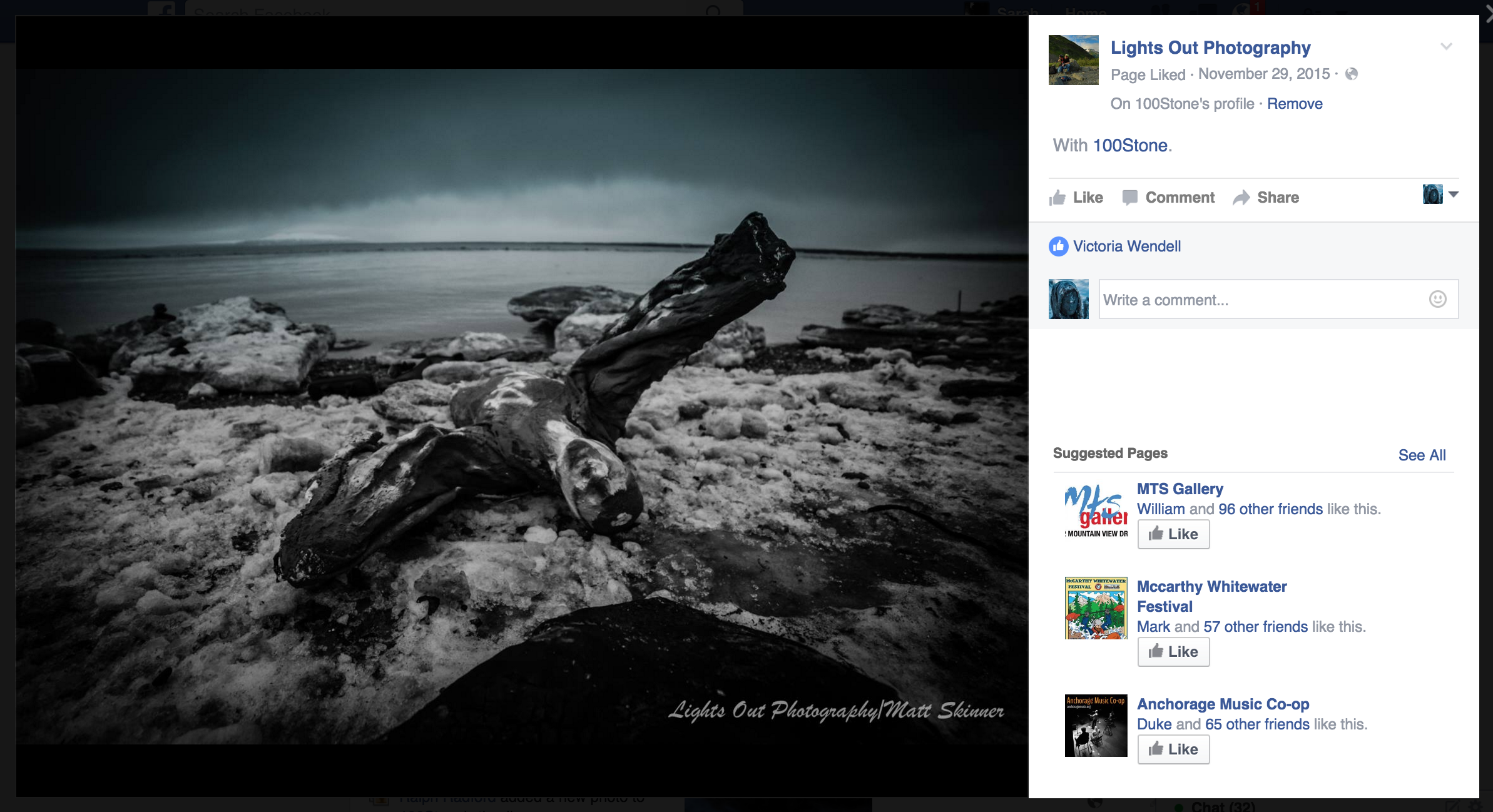
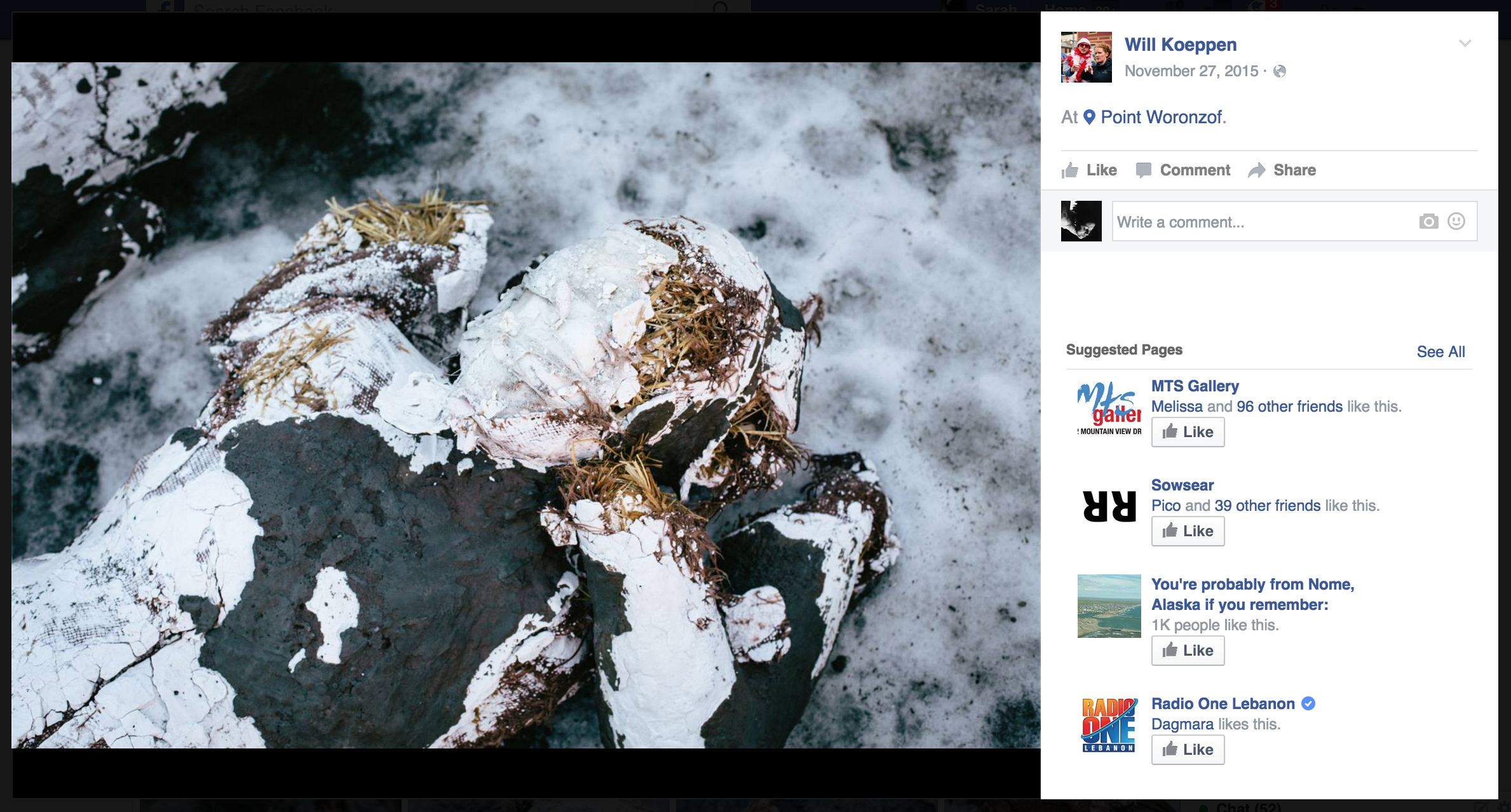
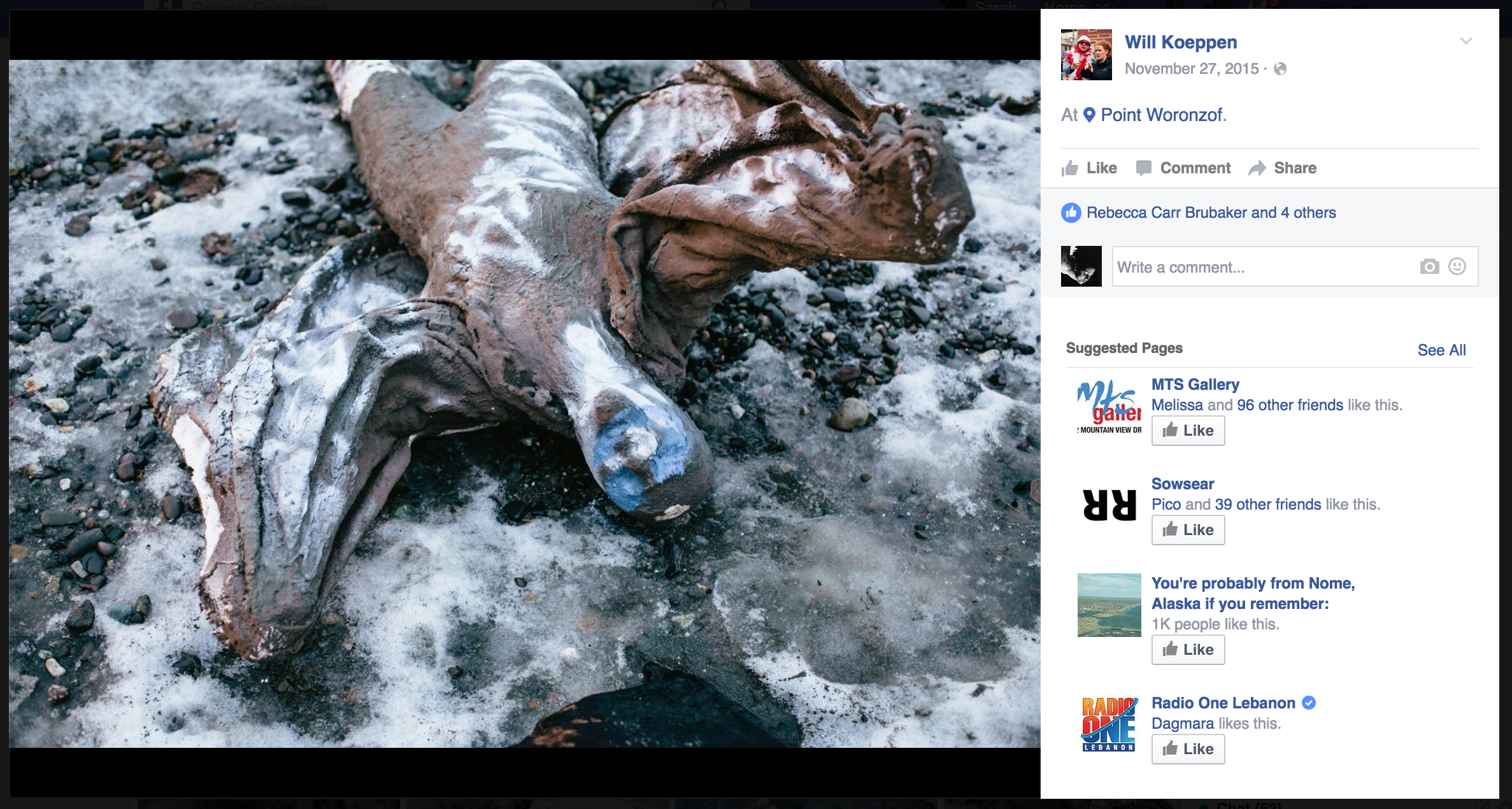
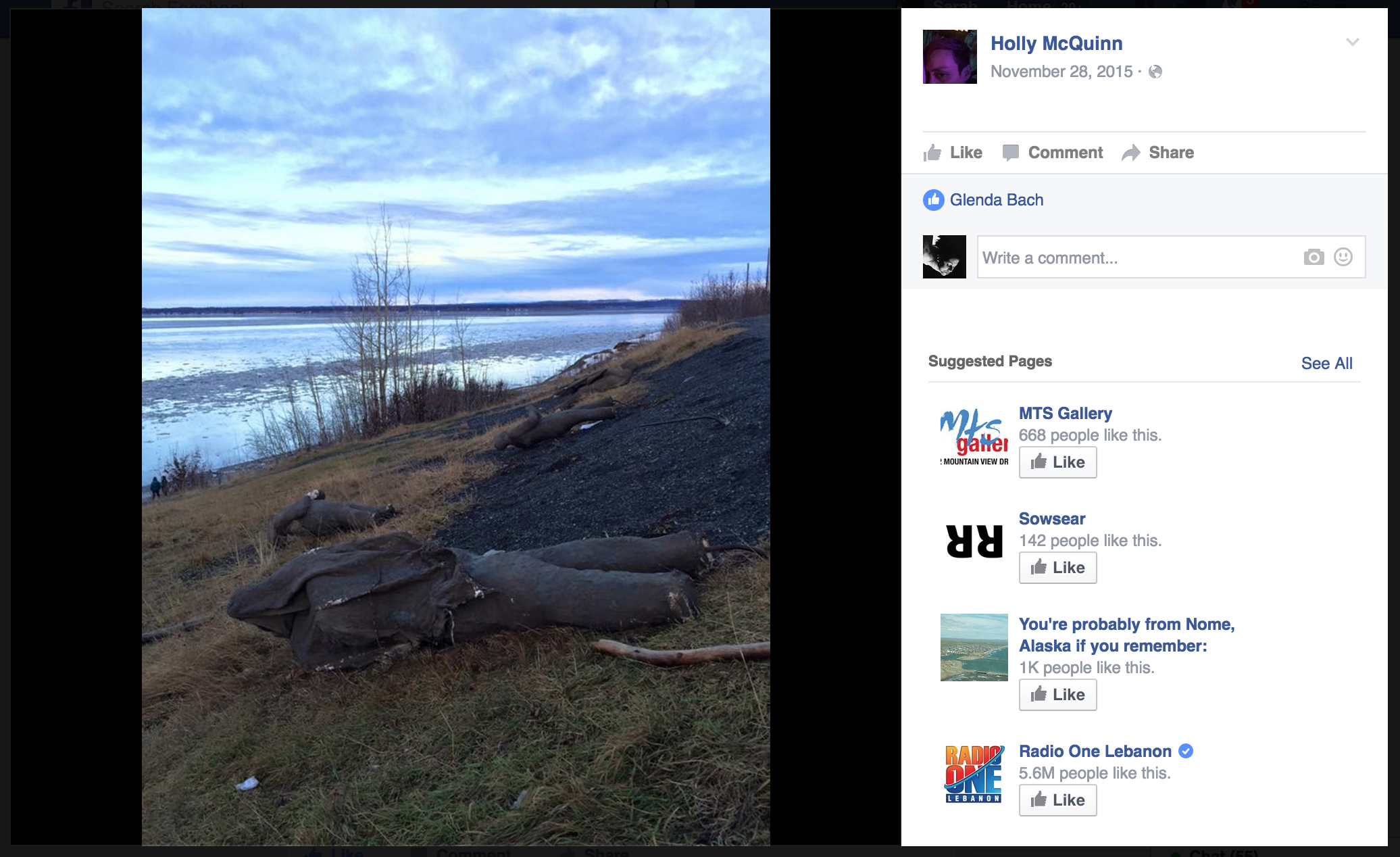
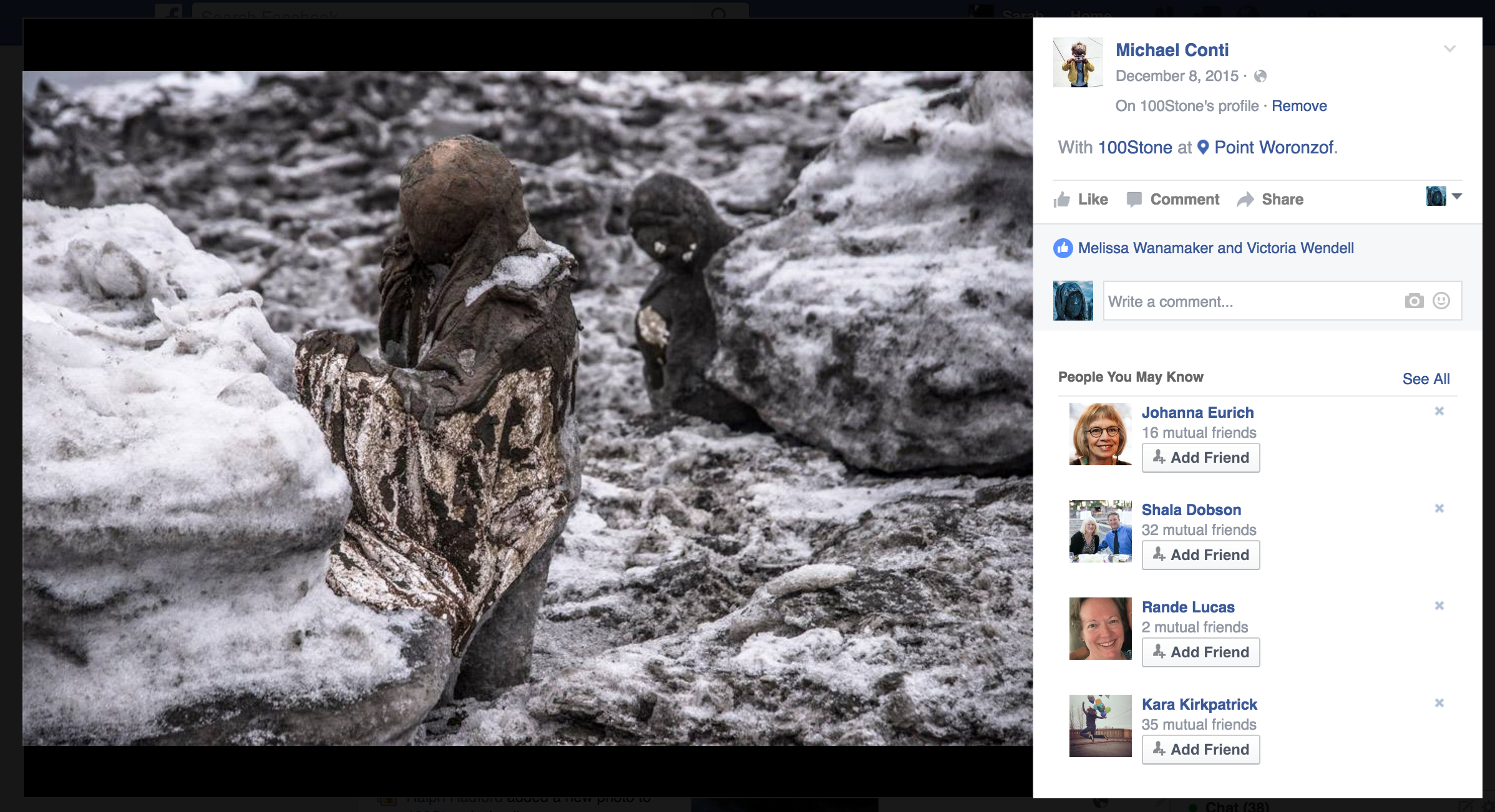
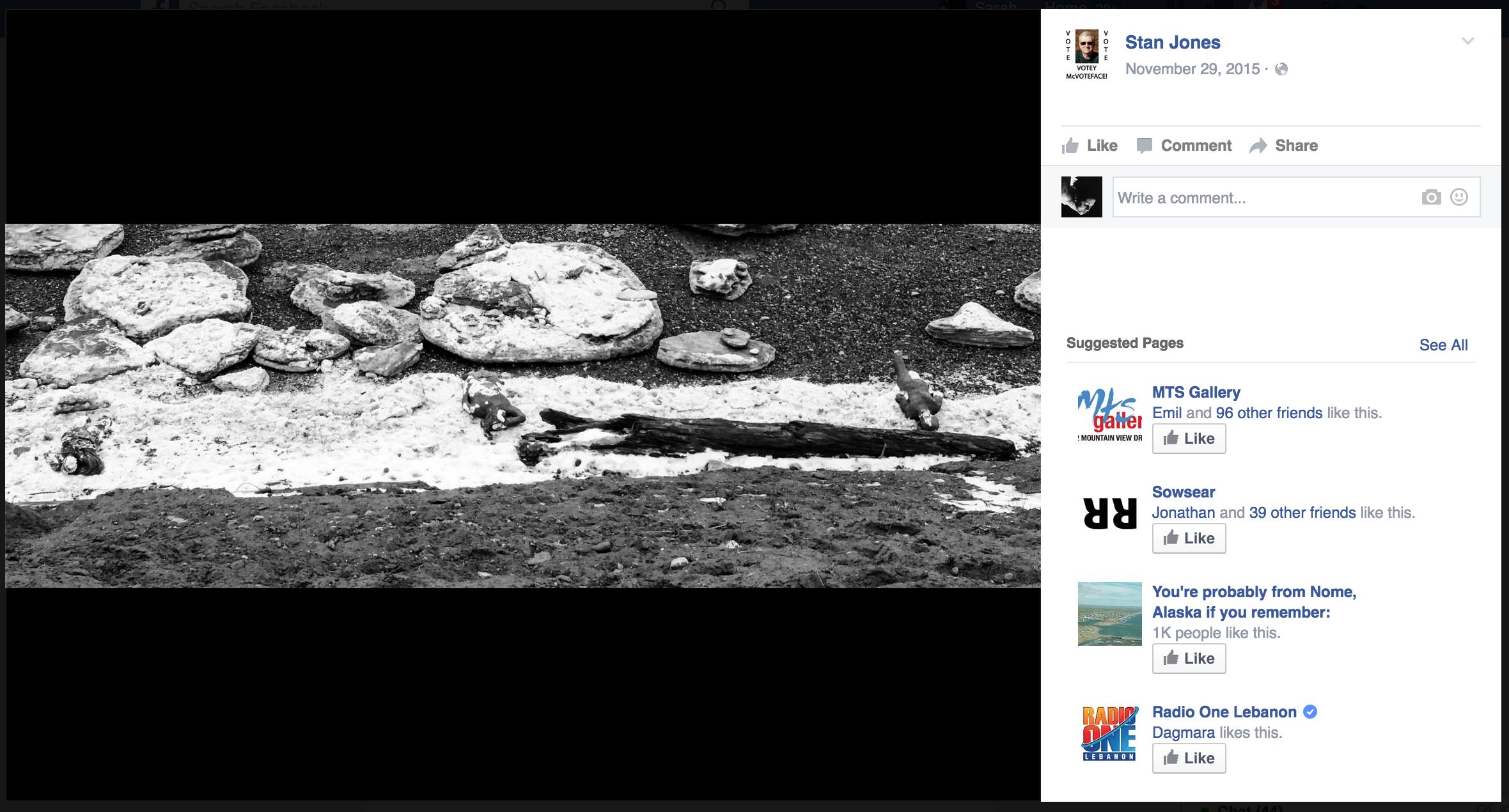
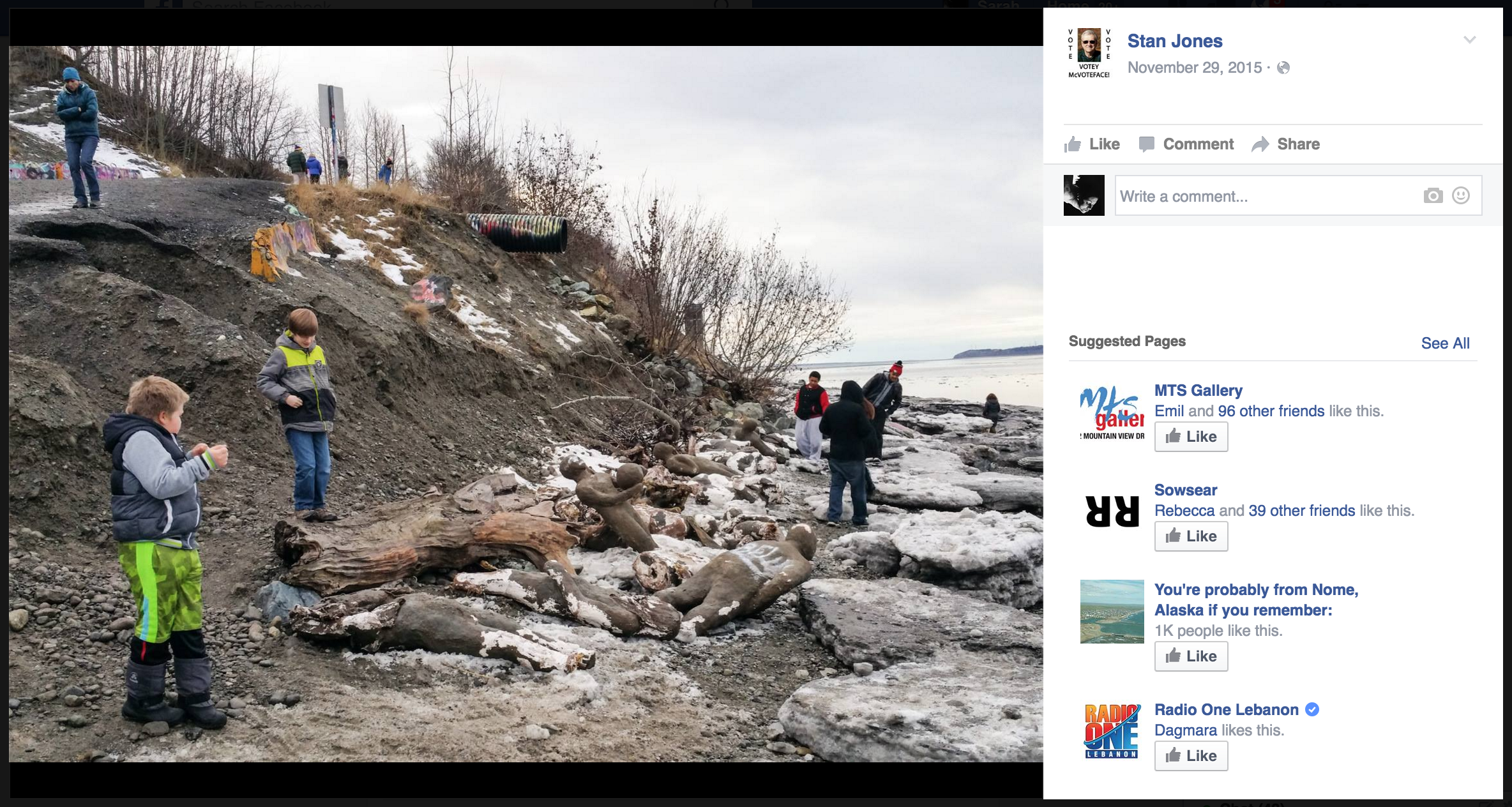
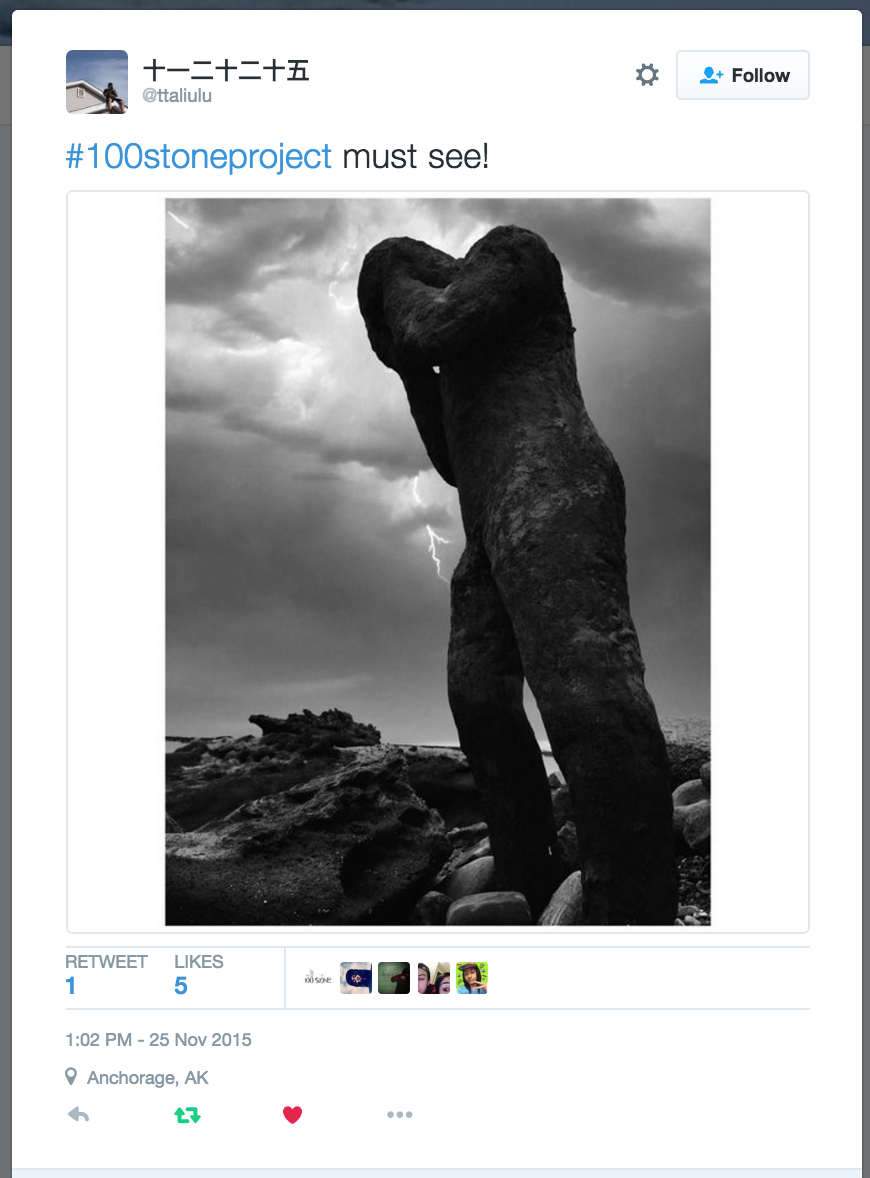
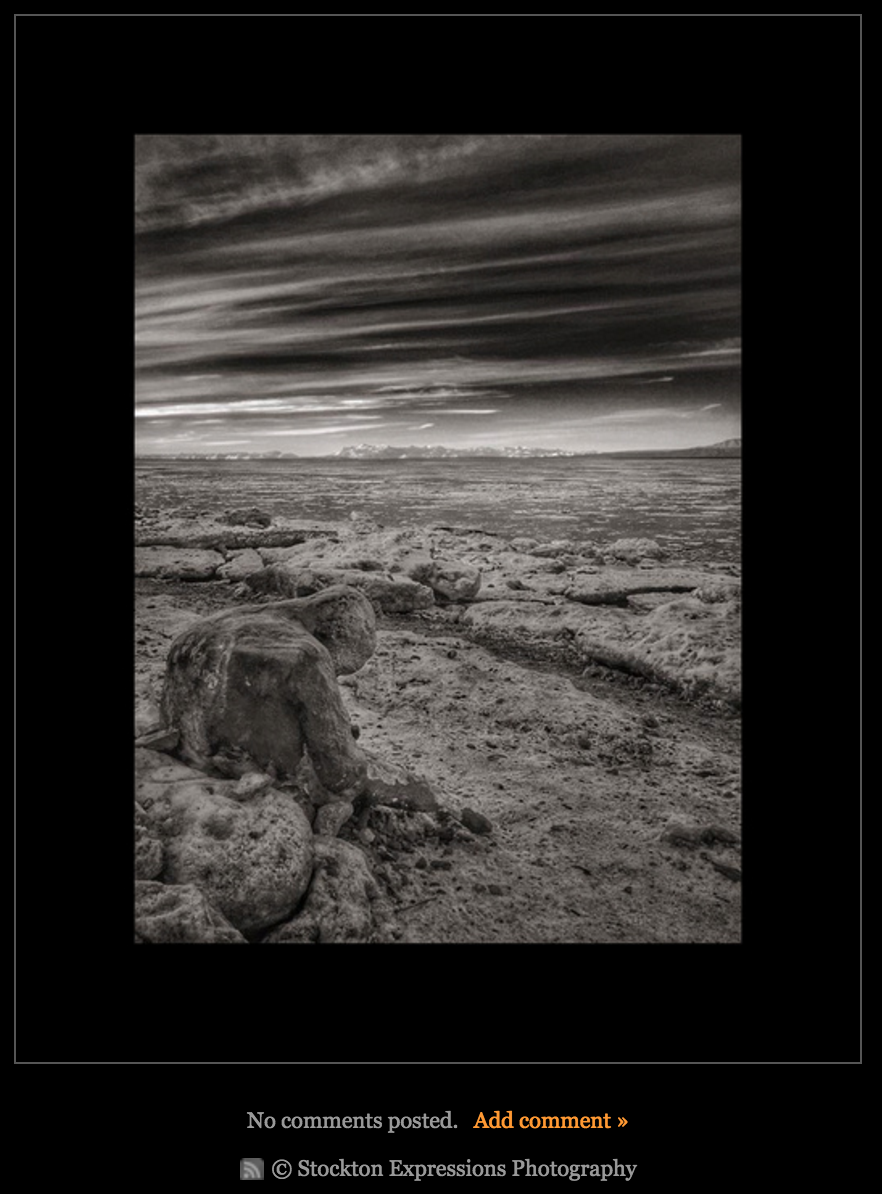
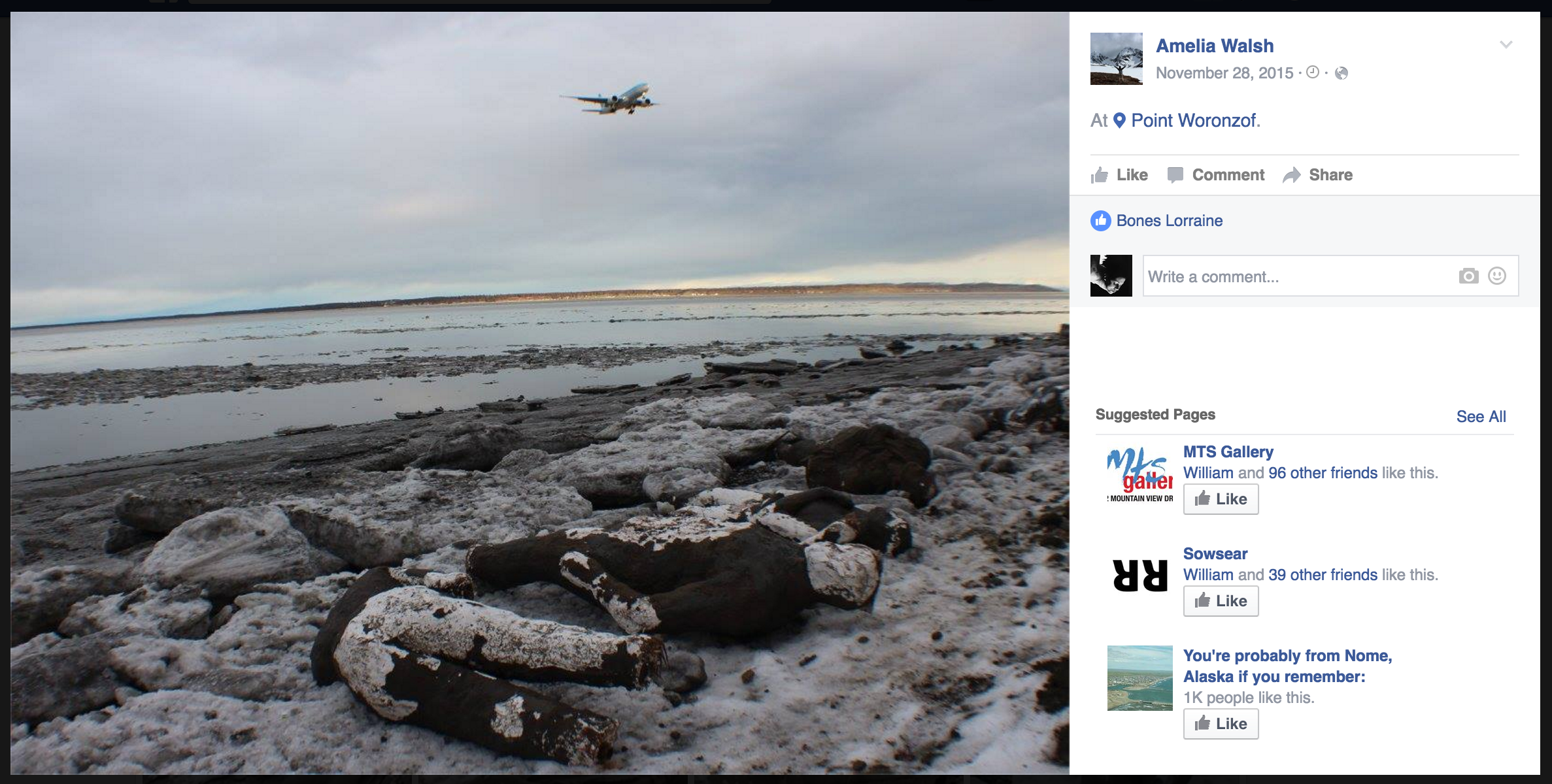
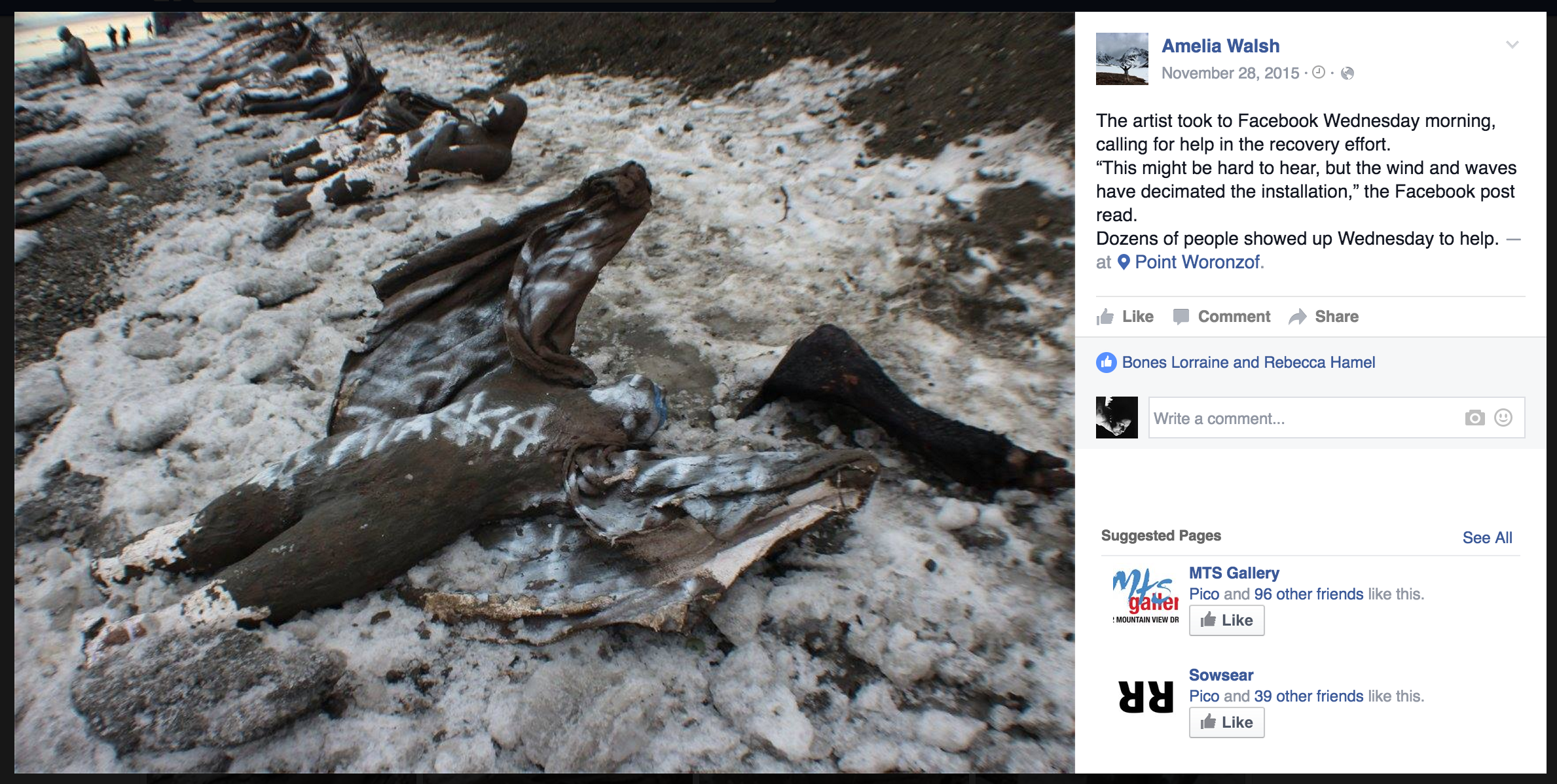
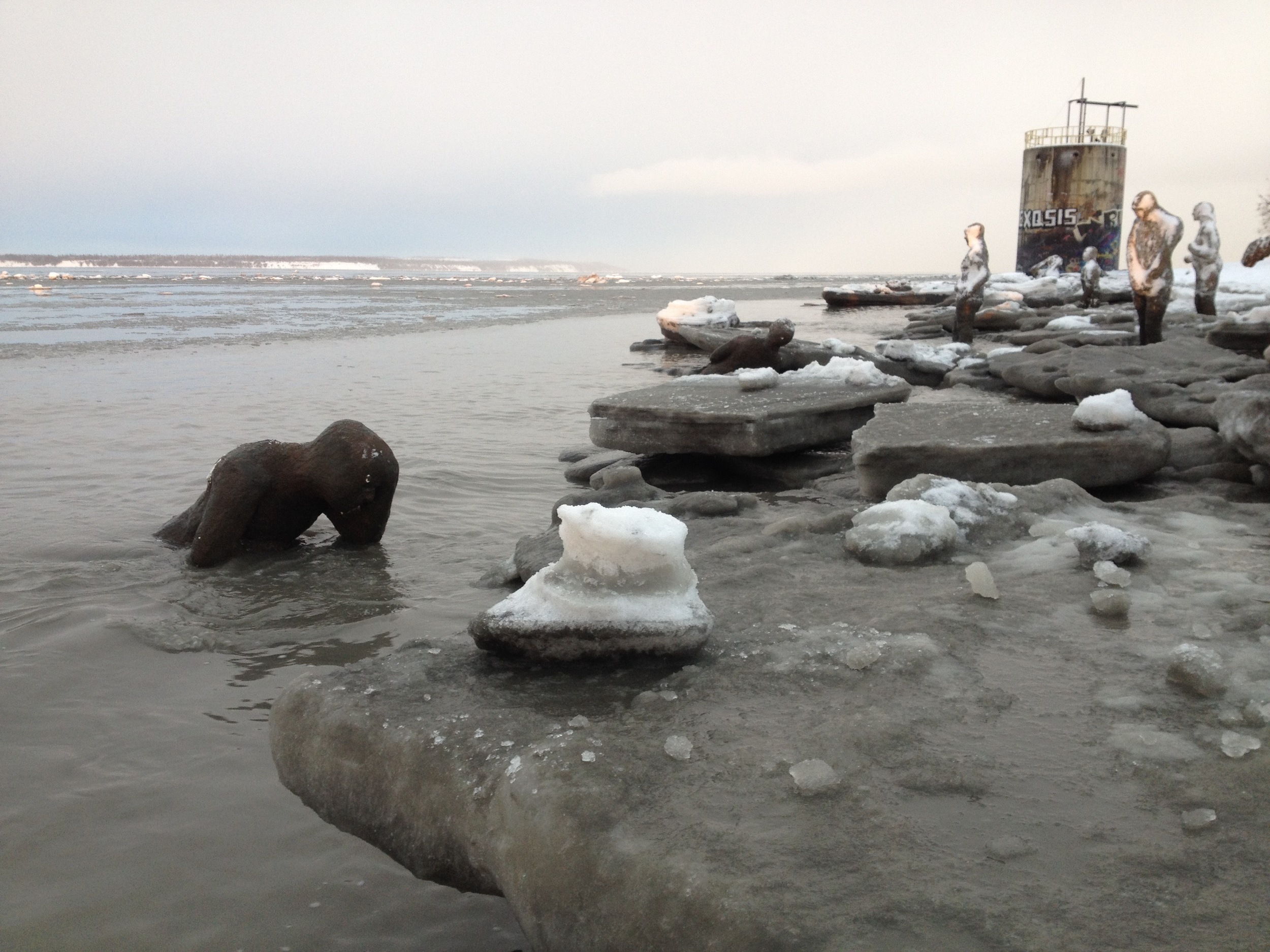
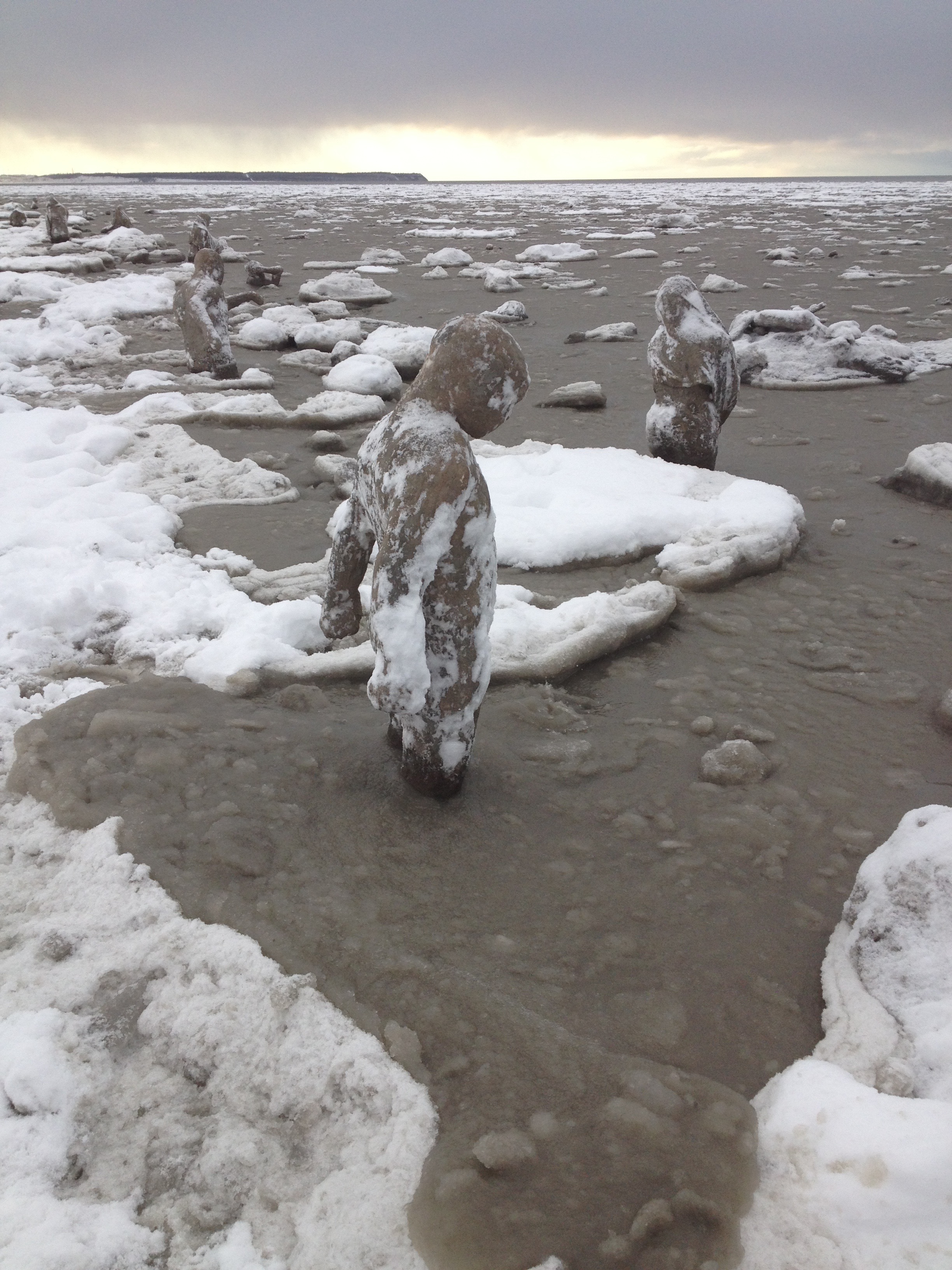
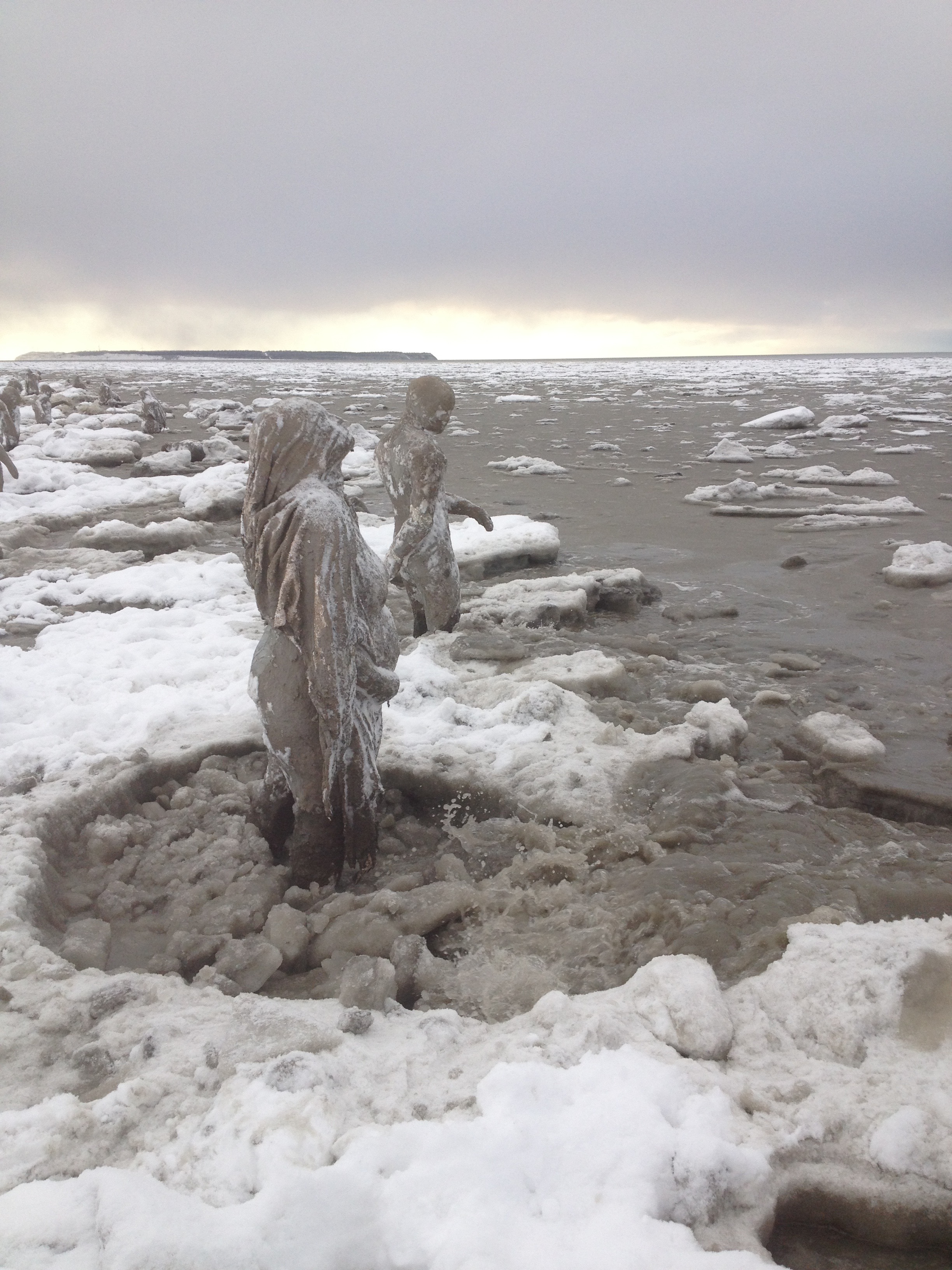
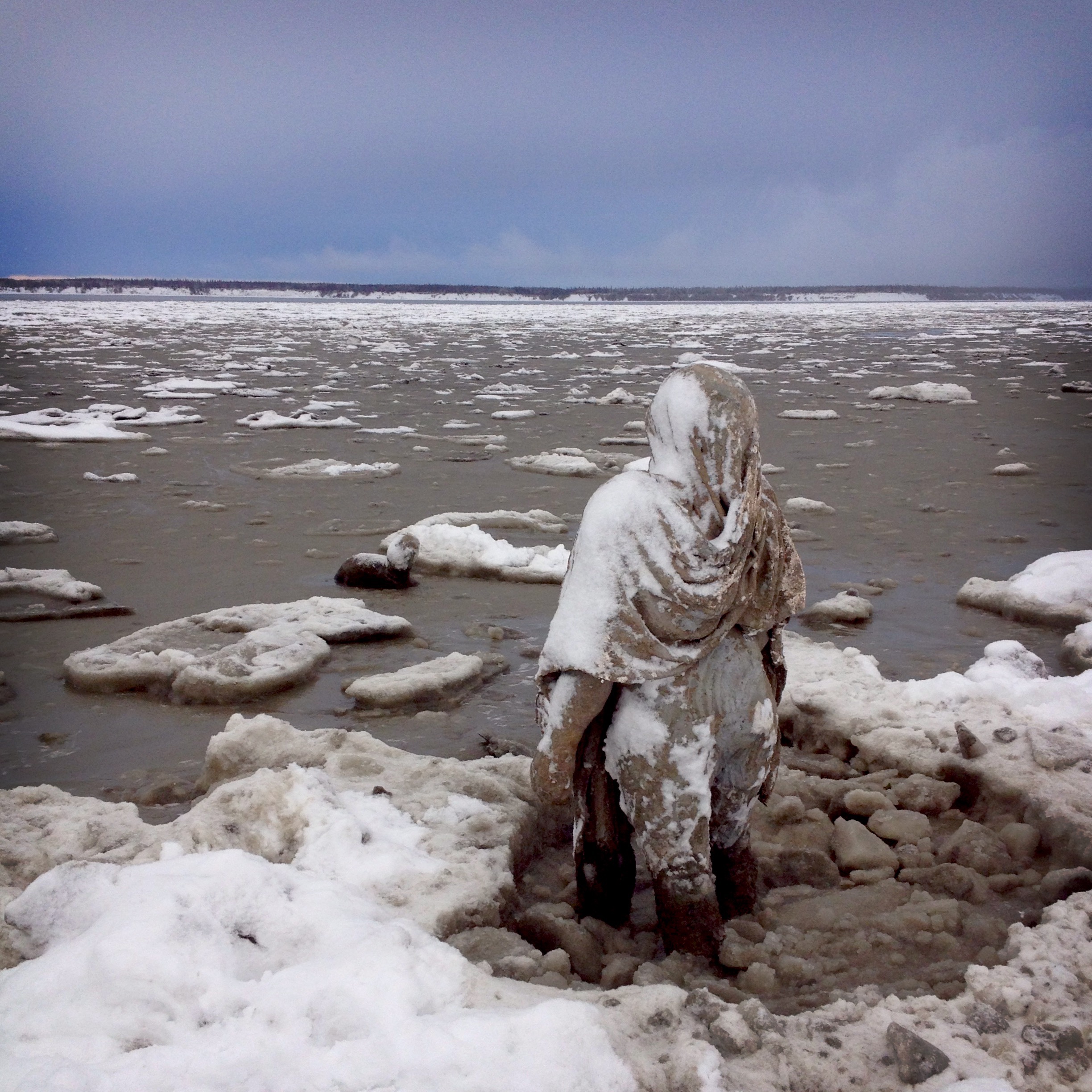
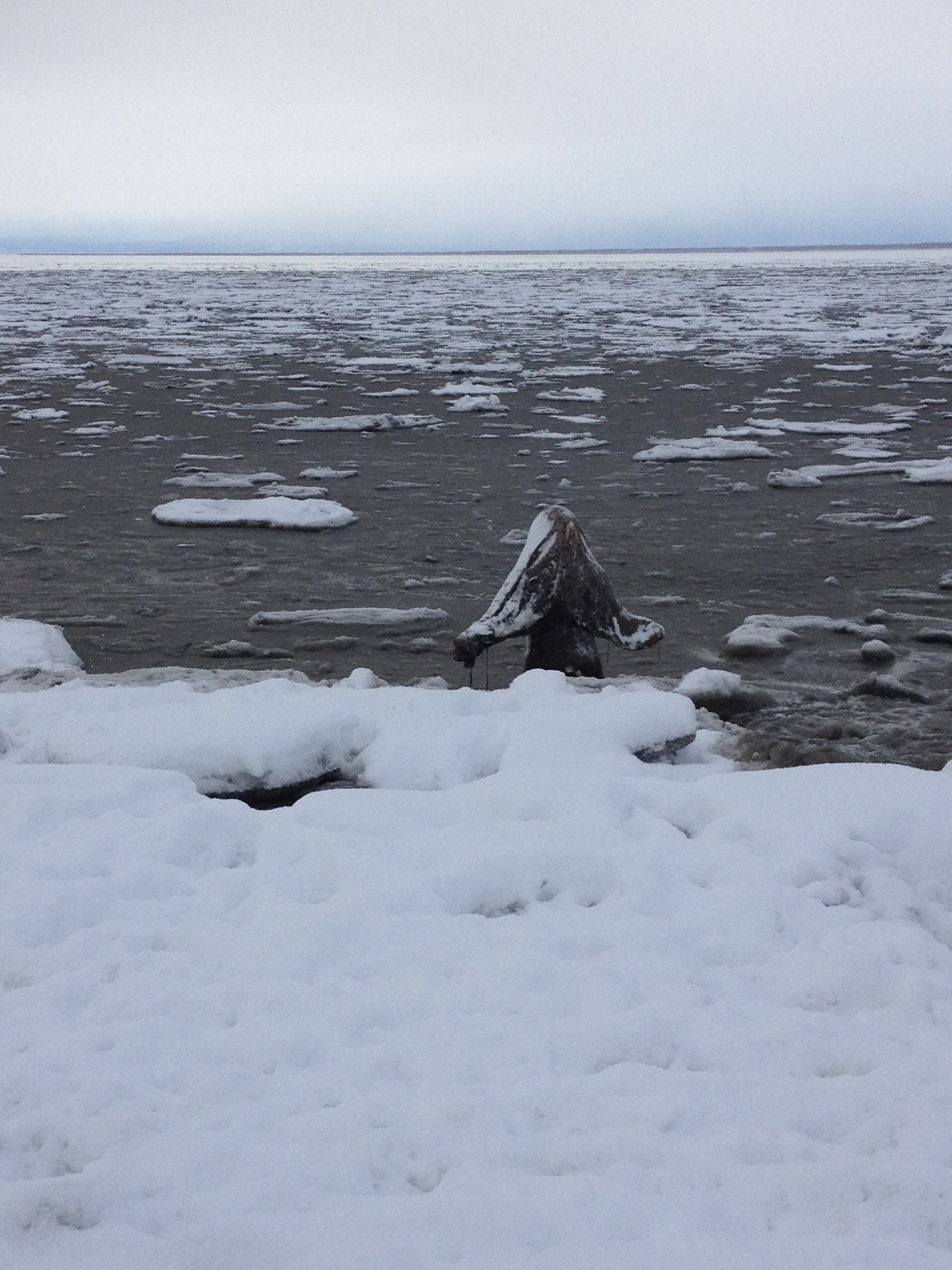
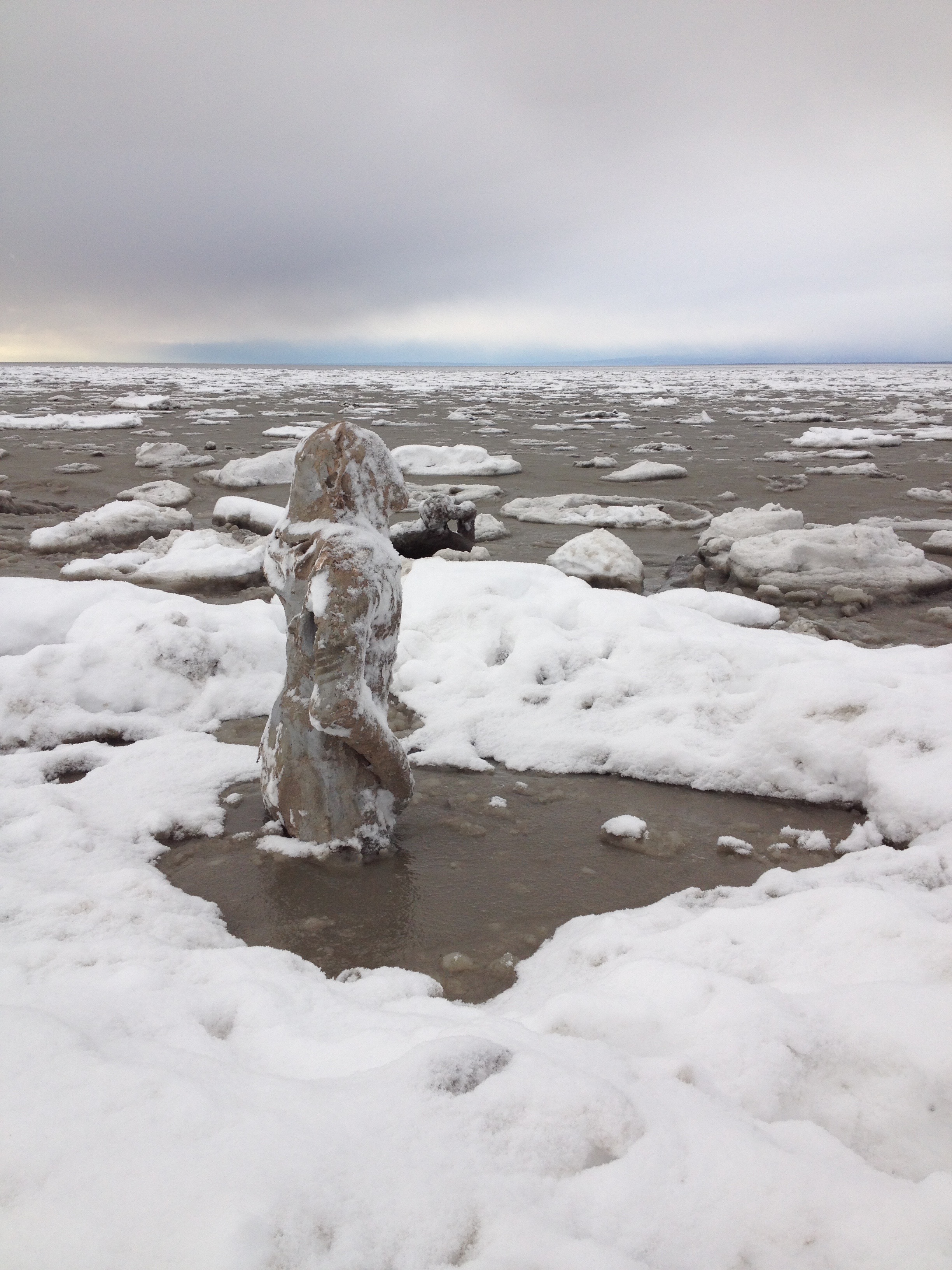
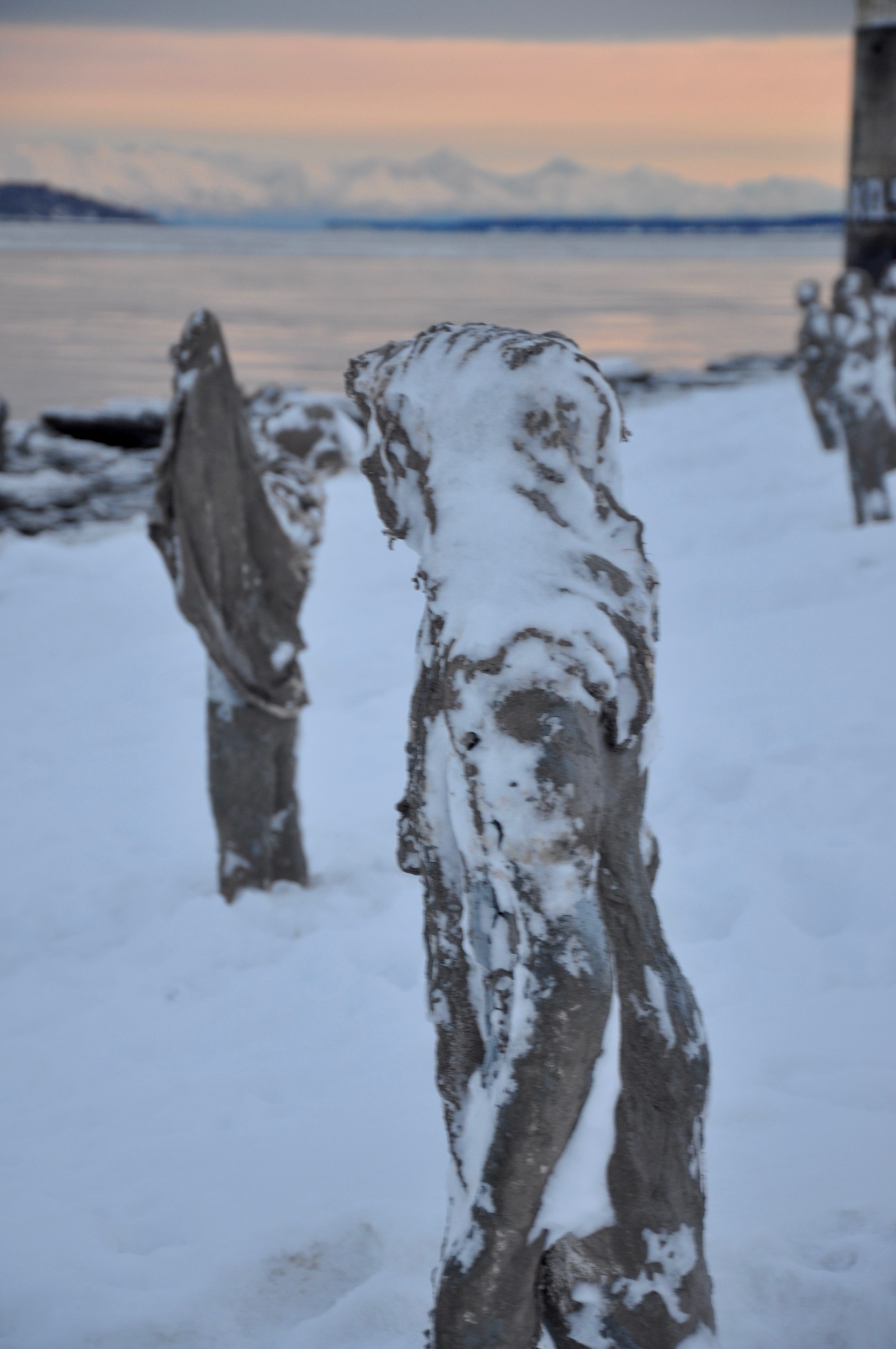
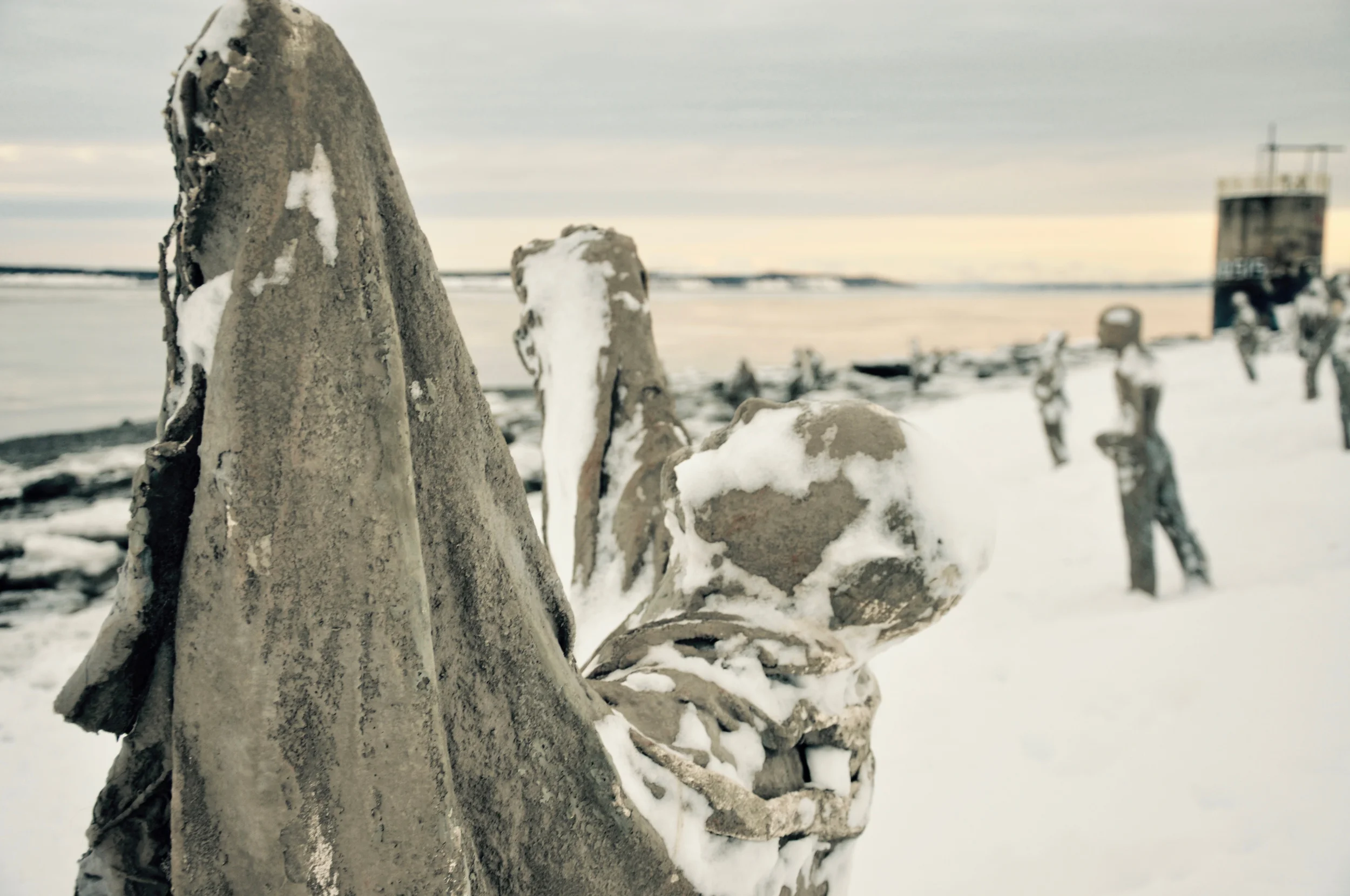
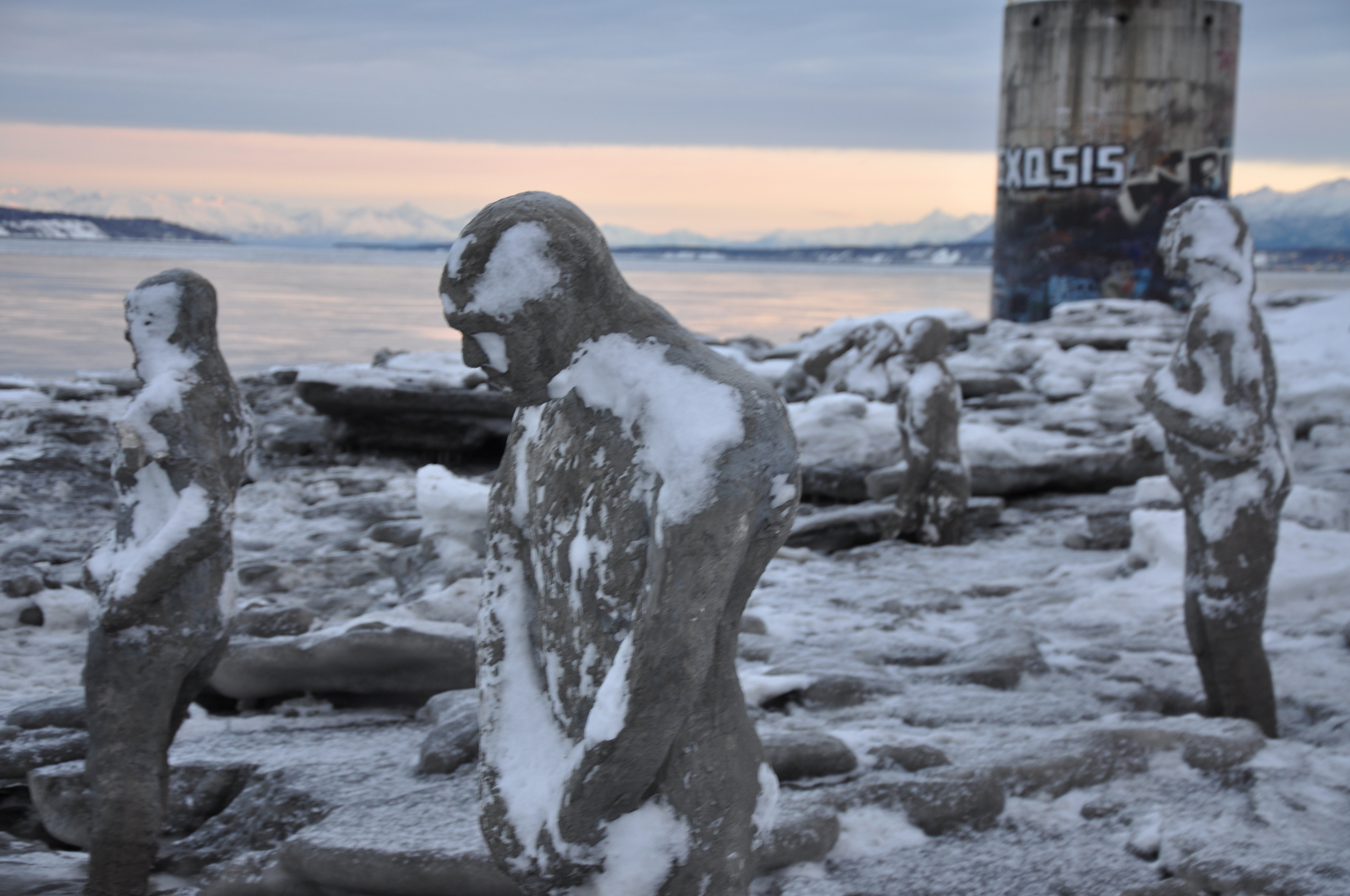
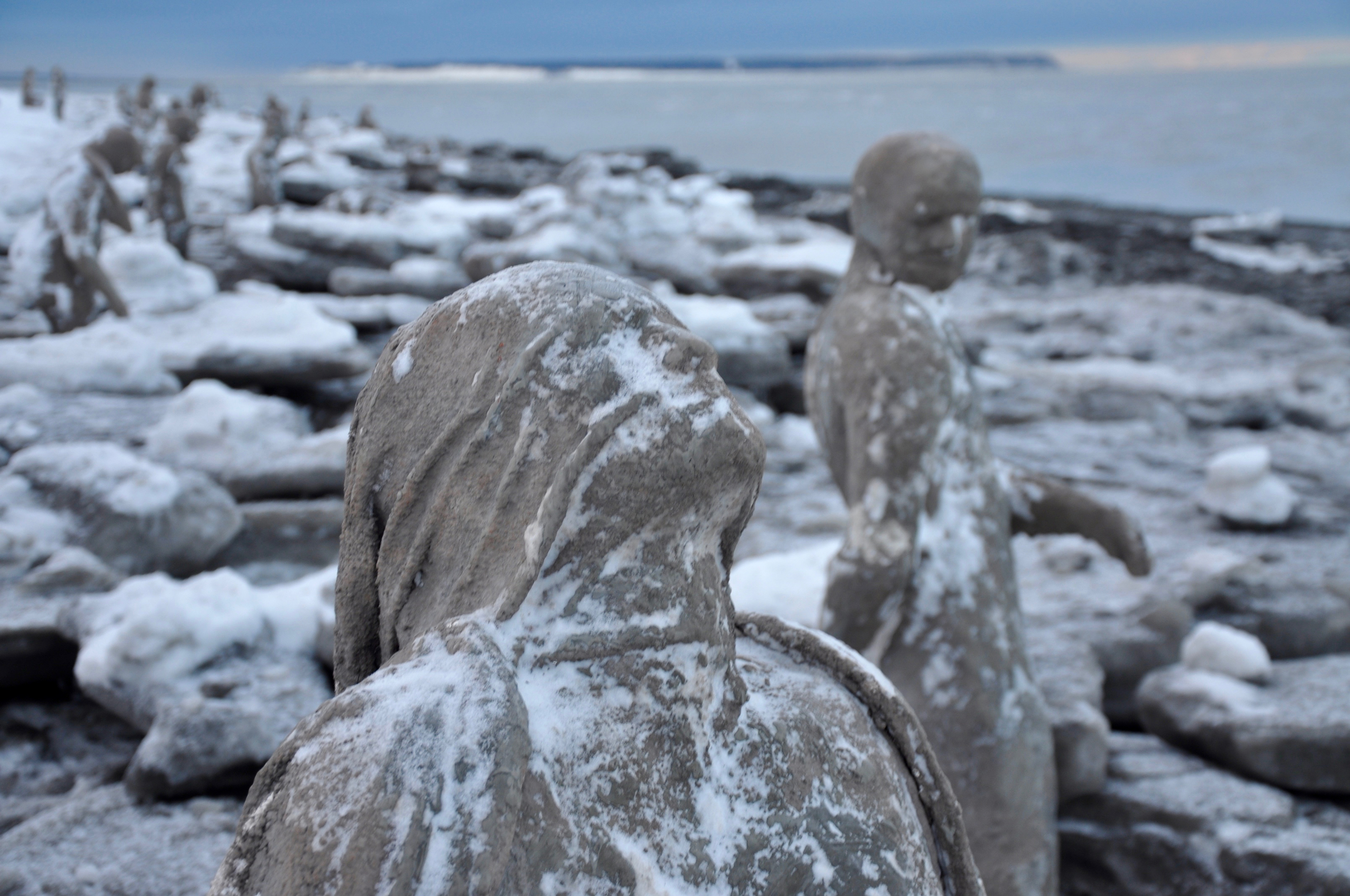
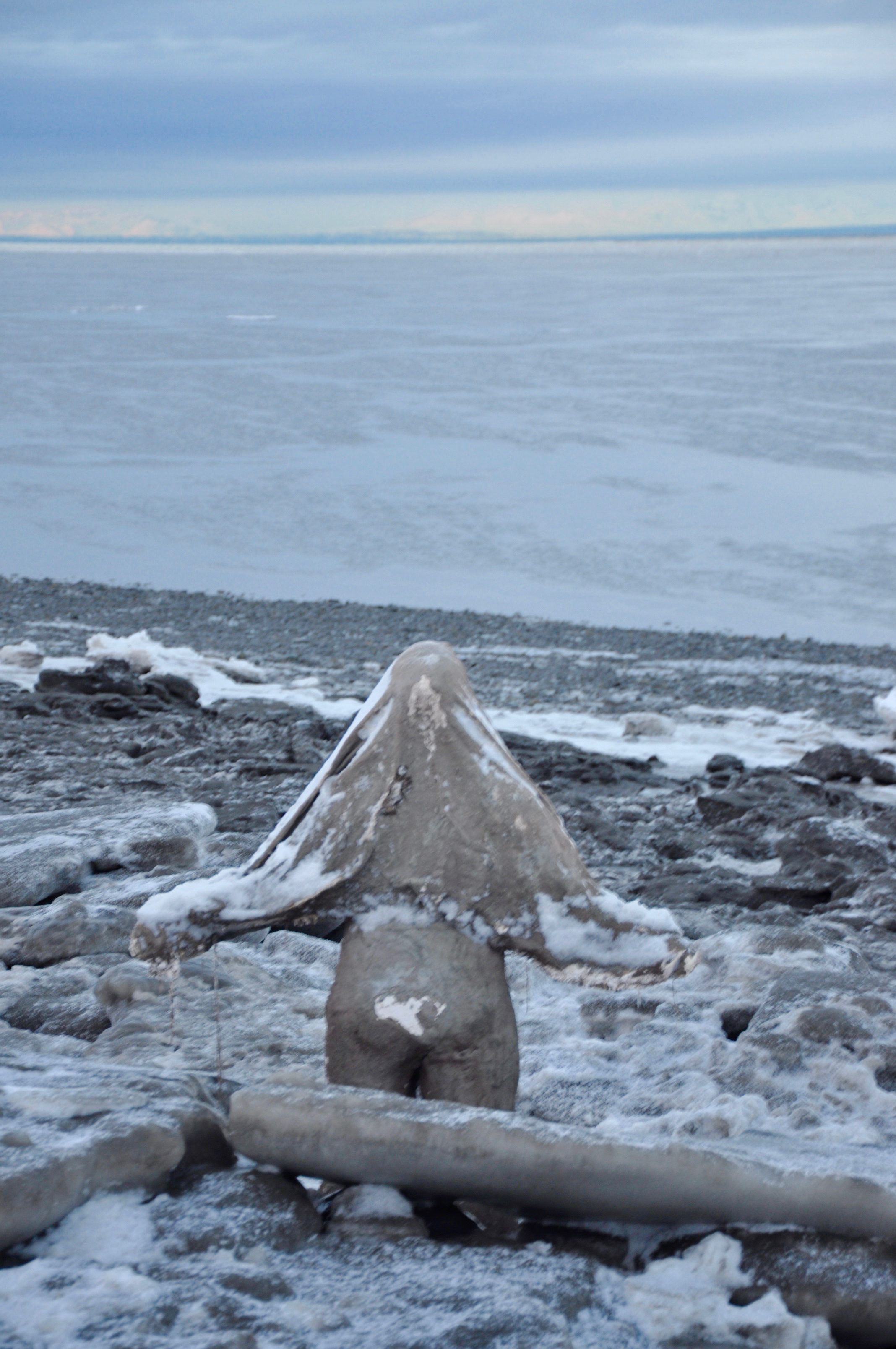
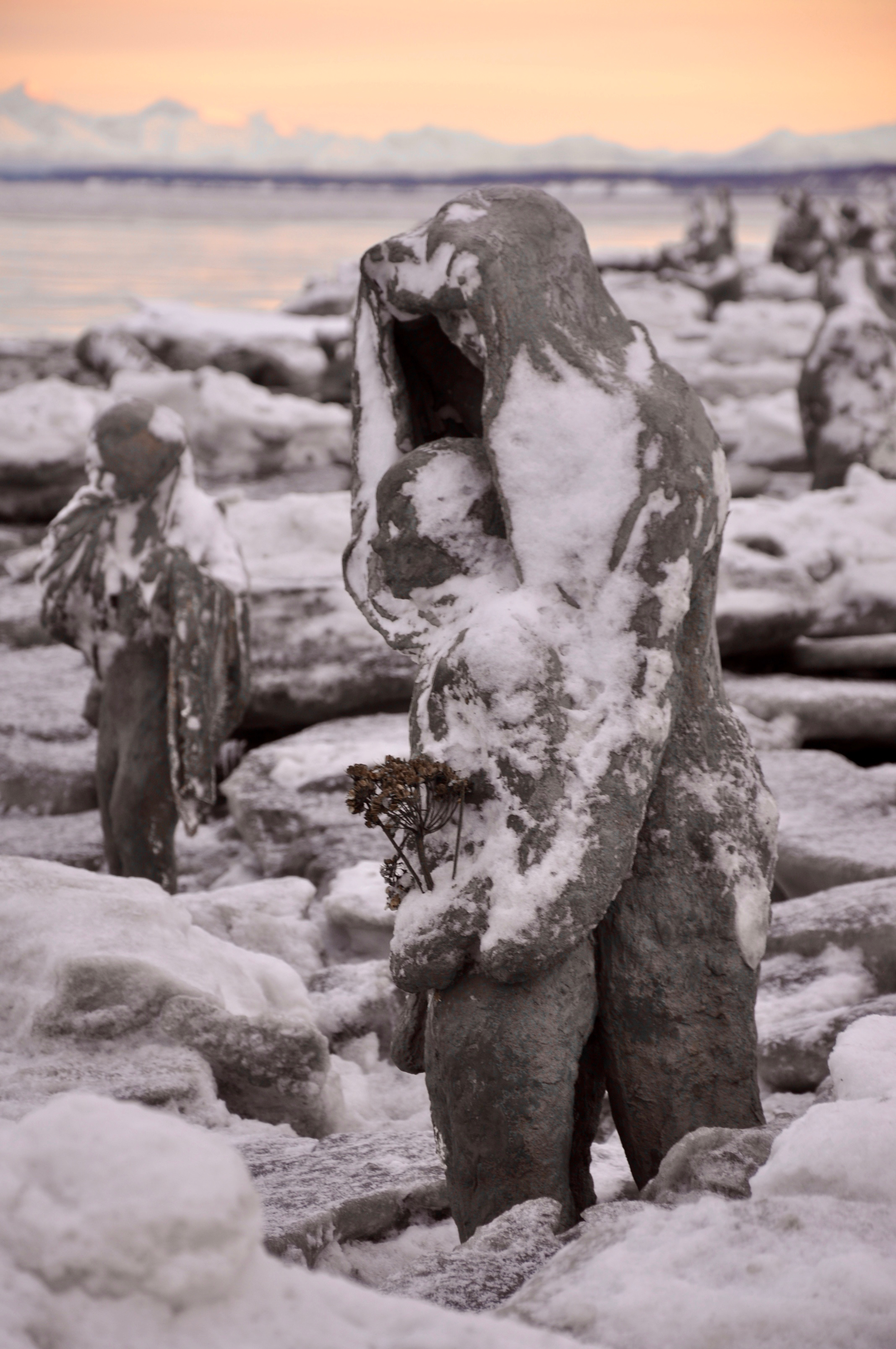
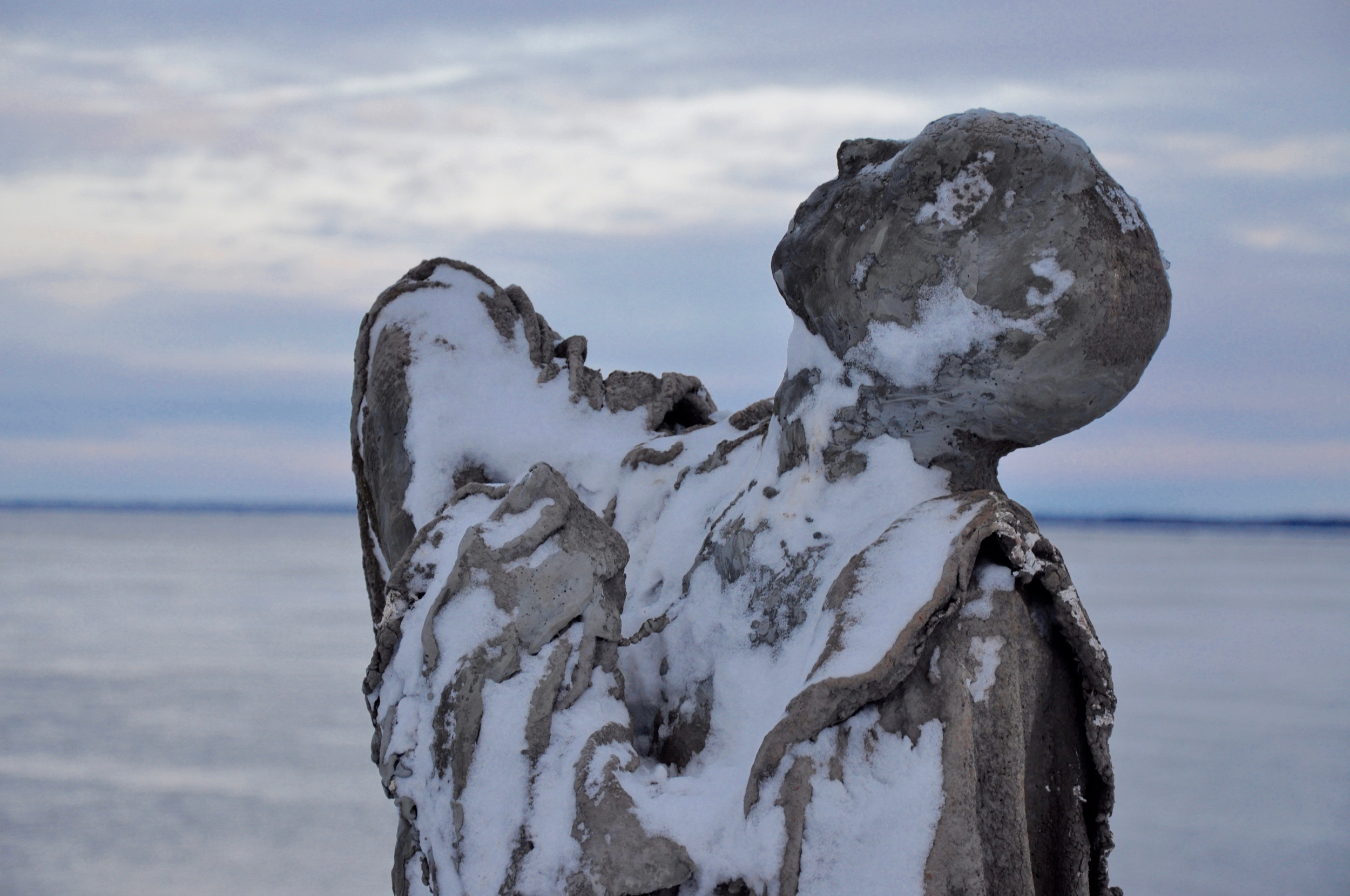
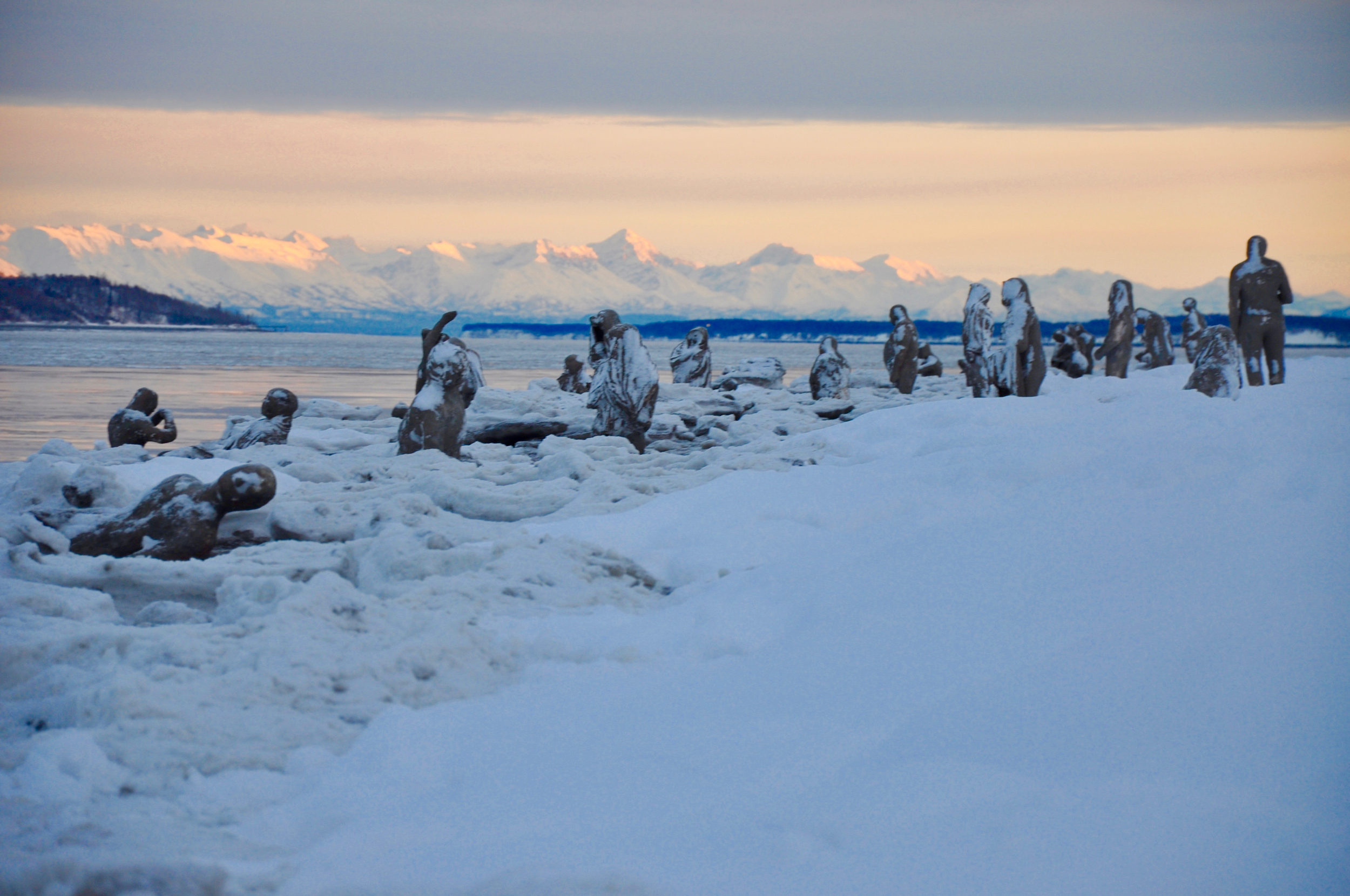
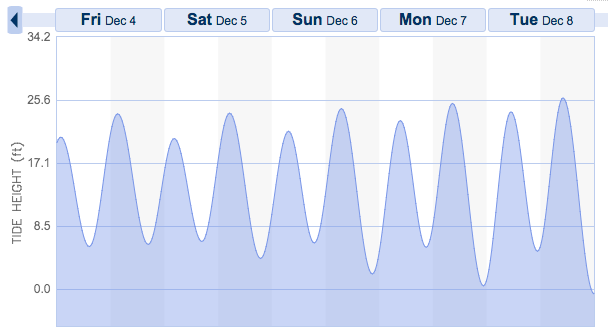
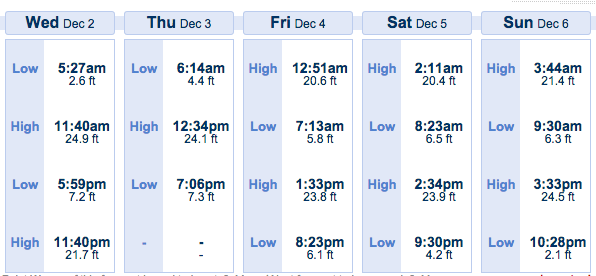
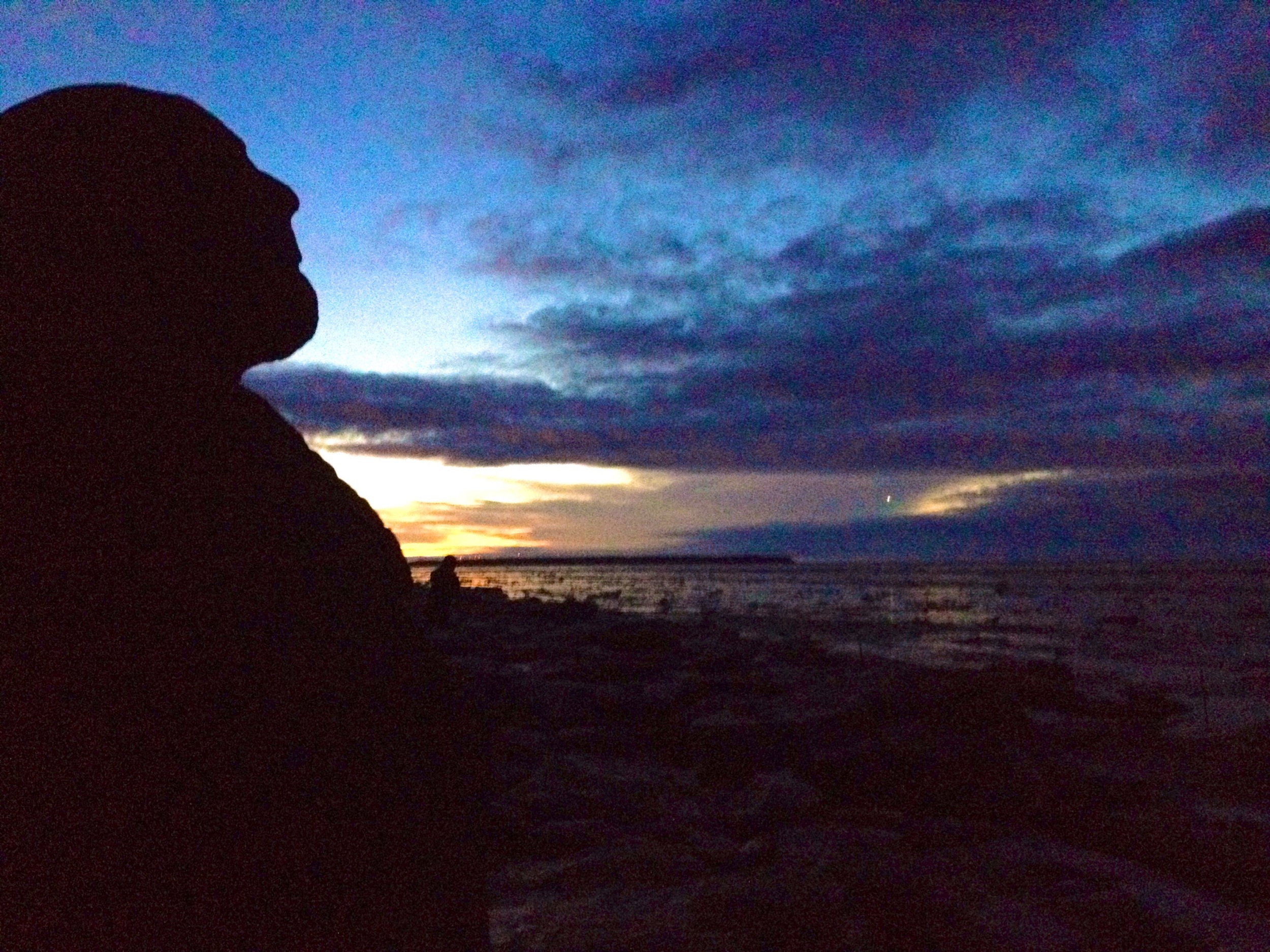
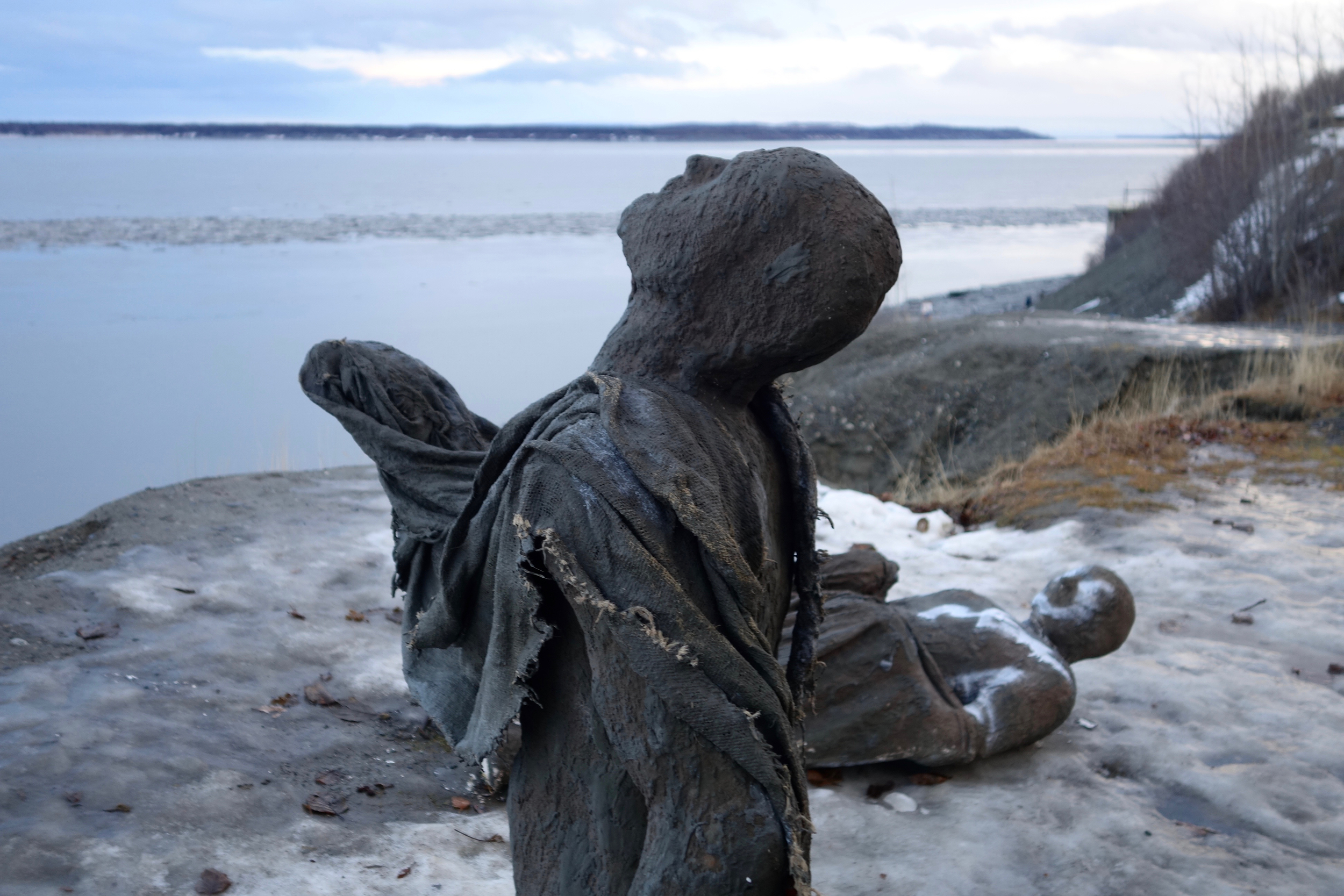
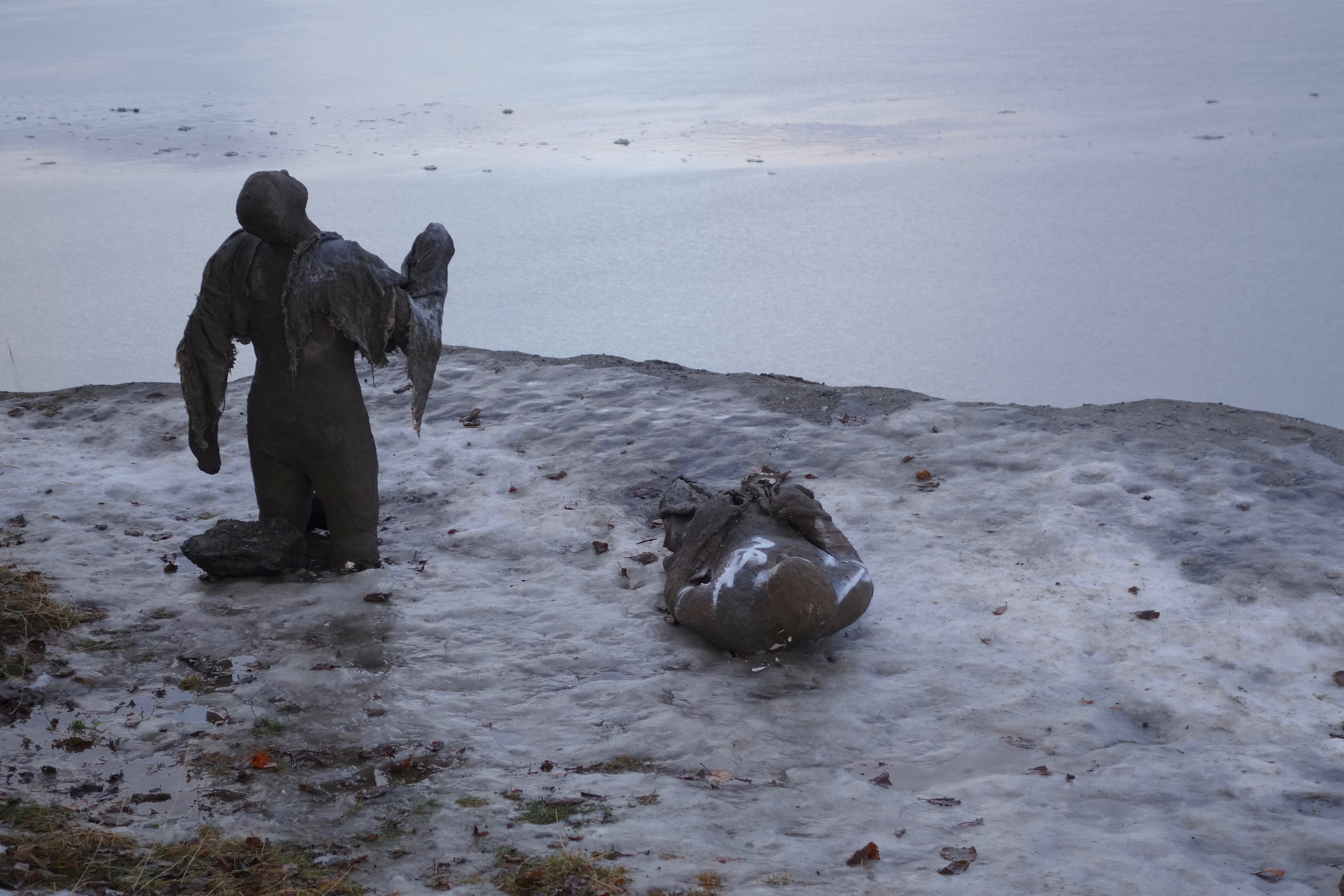
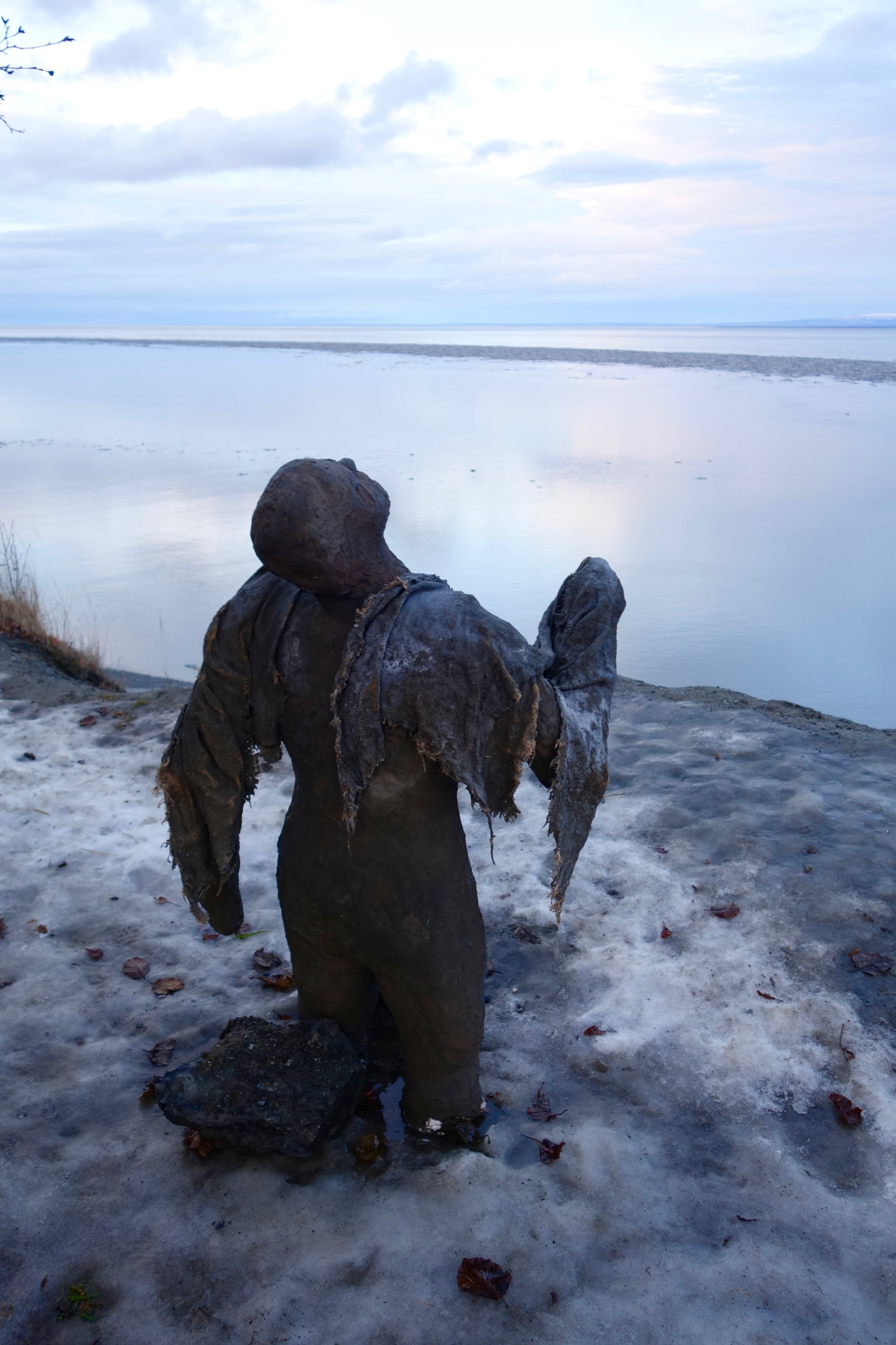
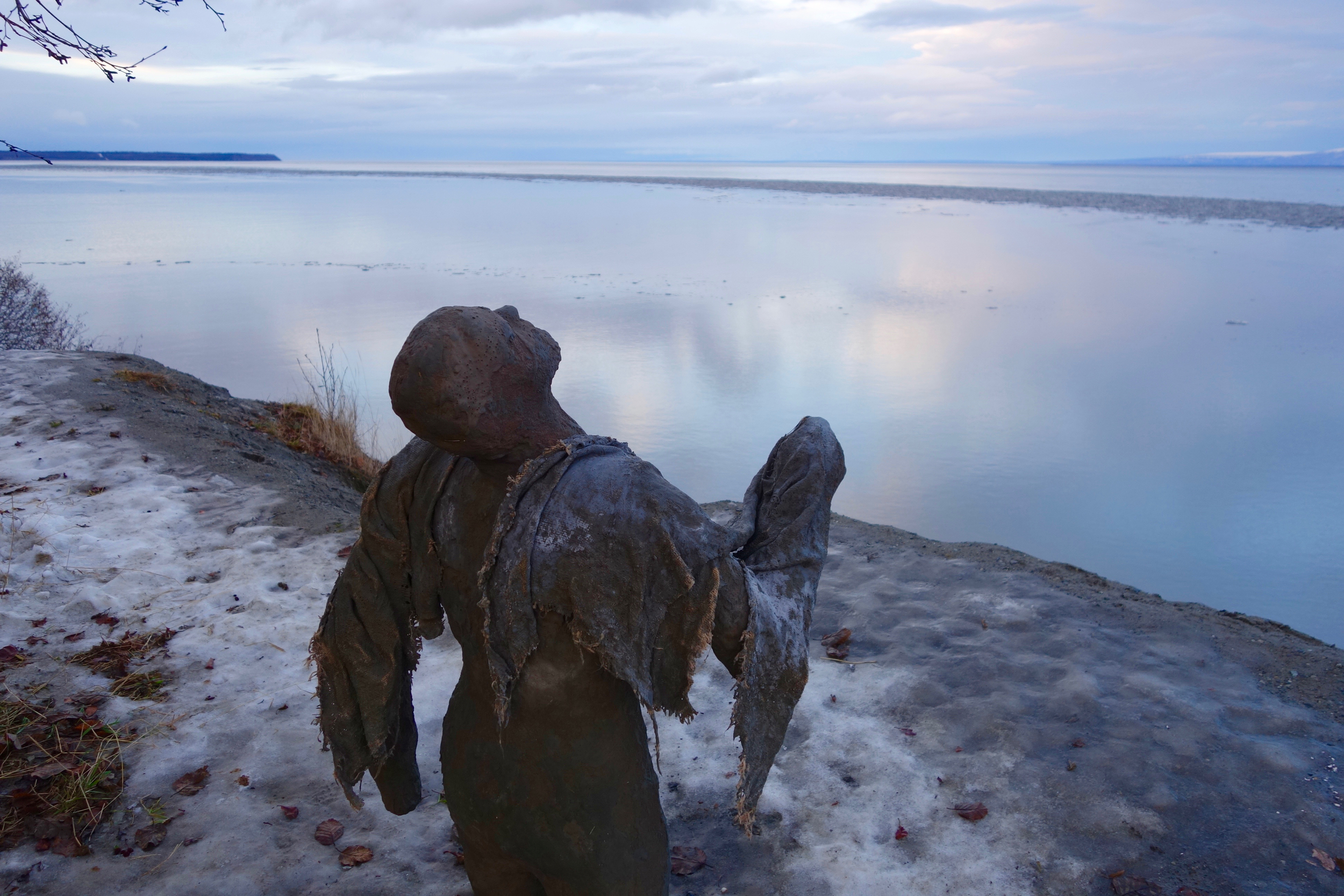
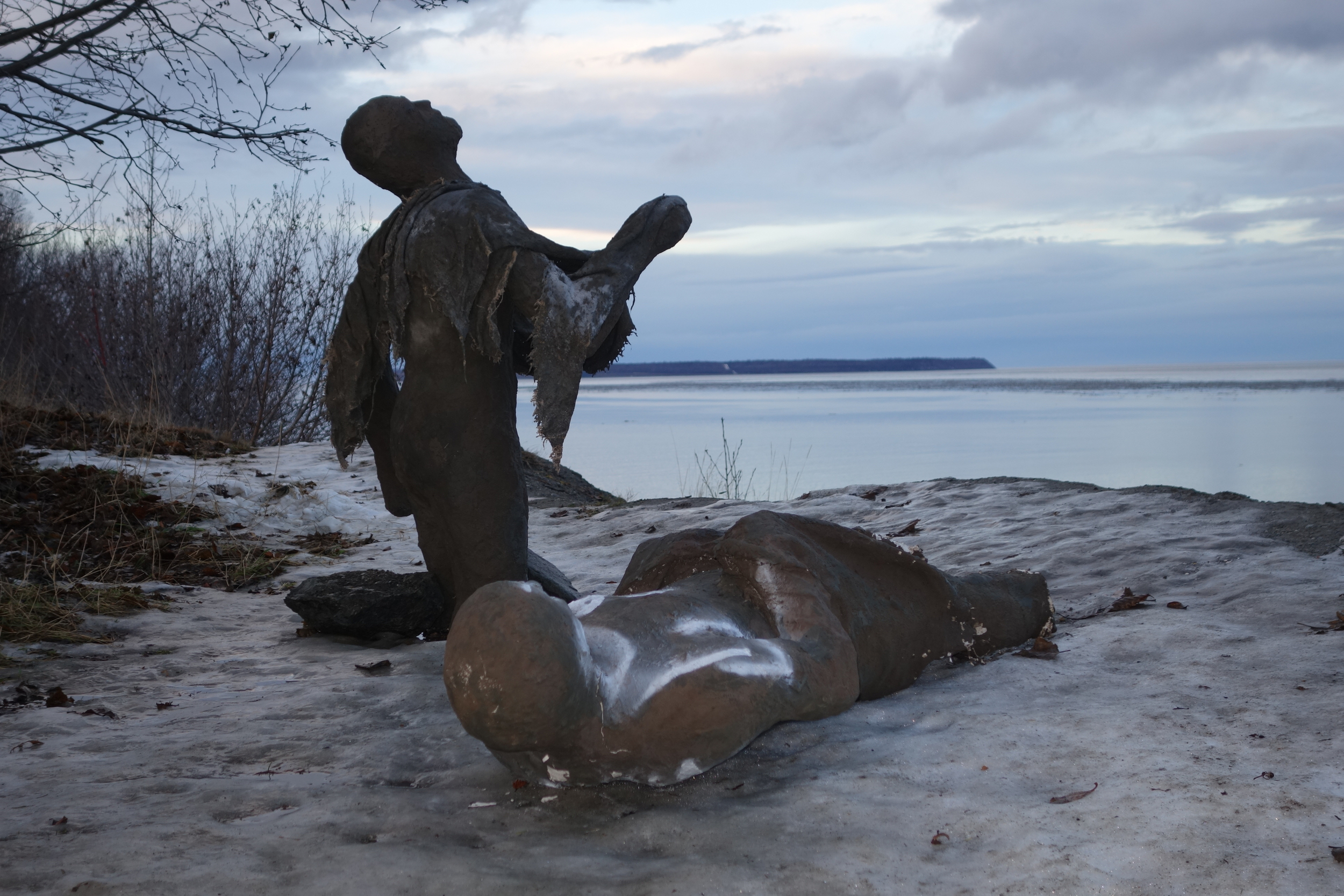
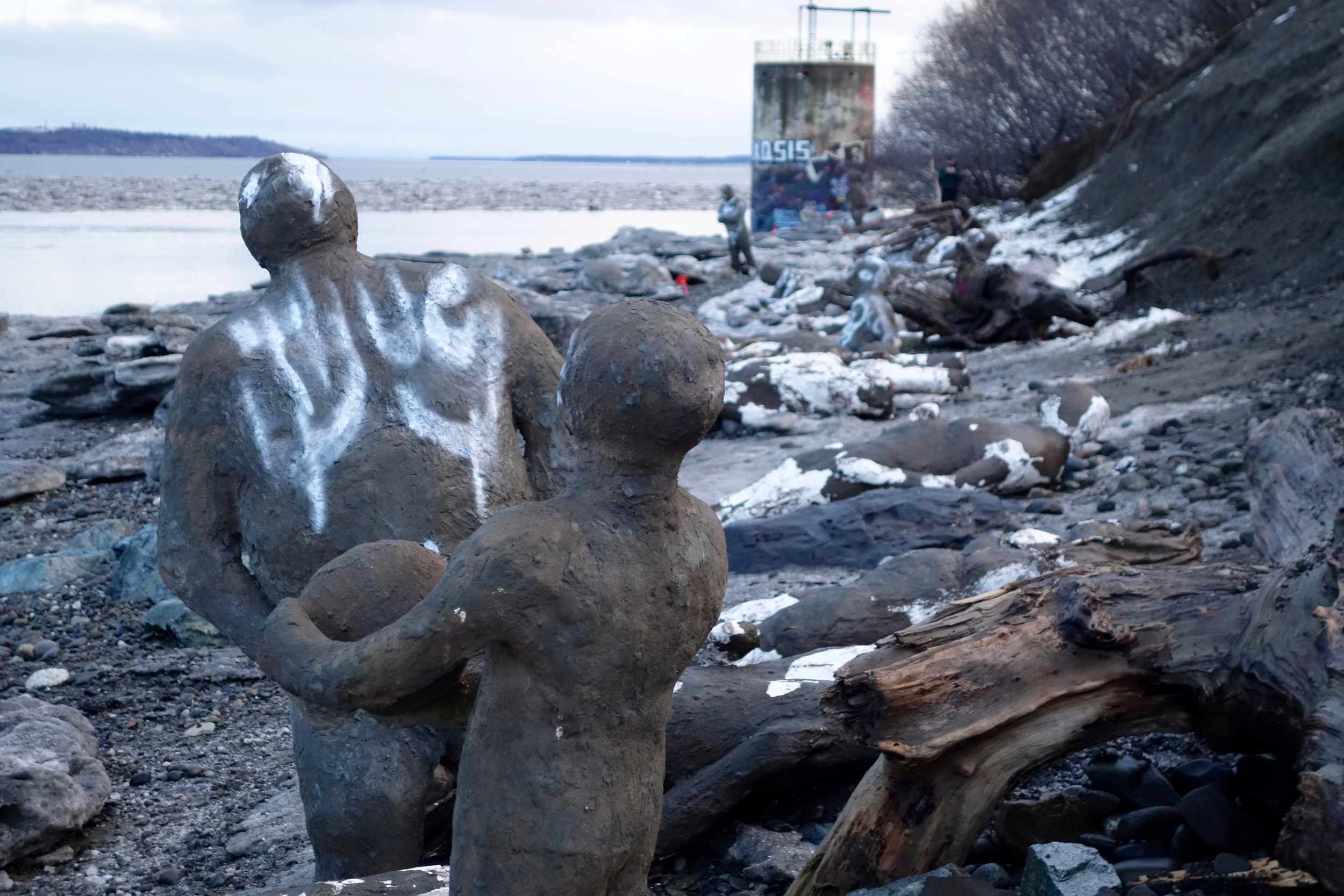
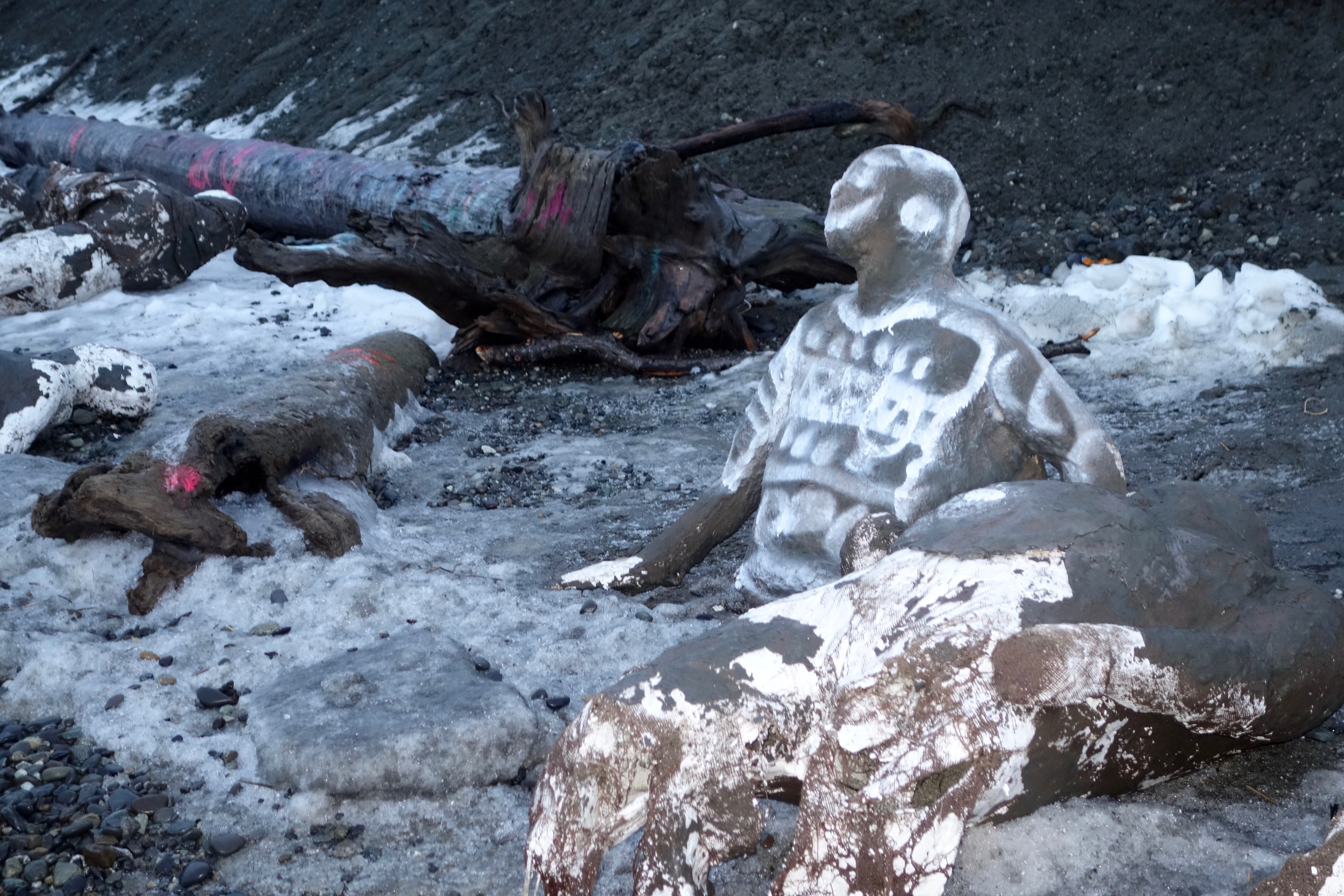
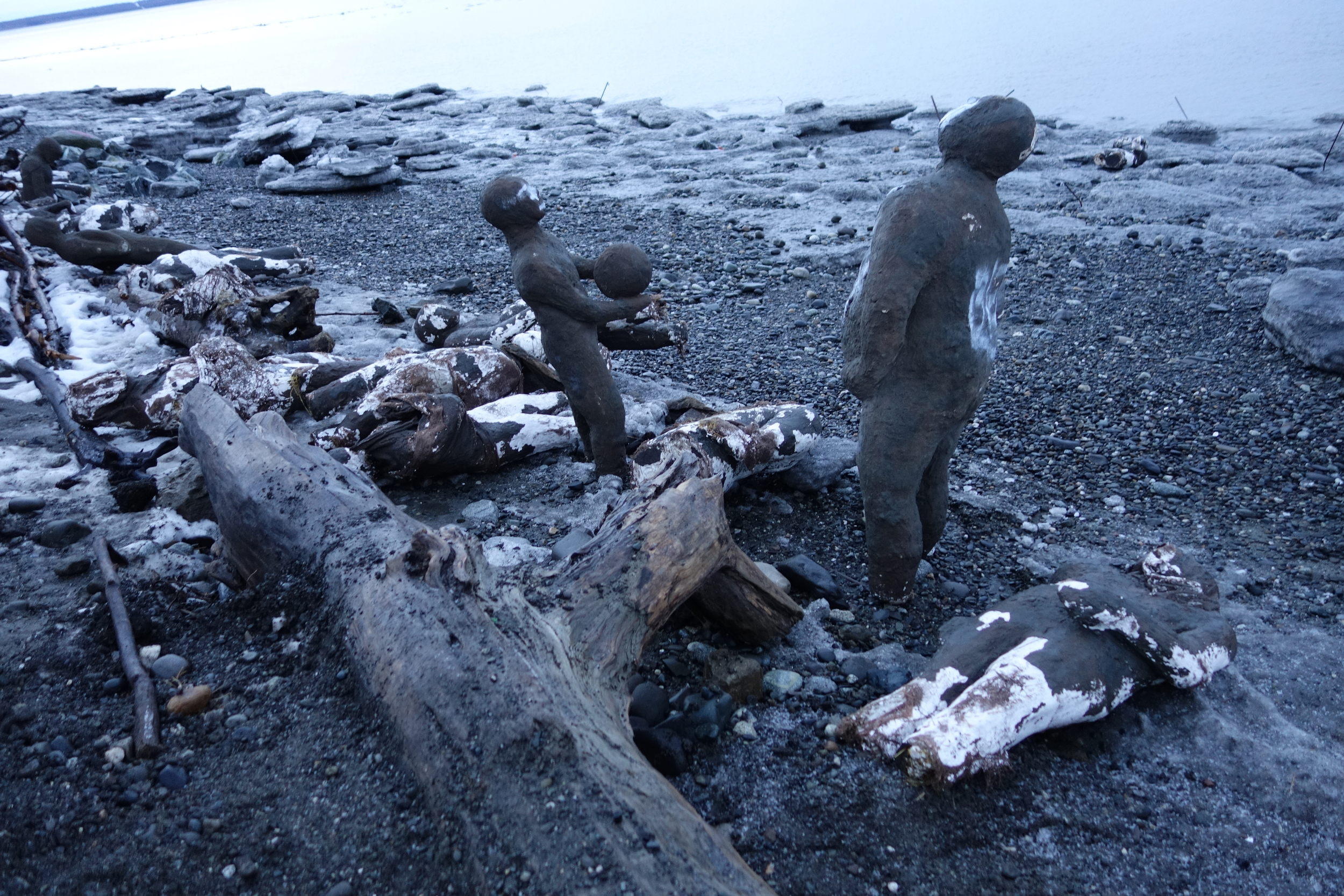
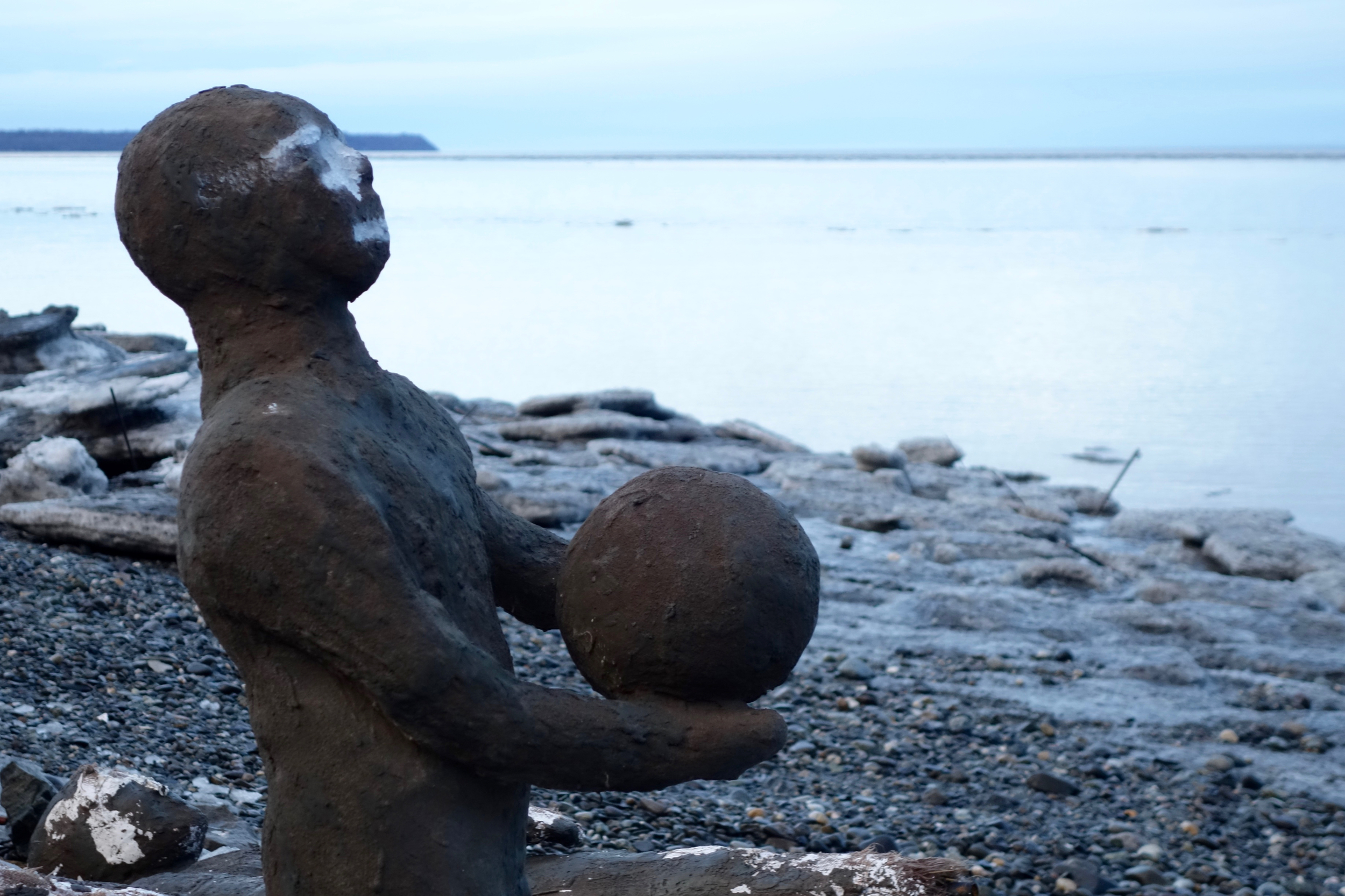
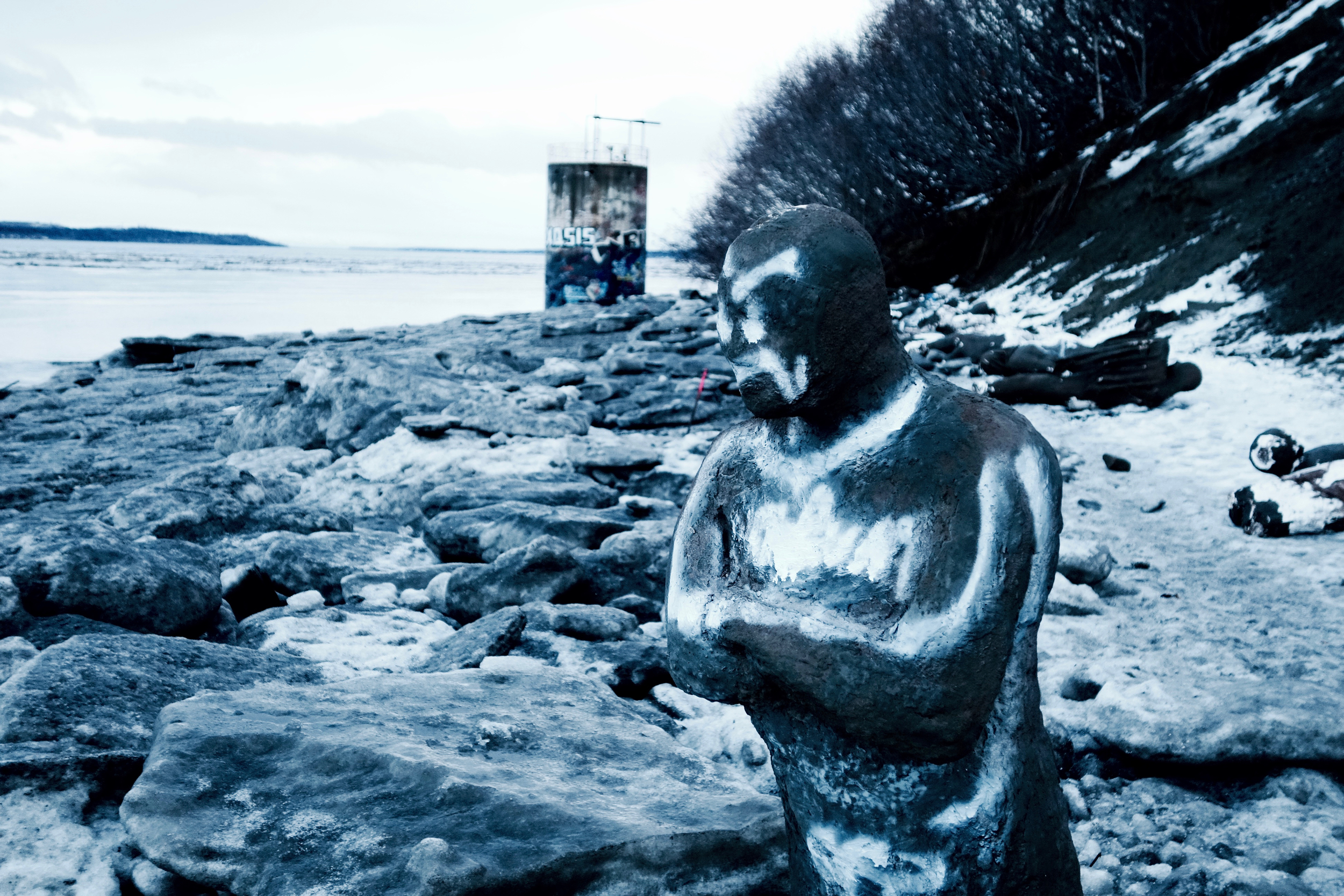
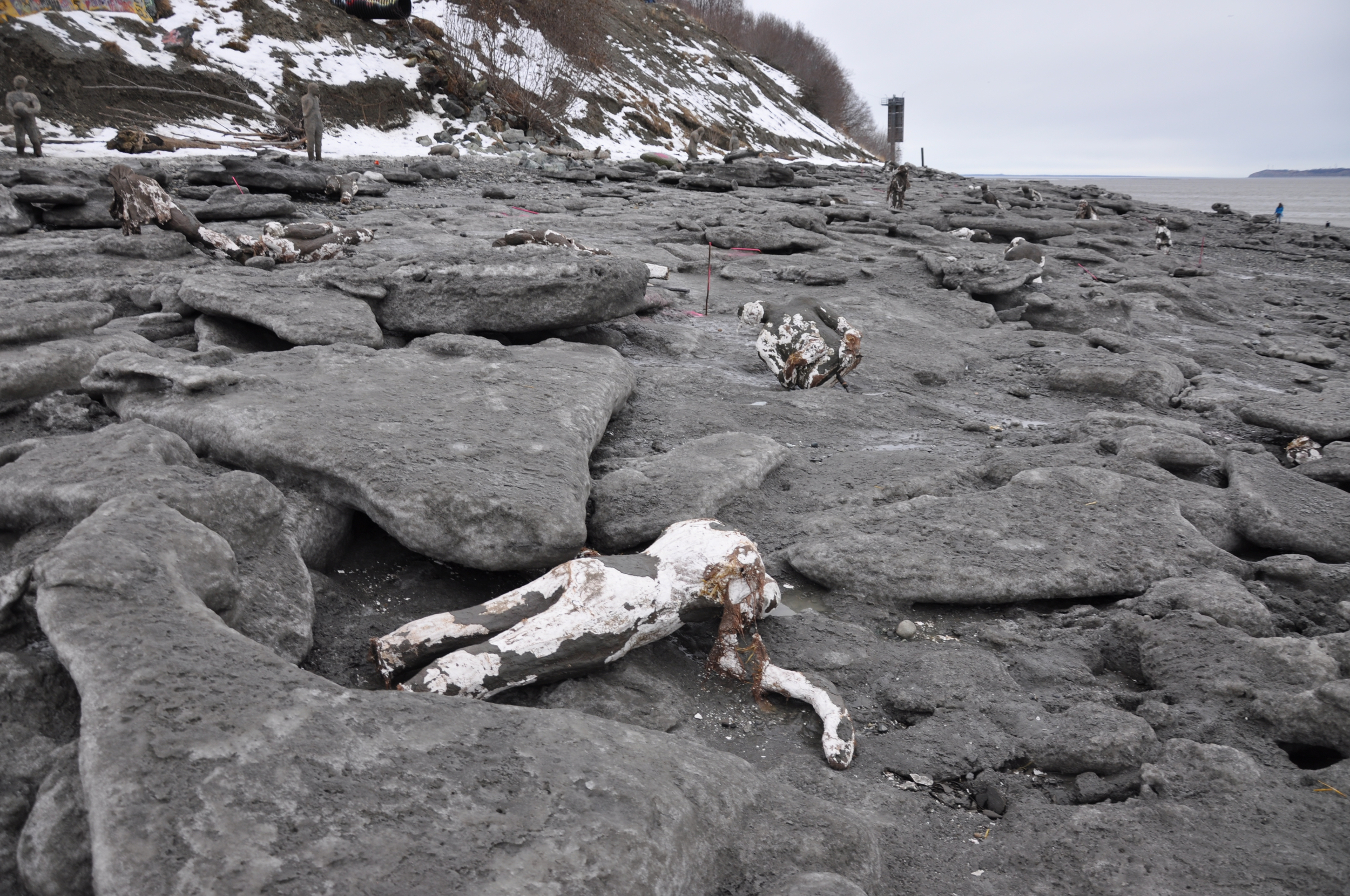
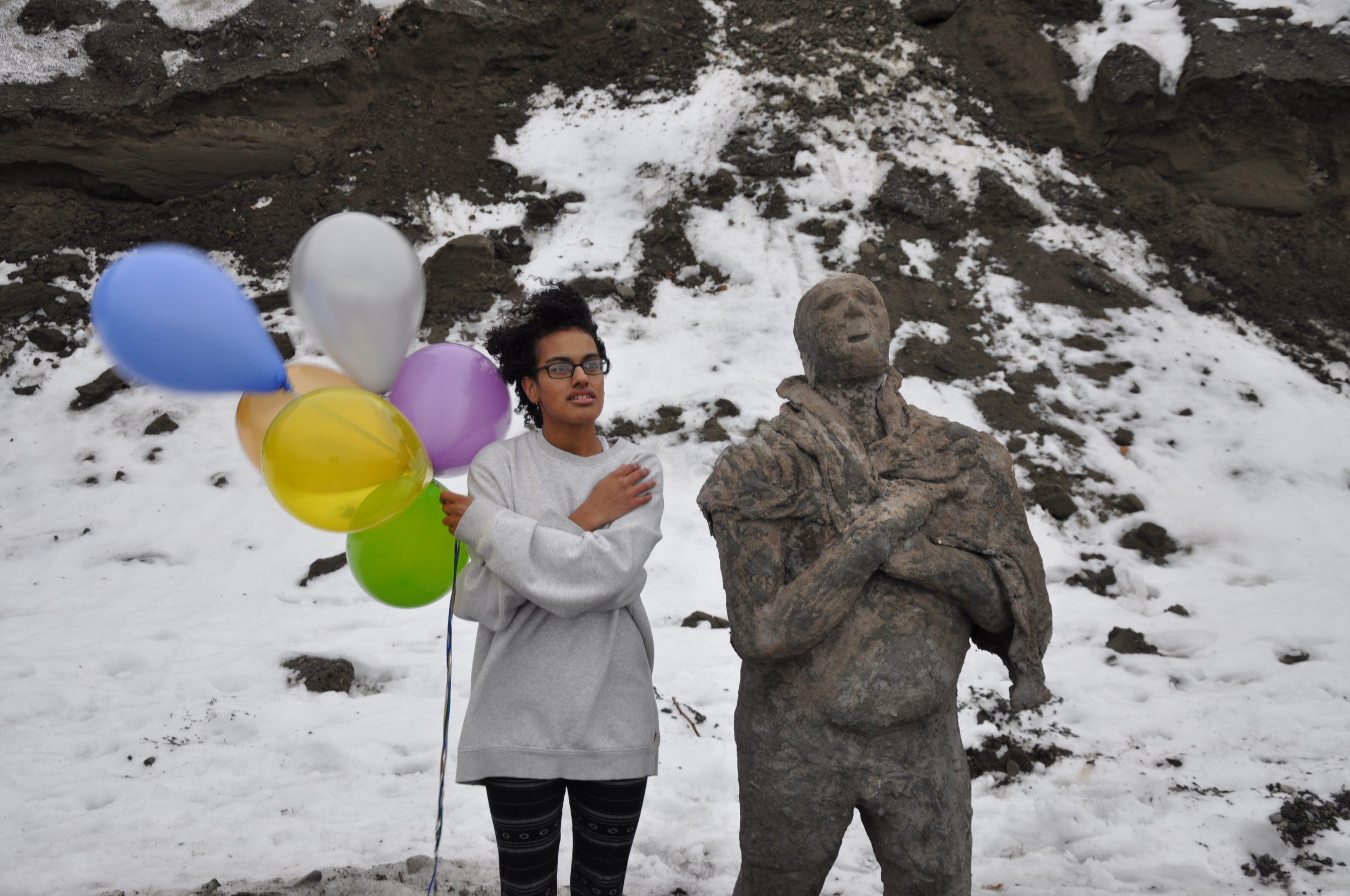
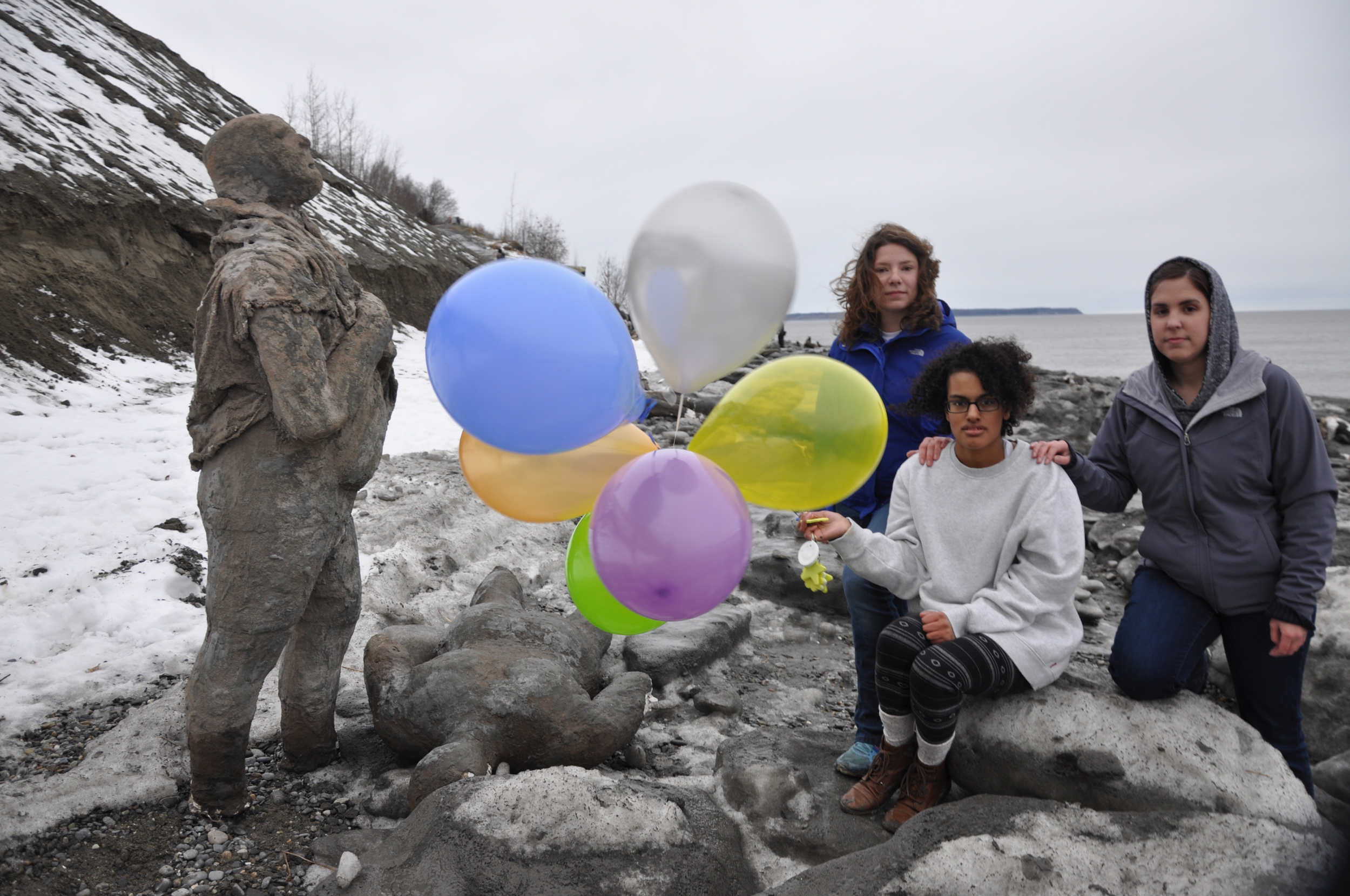
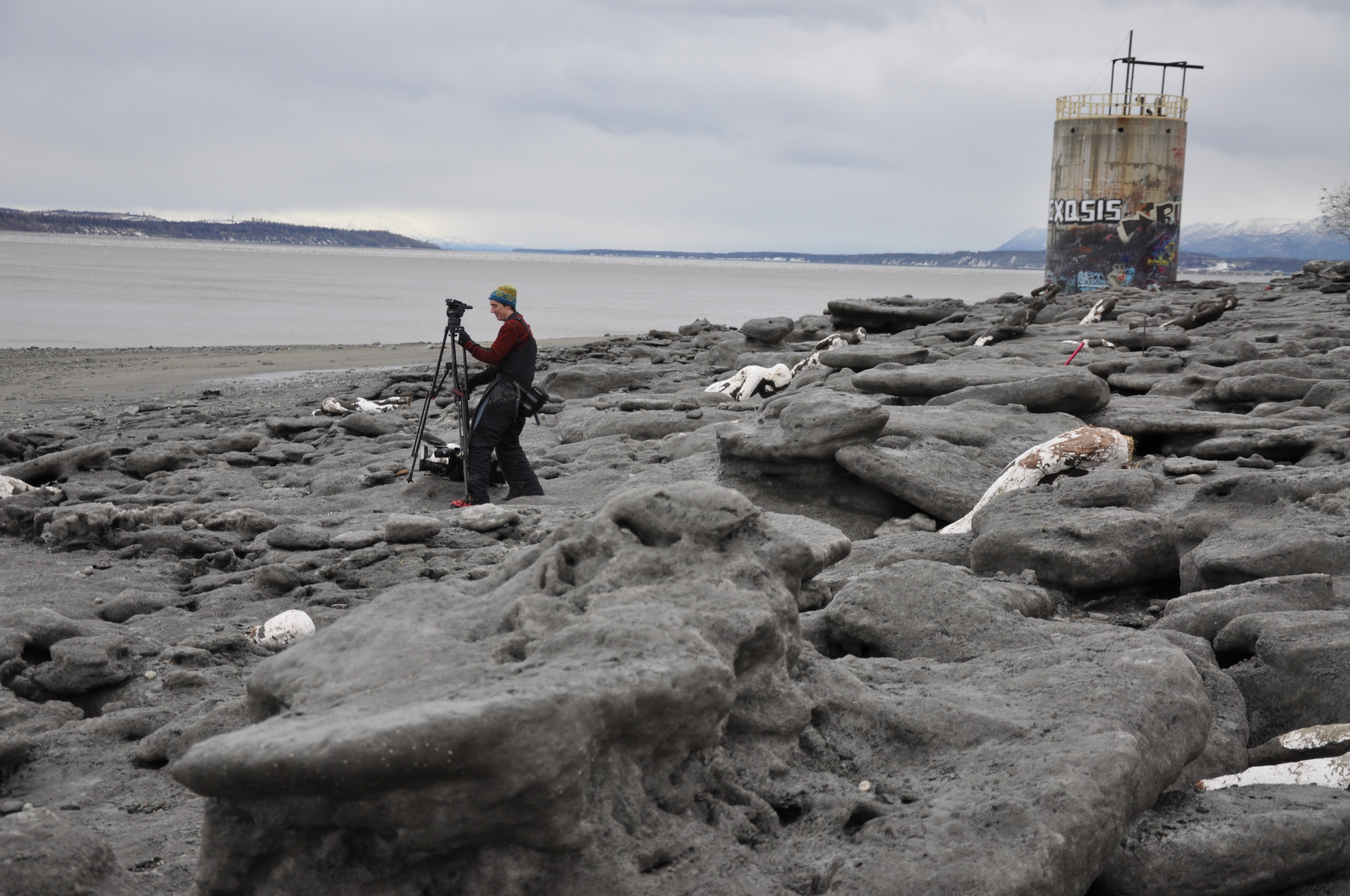
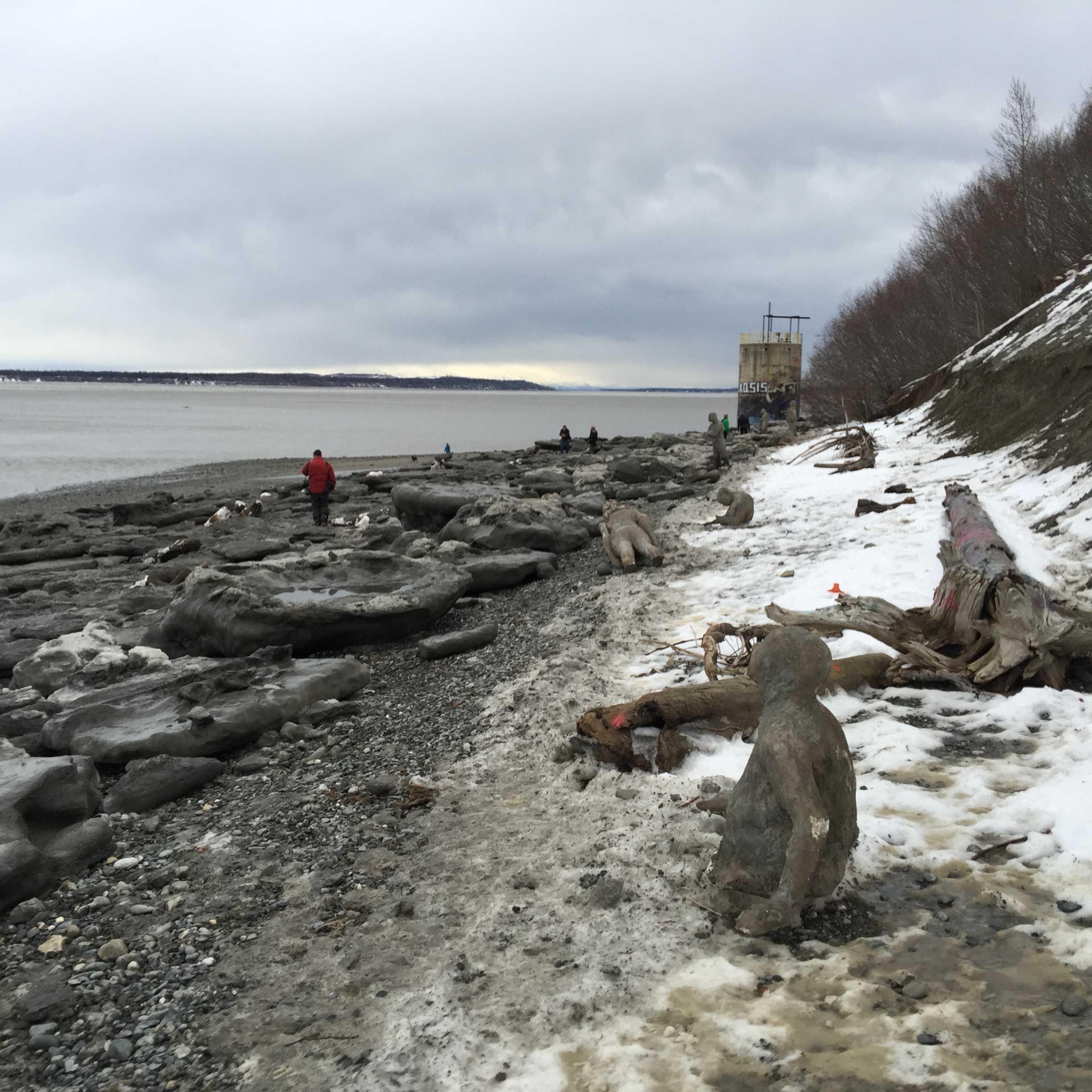
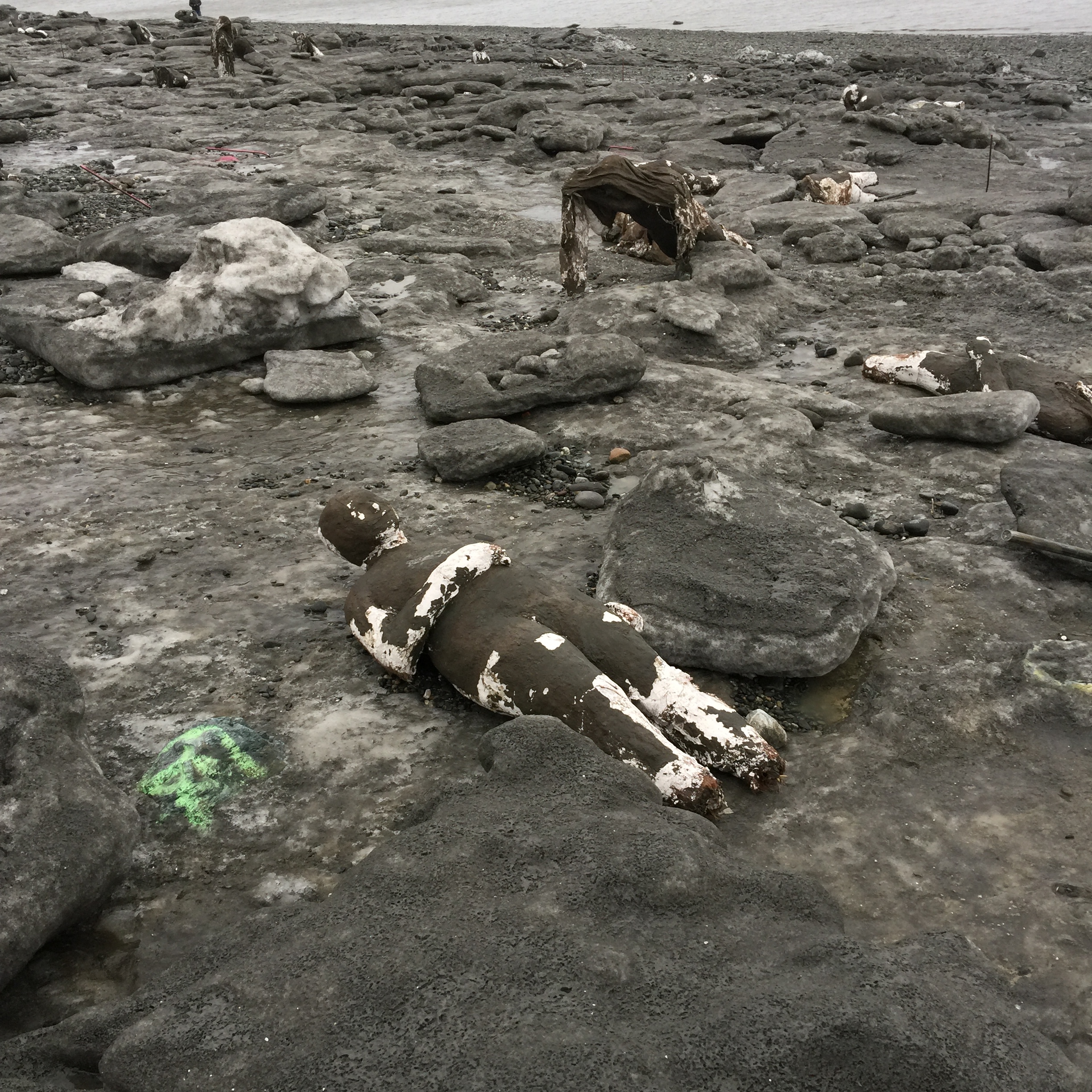
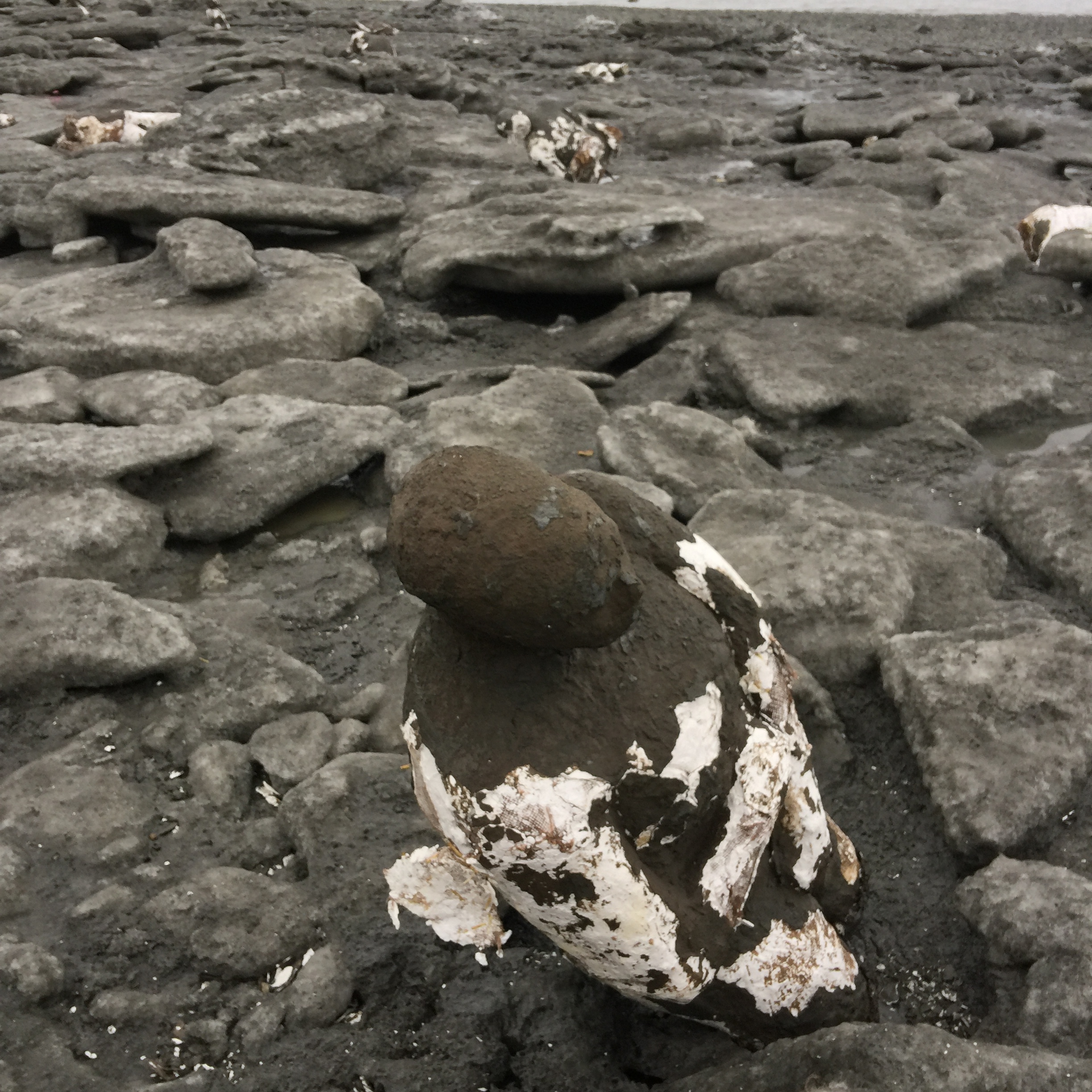
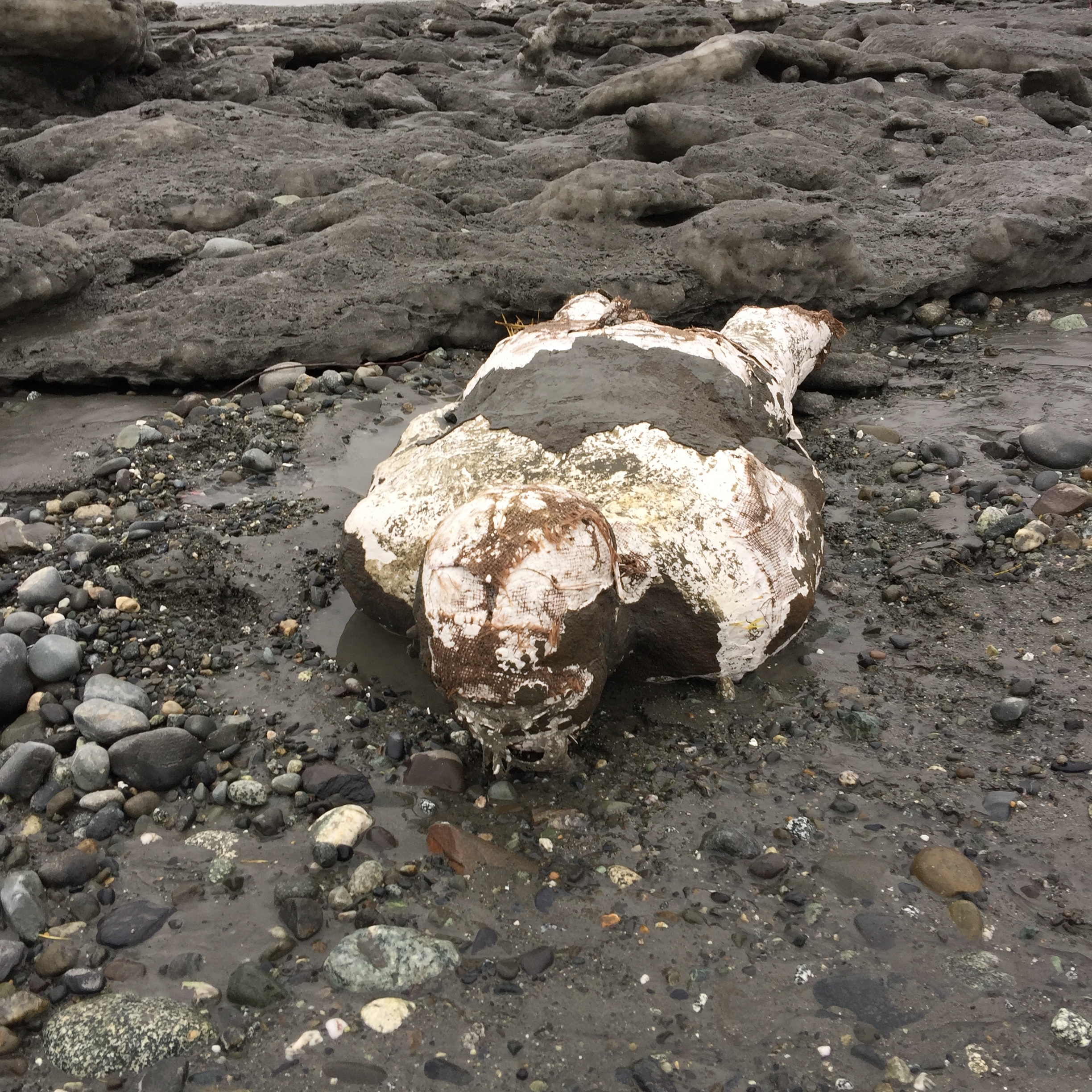
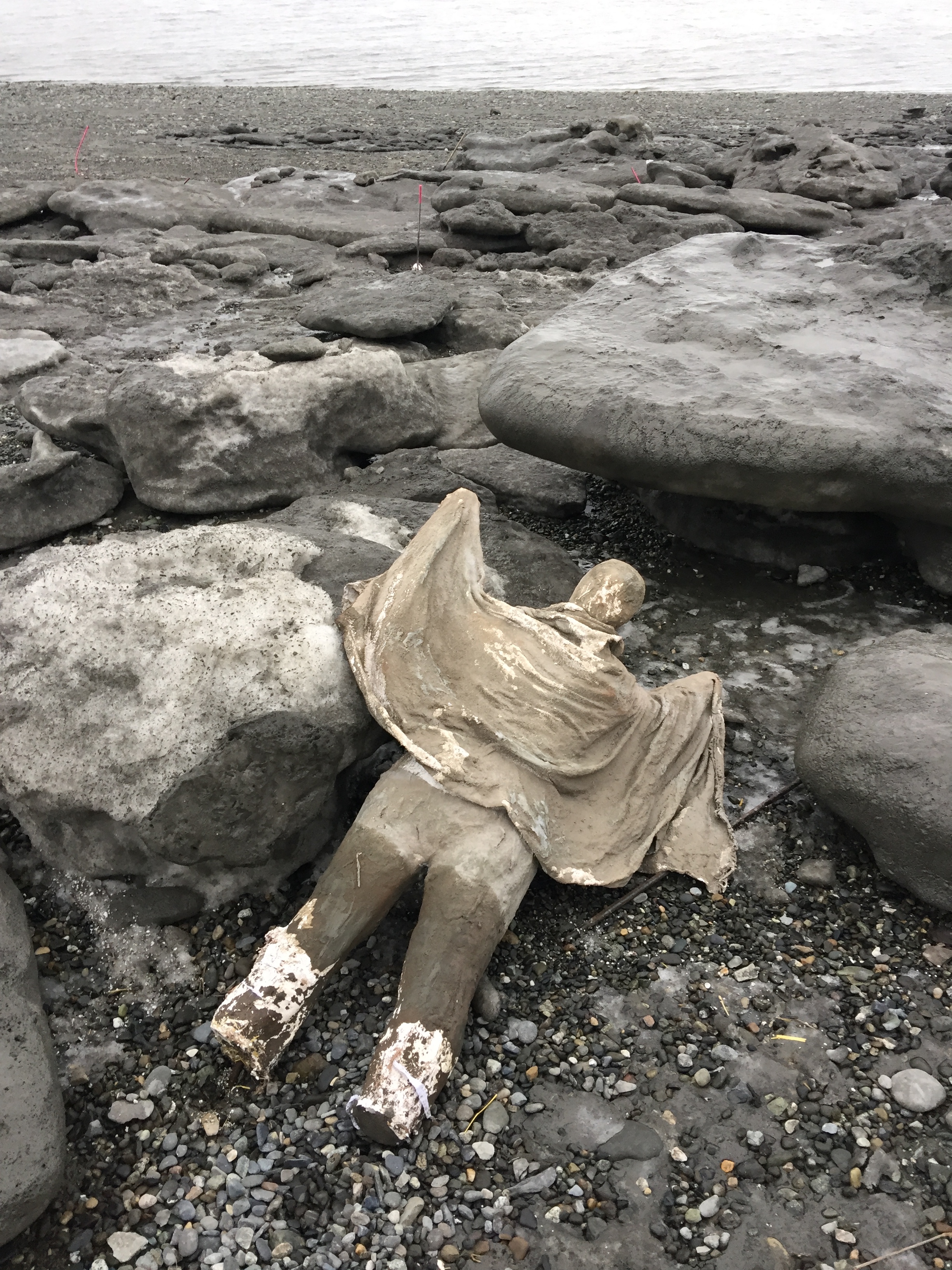
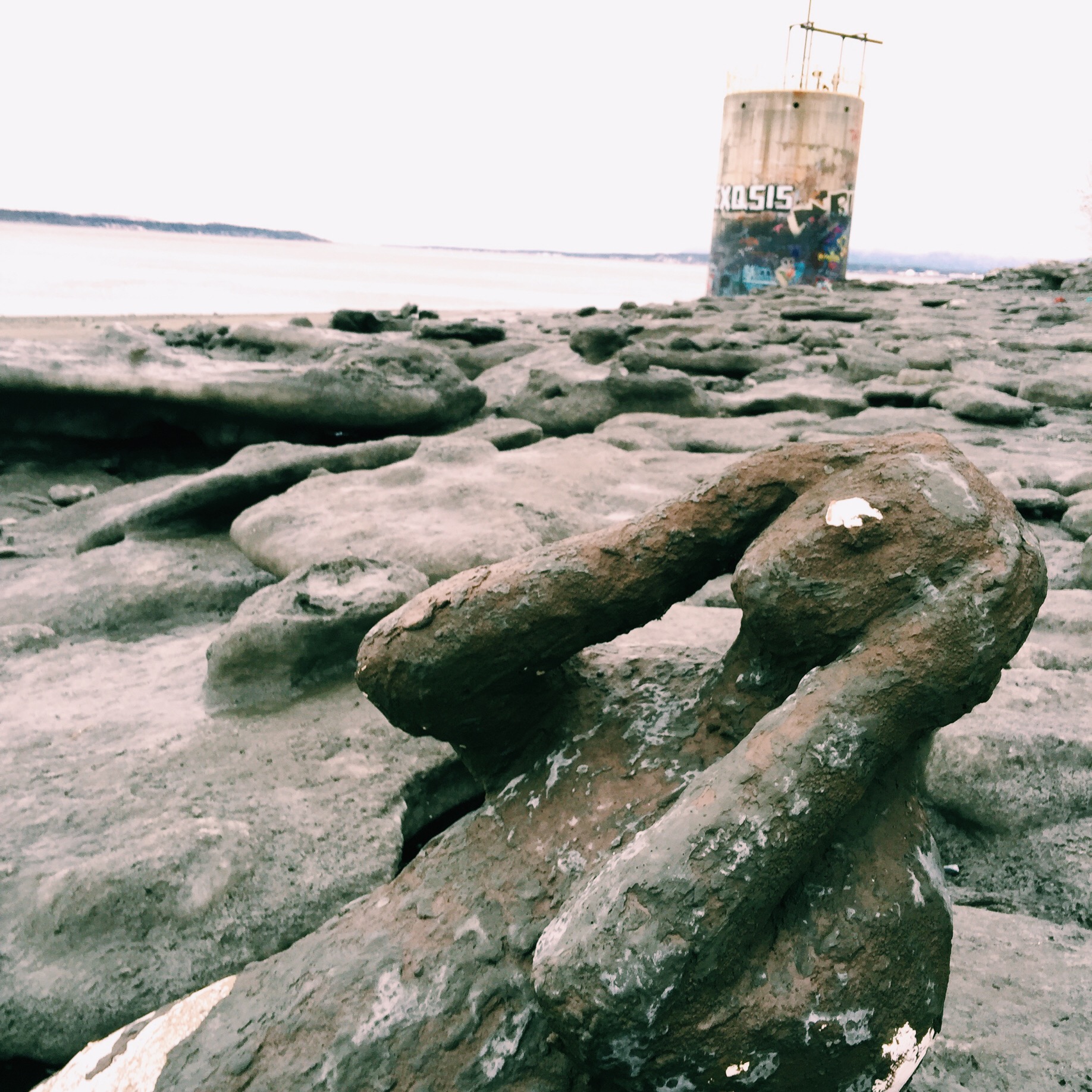
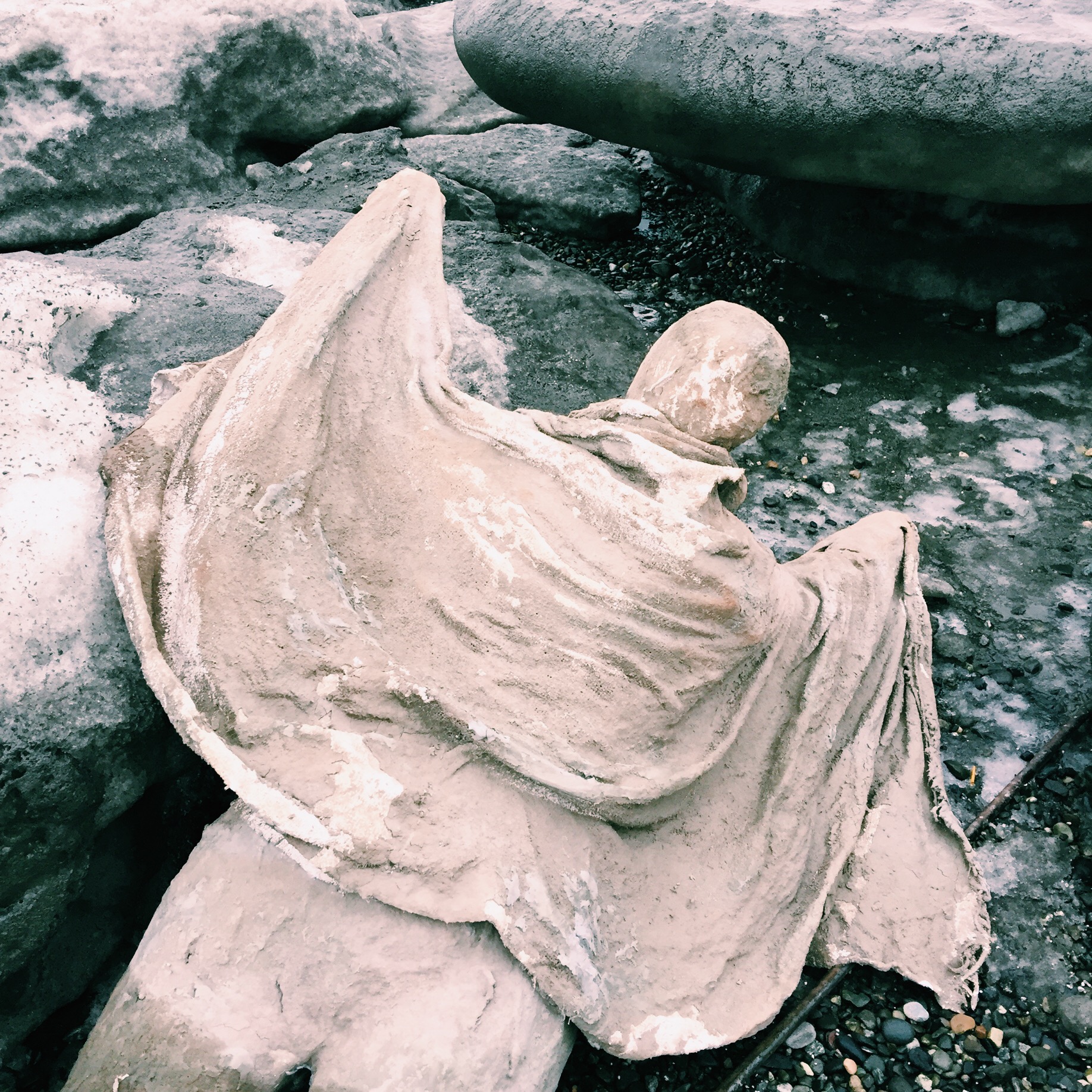
On November 24th, after a three-day spike in temperatures to nearly fifty degrees Fahrenheit and a spring tide amplified by high storm winds, the installation was ripped out of its softened substrate, scattering our 100Stone family across the beach. Only 17 of the 85 figures remained standing. Our team’s heart broke. We knew we would lose them eventually, but this was too soon. Word of the destruction, once again, traveled international channels.
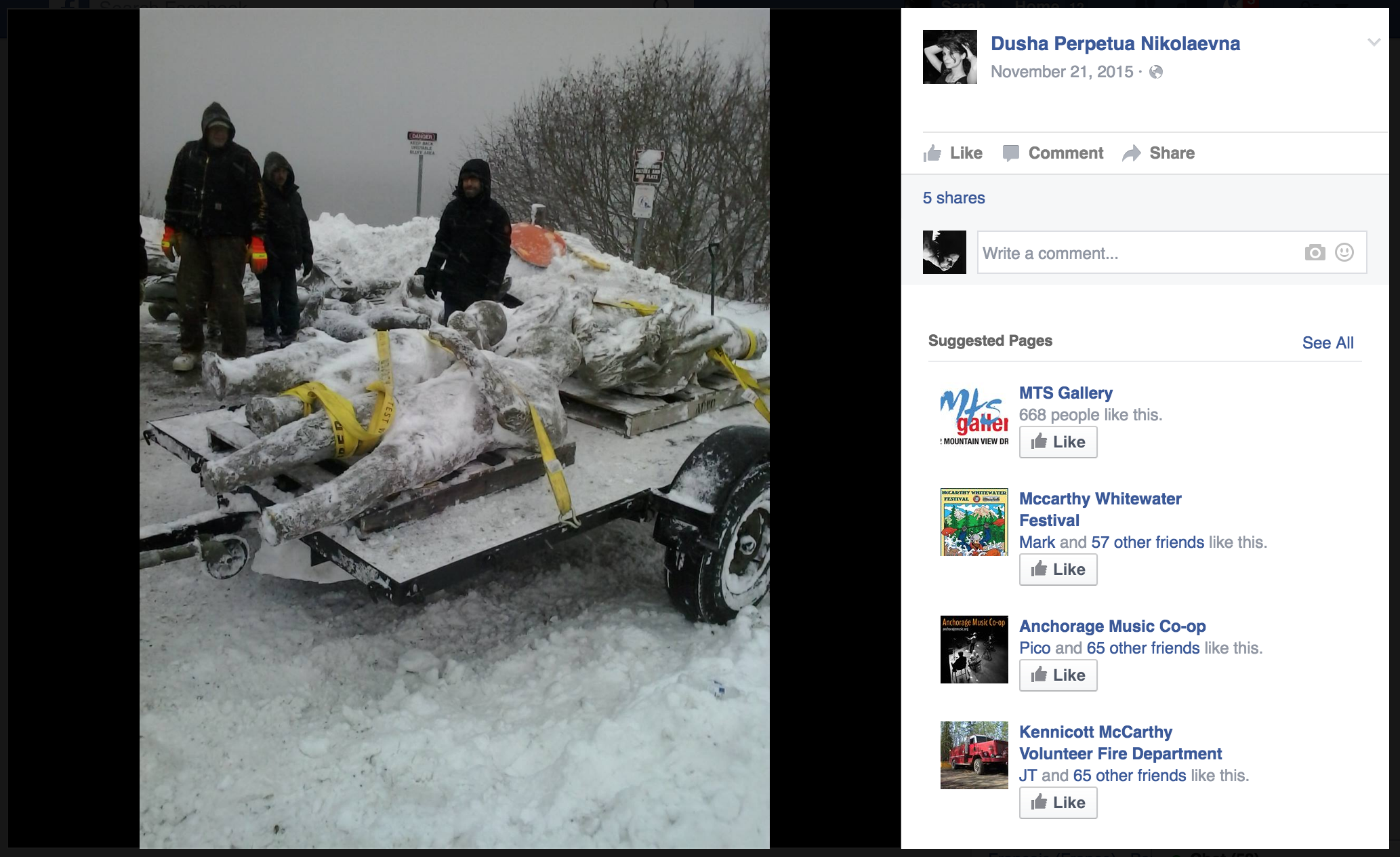
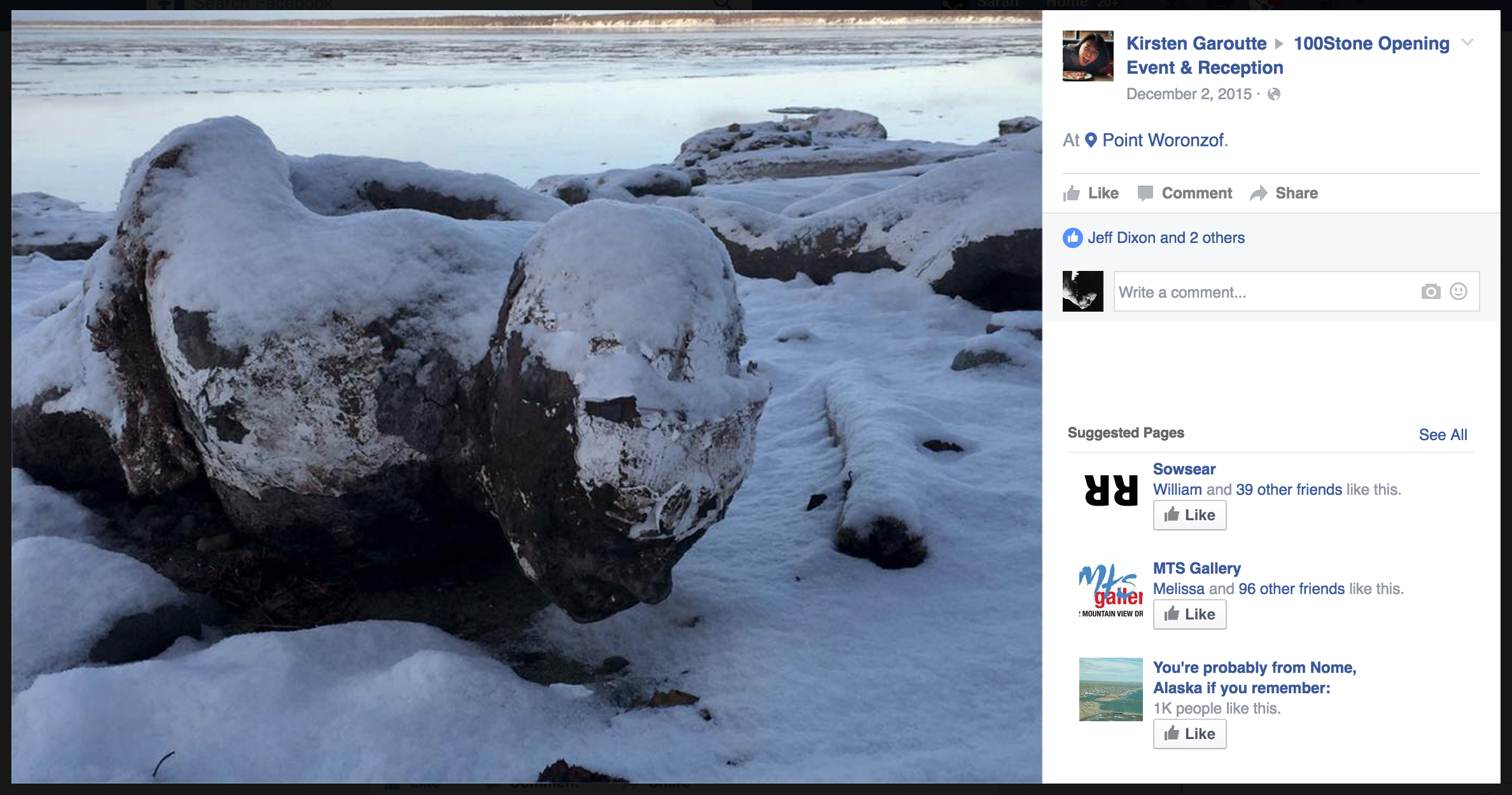
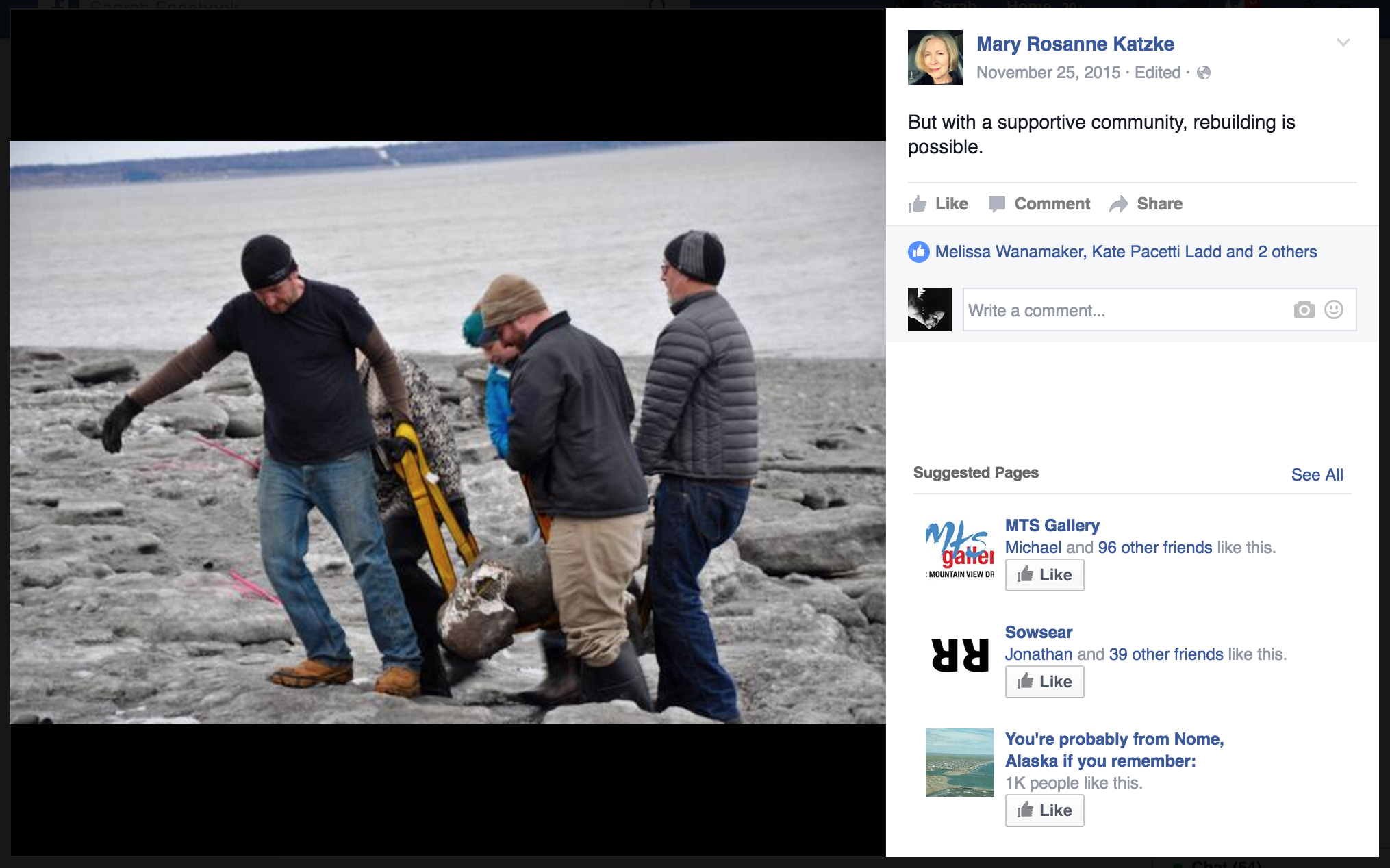
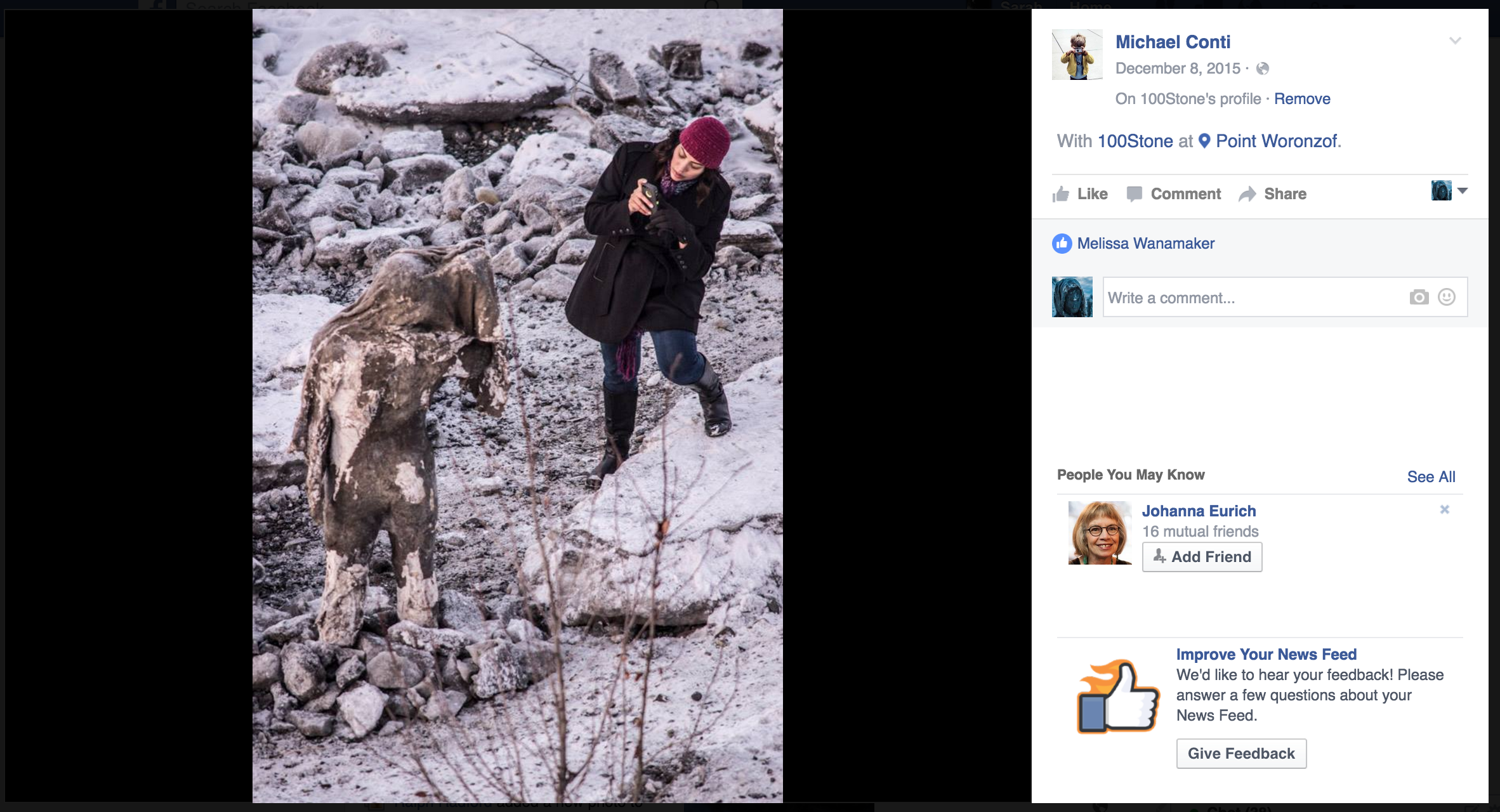
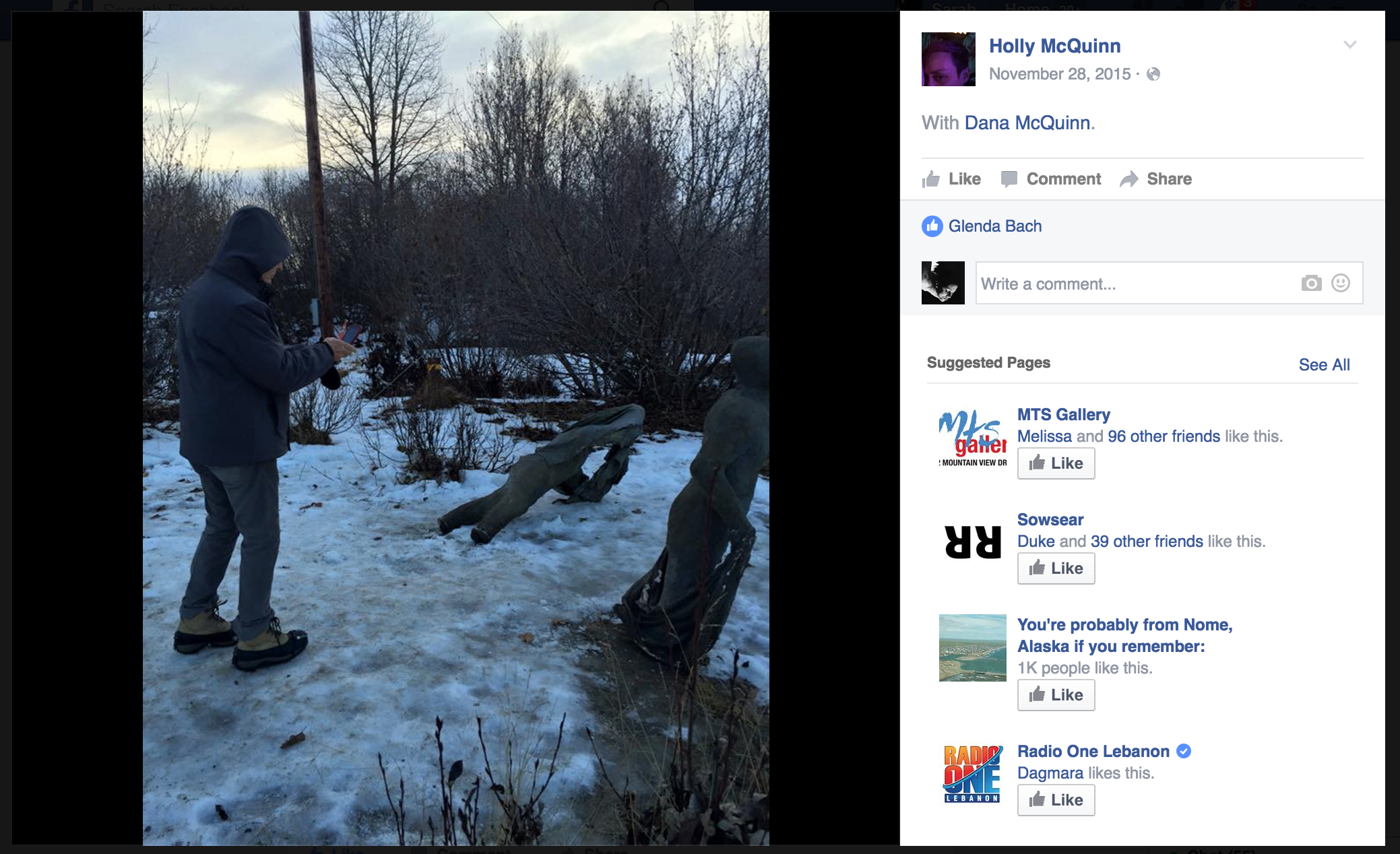
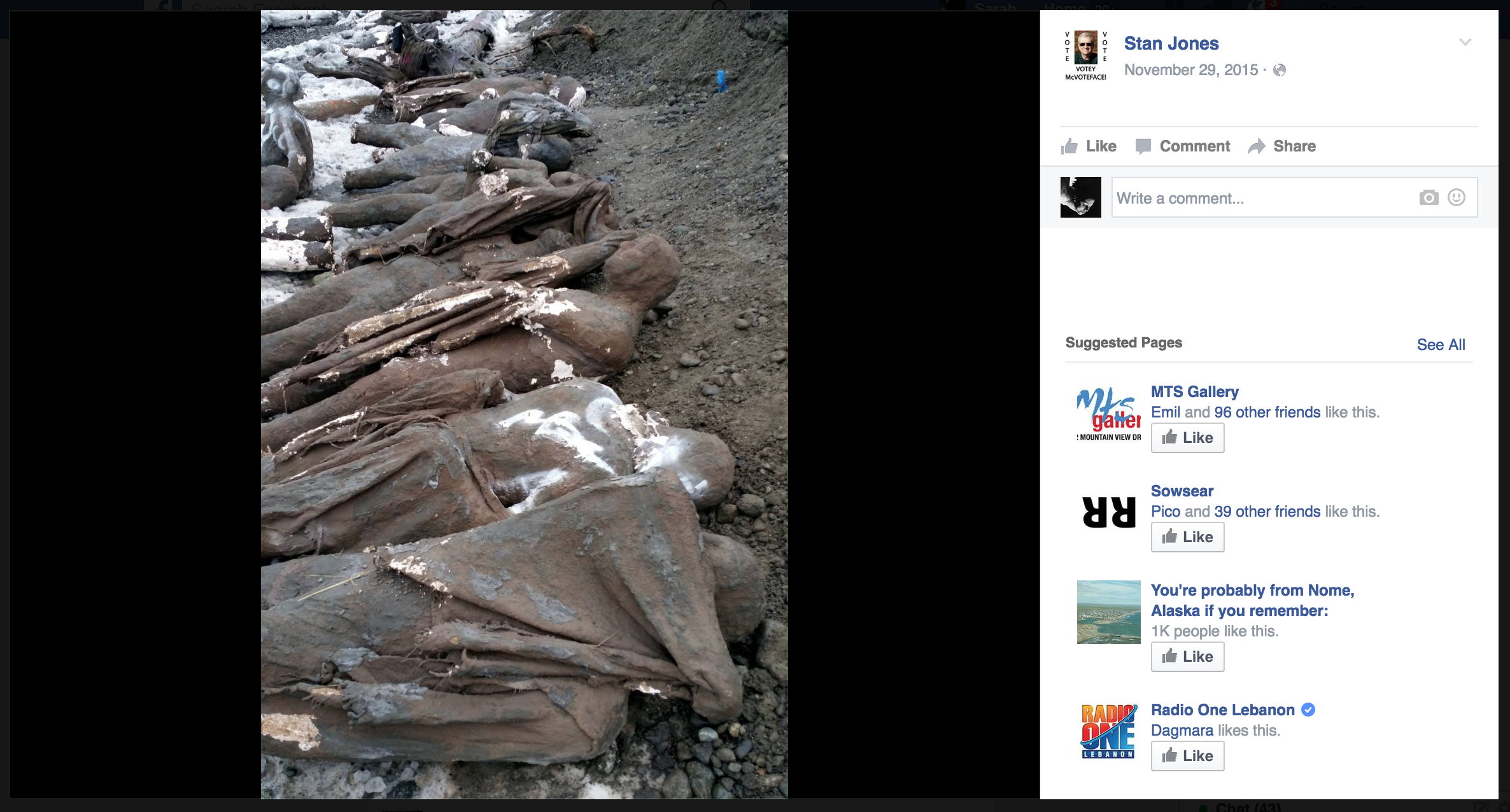
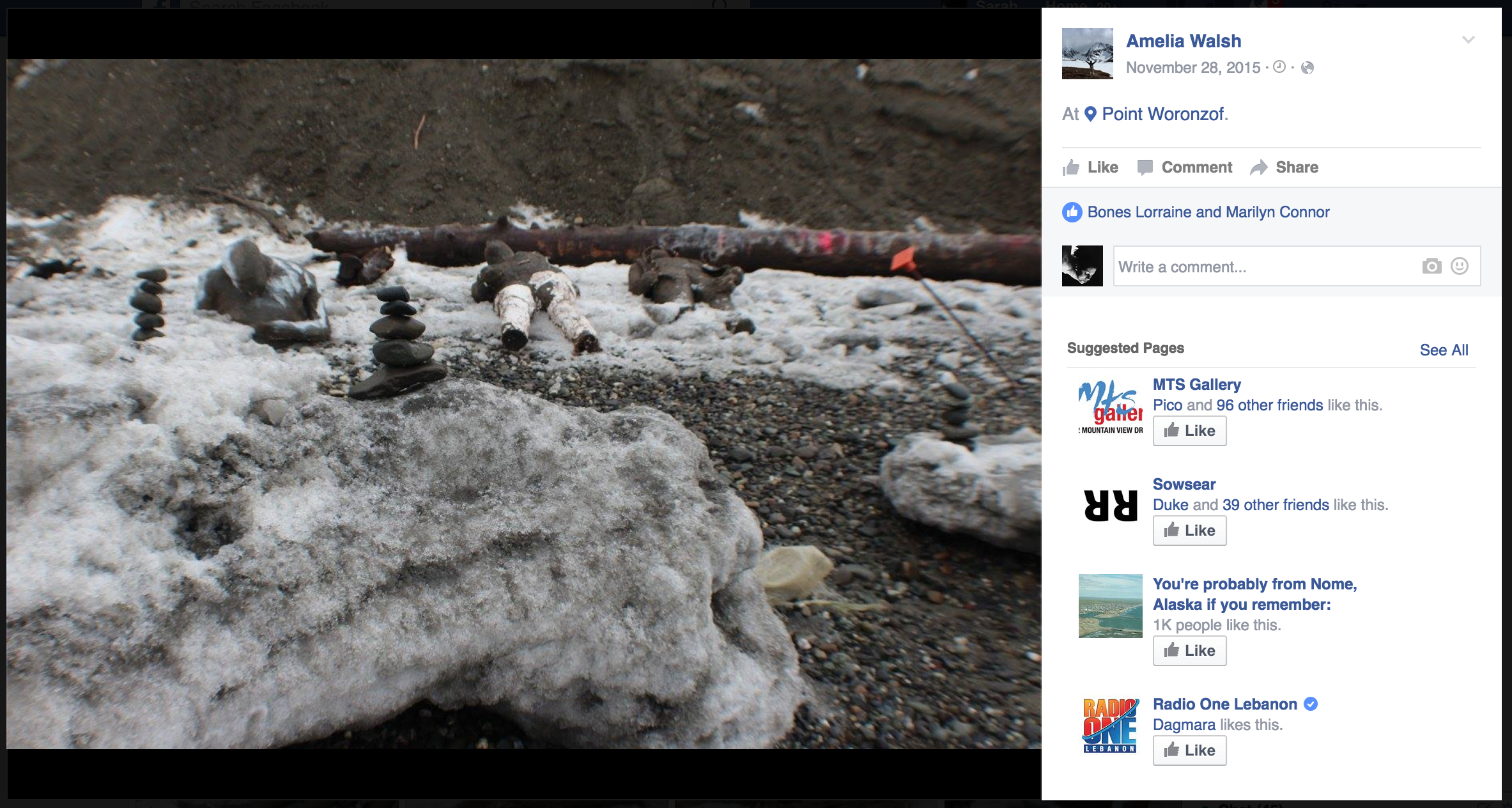
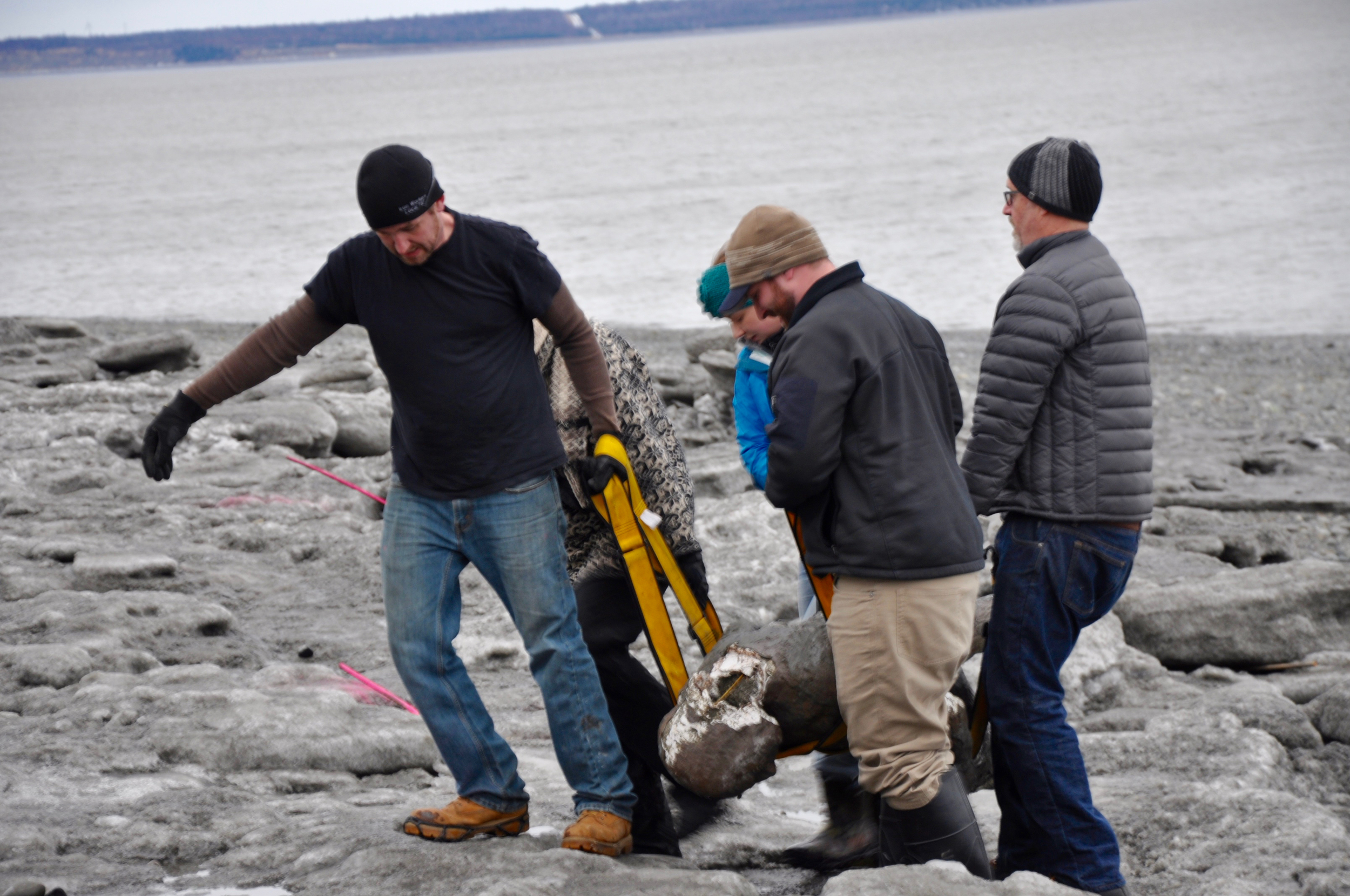
The storm passed by midday the next day. When it did, dozens of community members rushed to the beach. Point Woronzof became a search site for survivors. High tide was still in, but as the water receded inch by inch, volunteers gained access to more Stones. The figures, now fully saturated and several times heavier than before, took far longer to move above the tide line than they had to install.
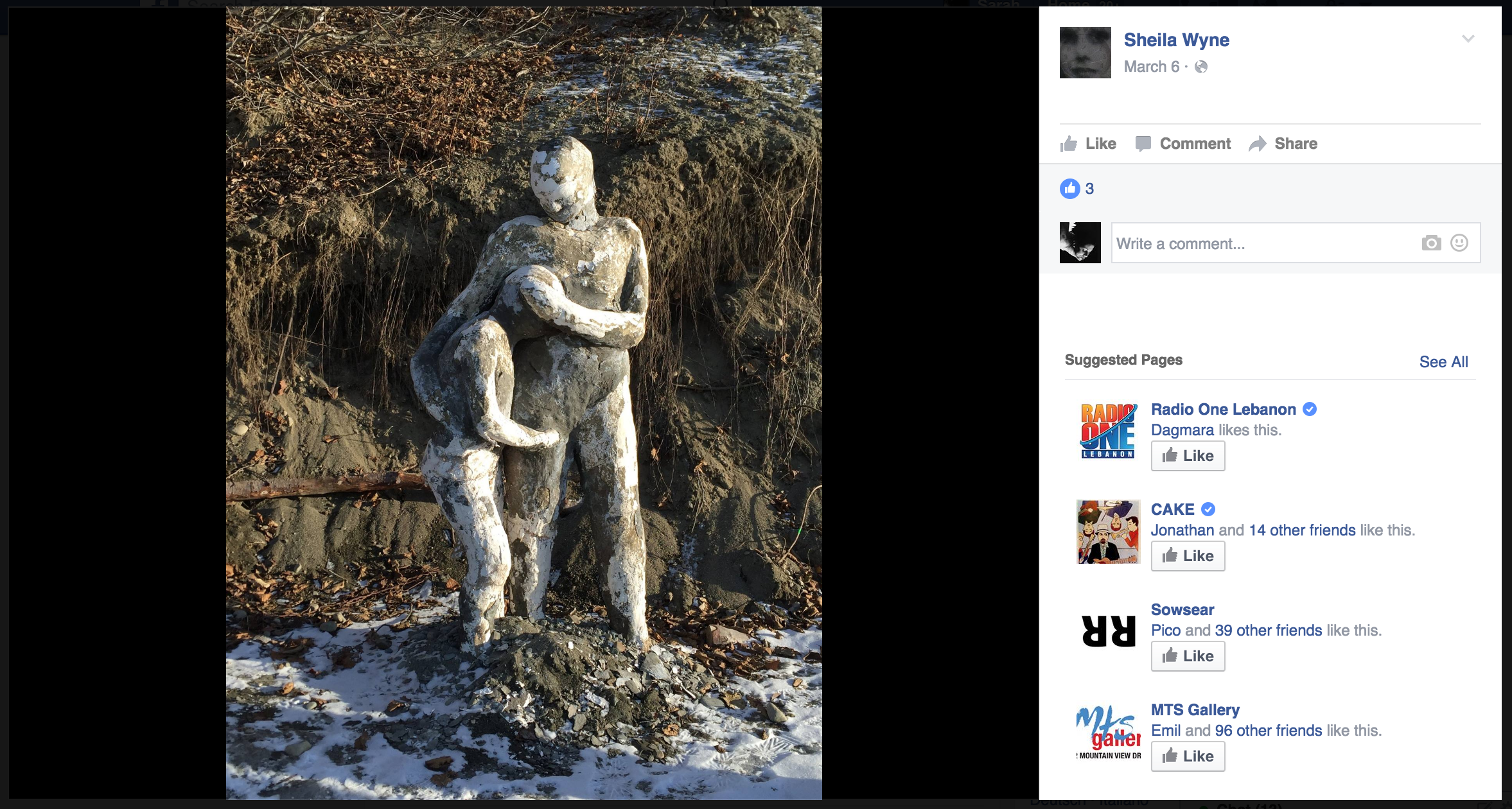
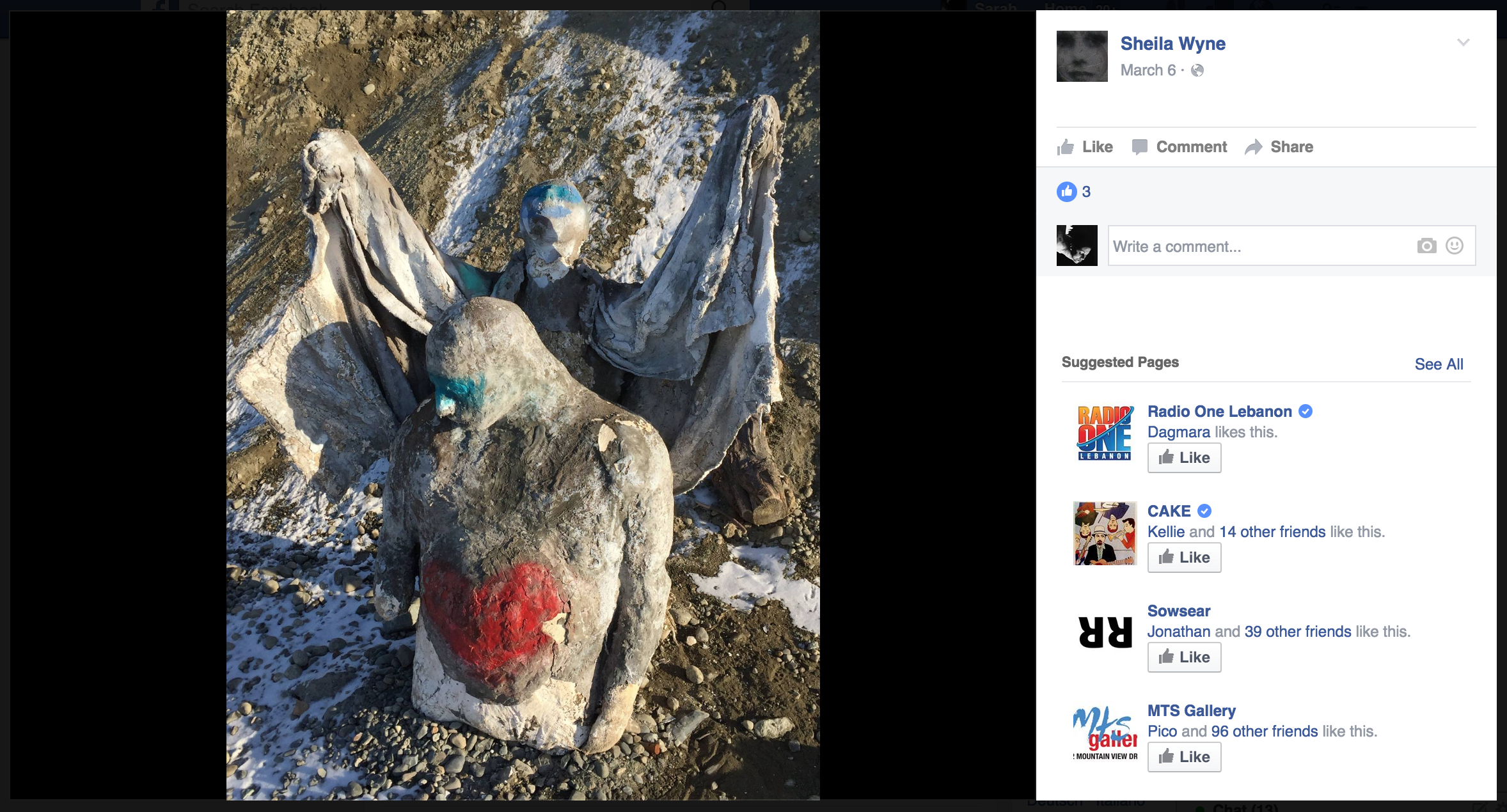
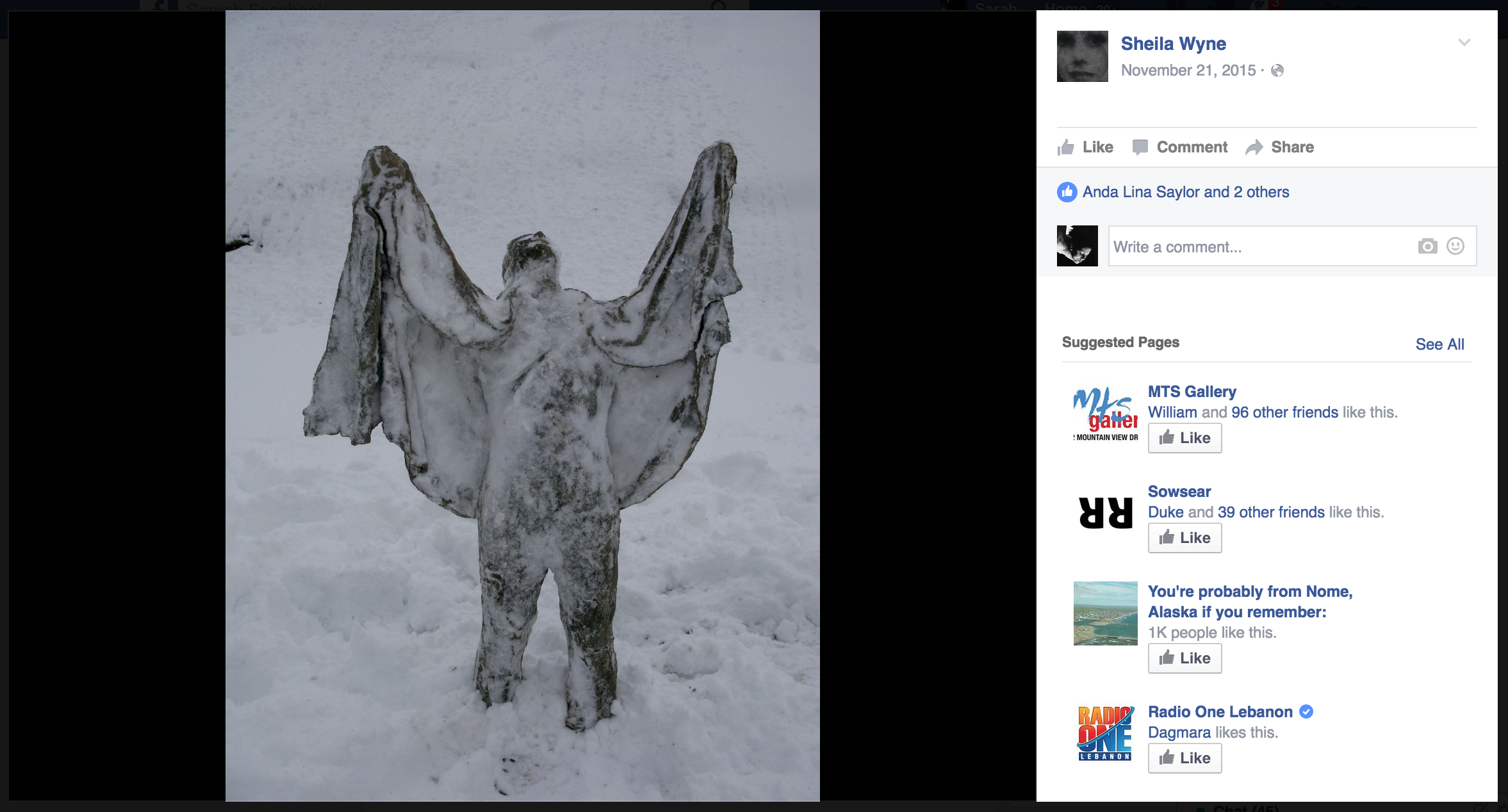
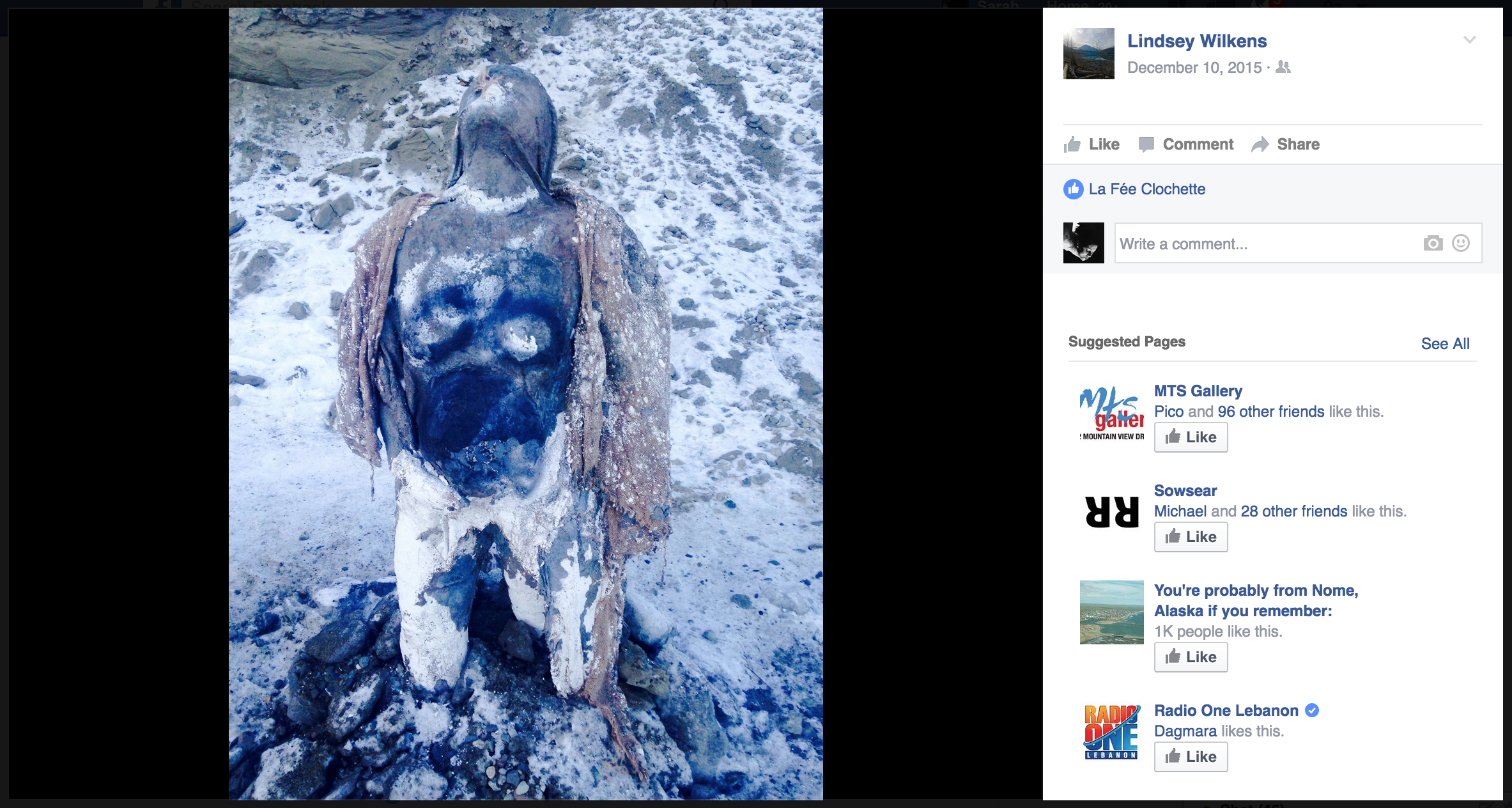
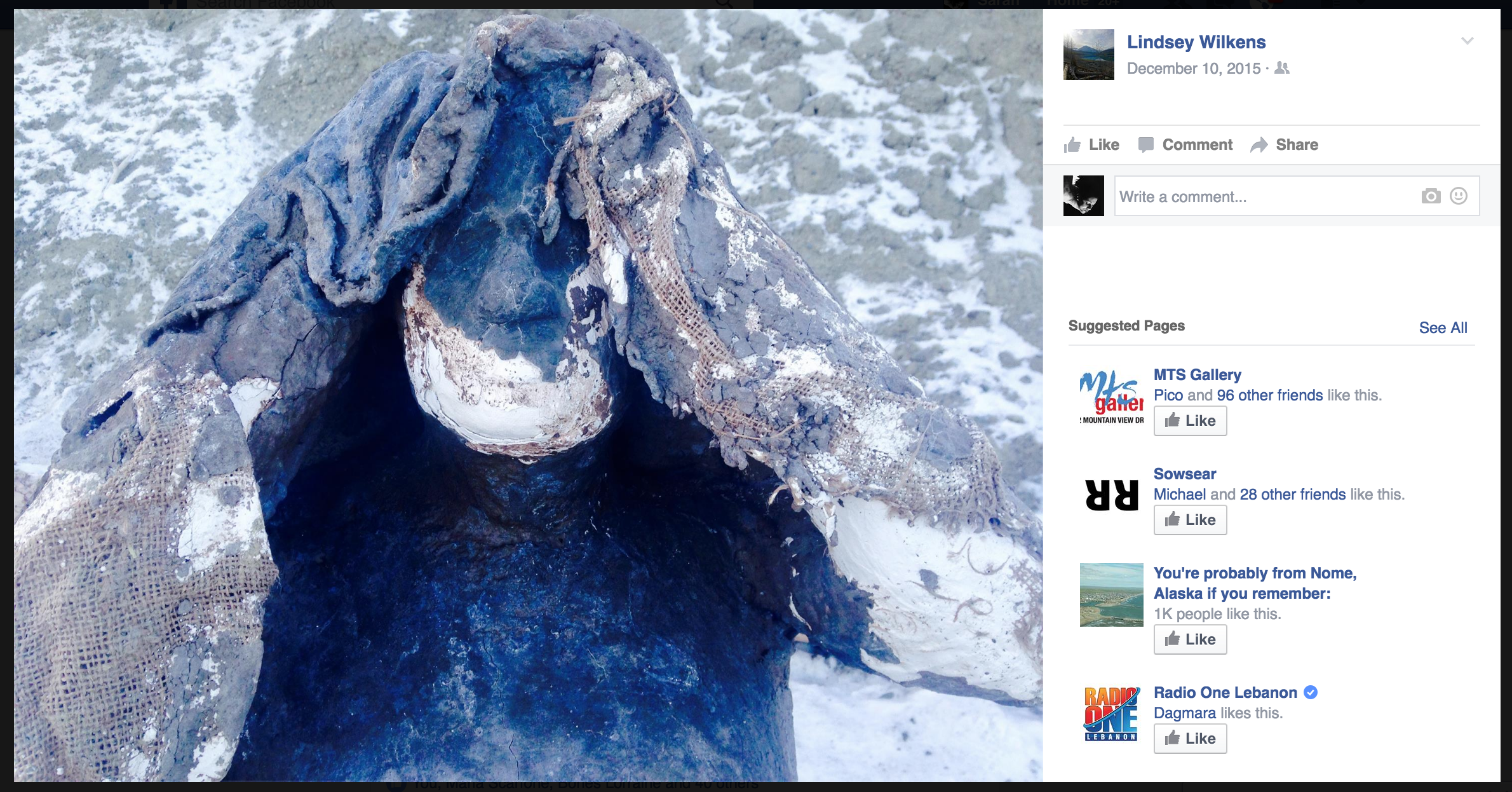
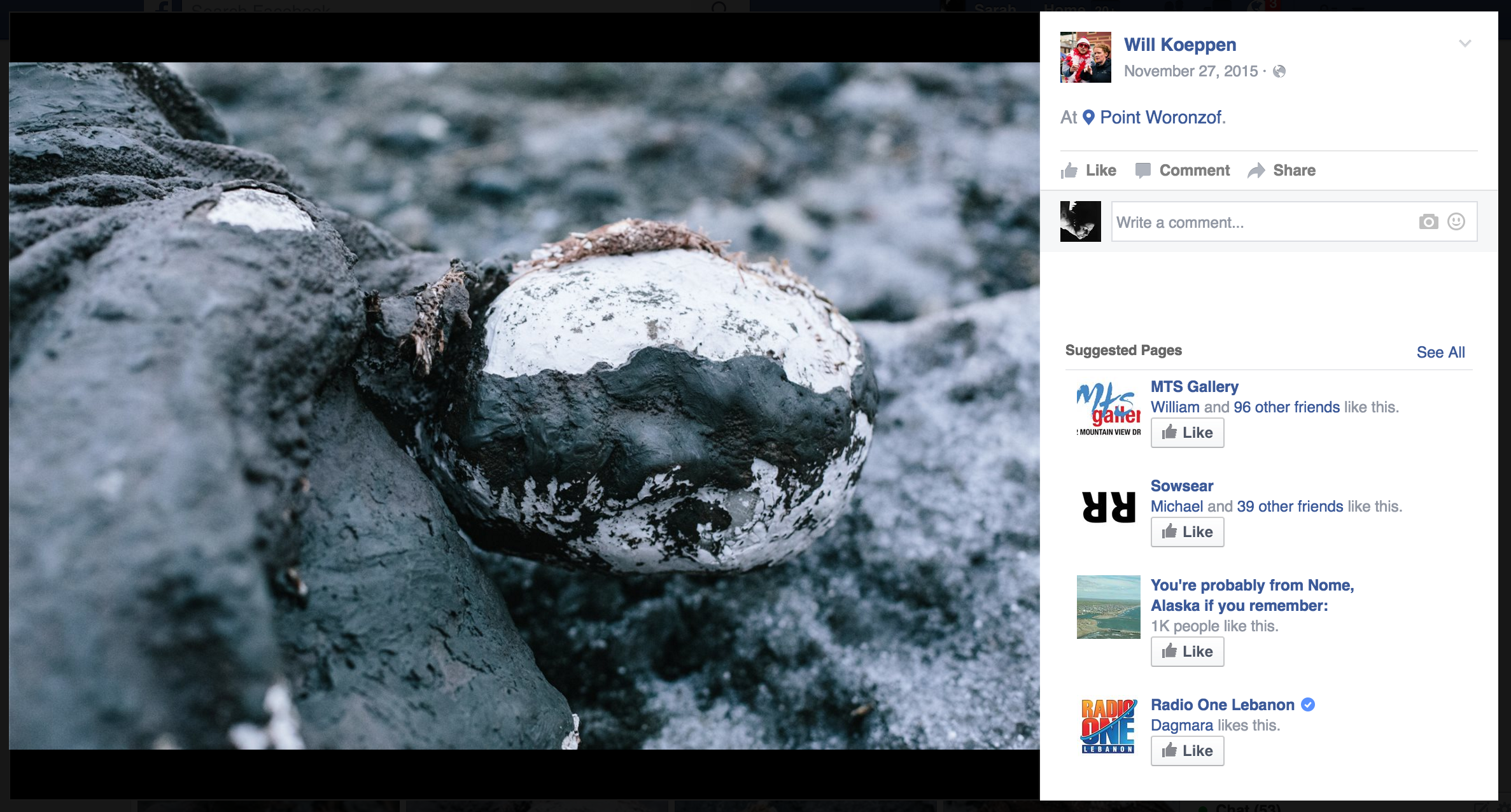
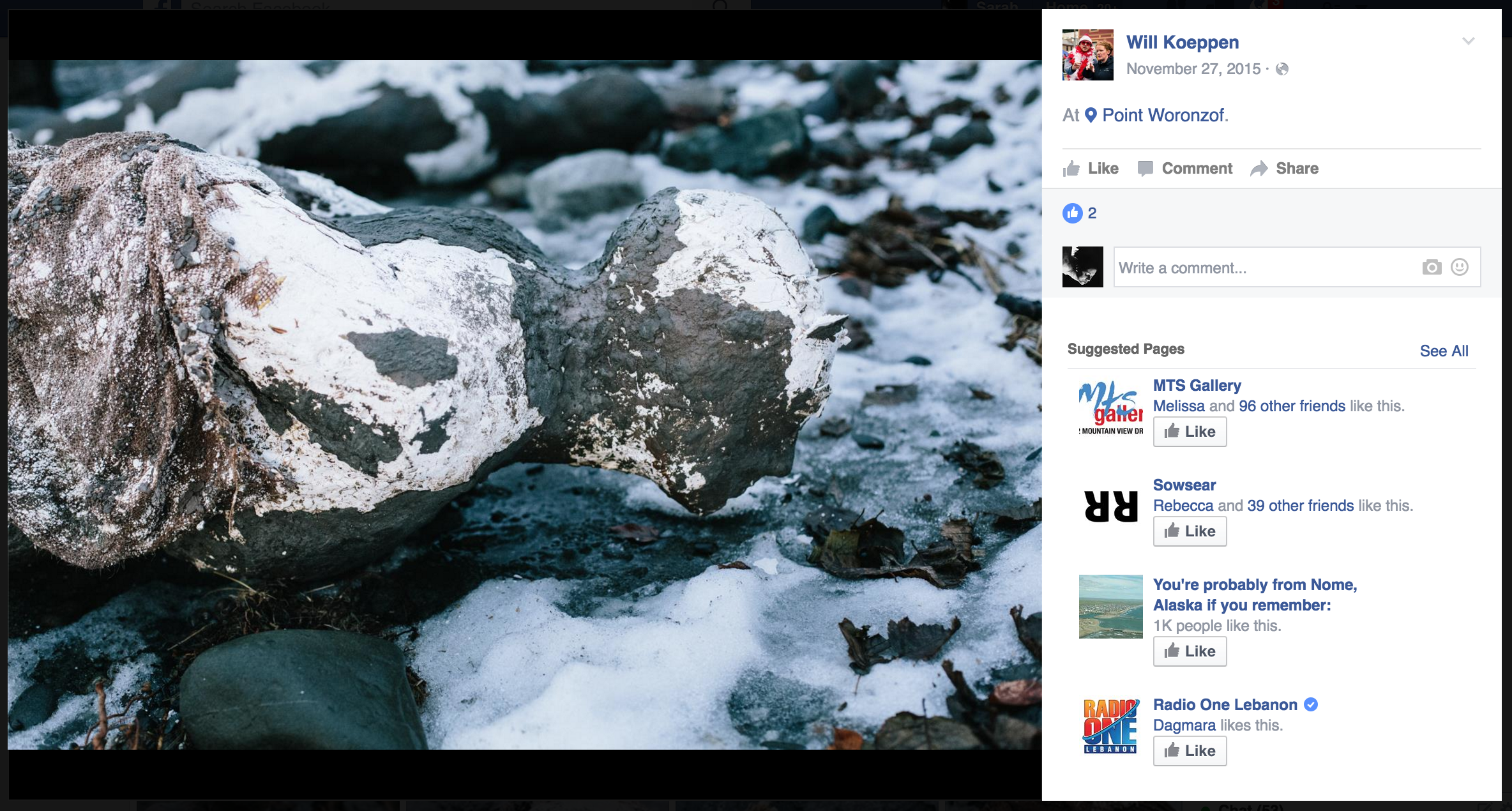
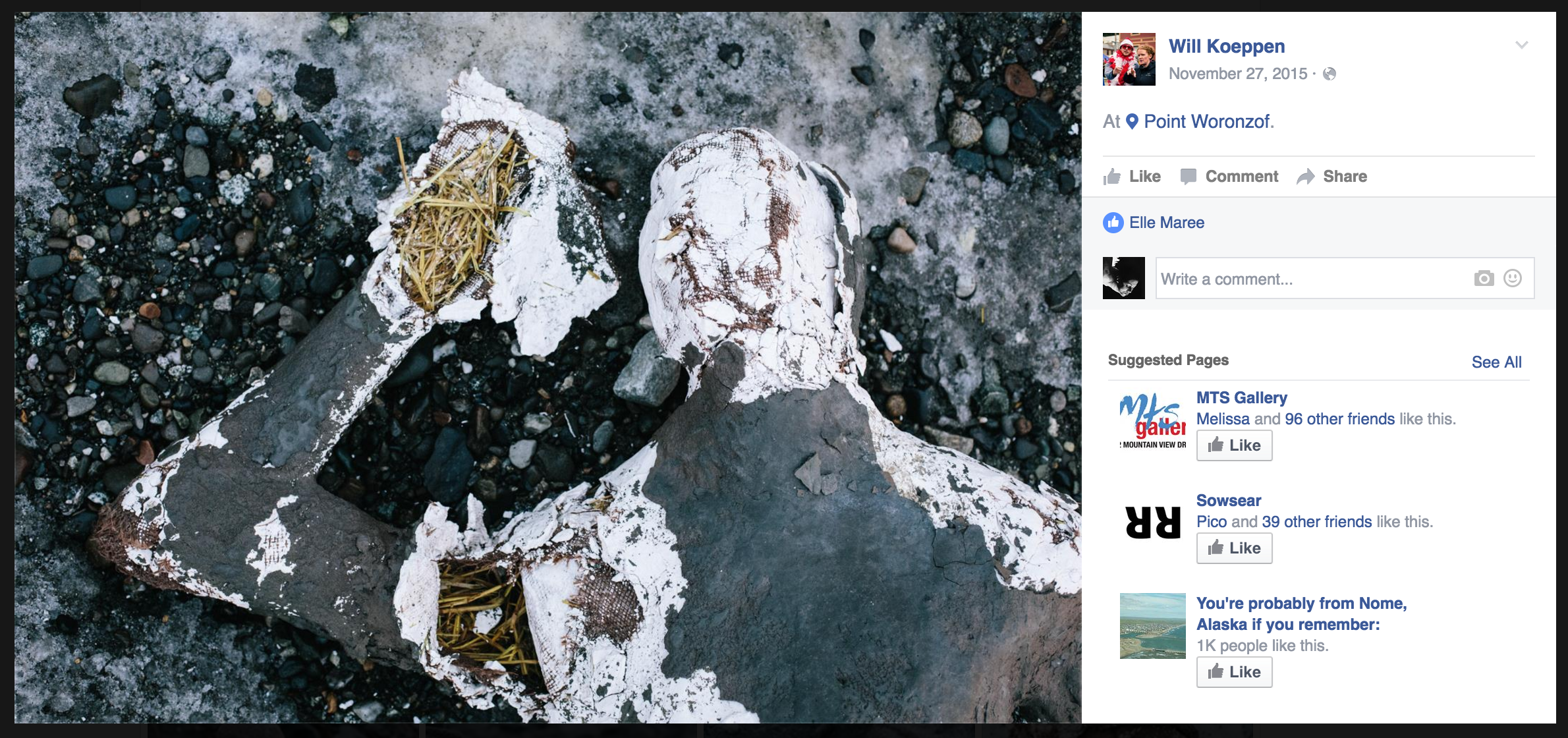
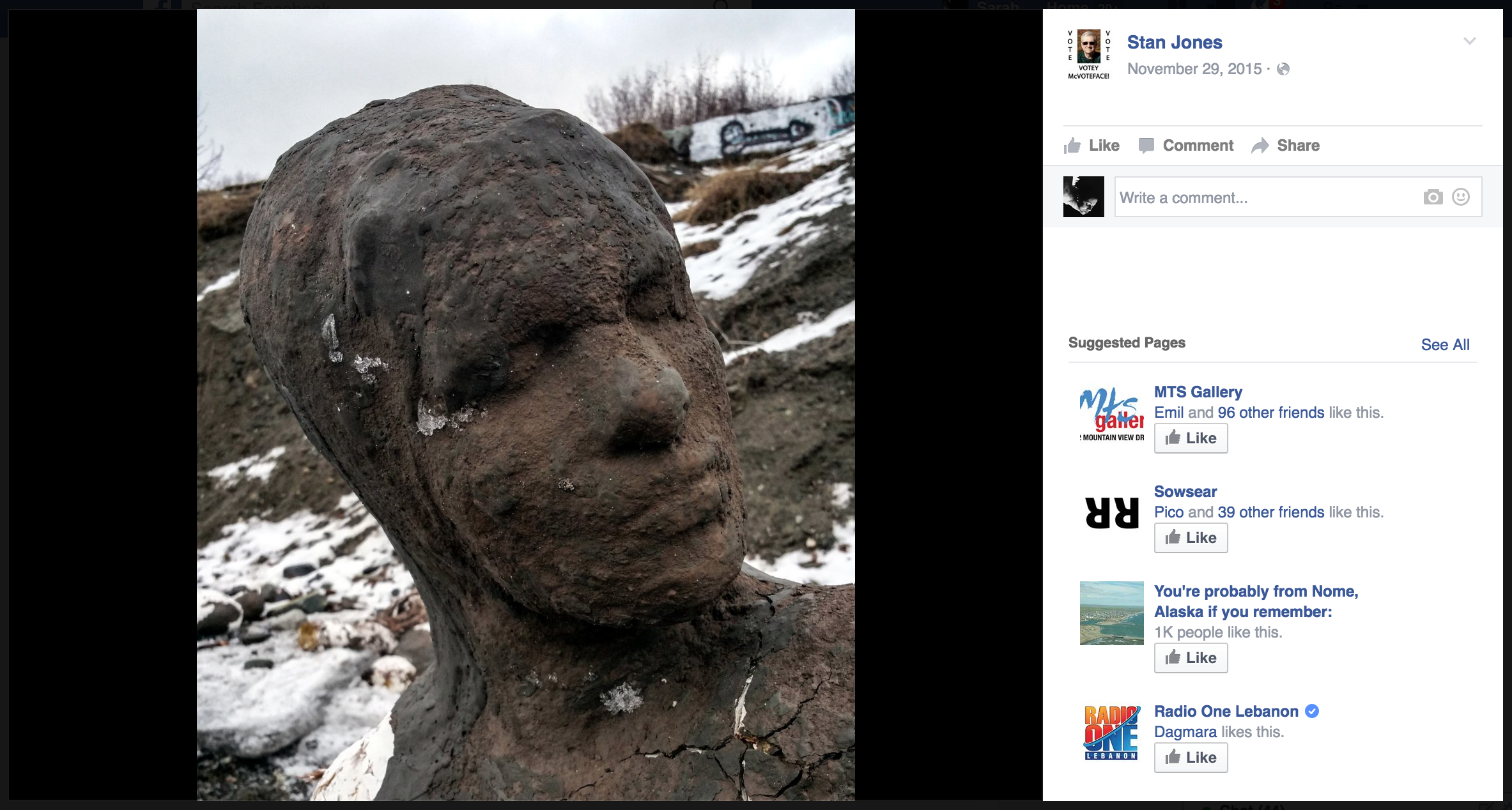
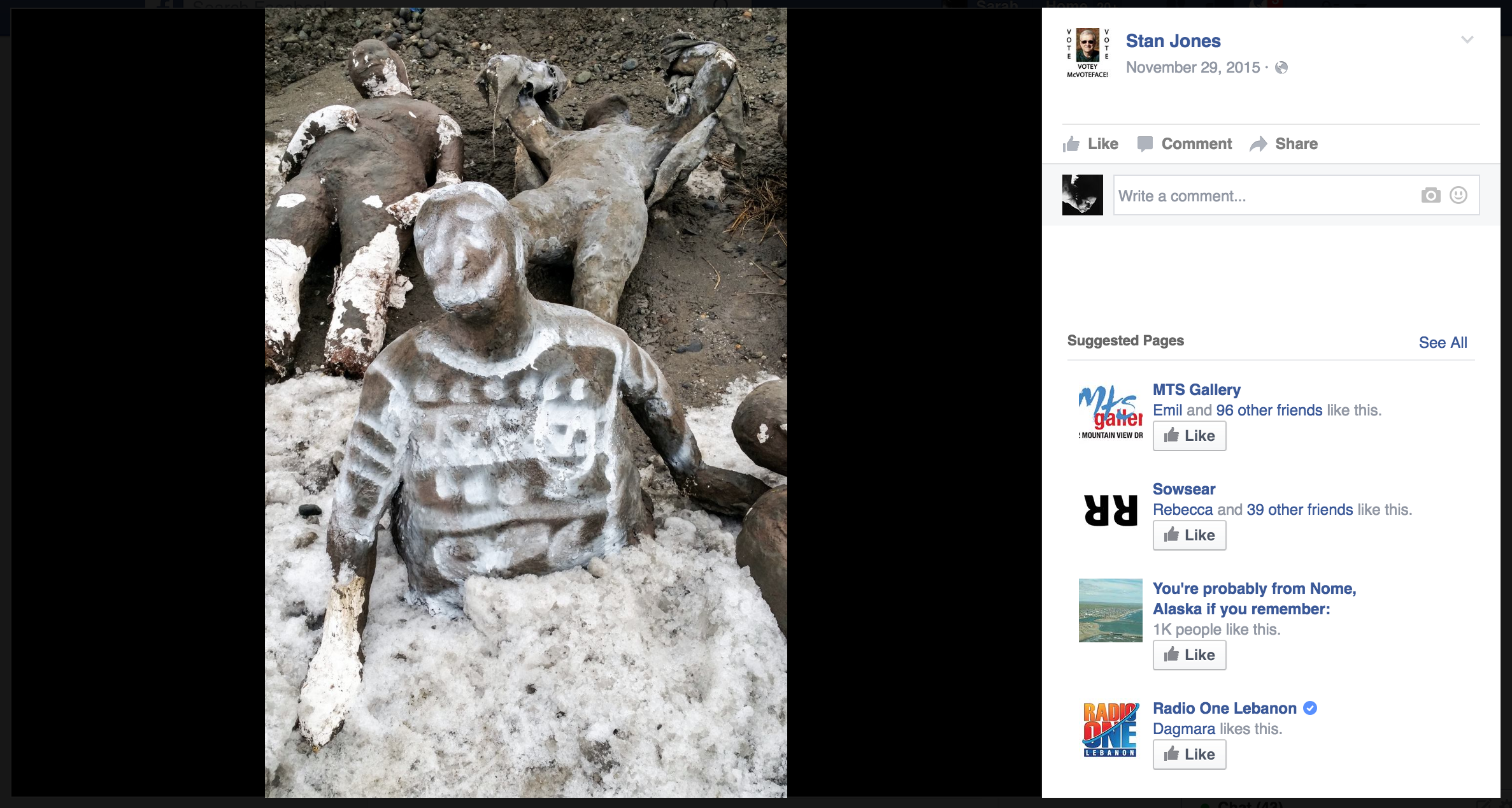
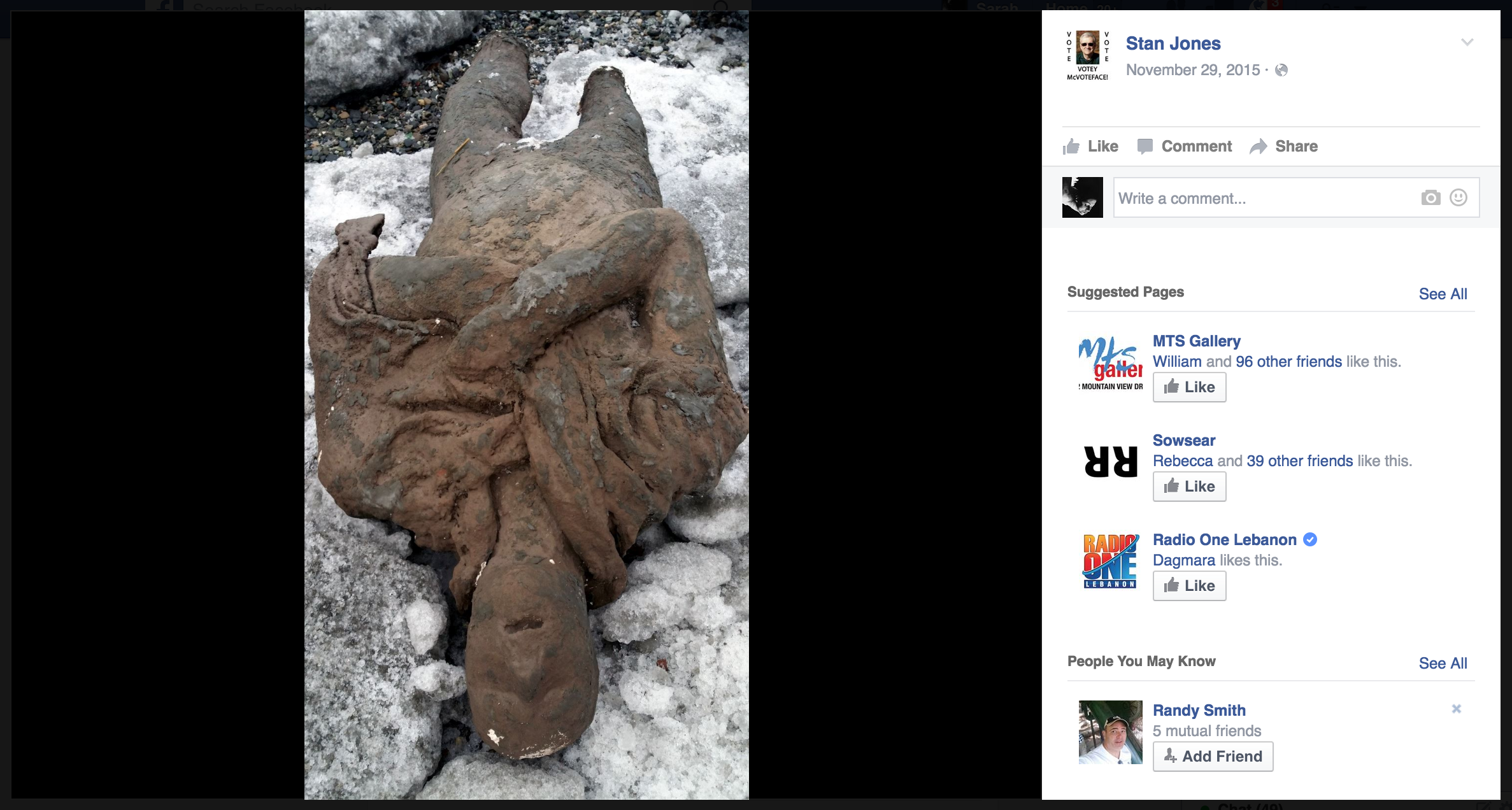
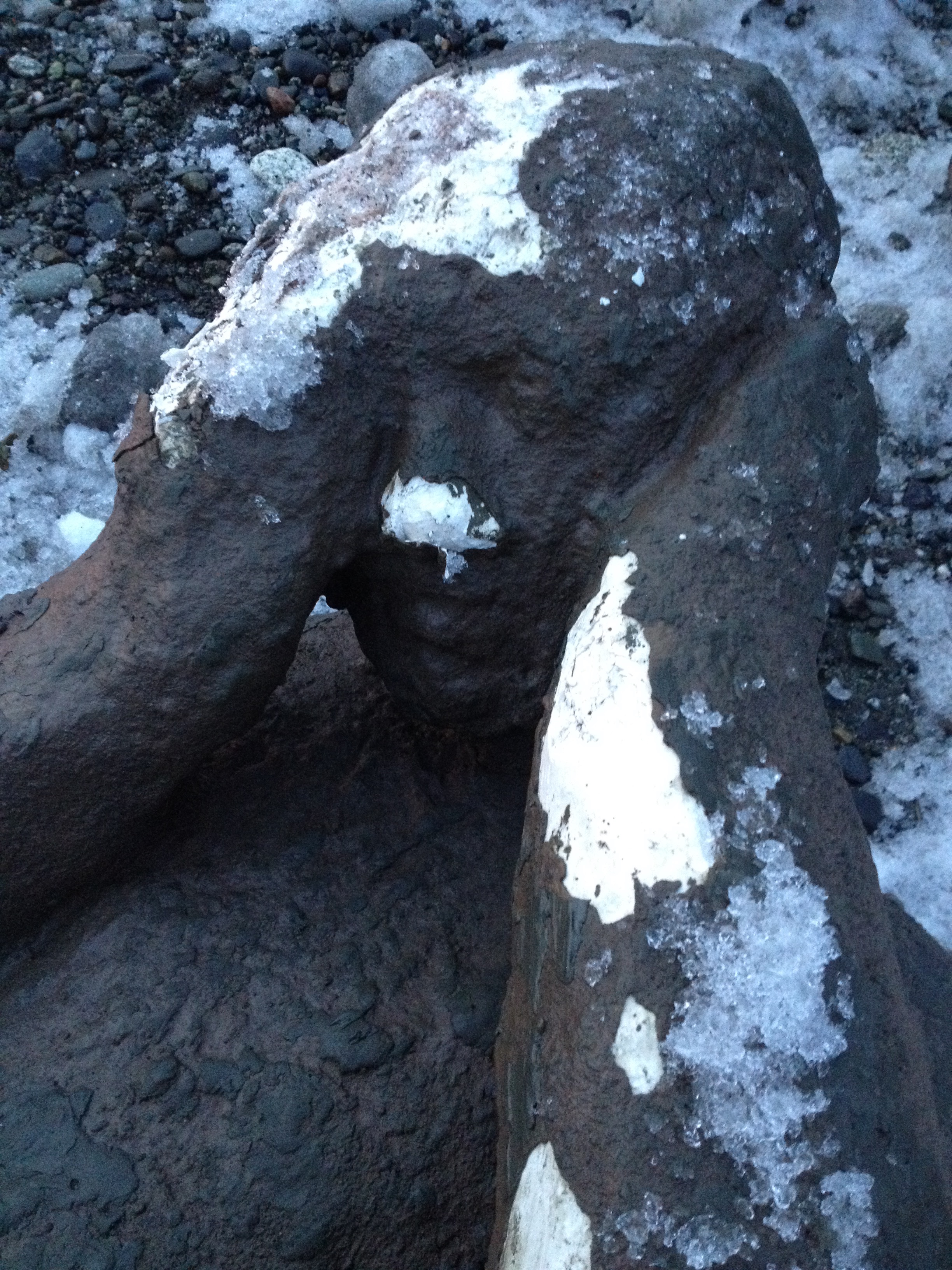
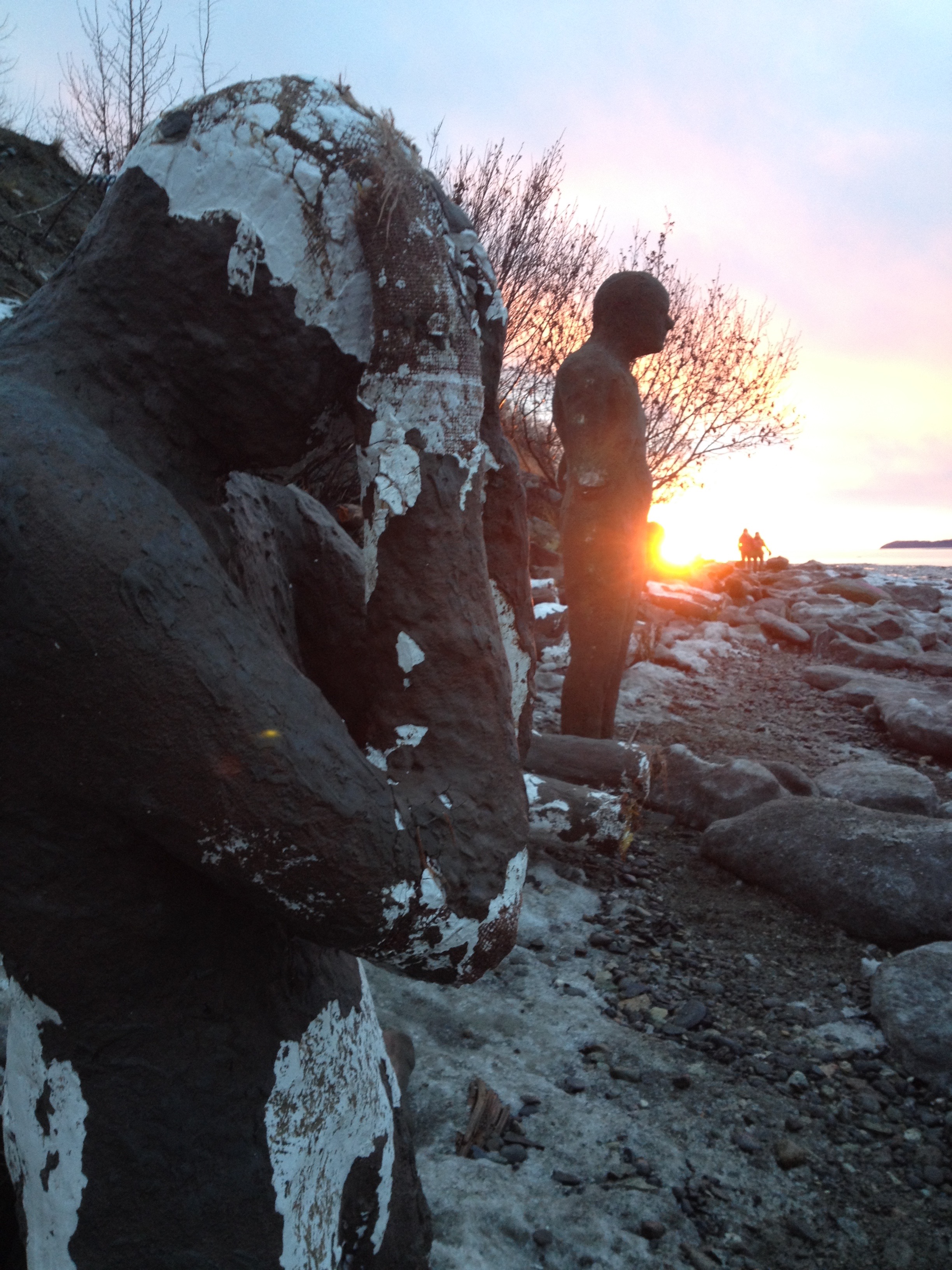
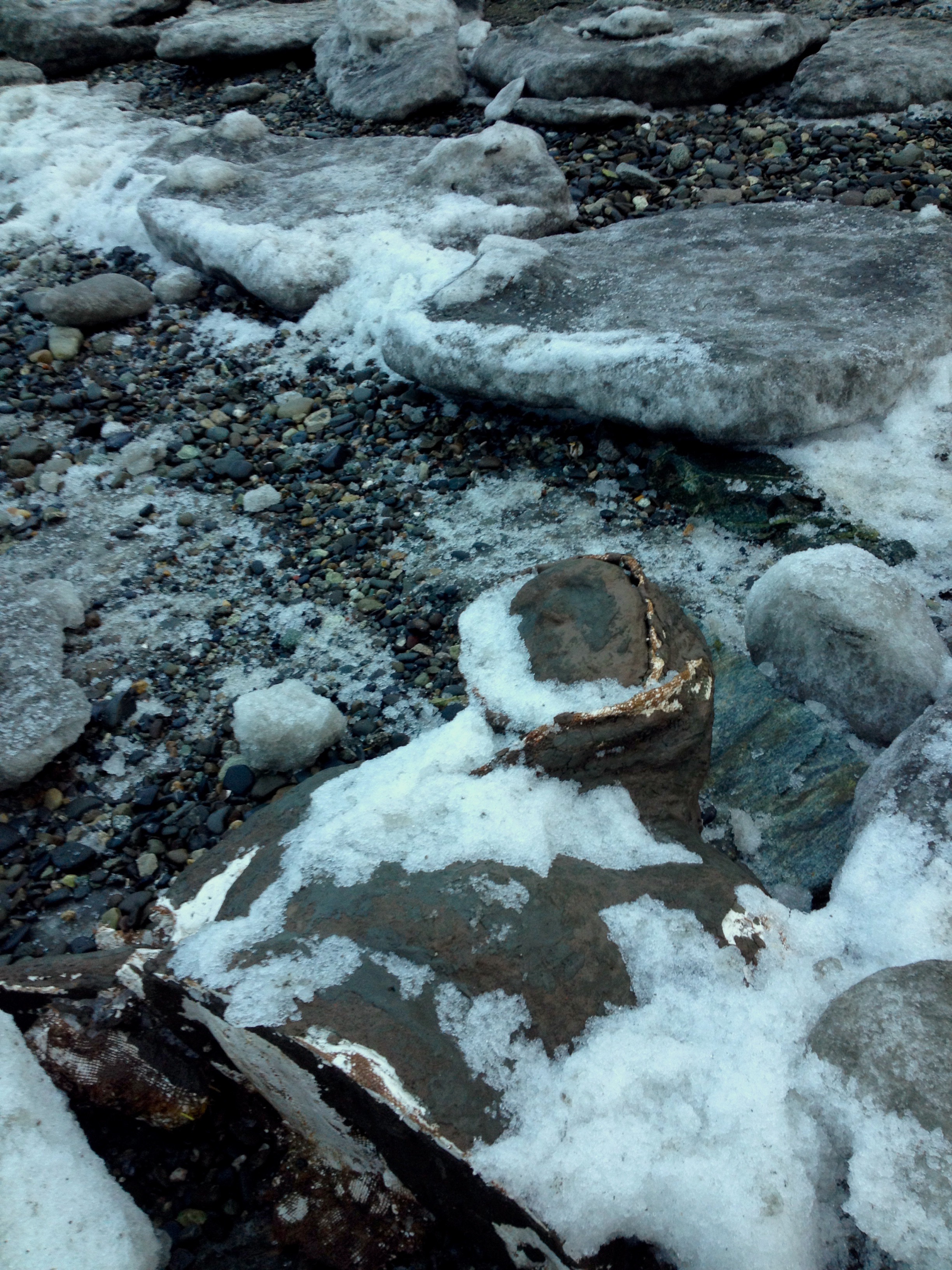
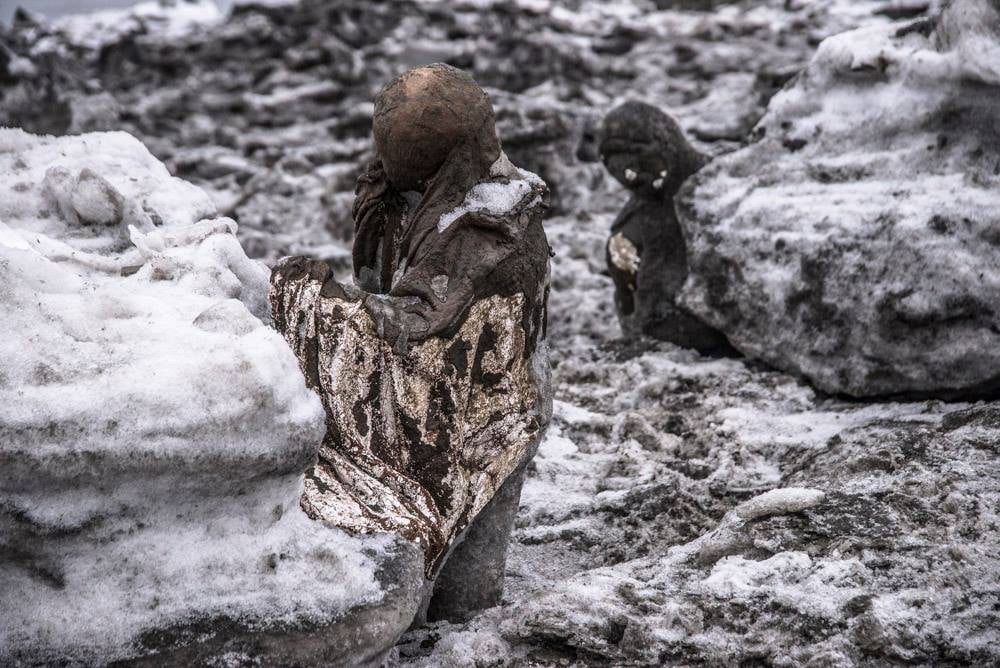
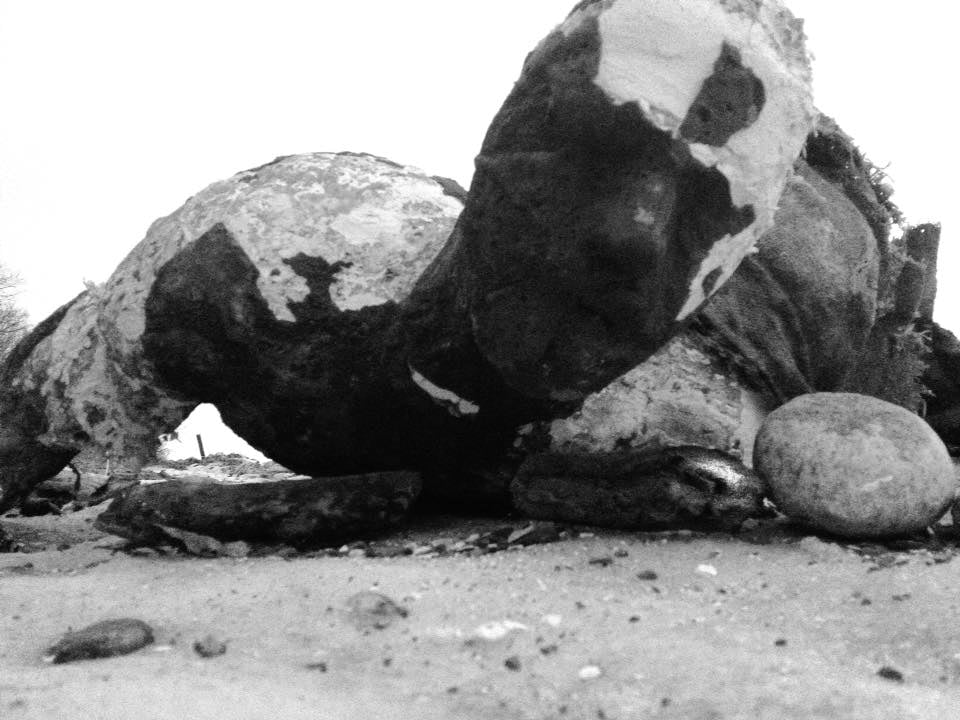
By sunset, triage was complete. Ultimately, two Stones were swallowed by the Inlet, one was stolen during the chaos of the storm, and fourteen were irreparably damaged. More importantly, the entire installation had aged in five days what we had anticipated over the whole span of its winter life. Their lifespans were irreversibly shortened.
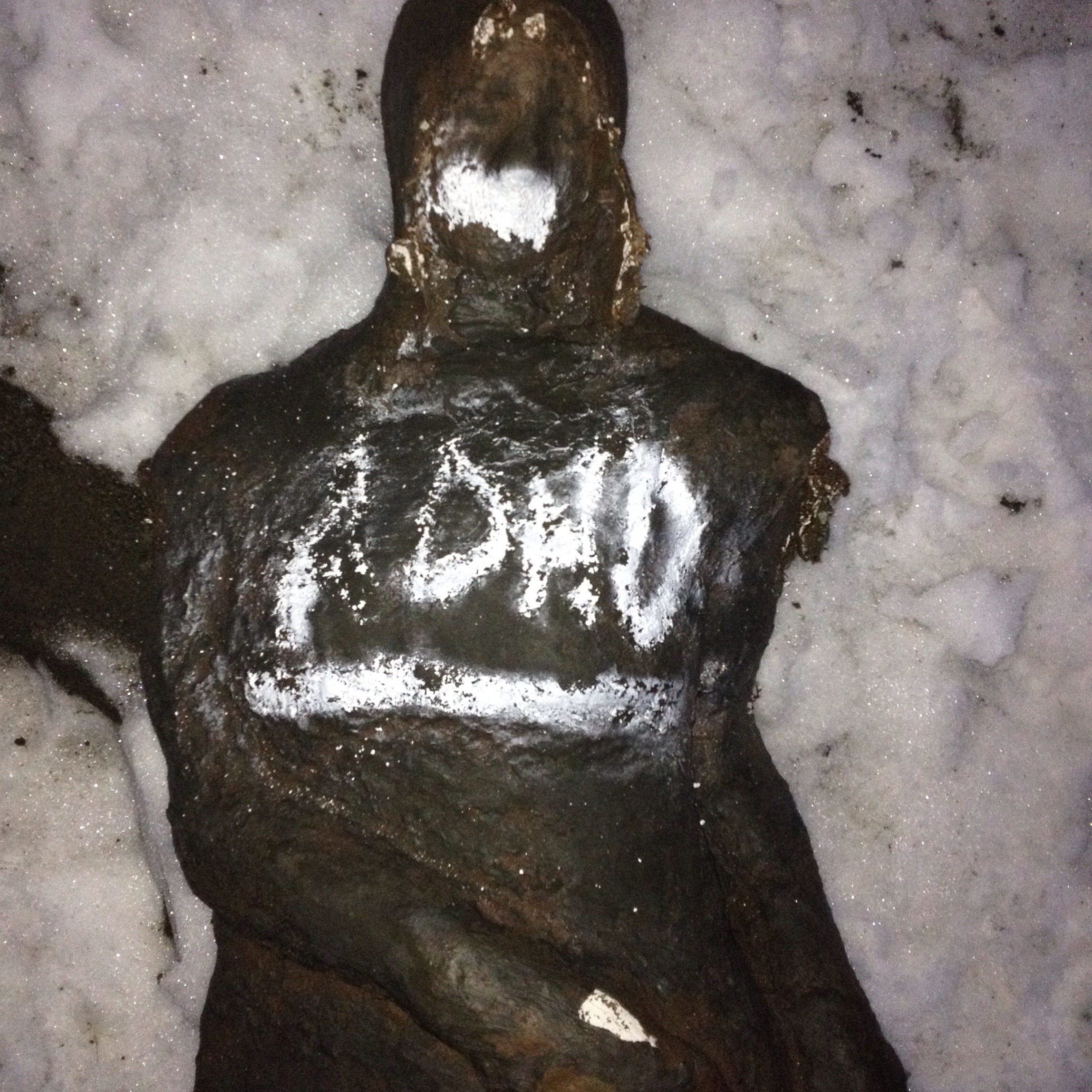
The poetic nature of what had occurred was not lost on anyone present. Standing among the cracked bodies of our Stones, over the piles of parts and pieces, we realized we were looking at the physical manifestation of the long histories that had activated and aggravated the vulnerabilities of the project’s participants—an echo of our fundamentally vulnerable humanity.
Again, the story of our unification and determination carried across the globe. The 100Stone Project became an awareness colossus in Alaska.
See also Bob Halinen and Marc Lester's breaking news Photo Story, Alaska Dispatch News, 11/25/15.

PHASE IV
resilience
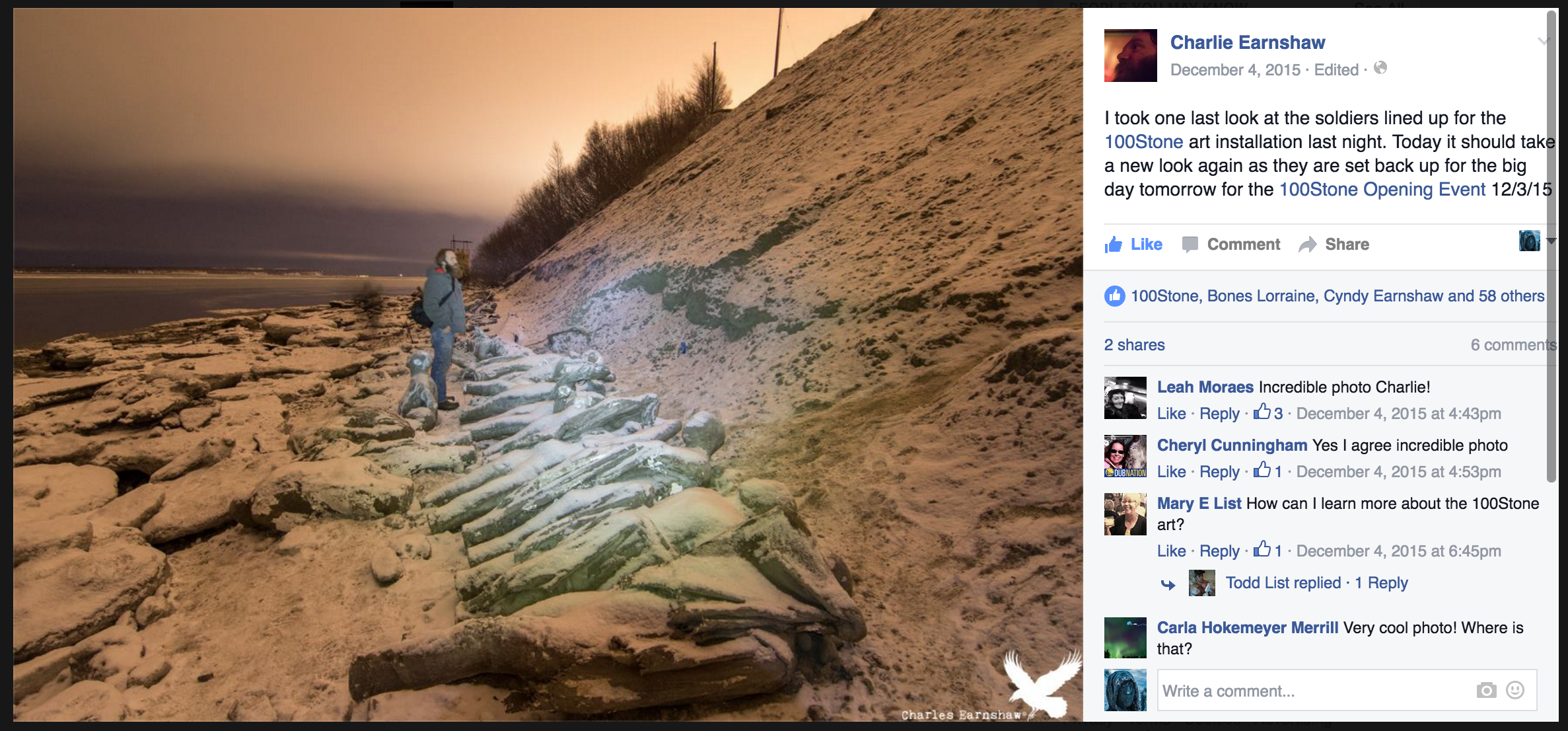
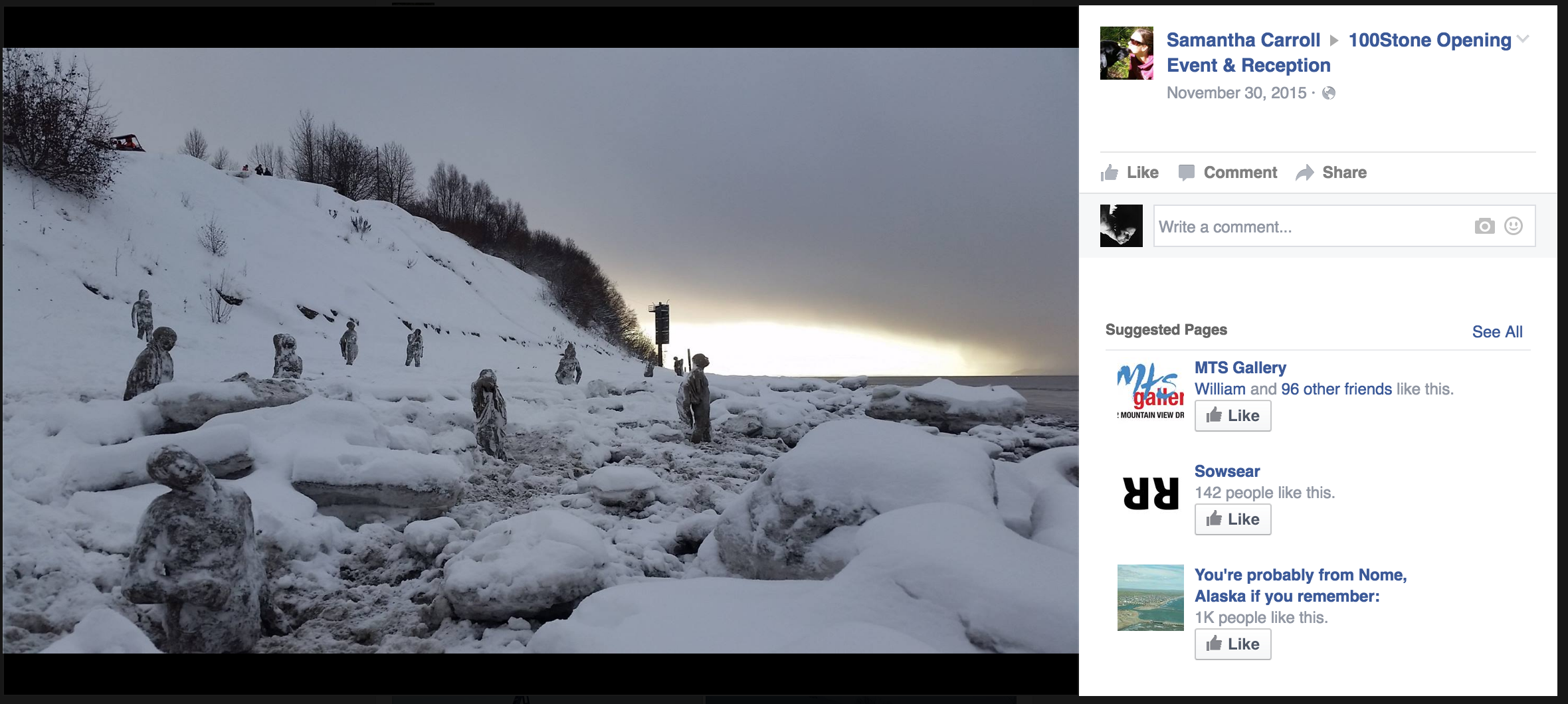
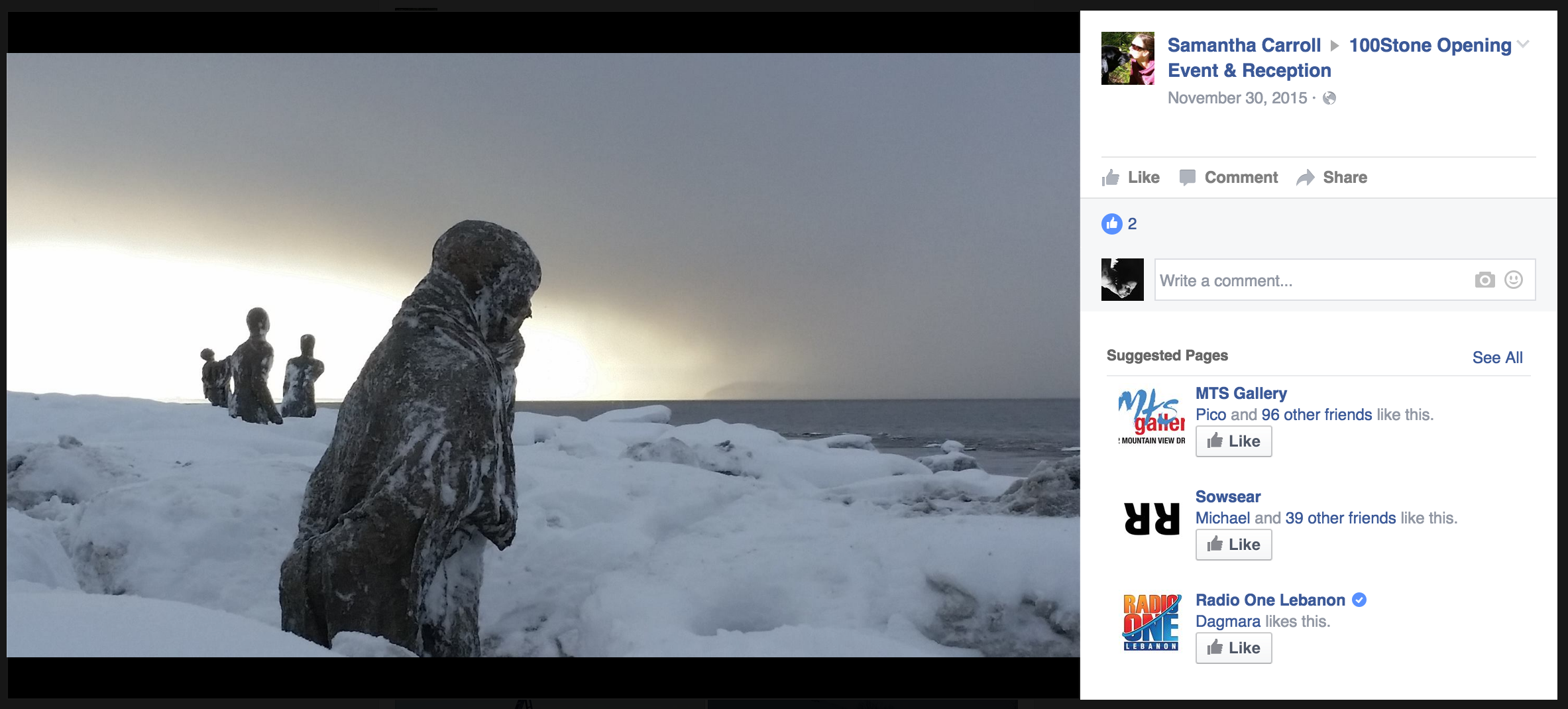
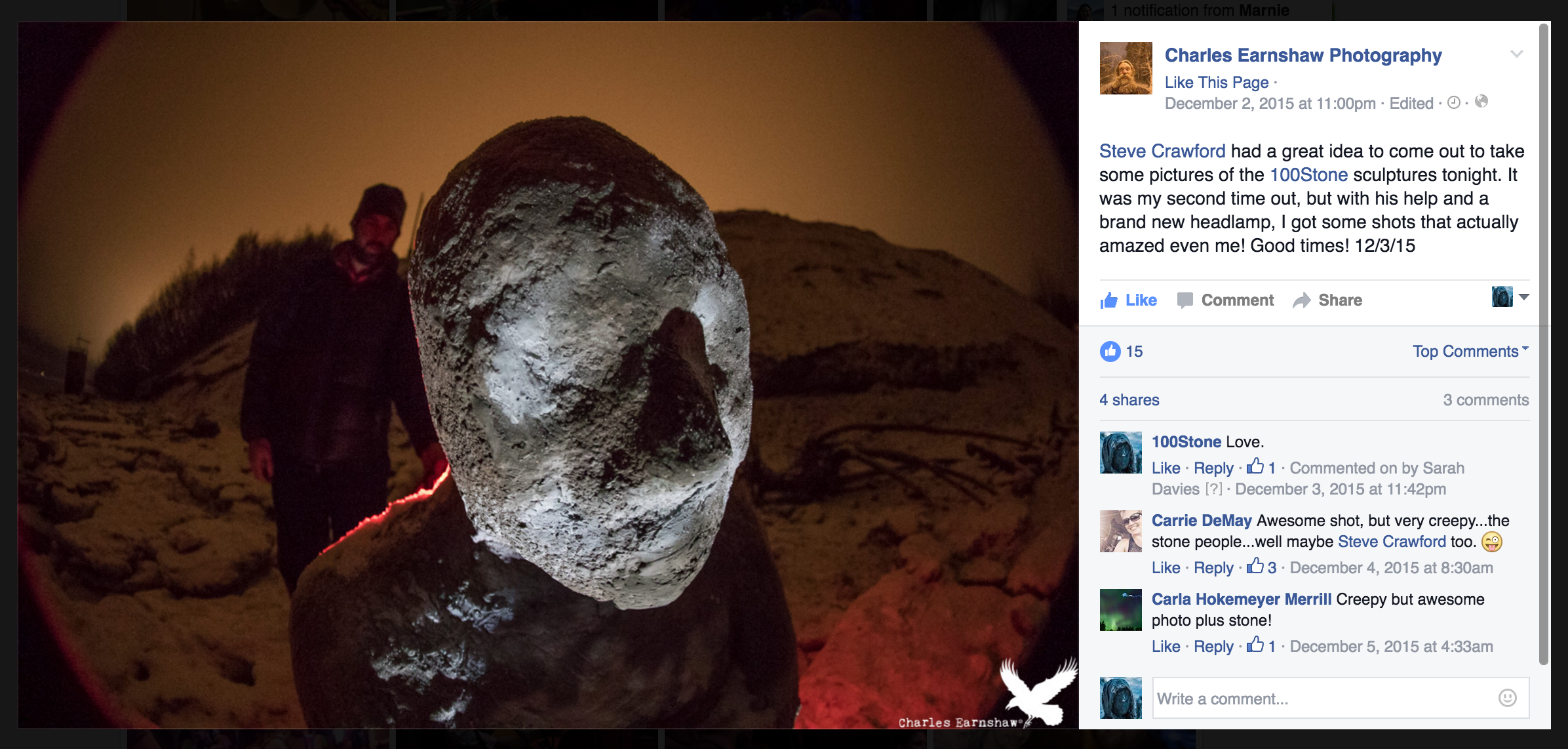
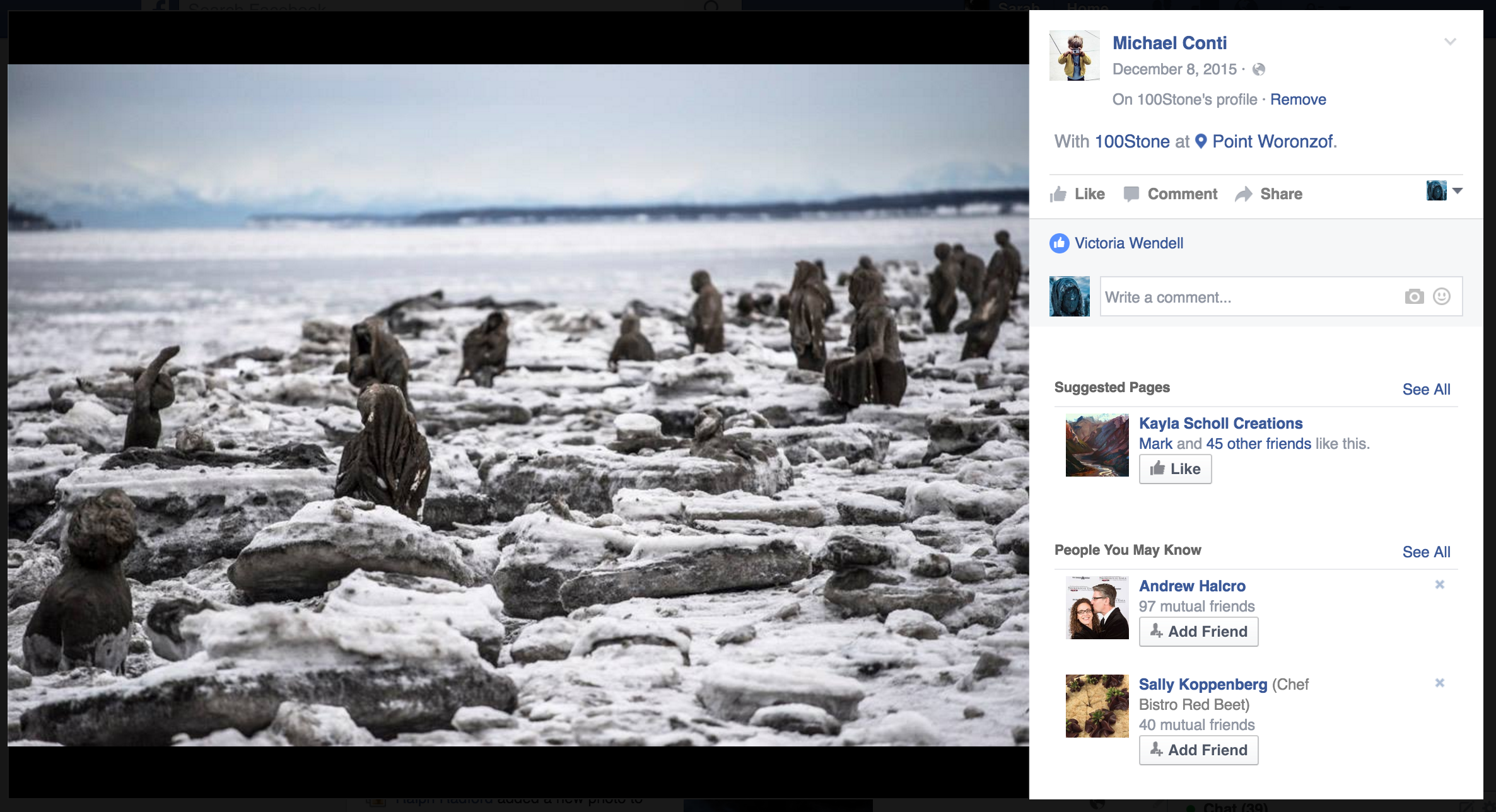
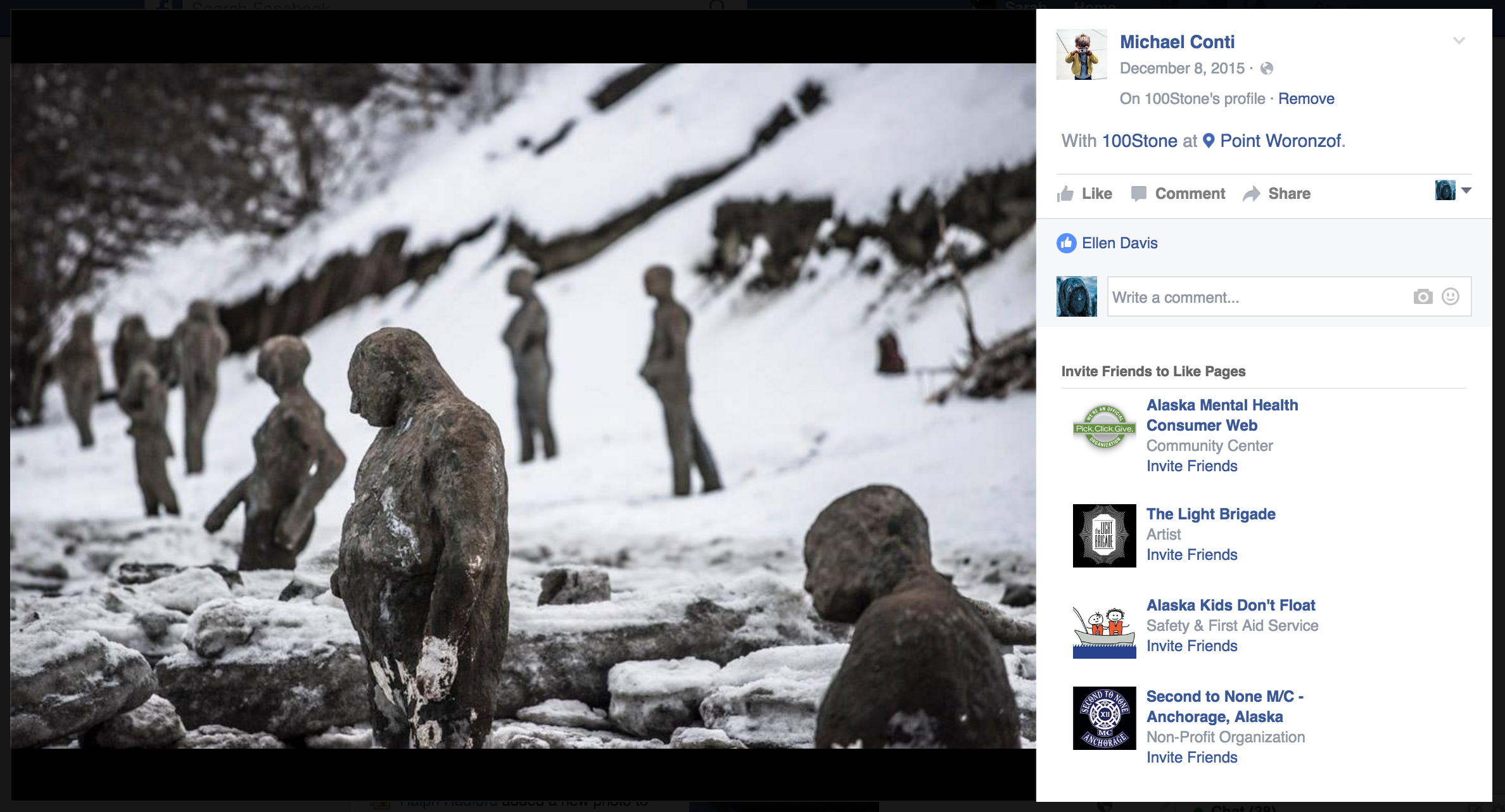
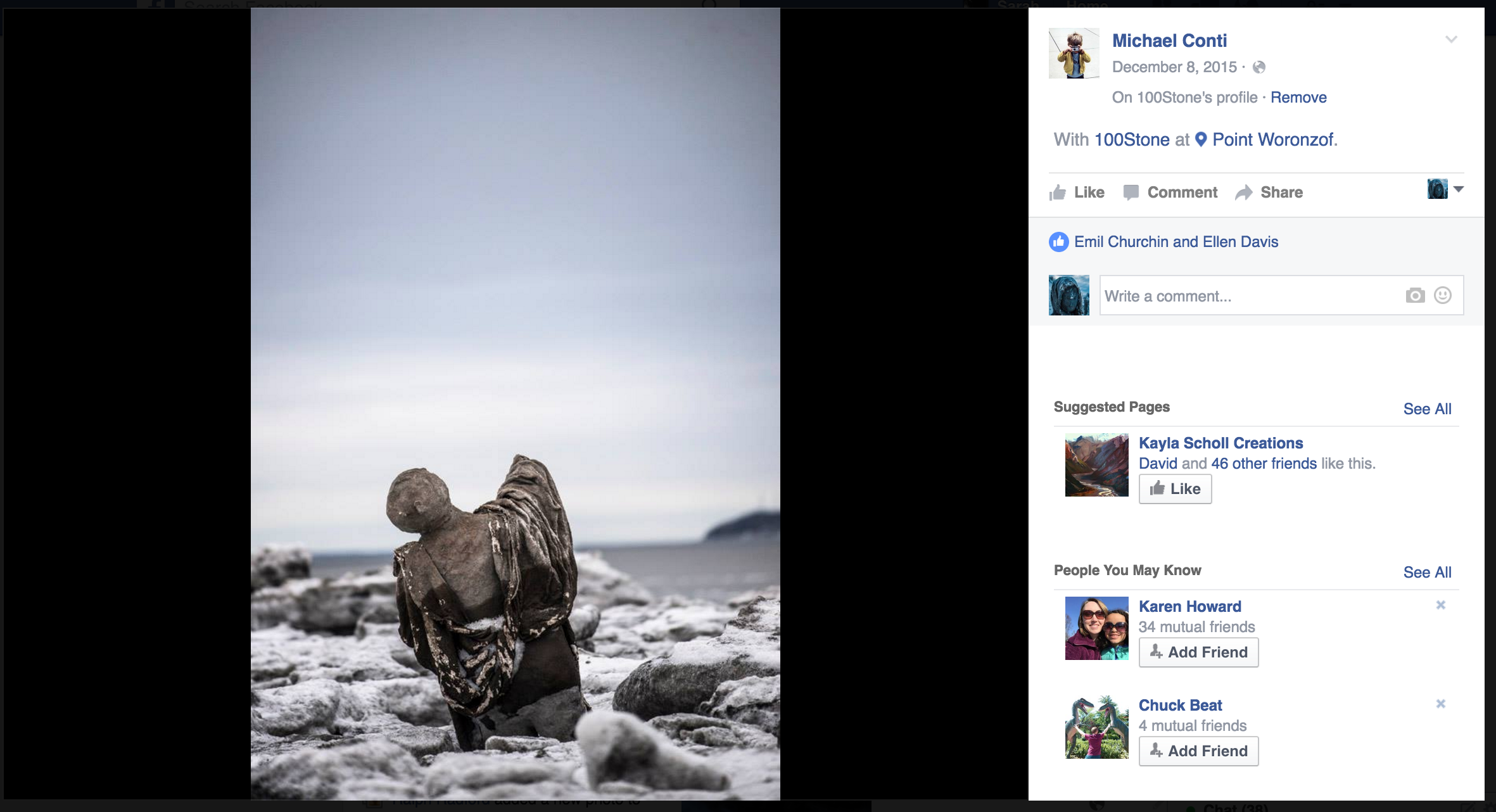
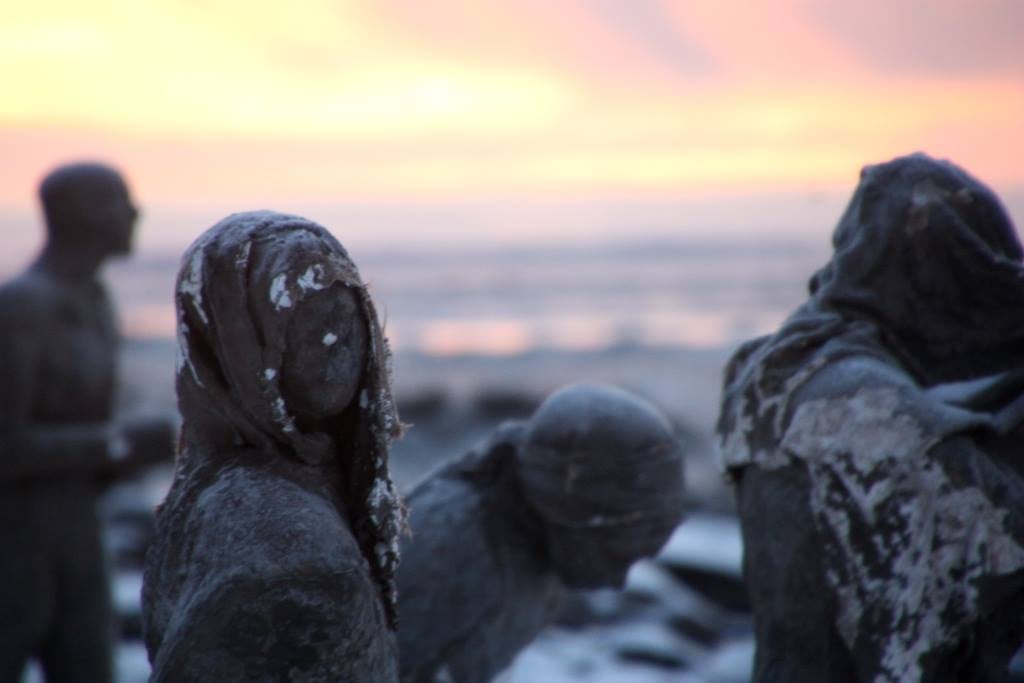
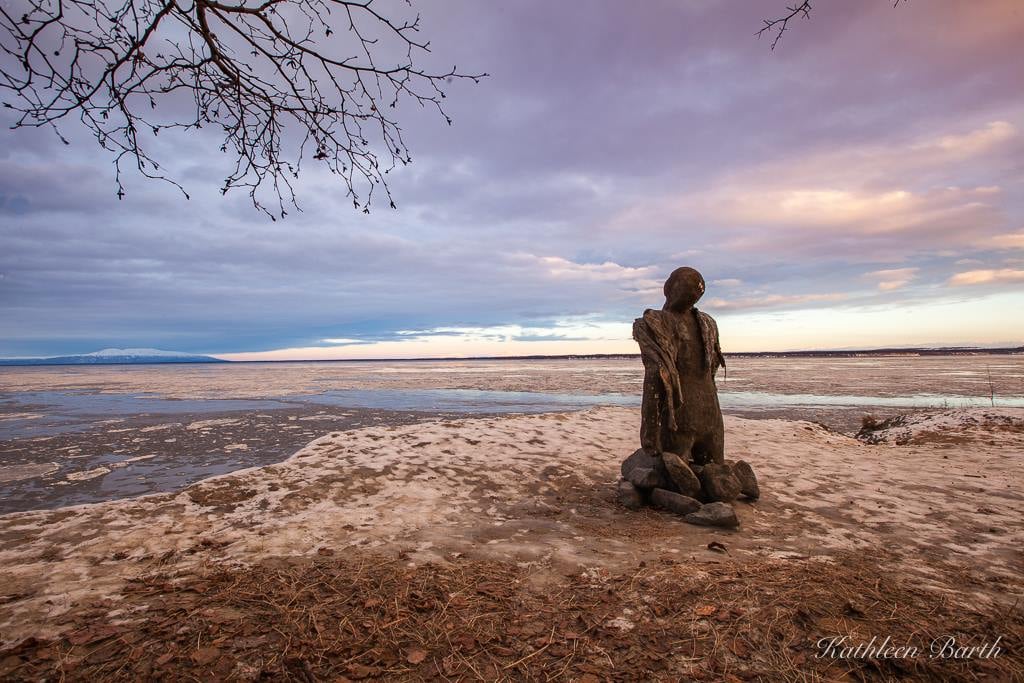
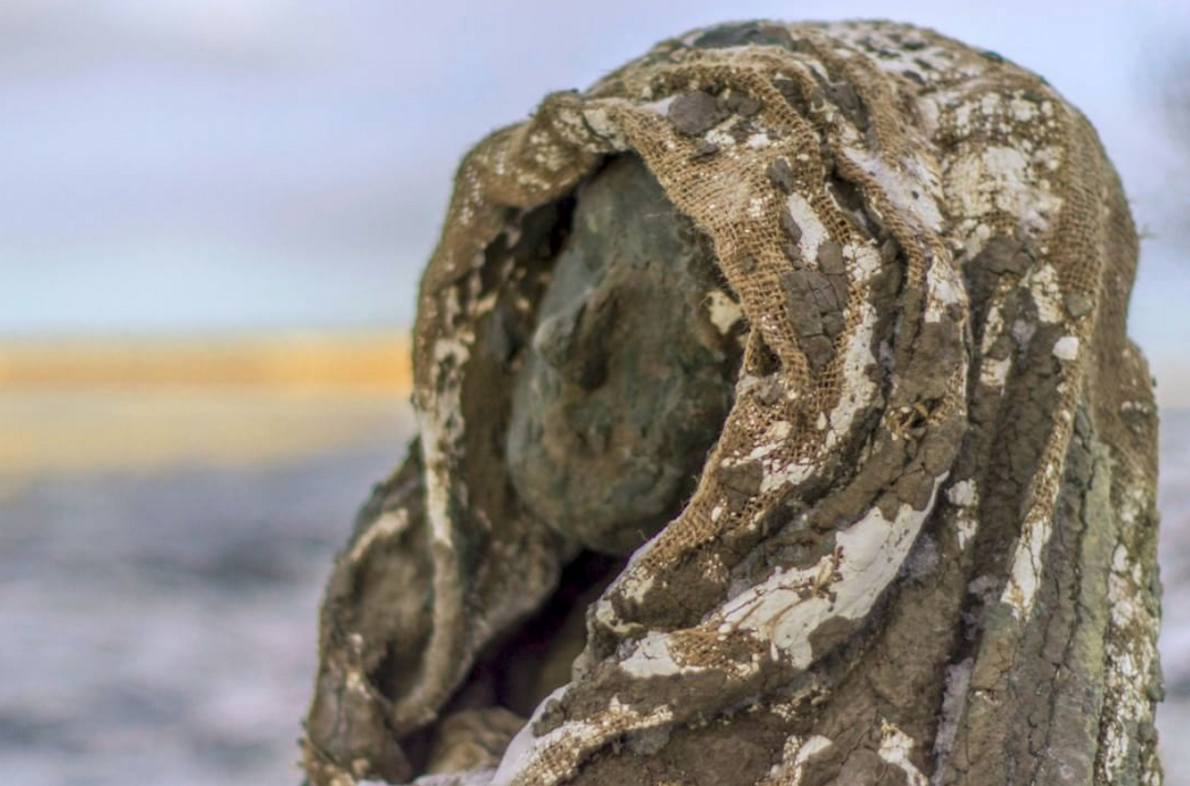
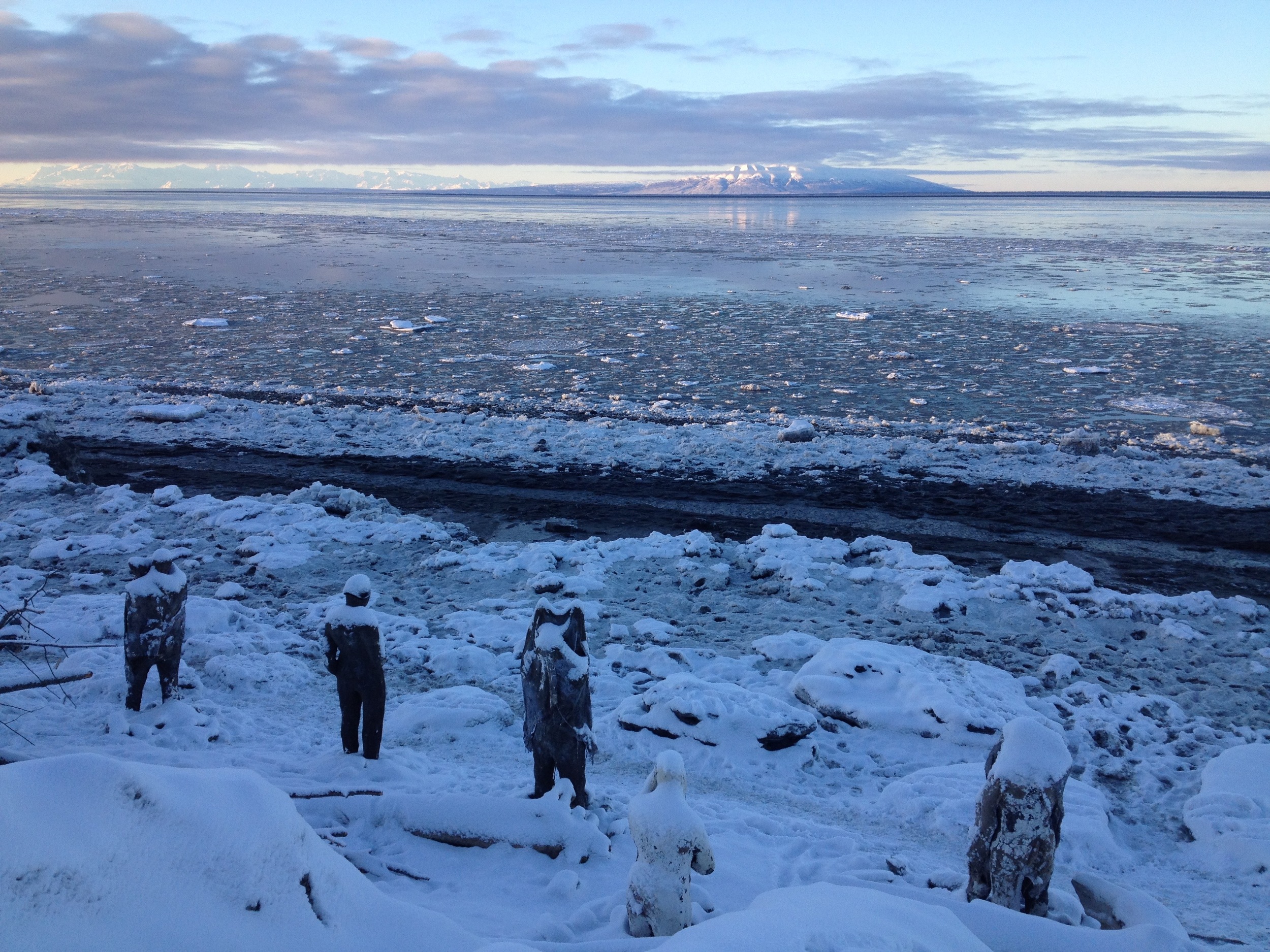
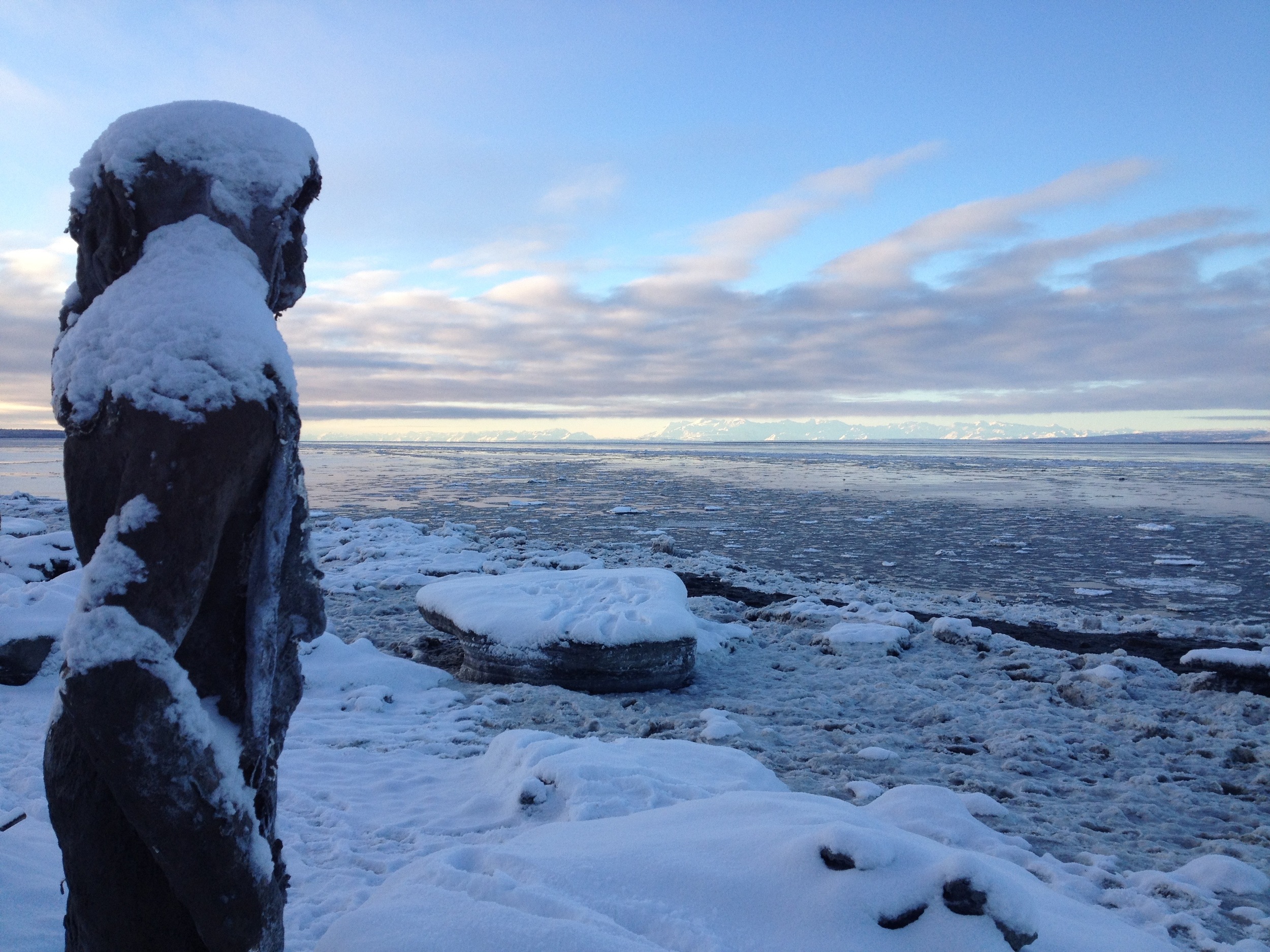
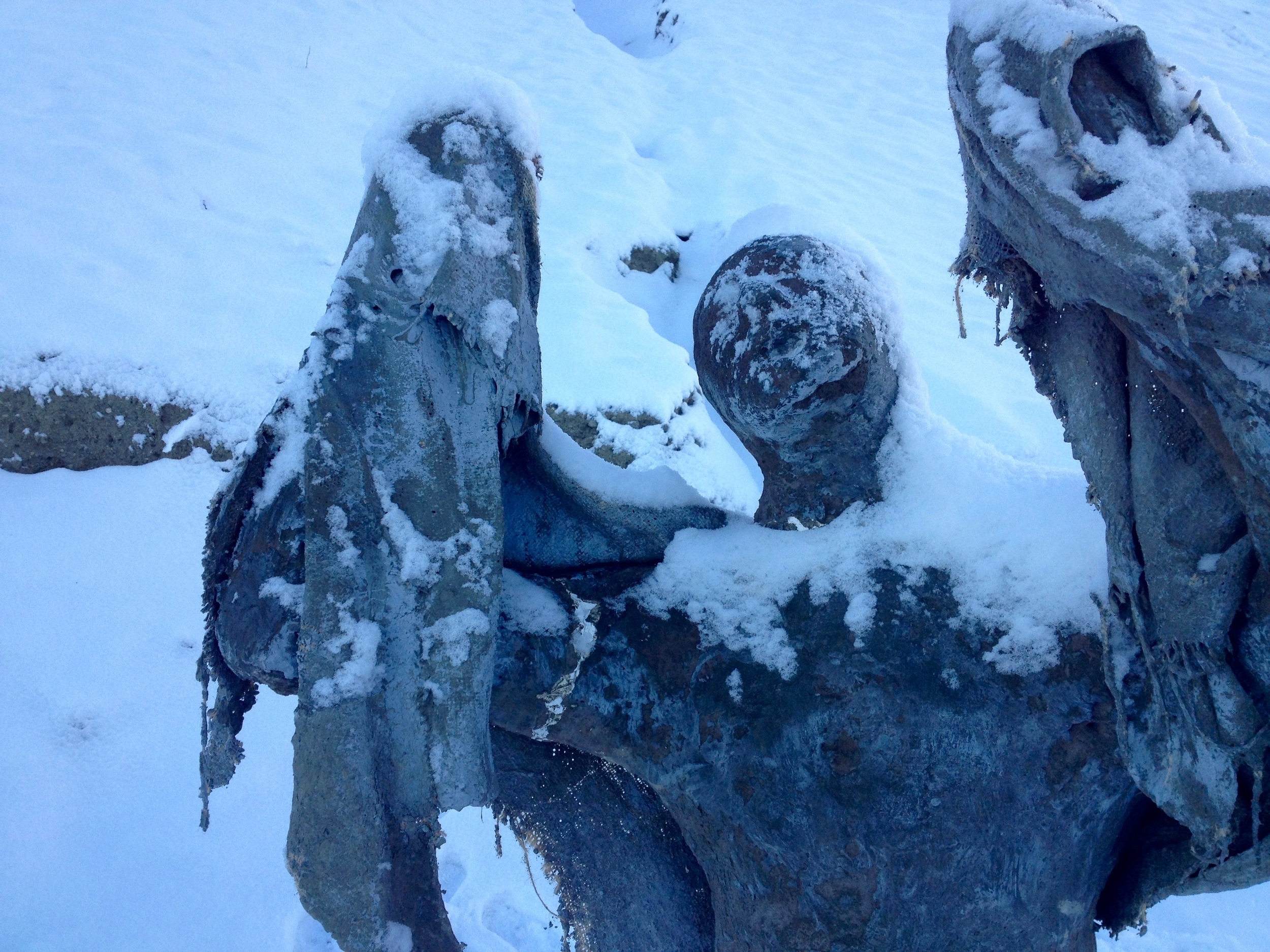
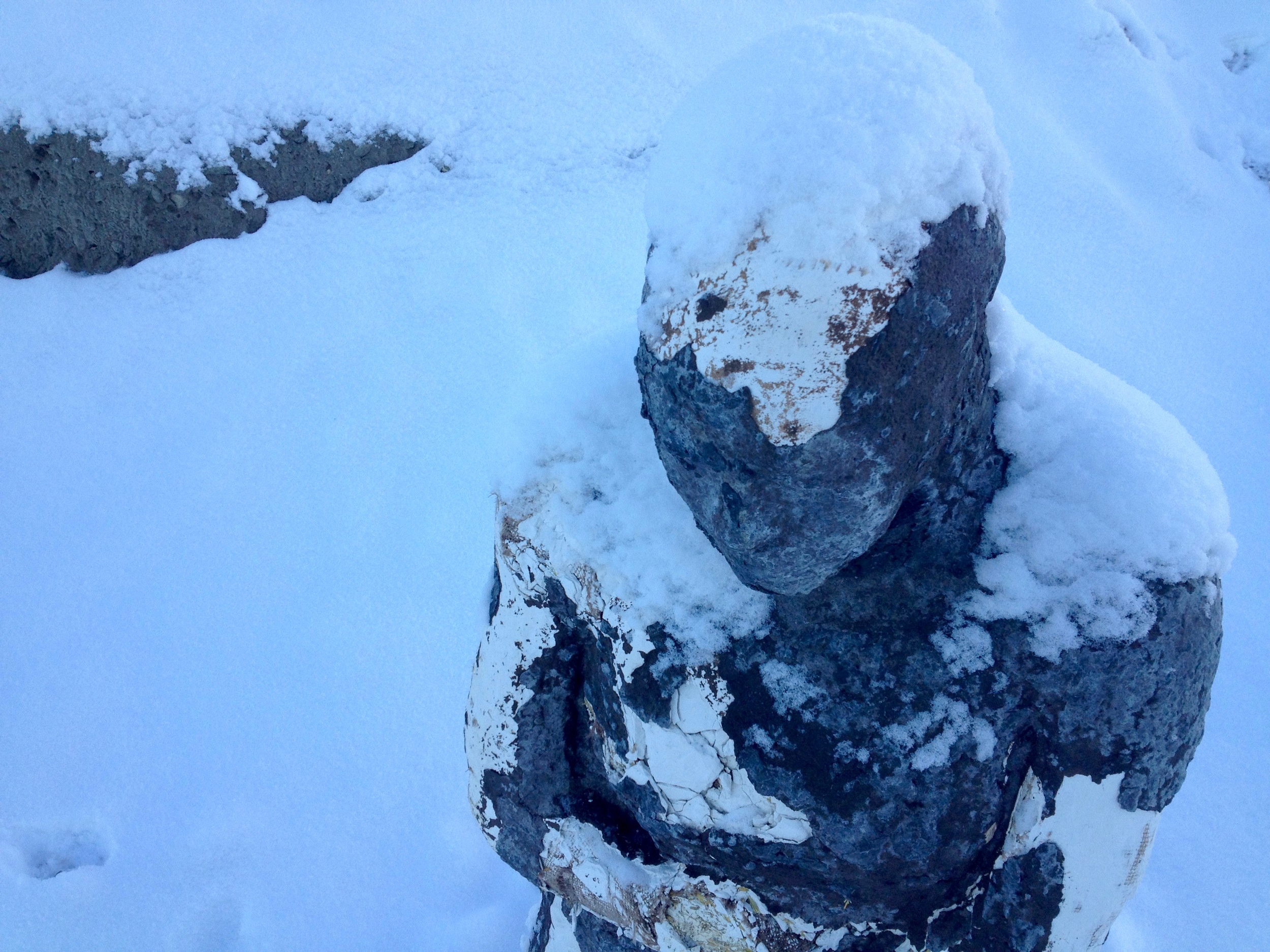
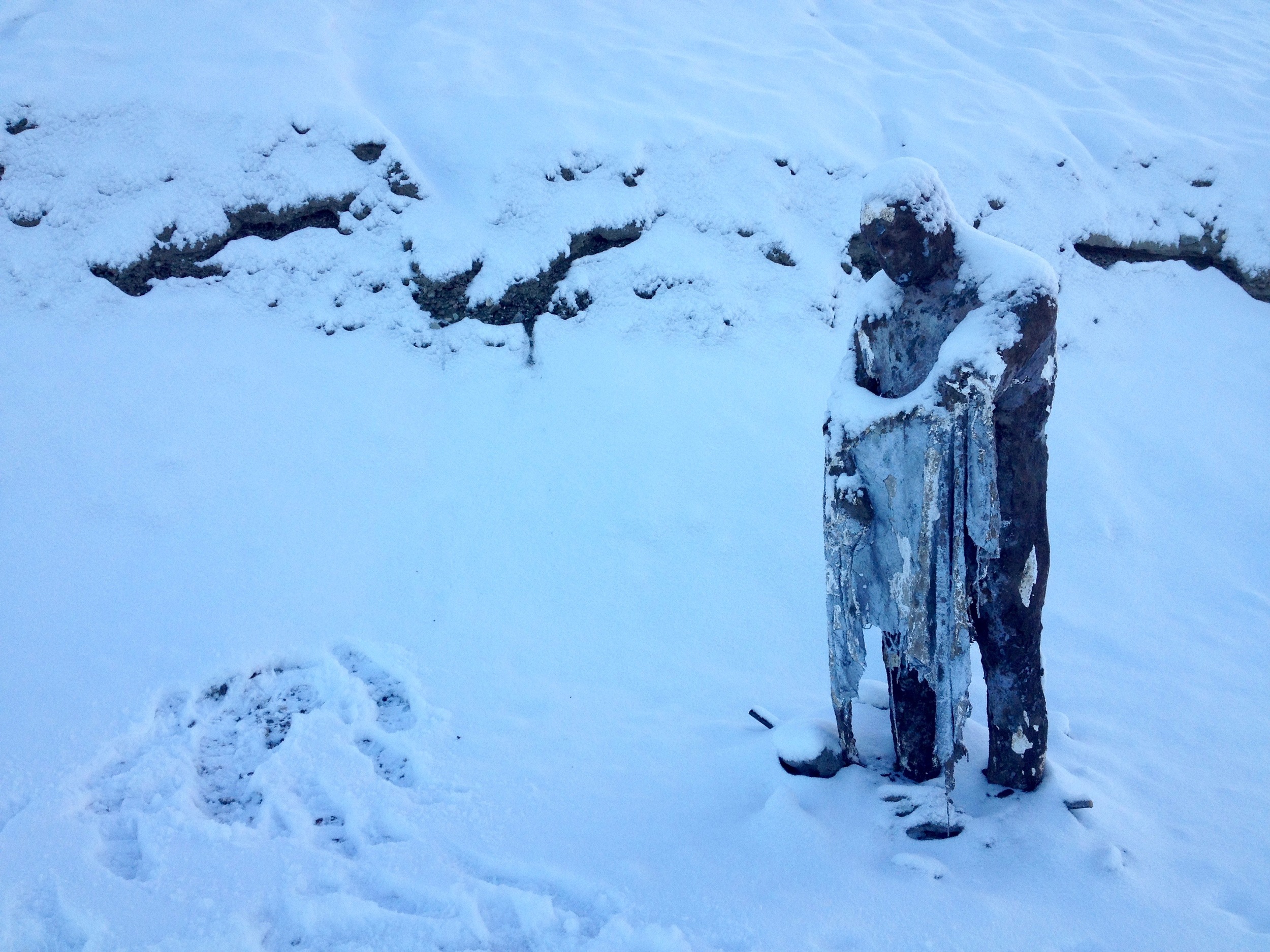
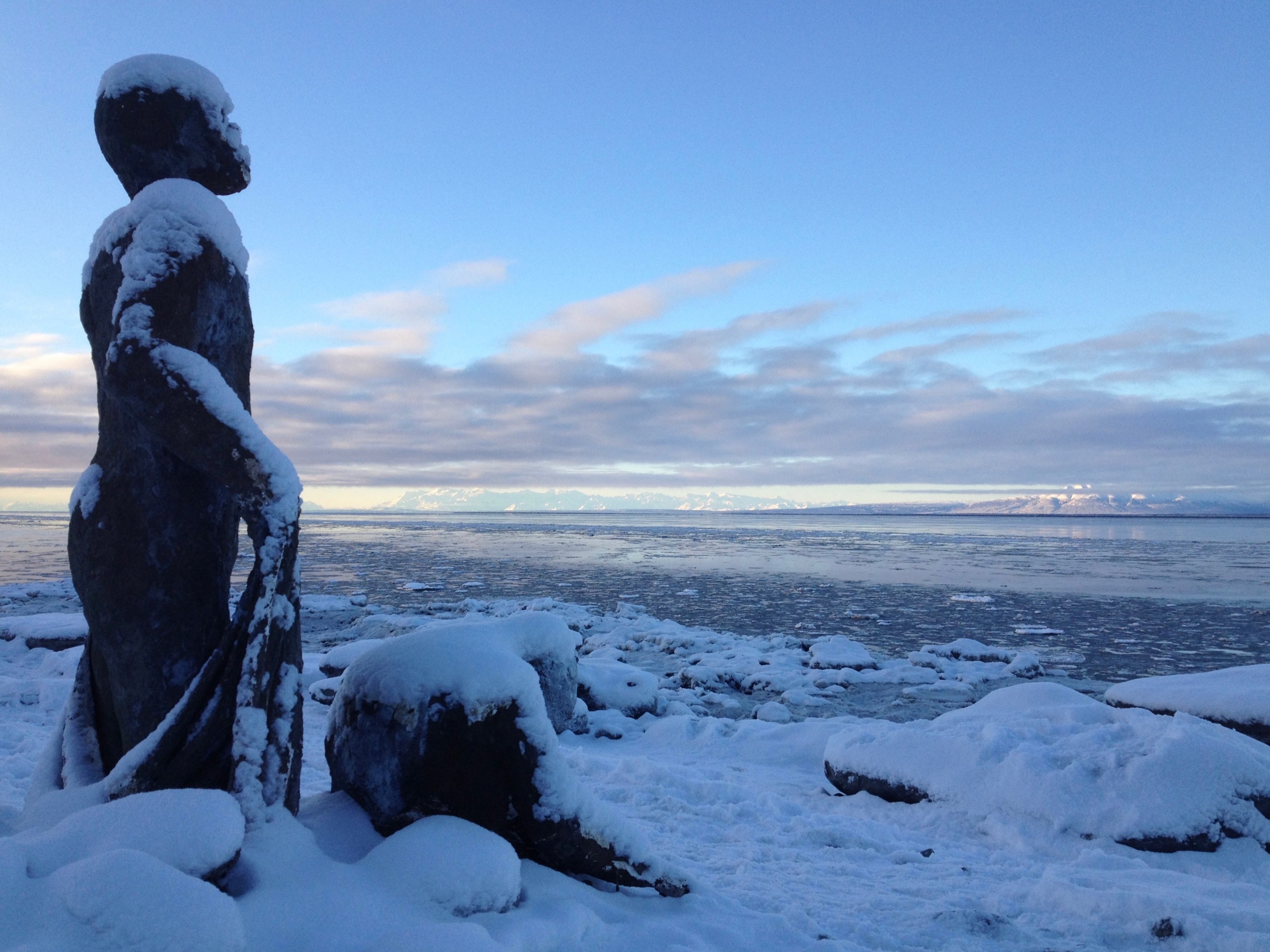
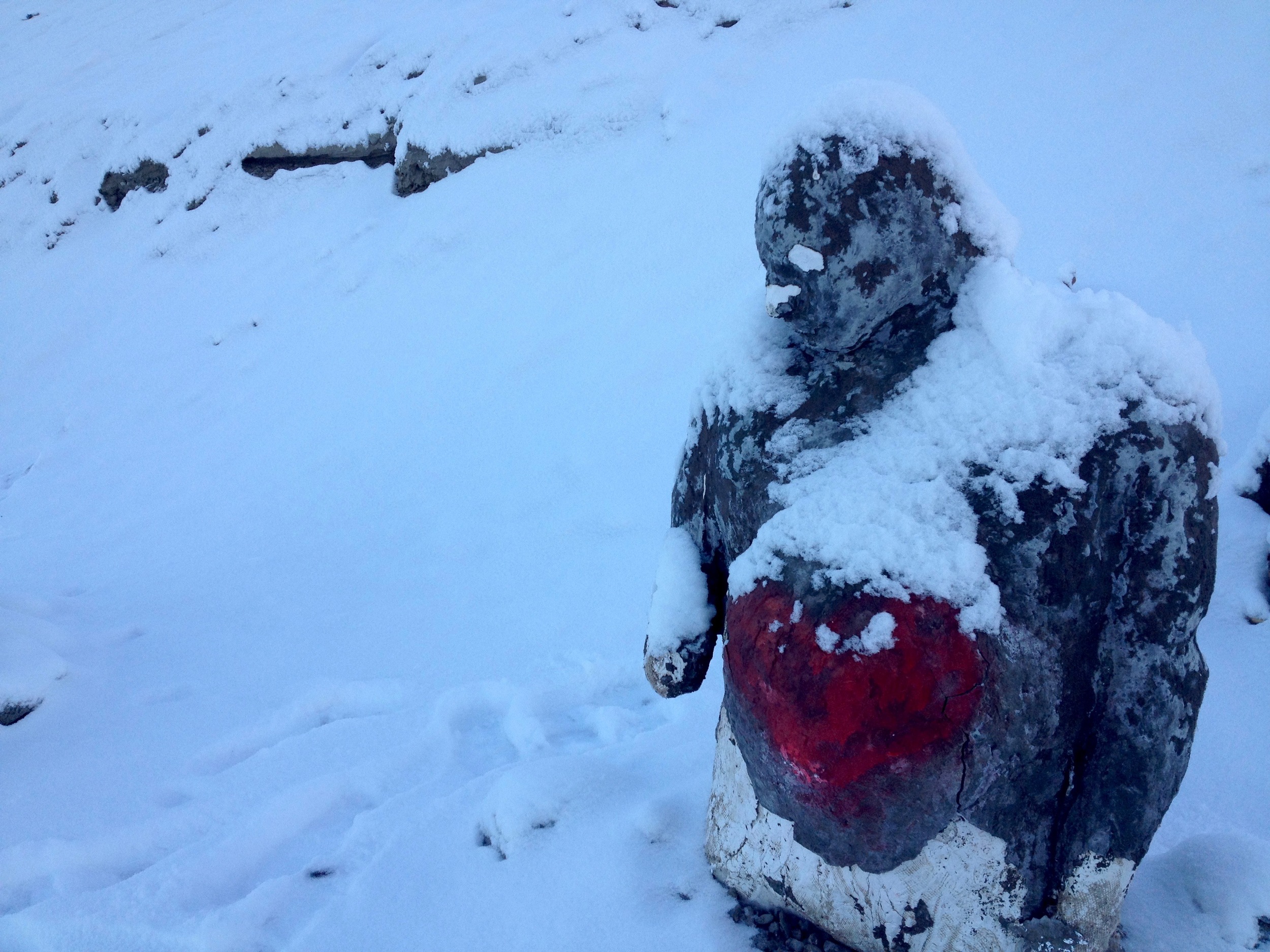
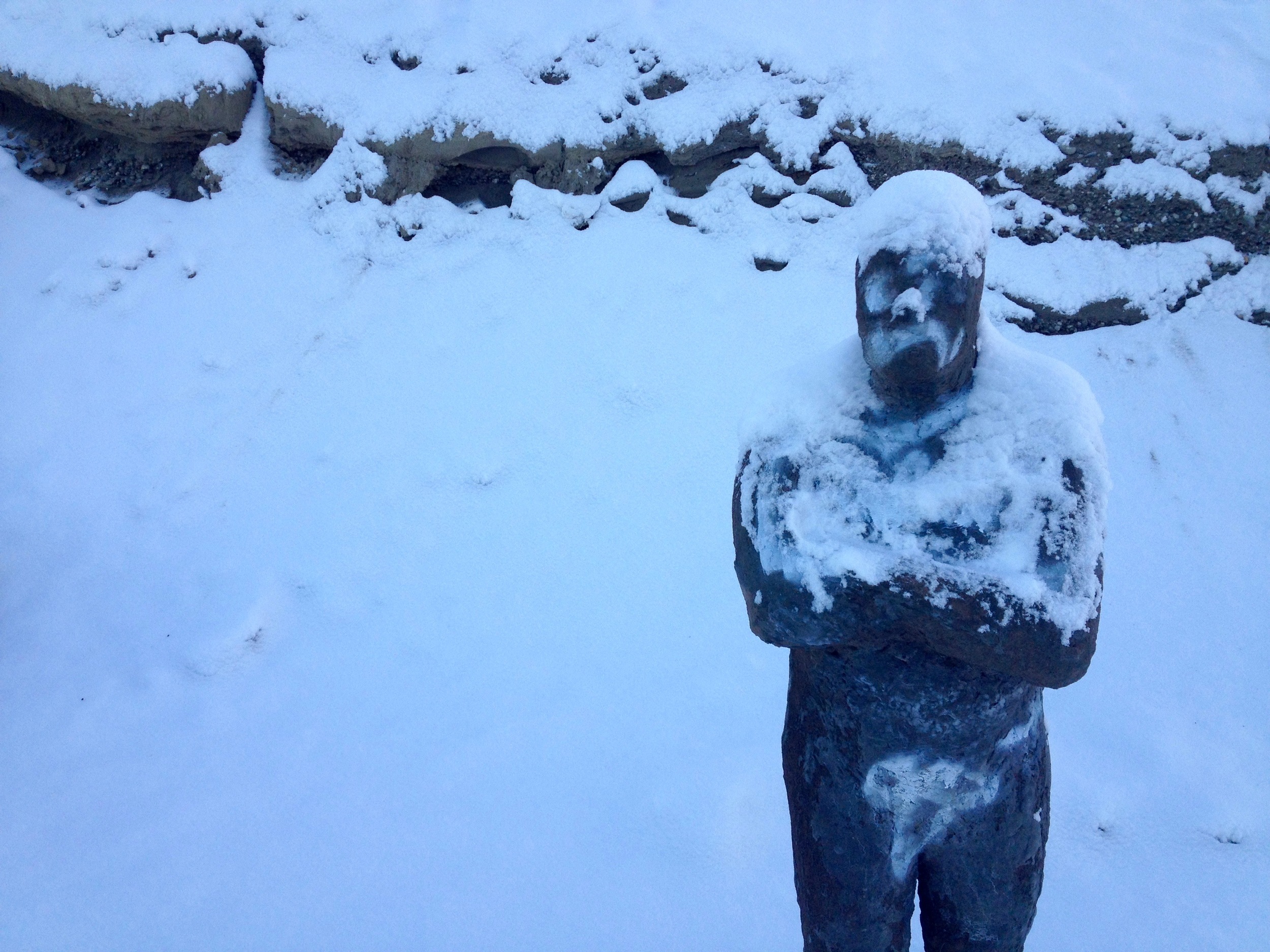
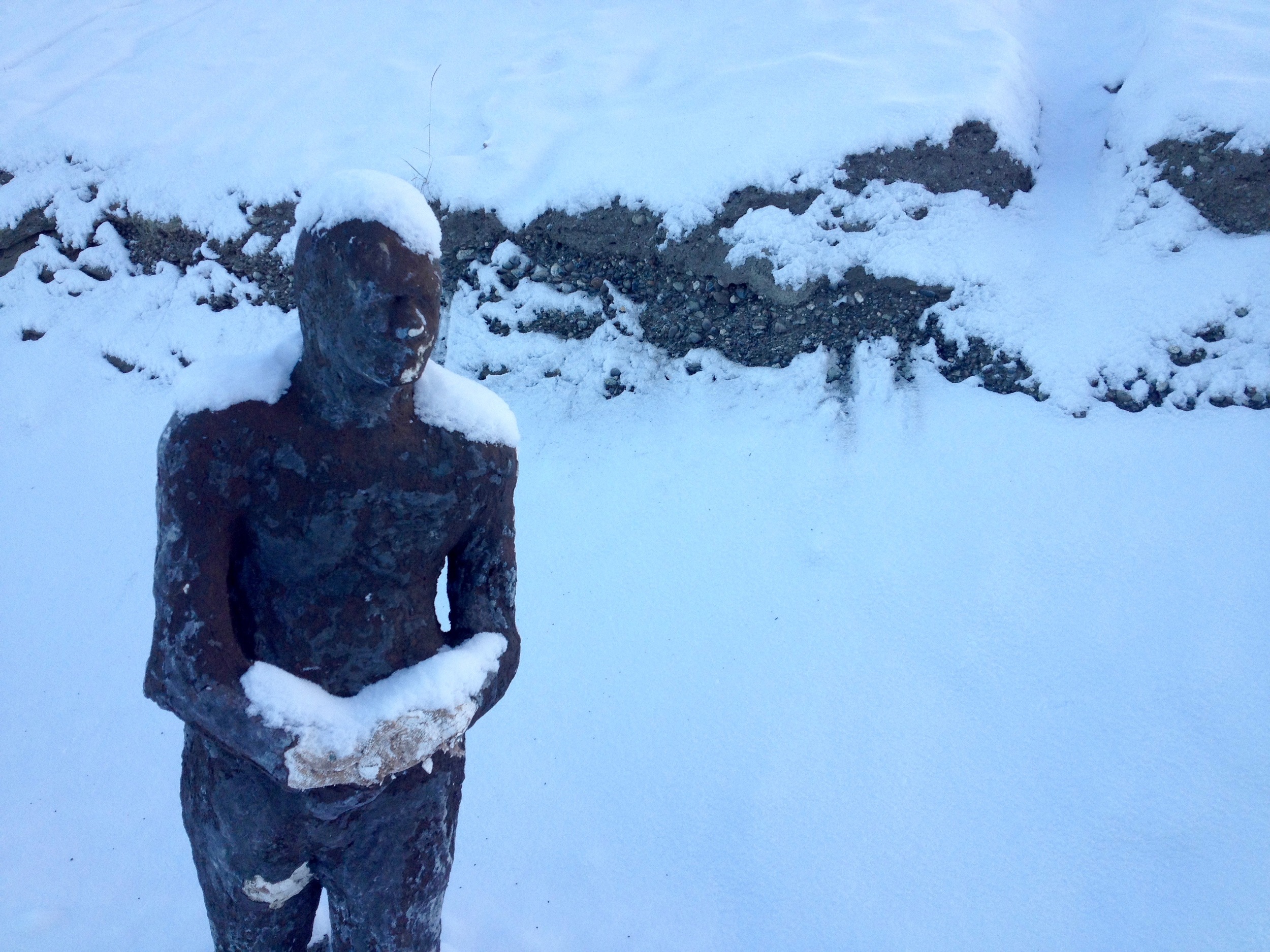
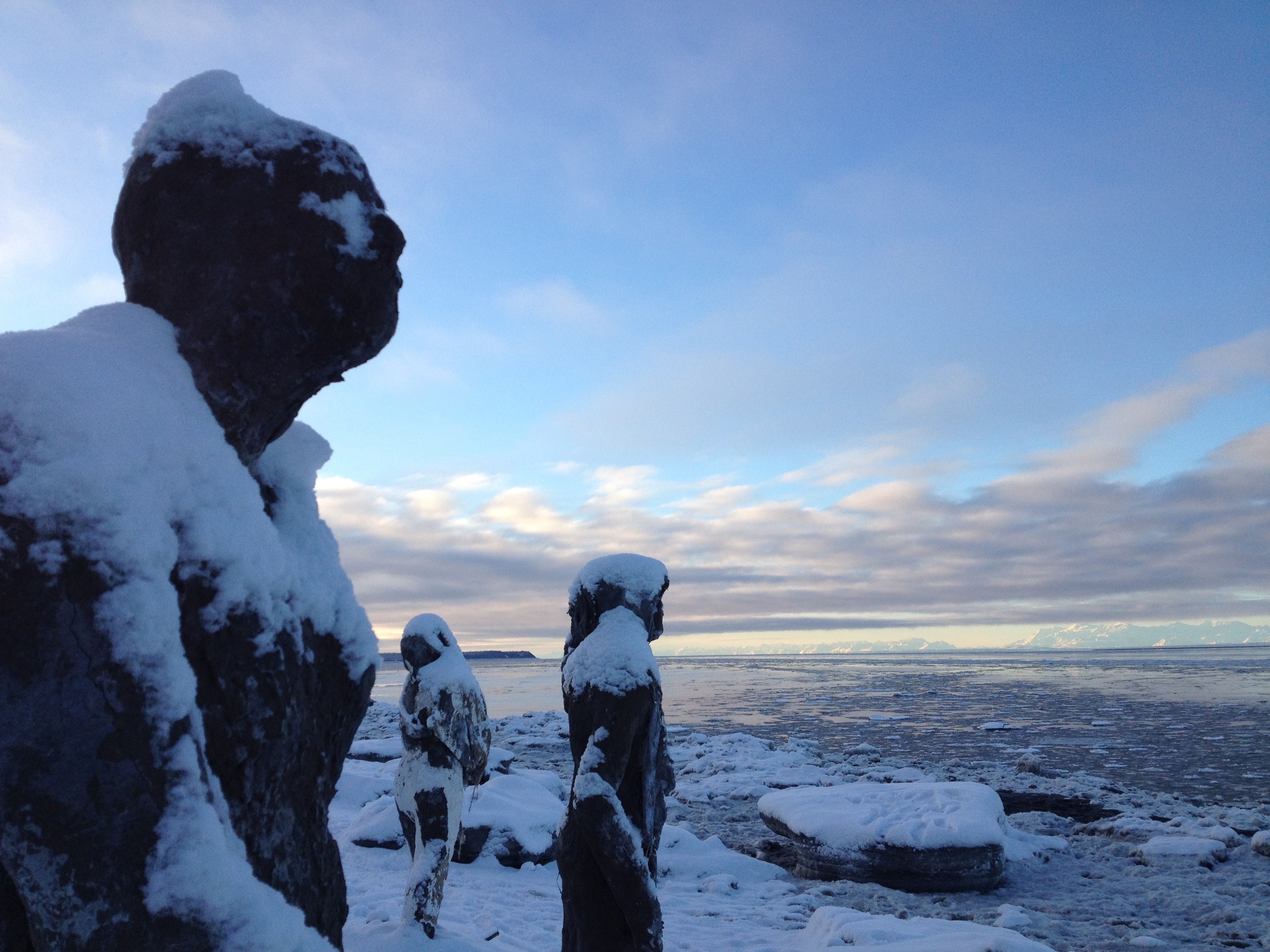
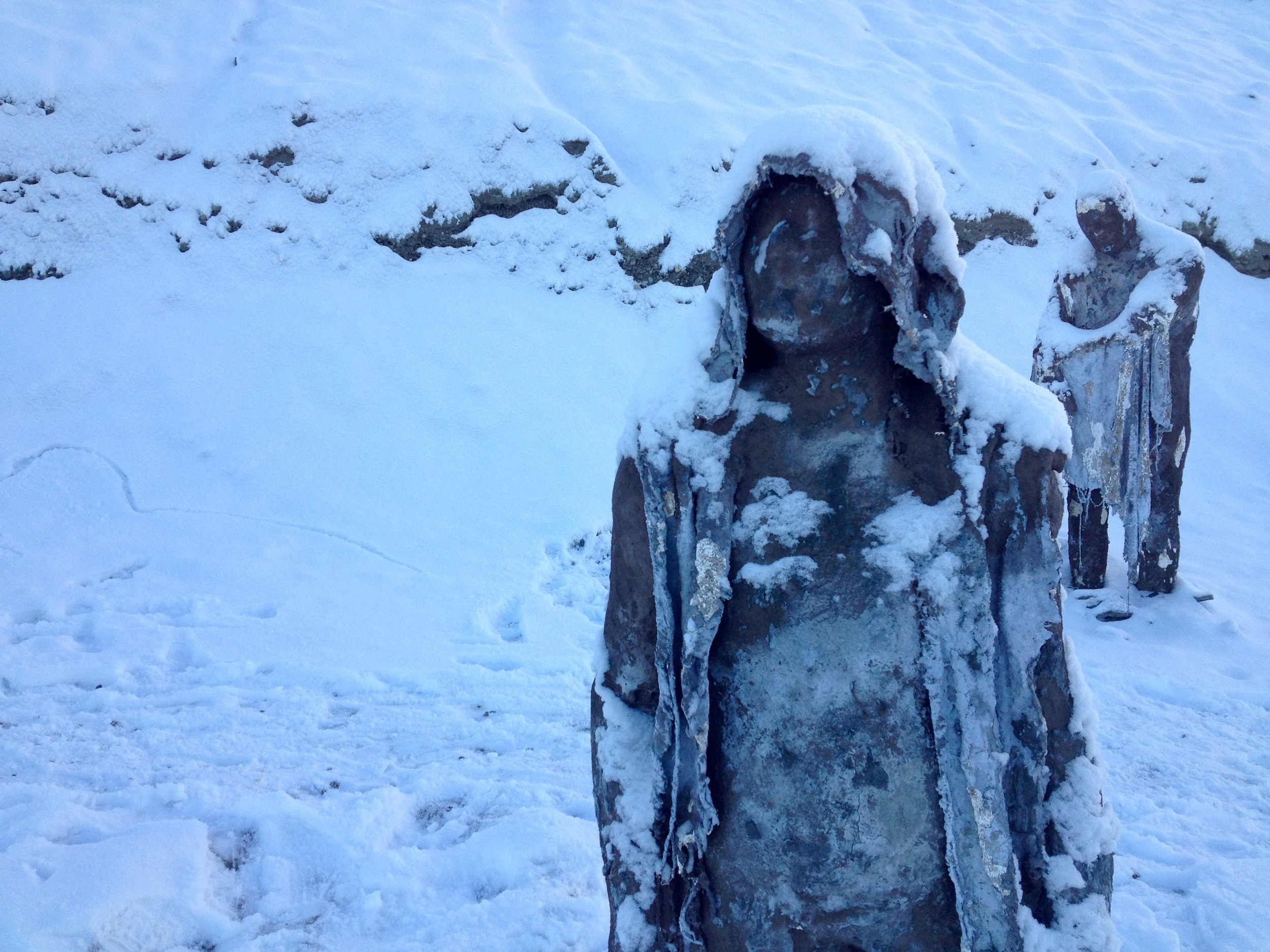
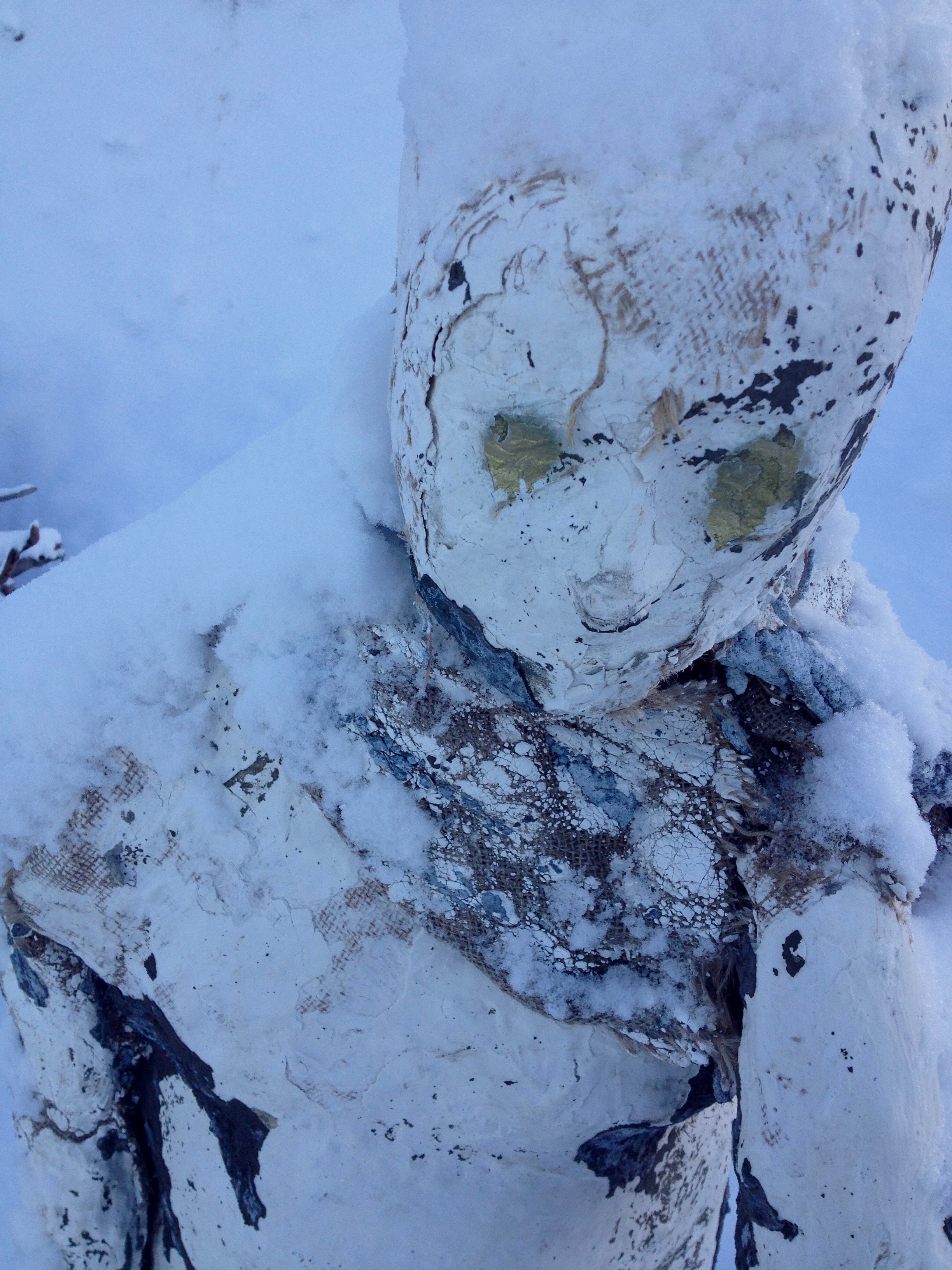
On Friday, December 4th, the day before the public opening of the installation—eleven days after Mother Nature’s poetic voice joined our chorus of Truth and Vulnerability—the fellowship of 100Stone and the Anchorage community mobilized once again to reset sixty-eight of our surviving figural stories into their new arrangement. New footings were rebuilt and anchored into the ice, and laborers and volunteers returned to transform the sacred ground of Point Woronzof.
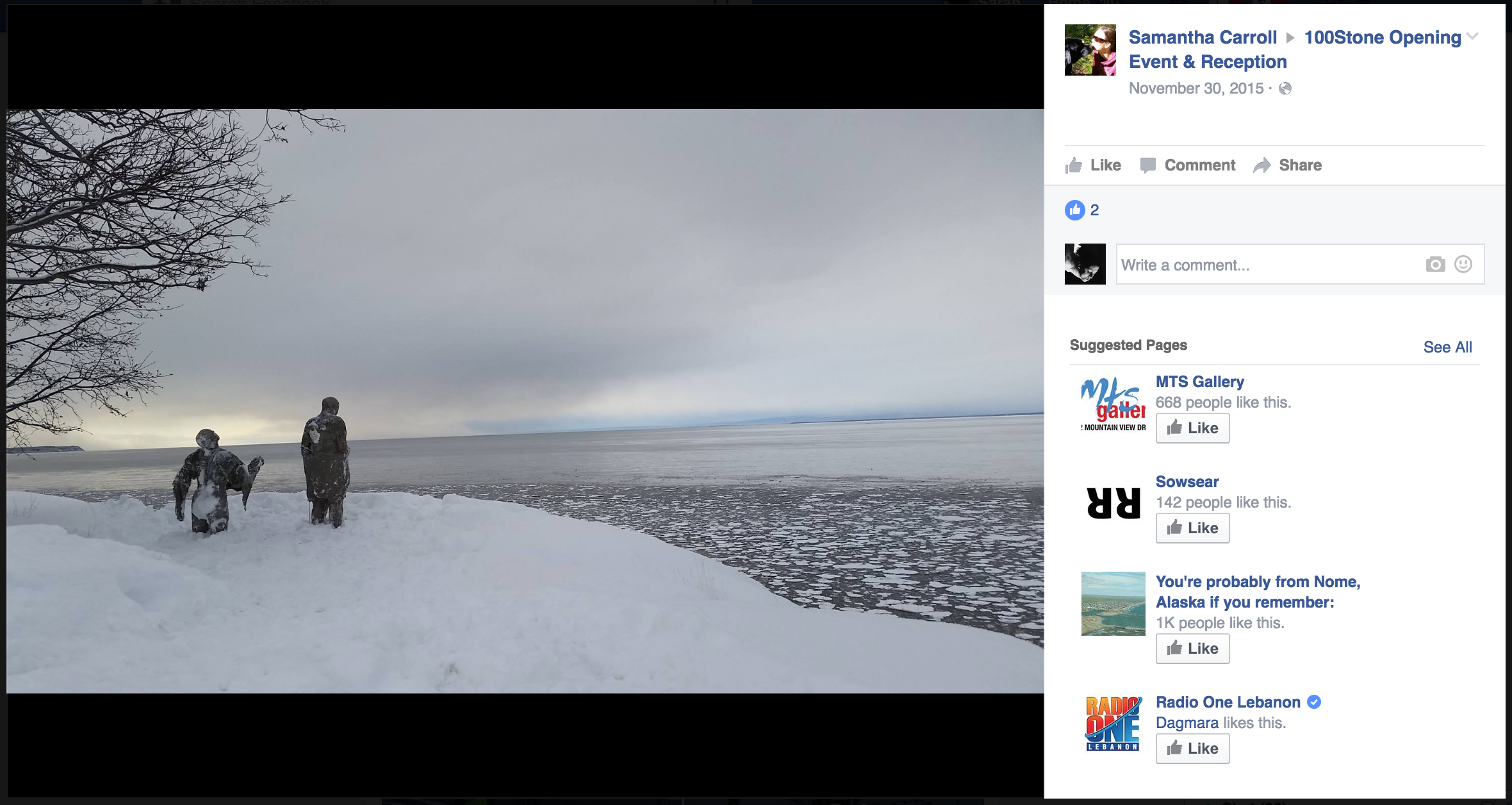
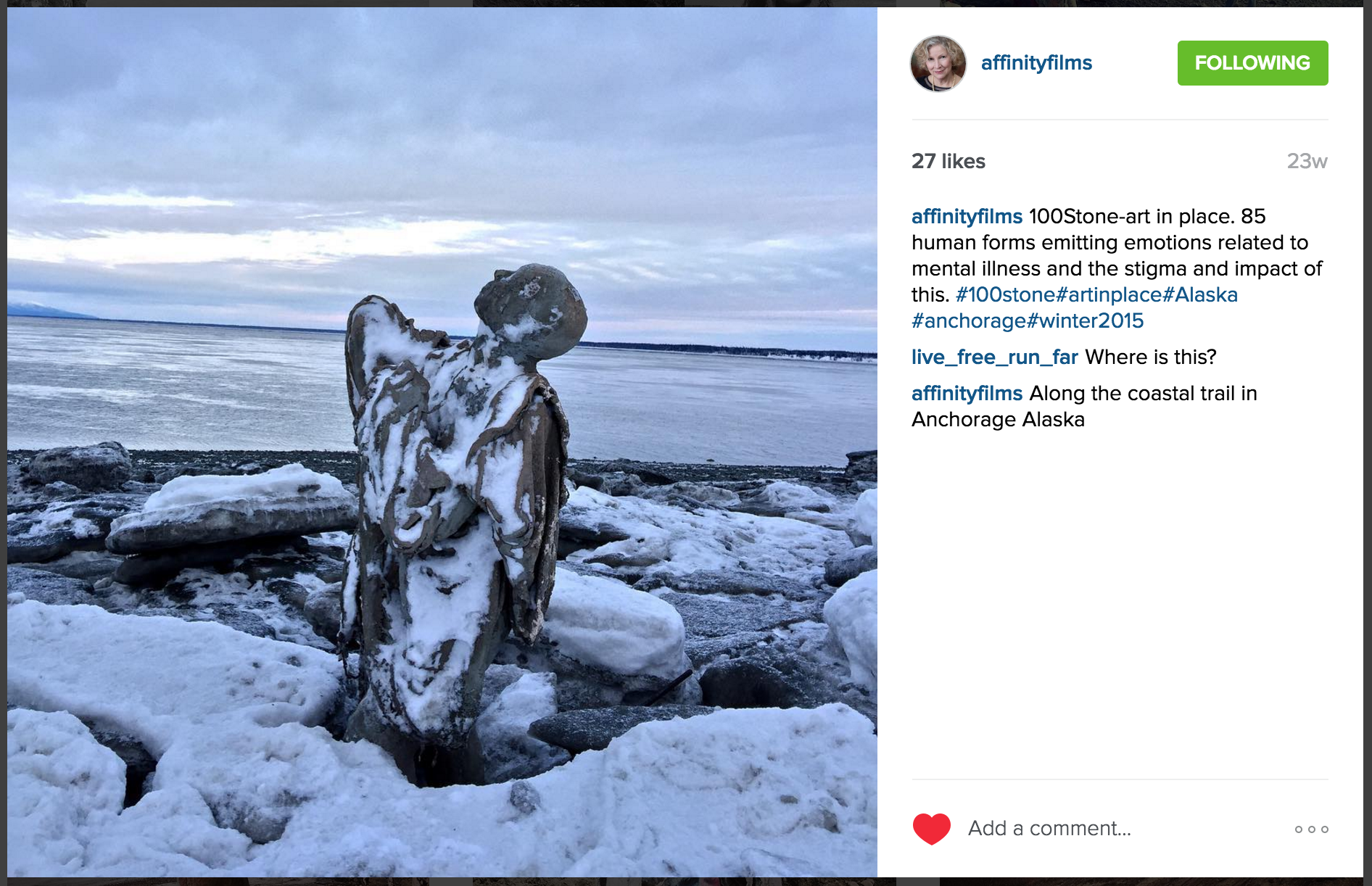
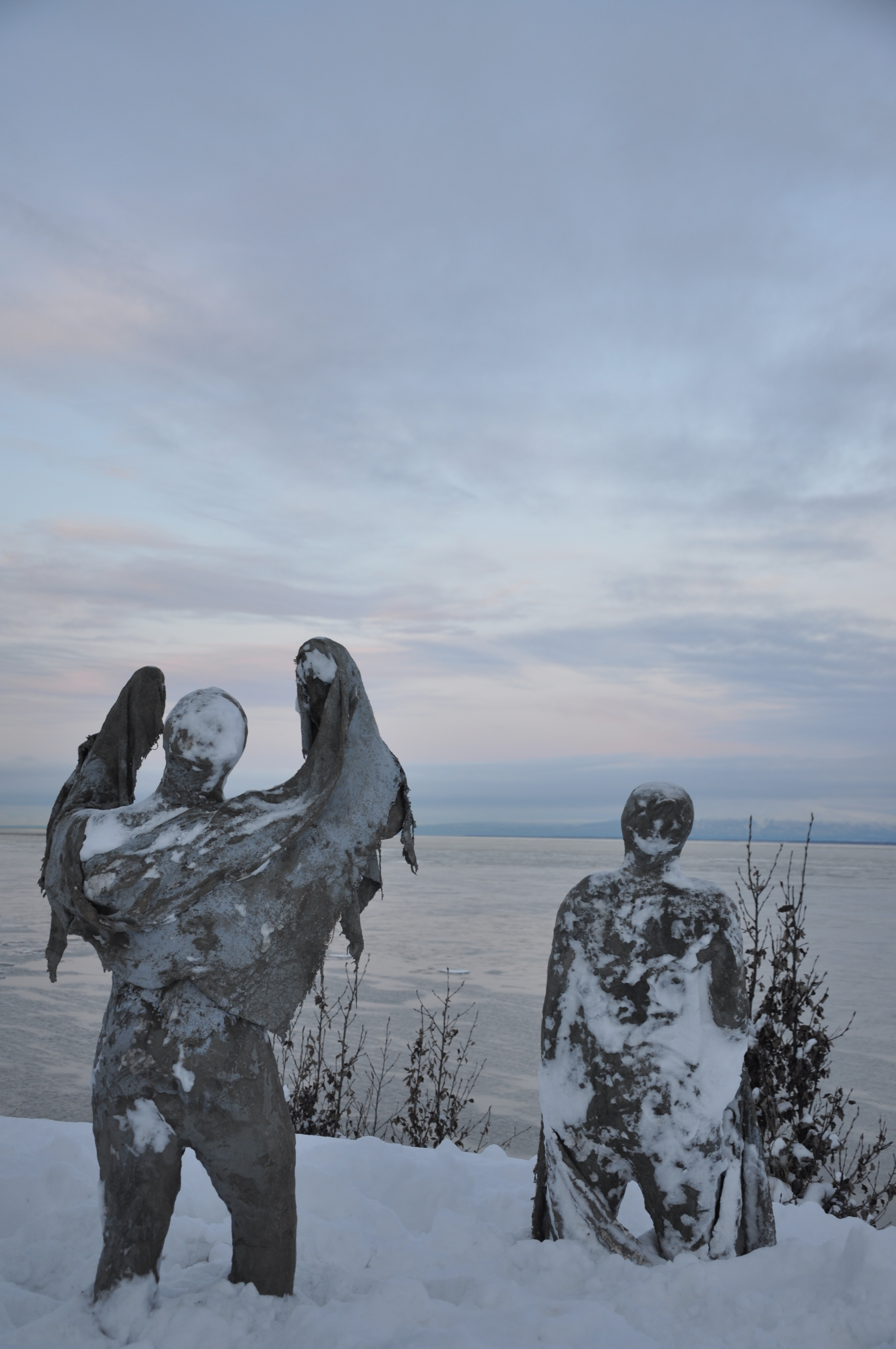
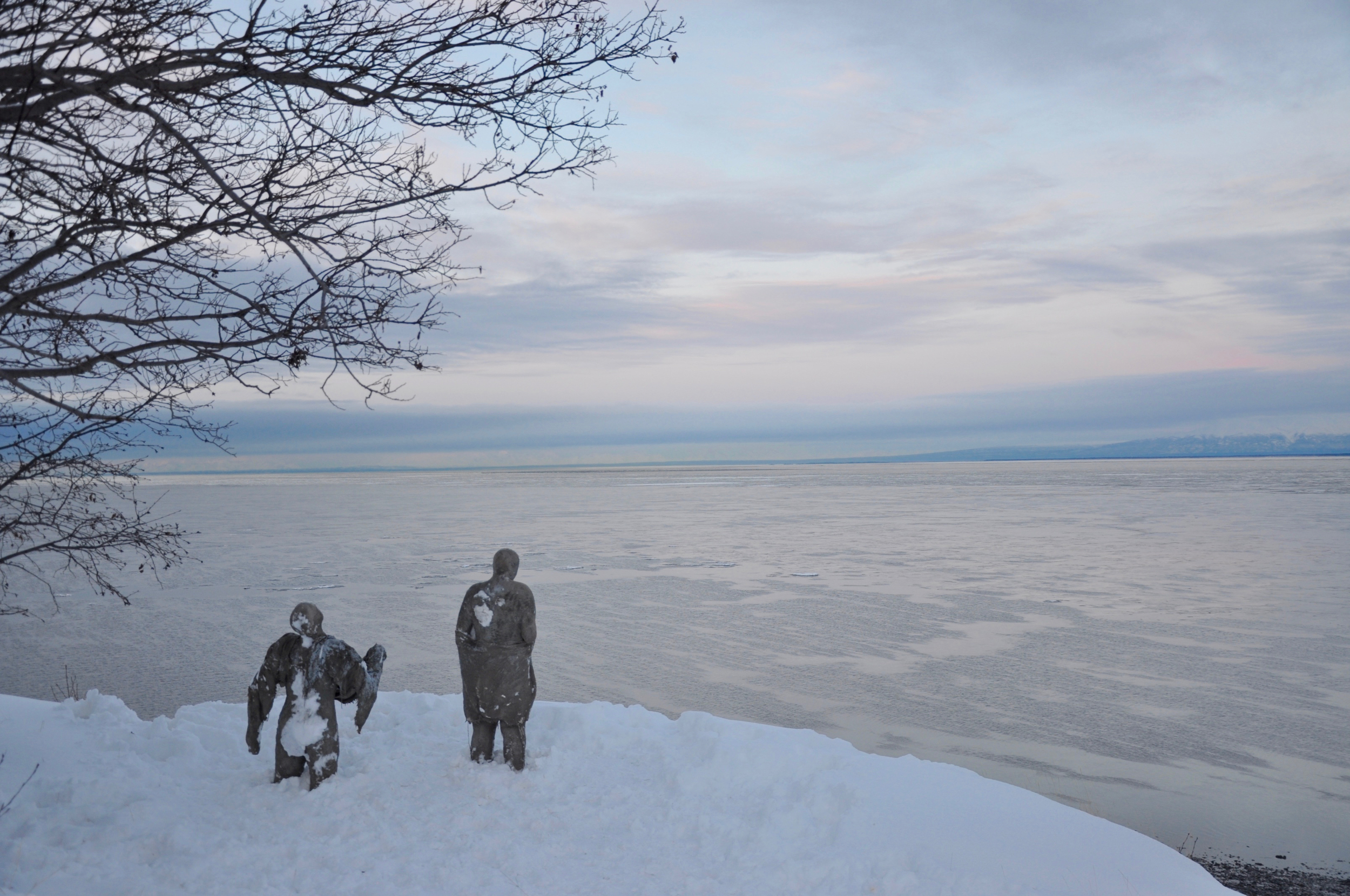
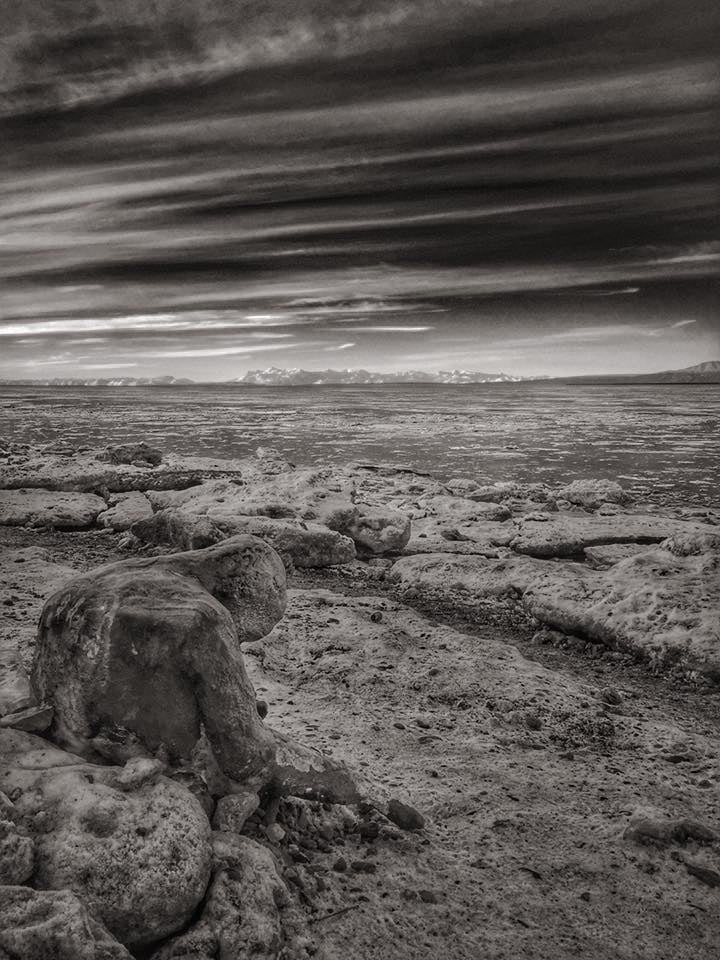
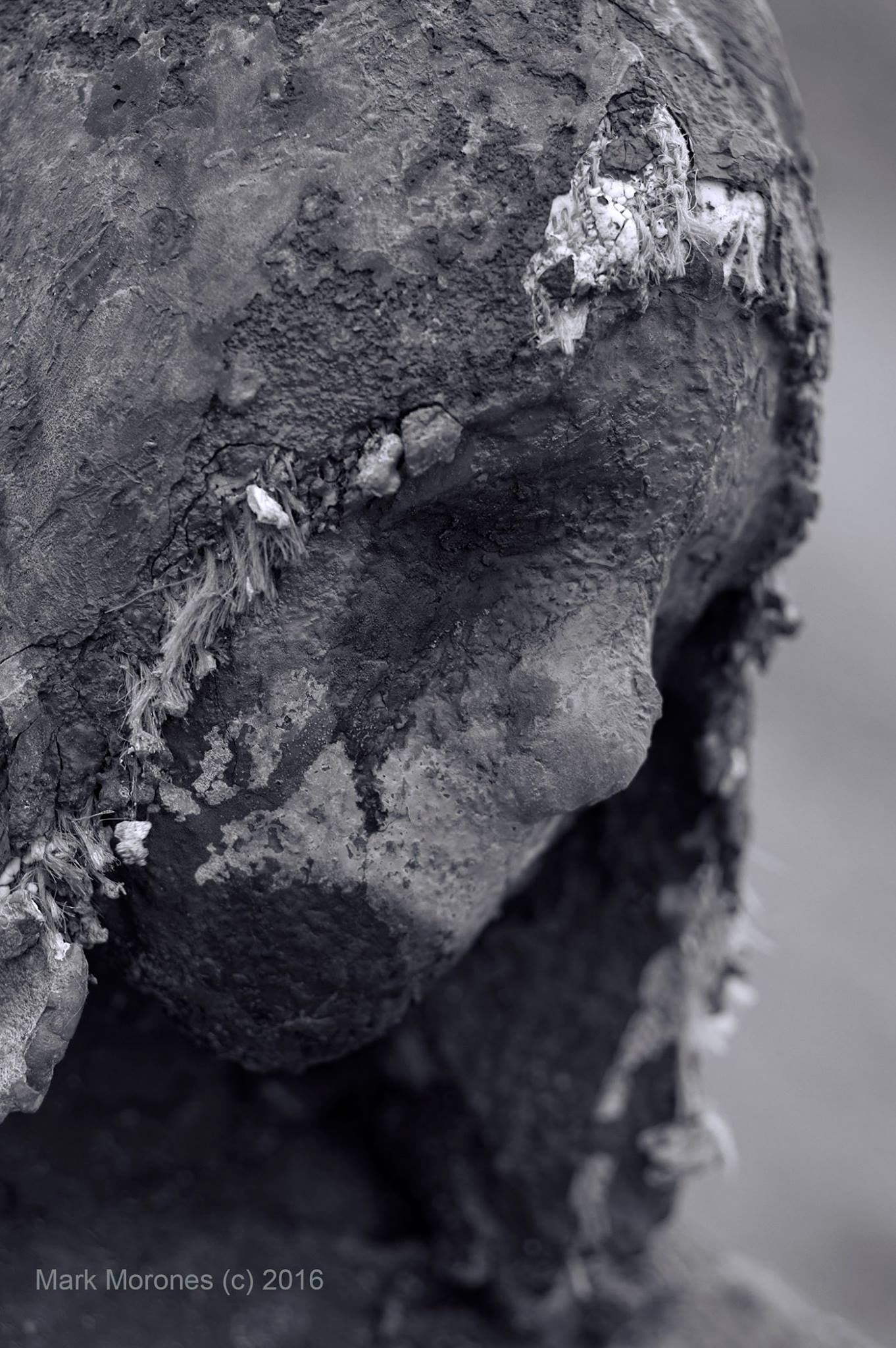
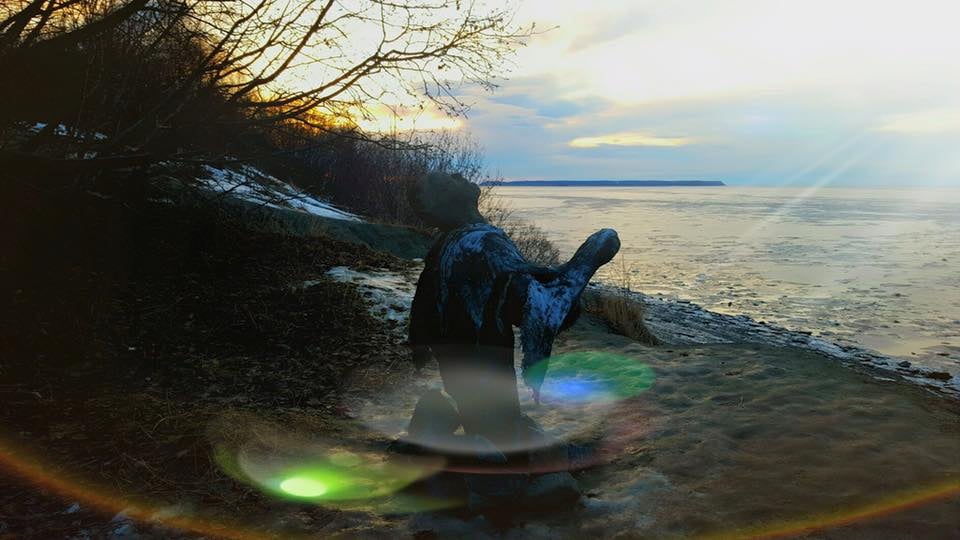
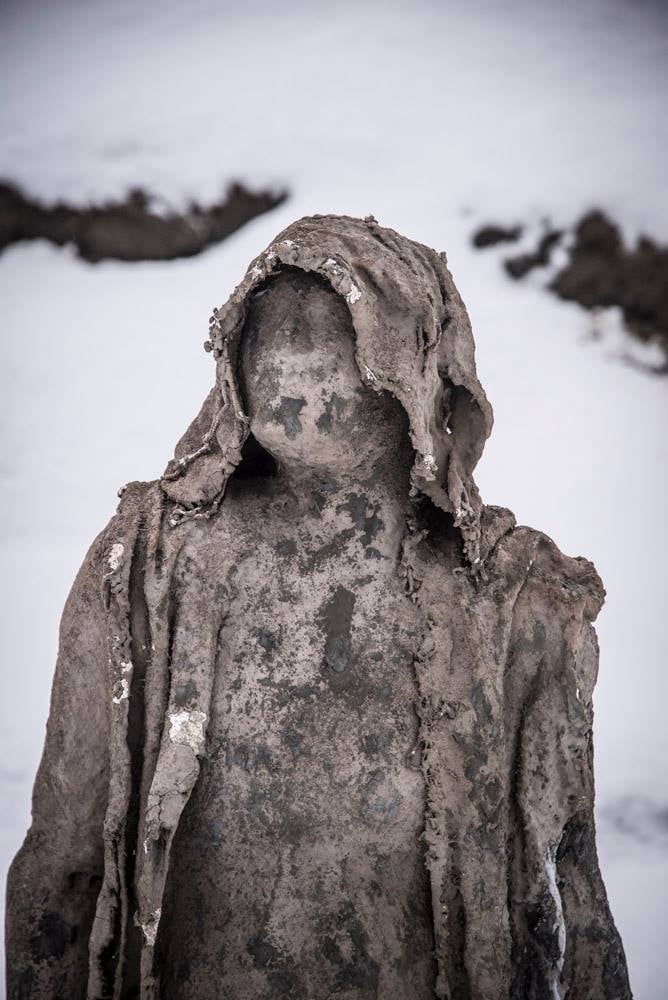
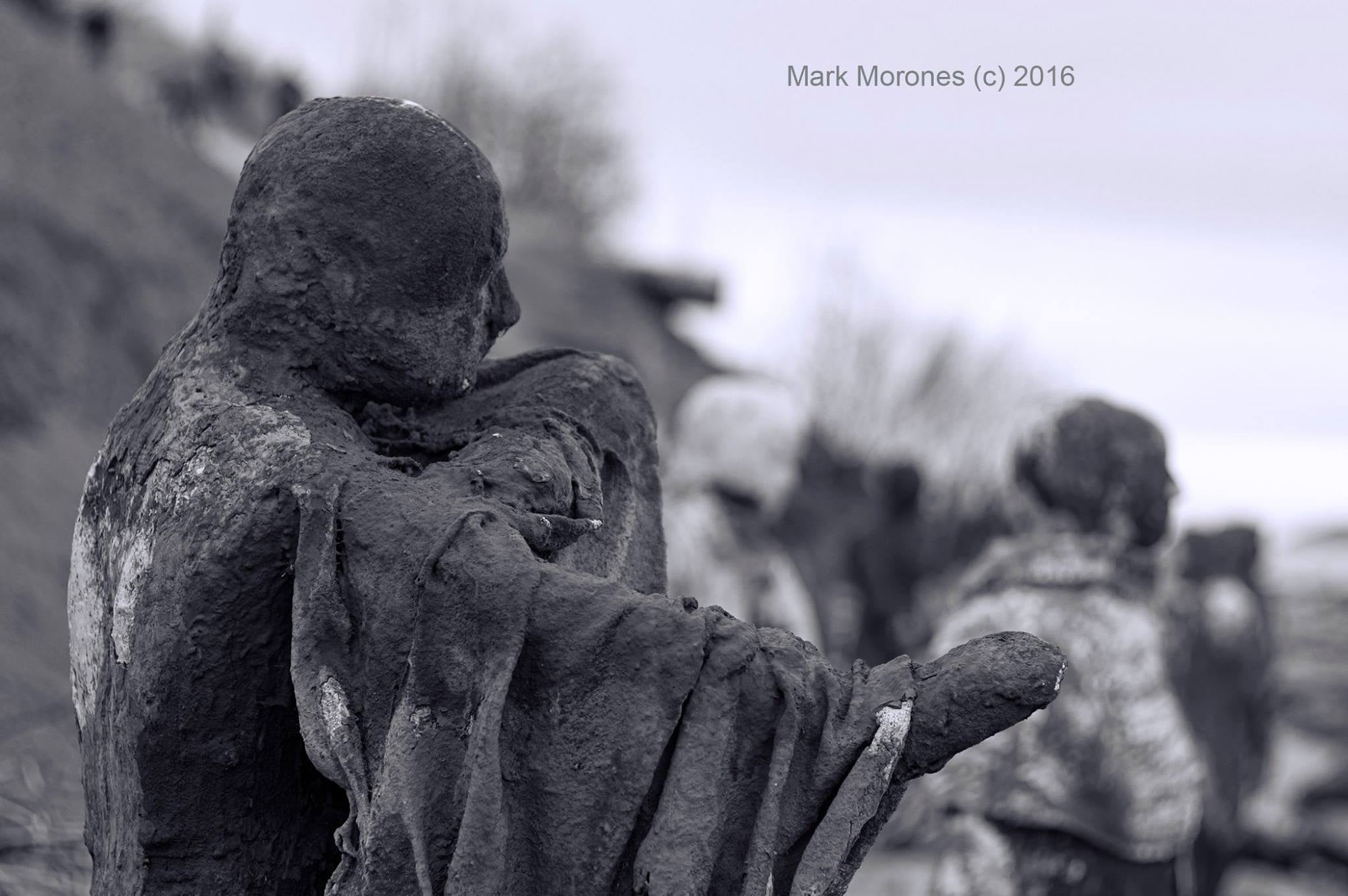
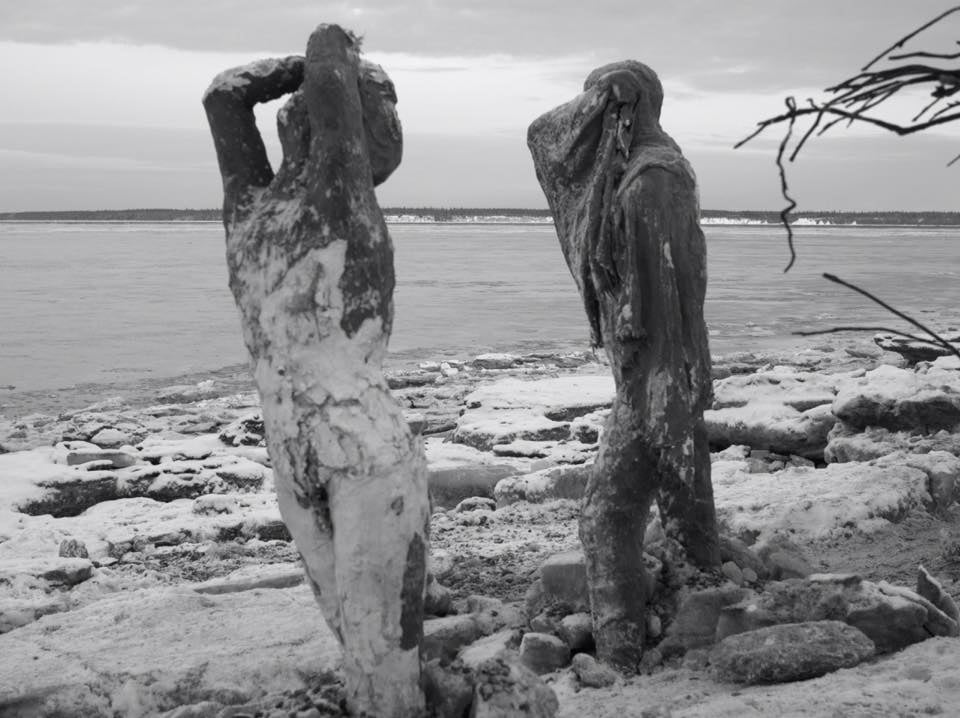
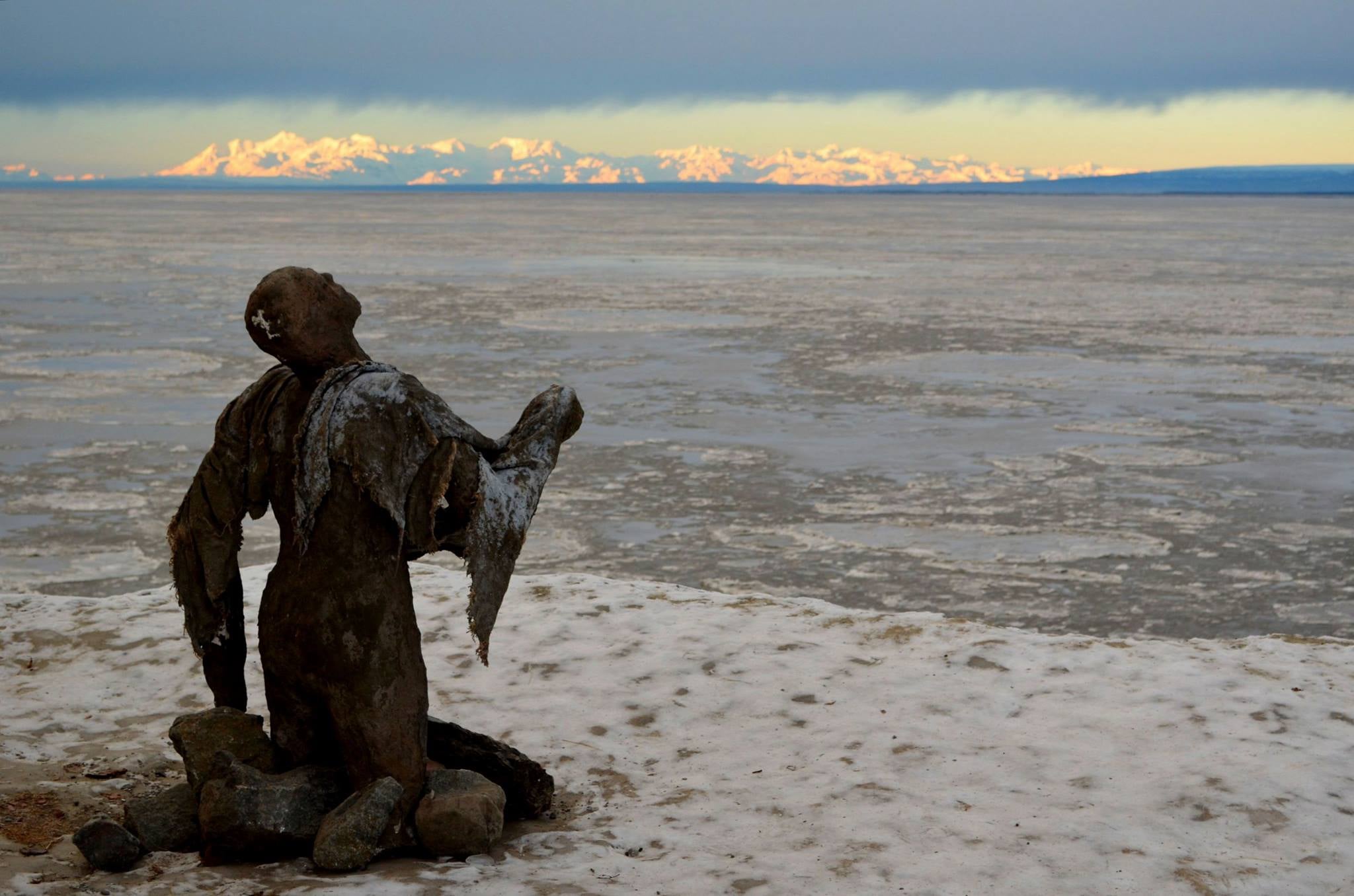
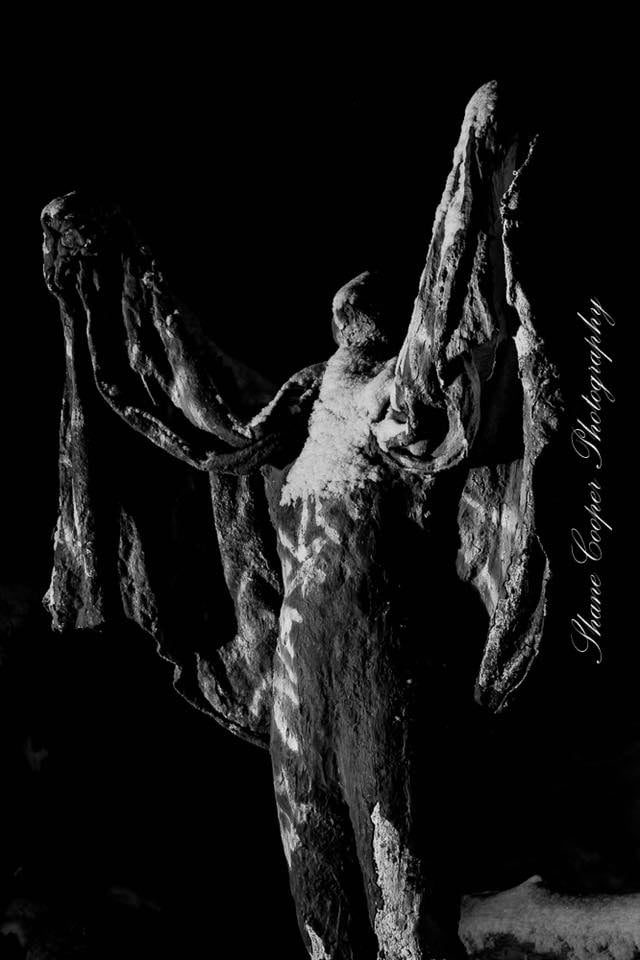
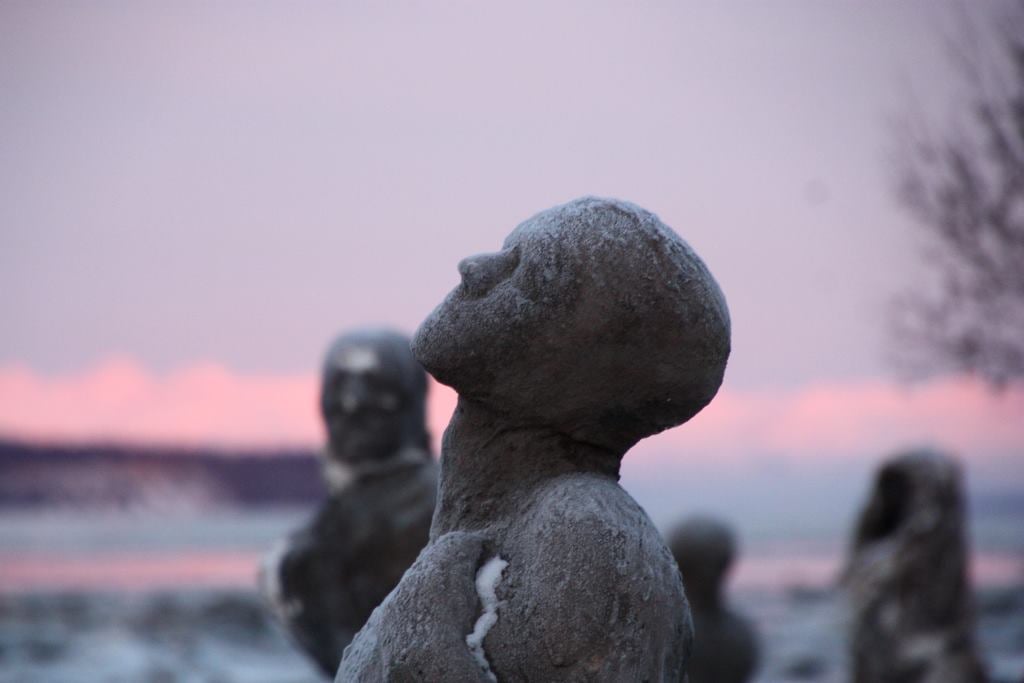
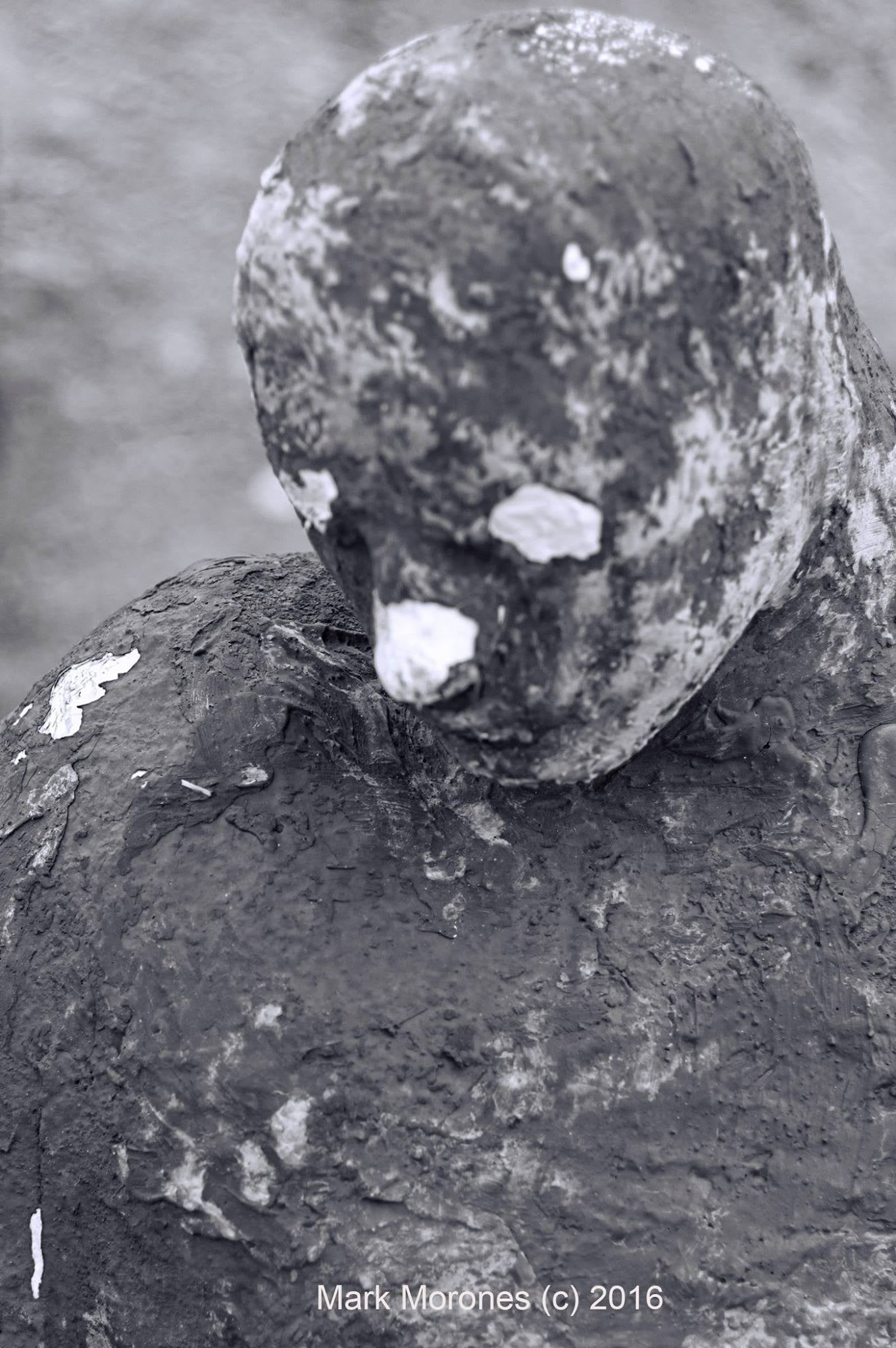
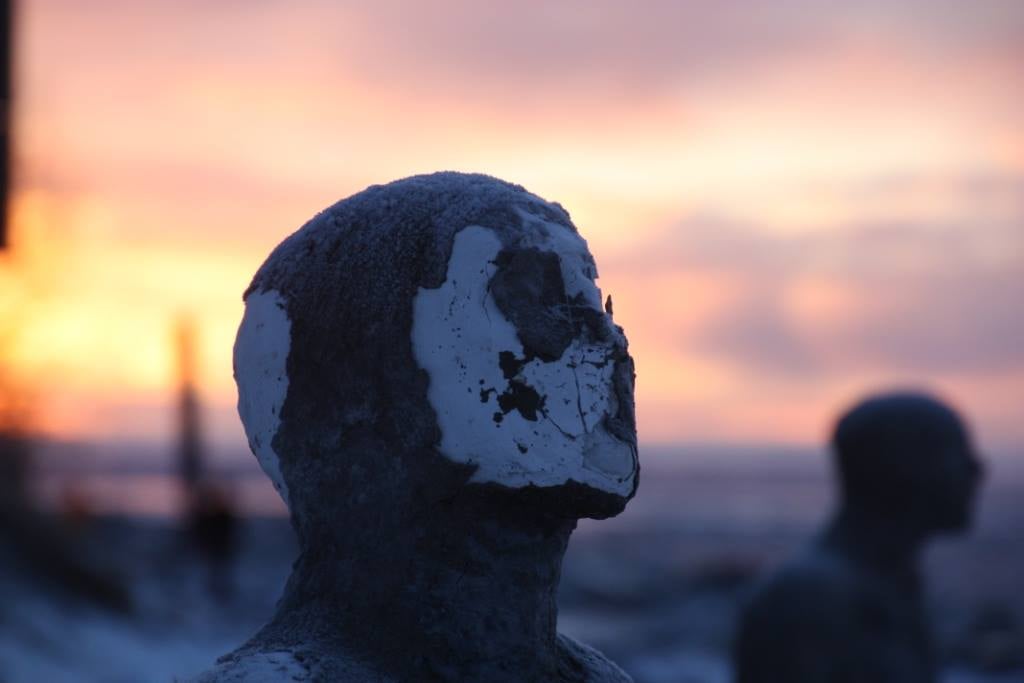
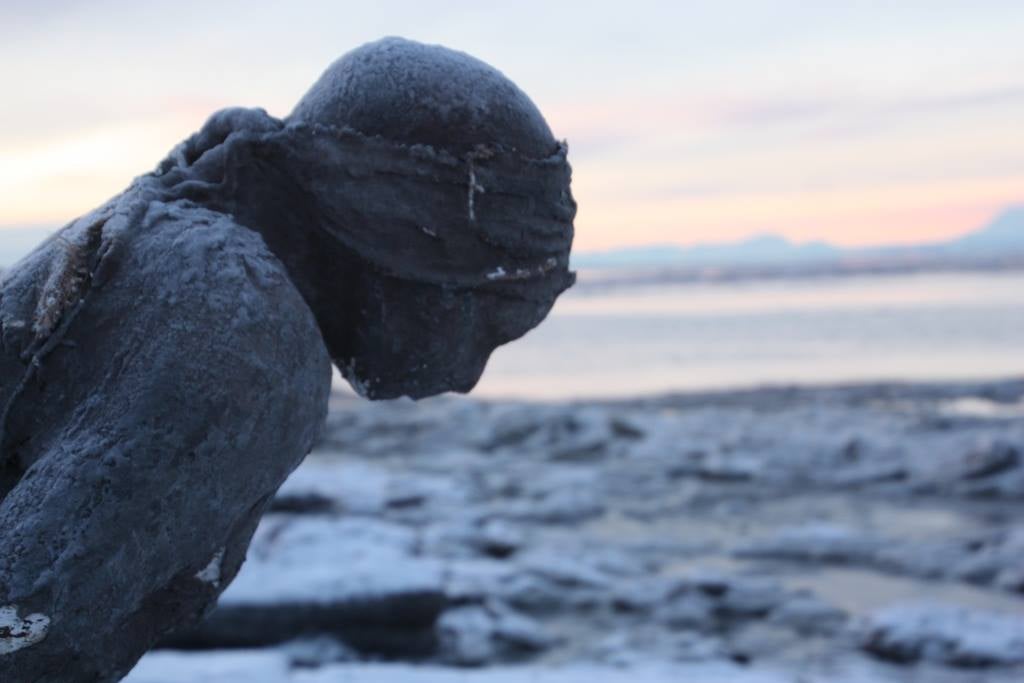
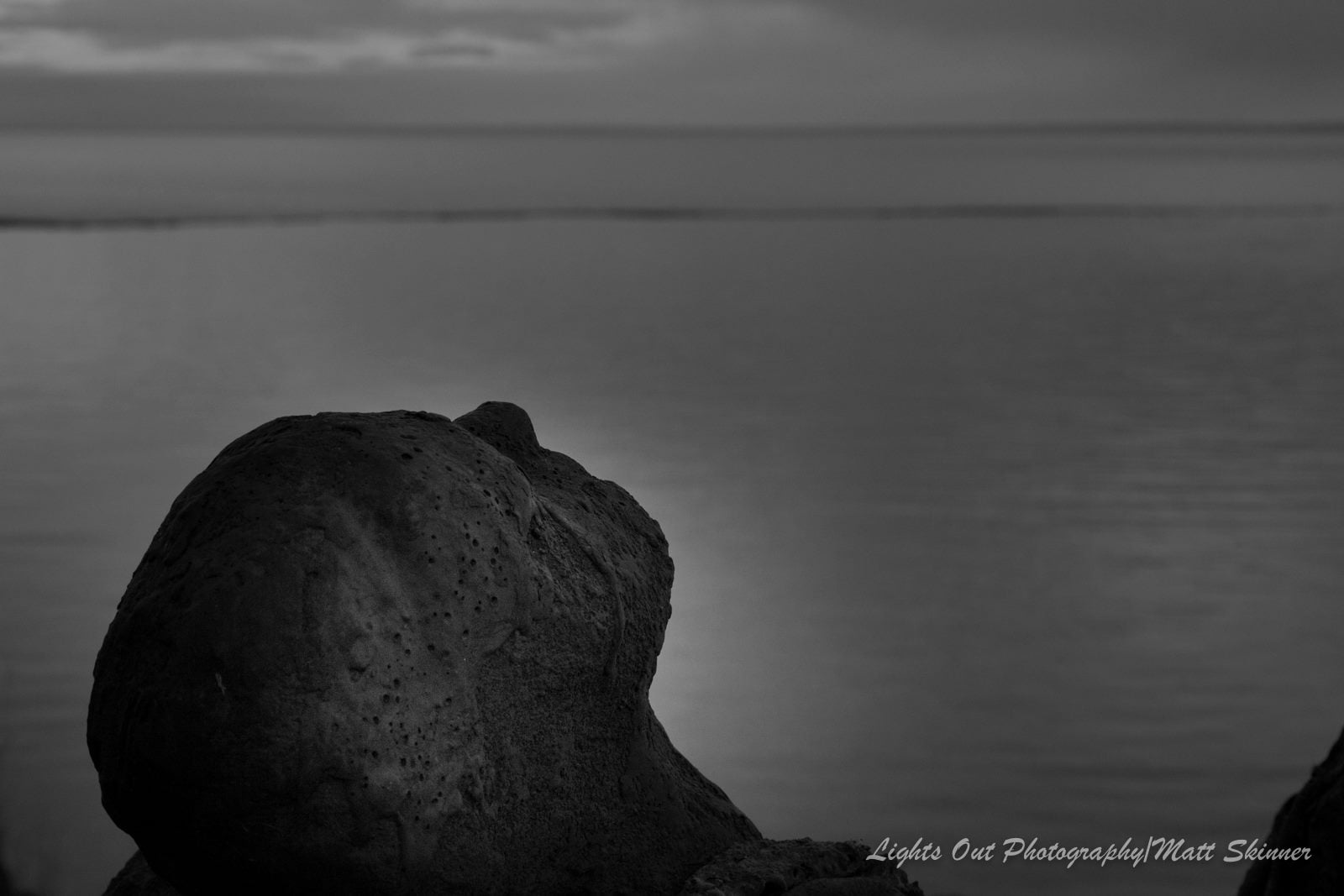
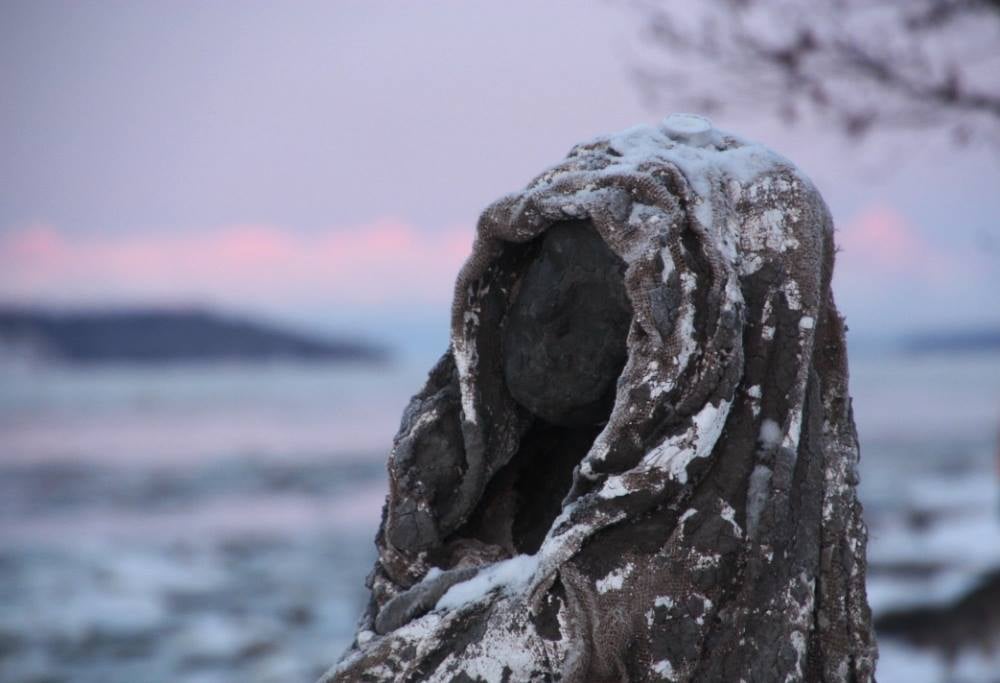
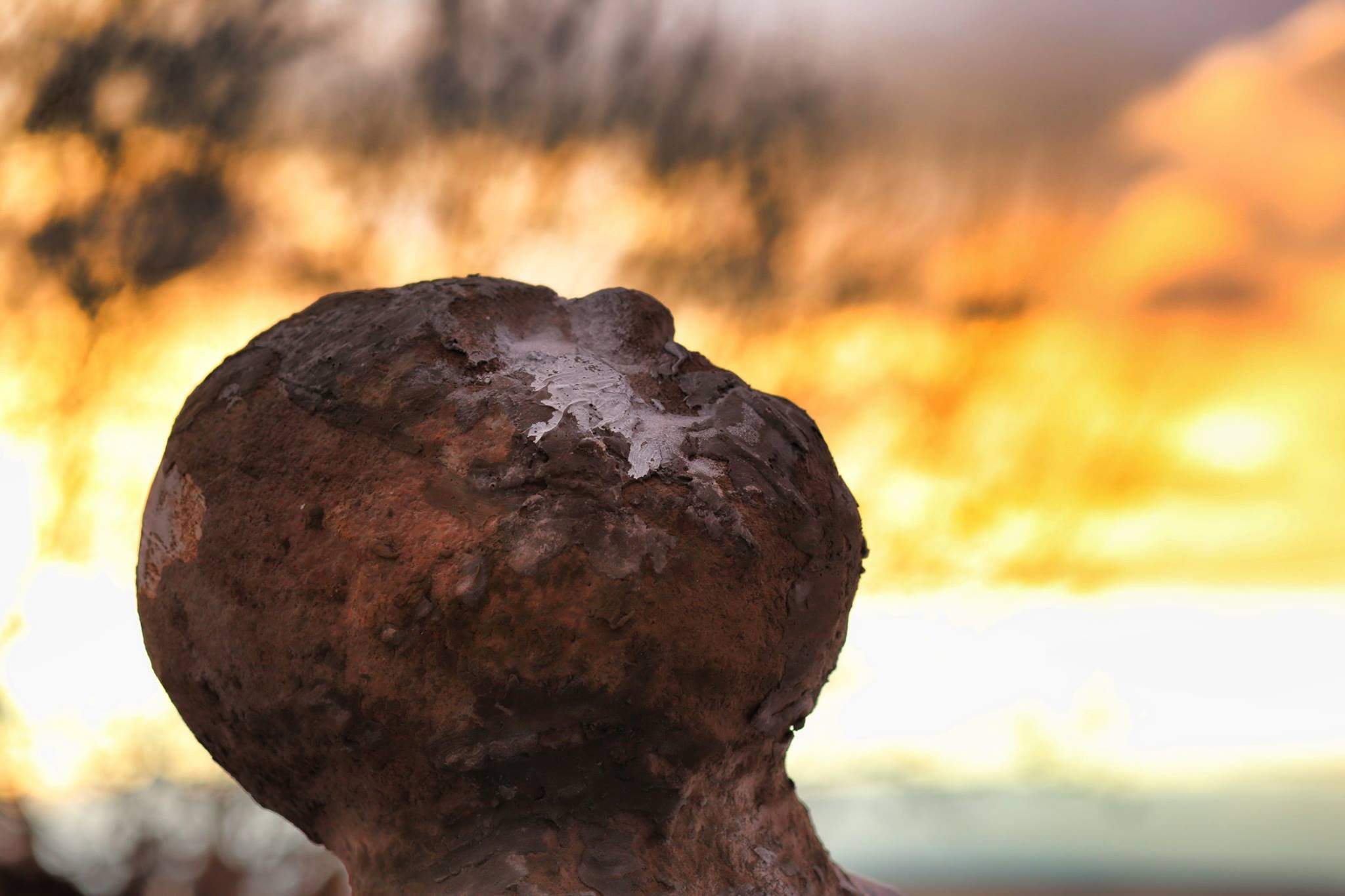
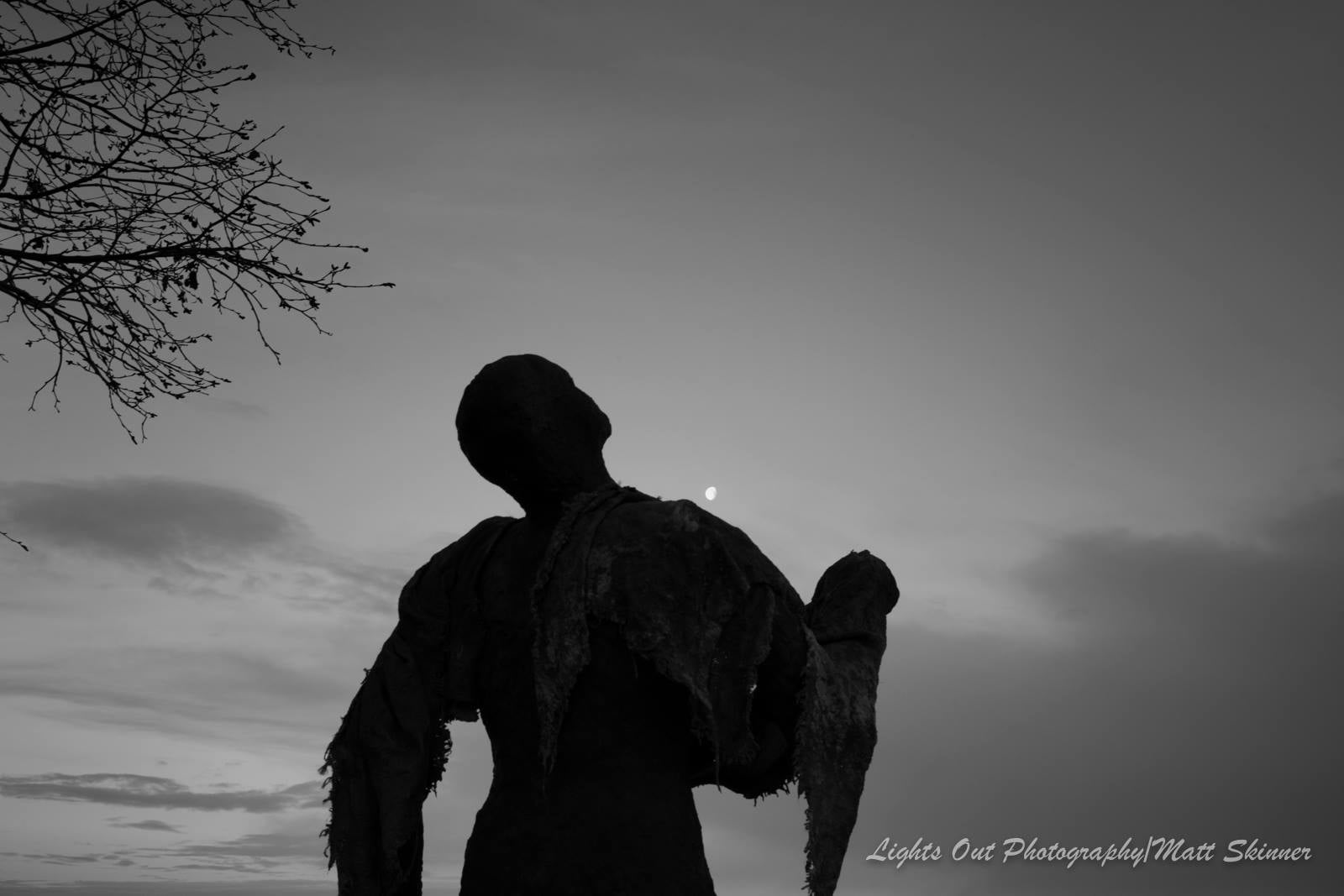
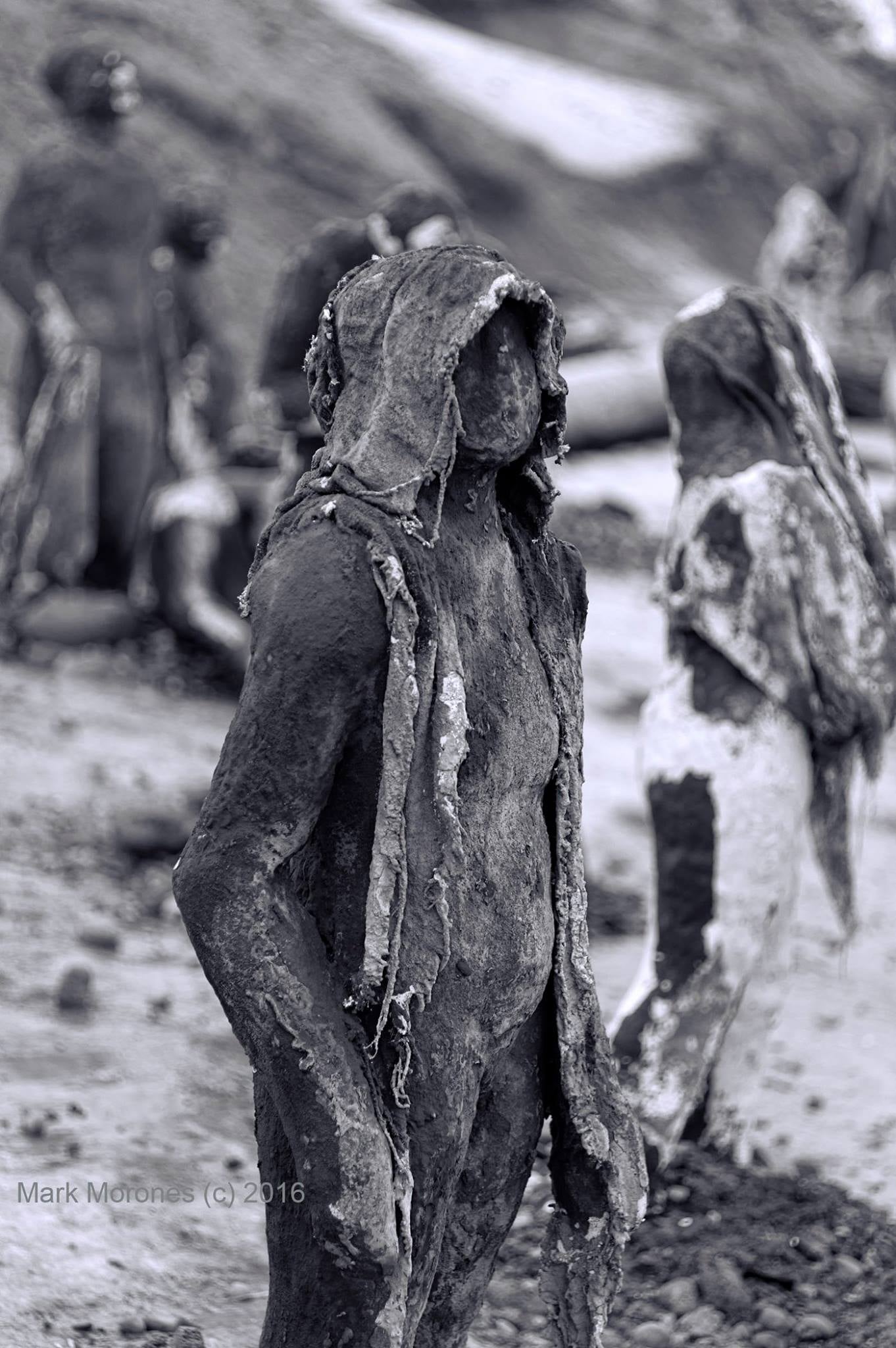
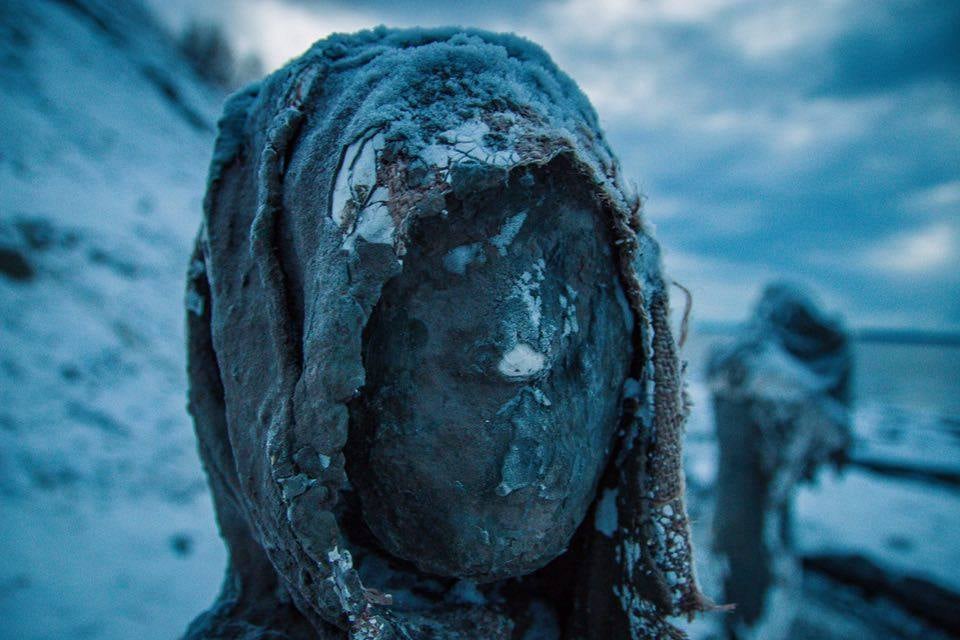
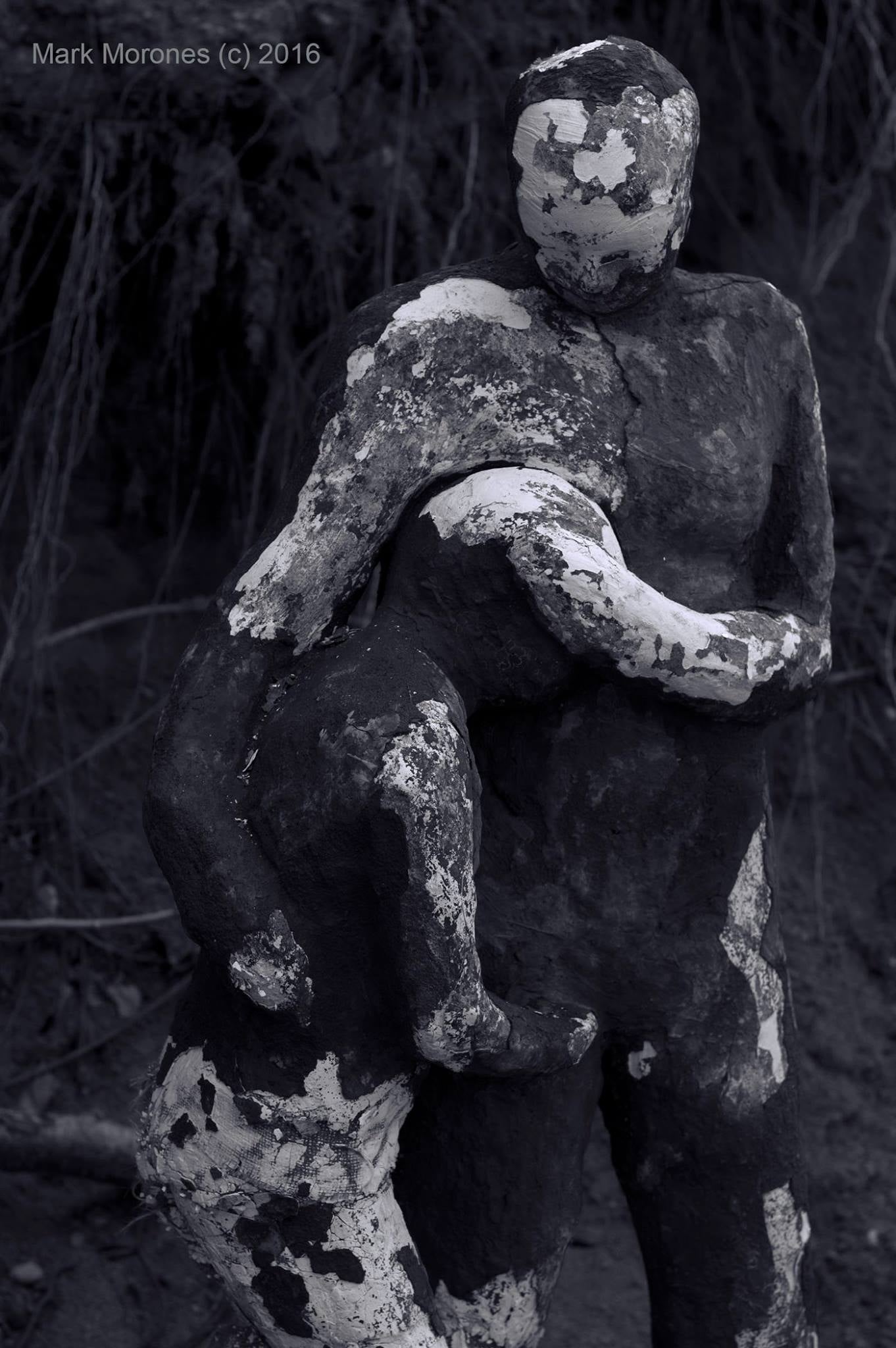
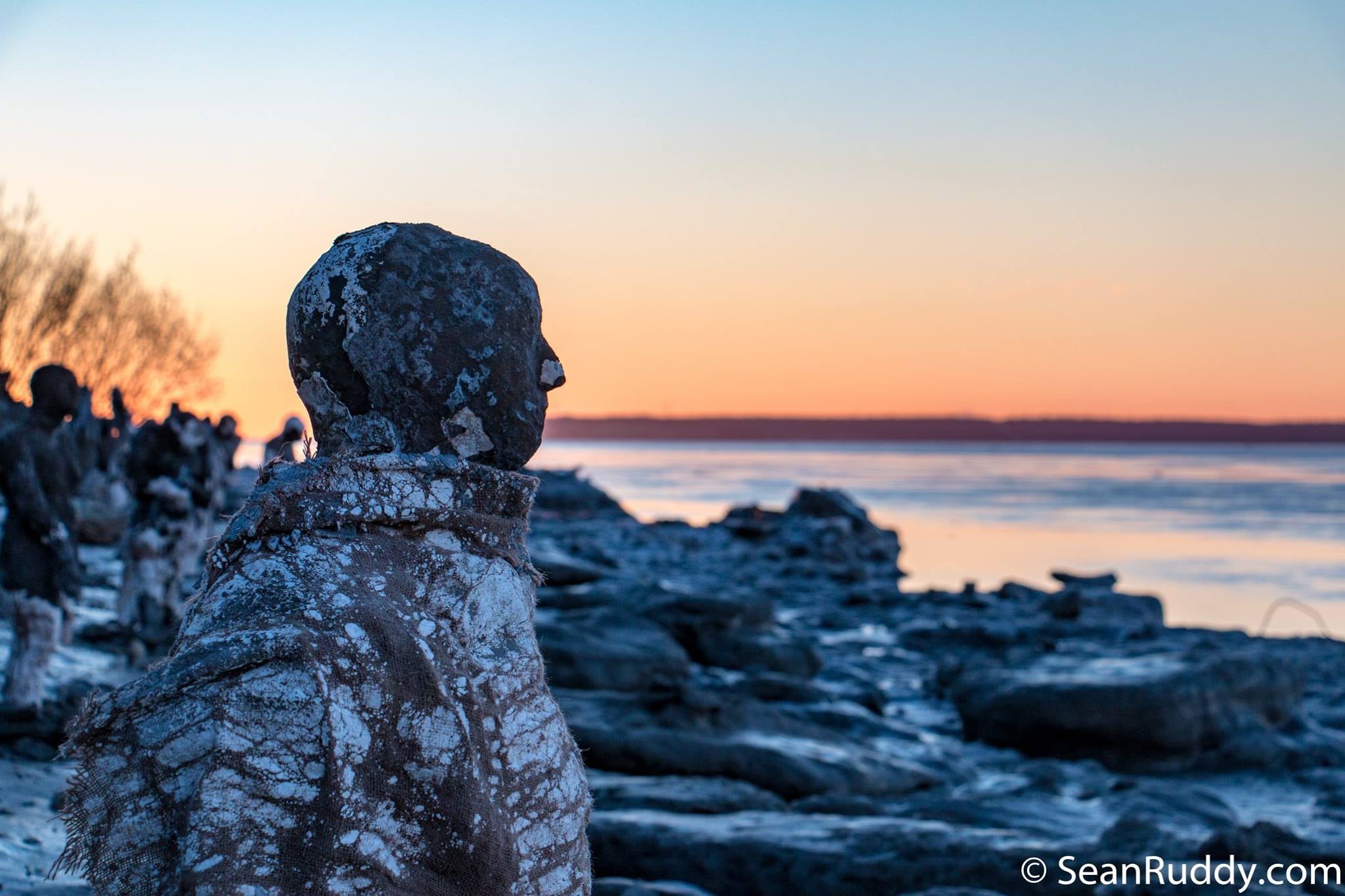
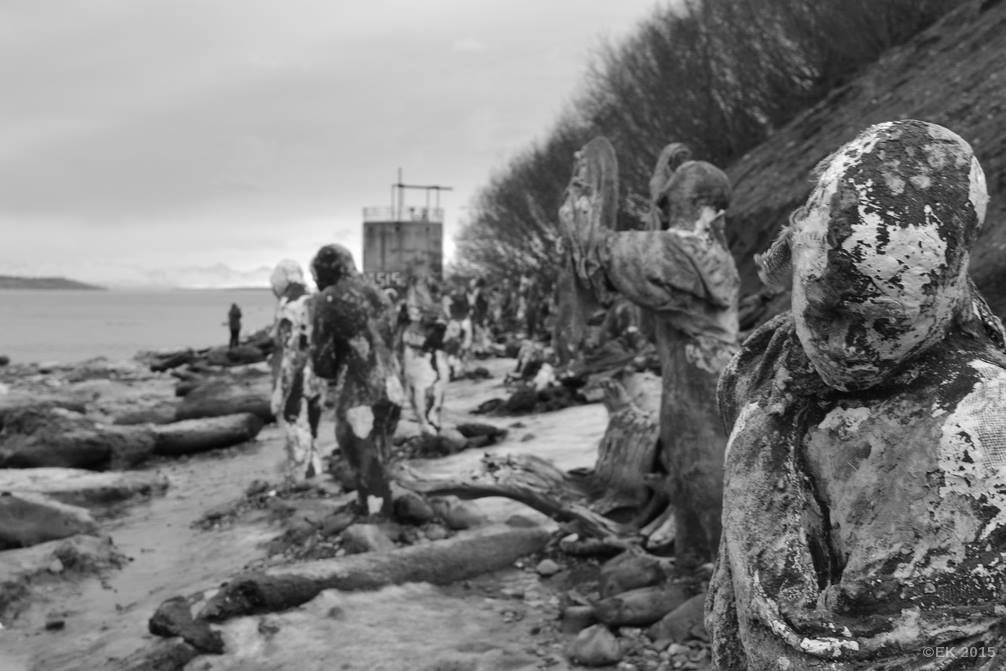
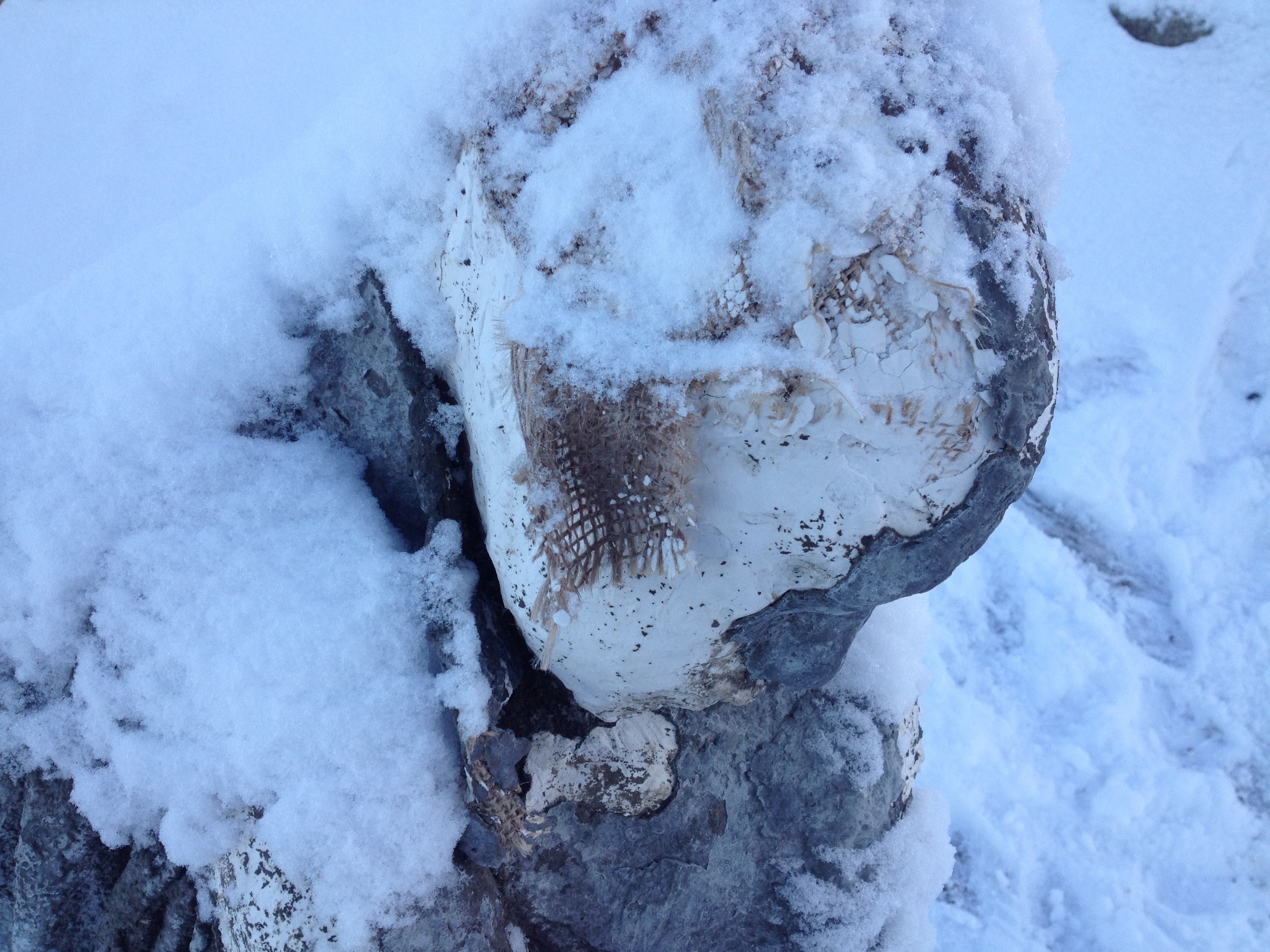
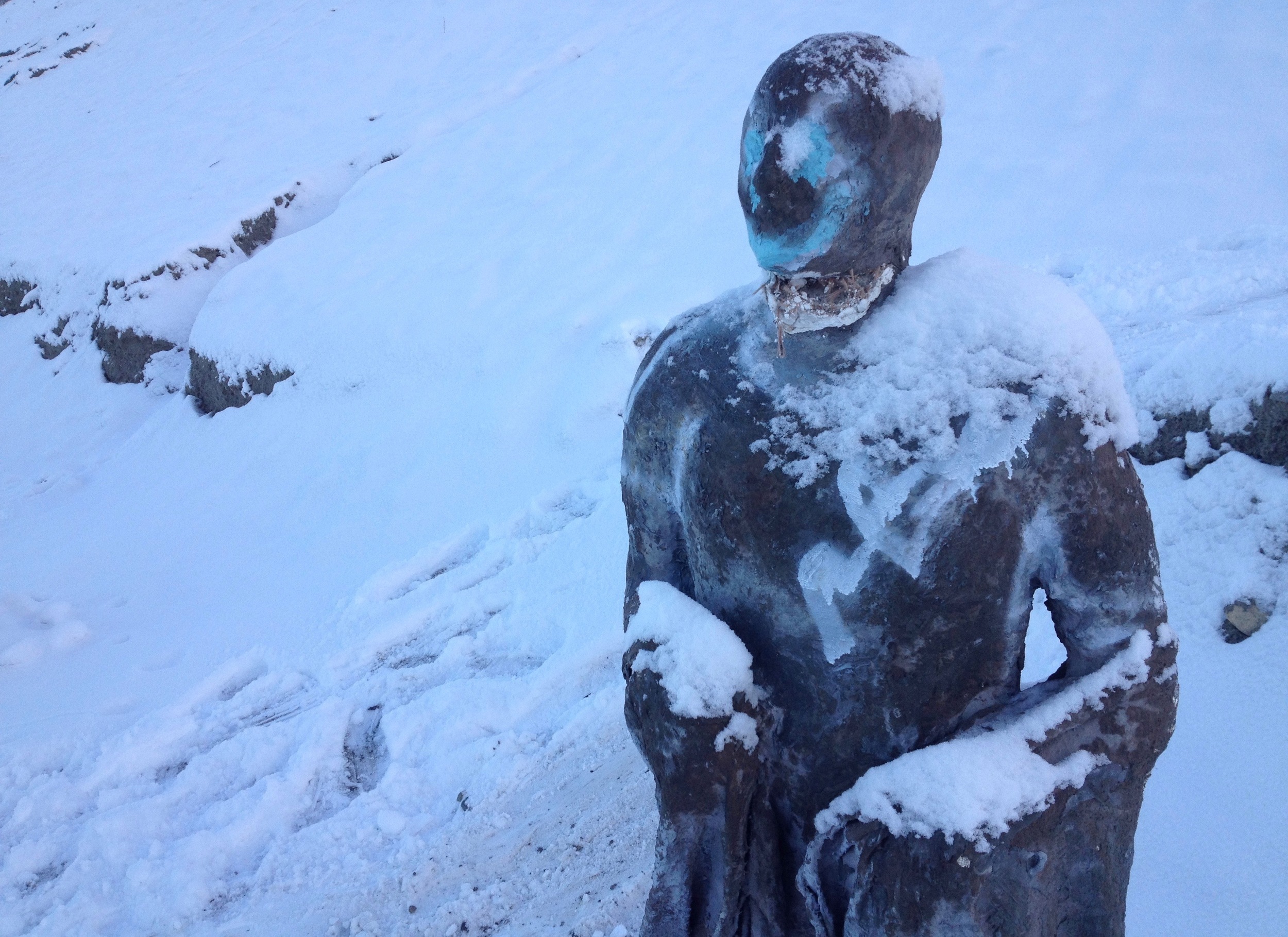
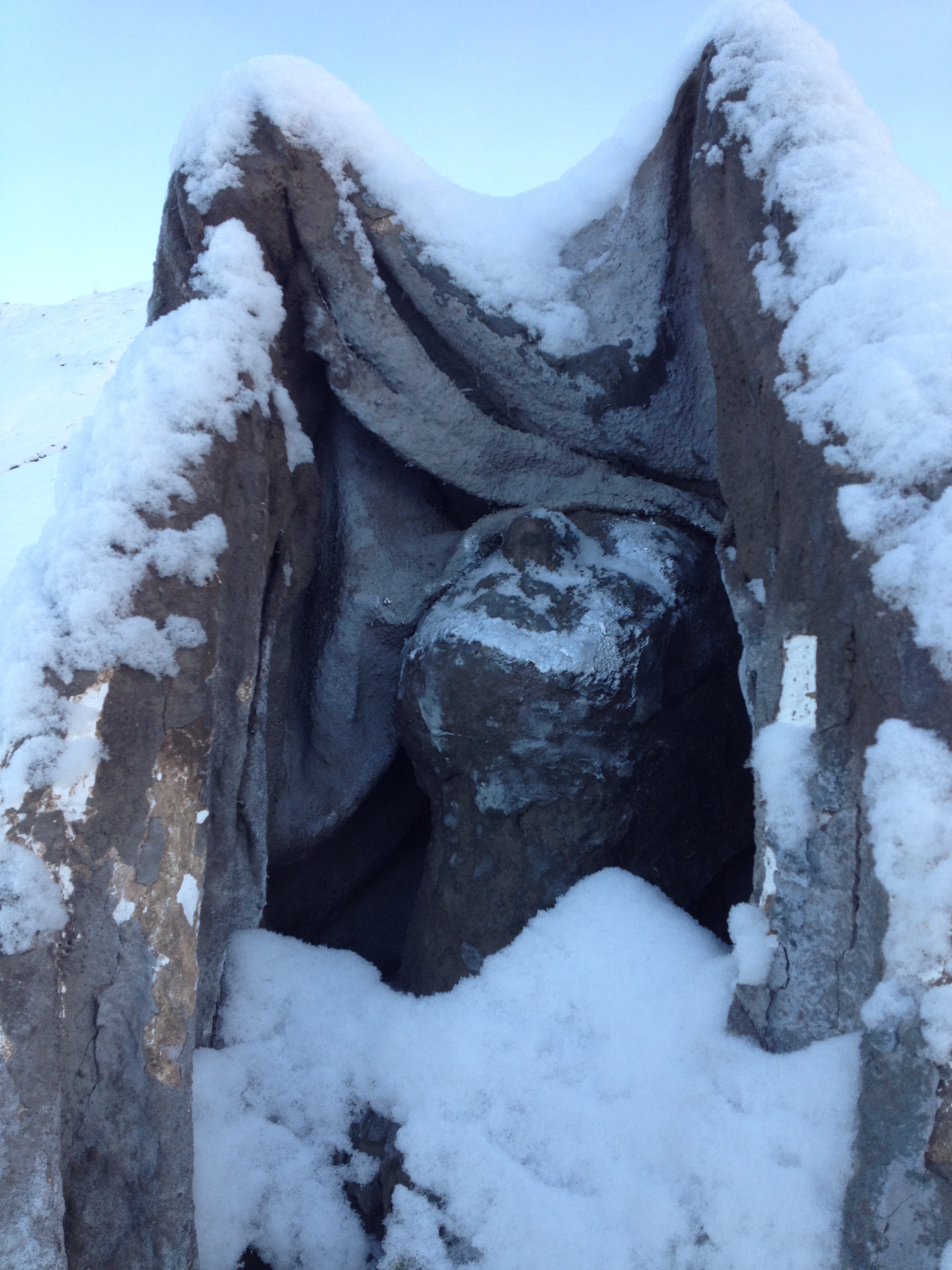
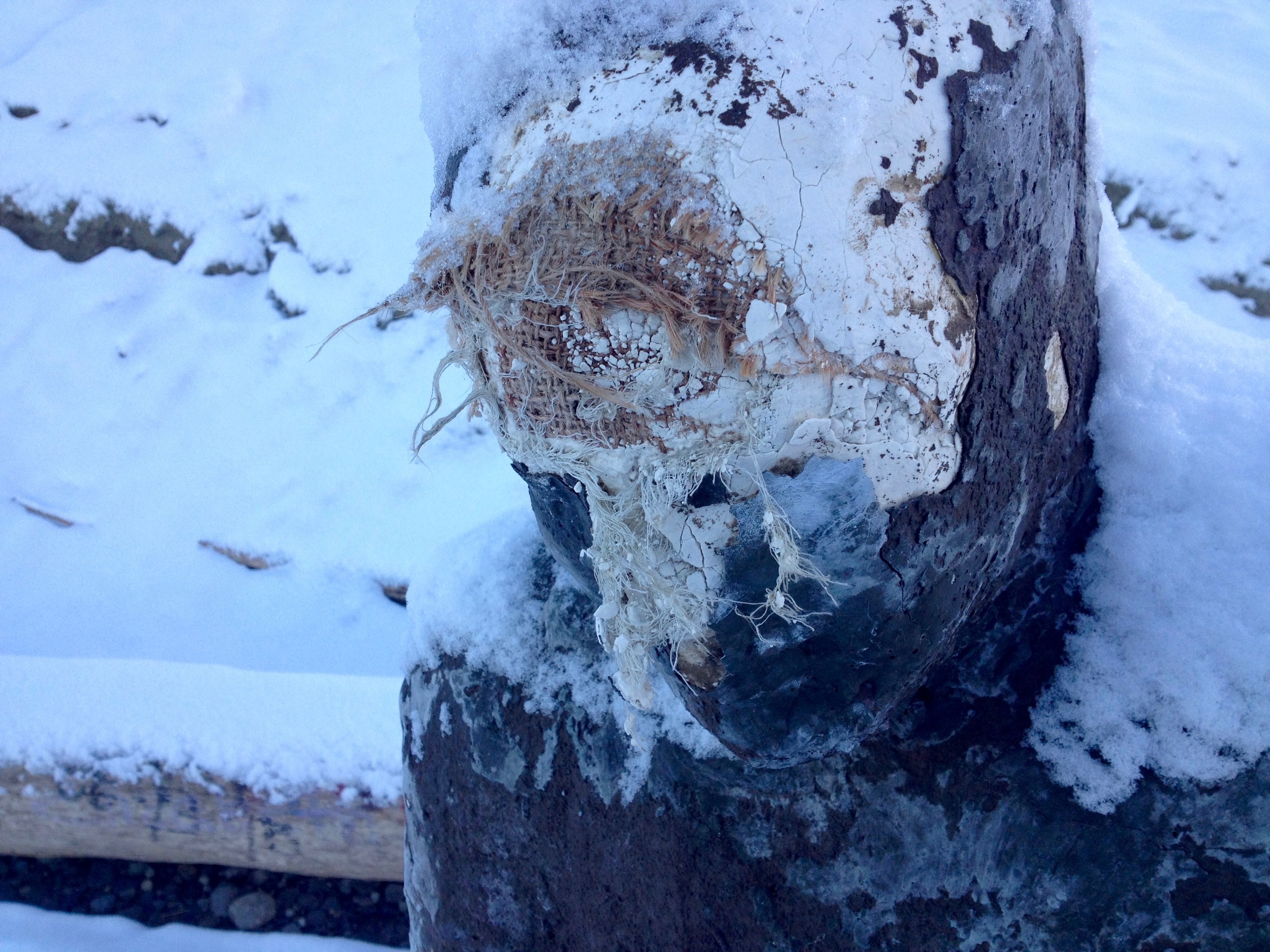
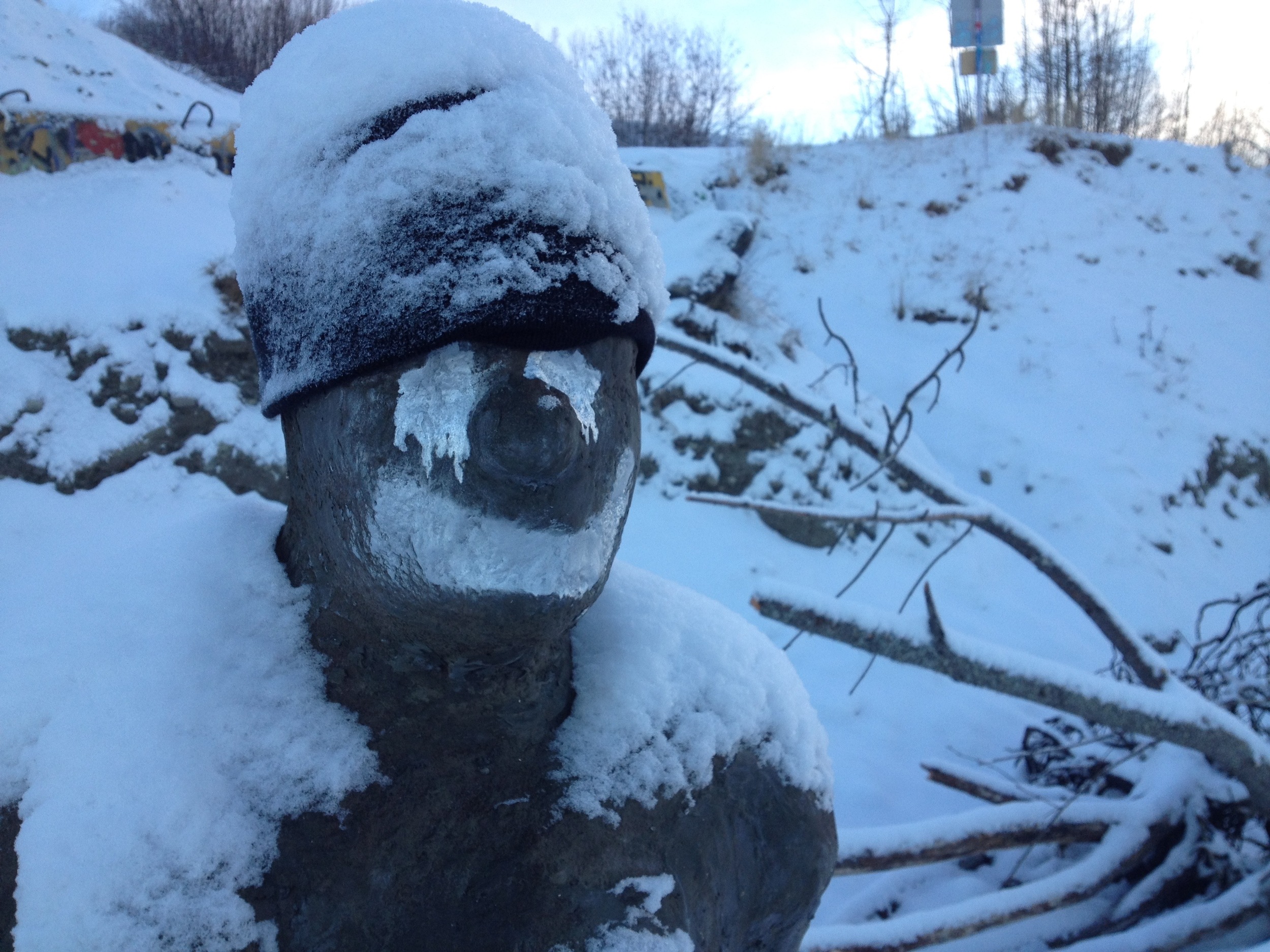
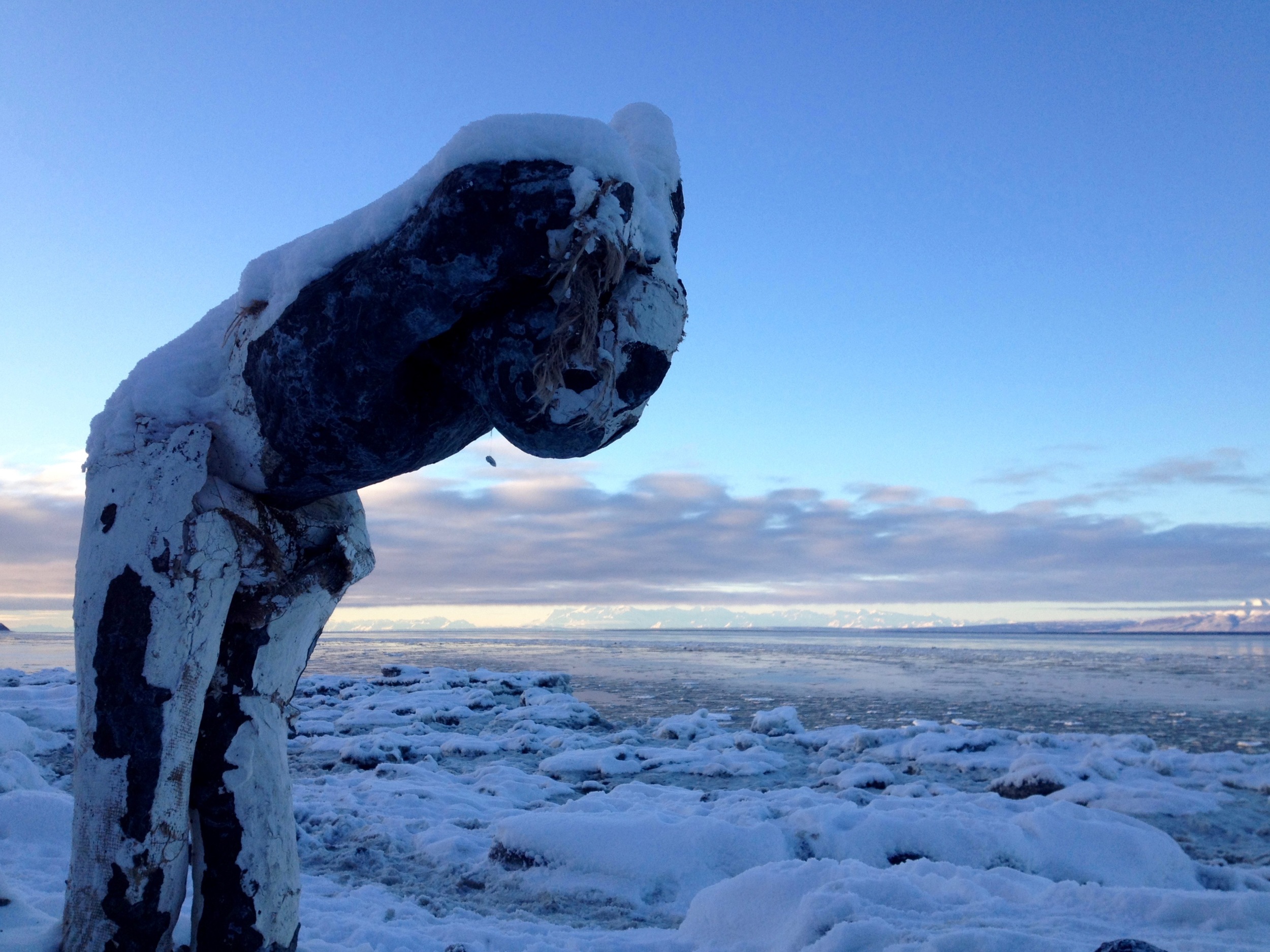
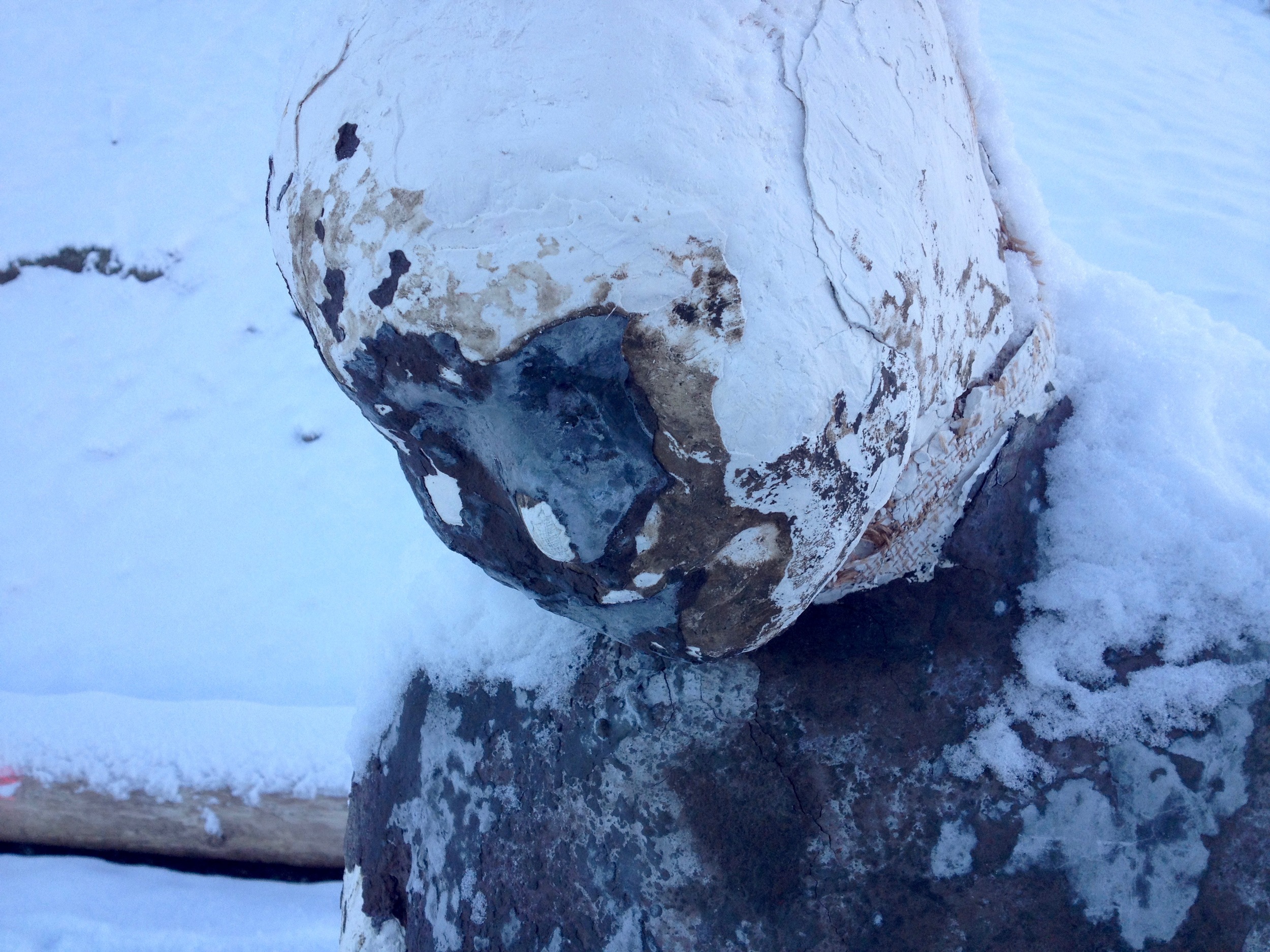
The beach became an icy platform for a body of Living Art composed entirely of Resilience. And the tides of Cook Inlet continued their steady, transformative work.

PHASE V
AN OCEAN OF ALLIES
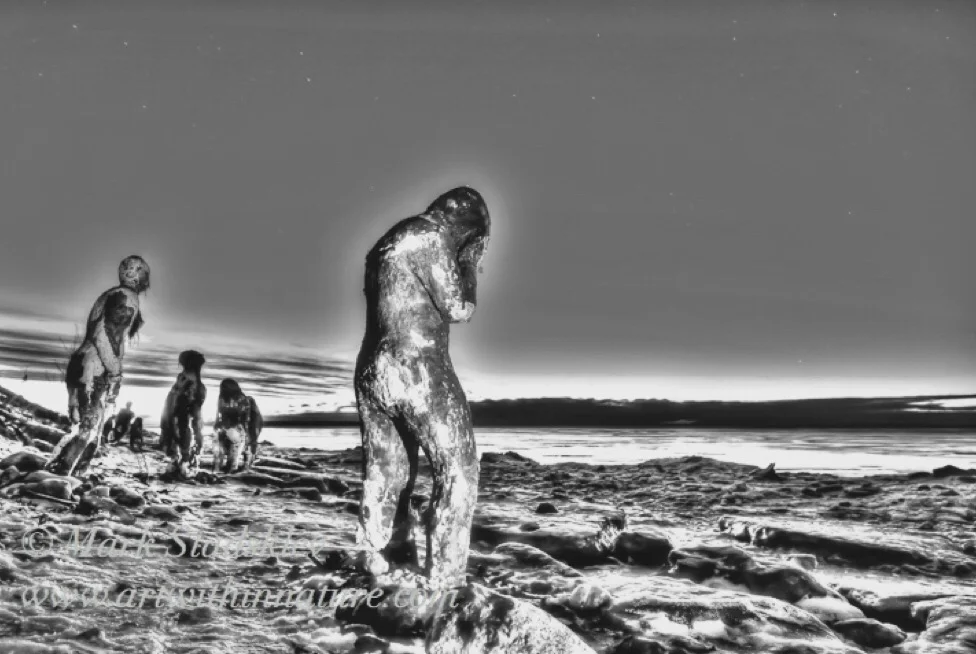
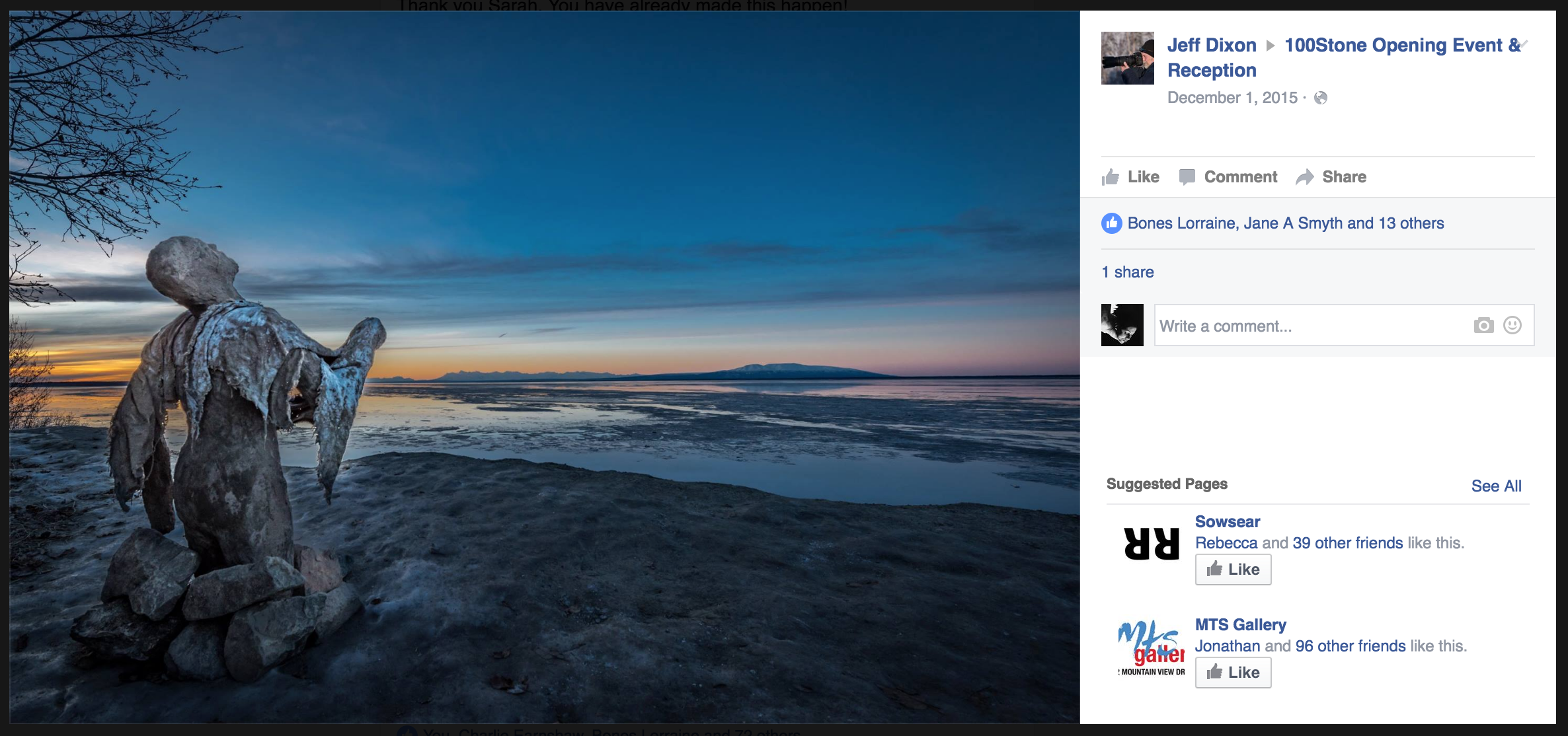
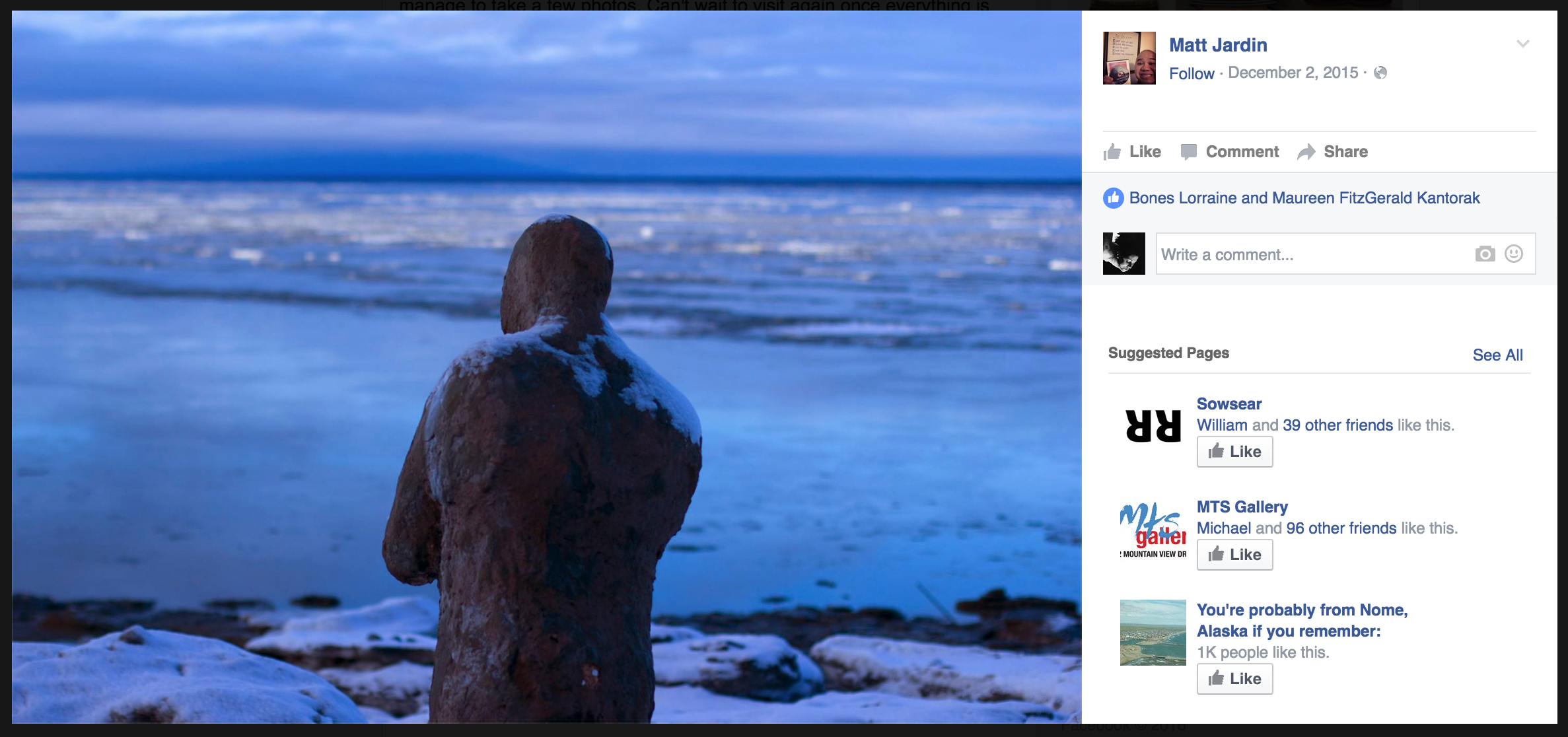
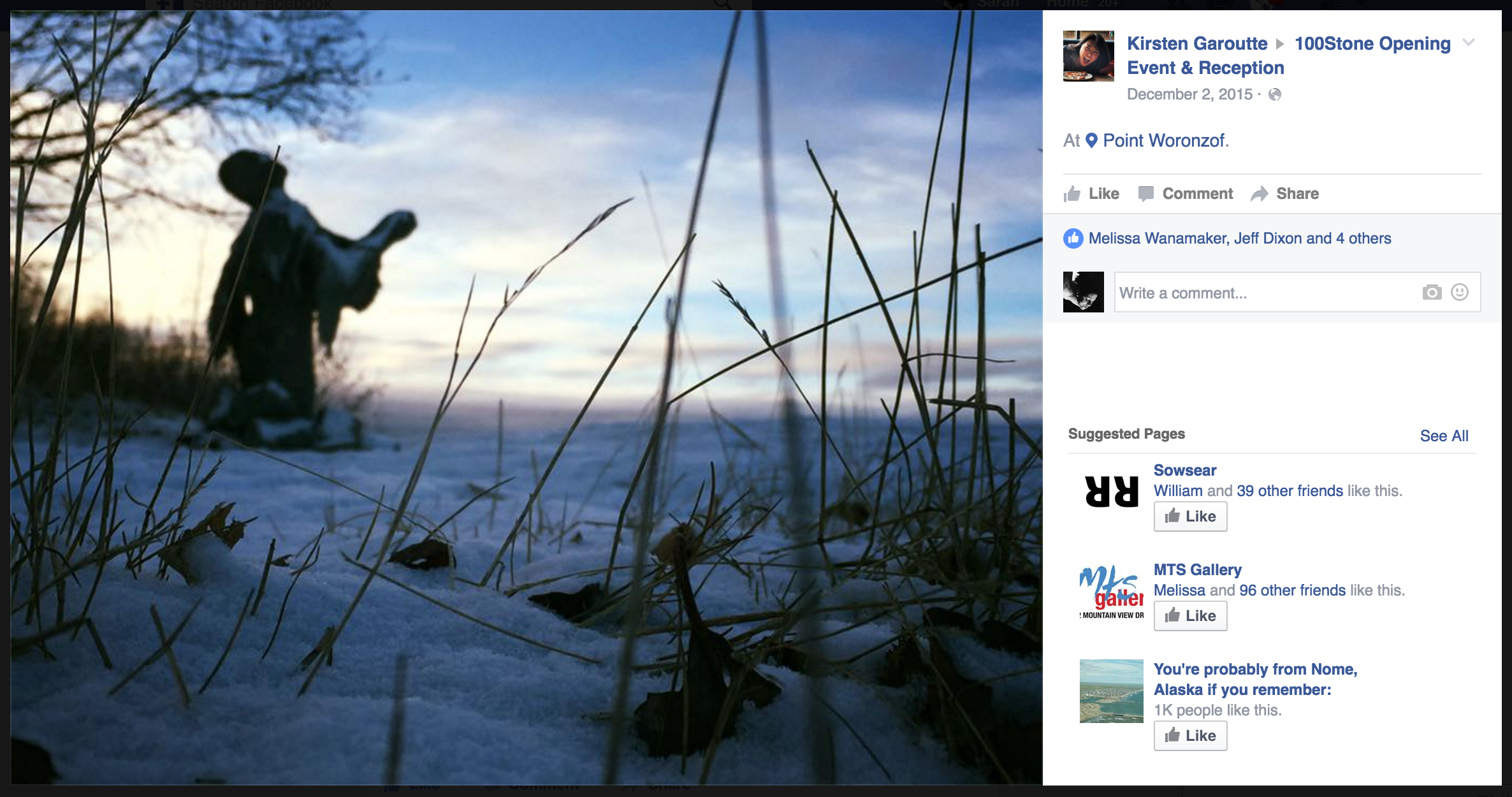
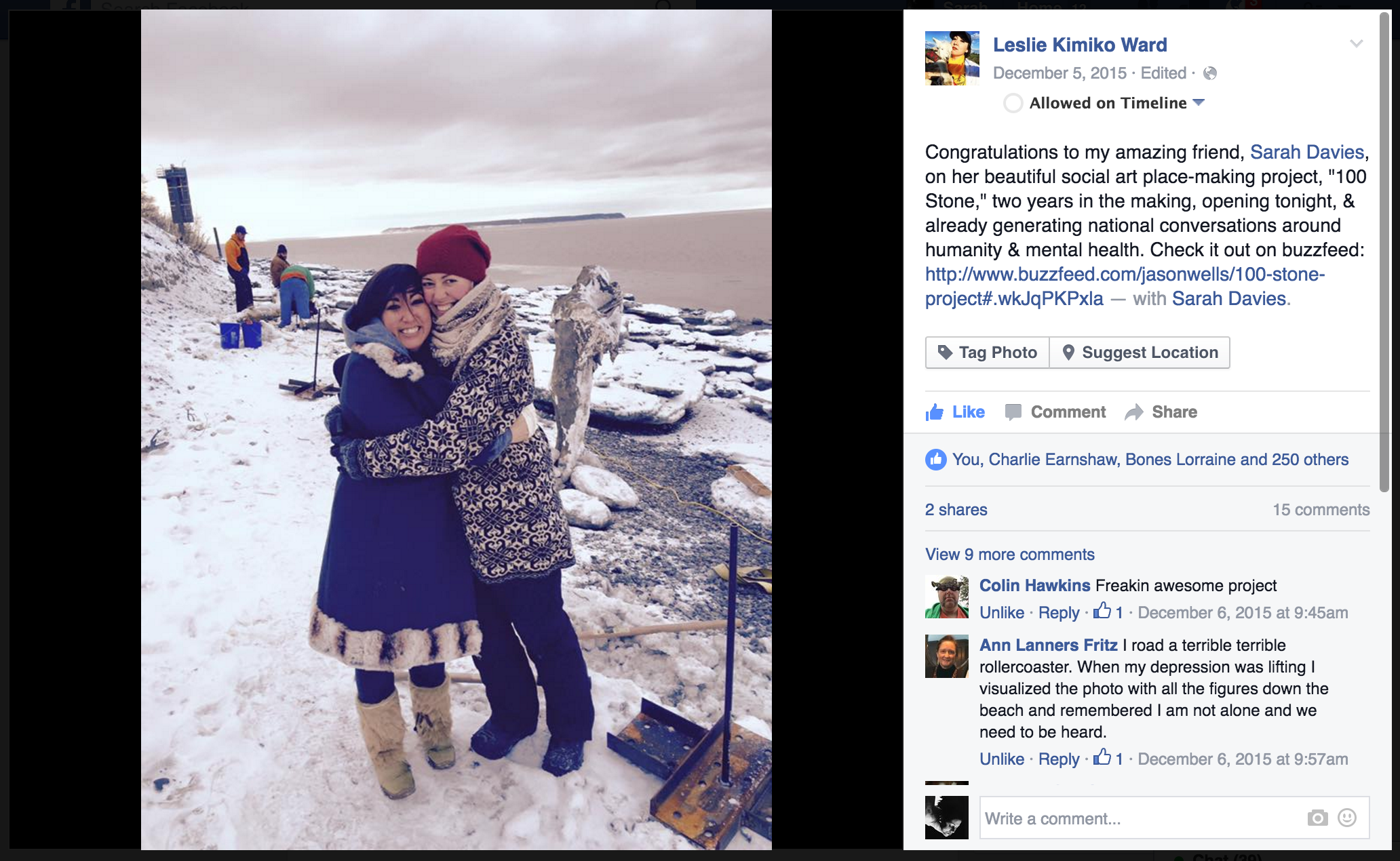
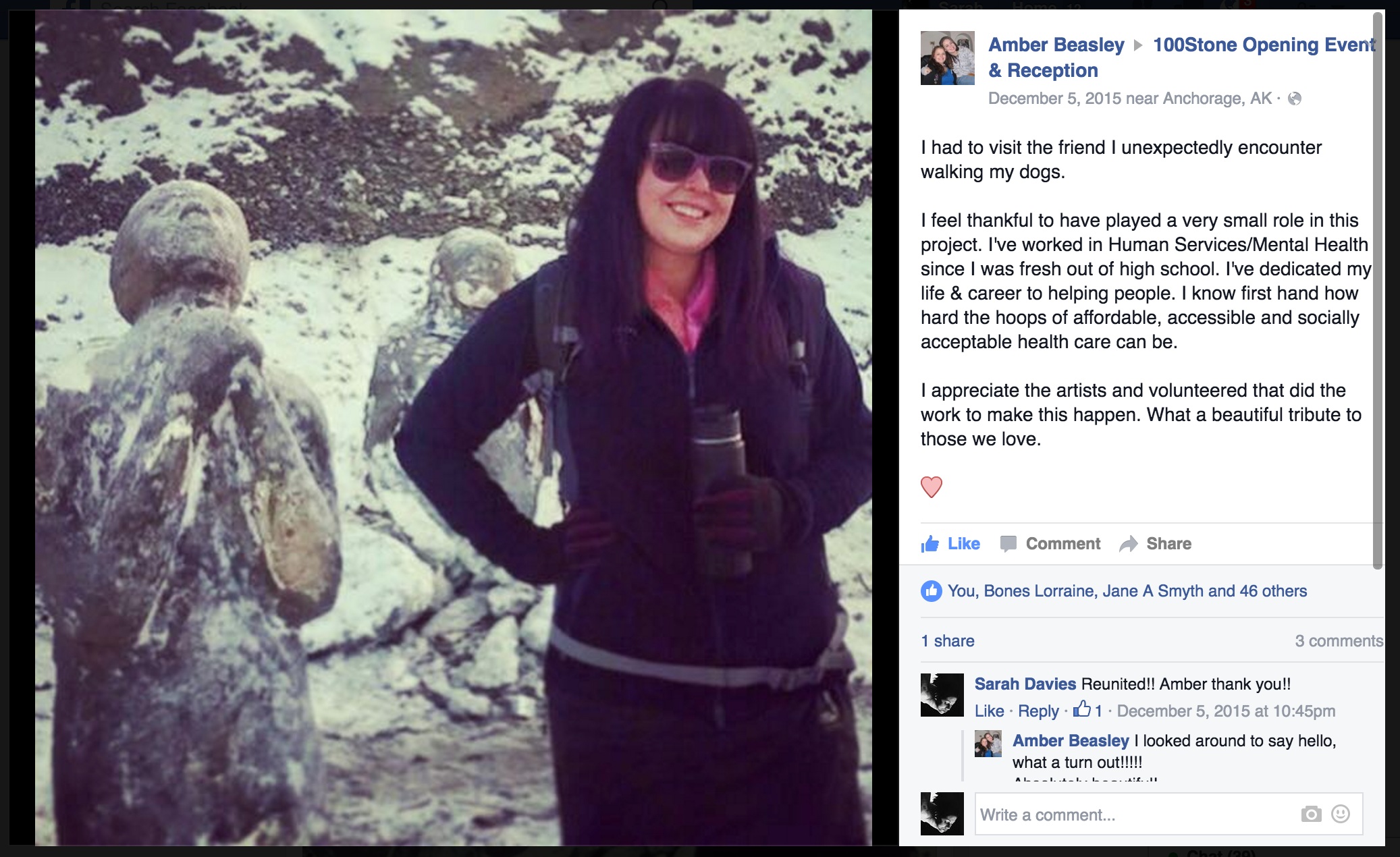
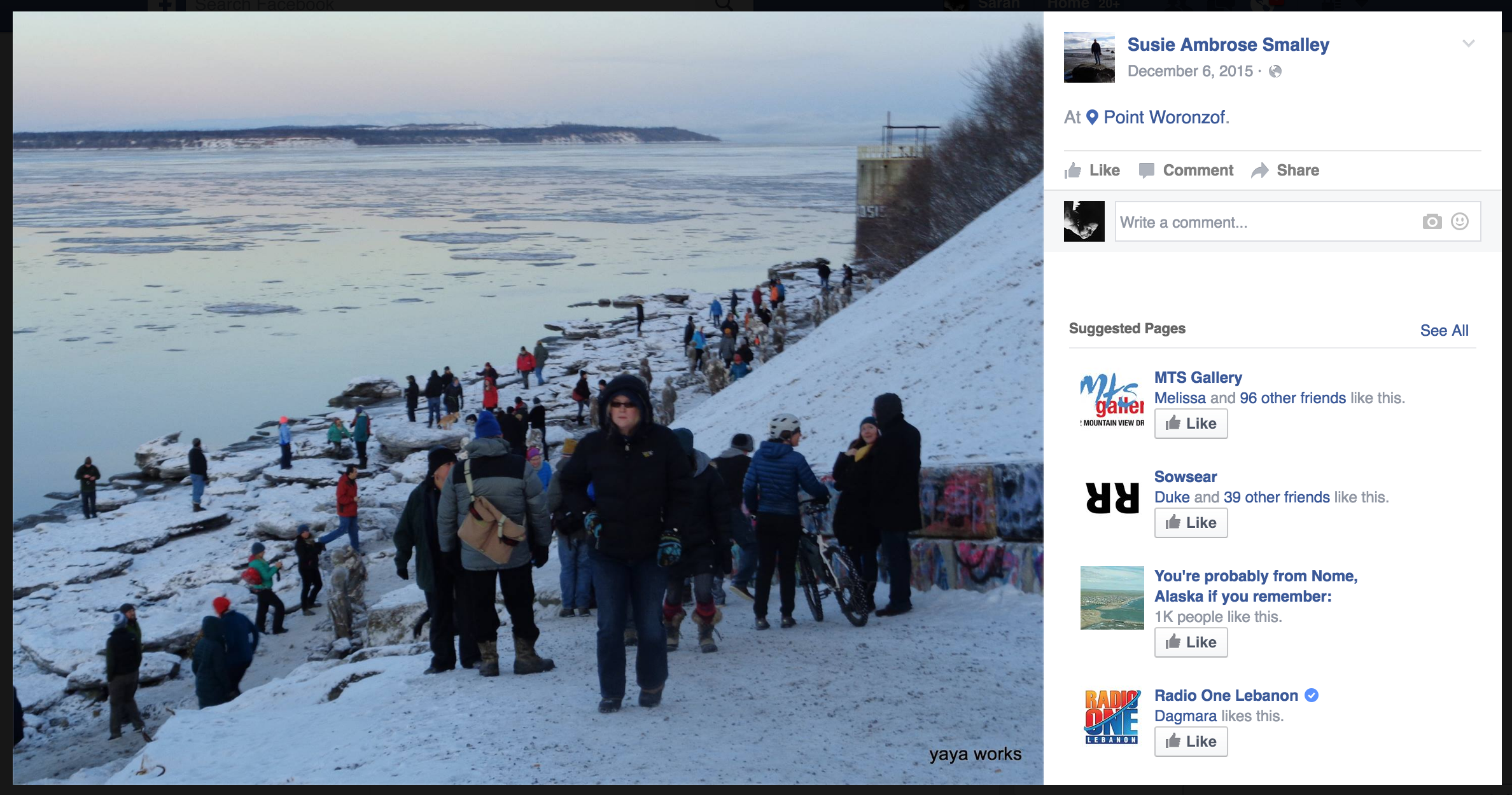
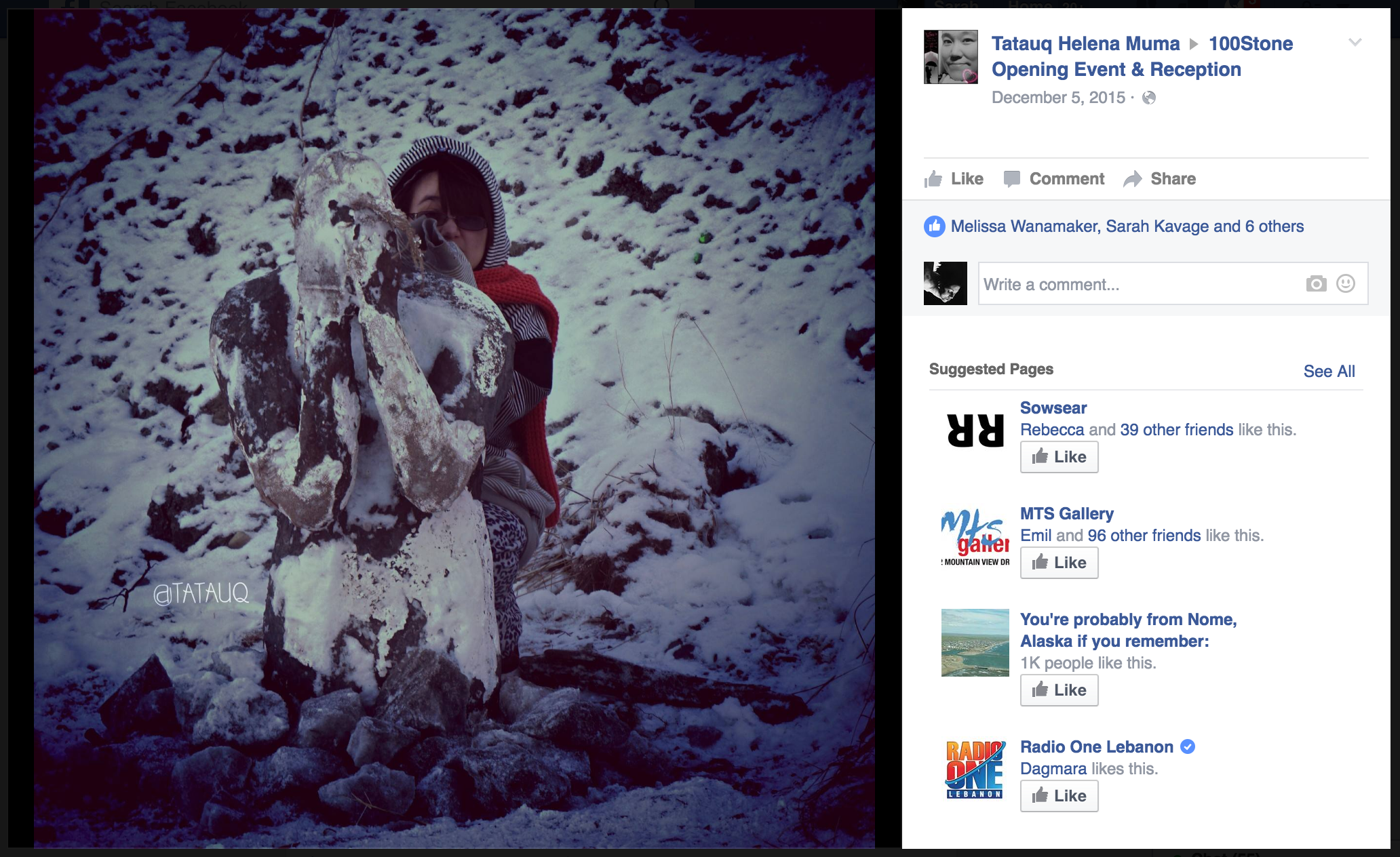
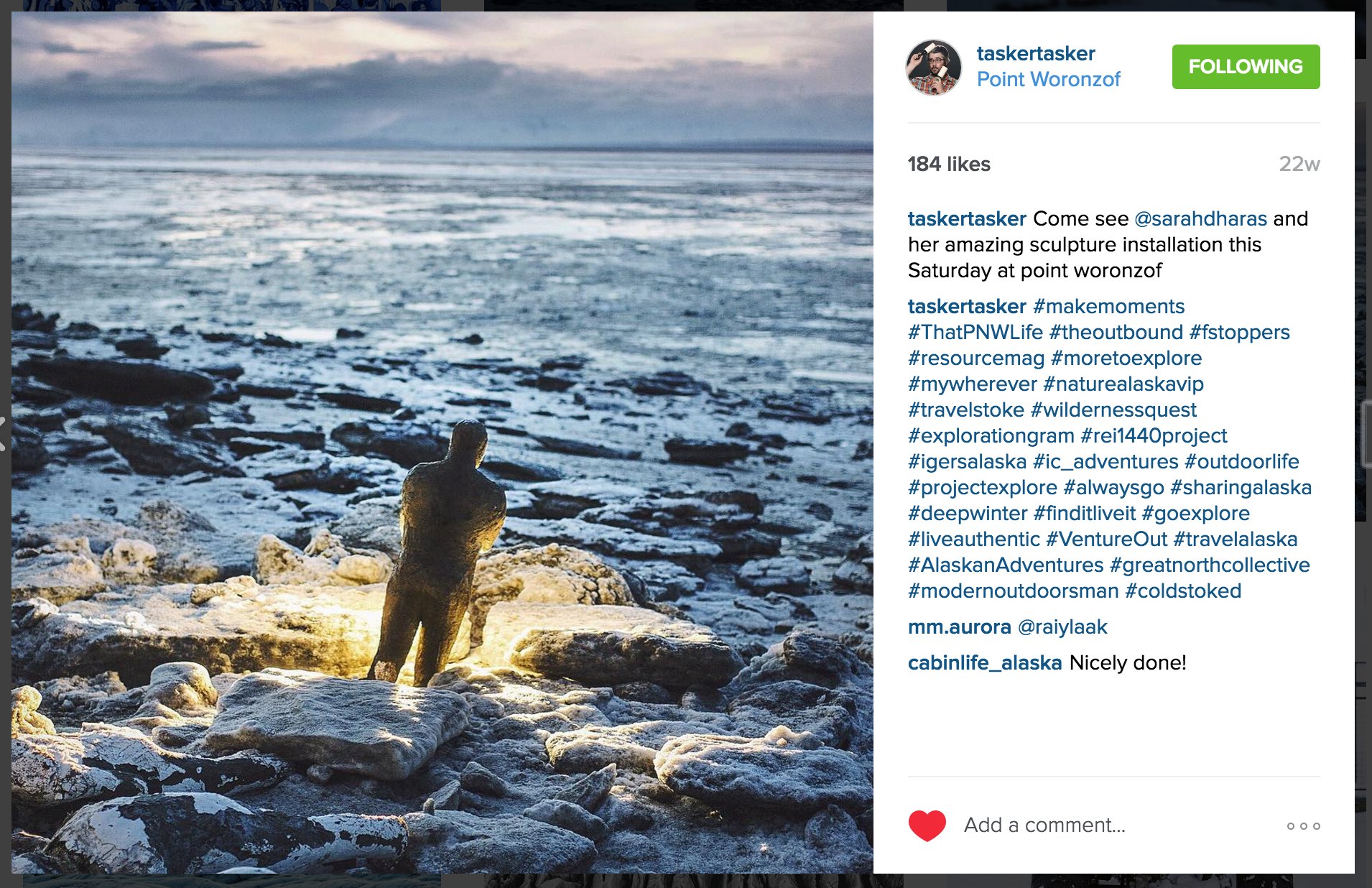
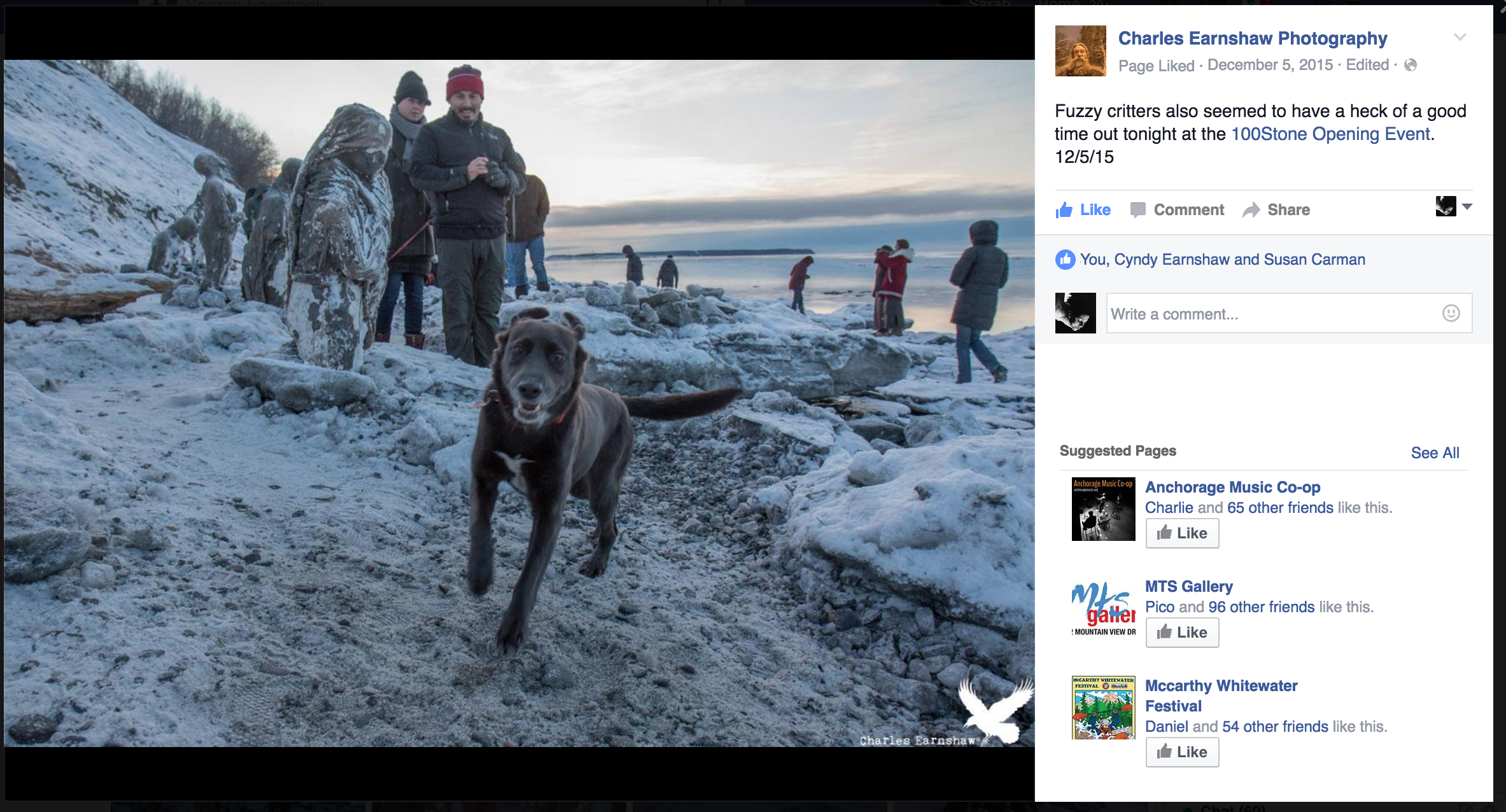
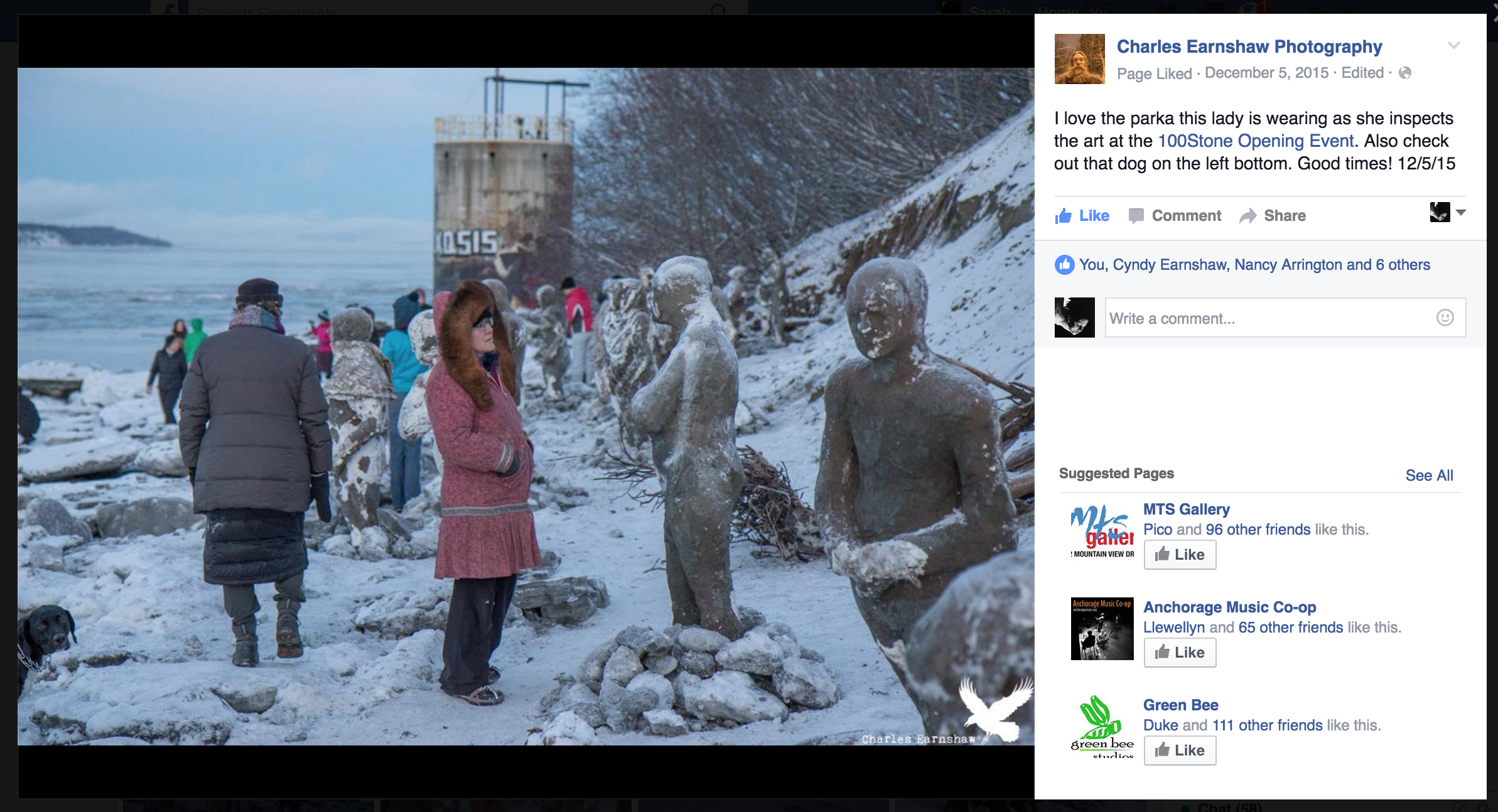
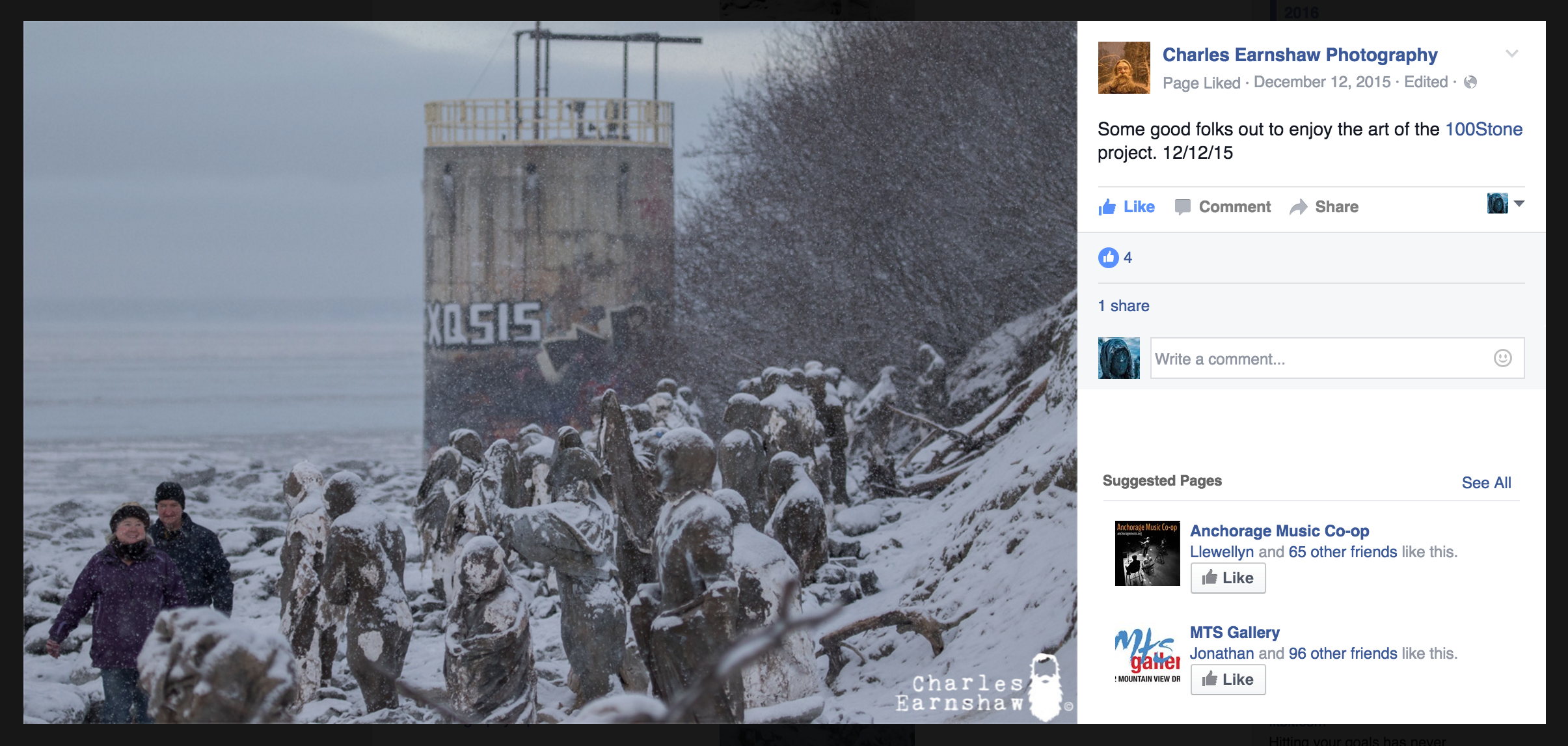
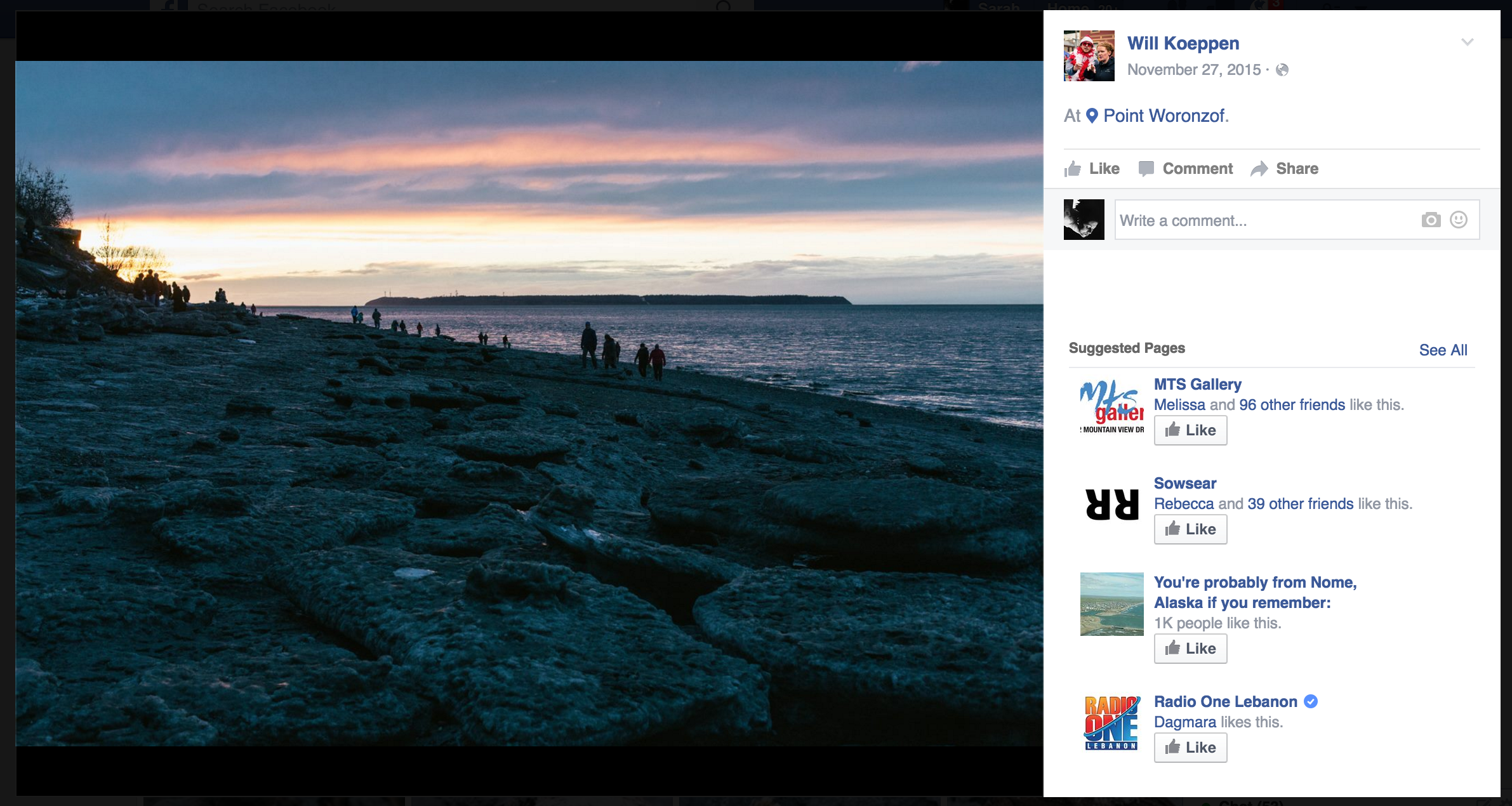
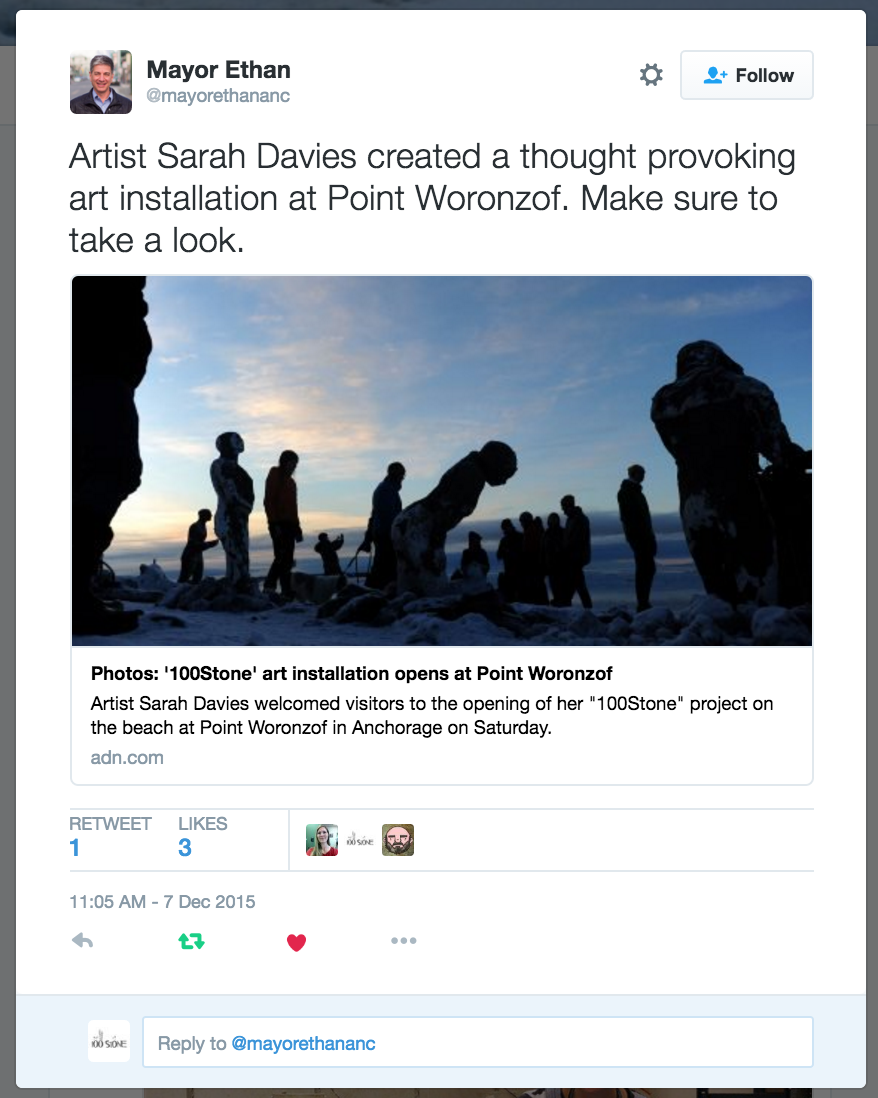
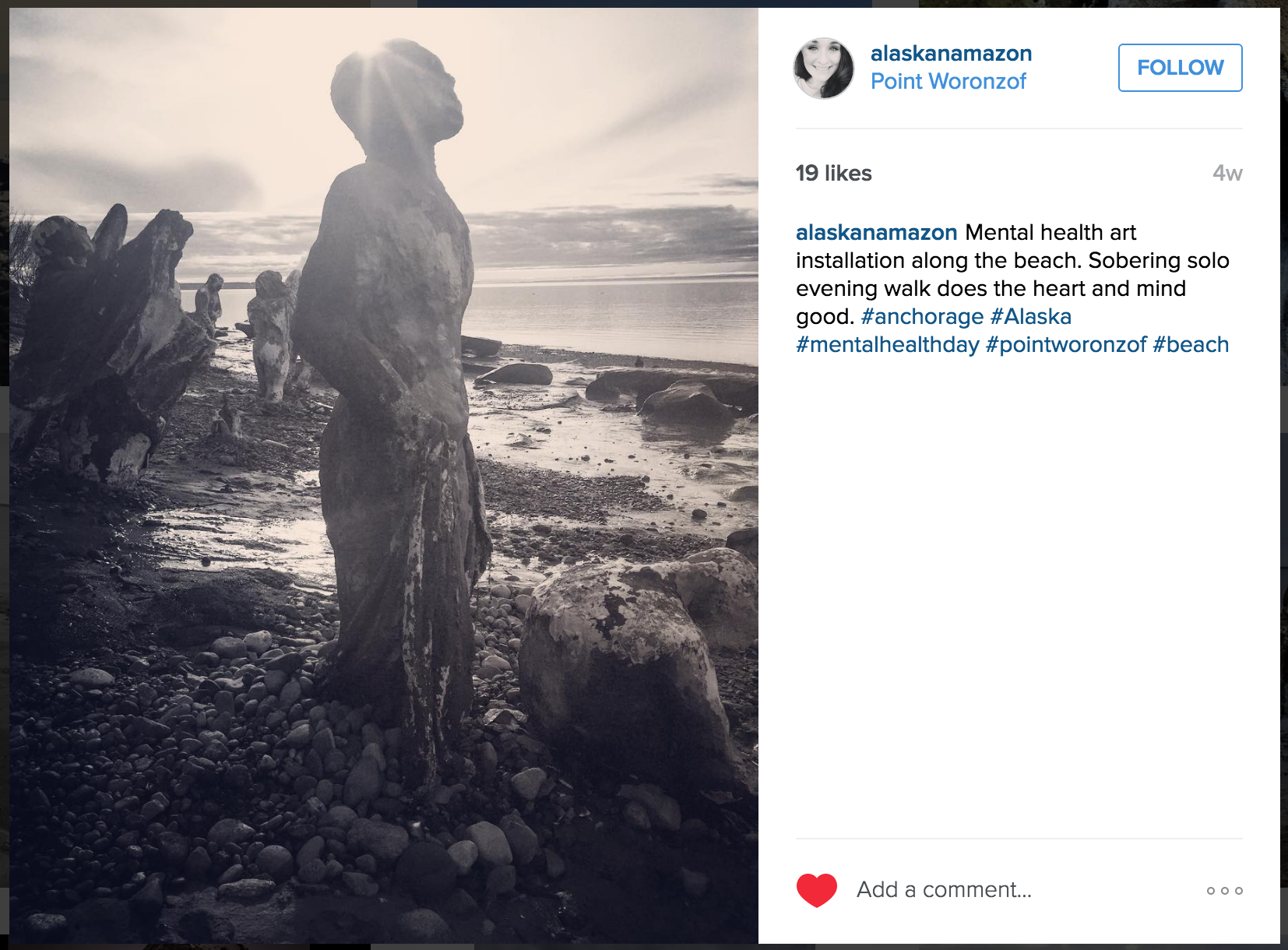
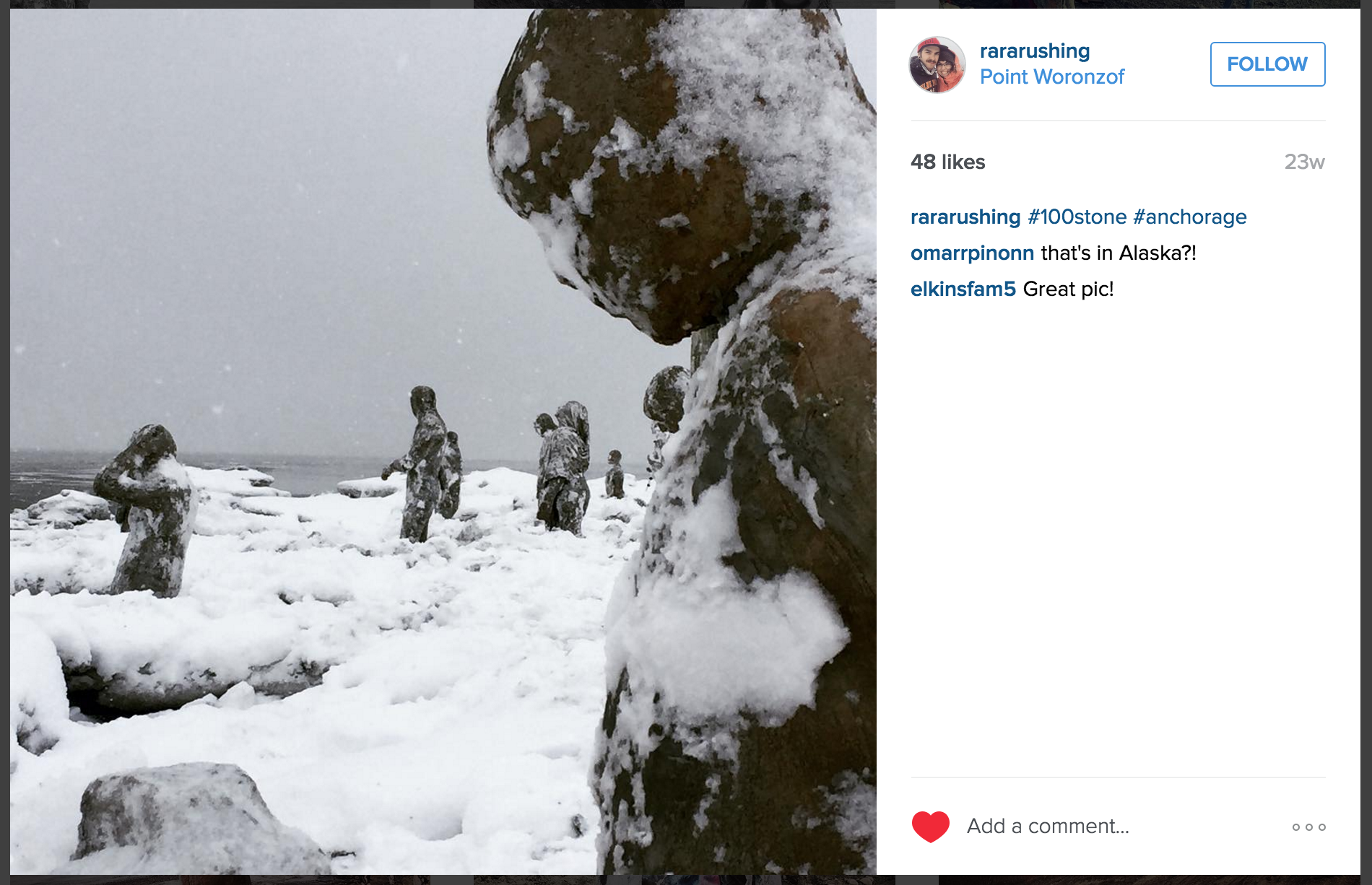
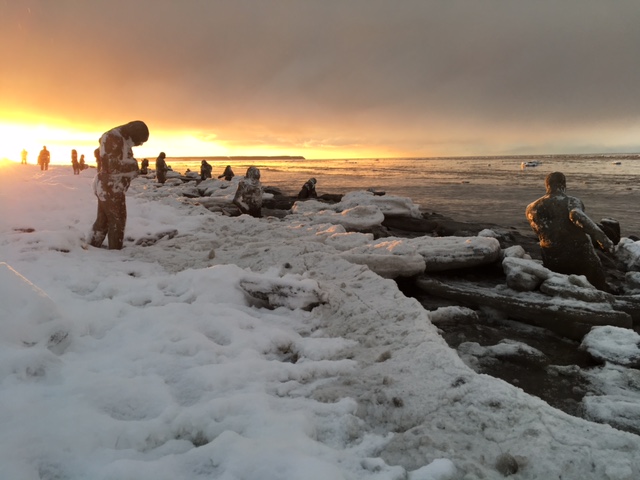
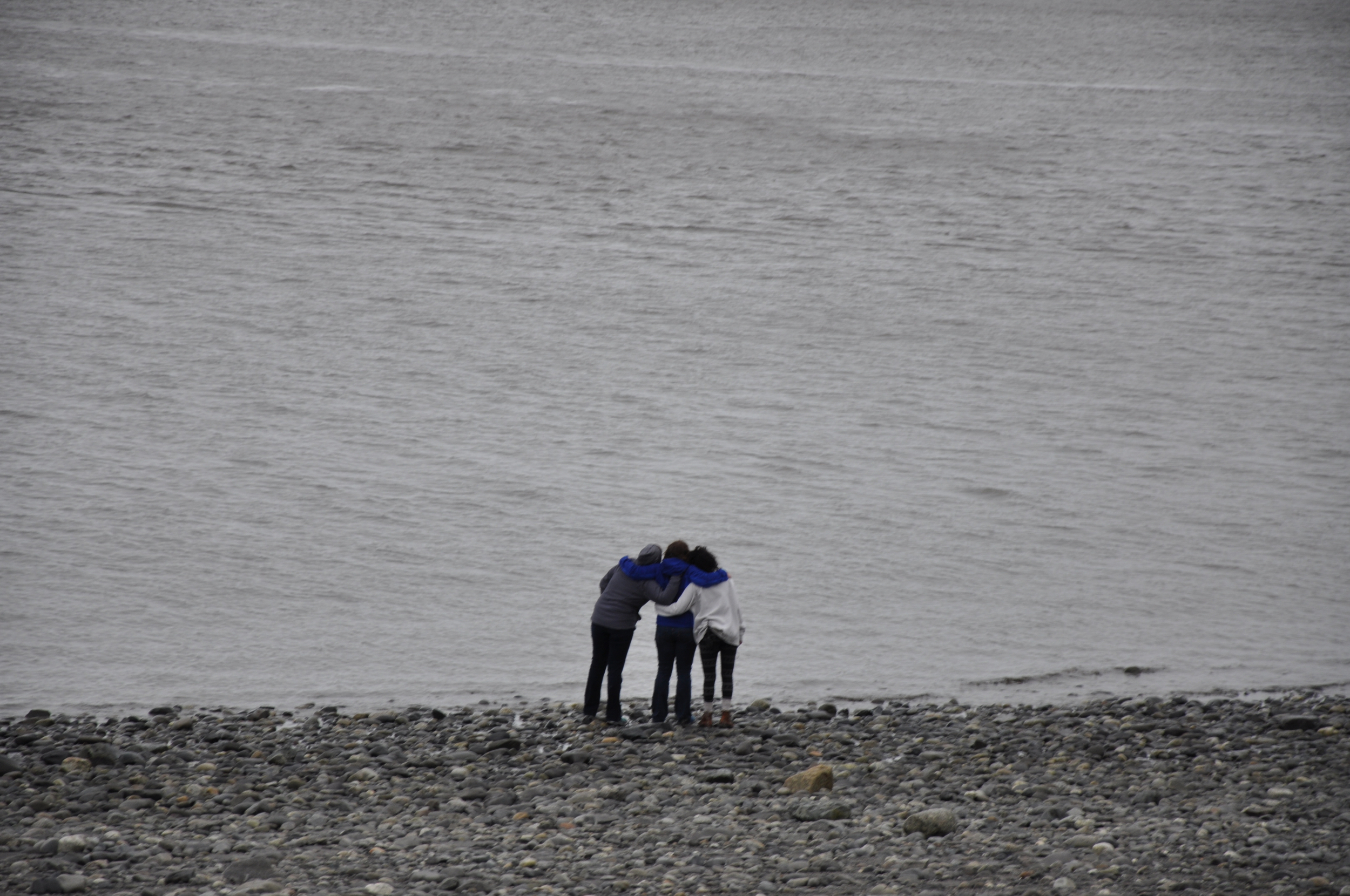
On December 5th, and on each day after, thousands of locals and pilgrims came to look out on the creations of our Alaskan brothers and sisters. It was evidence that we are truly surrounded by allies. They came to stand witness to this self-determined landscape of fearlessness and truth built by the hands of hundreds of our brothers and sisters. They recognized the terrific power and beauty of 100Stone as something that emerged from within each of us—the marginalized and the allies. It was there in those moments that we all truly felt what this project was about—an authentic transformation of how we see ourselves and each other, a divine moment of liberation, ascension, from the stigma that is associated with the often-crippling marathon that is mental health management. The installation was born into the Alaskan community as the first public artwork of such scope and scale to address one of the most critical public health crises in our Northern home: Suicide.
See also Bob Halinen's photo story of the opening event in Alaska Dispatch News, 12/06/15.
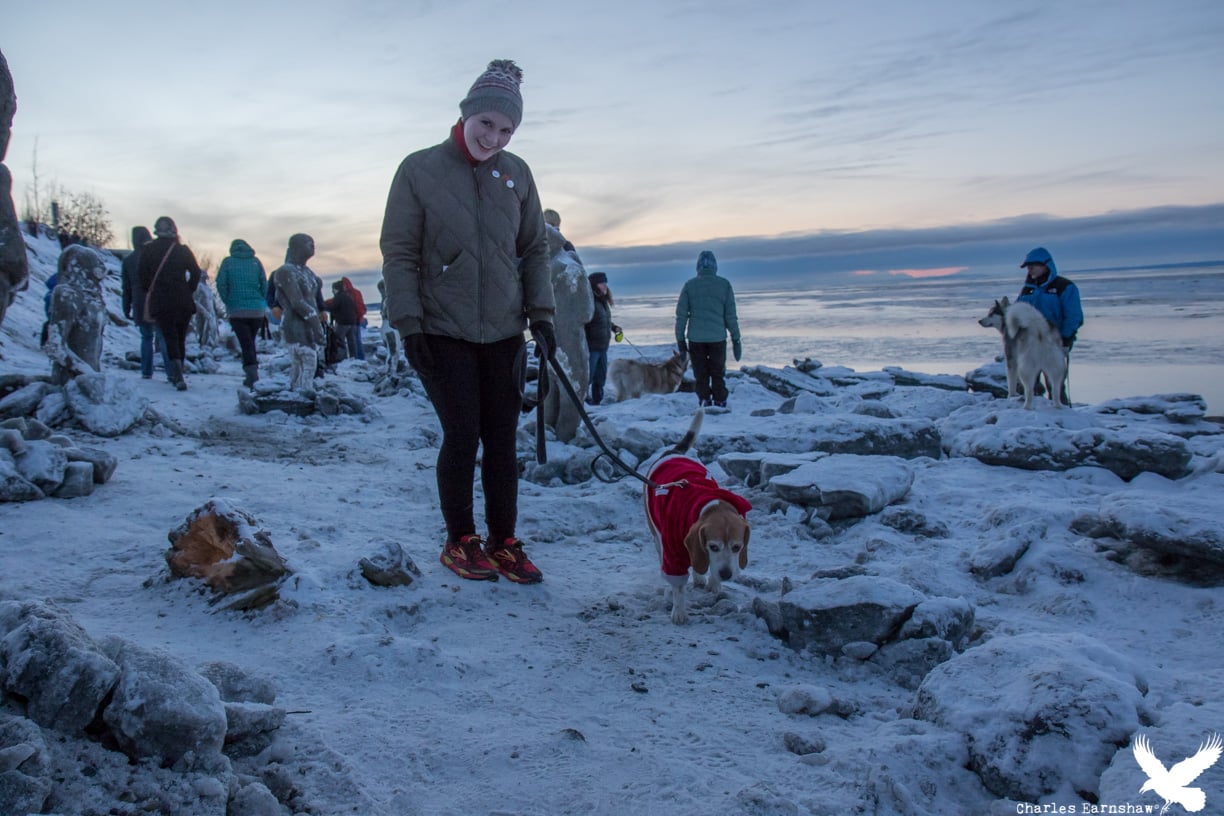
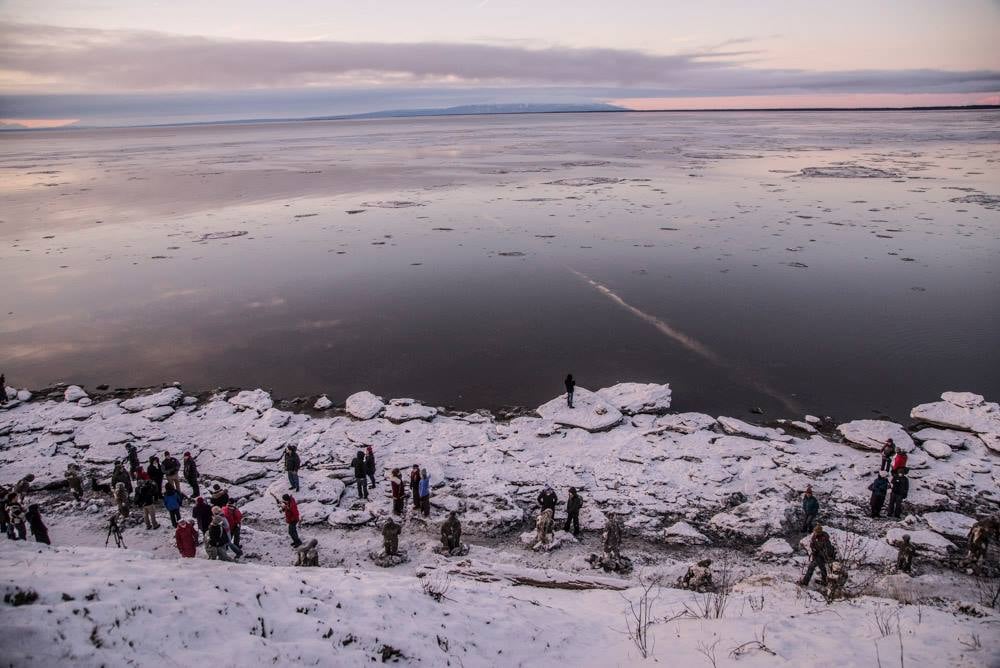
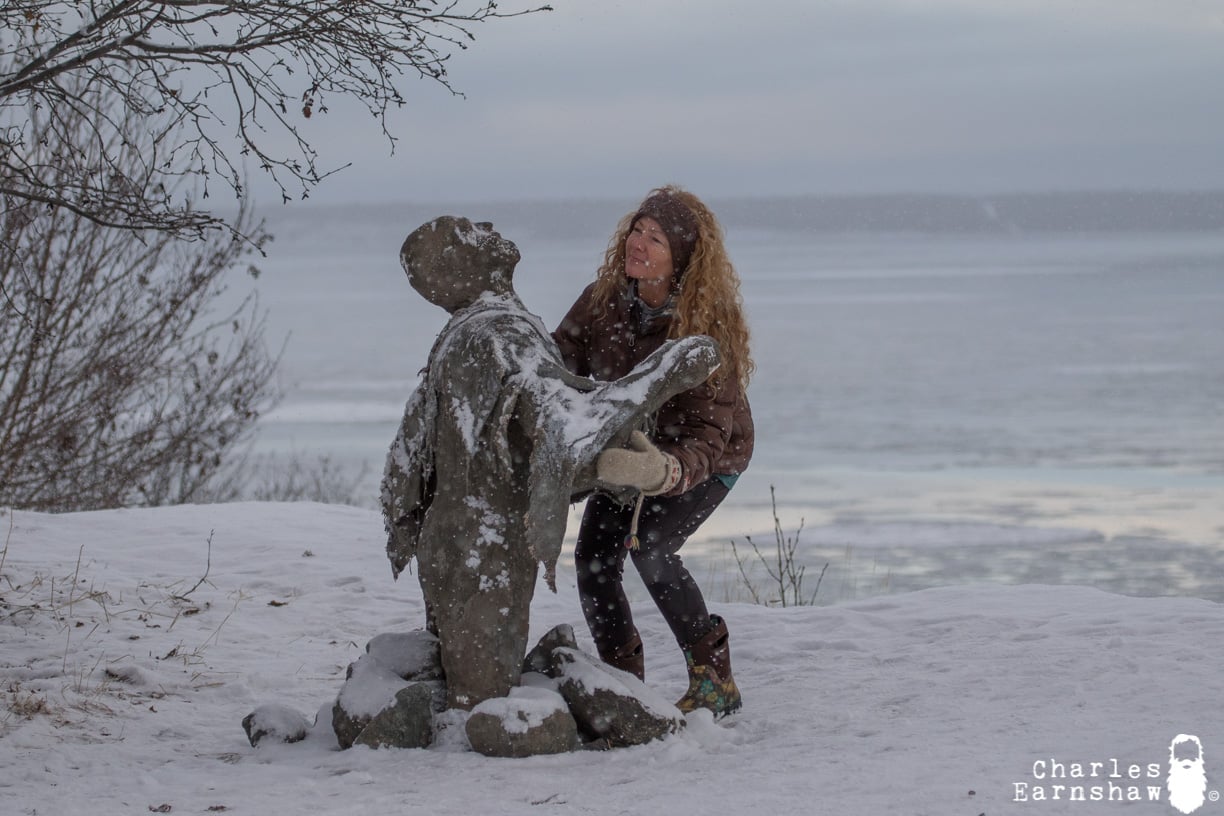
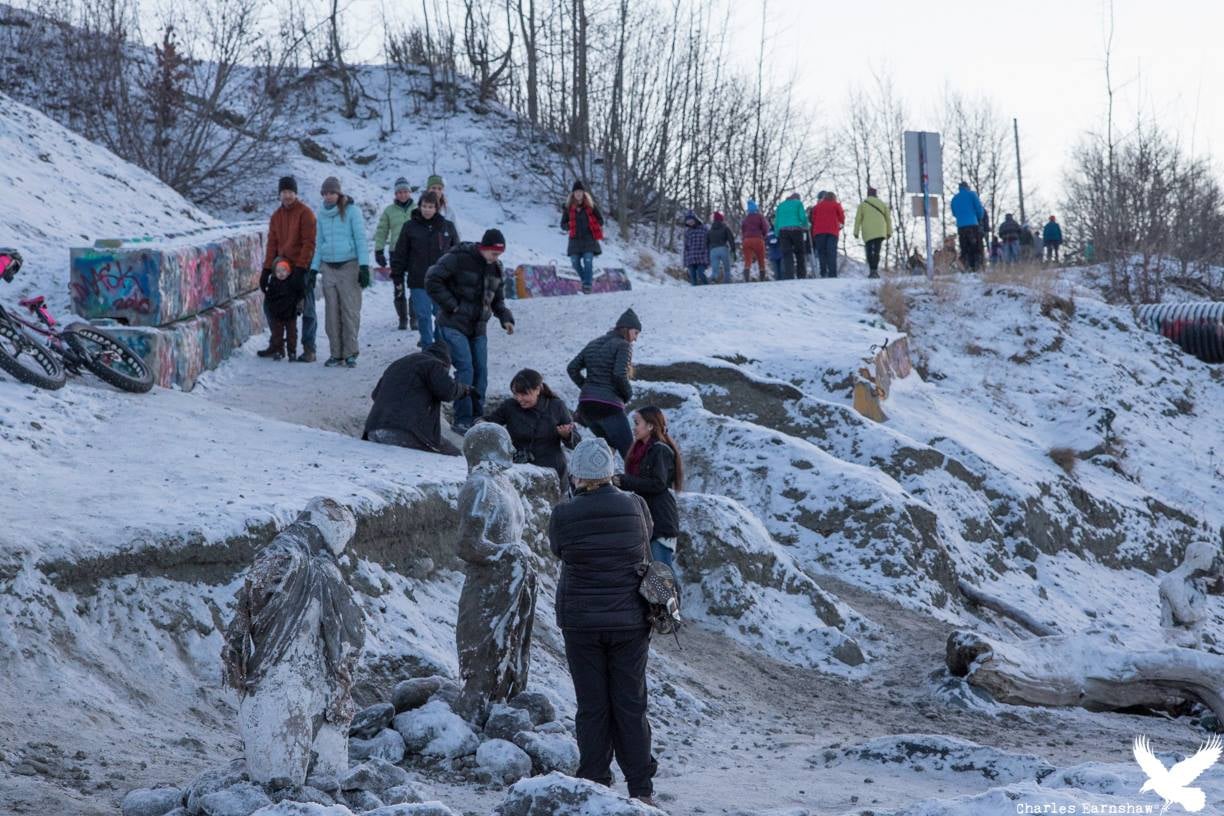
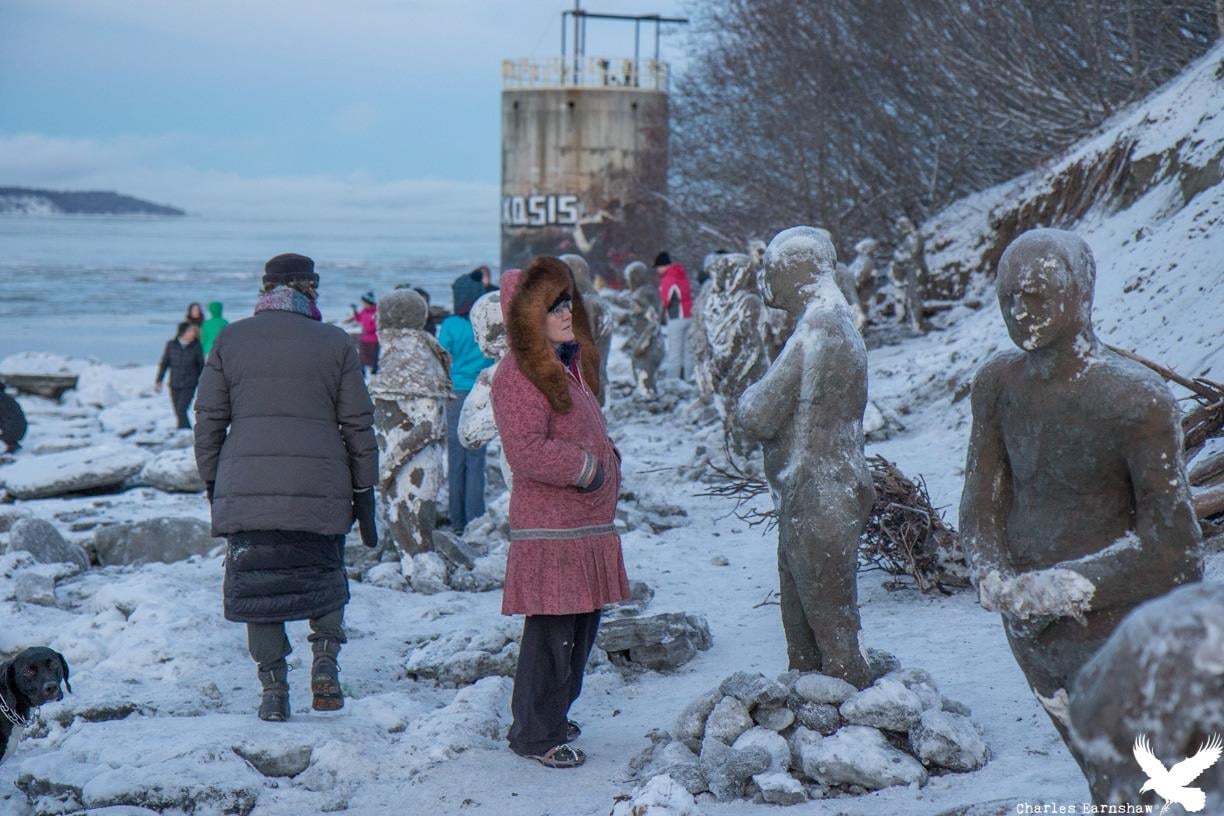
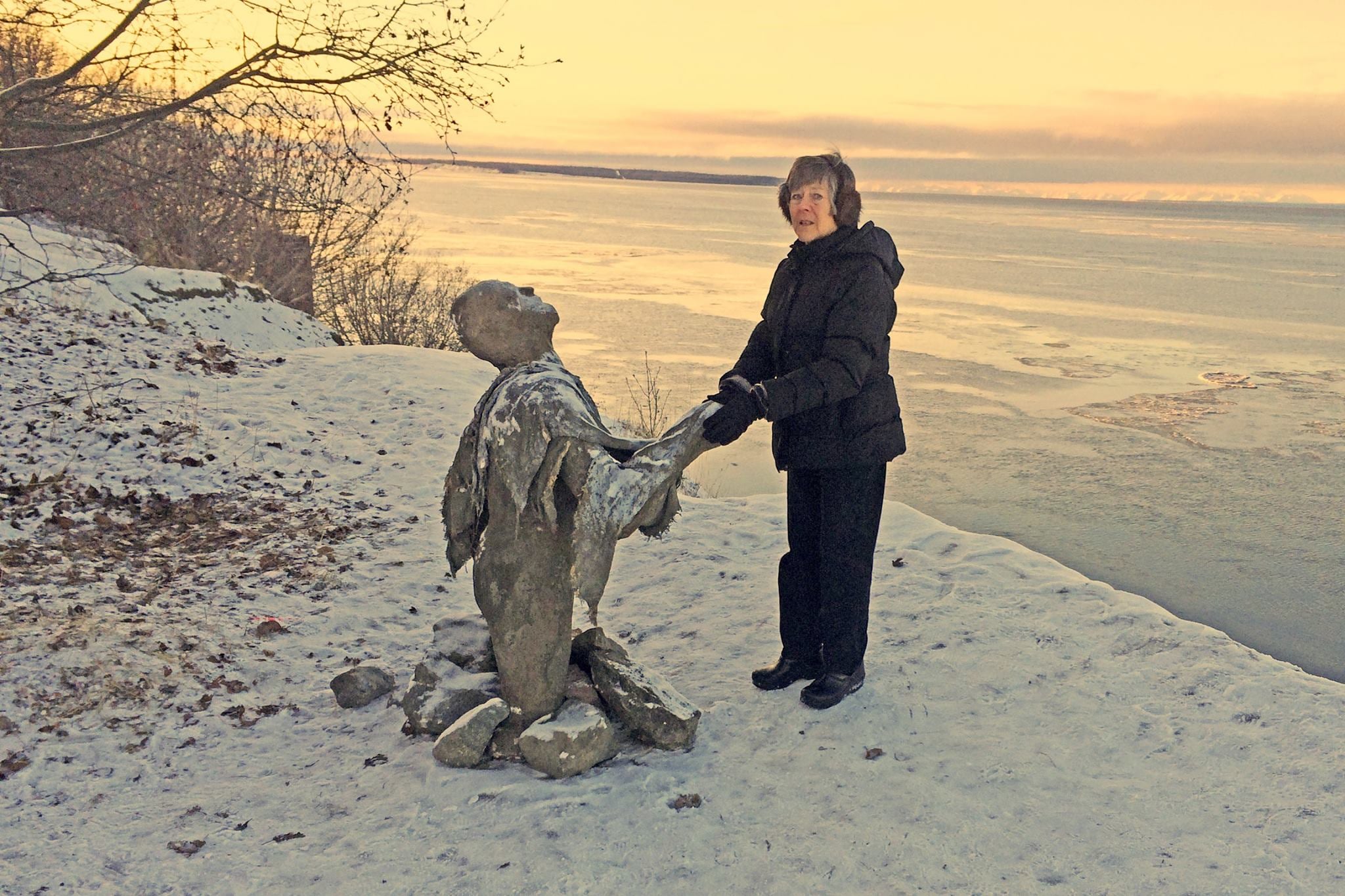
On December 5th, and on each day that followed, thousands of locals and pilgrims came to look out over the creations of our Alaskan brothers and sisters. It was proof that we are, indeed, surrounded by allies. People came to stand witness to this self-determined landscape of fearlessness and truth—built by the hands of hundreds of our own. They recognized the terrific power and beauty of 100Stone as something that emerged from within each of us—the marginalized and the allies alike.
In those moments, we all felt what this project was truly about: an authentic transformation in how we see ourselves and each other. A divine moment of liberation—an ascension—from the stigma bound to the often-crippling marathon of mental health management.
The installation was born into the Alaskan community as the first public artwork of such scope and scale to address one of our Northern home’s most critical public health crises: suicide.
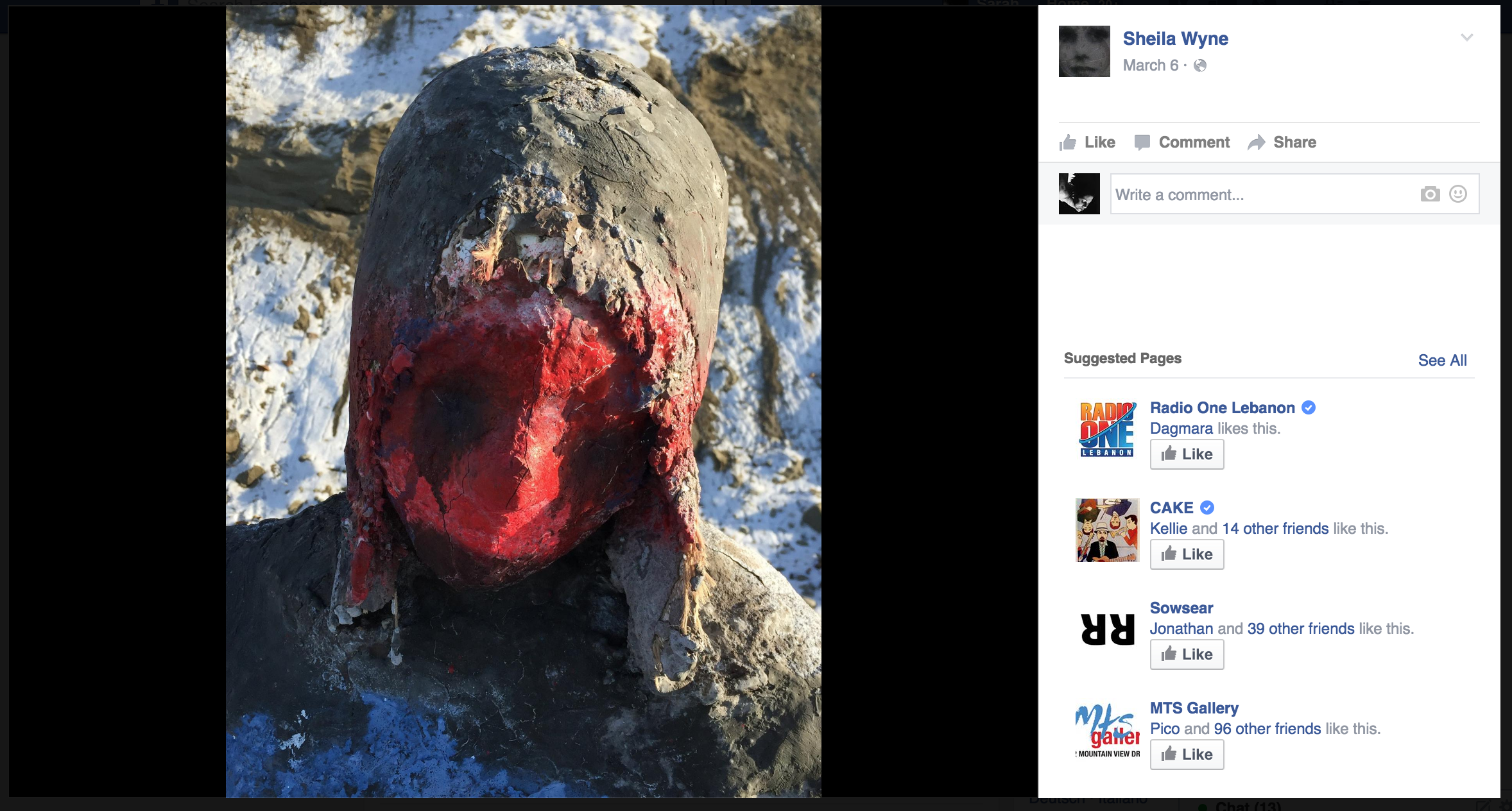
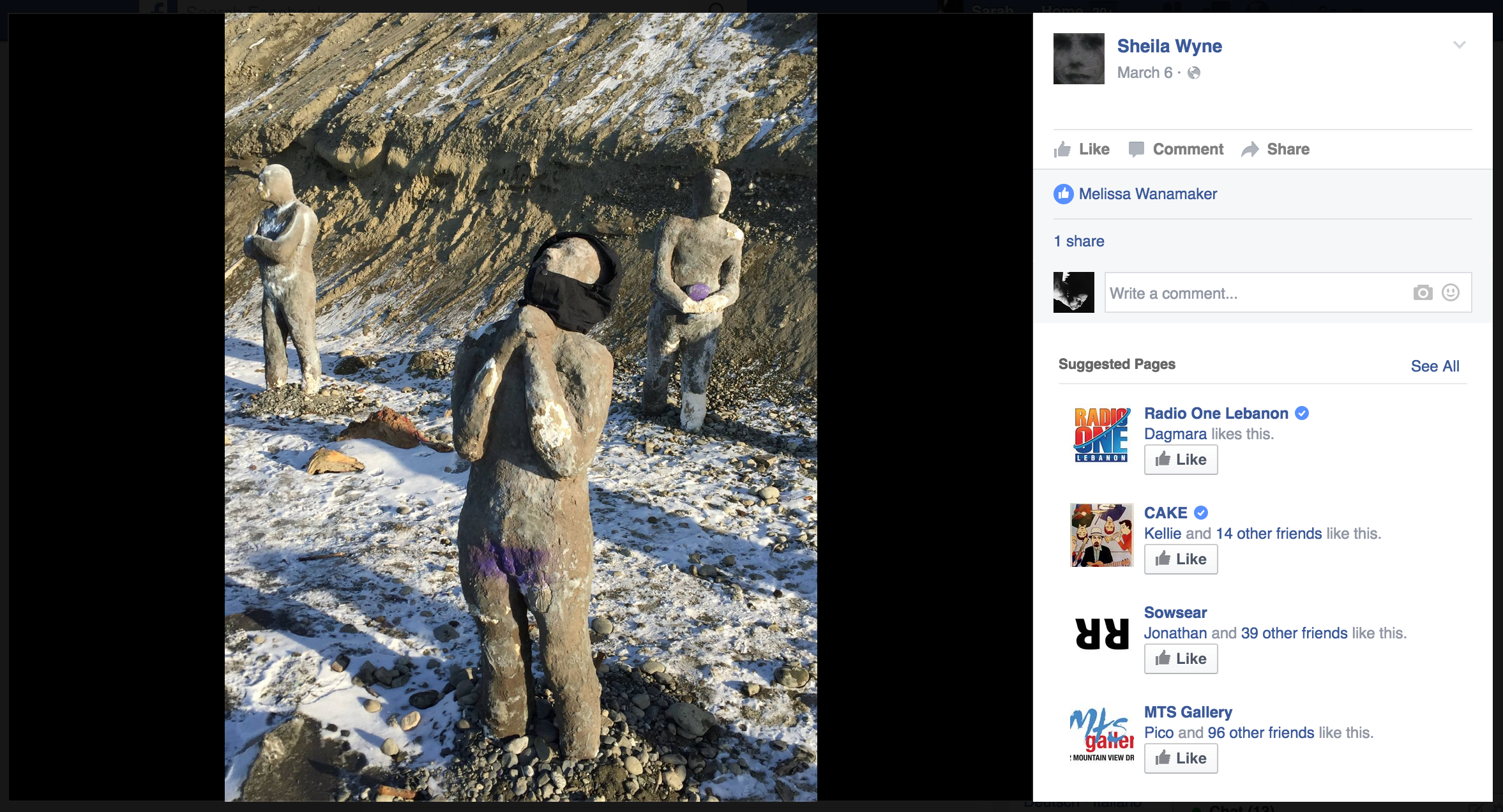
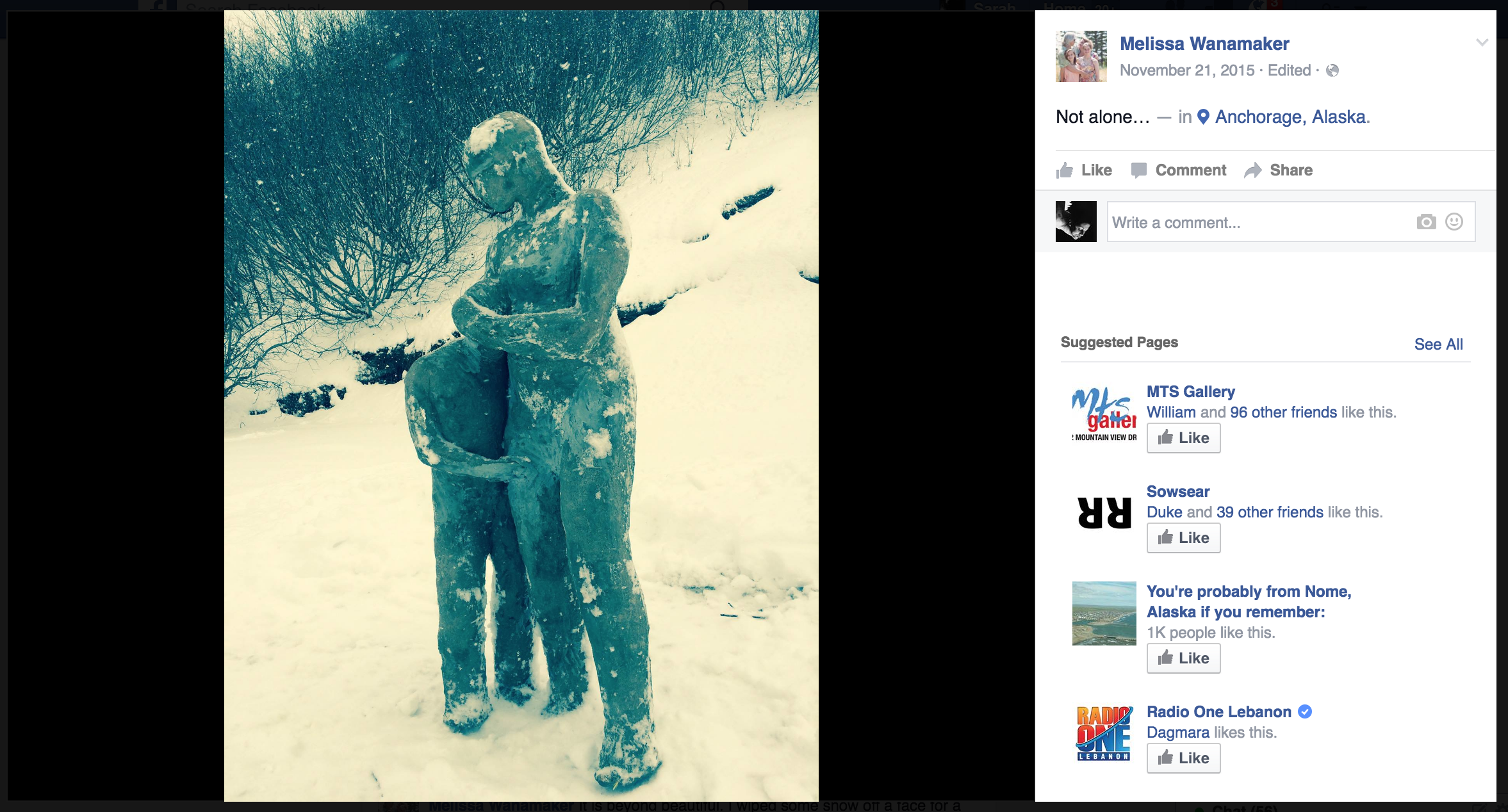
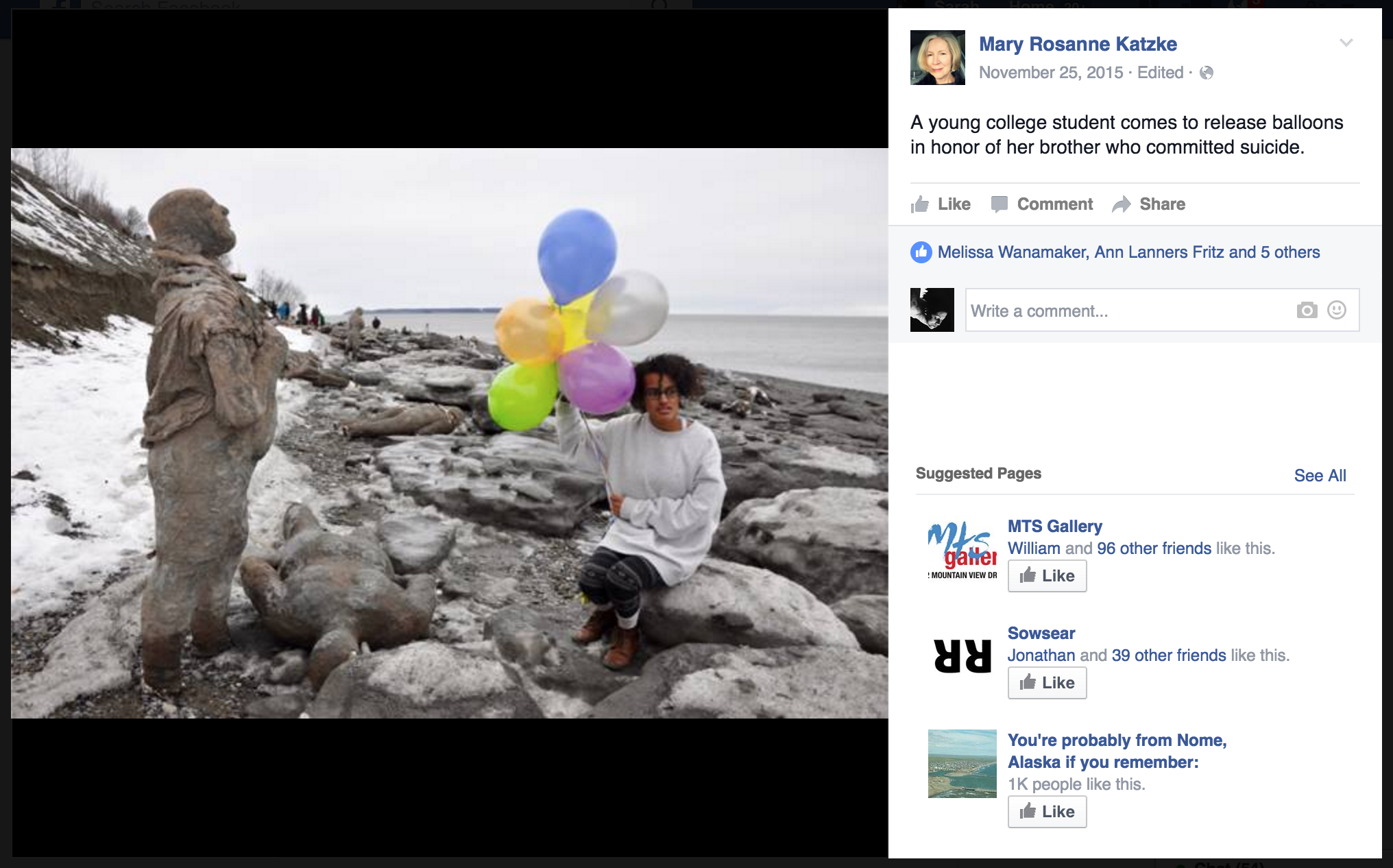
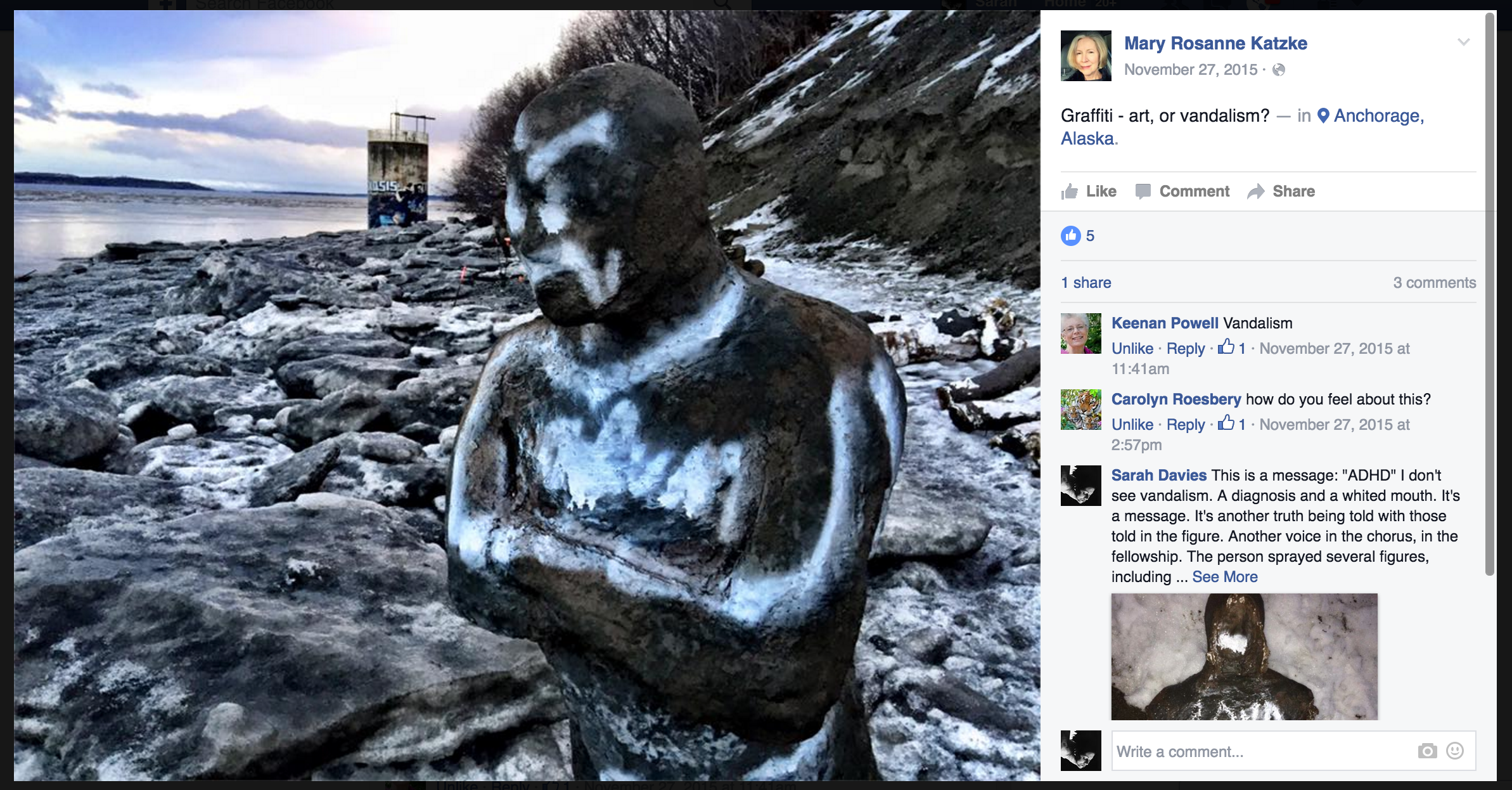
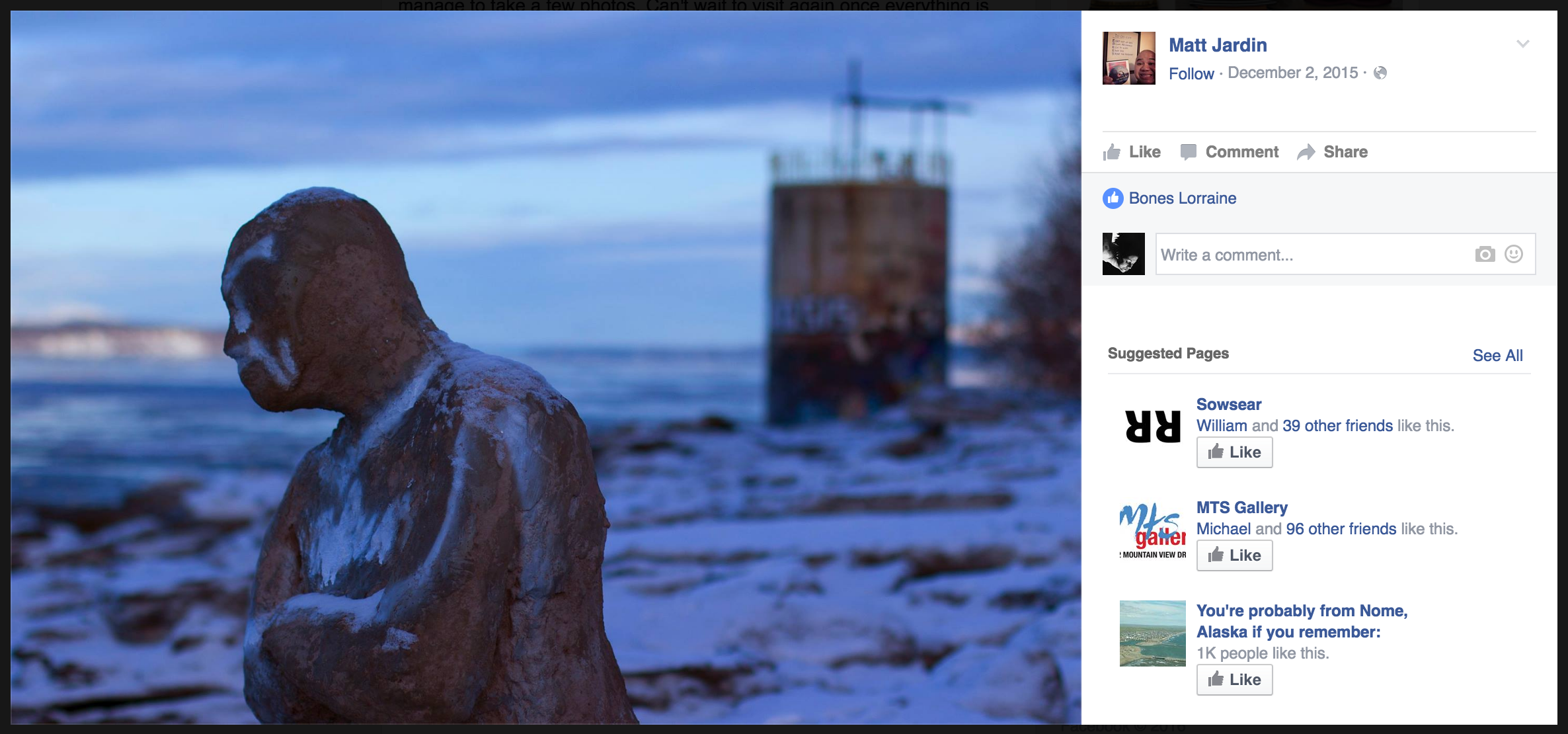
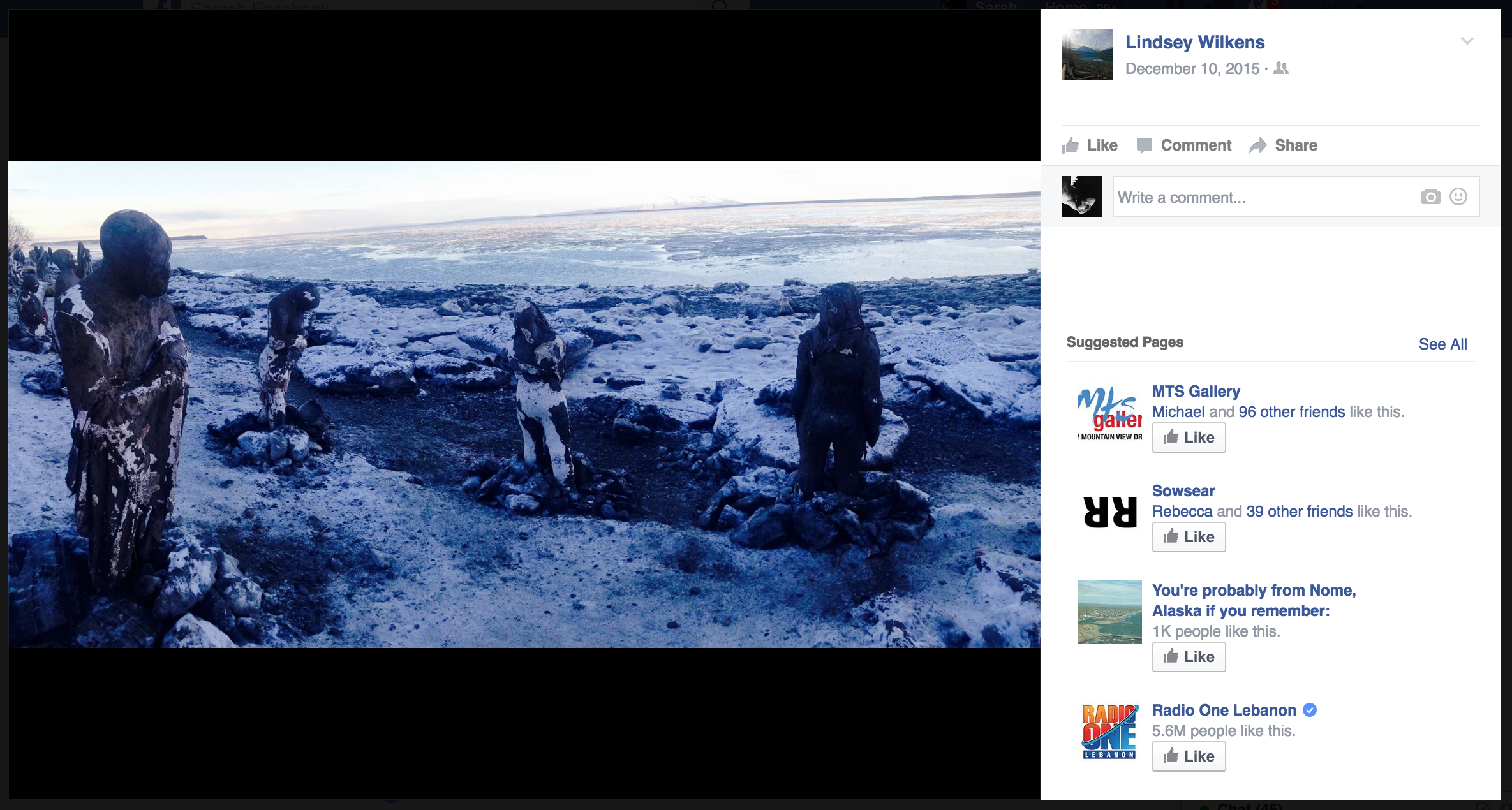
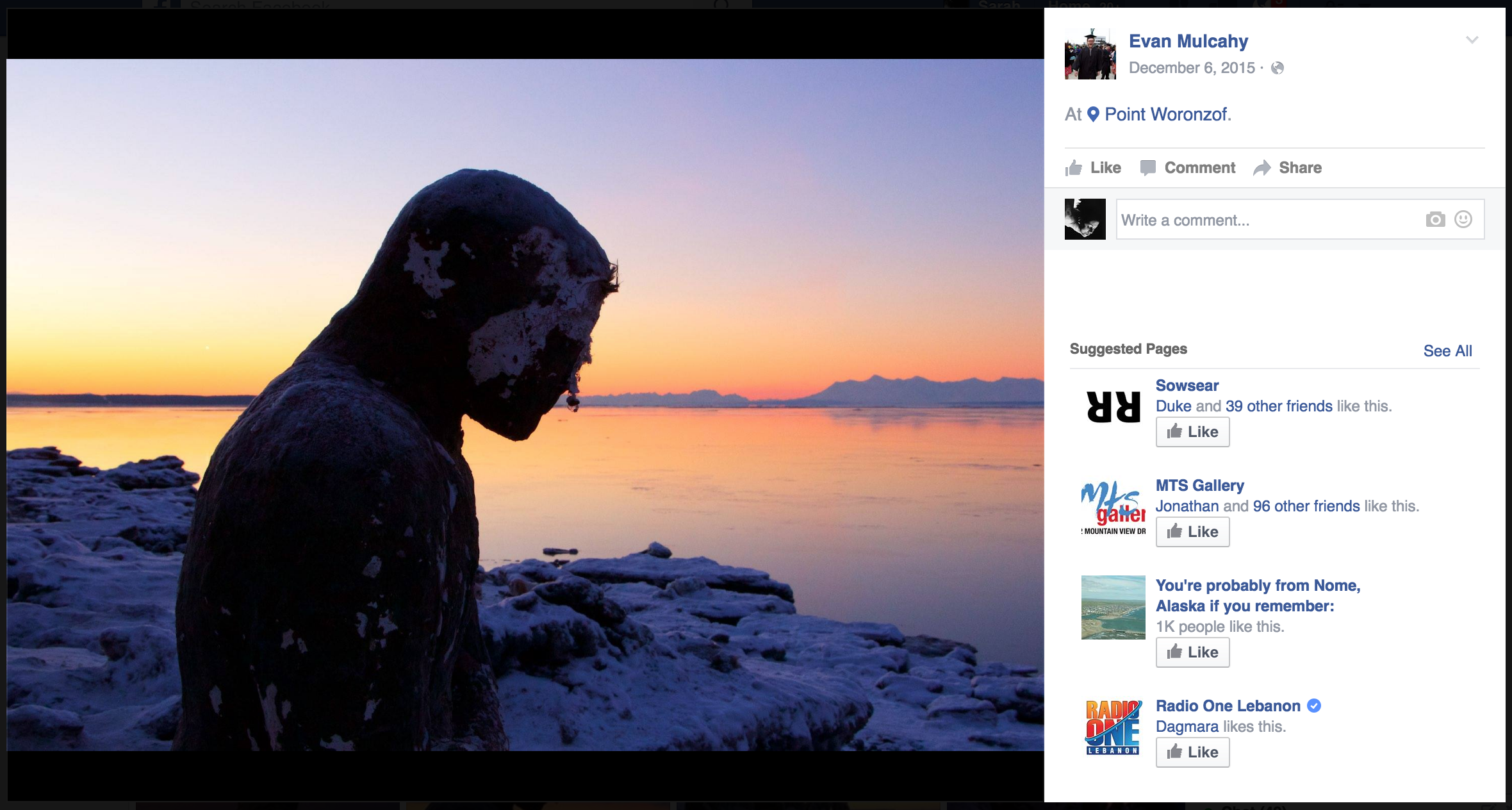
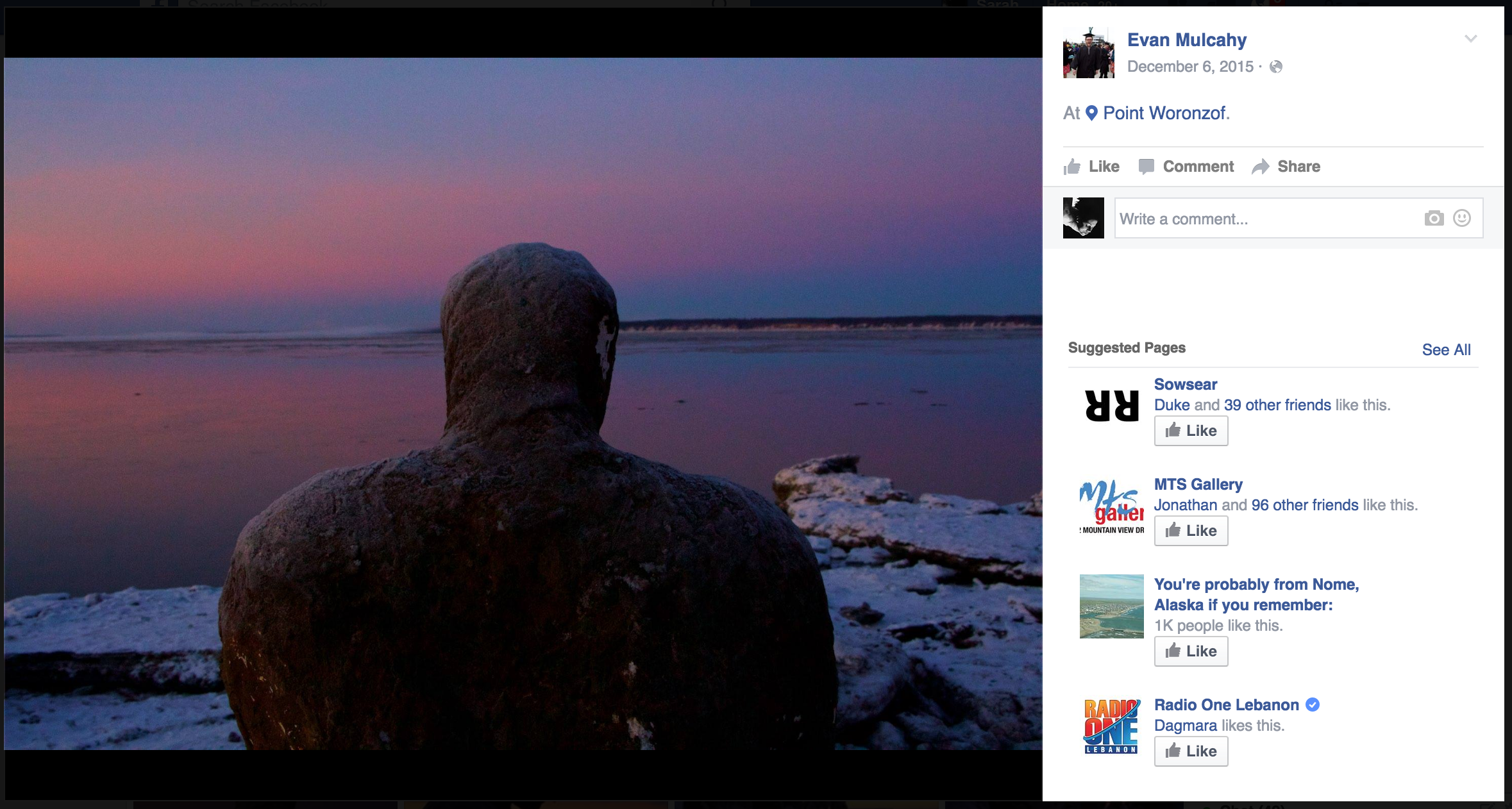
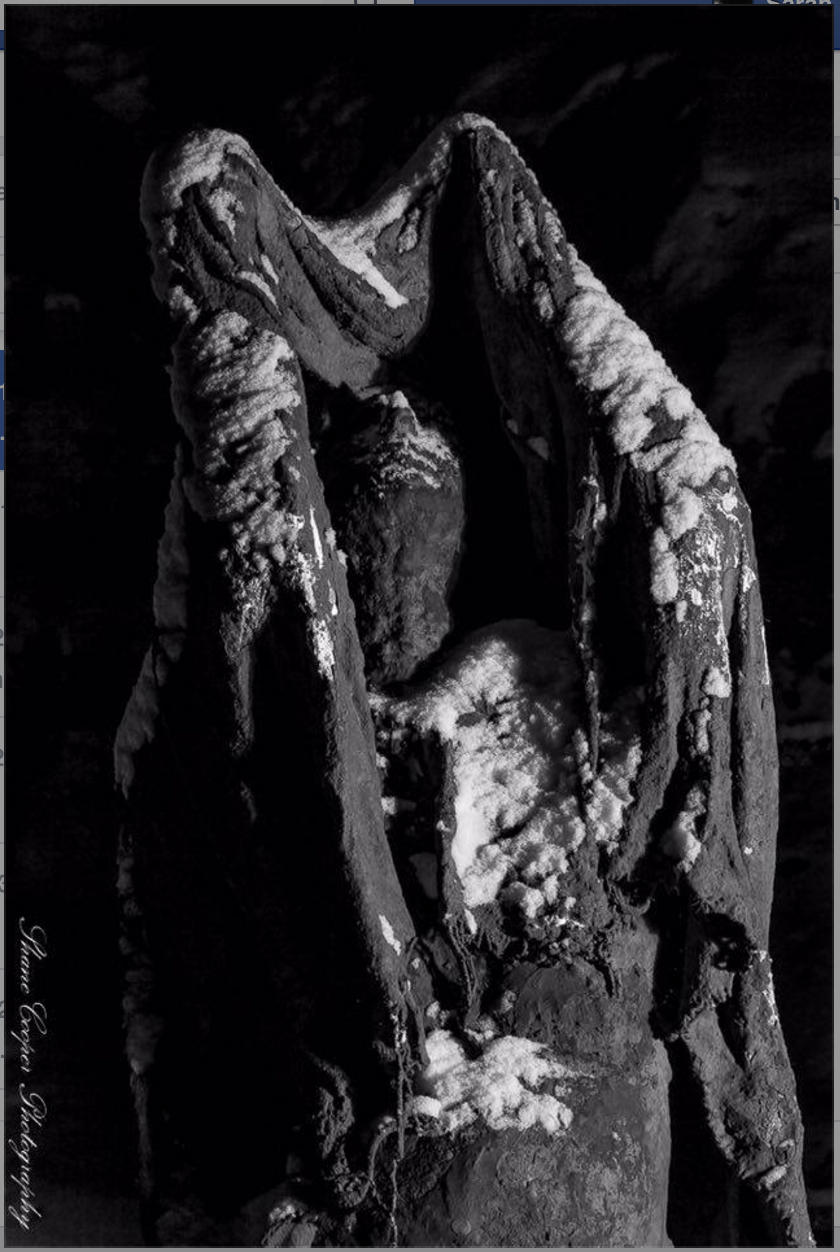
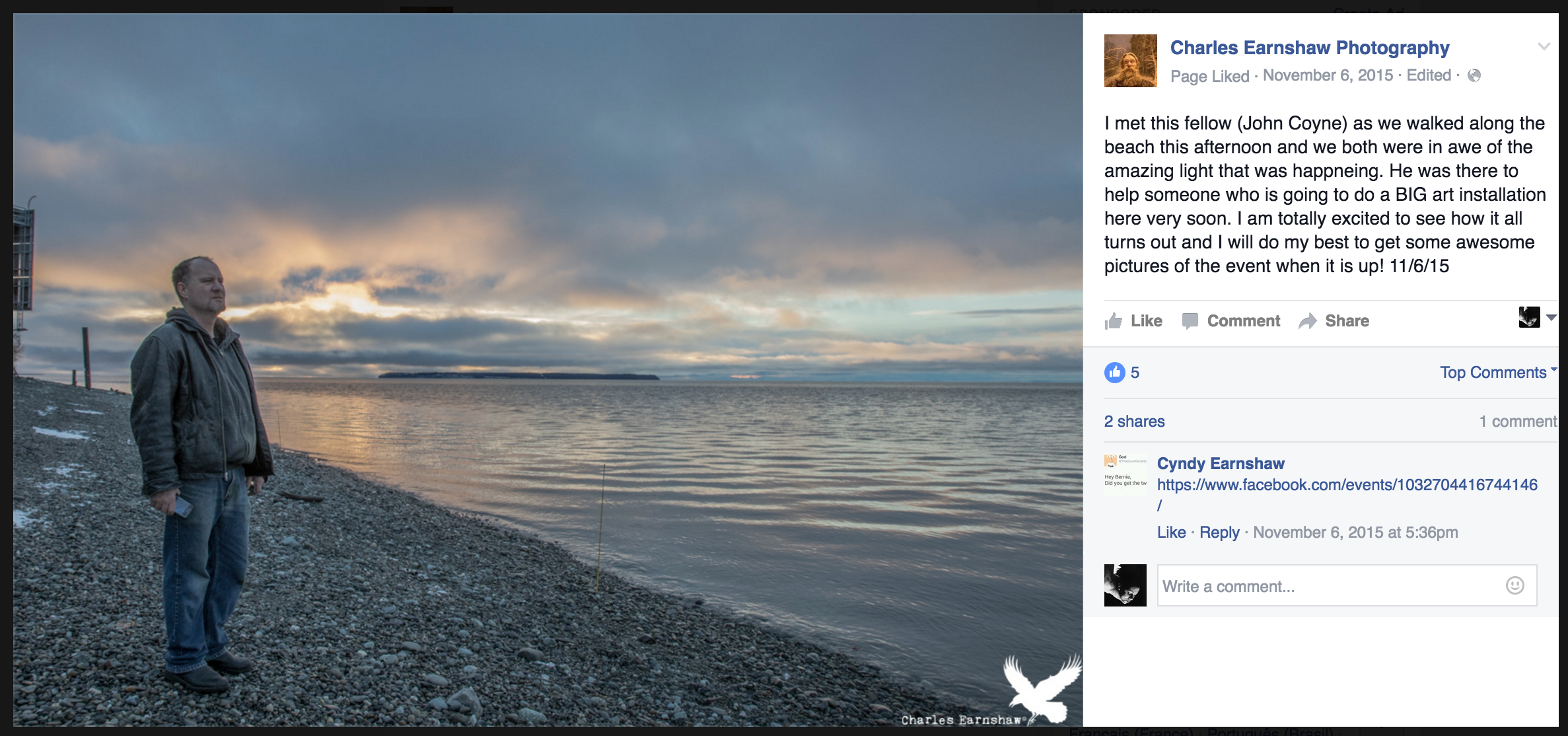
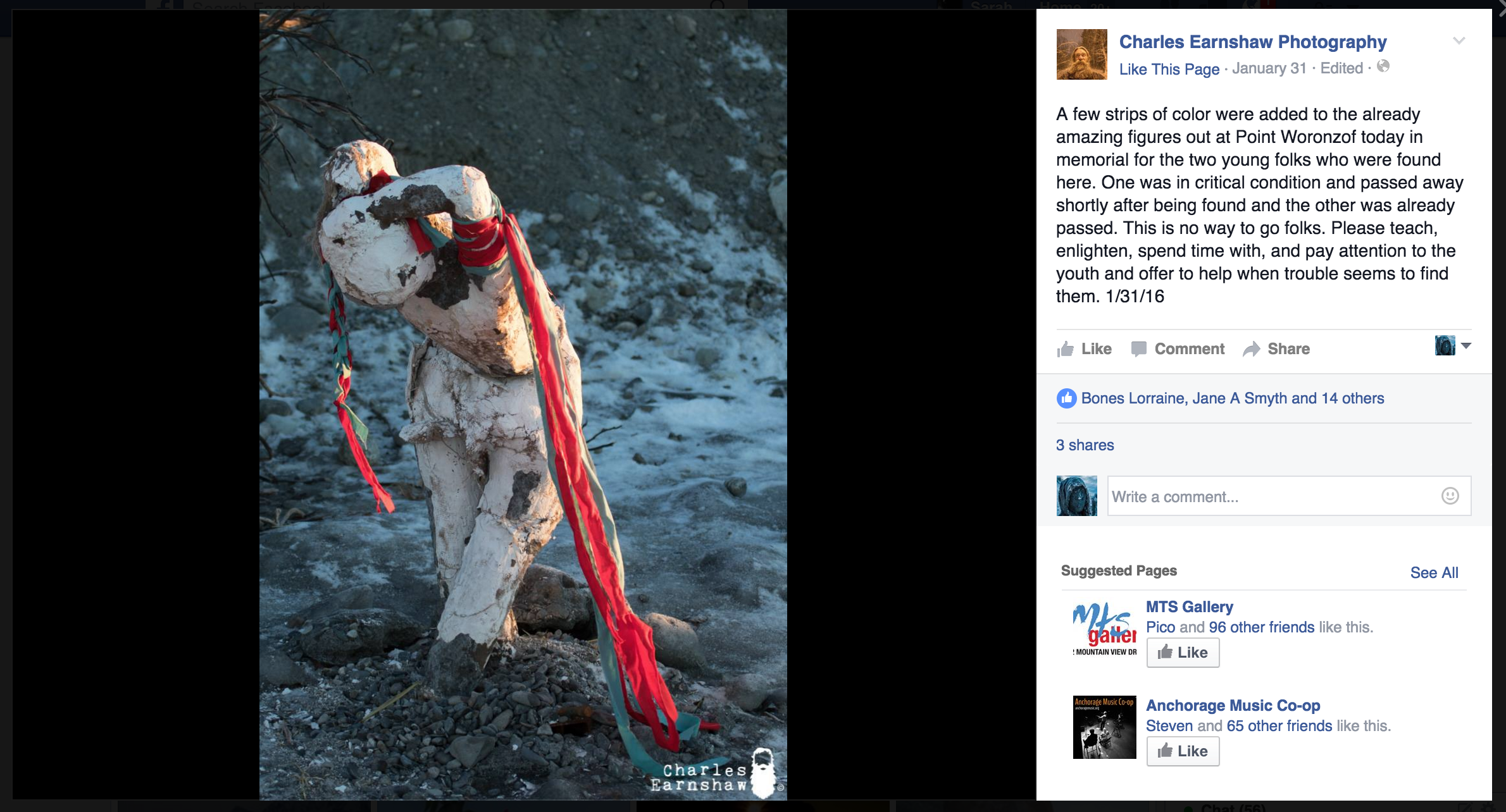
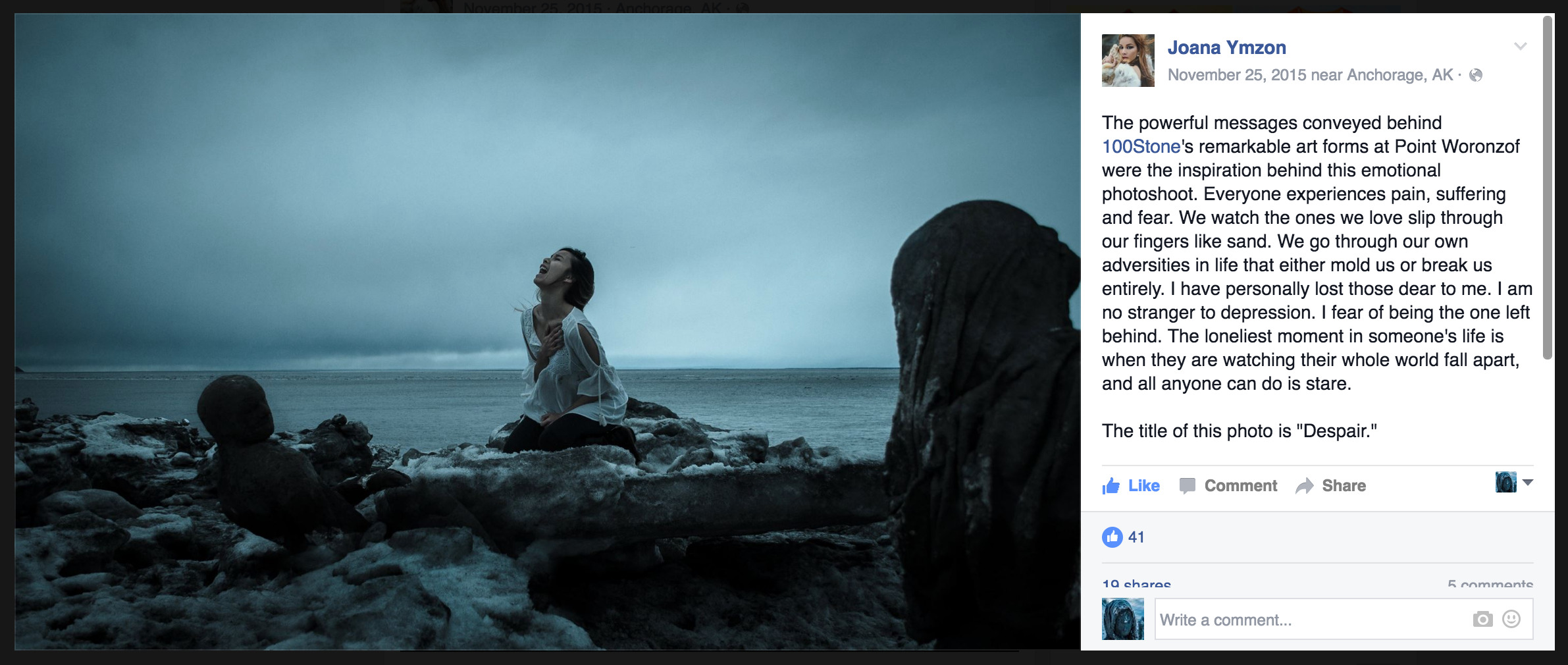
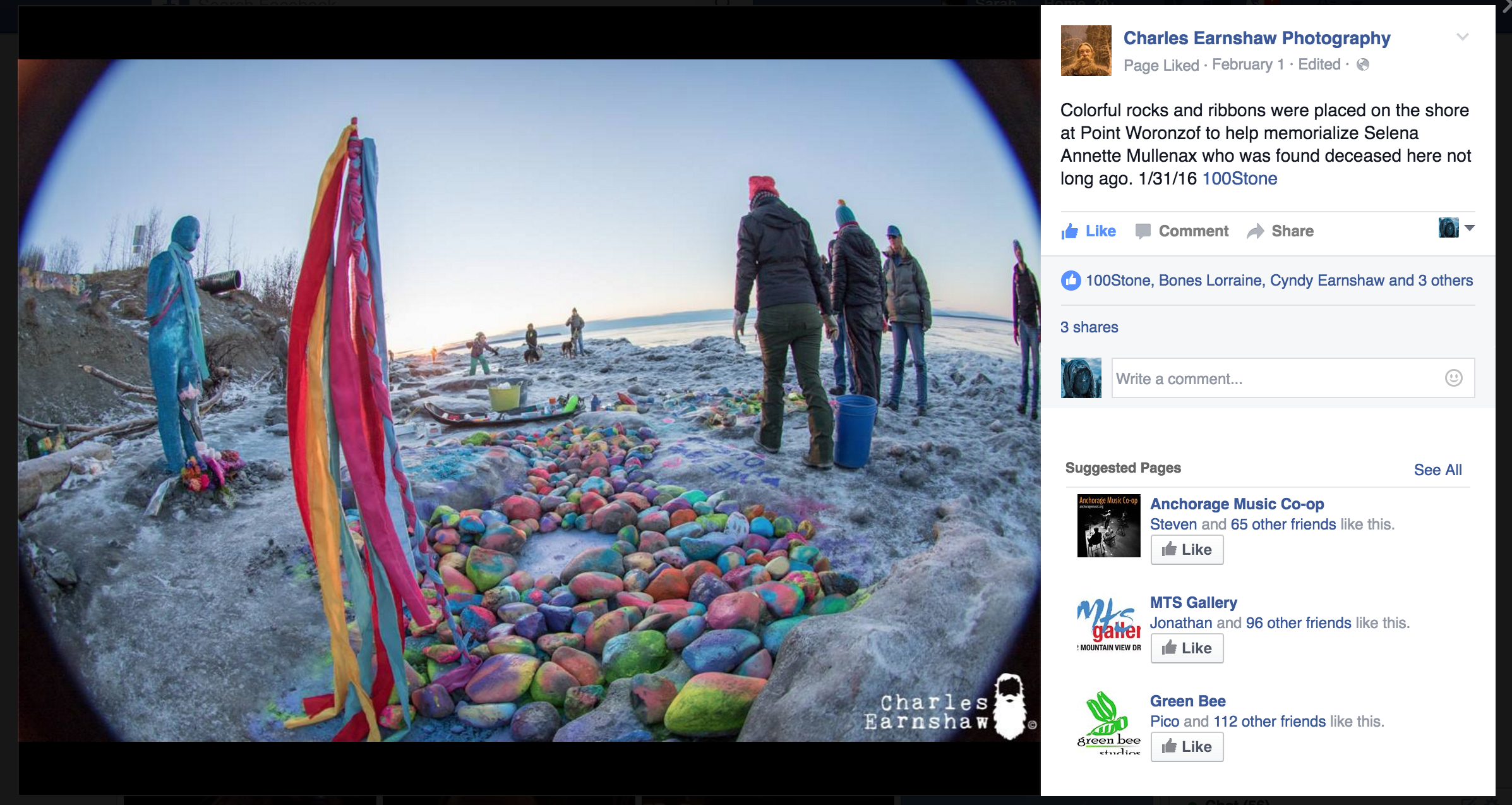
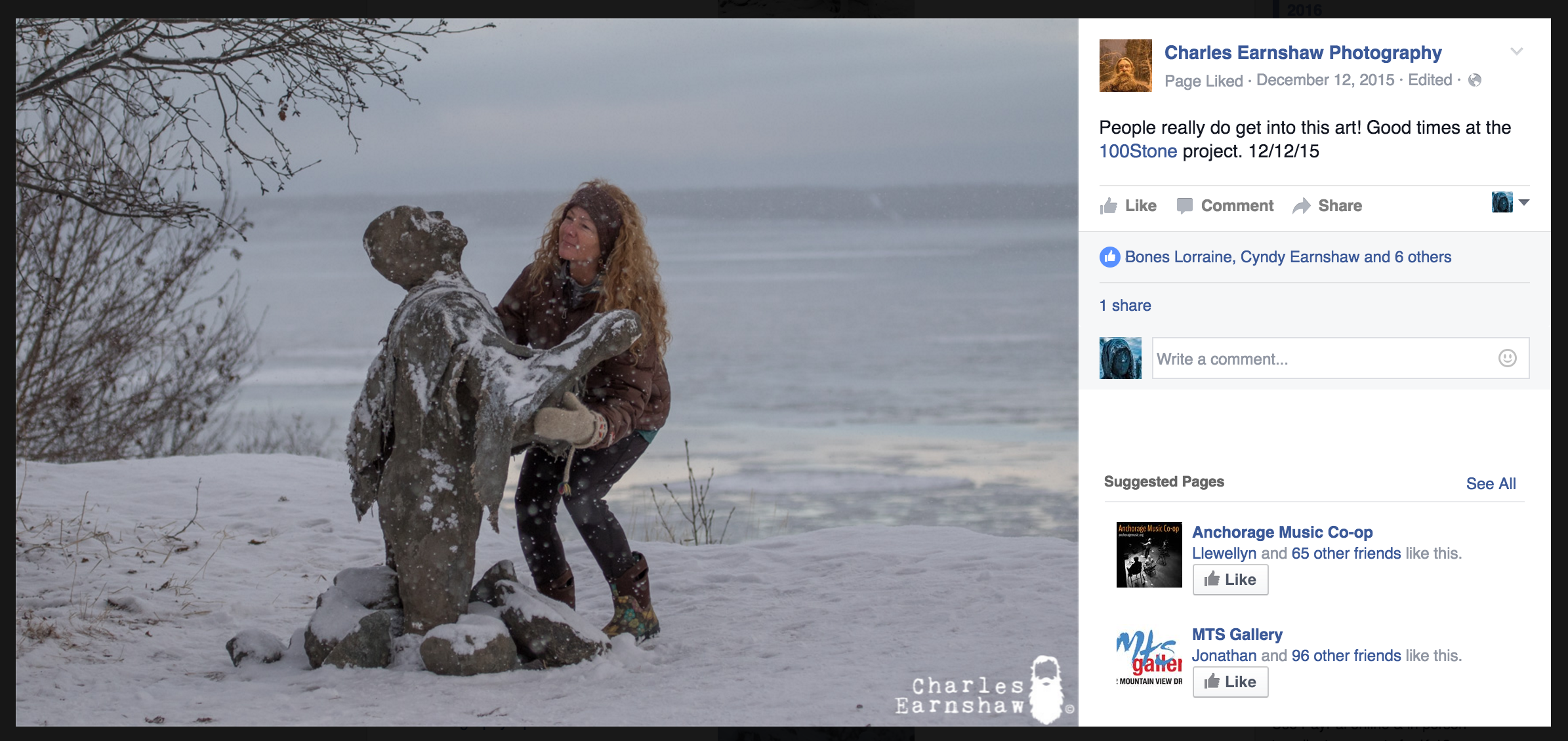
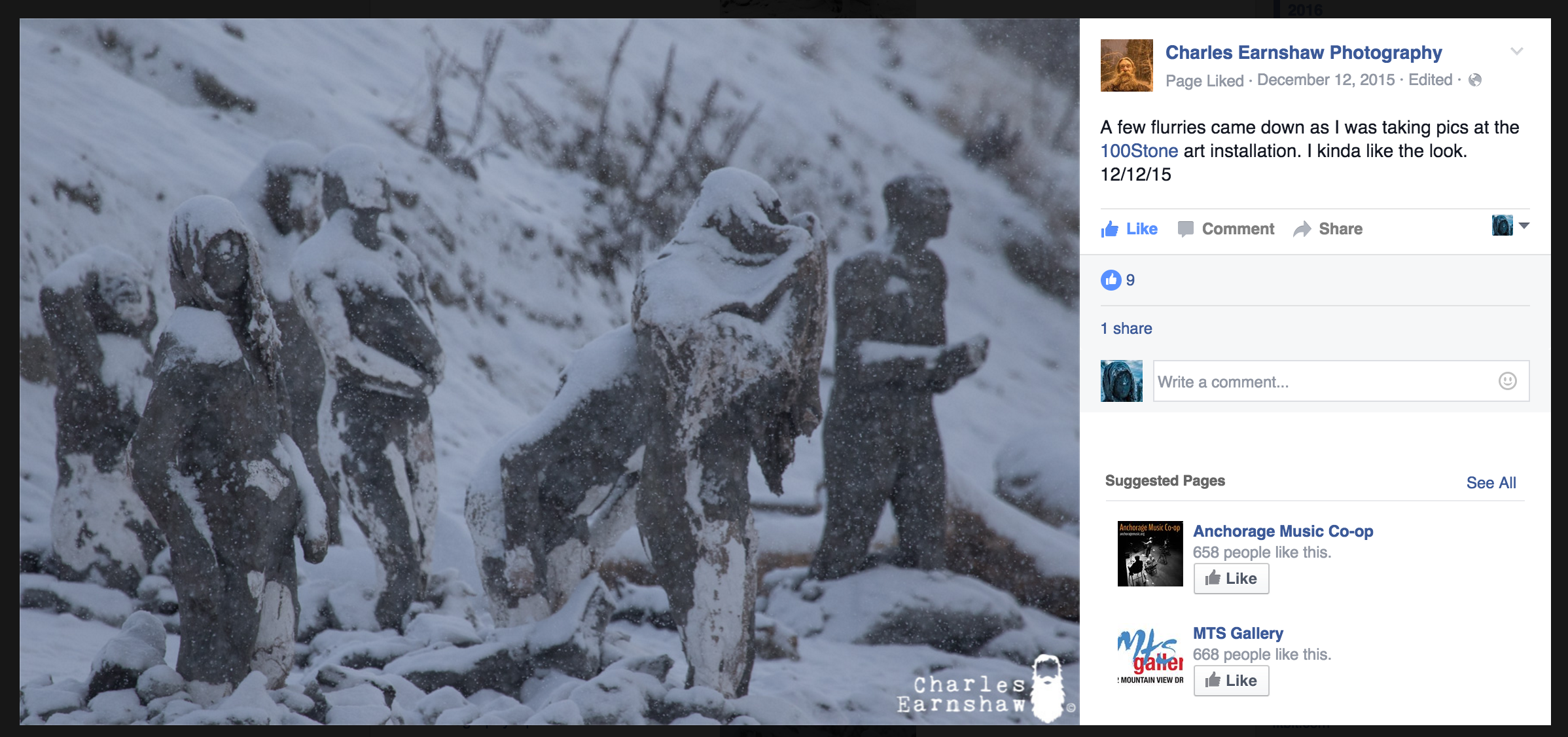
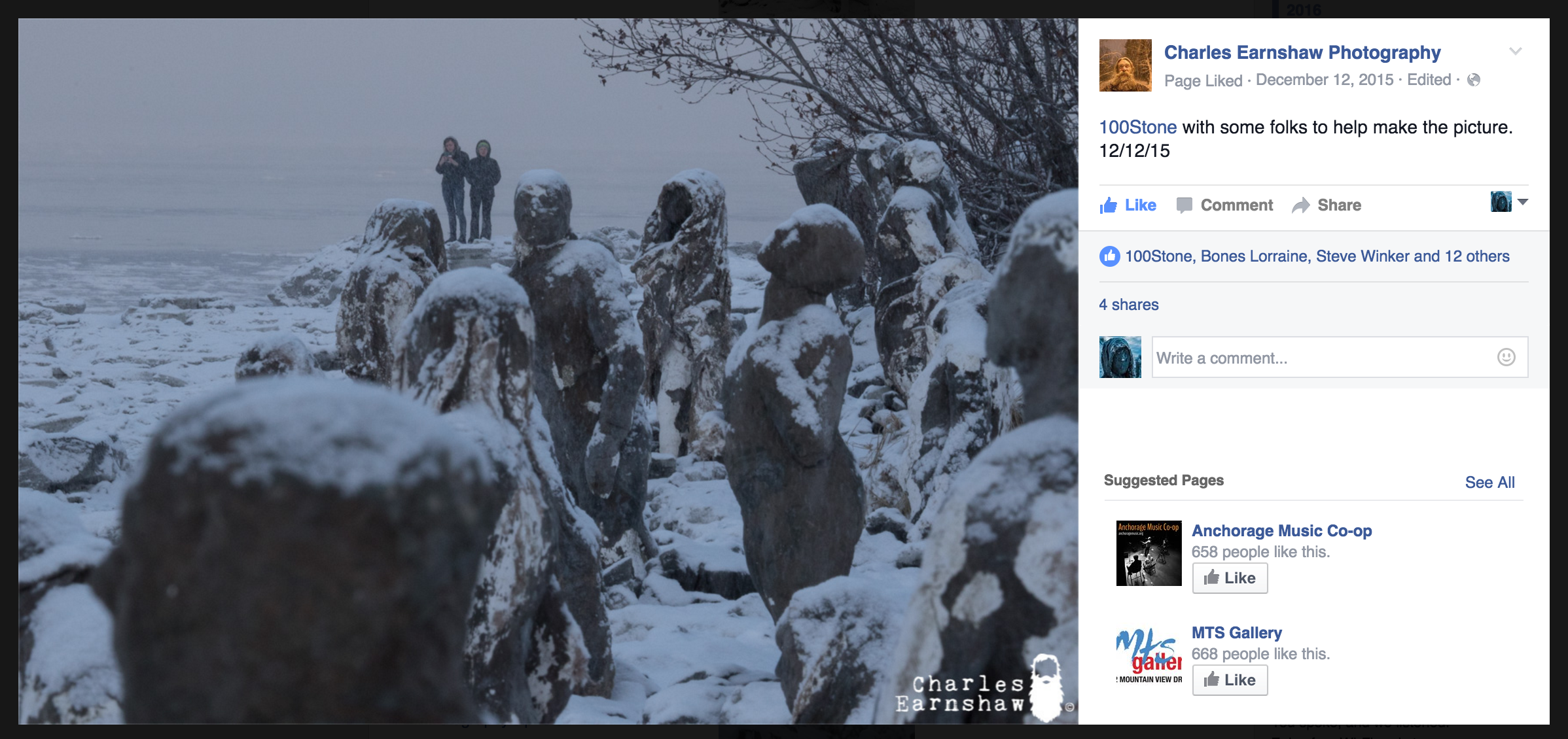
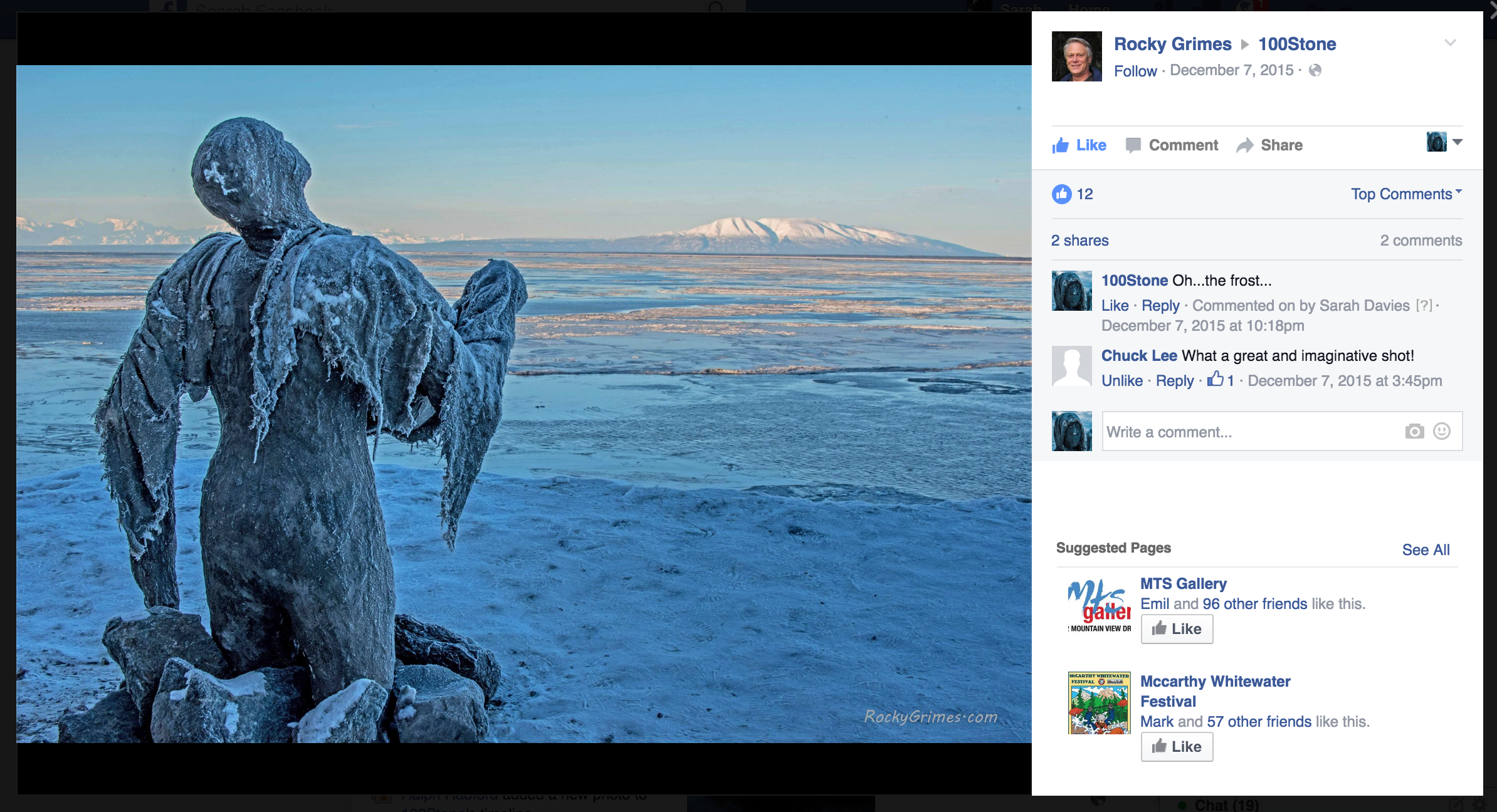
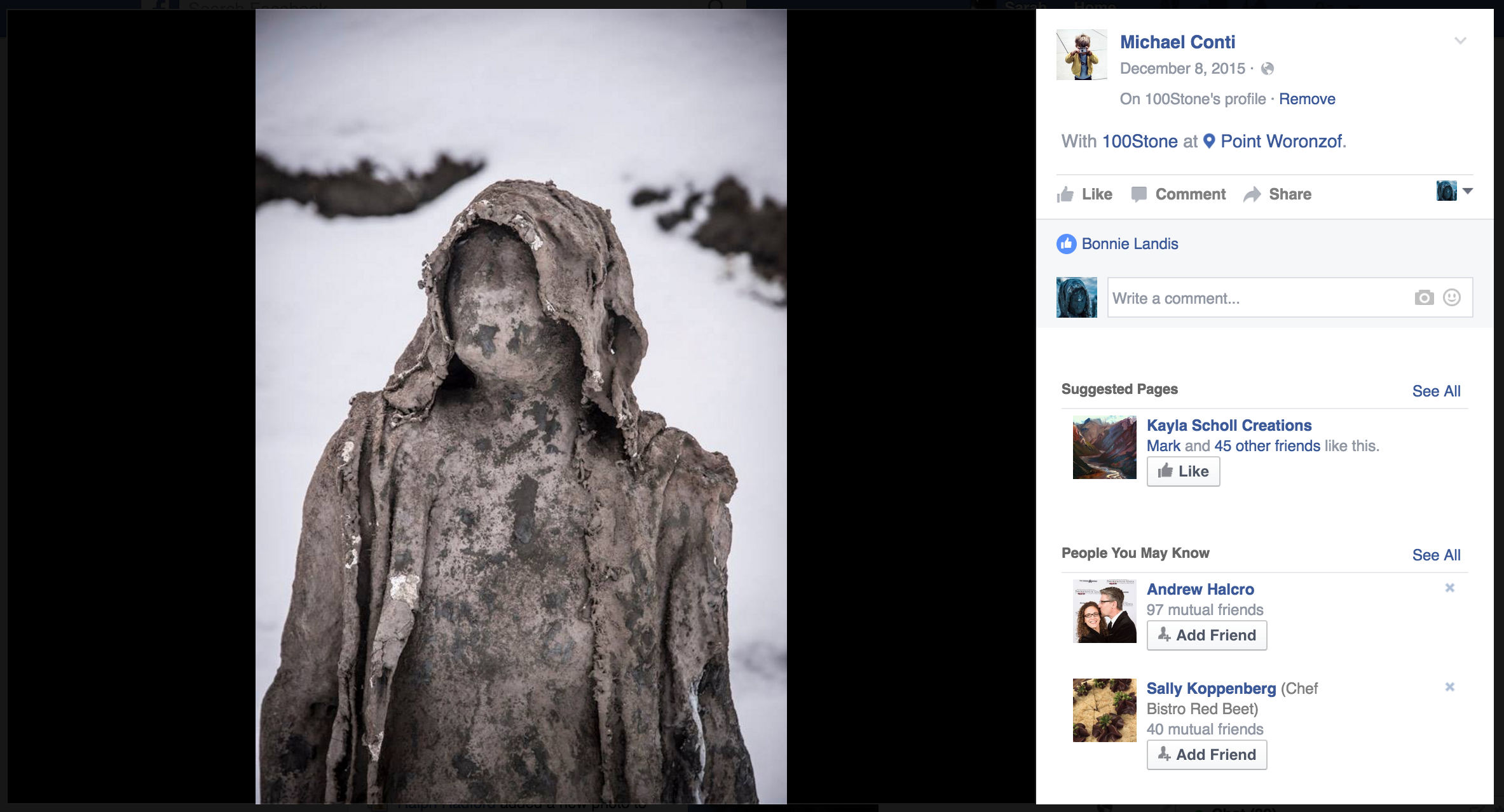
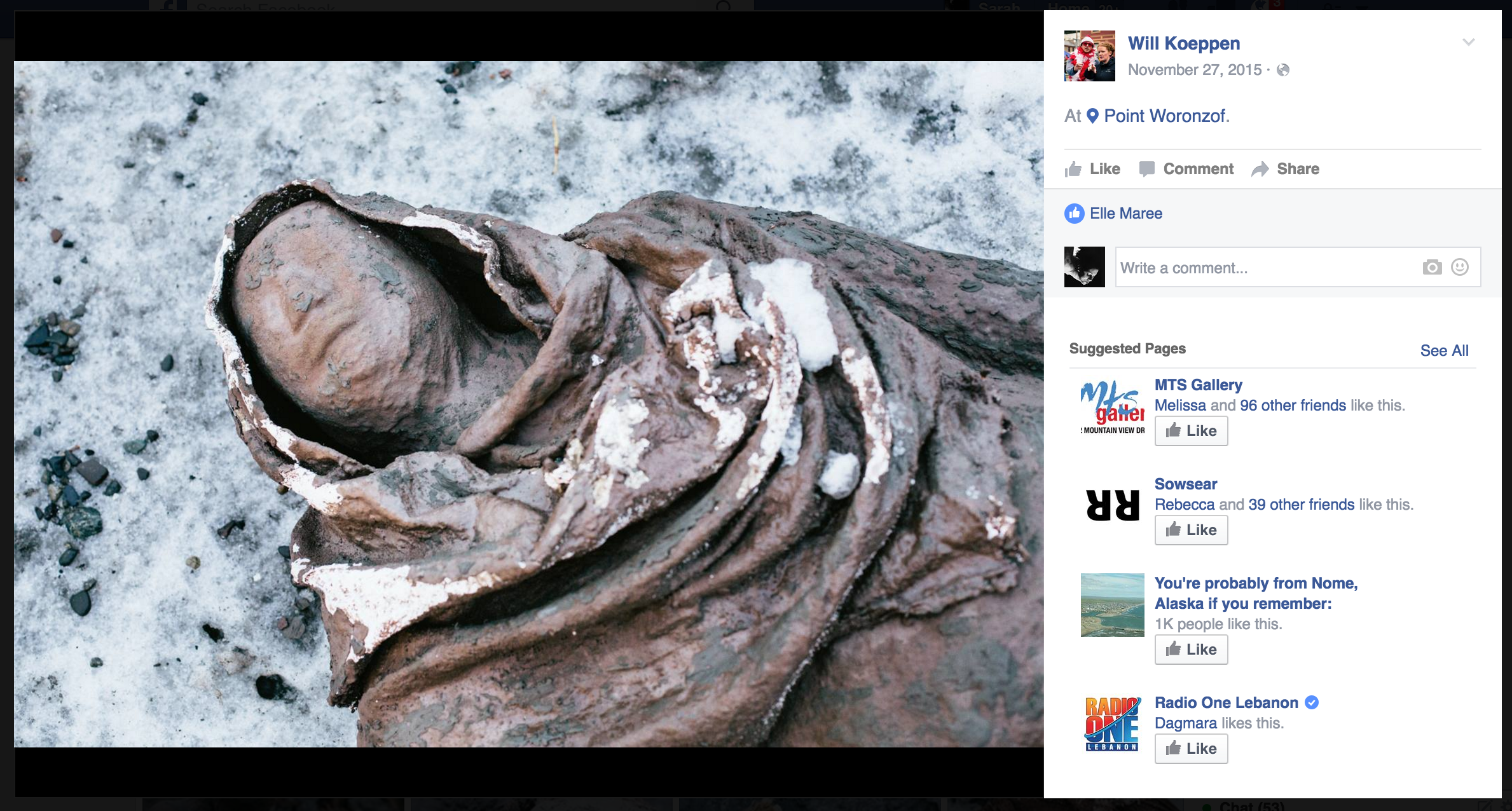
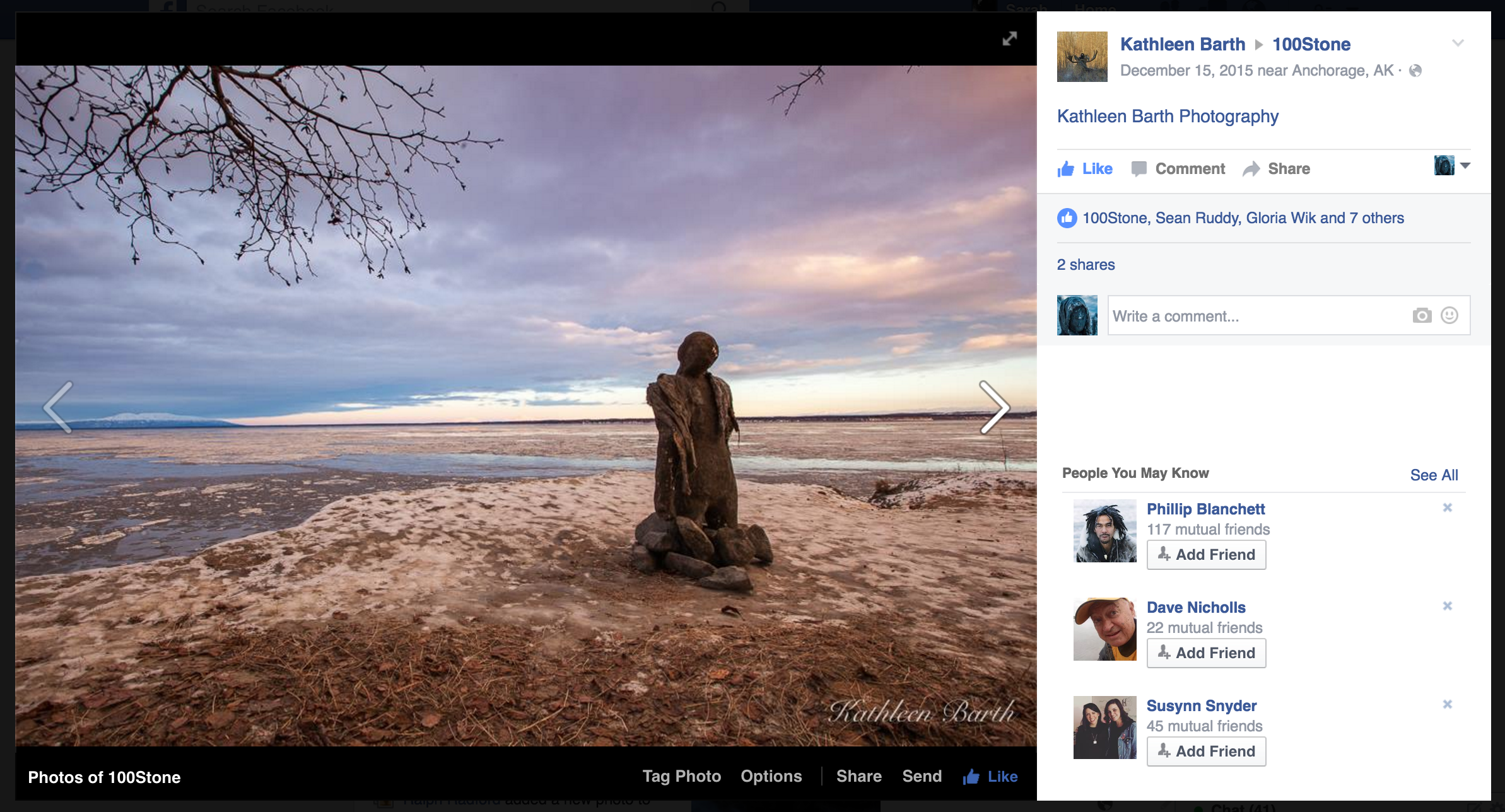
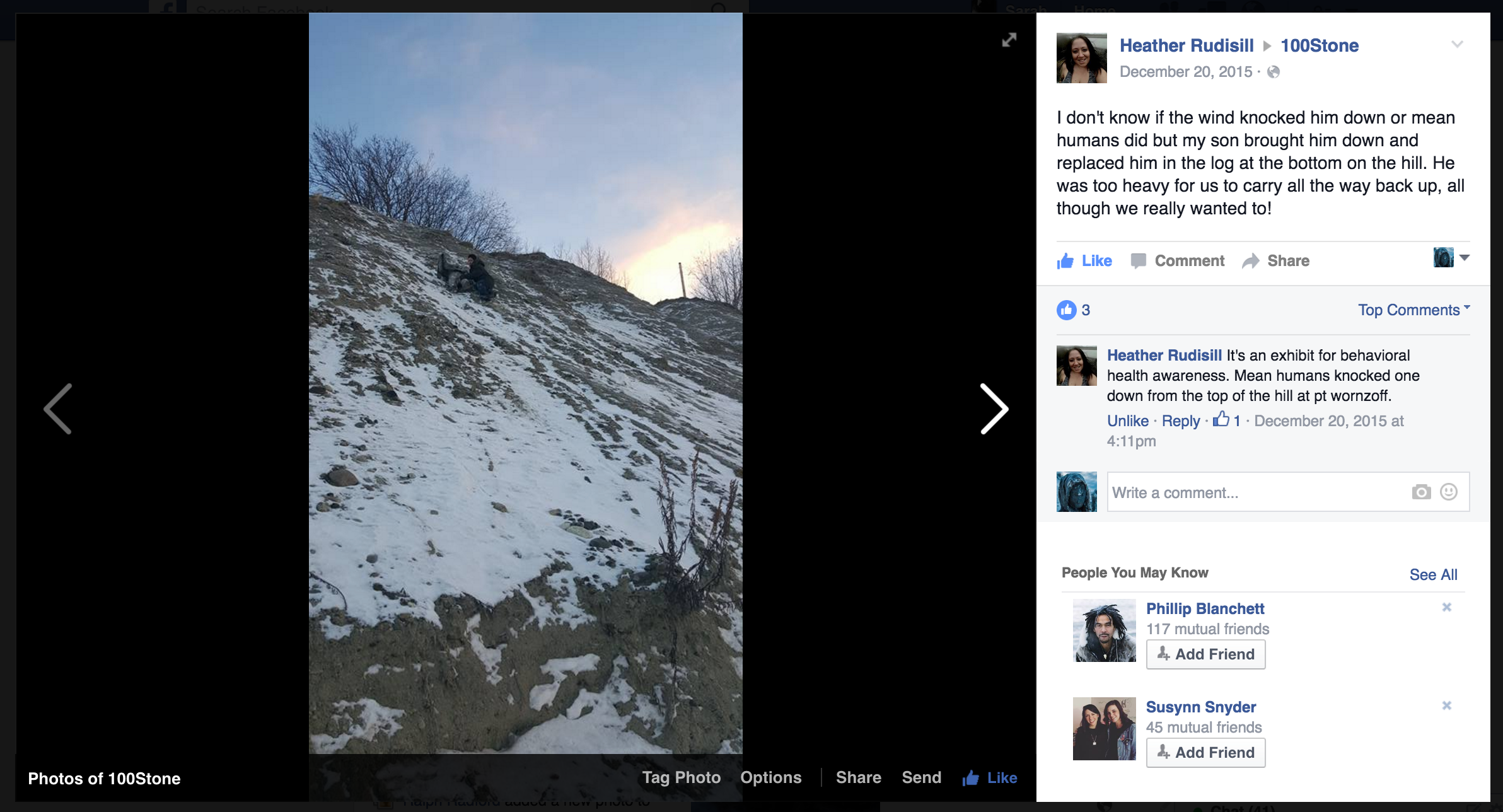
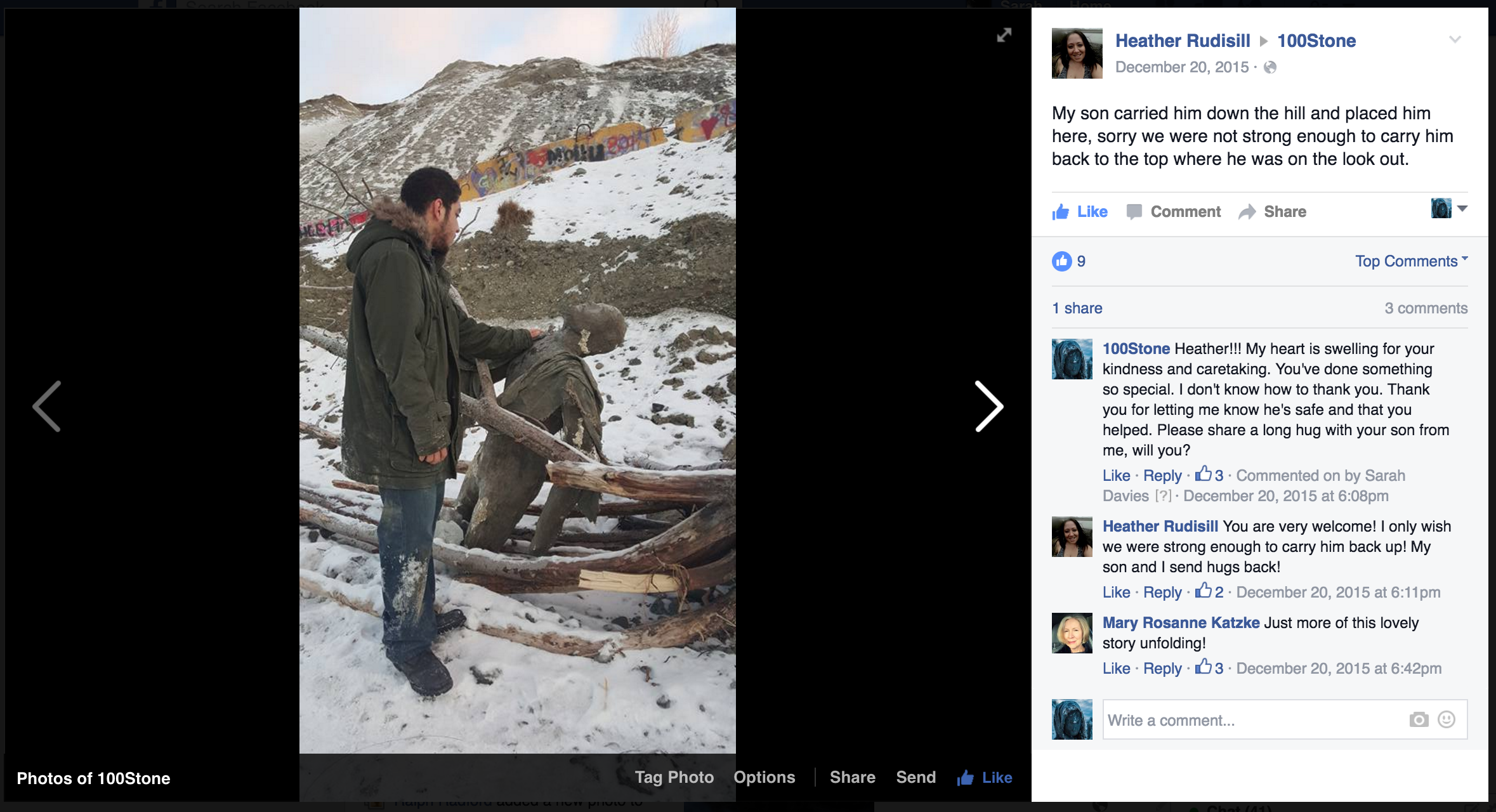
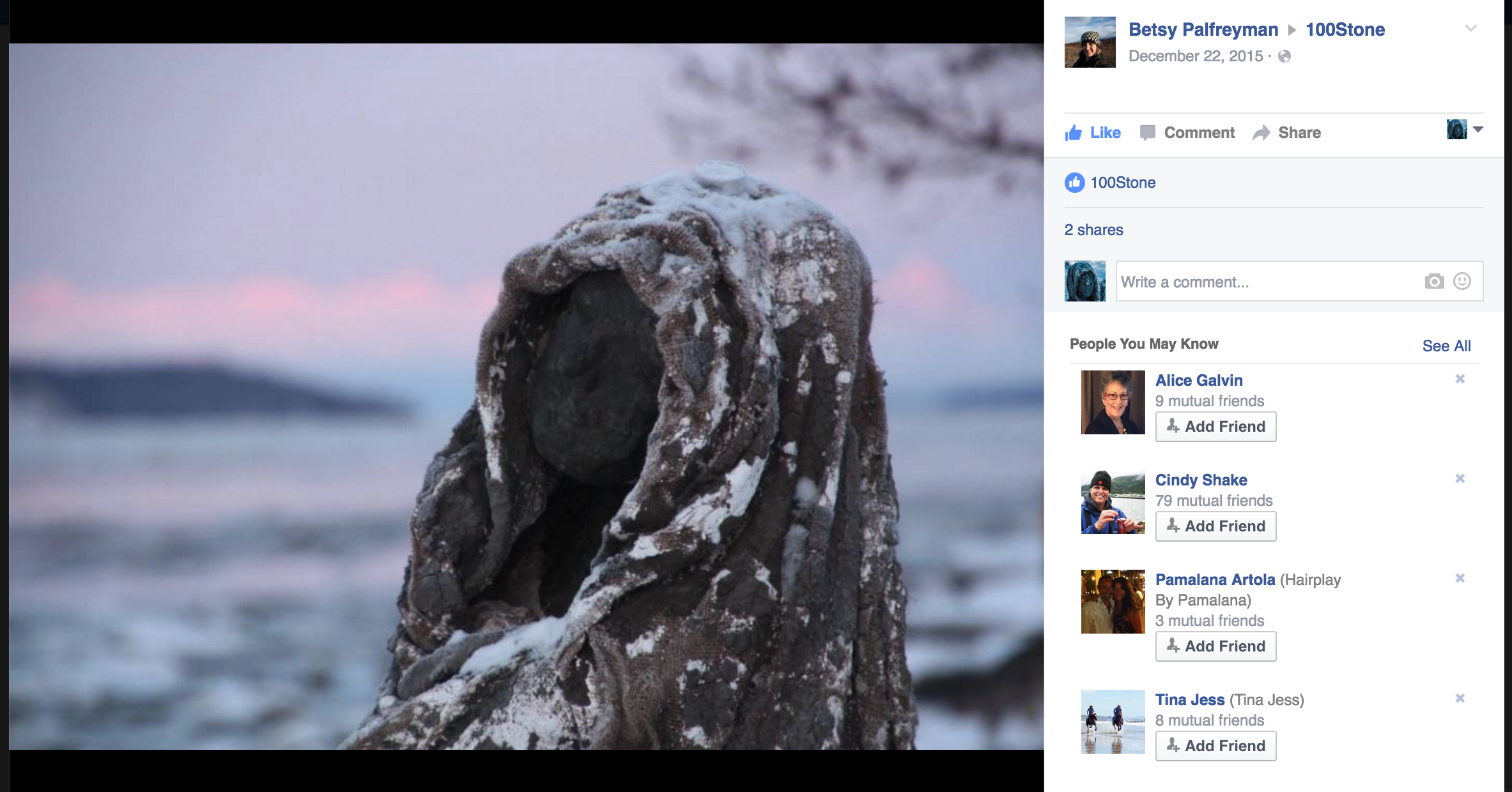
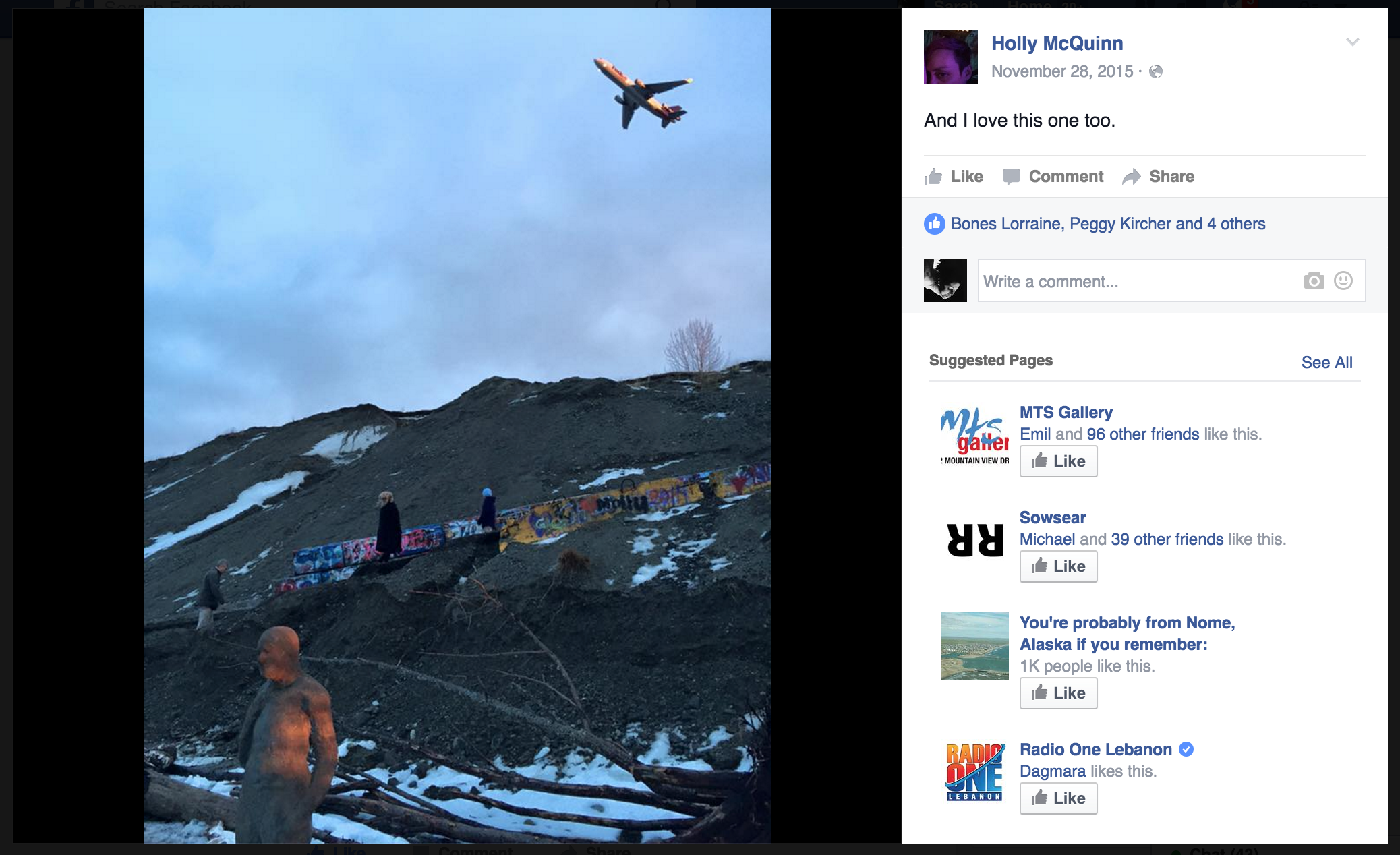
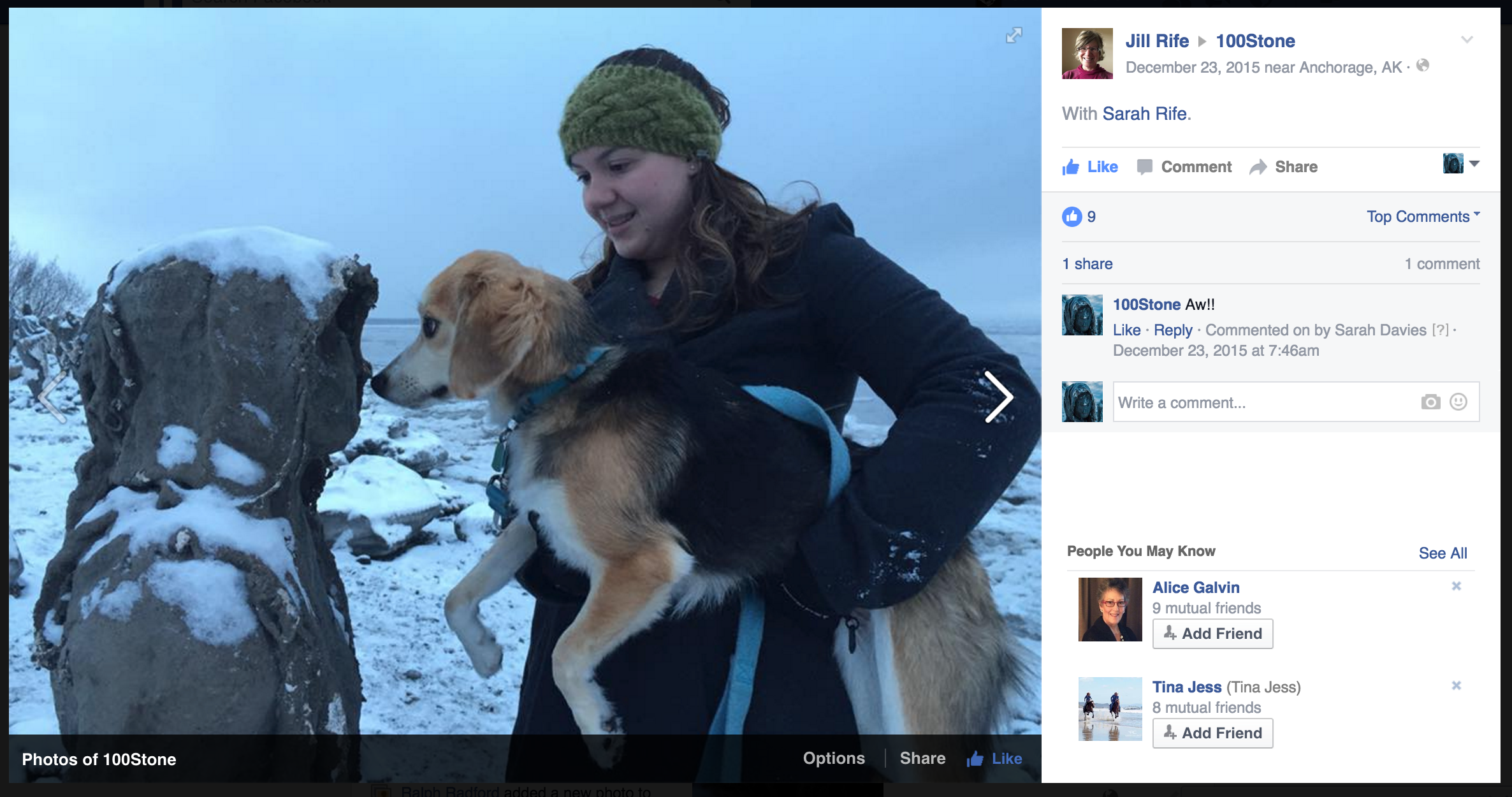
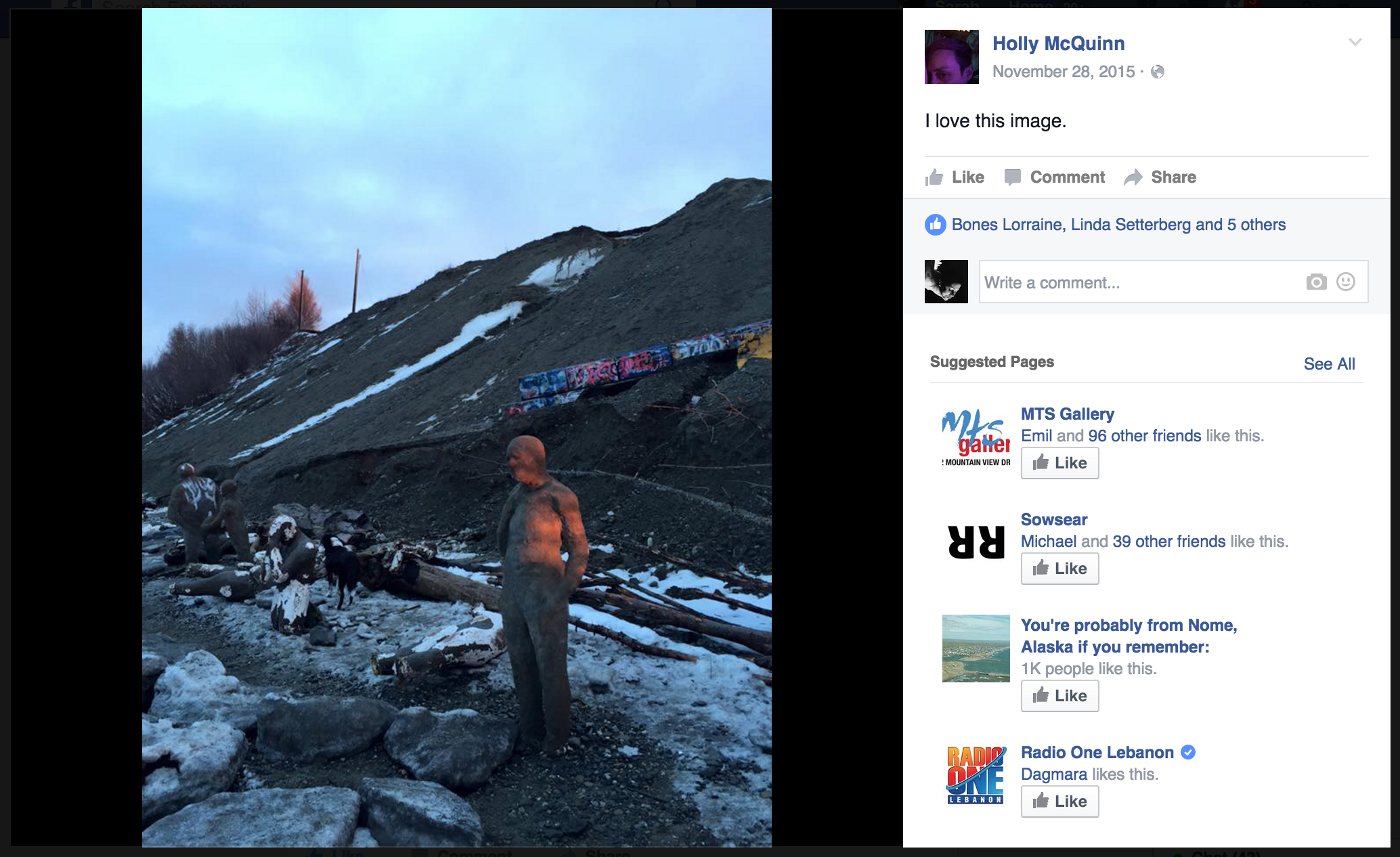
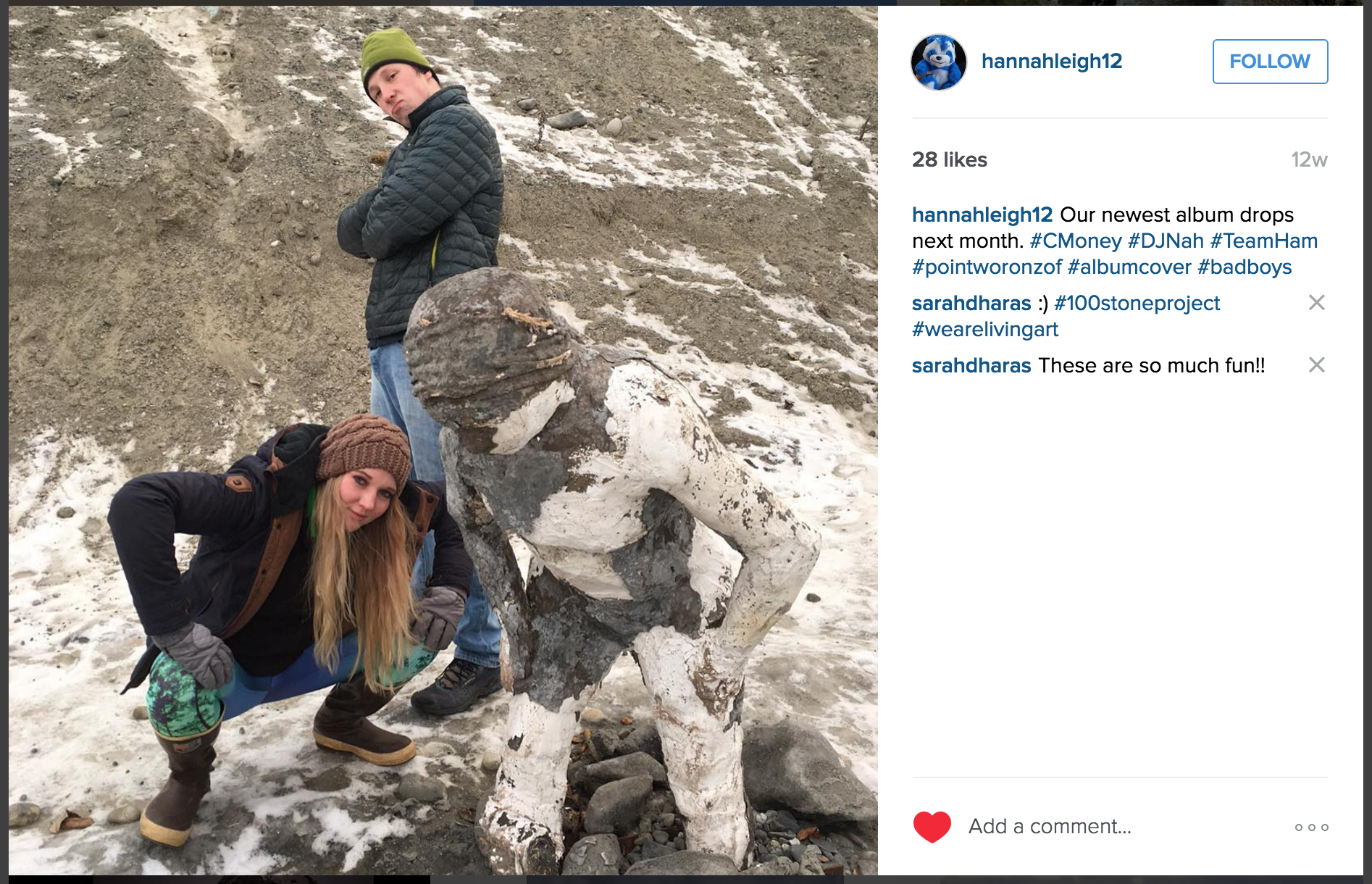
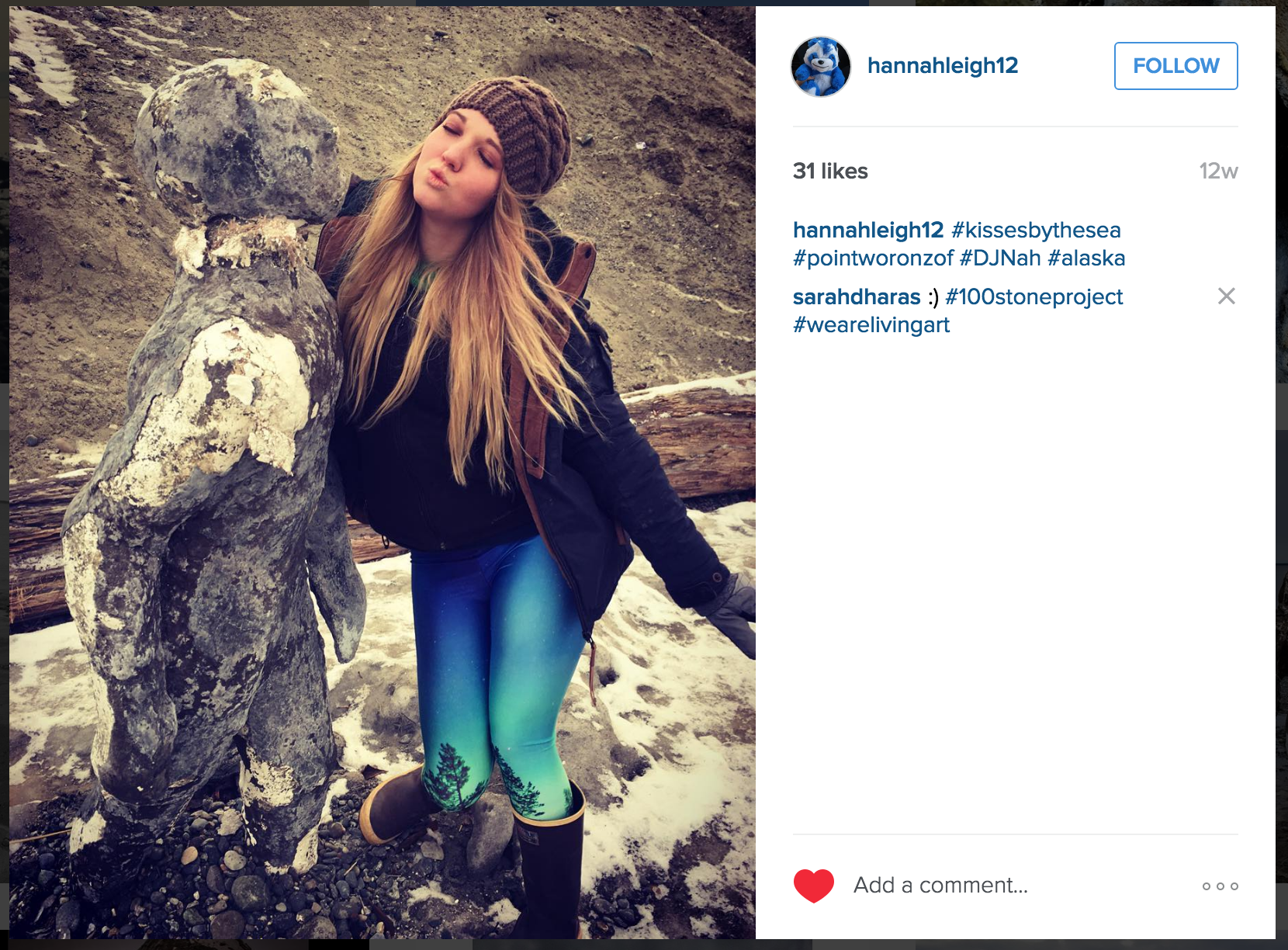
That winter, thousands returned again and again to witness the evolution of 100Stone as our winter children weathered the punishing landscape of Point Woronzof. The installation took on a story of its own. All of life unfolded there, as did death. There was the storm. A kidnapping—and return—of one of our Stones. Vandalism that evolved into voice. A two-time bluff-side rescue effort for our perched sentinel, tossed twice over the edge. The lighting of candles. The releasing of lamps. The placing of flowers. The hiding of letters. A memorial built upon the life-blood of a twenty-year-old mother murdered at the foot of a Stone.
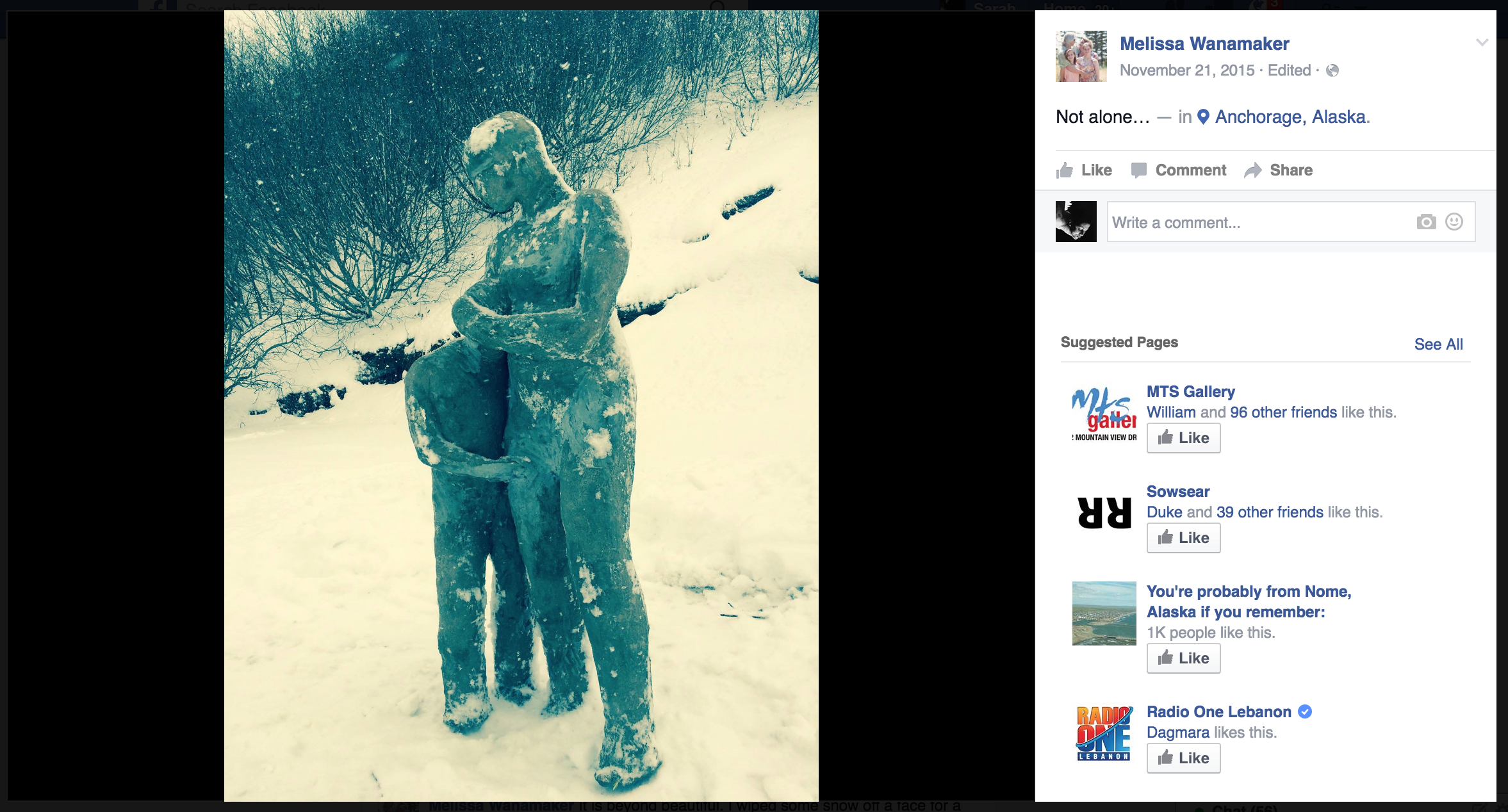
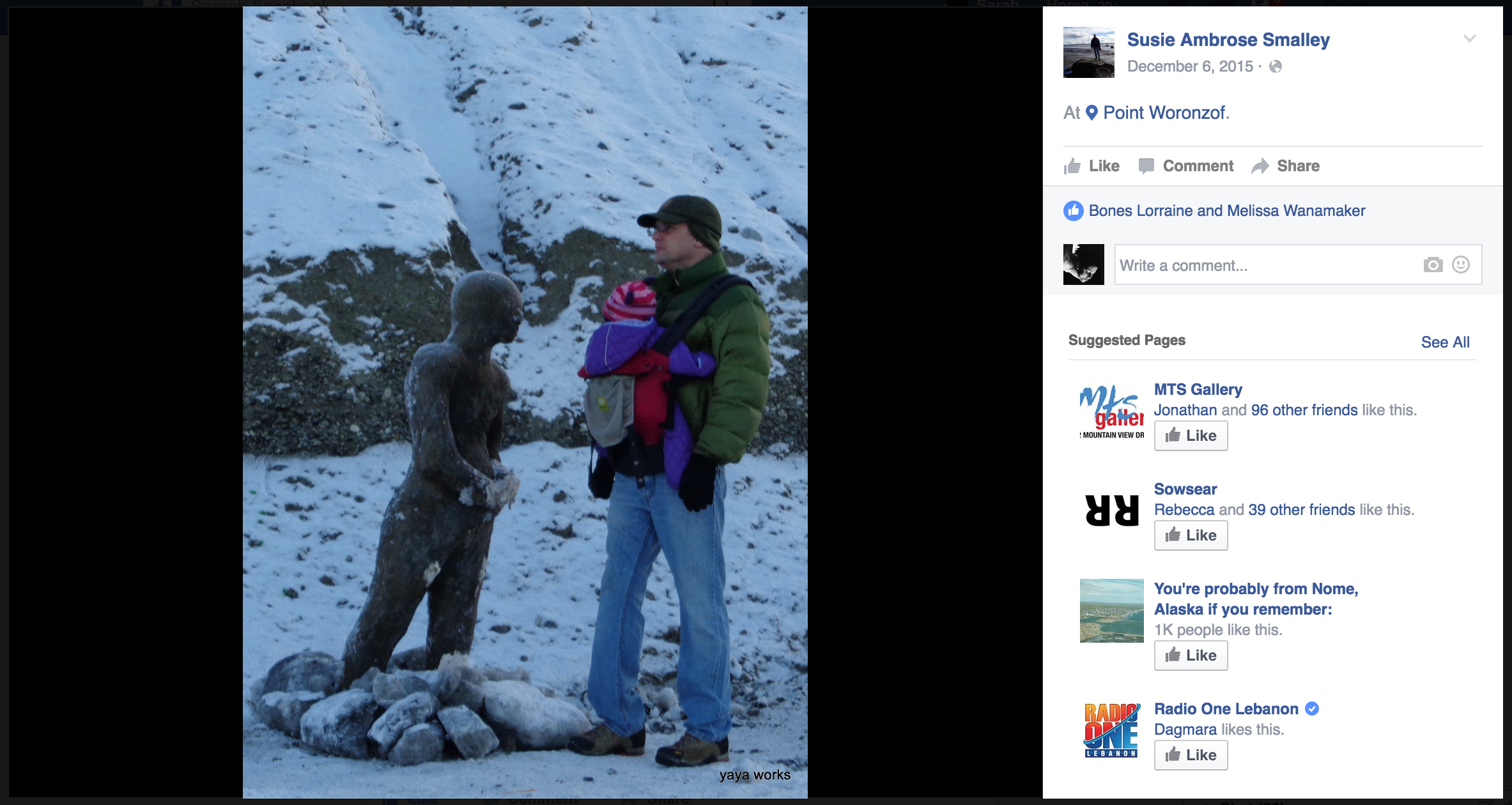
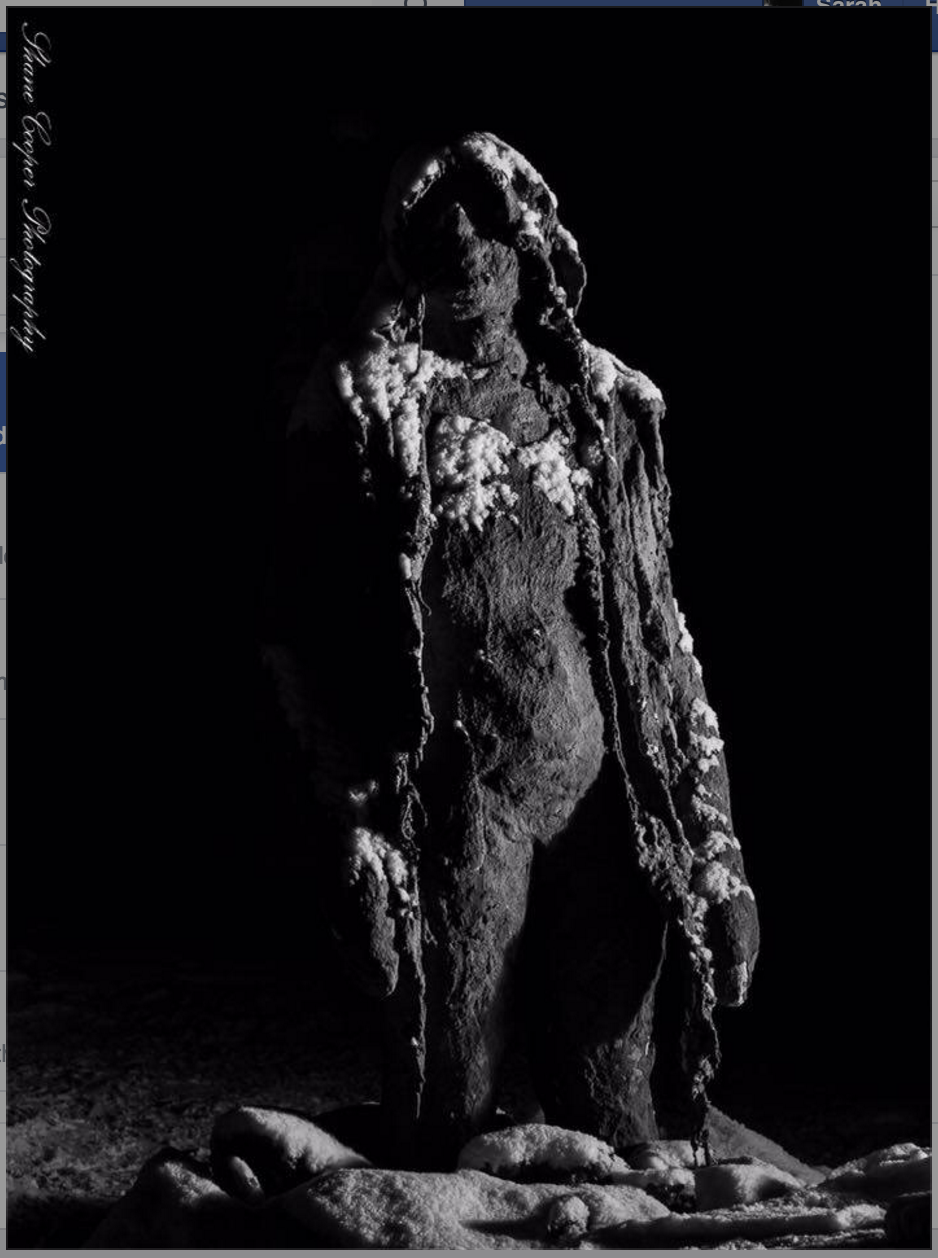
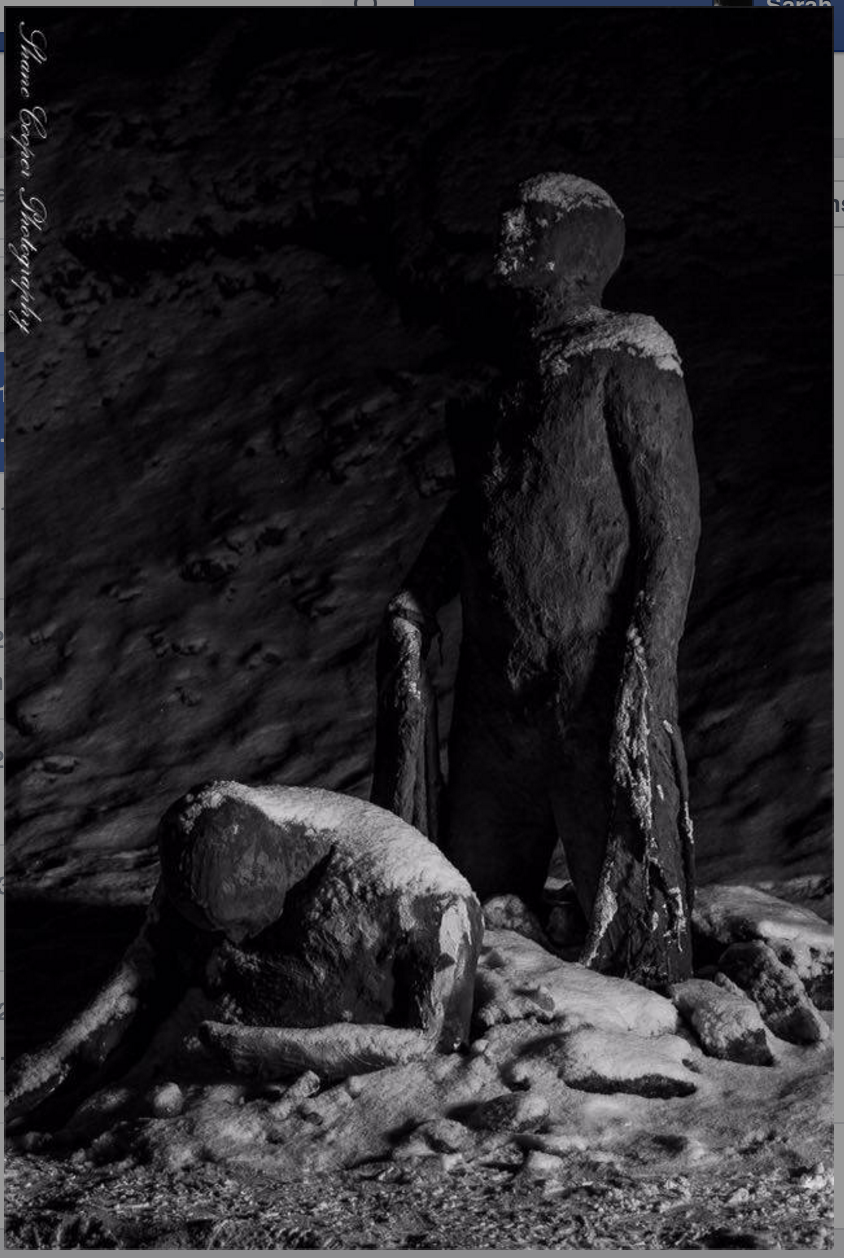
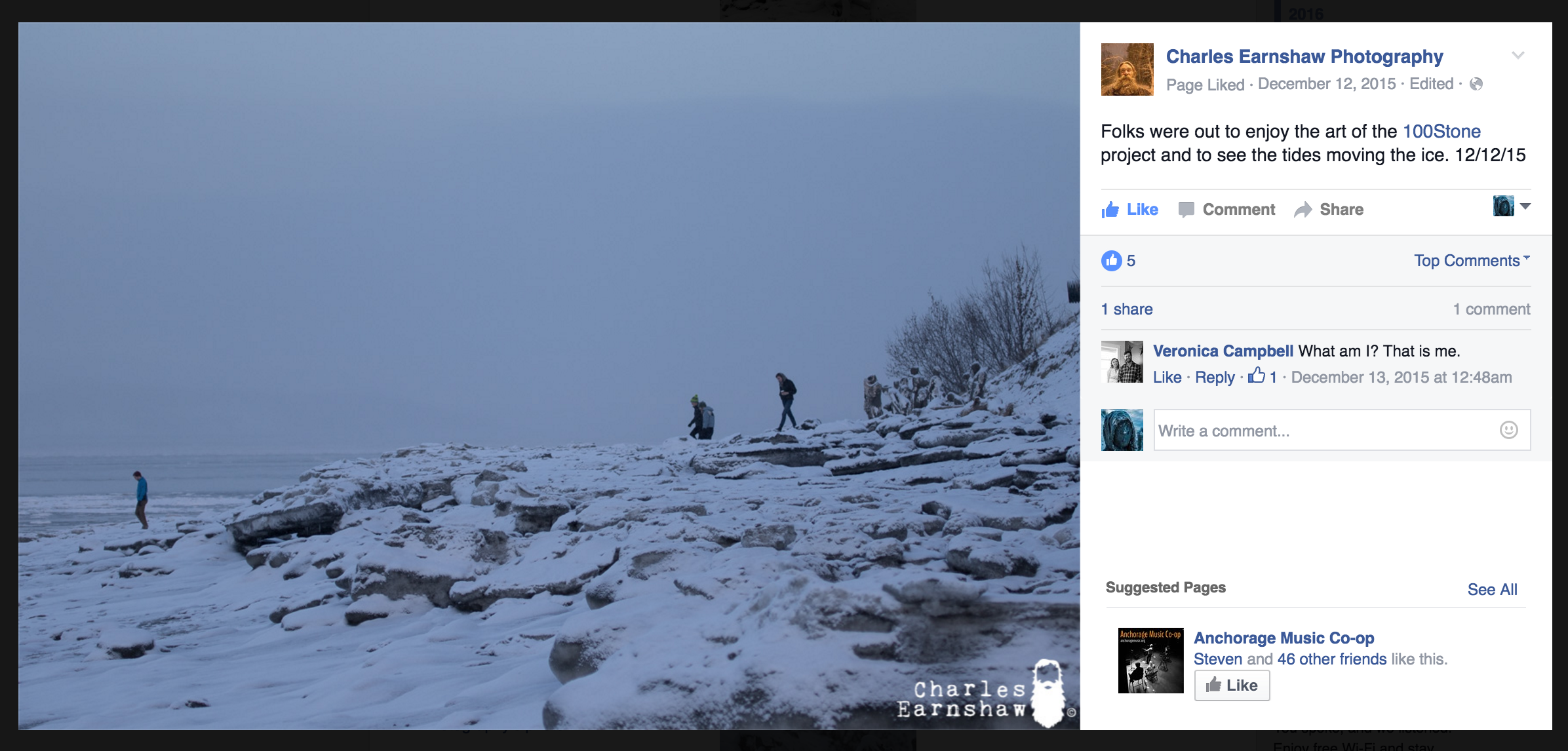
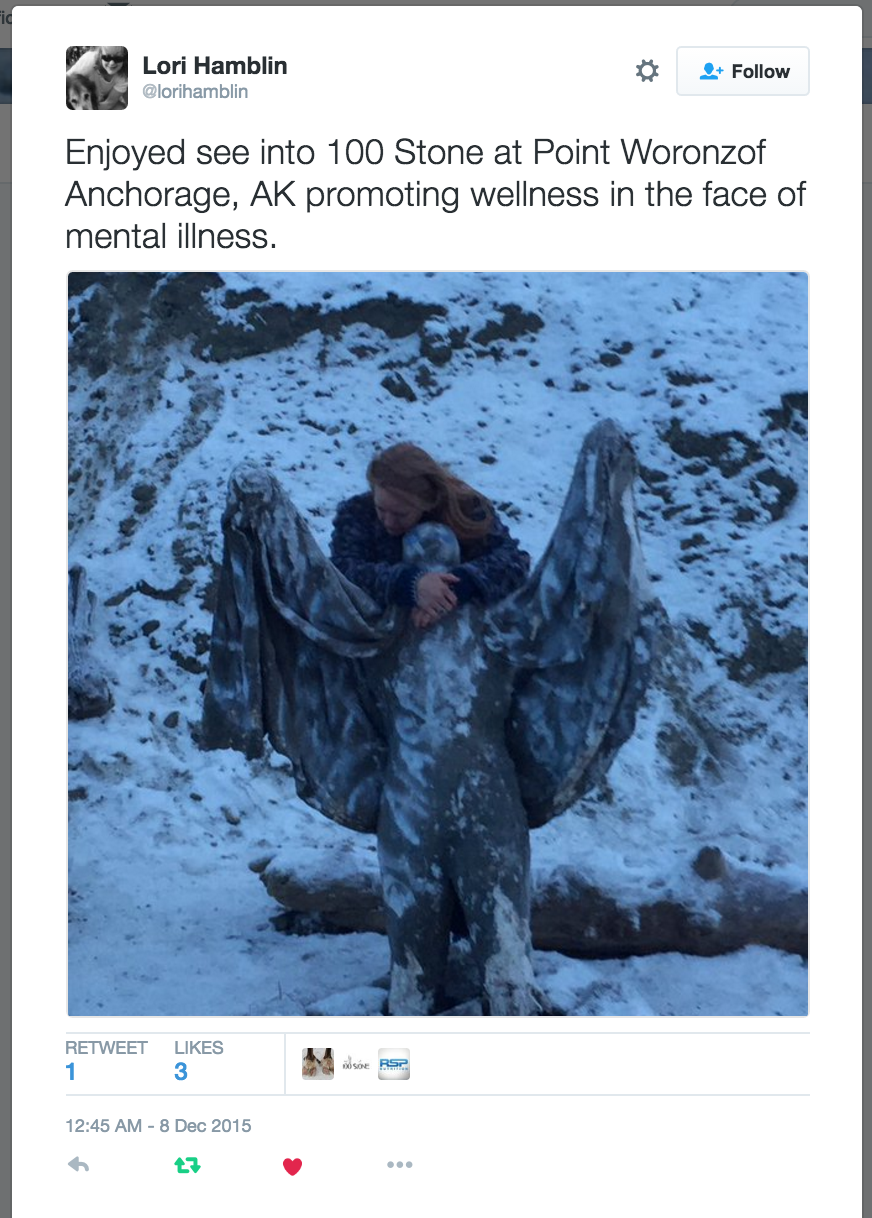
School groups and treatment centers visited these sculptural stories. The installation became a platform for conversation—a place where one could find the courage to speak about their interpretations rather than their own vulnerabilities, perhaps taking the first steps toward healing. Fathers brought their sons to learn about the diversity of human experience. Families came to remember their lost. People came to rage at their own reflections. The beach became sanctified ground.
In All Our Winter Children: 100Stone and the ways we are humaned, (Anchorage Press, 12/10/15), Lu-Ann Haukaas uses her remarkable voice to offer a poetic telling of what she witnessed on that icy beach:

Photo by Kerry Tasker
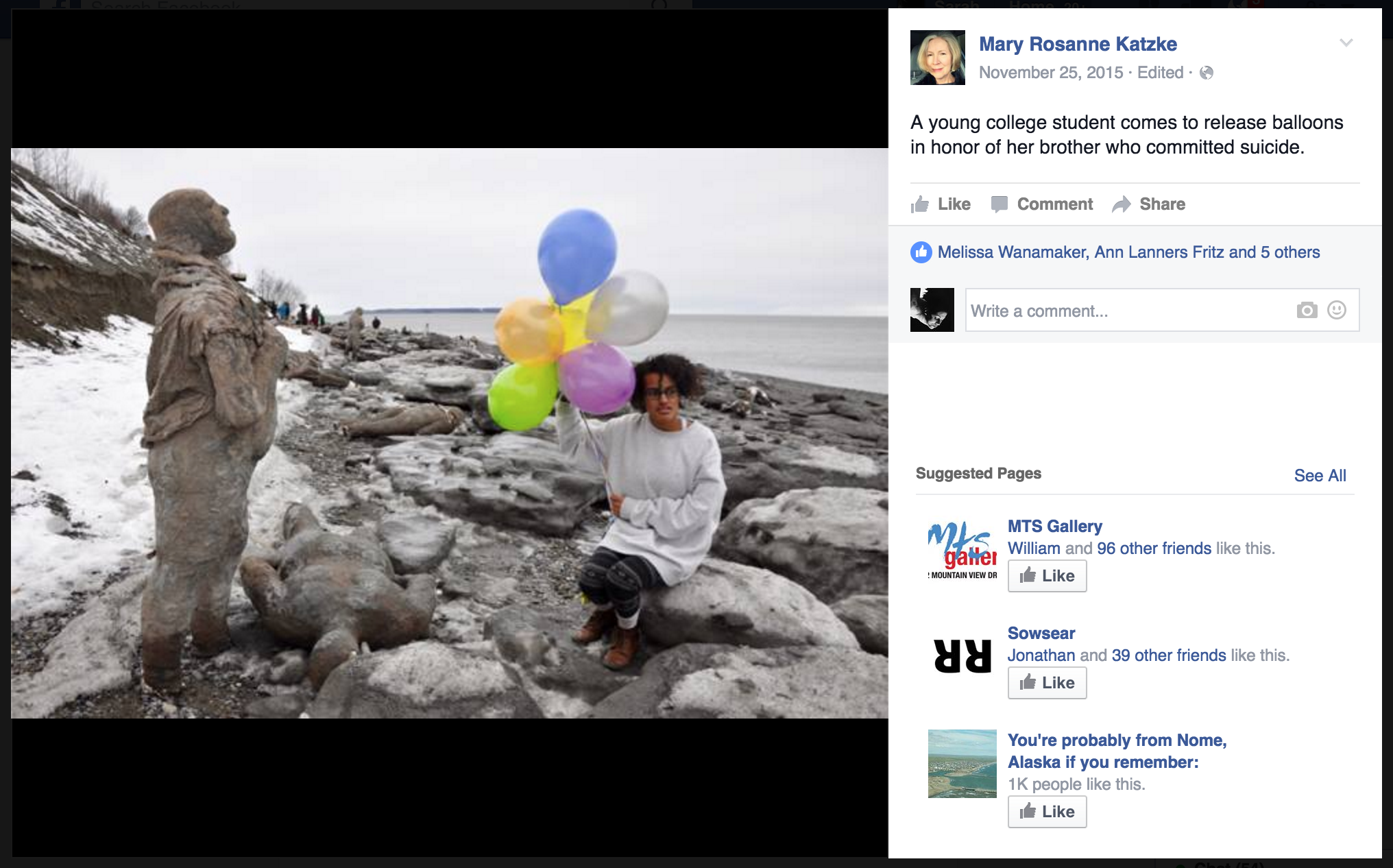
In 100Stone: Anchorage art installation makes a powerful statement about suffering, caring (Alaska Dispatch News, 12/09/15), Mary Katzke of AffinityFilms, Inc. described how she, and our community, has been forever changed:

Photo by AffinityFilms Inc.
PHASE VI
THE SURVIVORS
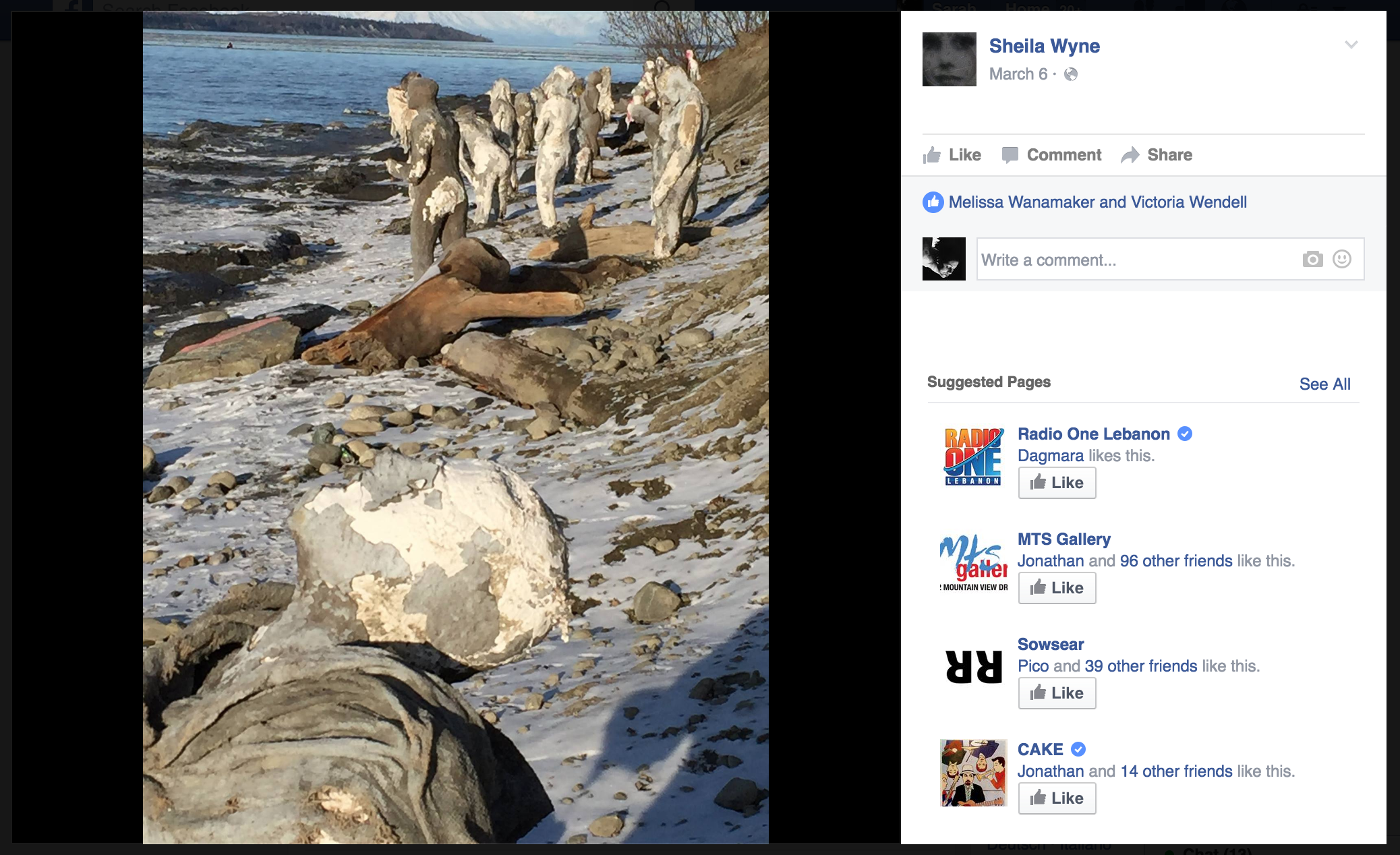
The Stones stood until the following April, when we were satisfied that our voices had been heard.
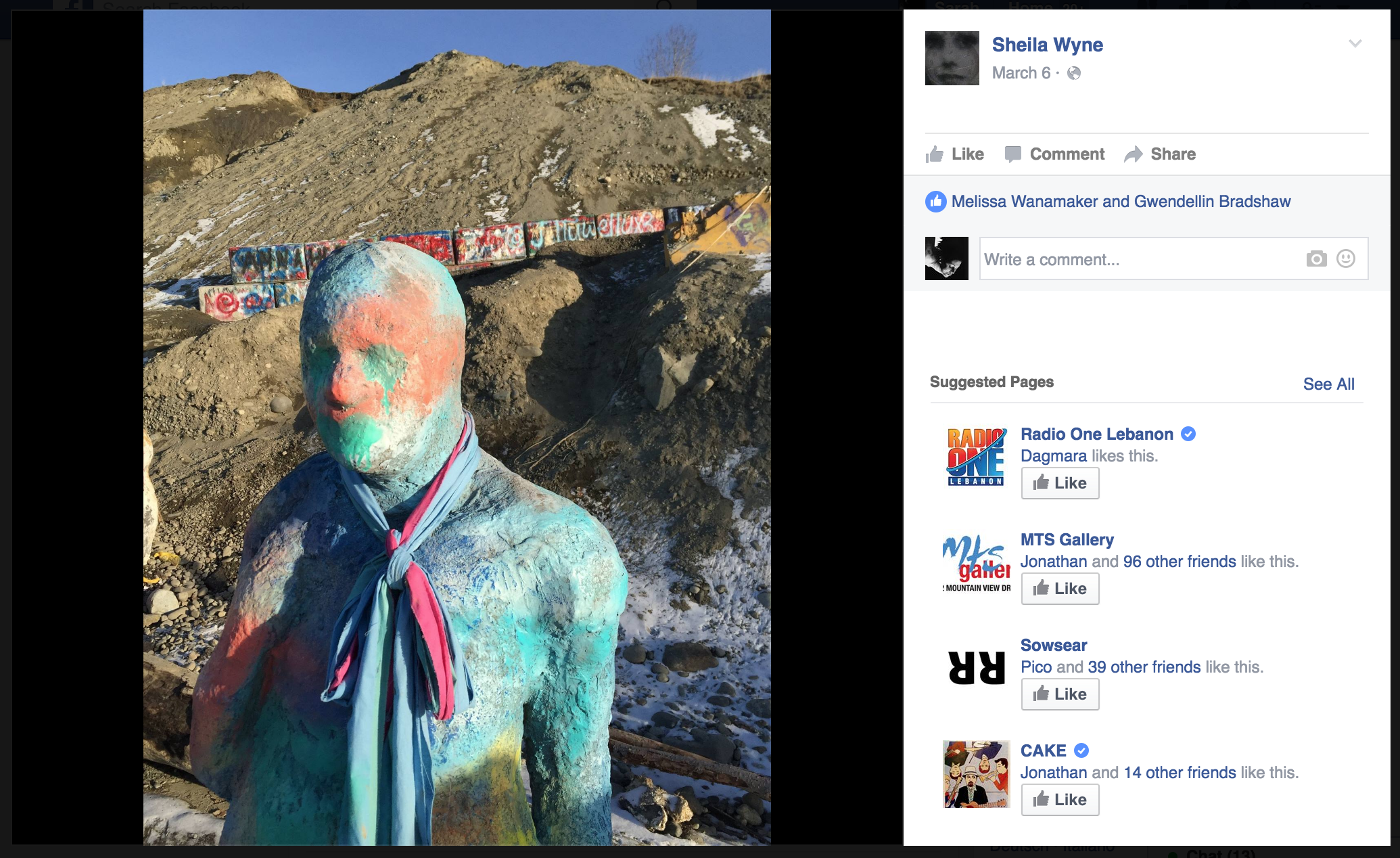
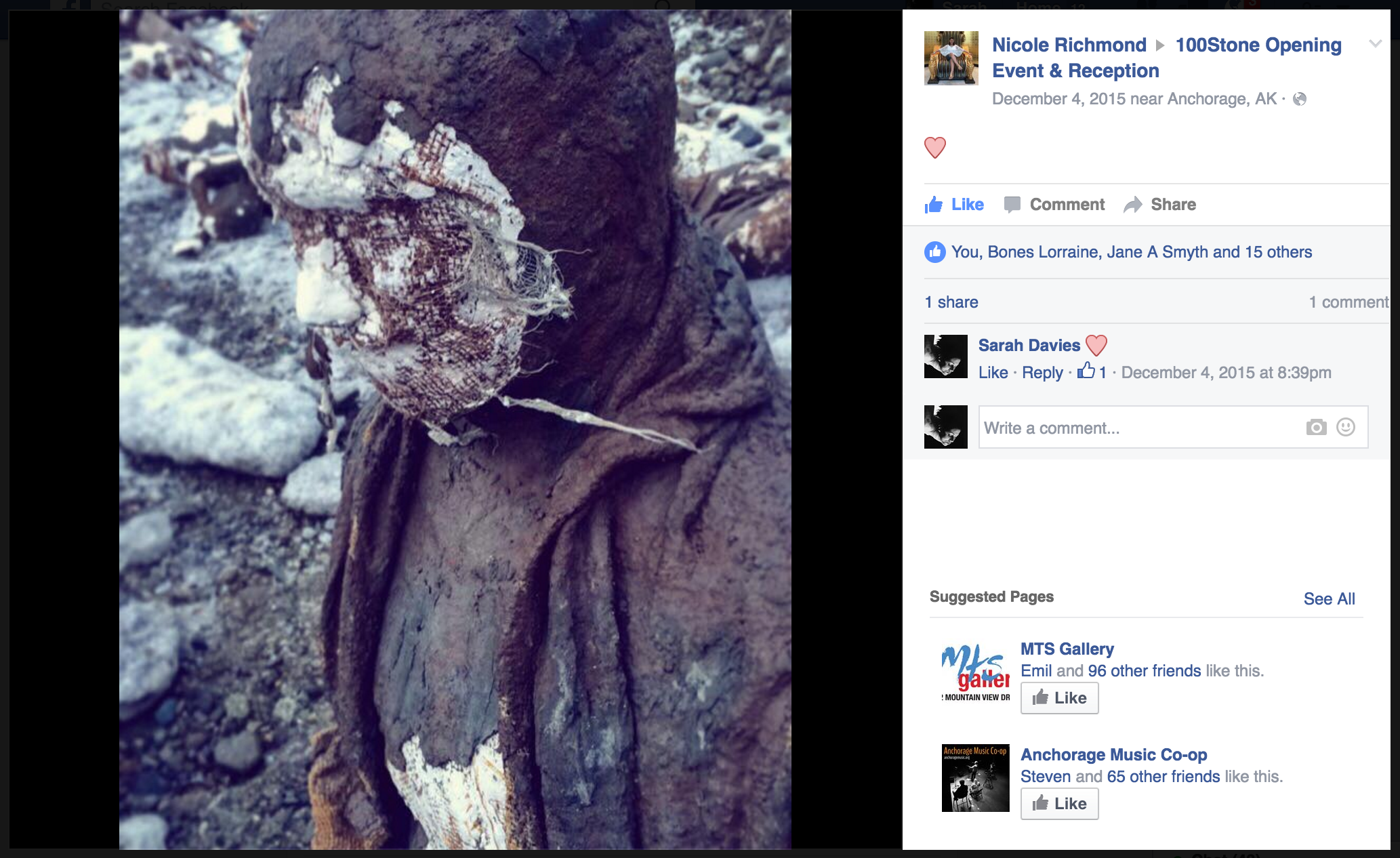
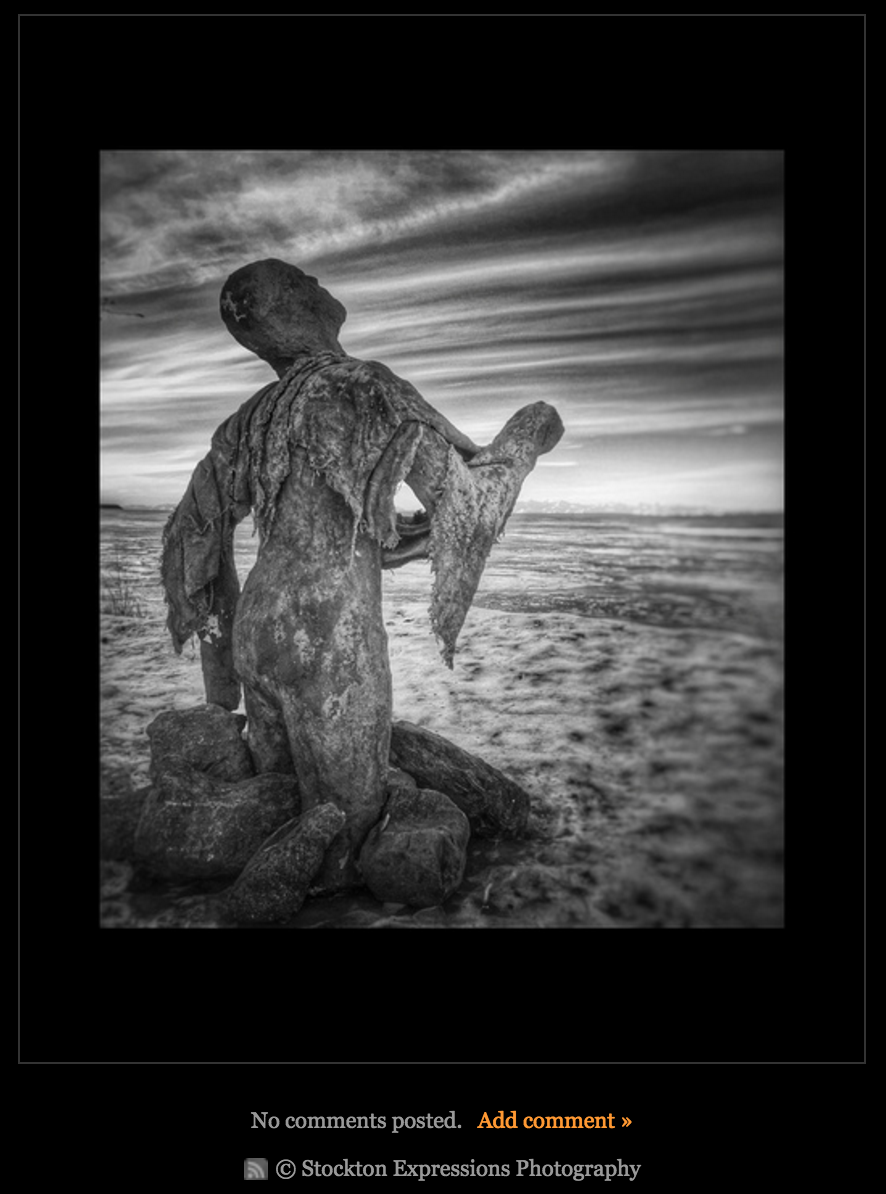
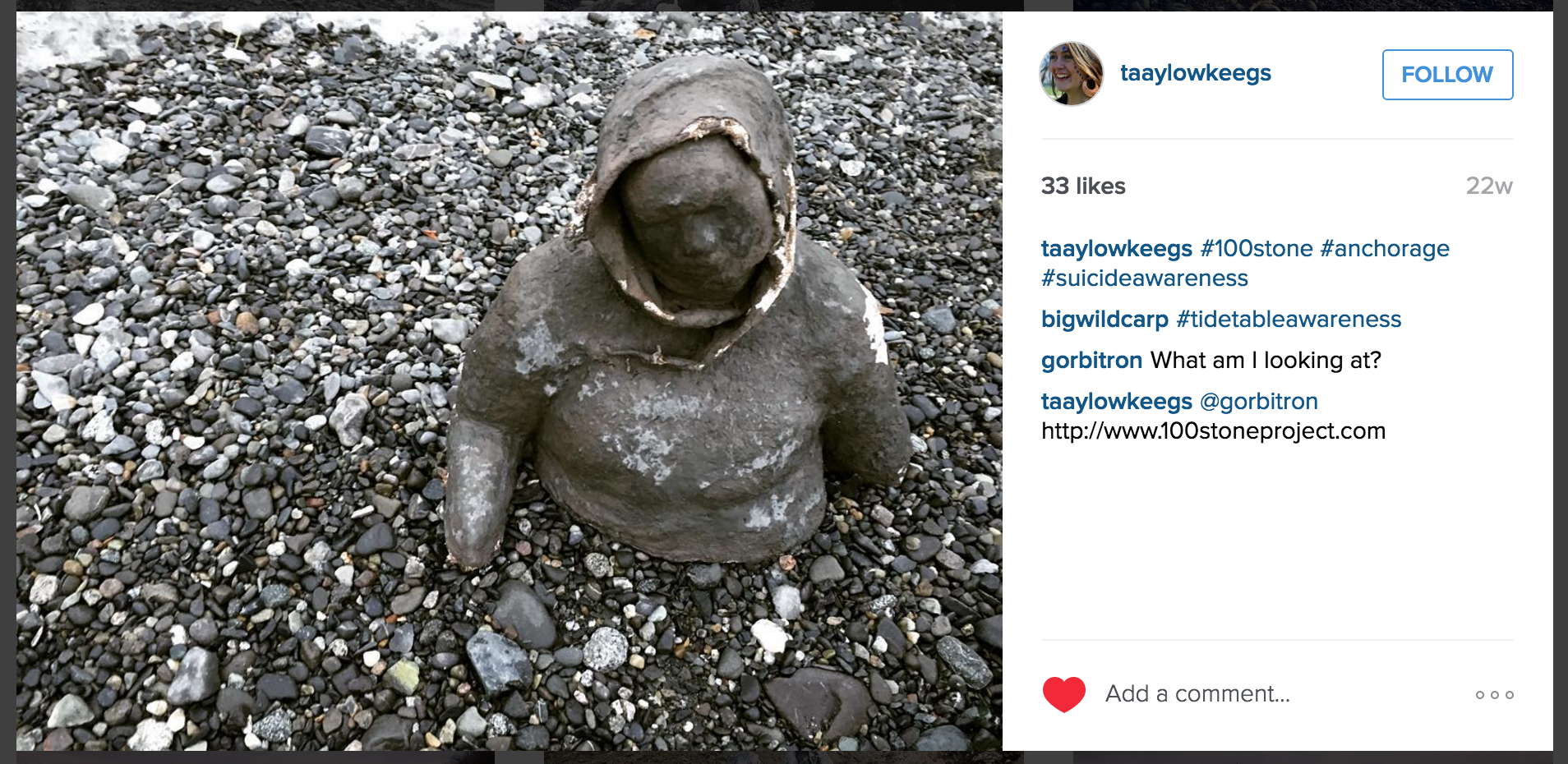
We expected that more than half the installation would be swallowed by spring. The Stones were intentionally built to show the effects of tides, ice, and weather at an accelerated rate. The plaster–water ratios were deliberately imbalanced, the concrete imperfectly mixed, the exterior left unsealed. Vulnerability was built in.
But by spring, fifty-four Stones still stood—weathered and altered, but whole. The team then faced the dilemma of what to do with those that persisted. The idea of sending them to a landfill was unbearable.
That summer, fifty-four Stones filled half of Davies’ urban backyard, waiting for their next chapter. The overwhelming concern of the community for their wellbeing, the desire to see them remain on public display, the impulse to hold them close, and the team’s profound sense of gratitude and responsibility—all became the cornerstones for the Stones’ new lives. That summer, the team committed to their restoration and a more personal presentation.
In the winter of 2016–17, forty-five of the surviving Stones were installed in the gardens of Alaska Pacific University. It served as a farewell to the thousands who had come to see them as family before they were returned to their birthplaces across Alaska. At the close of the installation, thirty-eight statues—and the stories they represent—were reclaimed by those who loved them, built them, and identified with them. Some now live in public spaces; others have found private homes.
The remaining seven rest in the personal garden of lead artist Sarah Davies.
THE END
PAYING IT FORWARD
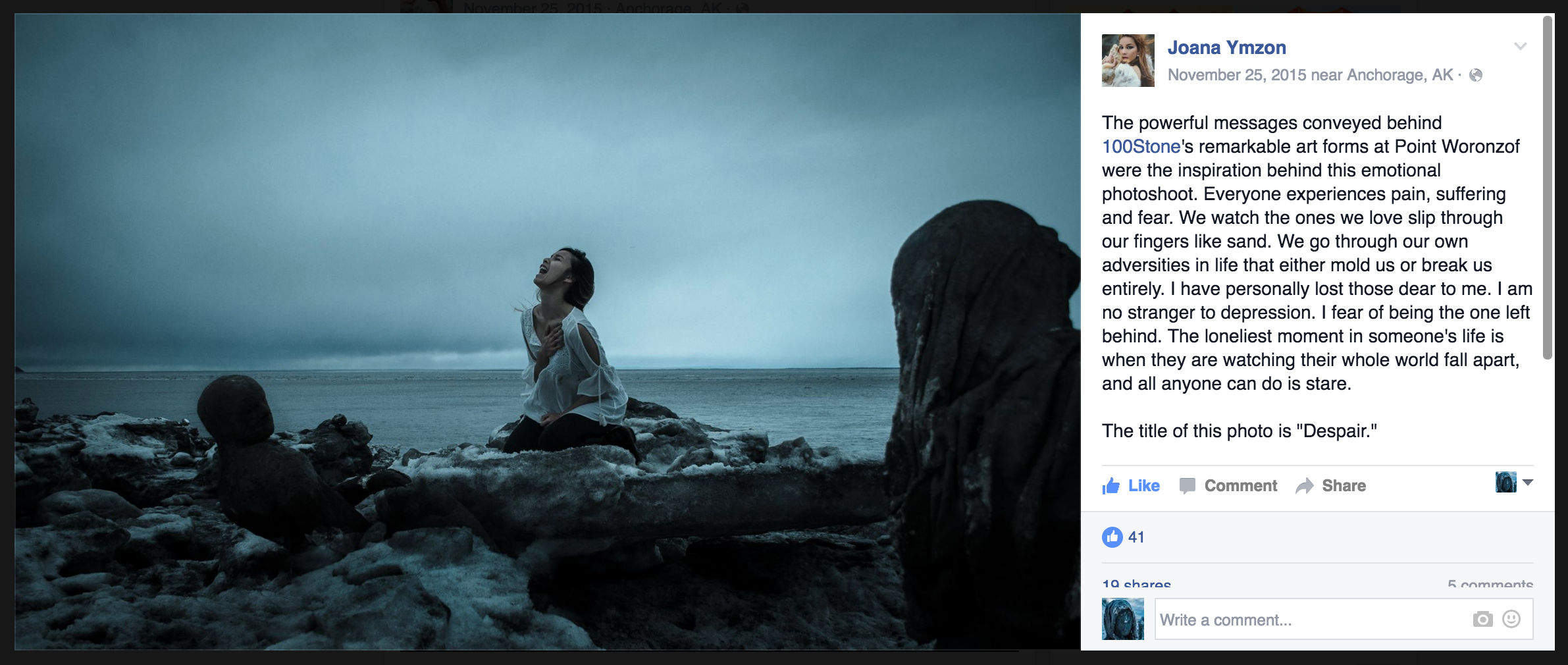
Even after the conclusion of the 100Stone Project and the farewell in the APU gardens, our partners and community champions continued to grow. Through the amplification of the project’s message by BuzzFeed, Hyperallergic, Upworthy, Recover Alaska, the Emmy Awards, Alaska Public Media, Midas Well Films, and thousands of visitors, a web community of countless viewers and followers emerged. The 100Stone Project became a creative movement.
With every individual, family, and group that visited the icy beach of Point Woronzof or the winter gardens of Alaska Pacific University, the stories of 100Stone transmuted into stories of true power. They became platforms for introspection and inter-family communication. The opportunity to engage with difficult truths in sanctified spaces opened doors to intimate, life-sustaining community discussions. As each person formed their relationship with 100Stone, threads of truth, humanity, resilience, and peace wove through us all—into our families and our communities.
In January 2018, in partnership with the Alaska Humanities Forum, Sarah Davies founded Human:ties, a fund dedicated to promoting socially engaged art in Alaska and continuing the exploration of the intersection between art and public health. That fall, $10,000 was raised through the sale and sponsorship of the remaining Stones of the 100Stone Project and paid forward to a new project addressing issues surrounding homelessness in Alaska, led by artists Ryan Romer and Jimmy Riordan. That project is called Home.
#wearelivingart
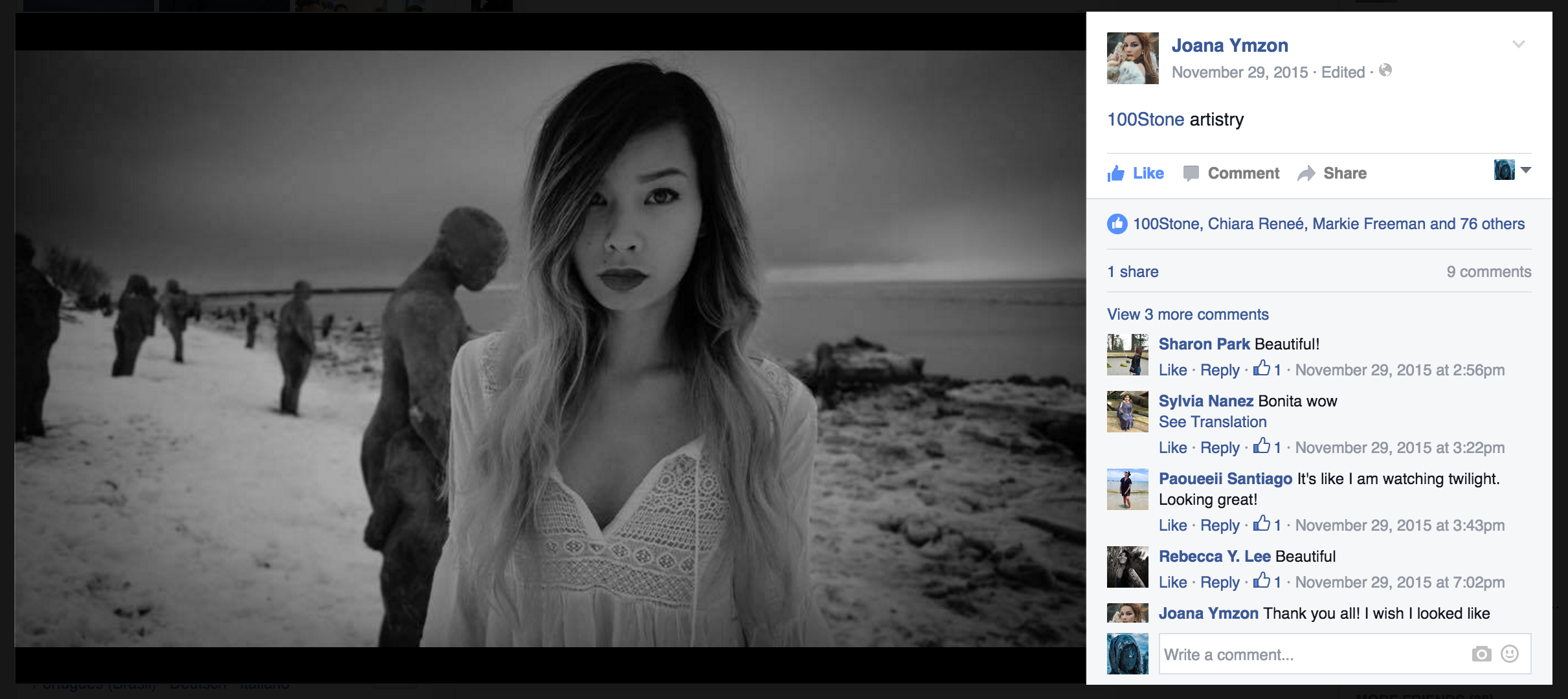
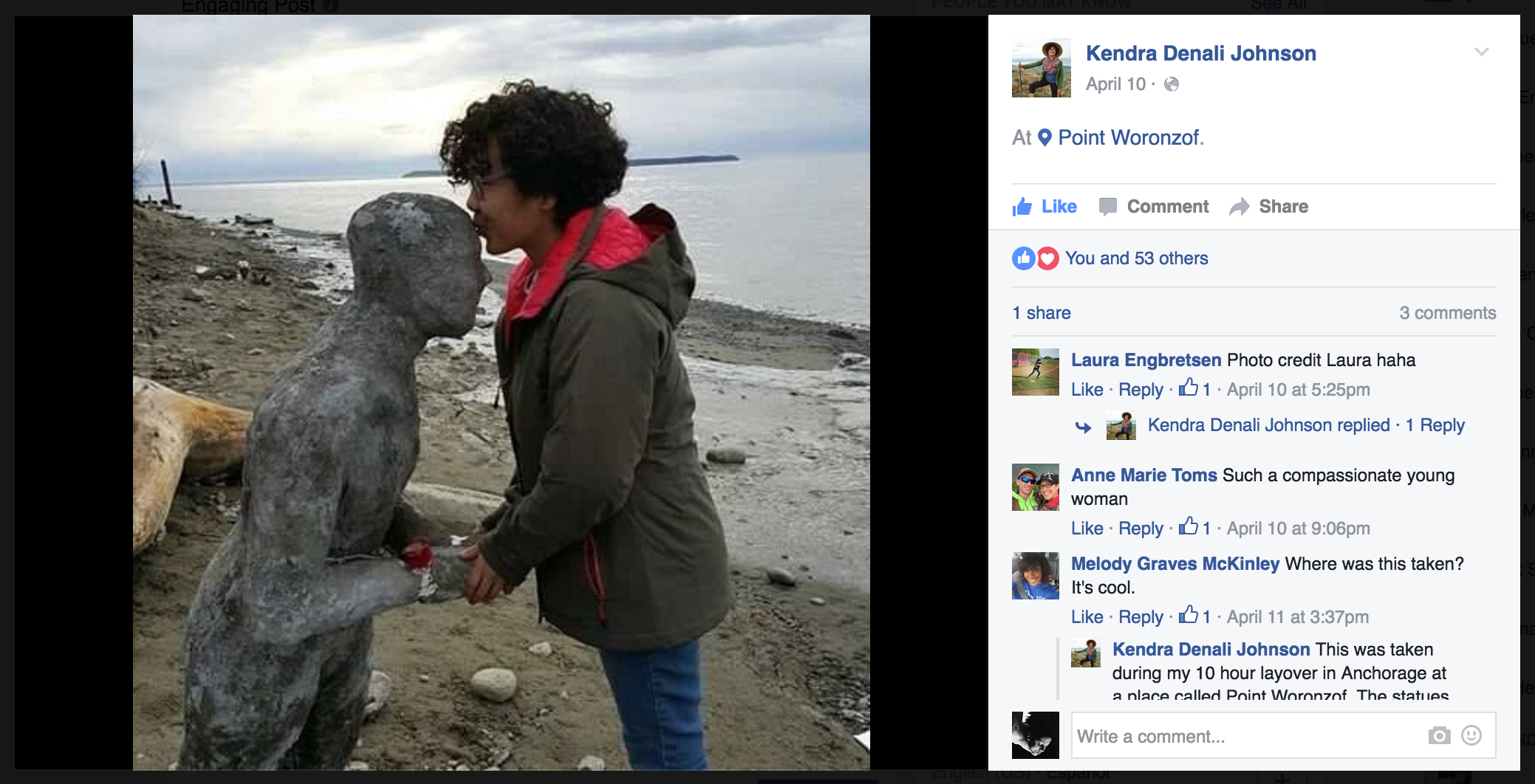
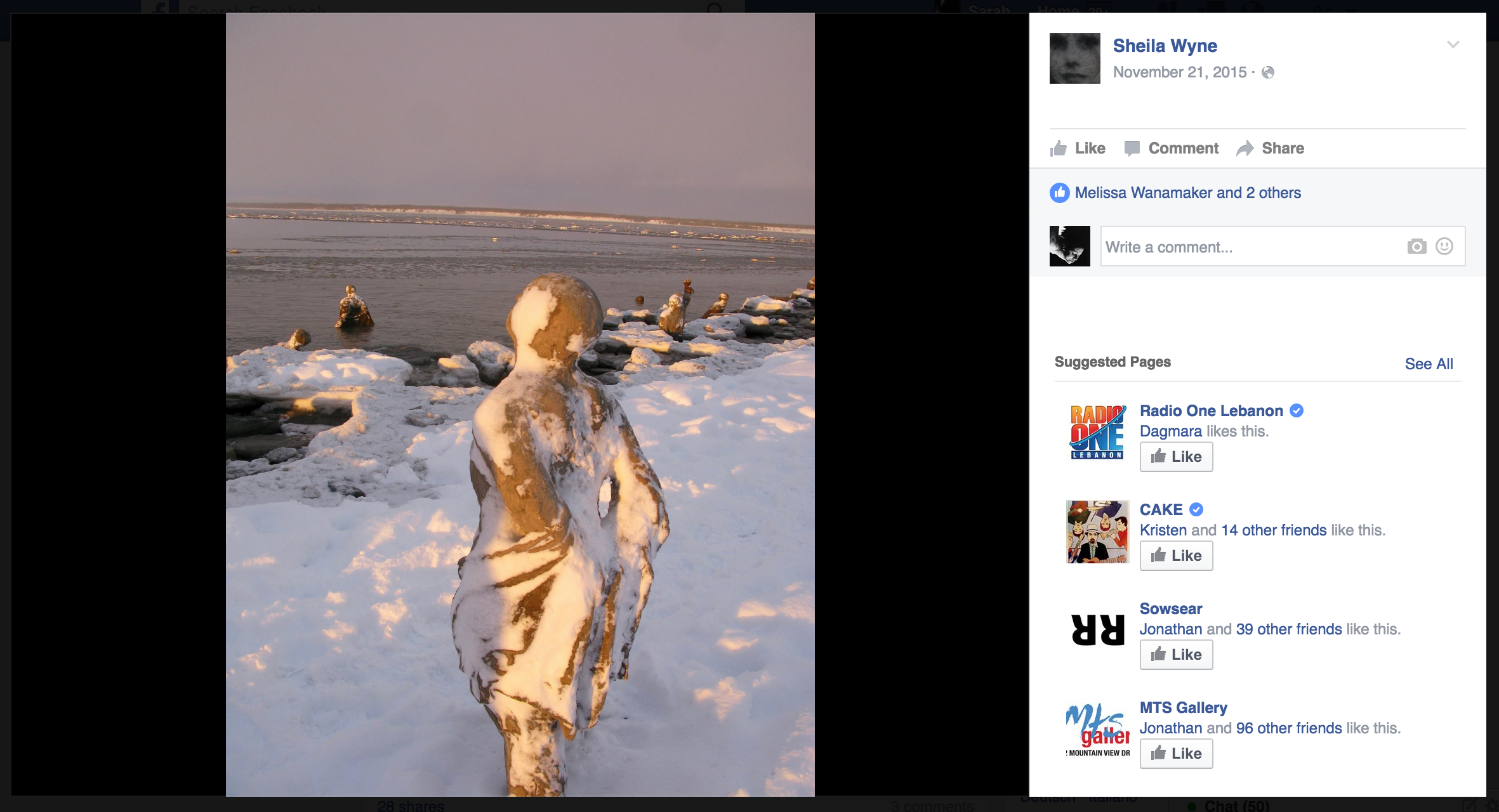
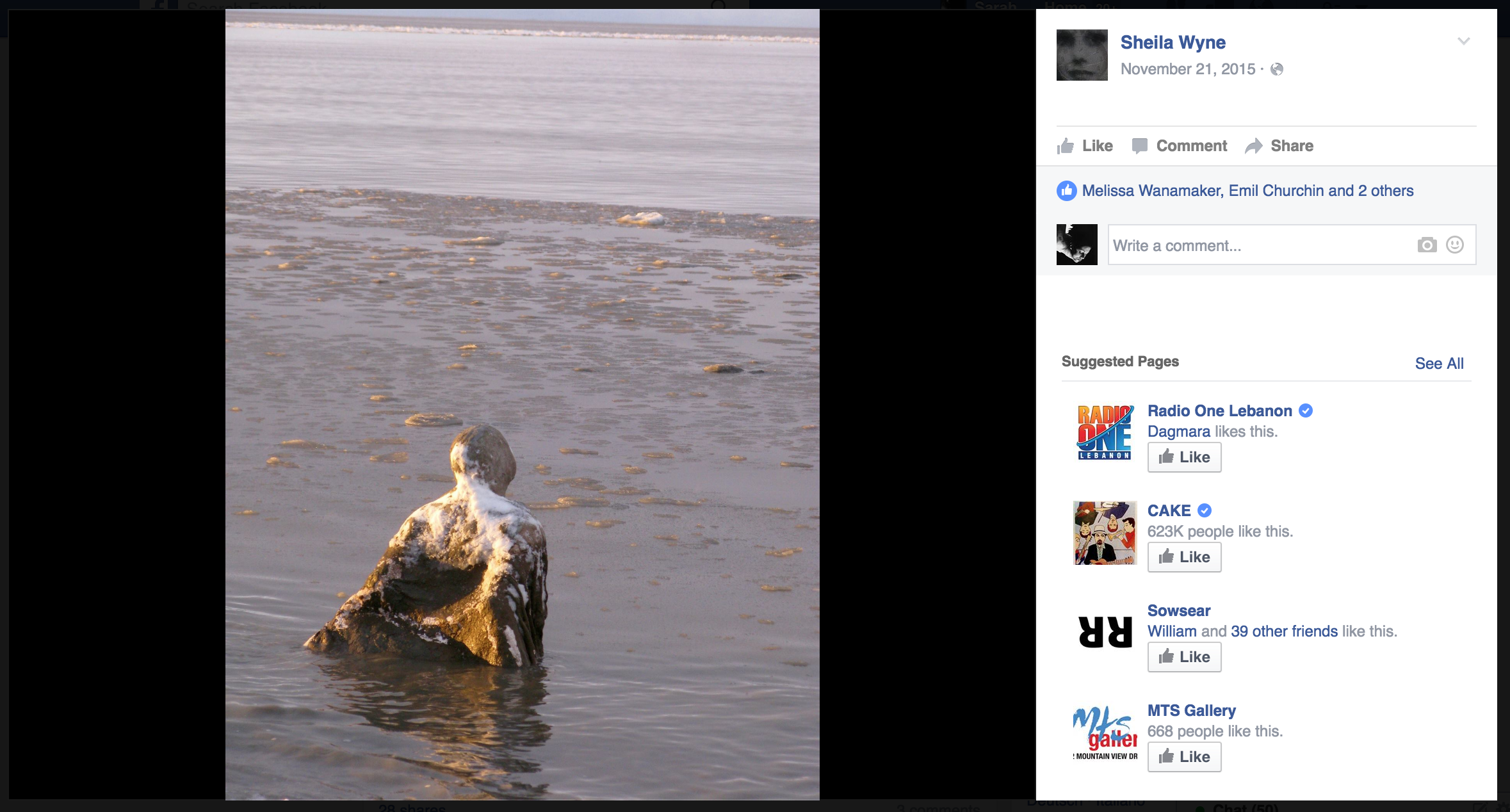
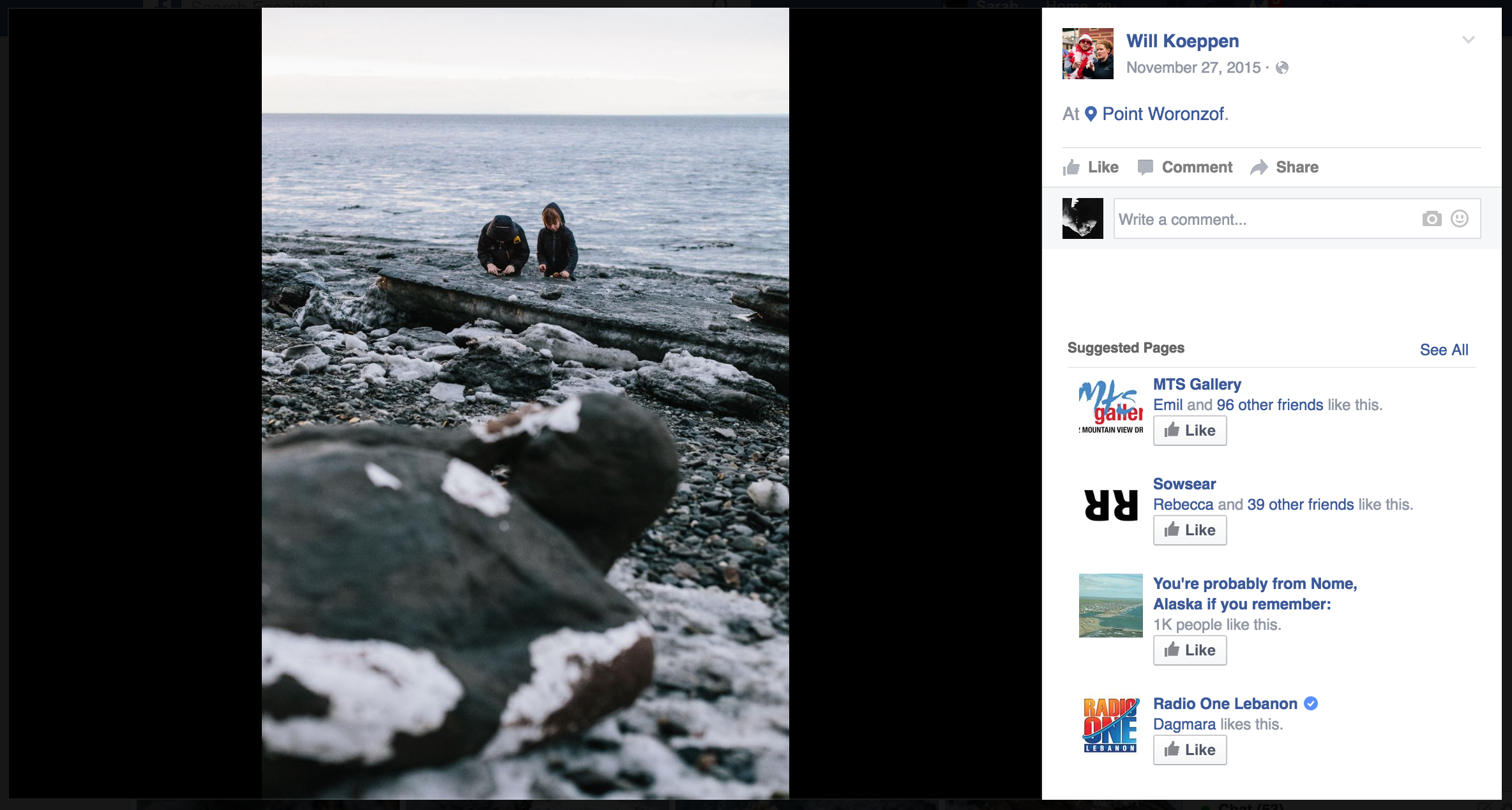
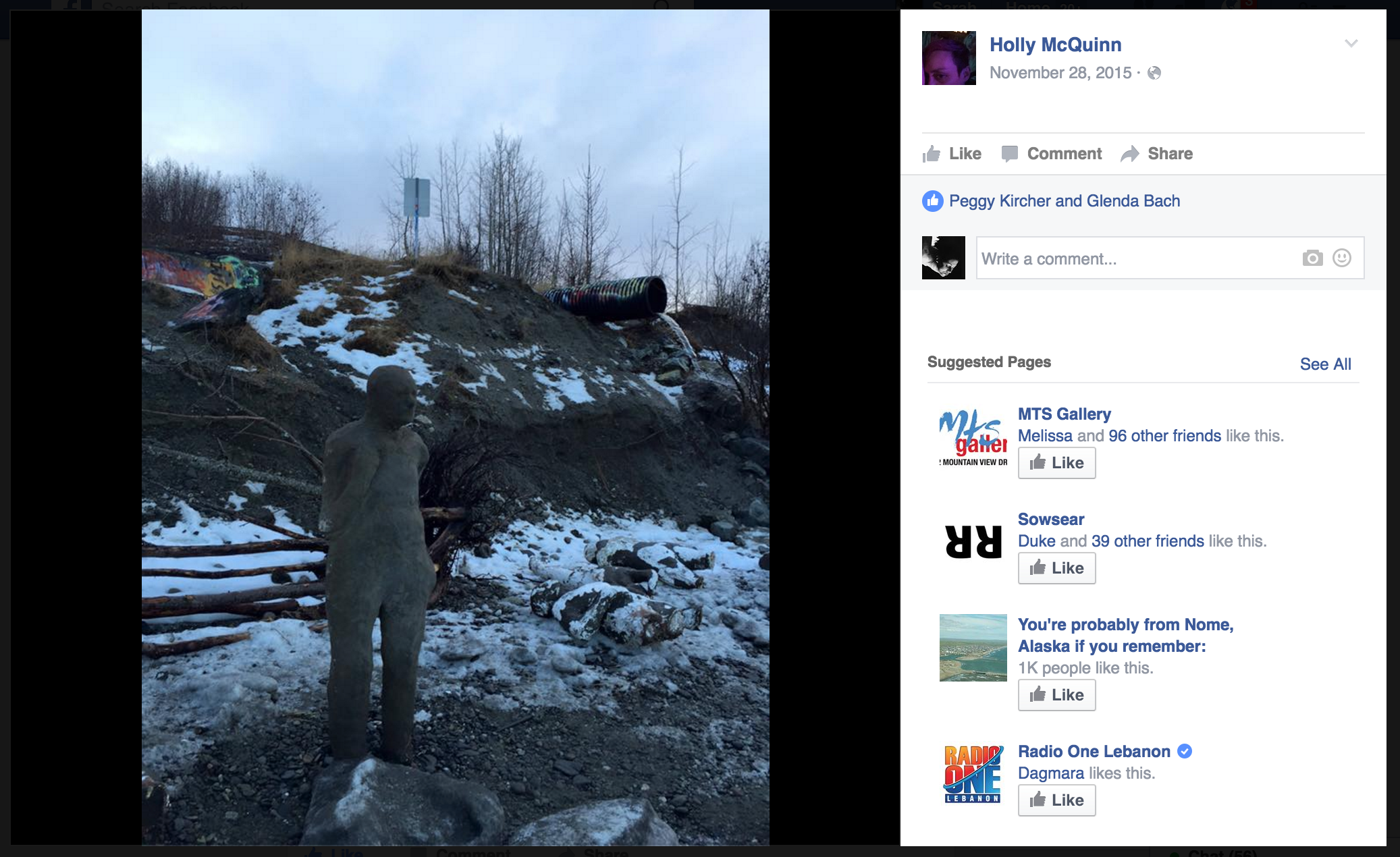
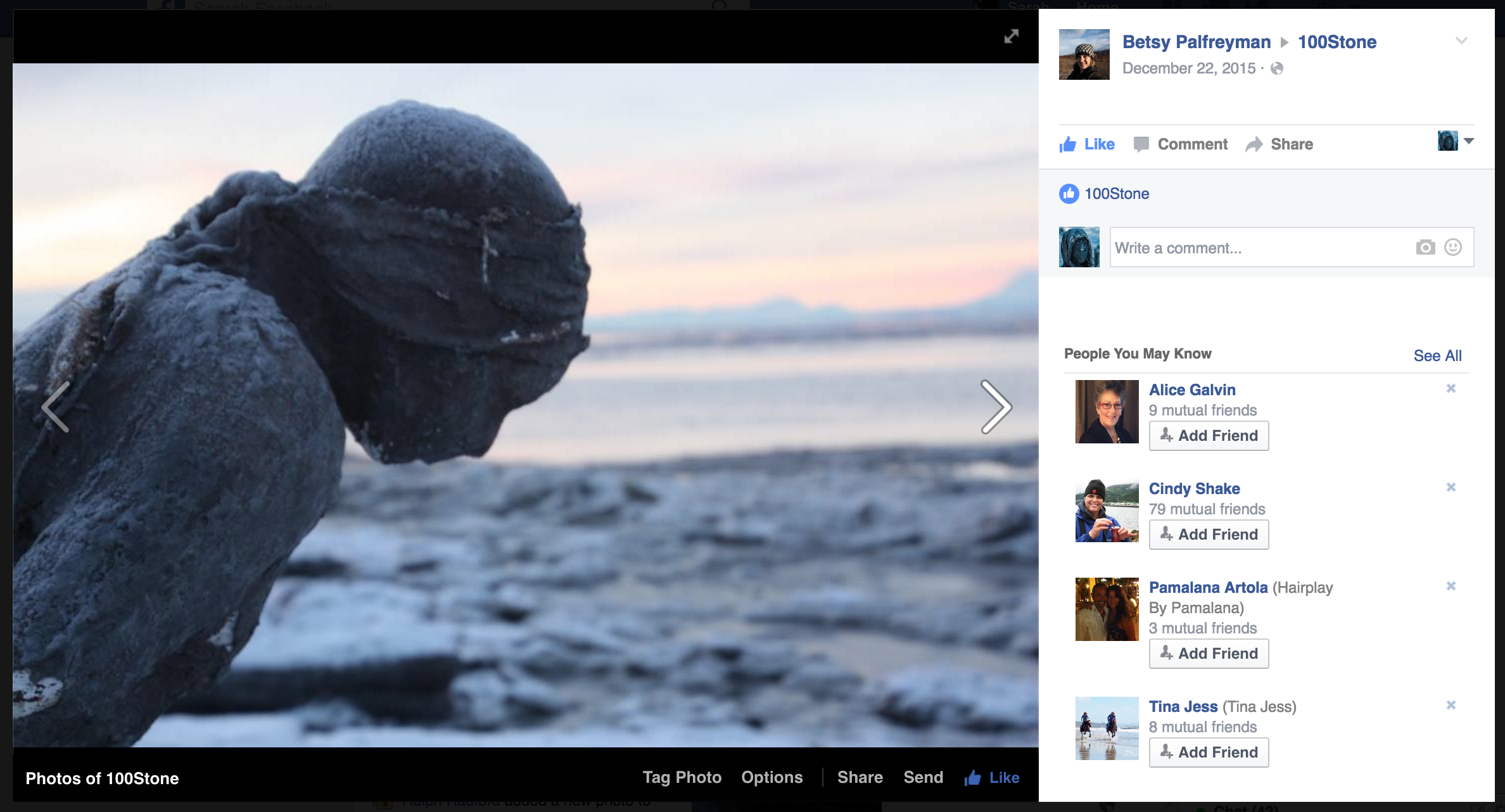
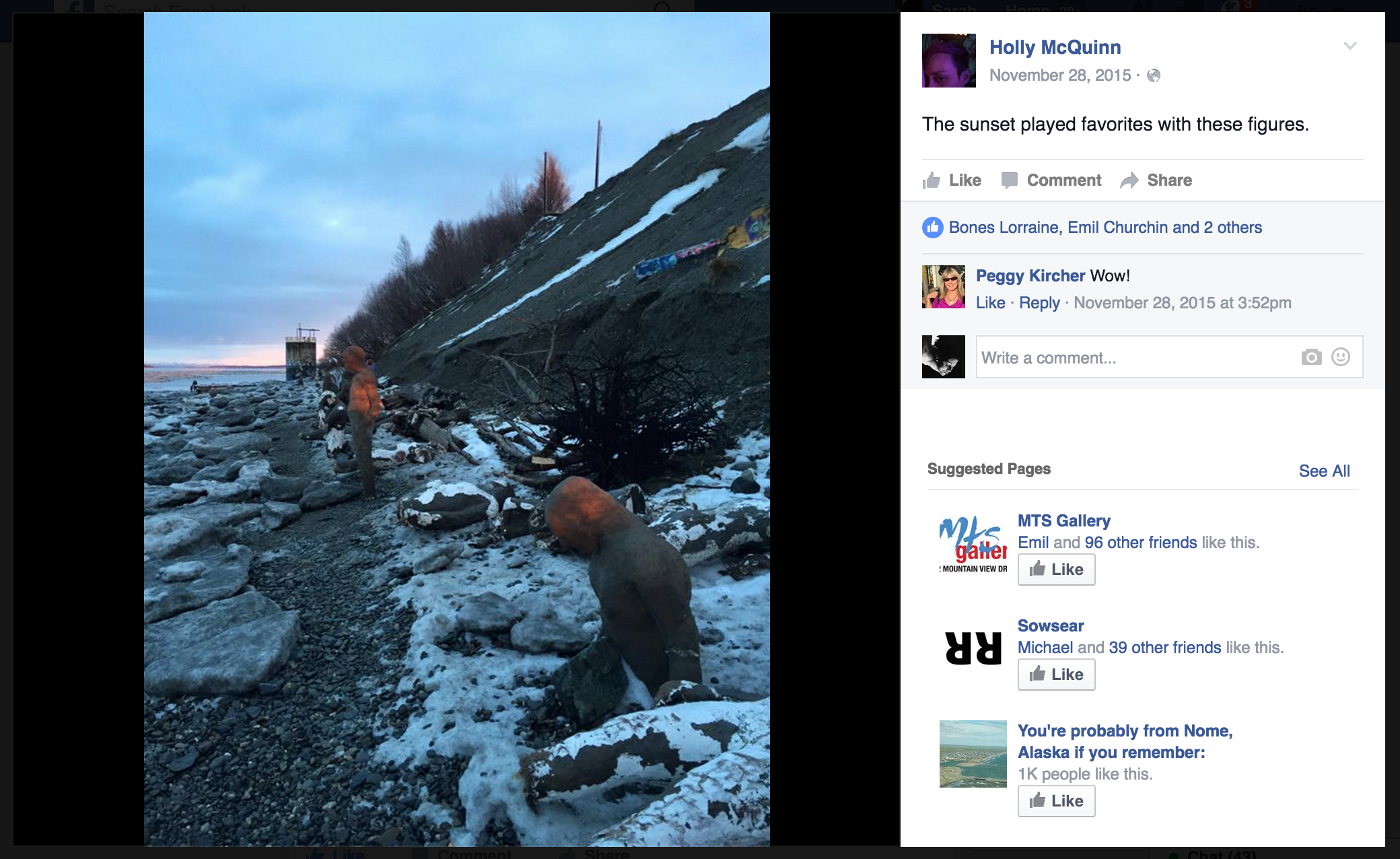
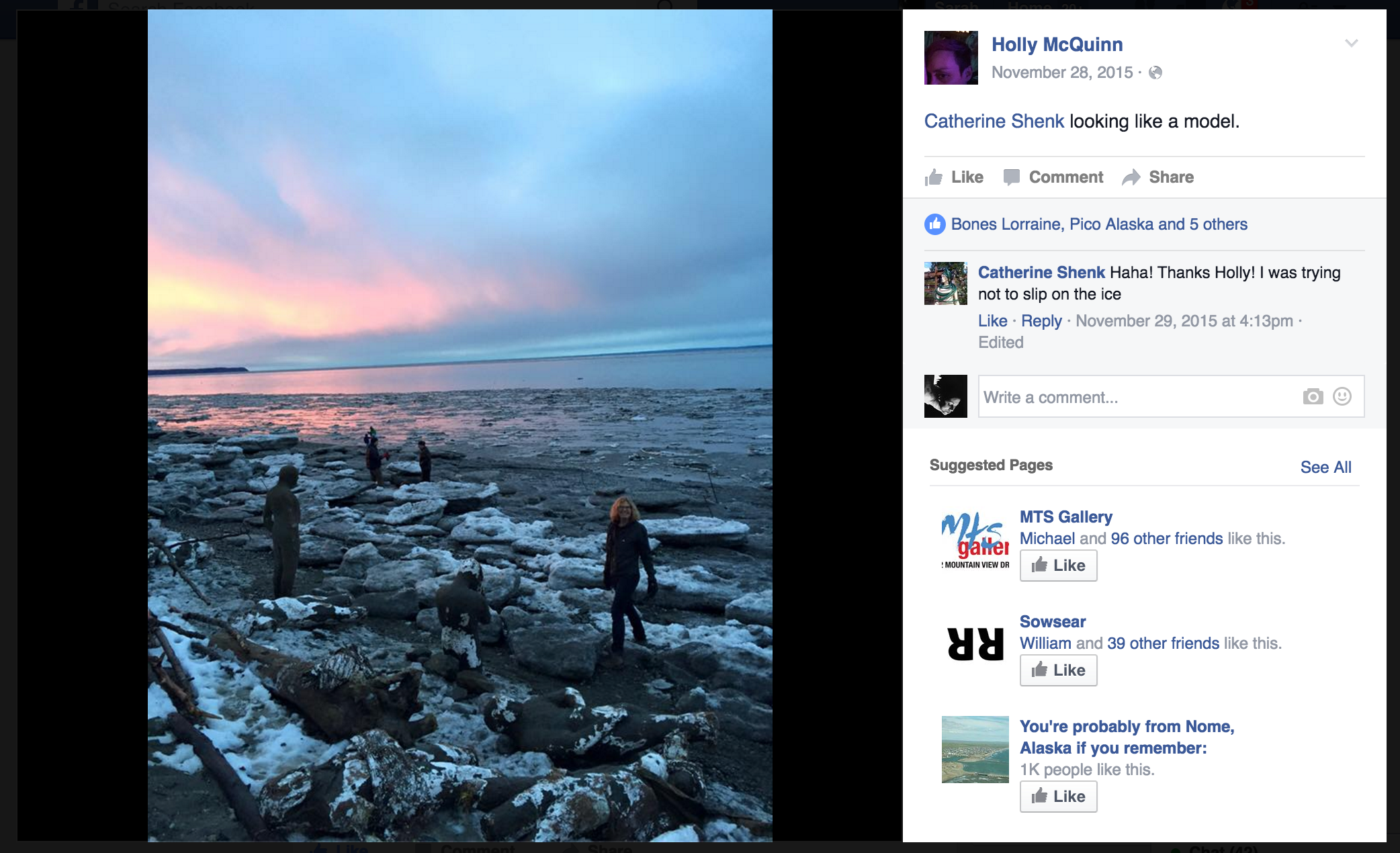
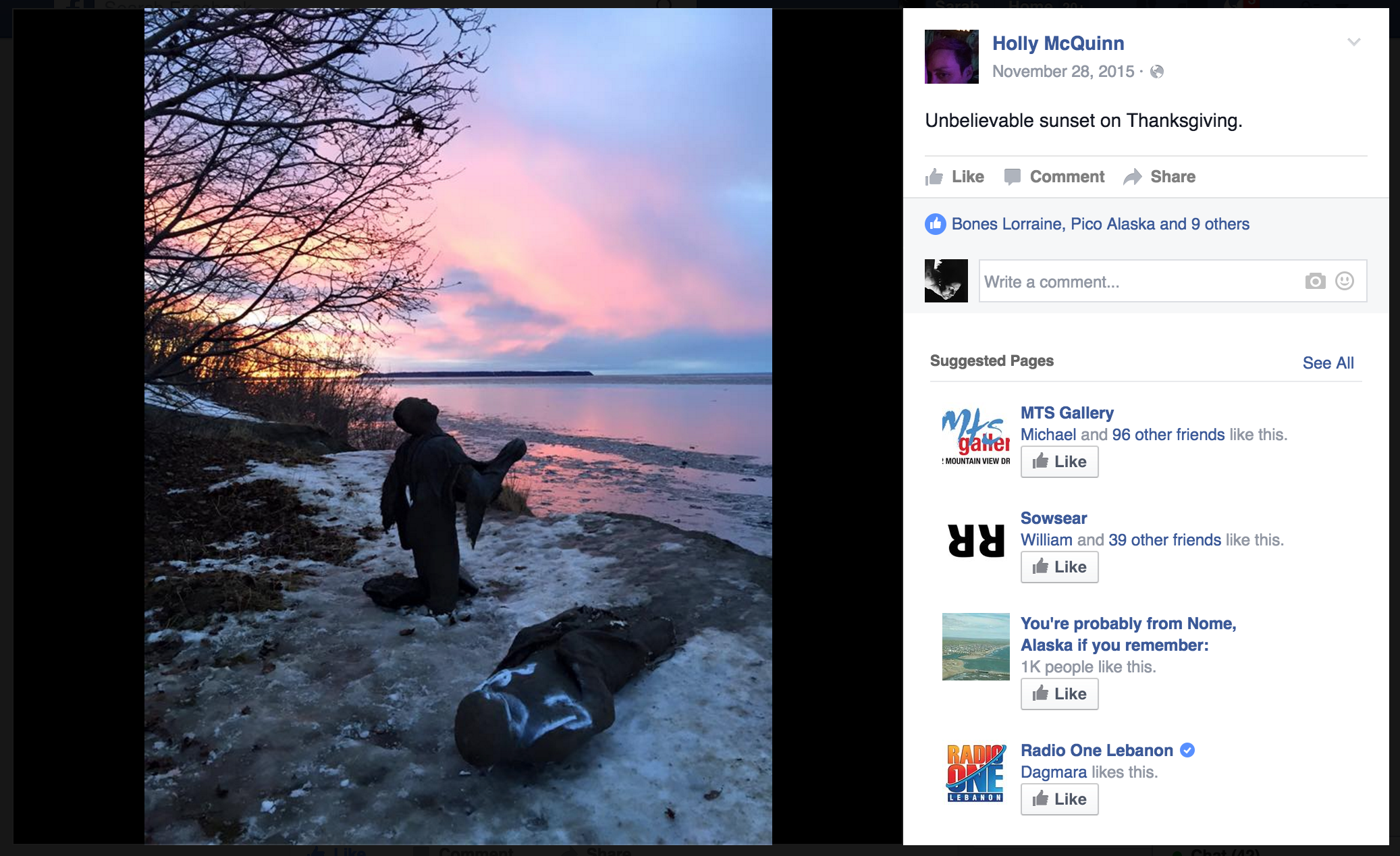
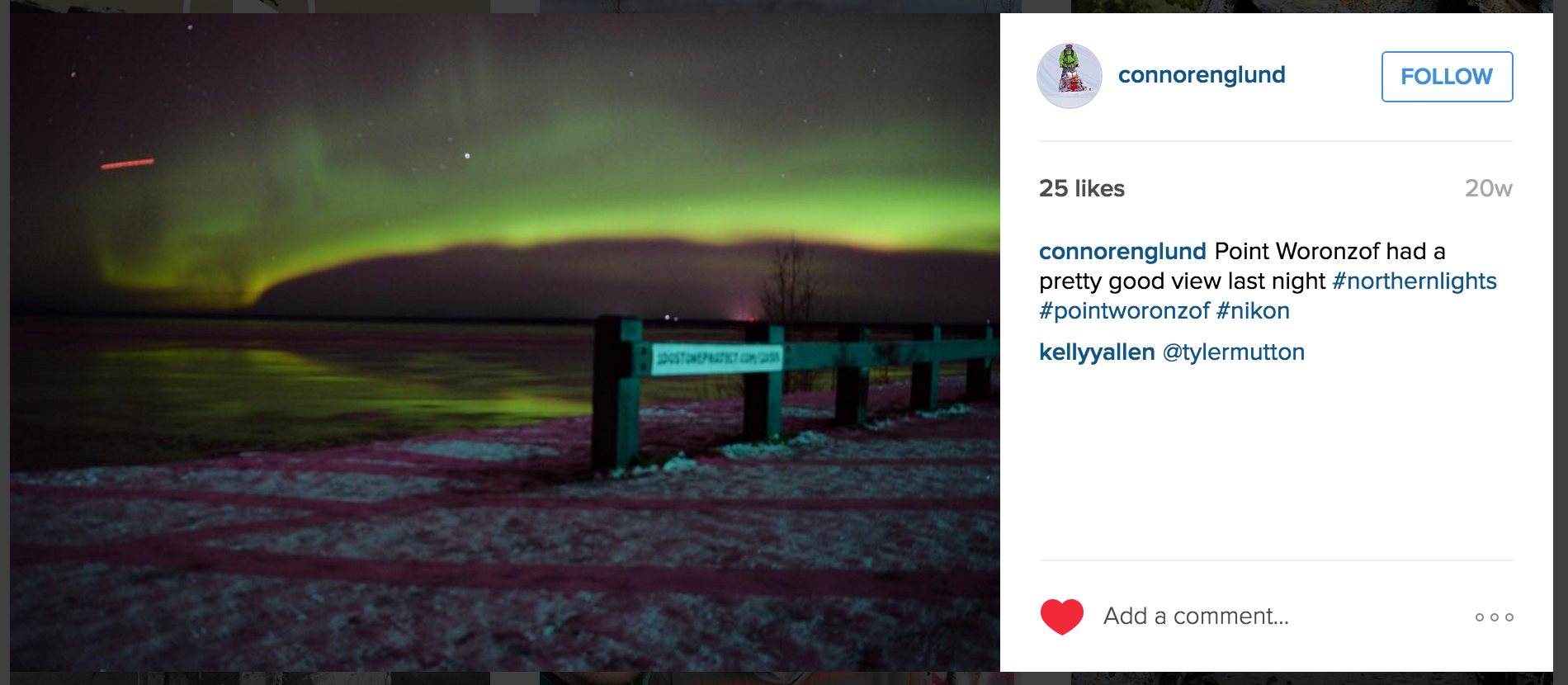
Collected social media images from 11/21/15 - 4/09/16